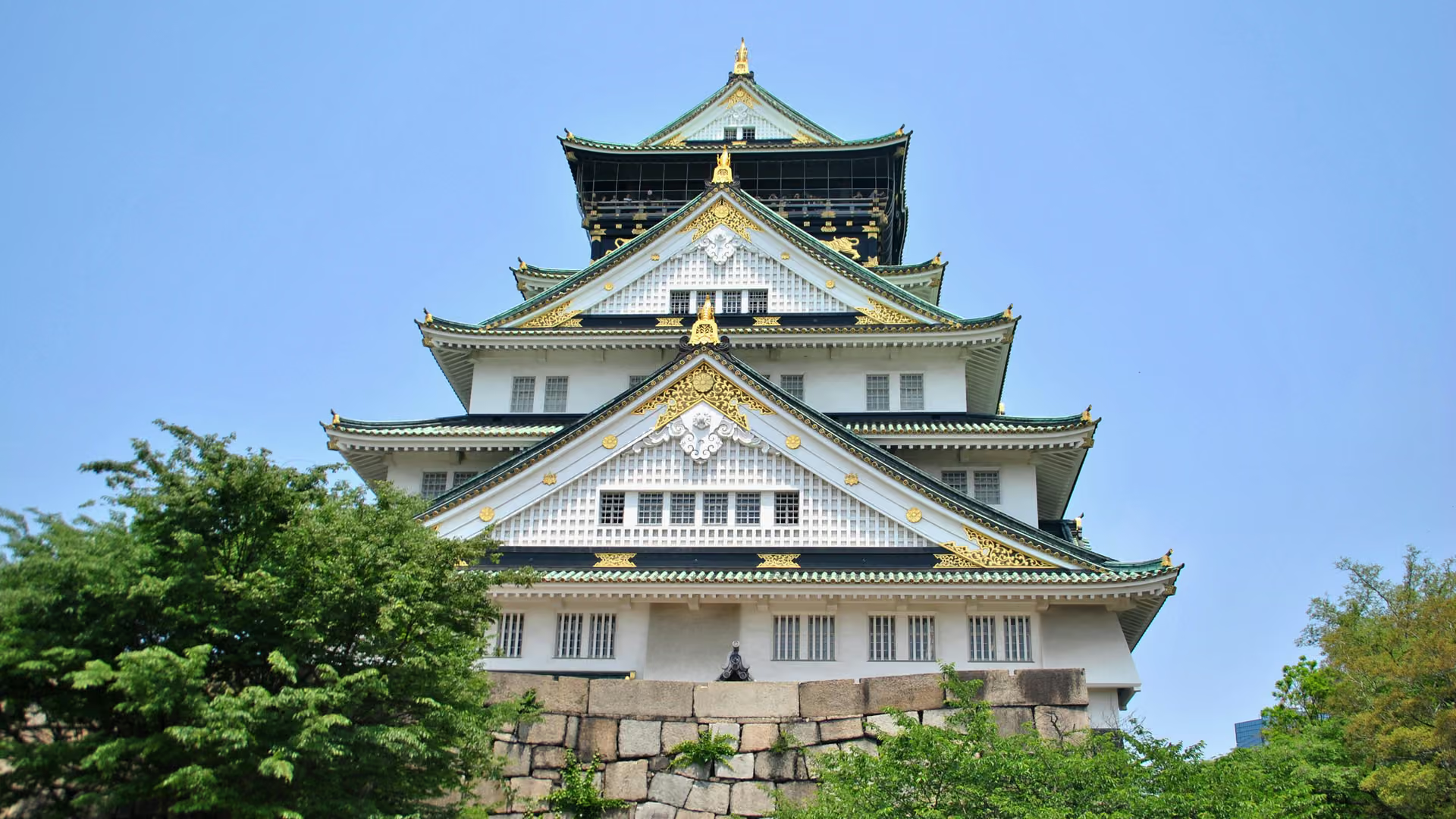
Mikuni Shrine
三國神社
A shrine in the old port town of Mikuni, named in the Engishiki, with a two-storey Zuijinmon gate of the 1860s that is a Prefectural Cultural Property.
〒 913-0044How to get there
三国神社10 min walk from the station
Mikuni Shrine is the shrine of the old port town of Mikuni in Sakai, Fukui. It enshrines Oyamakui no Mikoto, also worshipped as Sanno Gongen, and Emperor Keitai. It is a shikinaisha (式内社), one of the shrines named in the Engishiki compiled from 927.
History
According to the shrine, a small shrine first stood at Sakuradani in 927. In 1540 Itatsu Seibei, a resident of the port, took in a sacred object that had drifted down from Takayanagi village, and in 1564 a Sanno shrine was built at Sakuradani to enshrine it as Oyamakui. Early in the Meiji era it became Sakuradani Shrine. Emperor Keitai, enshrined at the Minato-no-miya shrine on Okigaoka, was added in 1872, and the shrine has been called Mikuni Shrine since 1885.
In 1831 the port merchant Uchida Soemon led a rebuilding of the halls and grounds as relief work for the poor during the Tenpo famine. It was completed in 1839.
Buildings
The two-storey gate, the Zuijinmon, was begun in 1864 and finished in 1870. It is the largest gate of its kind in Fukui Prefecture and a Prefectural Tangible Cultural Property. Its design is traditional Japanese with Zen-style touches such as fan-shaped rafters. The guardian figures on either side, carved by Shima Ryusai, were given by the Matsugashita district in 1869, and the name plaque above was a gift from Matsudaira Mochiaki, the 17th lord of Fukui, in 1868. The original cypress-bark roof was replaced with copper in 2004.
The carvings of the worship hall, by Shima Joji, are a designated cultural property of the town. The stone steps behind the torii date from 1848 and were laid with old paving stones from the Shiomi Bridge. The shrine's festival, the Mikuni Matsuri, brings six warrior-doll floats through the town every May and is a Fukui Prefecture Intangible Folk Cultural Property.
What's on here
| Date | Event |
|---|---|
| 15–21 May 2027 | Mikuni Festival (Mikuni Shrine Annual Festival) |
Getting There

Planning a trip? Fit this into a trip and Oni plans the rest around it.
Places nearby
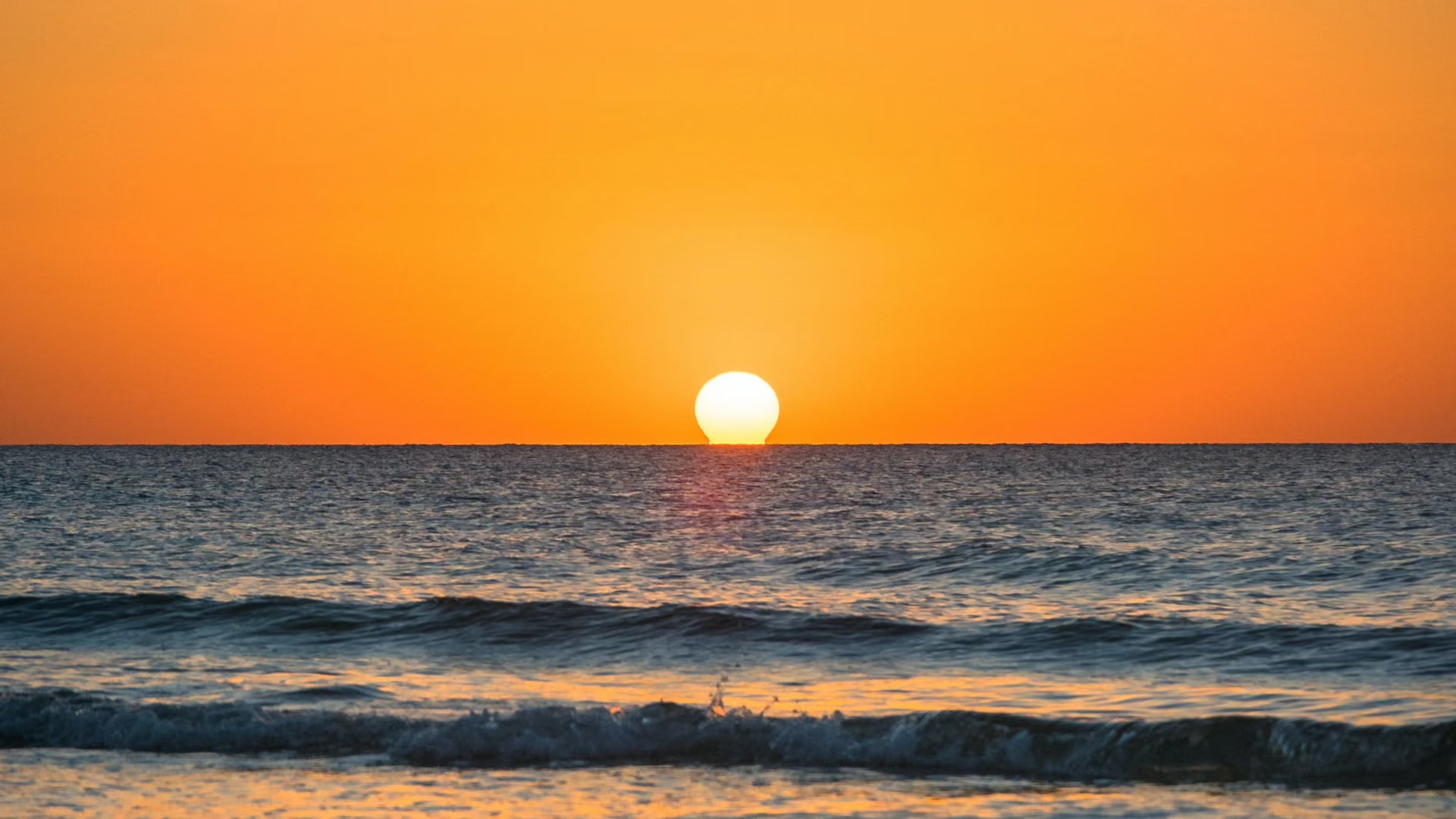
Mikuni Sunset Beach
Sea of Japan beach in Mikuni, listed among Japan's 100 best sunsets, with shallow water, summer beach huts and winter surfing.
Sakai · FukuiYou might also like
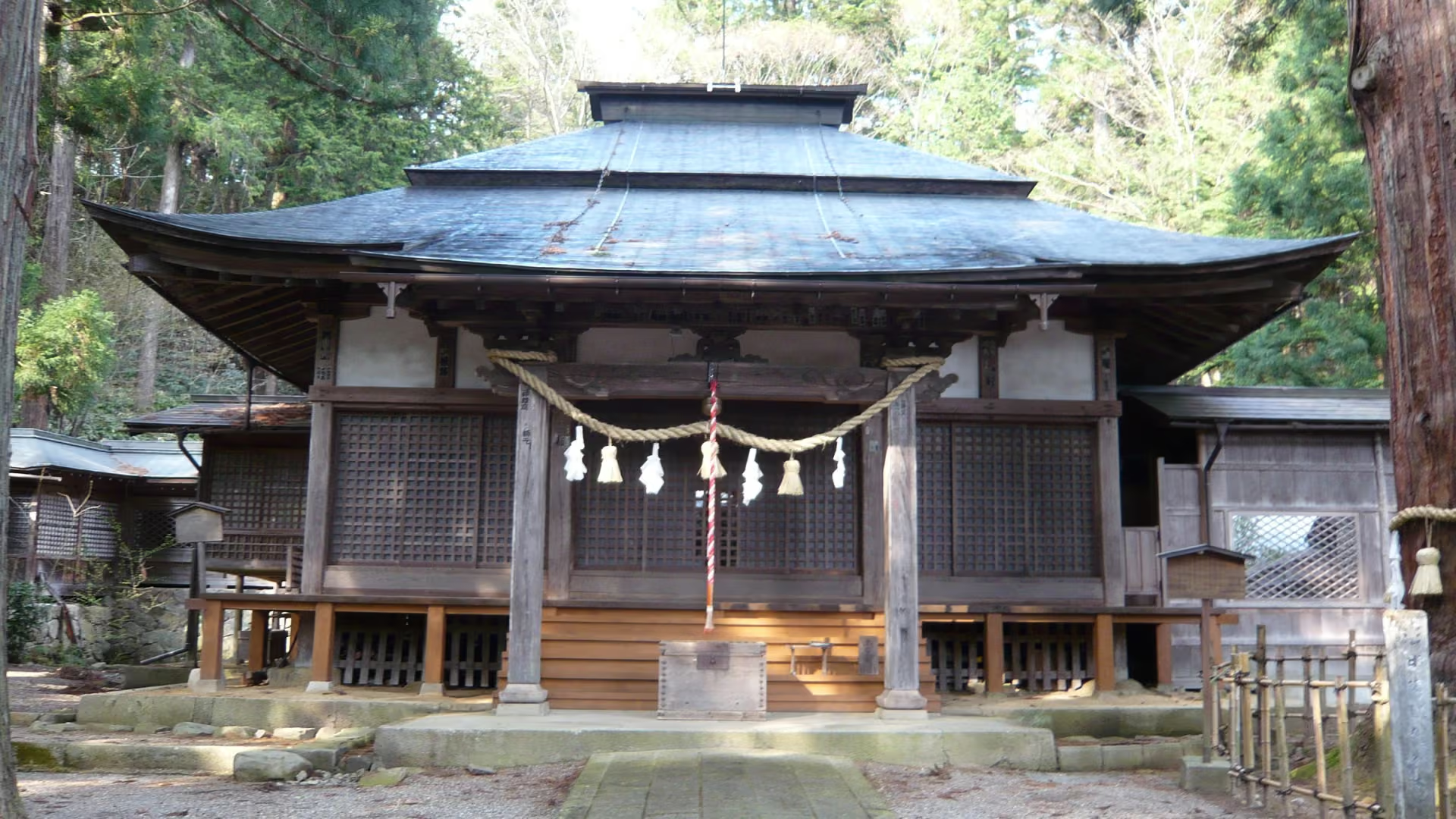
Hie Shrine
A Shinto shrine on Shiroyama in Takayama to the mountain god Oyamakui no Kami, said to date from 1141 and home of the spring Takayama Festival.
Takayama · Gifu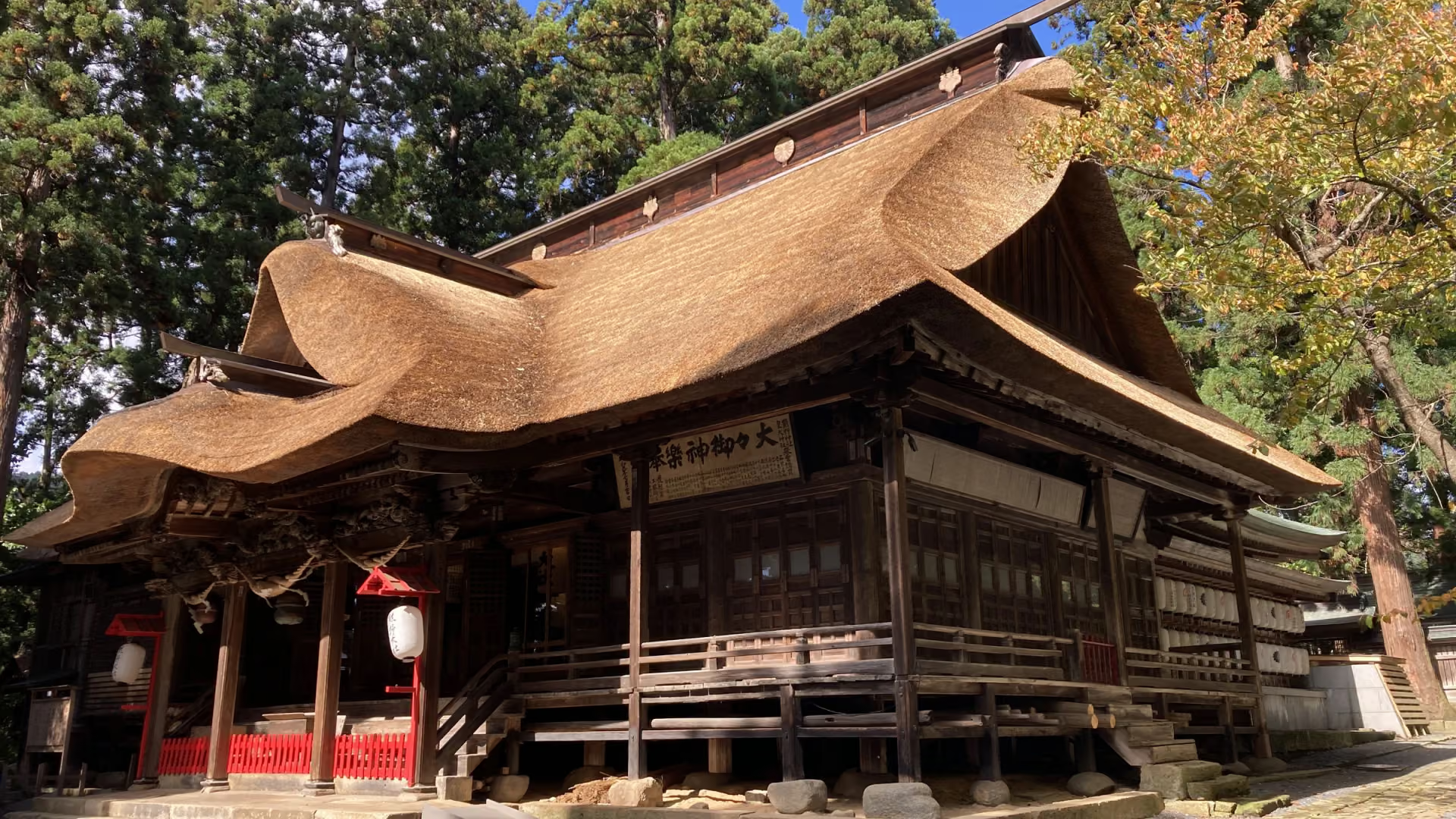
Kumano Taisha Shrine
One of the Three Kumano of Japan, said to have been rebuilt in 806, known as the Ise of Tohoku and as a shrine of matchmaking deities.
Nanyo · Yamagata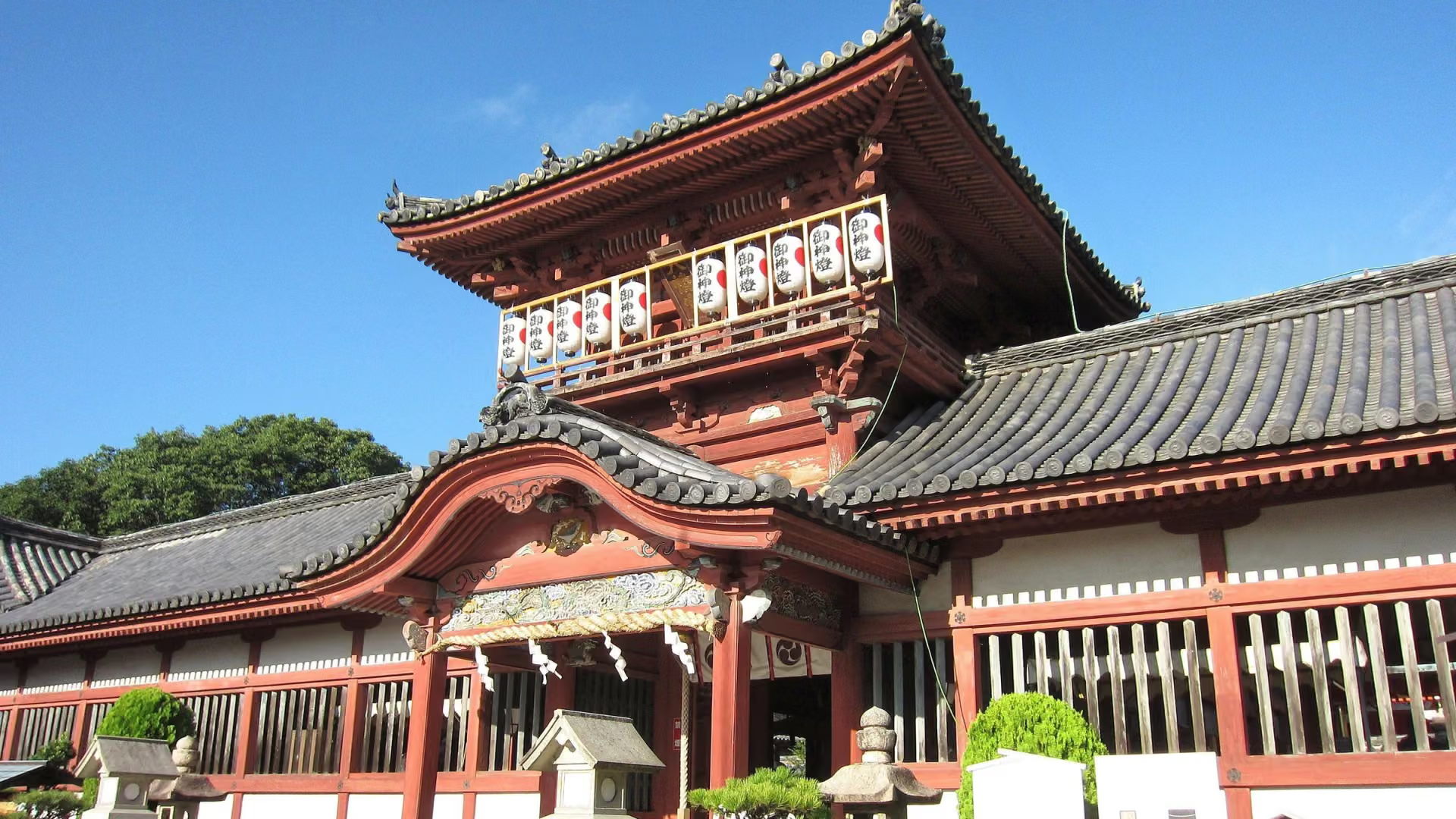
Isaniwa Shrine
A Hachiman shrine at Dogo in Matsuyama, said to stand where Emperor Chuai and Empress Jingu stayed, with 1667 buildings that are an Important Cultural Property.
Matsuyama · Ehime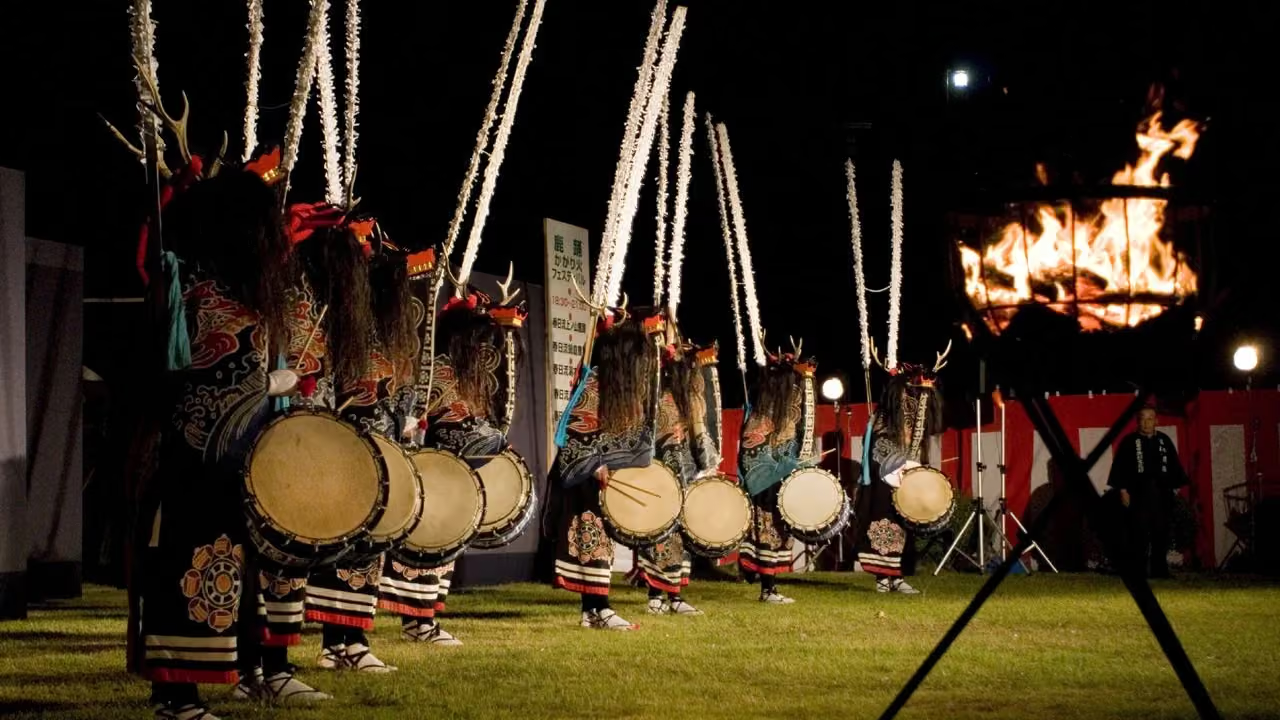
Hanamaki Festival
A festival of more than 430 years in Hanamaki, Iwate, with decorated floats, over 100 mikoshi, deer dances and Kagura Gongenmai.
10–12 Sep 2027Hanamaki · Iwate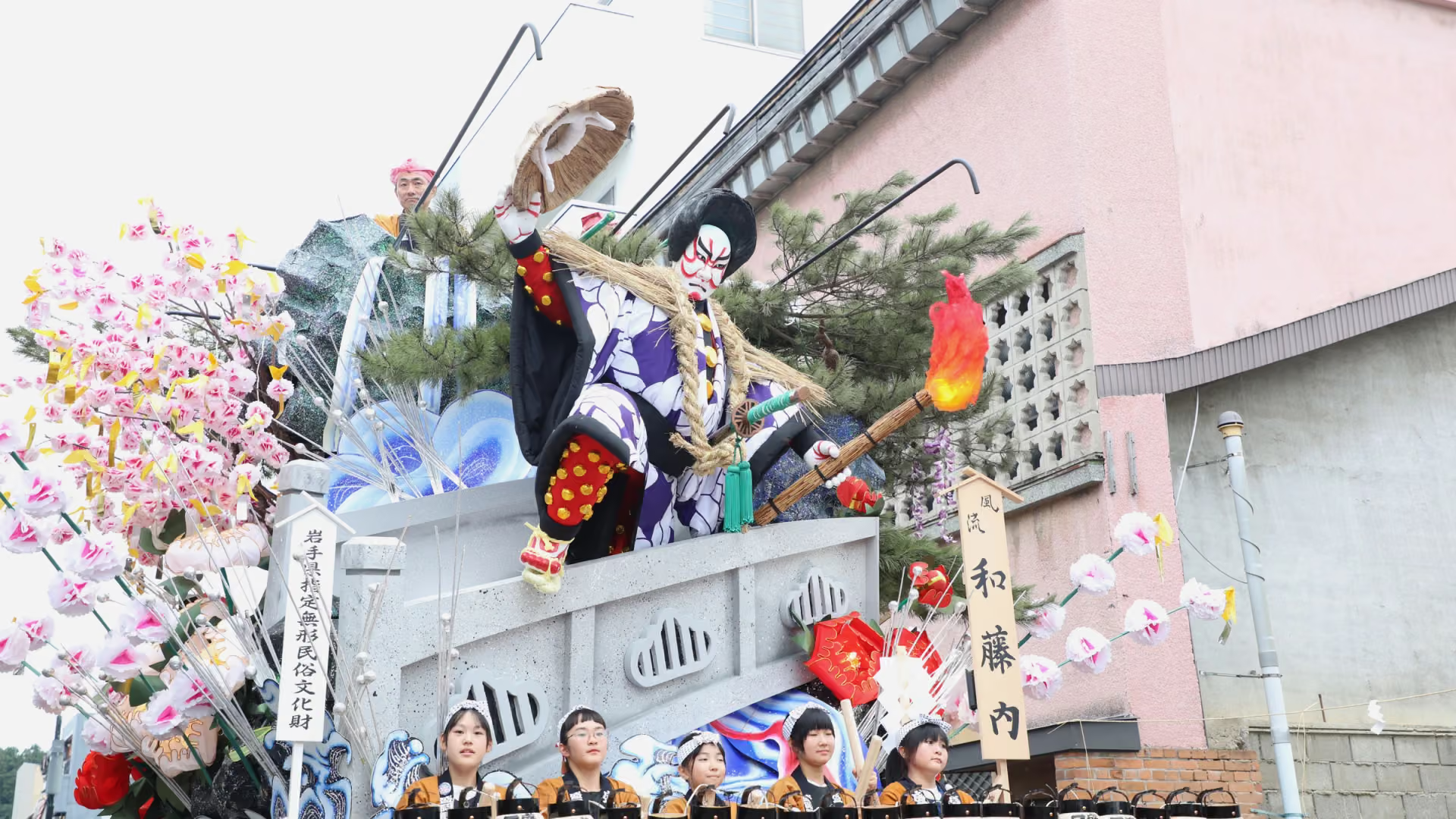
Morioka Fall Festival
Neighbourhood floats with kabuki scenes parade through Morioka by day and lit at night, and Morioka Hachimangu Shrine ends its festival with horseback archery.
14–16 Sep 2027Morioka · Iwate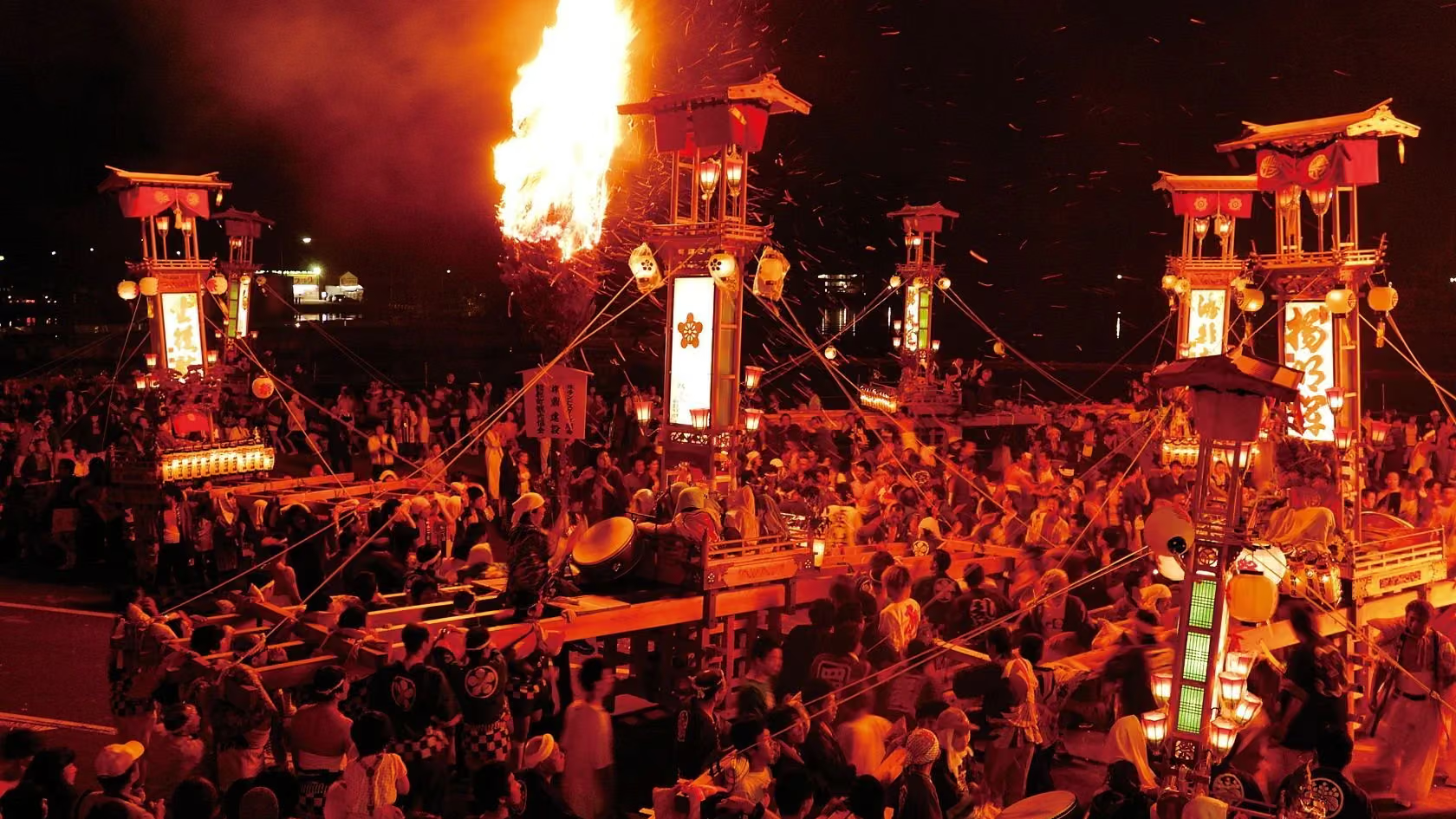
Abare Festival
About 40 kiriko lanterns and two mikoshi go through the port town of Ushitsu in Noto, with the mikoshi thrown into the sea, rivers and fire.
2–3 Jul 2027Exact date not confirmed yetNoto · Ishikawa