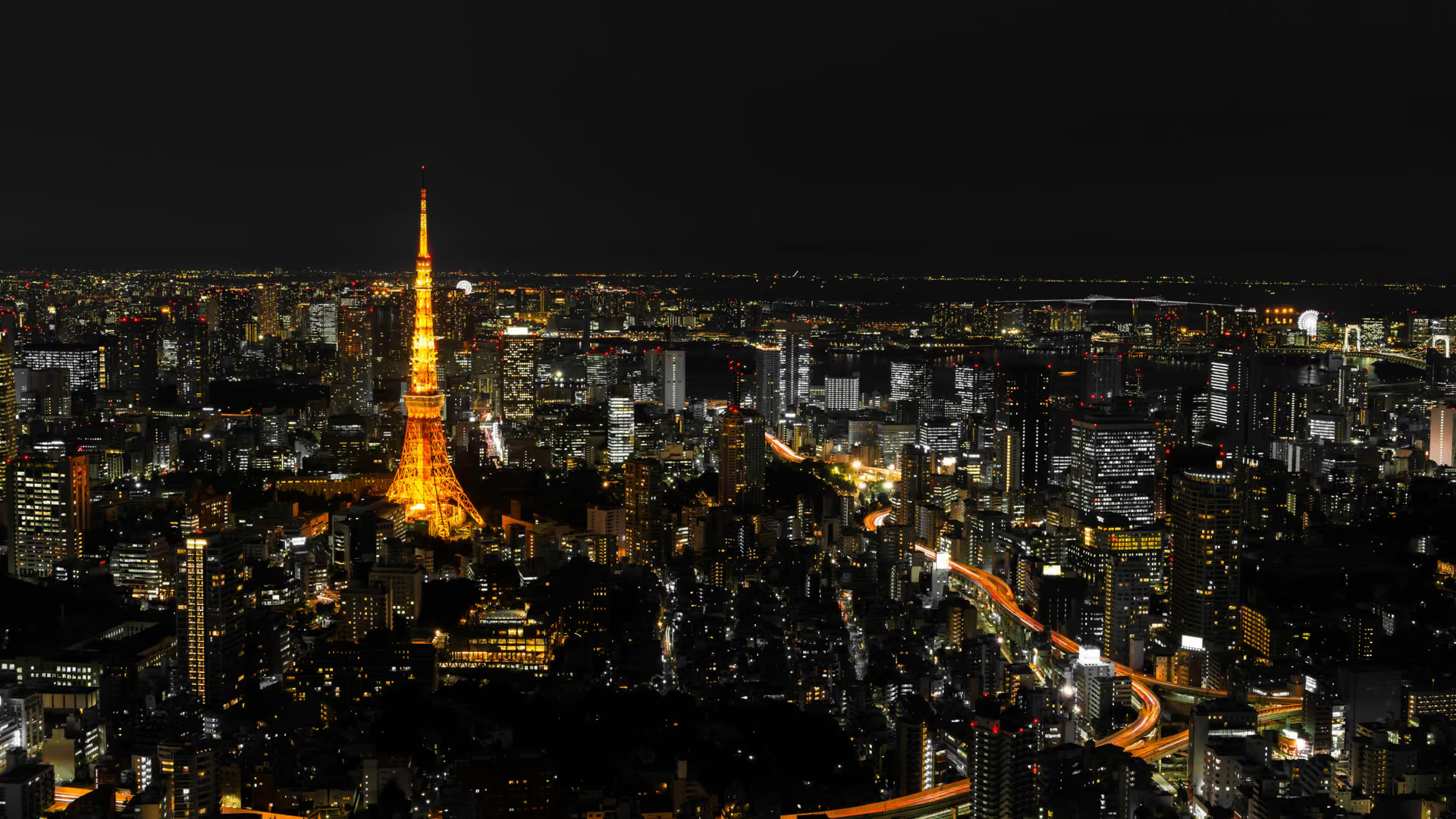
Kanayama Shrine
金山神社
Shrine dedicated to metalworking deities, famous for the annual Kanamara Matsuri celebrating fertility and well-being, with origins in the Edo period.
〒 210-0802How to get there
川崎大師Keikyu Daishi Line1 min walk from the station
Kanayama Shrine is a Shinto shrine within the grounds of Wakamiya Hachimangu in Kawasaki, Kanagawa Prefecture. It enshrines Kanayamahiko no Kami (金山比古神) and Kanayamahime no Kami (金山比売神), originally deities of blacksmiths. Tradition holds that these two treated the burns Izanami suffered when she gave birth to the fire god.
The motion of working a fuigo, a blacksmith's bellows, is likened to the union of man and woman, so the shrine is also credited with blessings for marital harmony, descendants, childbirth and illnesses of the lower body. It is known too for protection from sexually transmitted diseases, in recent years including AIDS. Large phallic symbols stand around the grounds.
Festivals
The shrine is best known for the Kanamara Matsuri, or Festival of the Steel Phallus, held each April. It is said to have begun in the Edo period, when meshimori onna (飯盛女), inn servants who also worked as prostitutes in the post town of Kawasaki-juku, prayed to be kept from disease. Three phallus-shaped mikoshi, portable shrines, are carried through the neighbourhood, and the festival draws many visitors from abroad.
Each November, smiths and companies that work with metal hold the Fuigo Matsuri before the deities.
History
The shrine once stood east of Kawasaki-Daishi Station and moved to the grounds of Wakamiya Hachimangu when the tracks of the Daishi Electric Railway crossed its land.
Buildings
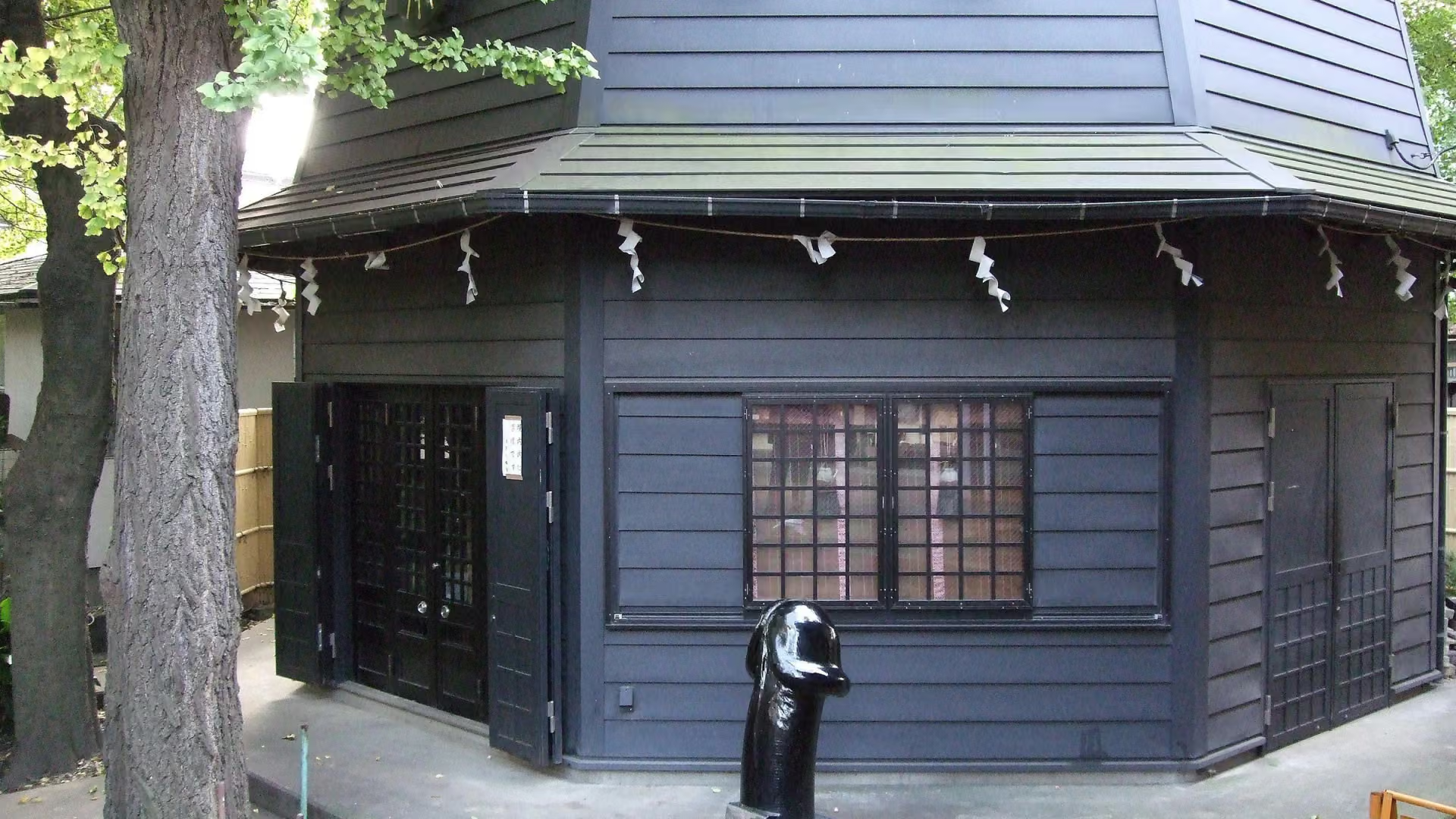
The present hall dates from a rebuilding in 1999. It is a black octagon clad in iron plate, about 3 metres to a side and 8 metres high. Half of its floor is packed earth, and a bellows, a furnace and a set-in anvil recreate a blacksmith's workshop. A local history room at the shrine displays books on iron and stone Buddhas, phallic votive offerings, and material on sexual customs from Japan and abroad.
What's on here
| Date | Event |
|---|---|
| 4 Apr 2027Date to be confirmed | Kanamara Matsuri |
Getting There

Planning a trip? Fit this into a trip and Oni plans the rest around it.
Places nearby
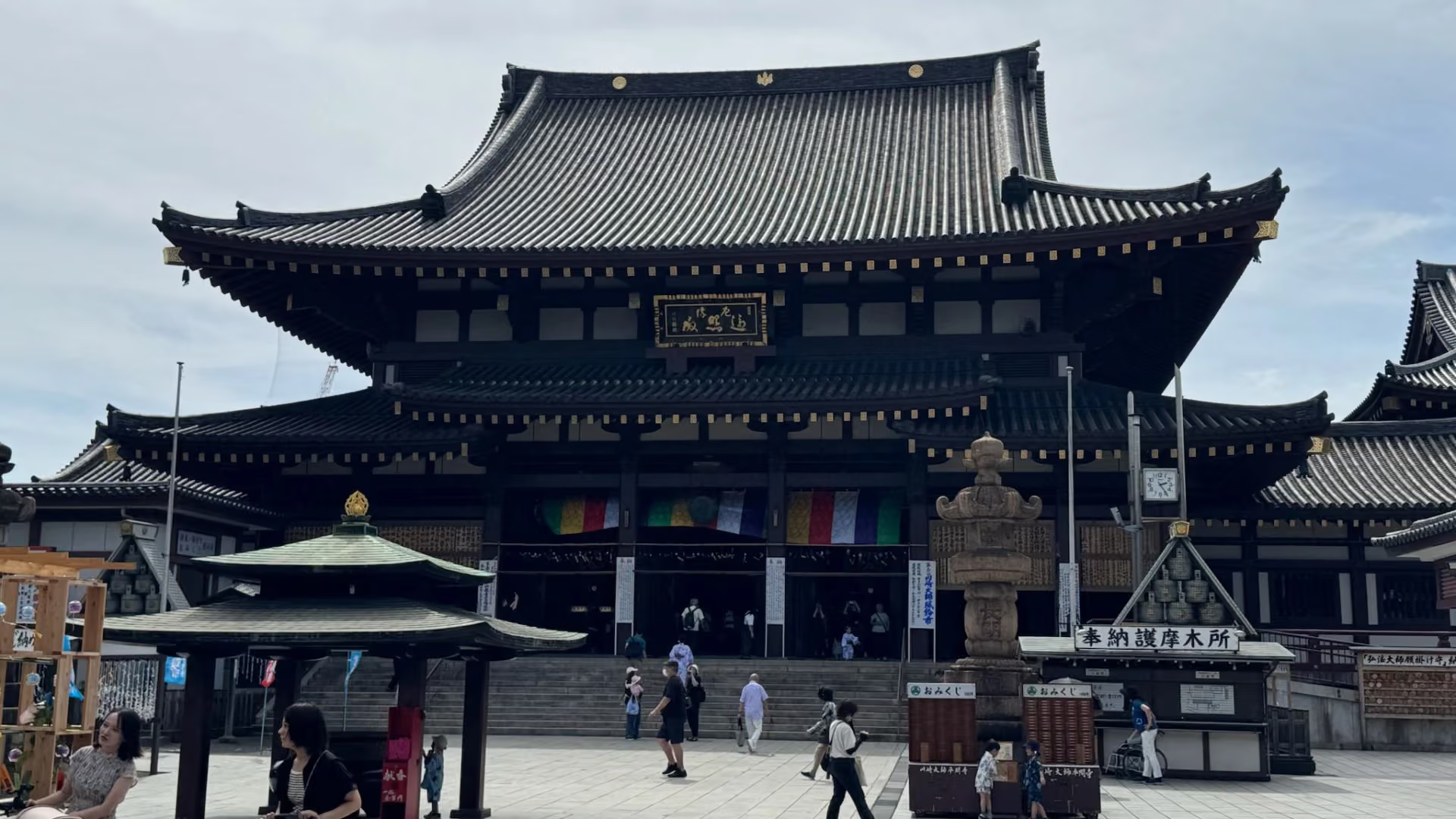
Kawasaki Daishi Heikenji Temple
A Shingon Buddhist temple founded in 1128 around a statue of Kobo Daishi drawn from the sea, known across Japan as the place to pray against misfortune.
Kawasaki · Kanagawa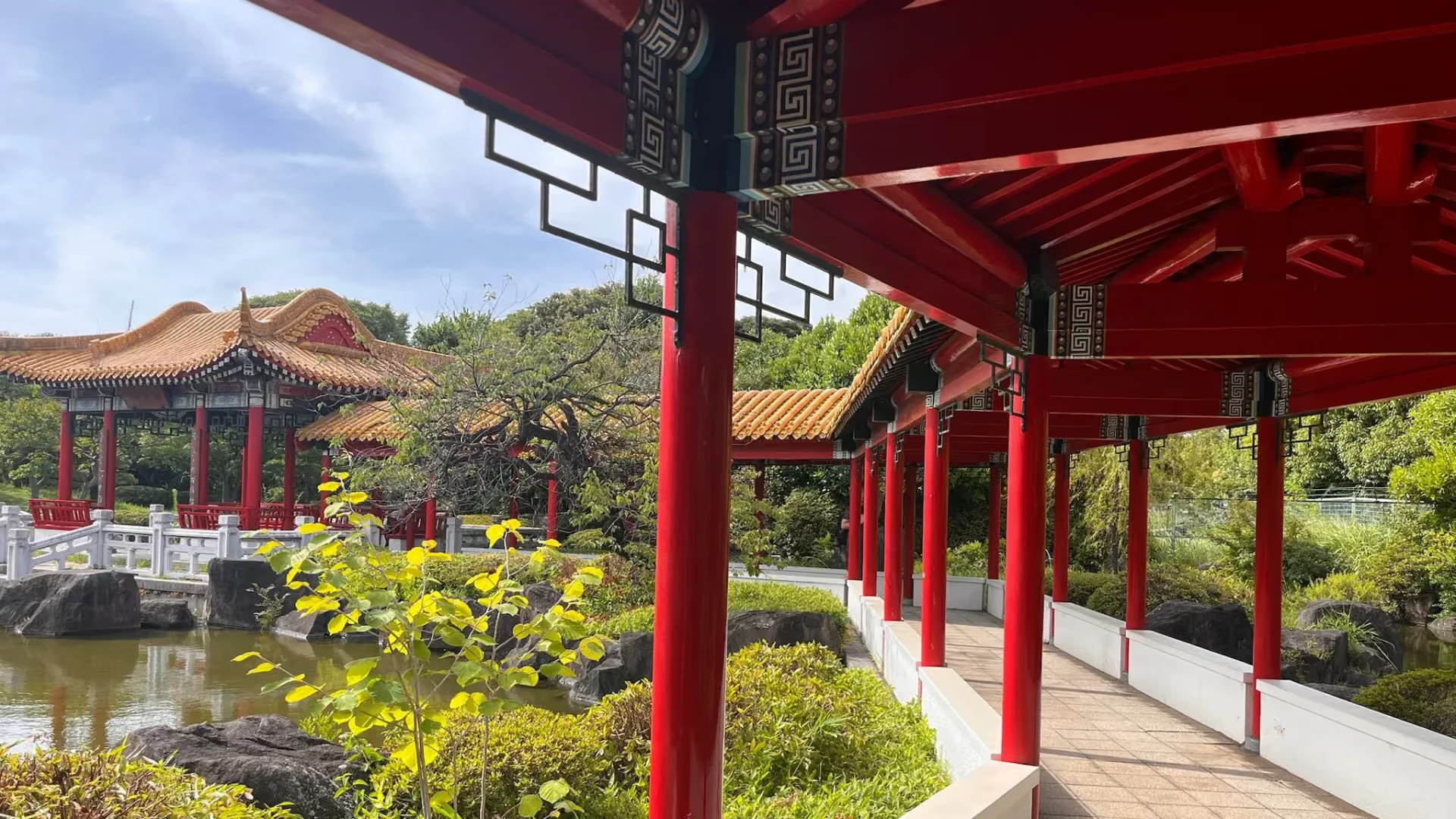
Shinshuen
A Chinese-style landscape garden in Daishi Park, Kawasaki, built in 1987 for the sister-city tie with Shenyang, with three pavilions and a lotus pond.
Kawasaki · Kanagawa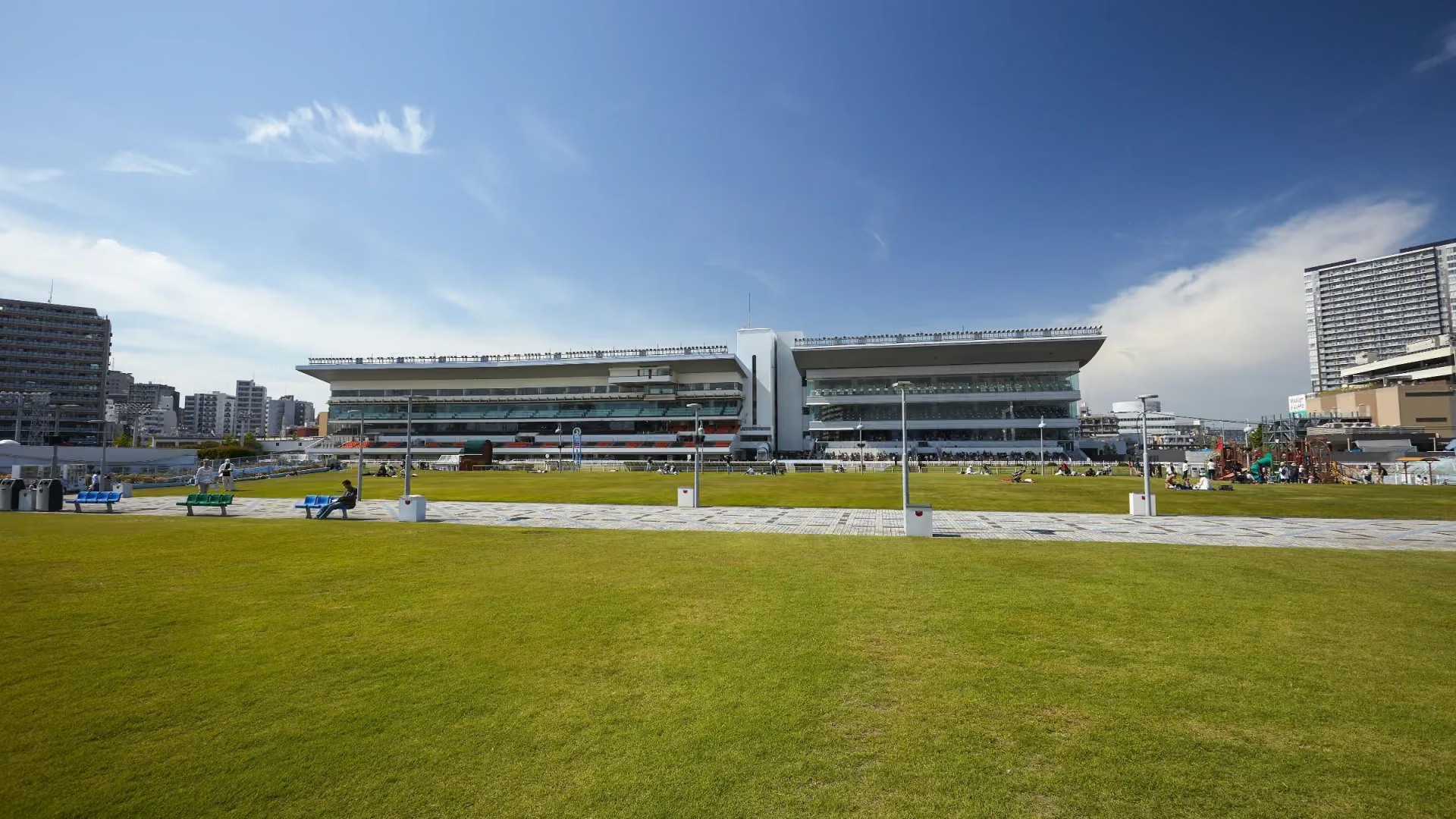
Kawasaki Racecourse
A left-handed dirt racecourse in Kawasaki run by Kanagawa Prefecture and Kawasaki City, with an infield lawn, play equipment and a food court.
Kawasaki · KanagawaYou might also like
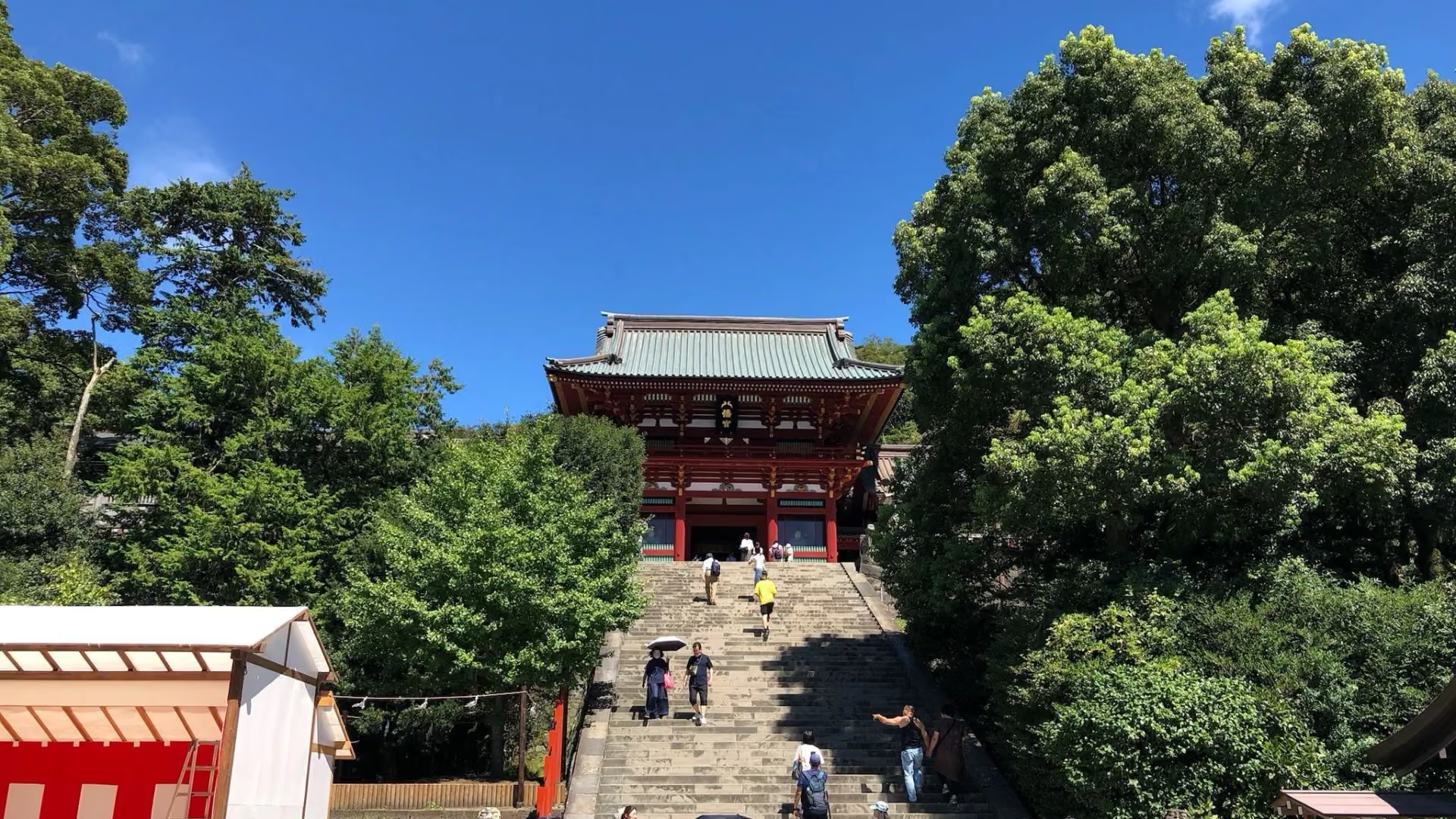
Tsurugaoka Hachimangu
Shrine founded as guardian deity of the Kamakura shogunate, hosting significant festivals including horseback archery and sumo wrestling traditions.
Kamakura · Kanagawa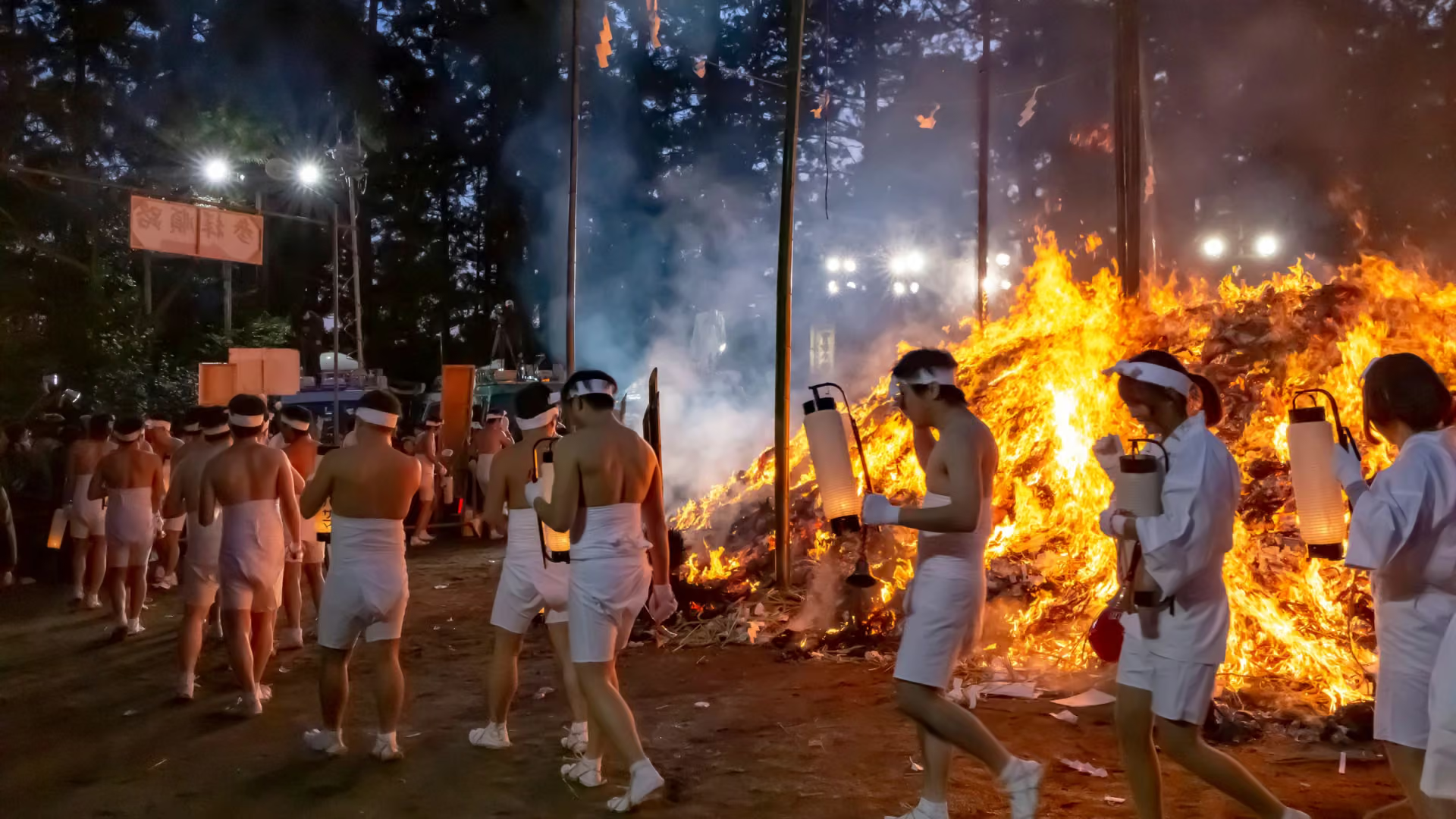
Dontosai Festival
An annual winter ritual in Sendai features the ceremonial burning of New Year decorations followed by a sacred pilgrimage procession in traditional attire.
14 Jan 2027Sendai · Miyagi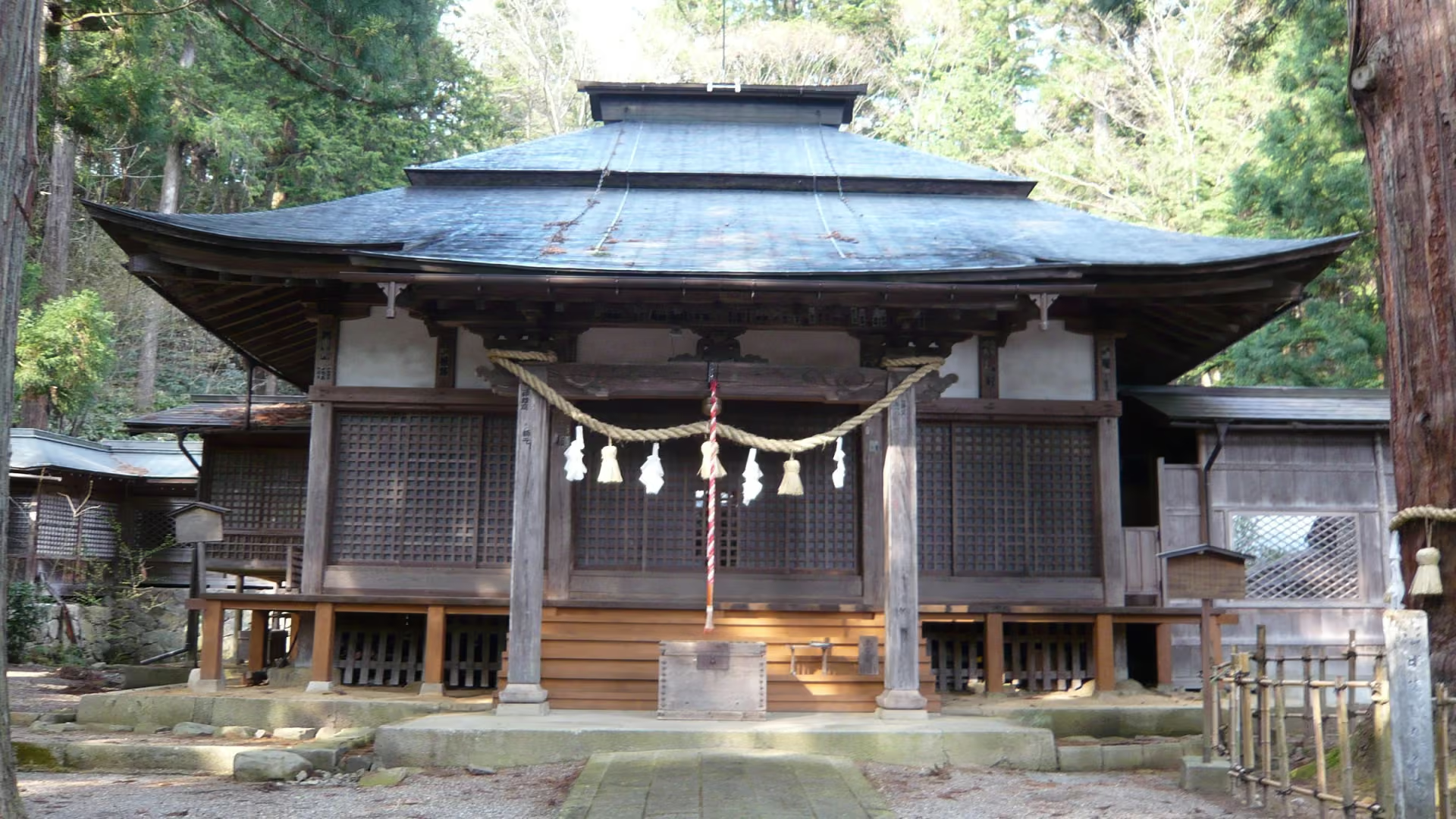
Hie Shrine
A Shinto shrine on Shiroyama in Takayama to the mountain god Oyamakui no Kami, said to date from 1141 and home of the spring Takayama Festival.
Takayama · Gifu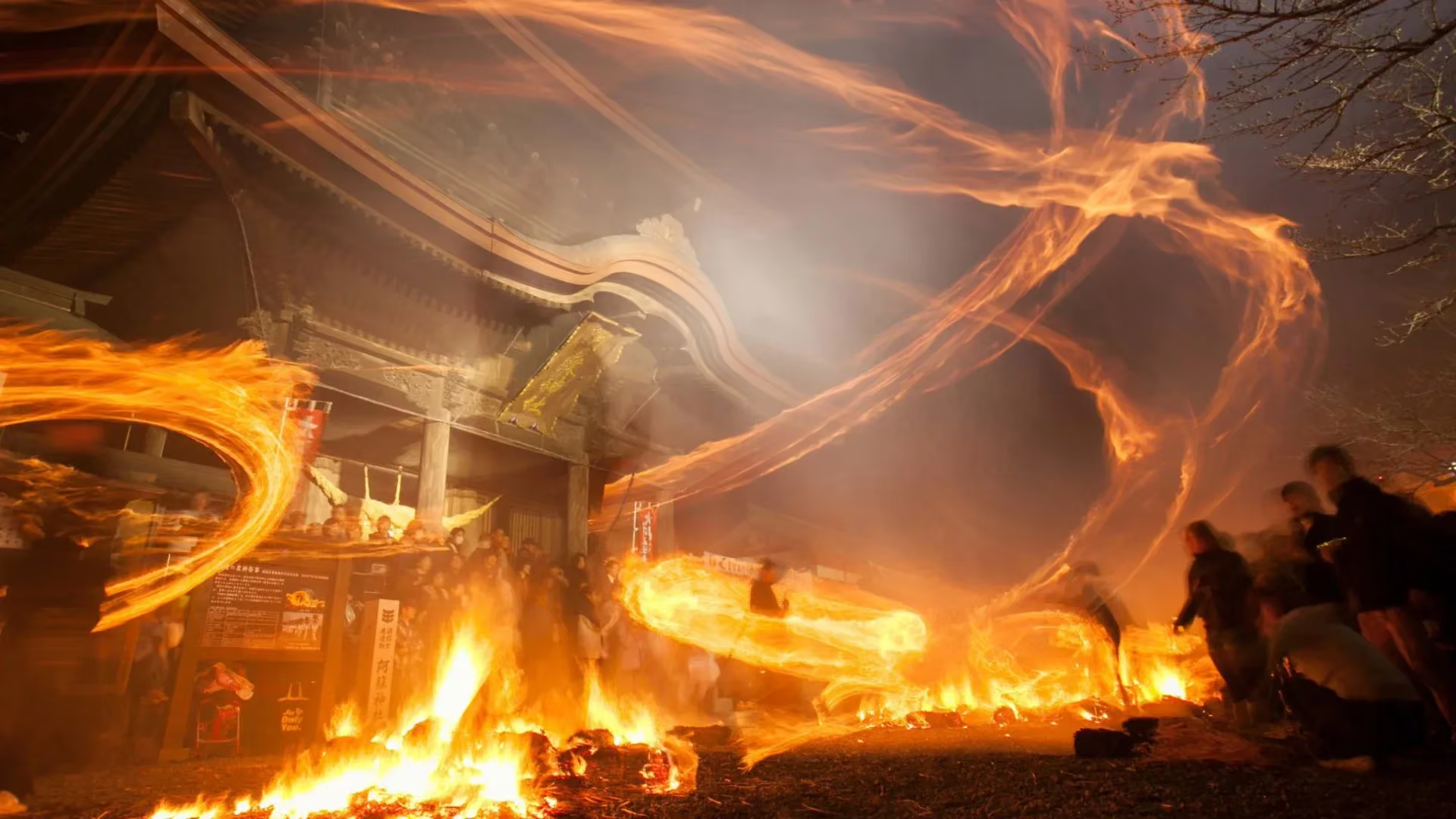
Hifuri Shinji Fire Swinging Ritual
During the Tatsukuri Festival at Aso Shrine, burning bundles of grass are swung on the shrine approach to welcome the bride of the deity Kunitatsu-no-Kami.
23 Mar 2027Exact date not confirmed yetAso · Kumamoto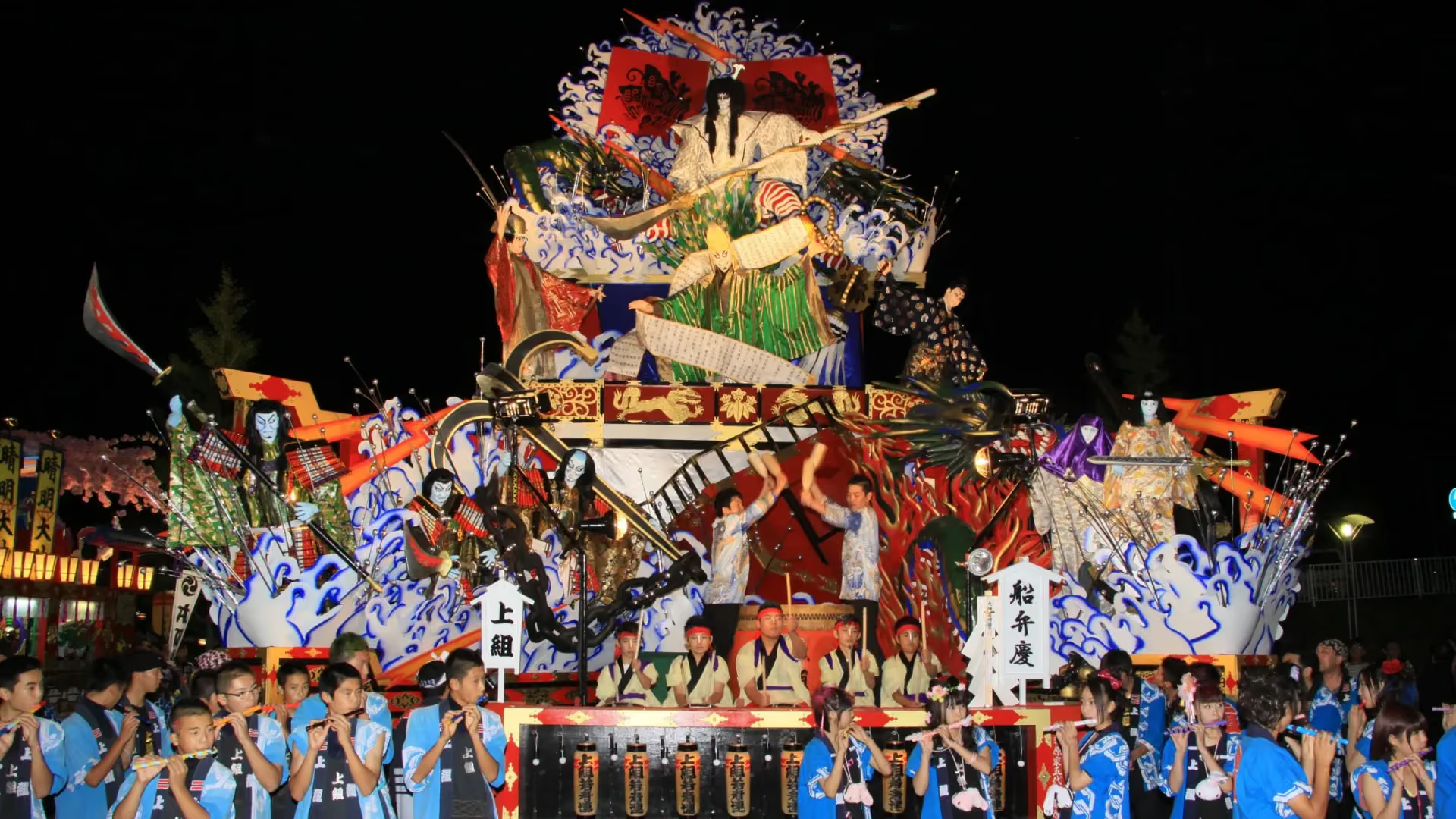
Kuji Autumn Festival
This festival in Kuji, a coastal city in northern Iwate, over 650 years old, gives thanks for the harvest and prays for protection and good fortune.
16–19 Sep 2027Exact date not confirmed yetKuji · Iwate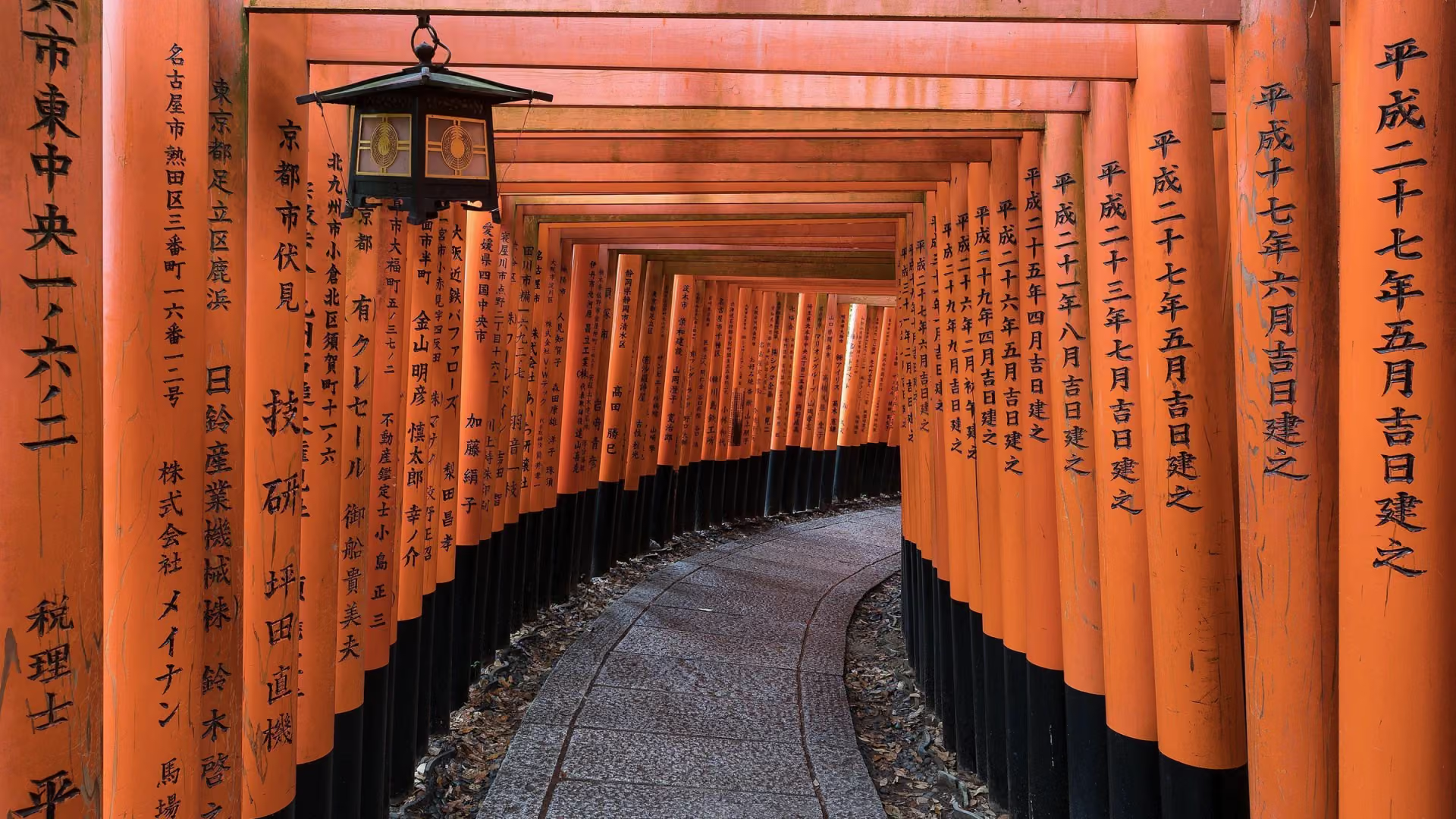
Fushimi Inari Taisha
The head shrine of Japan's Inari shrines, with about 10,000 torii, offered by worshippers in thanks for wishes granted, lining the paths over Mount Inari.
Kyoto