Murakami Suigun Museum
村上海賊ミュージアム
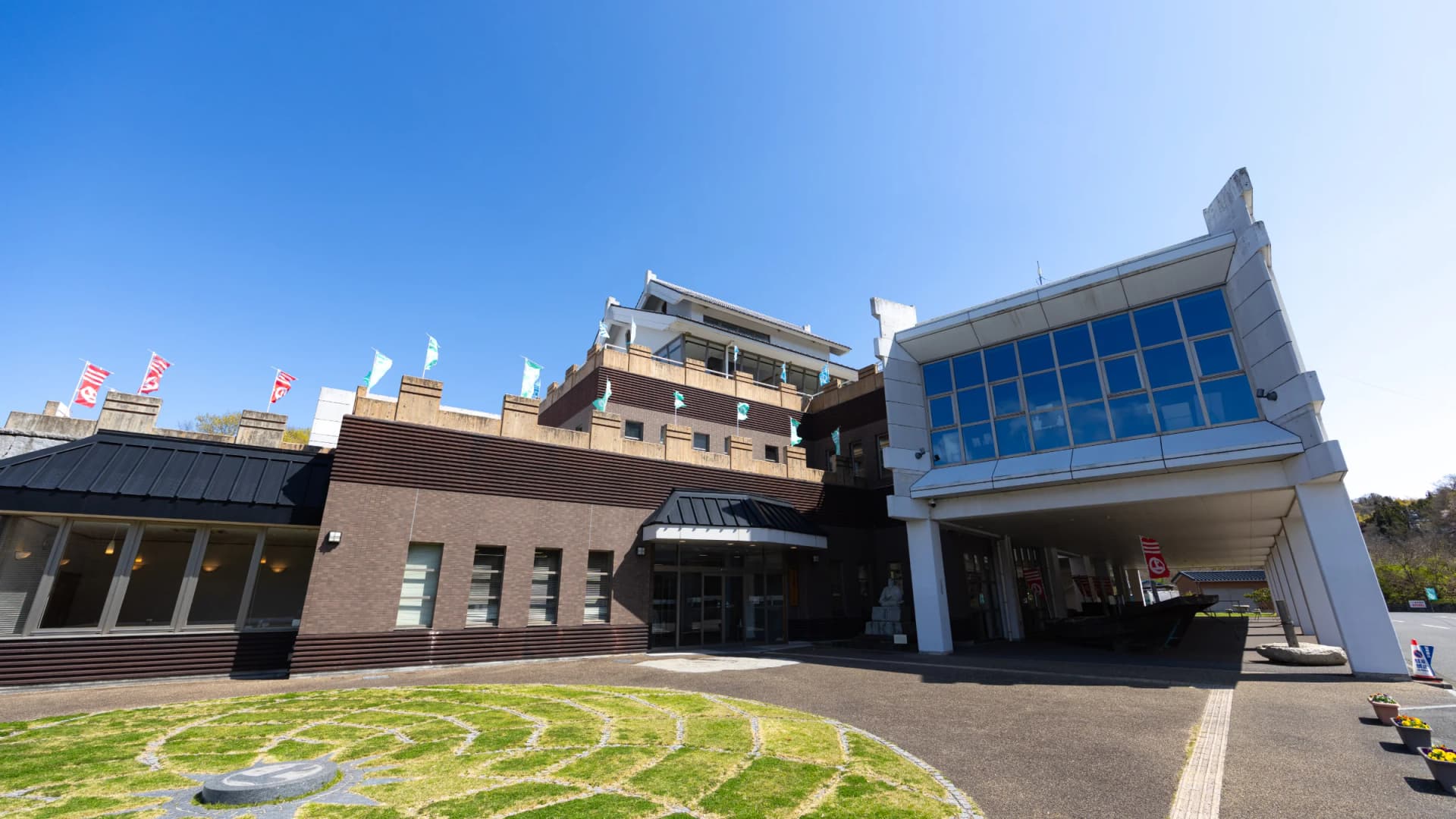
A museum on Oshima in the Inland Sea about the Murakami, the sea lords who controlled the straits around Imabari in the sixteenth century.
〒 794-2203How to get there
波止浜Yosan Line219 min walk from the station
The museum stands at Miyakubo on Oshima, one of the islands of the Inland Sea in Imabari. It is about the Murakami, the family who controlled these waters in the fifteenth and sixteenth centuries, and it looks out on the island stronghold that was their base.
The Murakami were active in the Inland Sea from the middle of the fourteenth century, in three houses based on the islands of Noshima, Kurushima and Innoshima. They allied and fell out with one another, but held together as one family.
The Japanese word used for them, kaizoku, is the word for pirates, and the documents of the time call them that. What they did was different from what the word suggests. The straits here run fast and are dangerous to a boat that does not know them, and the Murakami took payment for safe passage and gave protection in return: they piloted ships through, guarded the sea lanes and carried cargo. They were also men of some cultivation, who drank tea, knew incense and composed linked verse, some of which was dedicated at the great shrine on the neighbouring island.
An older name for them is Murakami Suigun, the Murakami navy, which came into use in the Edo period and was popular when they were thought of as forerunners of the modern navy. The museum uses kaizoku, the word their contemporaries used.
Of the three houses, the one based here at Miyakubo, on the island fort of Noshima, kept the most independence. Under Murakami Takeyoshi in the sixteenth century it held the sea routes from northern Kyushu in the west to the Shiwaku islands in the east, dealing with the warlords around it as ally or enemy as it suited. The Jesuit Luis Frois, who saw them, called the Noshima Murakami the greatest pirates in Japan.
What is shown comes from two sources: objects kept in the Noshima Murakami family over generations, and finds excavated at their island fort. Among them is a red war surcoat which the family's tradition held was dyed with the blood of a mythical beast.
Getting There

You might also like
Yokaichi and Gokoku Historical District
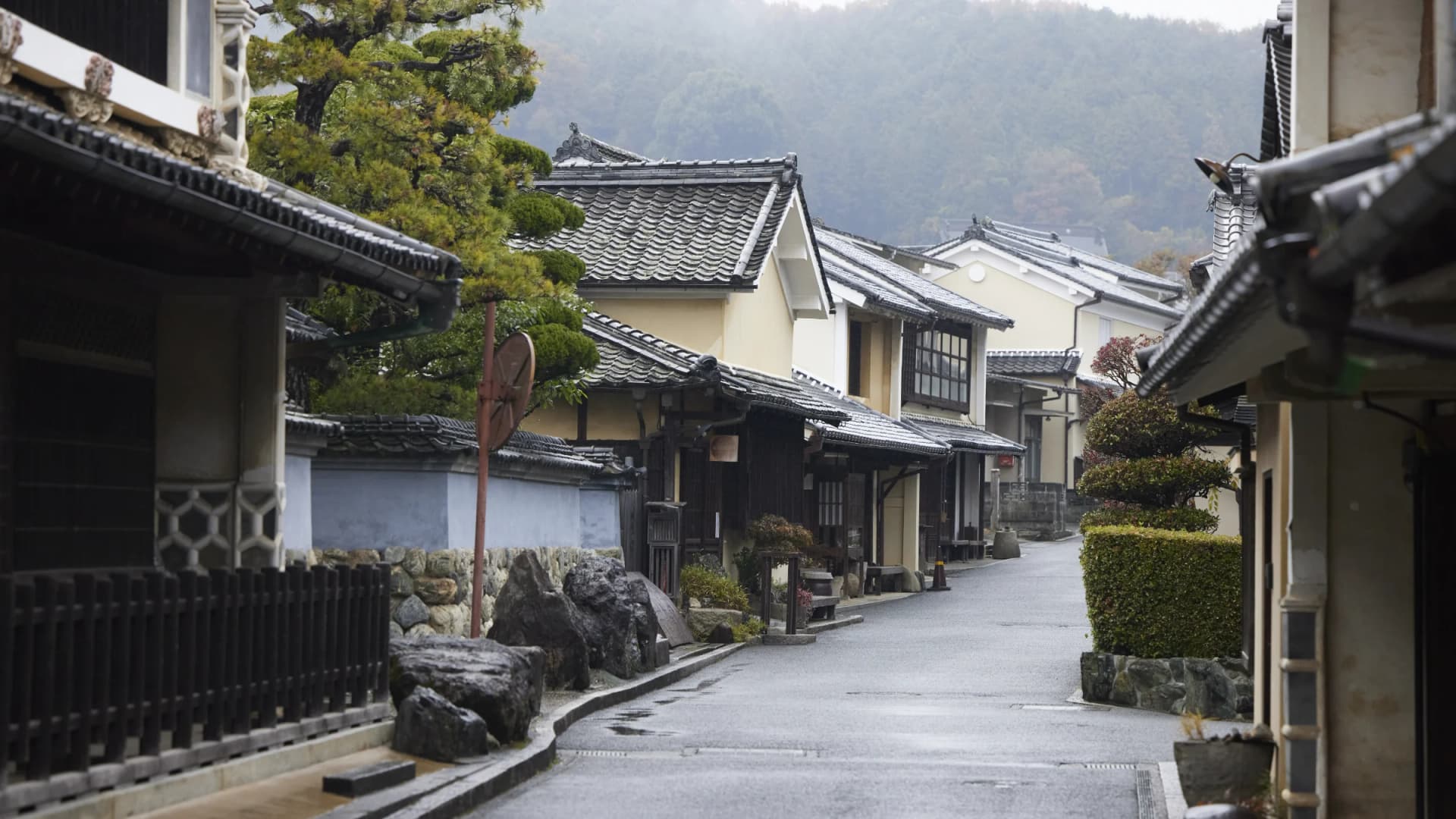
A street of wax merchants' houses in Uchiko, Ehime, with walls in a yellow plaster made from local earth, preserved since 1982.
Uchiko · Ehime
Nighttime Special Opening: Building Light-Up
A special night opening each autumn at the Edo-Tokyo Open Air Architectural Museum, with its historic buildings softly lit and a candle night.
6–7 Nov 2026Koganei · Tokyo
Tokushima Castle Museum
The city museum on the site of Tokushima Castle's palace, telling the story of the Tokushima Domain and the Hachisuka family who ruled it.
Tokushima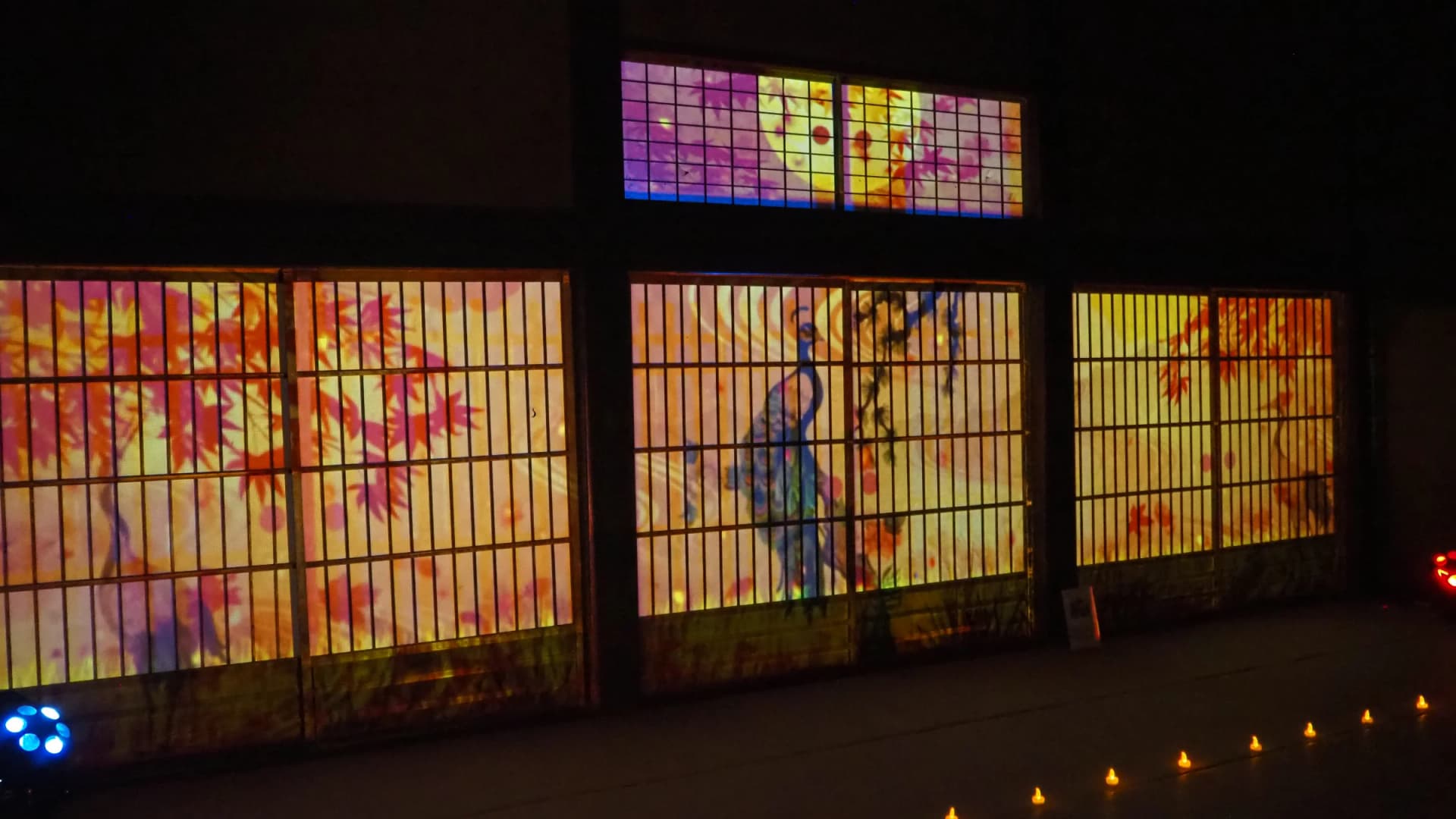
Wa no Hikari at Sasagawa-tei
A light display each autumn at the former Sasagawa residence near Niigata, with projections on an Edo-period house, a lit garden and works by local students.
26 Sep – 18 Oct 2026Niigata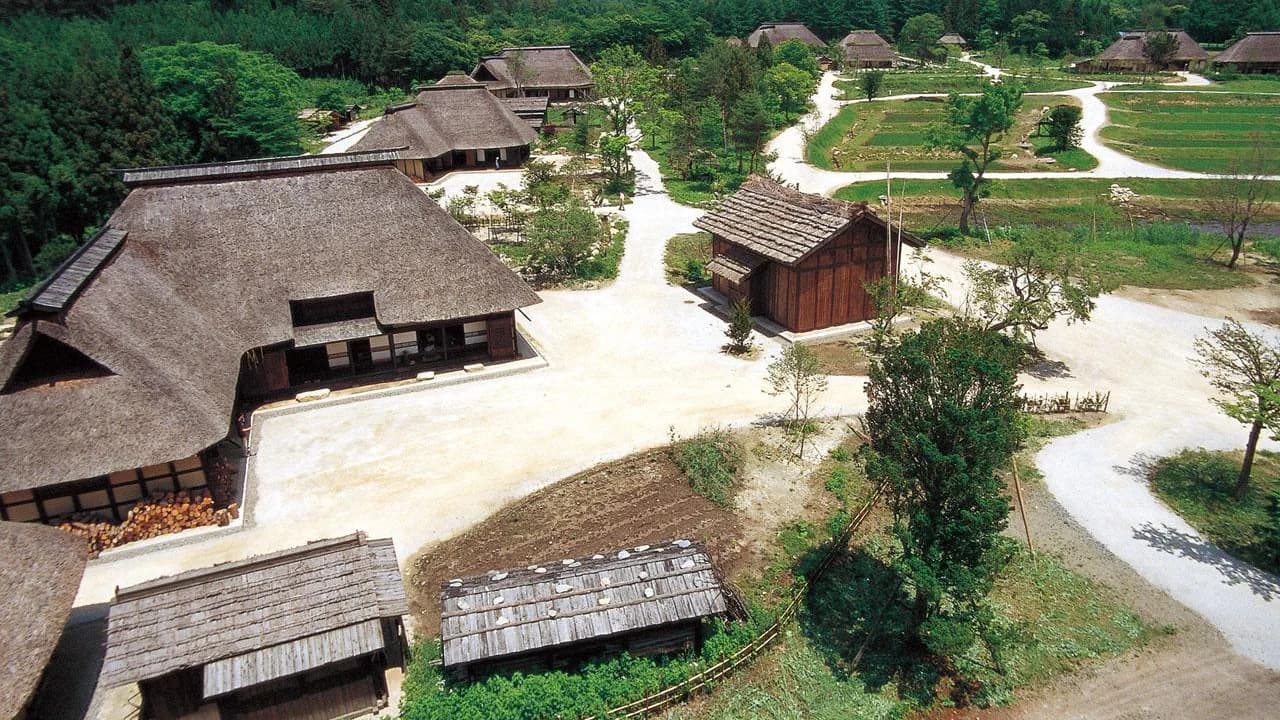
Tono Furusato Village
Seven old farmhouses of the Nanbu type moved to a valley in Iwate and kept as a working village, with horses, paddies and a water mill.
Tono · Iwate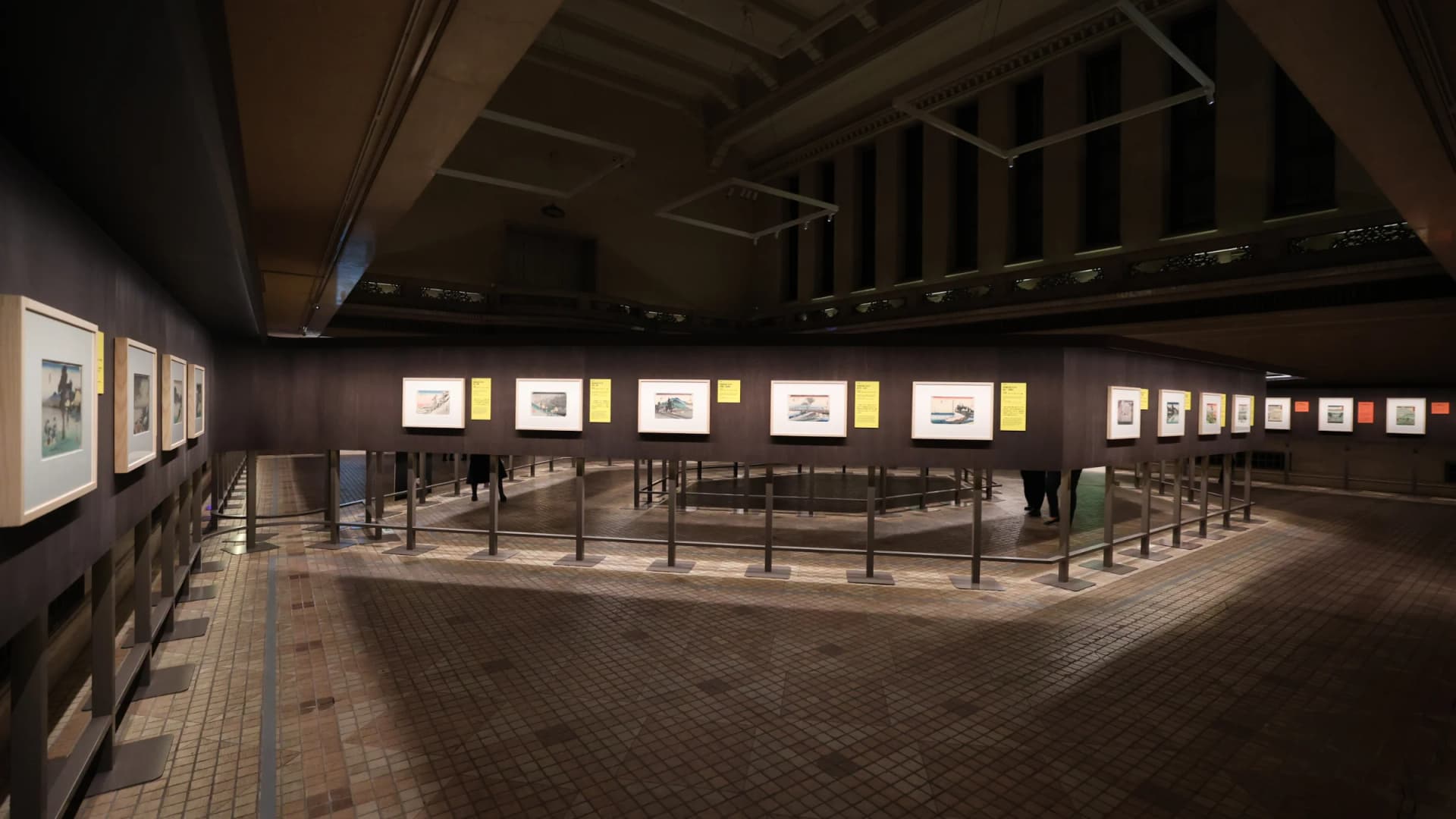
Hiroshige: New Perspectives on Edo Japan
Hiroshige at the Tokyo National Museum: every print of his three major series, from the Tokaido to the Hundred Famous Views of Edo, shown in three parts.
29 Sep – 20 Dec 2026Tokyo