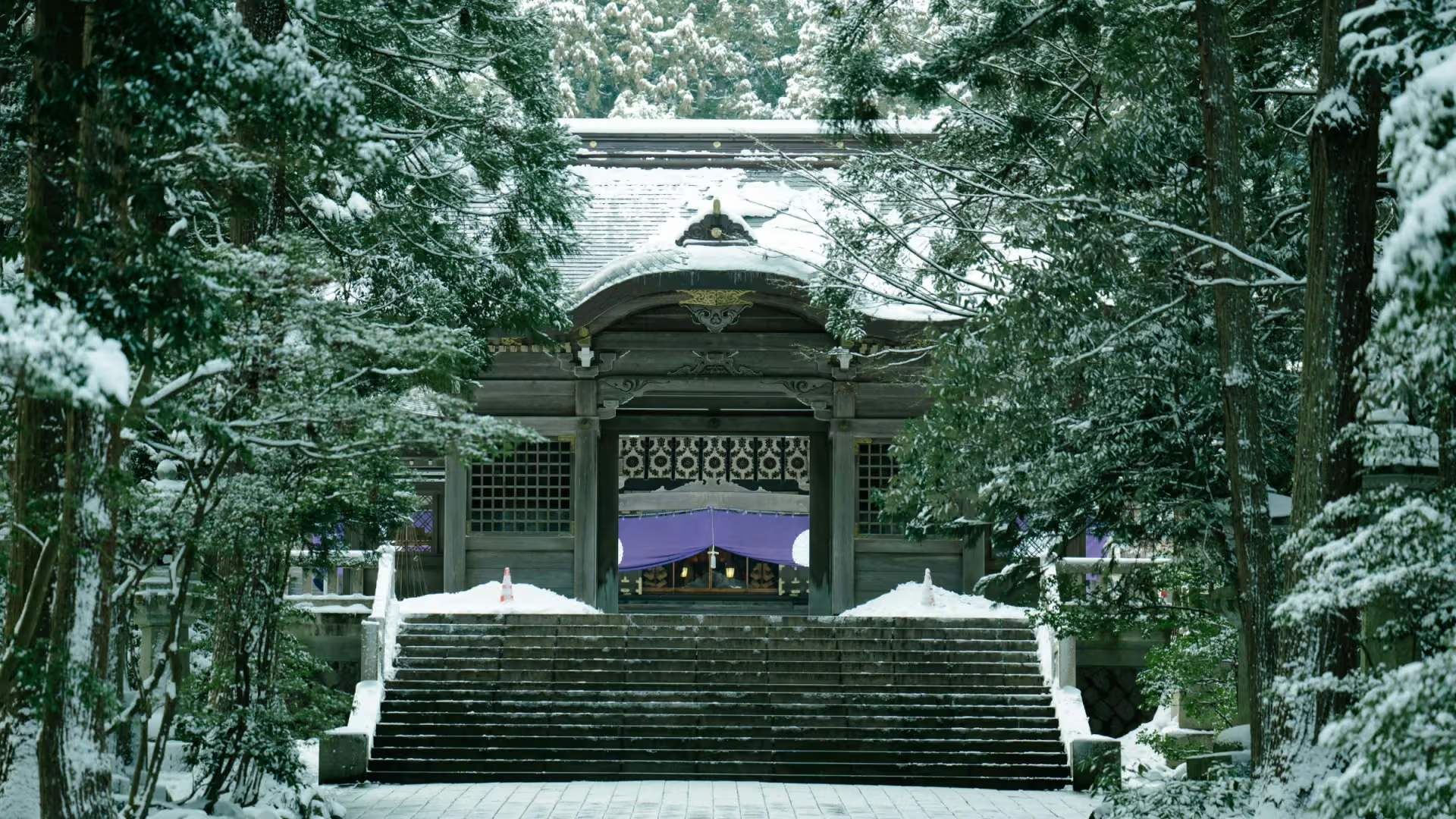
Narada Onsen Shiranekan
奈良田温泉 白根館
An inn at Narada, the last village up the Hayakawa valley in Yamanashi, on a slippery sulphur spring known as the Spring of Seven Wonders.
Day bathing; last entry 30 minutes before closing. Closed on Tuesdays, Thursdays and Fridays, holidays included.
〒 409-2701How to get there
Narada Onsen Shiranekan is an inn with a day bath at Narada, the last village up the Hayakawa valley in Yamanashi. Its spring is called Nanafushigi no Yu (七不思議の湯), the Spring of Seven Wonders, after the legends the village tells of Empress Koken.
The legend
According to the inn, more than 1,300 years ago Empress Koken, the 46th sovereign, fell ill and dreamt of an old man with a white beard who told her of a healing spring deep in the mountains of Kai. She travelled from the capital at Nara past Kushigatayama and up the Midai River, crossed Donokoya Pass and came to a small village in the mountains. Seeing it rise in seven steps, as Nara was laid out in seven avenues, she declared it a Nara too, and the place has been called Narada since.
She is said to have stayed about eight years and been cured, and after she returned to the capital the villagers kept her house as a shrine and handed down her deeds as the seven wonders of Narada. Most of them now lie under the lake of a dam. One was a spring where her clothes were washed, slippery as if with soap, which was then opened to the villagers; it is remembered under seven names, among them the bath of long life and the bath for children, and together they gave the spring its present name.
The water
The spring is a sulphur-bearing sodium chloride spring, pumped from a well 500 metres deep just south of the car park, at 47.9°C and pH 9.0, about 70 litres a minute. It flows into the baths straight from the source with no water added, cooled through a heat exchanger. The water feels slippery, so smooth that the bathroom floor is slippery too; its smell of sulphur grows stronger and weaker, black and white yu no hana (湯の花), mineral flakes, float in it, and now and then it turns from clear to green or milky white.
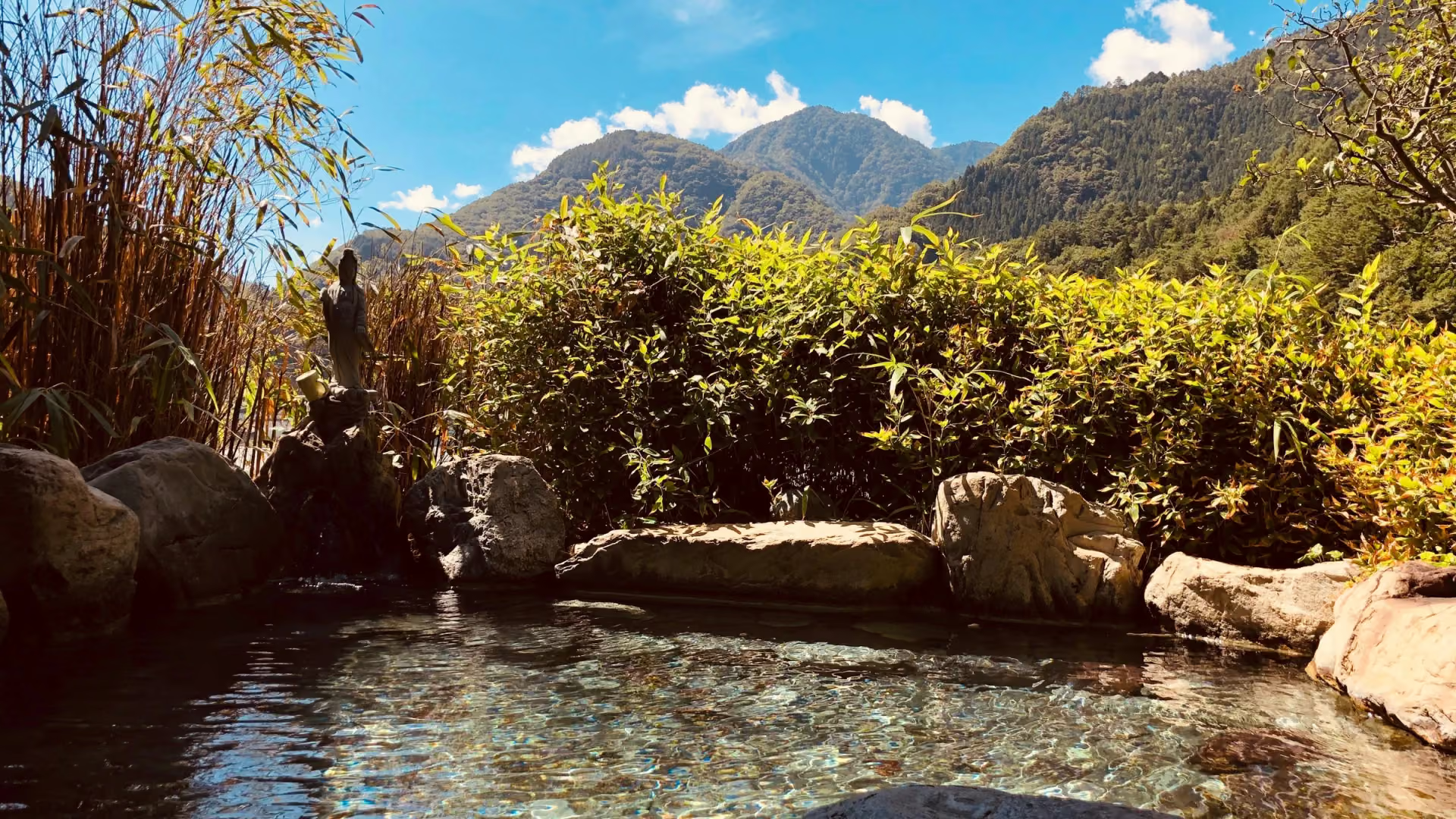
Men and women each have an indoor bath built entirely of hinoki cypress and an outdoor bath, one of stone and one of wood, and the two sides swap every day. The tubs are cleaned and refilled daily.
House rules
A day visit lasts up to two hours, and groups are not accepted. Towels are not lent, payment is in cash only, and food may not be brought in, though drinks are allowed. There is no restaurant.
The Yuchelin rating
In 2026 Narada Onsen Shiranekan was among the first 21 onsen to receive three stars from Yuchelin (湯シュラン), a rating system that judges hot springs by the water in the bath. The Yuchelin association asks visitors to its rated baths to keep five rules for borrowing the water (湯をお借りする五か条), written under the supervision of Touristship, an association that promotes considerate travel:
After you. These baths are part of local people's daily lives. When locals come in, give them your place and your turn with an "after you". Avoid the busy hours, so as not to get in the way of local bathers.
Say hello. A simple "konnichiwa" or "ojama shimasu" (sorry to intrude) is where contact begins. Talking with the locals, you may learn the rules of that bath and how it is used.
Enjoy the day's temperature. Natural hot water is hard to manage, and some days it is hot and some days lukewarm. Enjoy the water as you meet it that day. If you want to change the temperature, ask the locals.
Do the basics, with care. No photos in the bath or the changing room. Pour hot water over yourself and wash before you get into the bath. Don't take over the spot by the spout or the washing area. Wash the bucket and stool you used and put them back. Take your rubbish home, and dry yourself before you go back into the changing room. Keep to these basics without fail.
Thanks and respect for the earth's gift. Hot spring water is an irreplaceable gift of nature, made by the earth over long ages. Treat every drop with thanks and respect, take care of the water, and enjoy your bath.
Getting There

Planning a trip? Fit this into a trip and Oni plans the rest around it.
You might also like
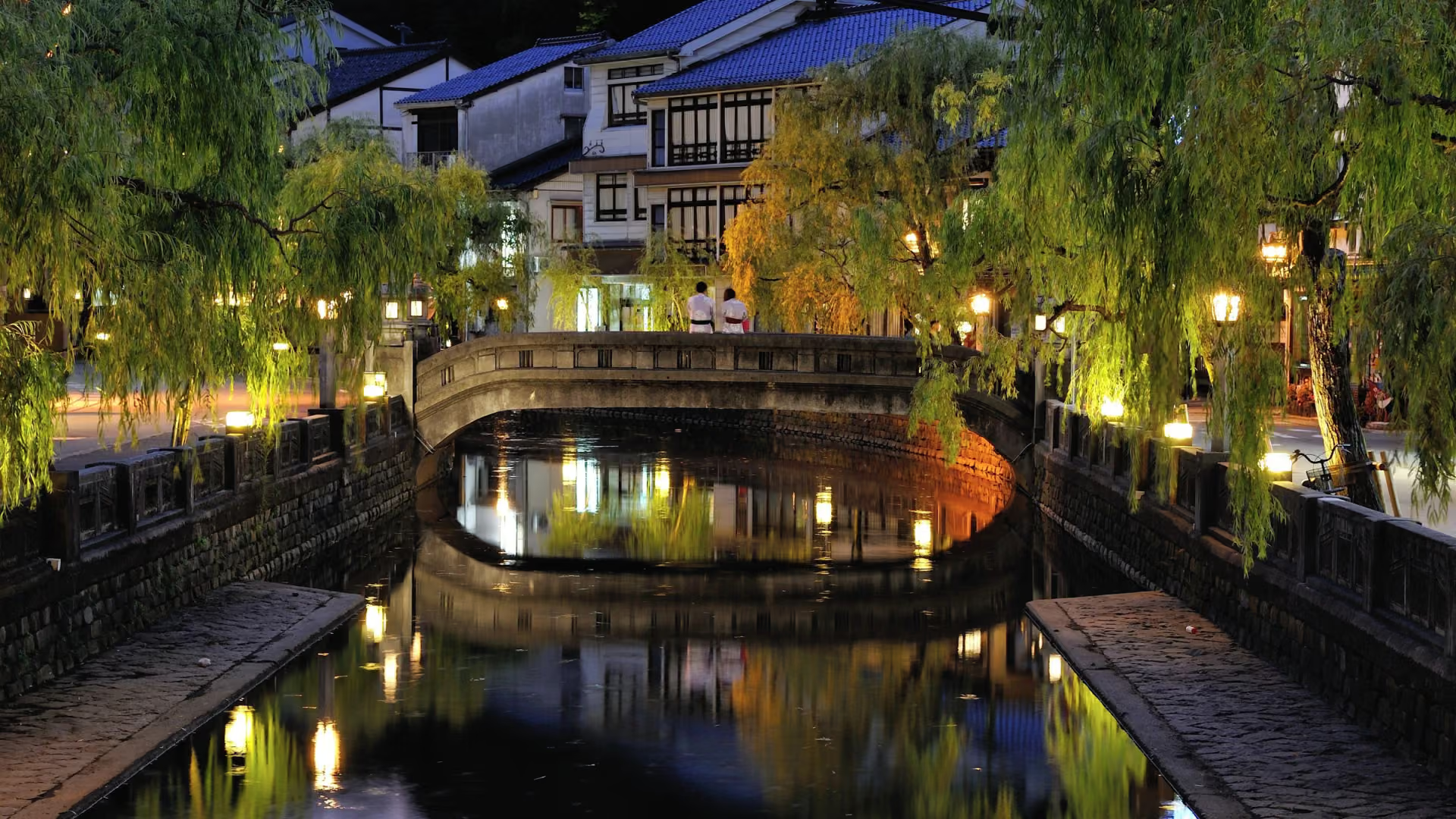
Kinosaki Onsen
A hot spring town in northern Hyogo with a recorded founding in 720, seven public bathhouses and streets where guests walk in yukata.
Toyooka · Hyogo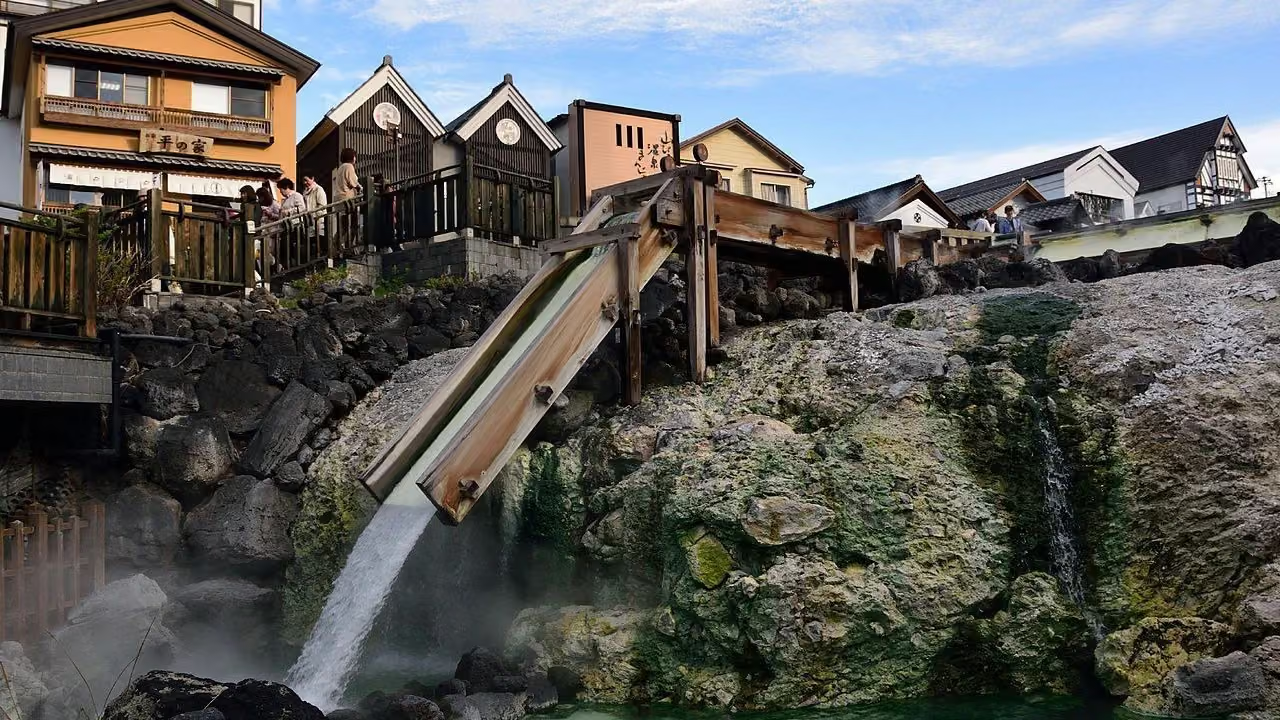
Kusatsu Onsen
A hot spring town on a highland at about 1,200 metres in Gunma, its springs fed by rain and snow falling on Kusatsu-Shirane.
Kusatsu · Gunma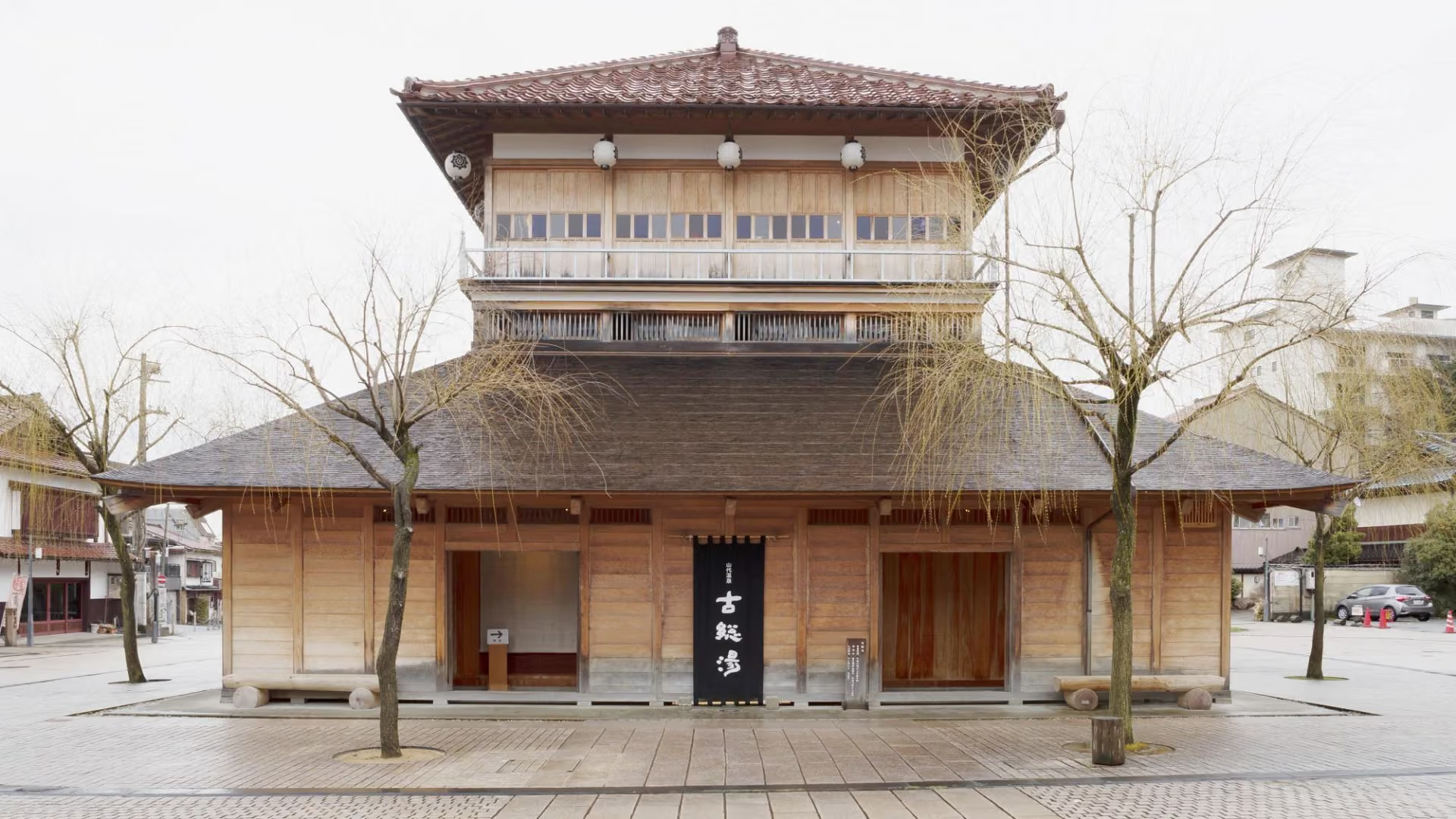
Yamashiro Onsen
Hokuriku hot spring town built around its public baths, keeping a traditional soyu bathhouse culture and the historic yunogawa town atmosphere.
Kaga · Ishikawa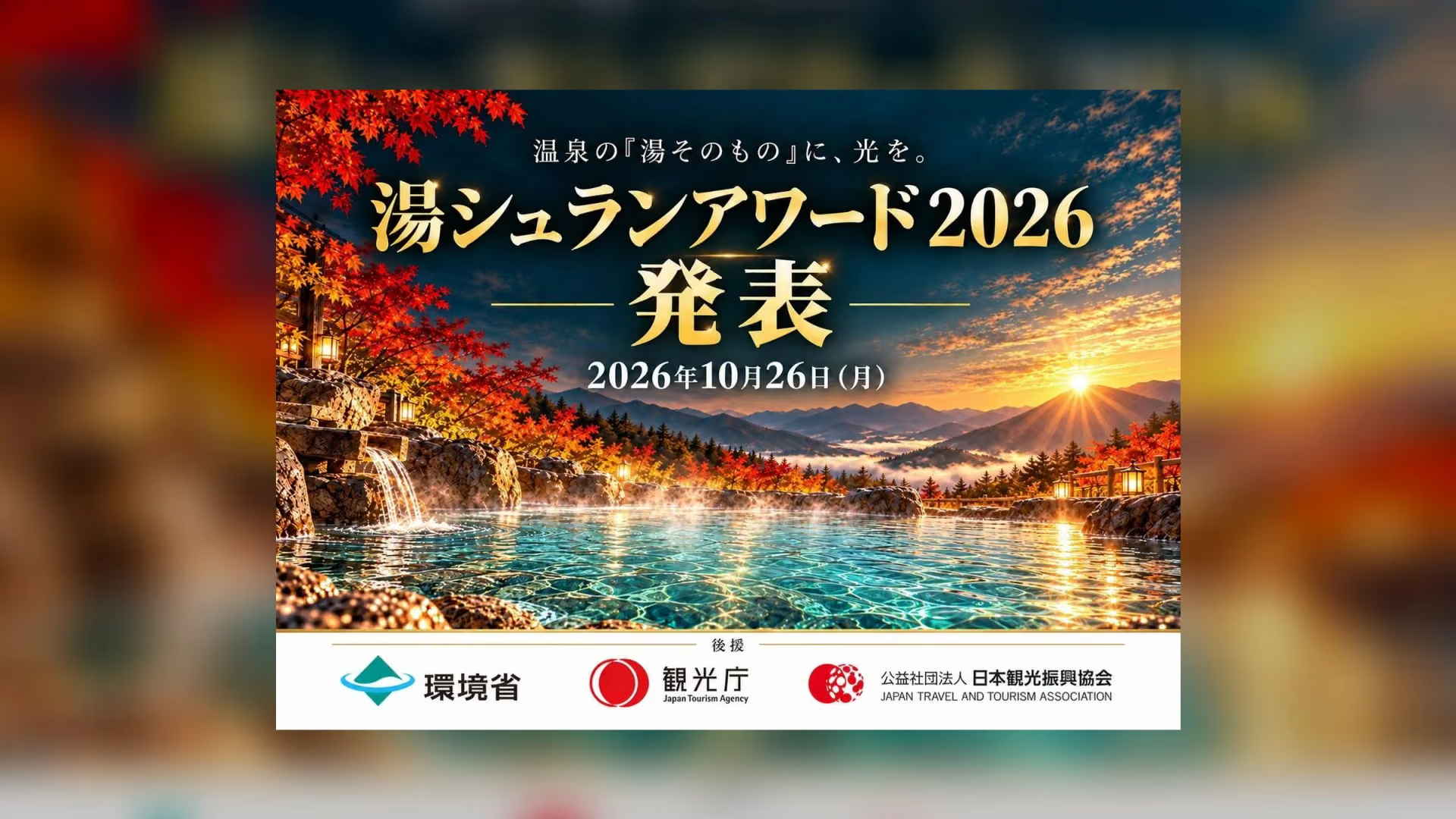
Yuchelin 2026: Japan's 21 Three-Star Onsen
Yuchelin, a new rating for Japanese hot springs, judges the water itself. Its first three-star list names 21 onsen, from Hokkaido to Yakushima.
2026/10/27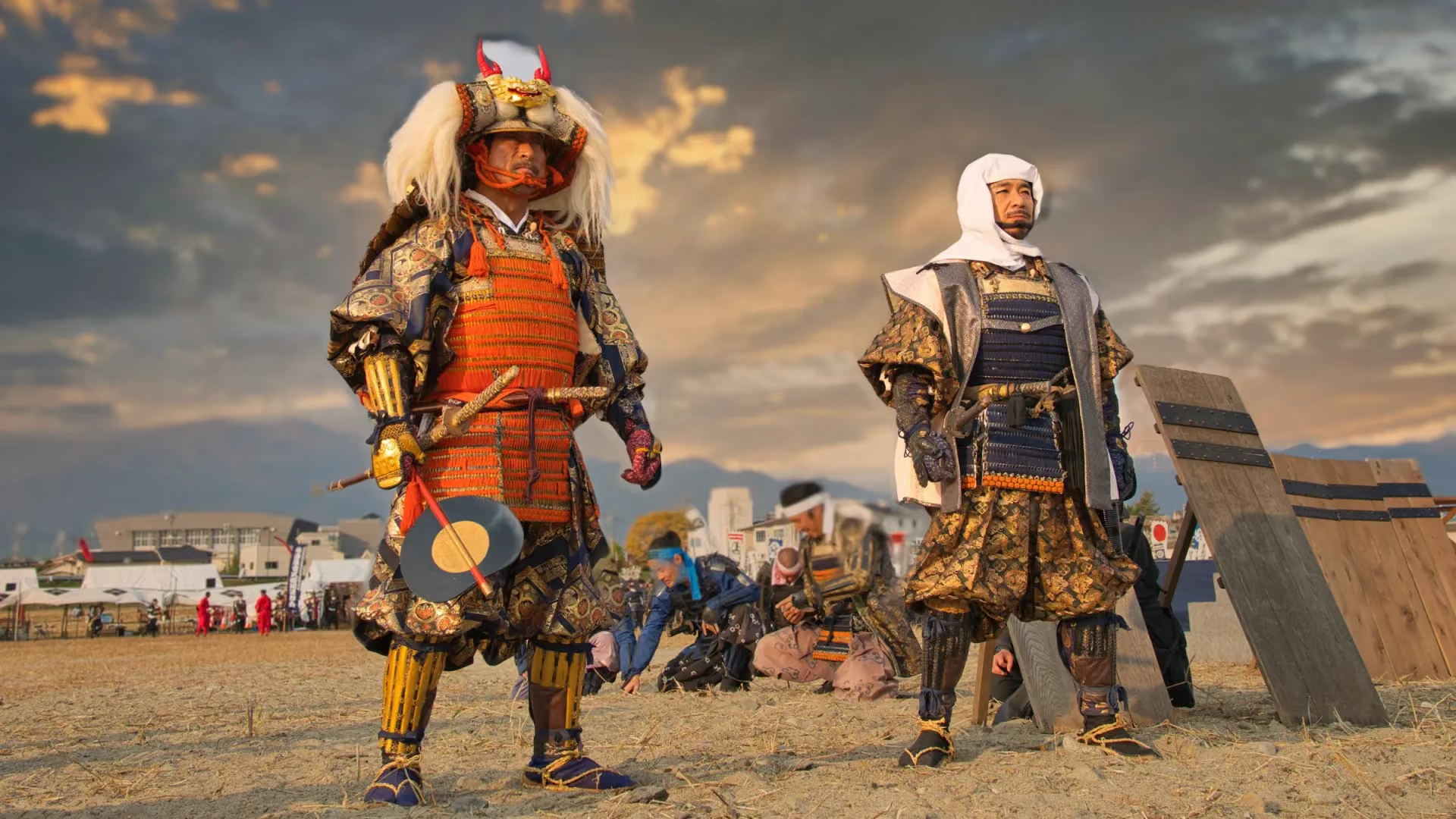
Sengoku Chronicle: The Battle of Kawanakajima
A re-enactment on a river bed in Fuefuki, Yamanashi, where about seven hundred people in armour refight Takeda Shingen against Uesugi Kenshin.
8 Nov 2027Exact date not confirmed yetFuefuki · Yamanashi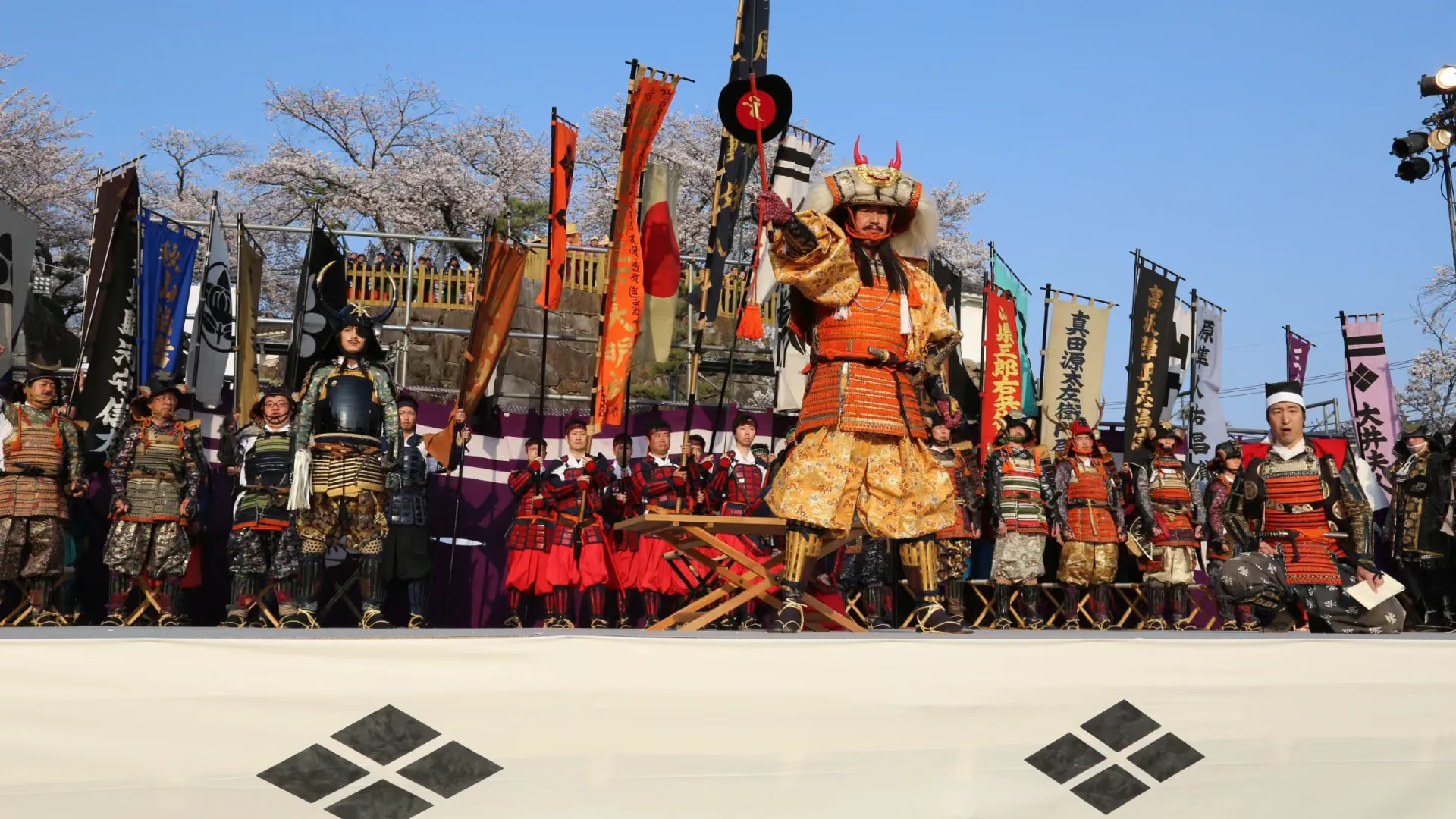
Shingen-ko Festival
A historical reenactment festival in Kofu honors a 16th-century feudal lord with a large-scale procession featuring over 1,000 participants in period armor.
2–4 Apr 2027Kofu · Yamanashi