Nima Sand Museum
仁摩サンドミュージアム
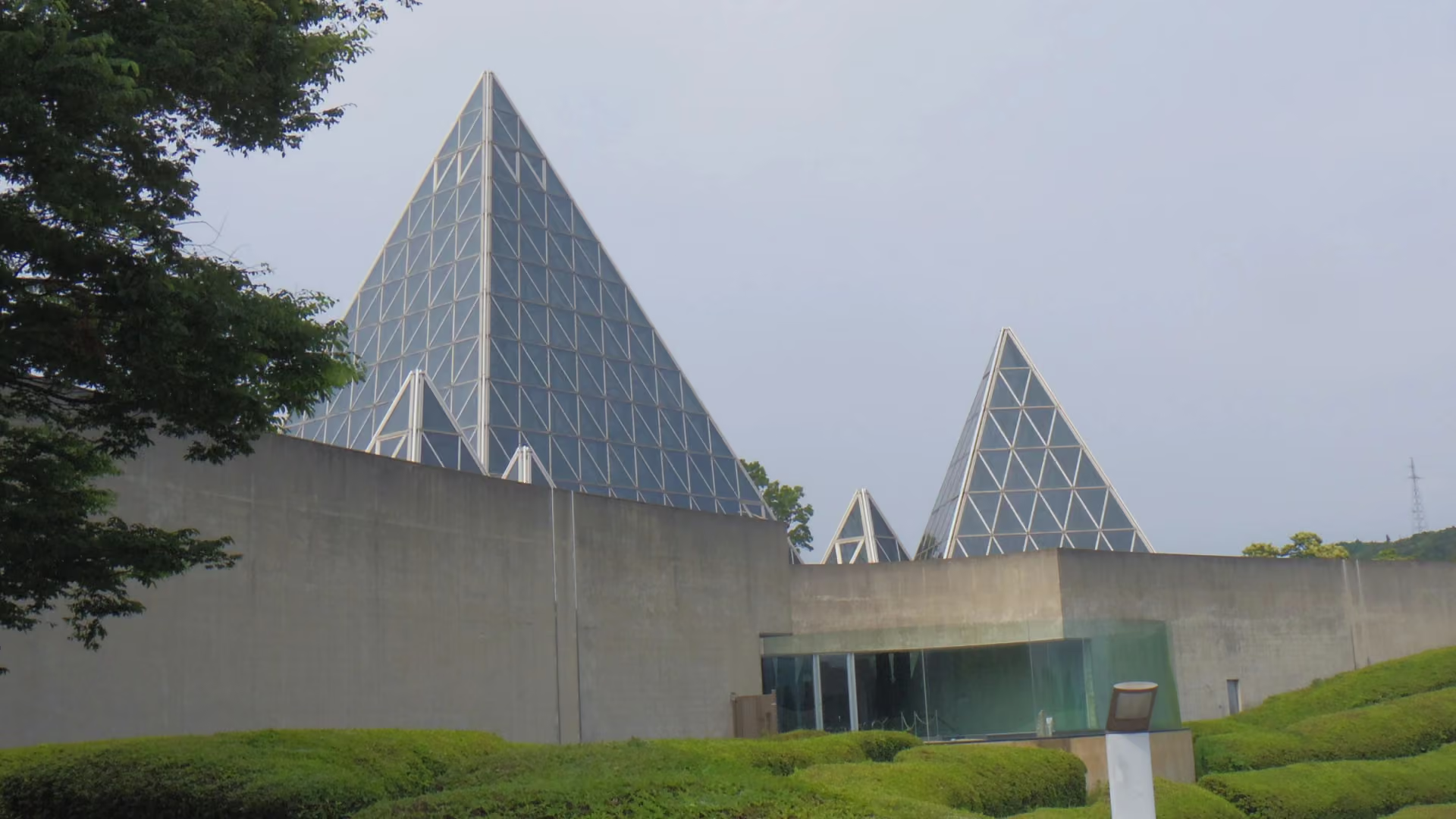
Museum of sand near the singing-sand beach Kotogahama, home to Sunagoyomi, a 5.2-meter hourglass that runs for one year and is turned over each New Year's Eve.
Last entry 16:30. From 2 to 5 January open 10:00 to 16:00 (last entry 15:30). When Wednesday is a holiday the museum closes on the next weekday instead; check the official calendar for the New Year closures.
〒 699-2305How to get there
仁万San-in Main Line10 min walk from the station
Nima Sand Museum is a museum about sand in Nima-cho, Oda, on the Sea of Japan coast of Shimane. Its centrepiece is Sunagoyomi (砂暦), a one-year hourglass that the museum describes as the largest in the world.
Sunagoyomi
The hourglass is mounted 8 meters above the floor in the middle of the Time Hall, with a container of the same size standing on the floor below. It is 5.2 meters long and 1 meter across. One tonne of sand runs through a nozzle 0.84 millimeters wide over exactly one year, about 114 grams an hour, under computer control. The sand is singing sand from Iide in Yamagata Prefecture.
Sunagoyomi was built as a wish for the protection of the singing sand of Kotogahama and the local environment. Shigeo Miwa, emeritus professor at Doshisha University, supervised the work, which took three years and cost 100 million yen from the national Furusato Sosei program.
Each New Year's Eve, at the Toki no Saiten (時の祭典), 108 people born in the zodiac sign of the coming year and their families turn the hourglass over by pulling red and white ropes. The participants are chosen by lottery.
Singing sand
Singing sand (narisuna, 鳴り砂) is sand of at least 65 percent rounded quartz grains that makes a sound when a sudden force hits it. About 30 such beaches are known in Japan, and the sand sings only when the beach is clean and the grains are nearly even. Kotogahama (琴ヶ浜), a 1.6-kilometer beach in Nima-cho Maji near the museum, is one of the best known. In 1996 it was chosen for both the 100 Soundscapes of Japan and the 100 Beaches of Japan.
Local legend holds that in 1185, after the Heike fell at the Battle of Dan-no-ura, a princess of the clan washed ashore at Maji holding a koto. She lived on with the help of the villagers and played for them every day. After her death the sand began to sound like her koto, and the beach was named Kotogahama after her.
Exhibits and workshops
A corner is given to the manga Sunadokei by Hinako Ashihara, which became a TV drama and a film, with location maps, posters, scripts and the hourglasses used in filming. Another room holds special exhibitions.
In the Environment Hall, visitors make sand pictures and sand samples, rake patterns in a karesansui, a dry garden of sand and stone, or use a sand-art table that also screens the princess legend in sand animation. The annex, Fureai Koryukan, has a glass workshop, a display of Czech Bohemian glass and a shop selling hourglasses.
Getting There

Planning a trip? Fit this into a trip and Oni plans the rest around it.
You might also like
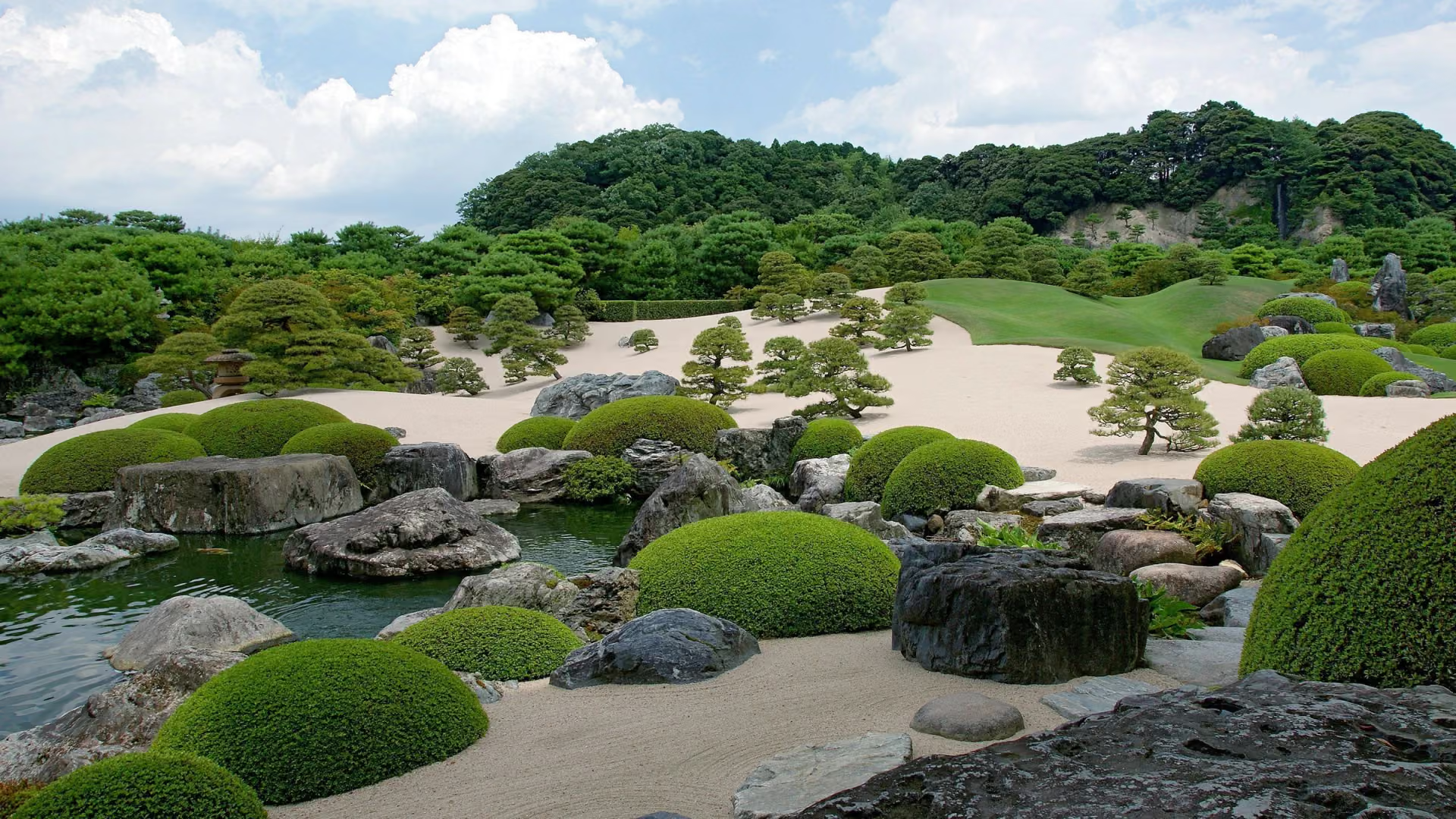
Adachi Museum of Art
Art museum in Yasugi, Shimane, known for its Yokoyama Taikan collection and for gardens ranked first in Japan for 23 consecutive years.
Yasugi · Shimane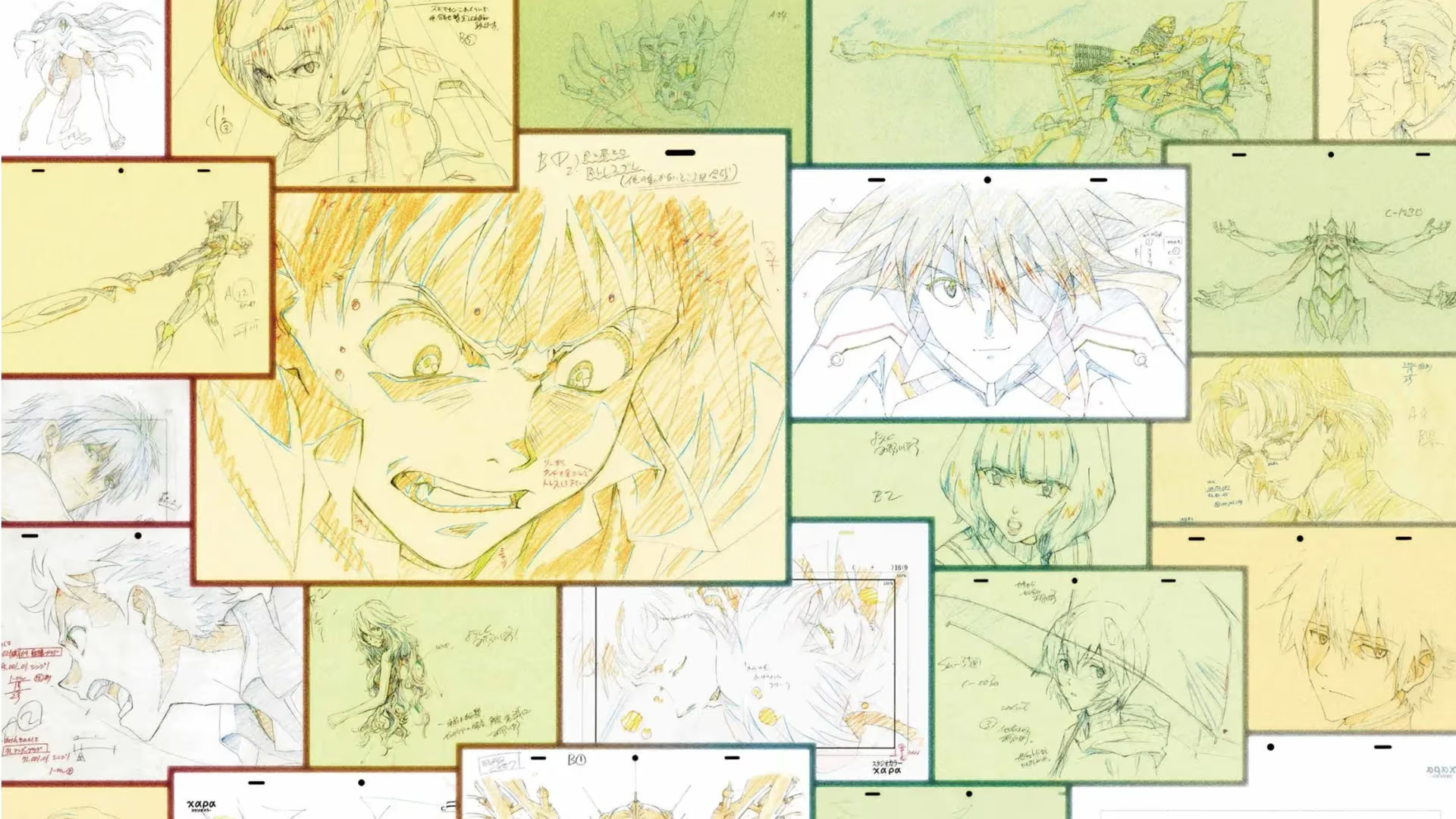
"ALL OF EVANGELION" 30th Anniversary Exhibition - Osaka
The Evangelion 30th anniversary exhibition comes to Hirakata Park in Osaka, with about 270 hand-painted cels, design material and film artwork.
18 Oct 2026 – 11 Jan 2027Hirakata · Osaka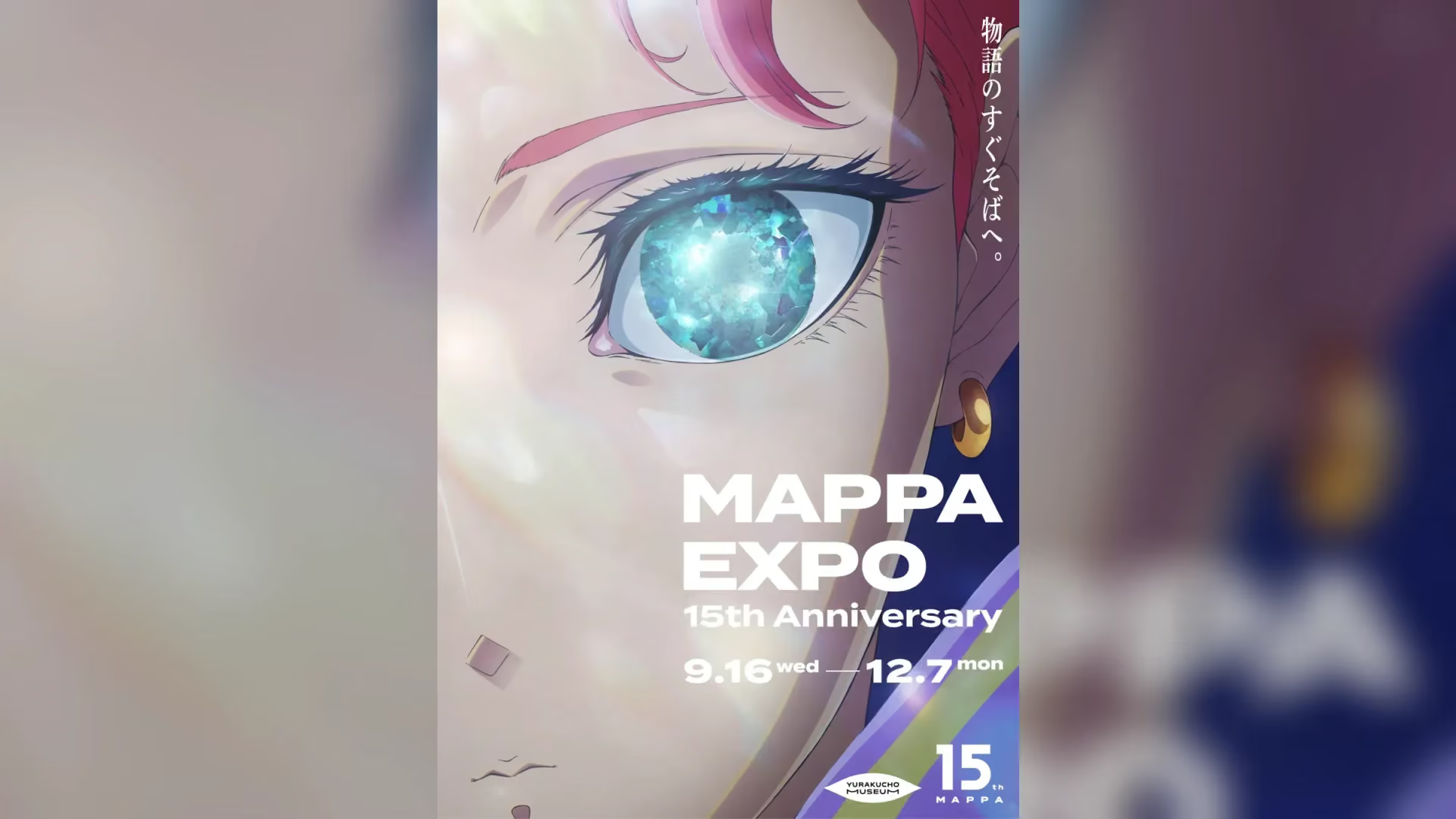
MAPPA EXPO 15th Anniversary
Fifteen years of MAPPA at the Yurakucho Museum this autumn, with original drawings and production art from 23 titles, three of them given their own areas.
16 Sep – 7 Dec 2026Tokyo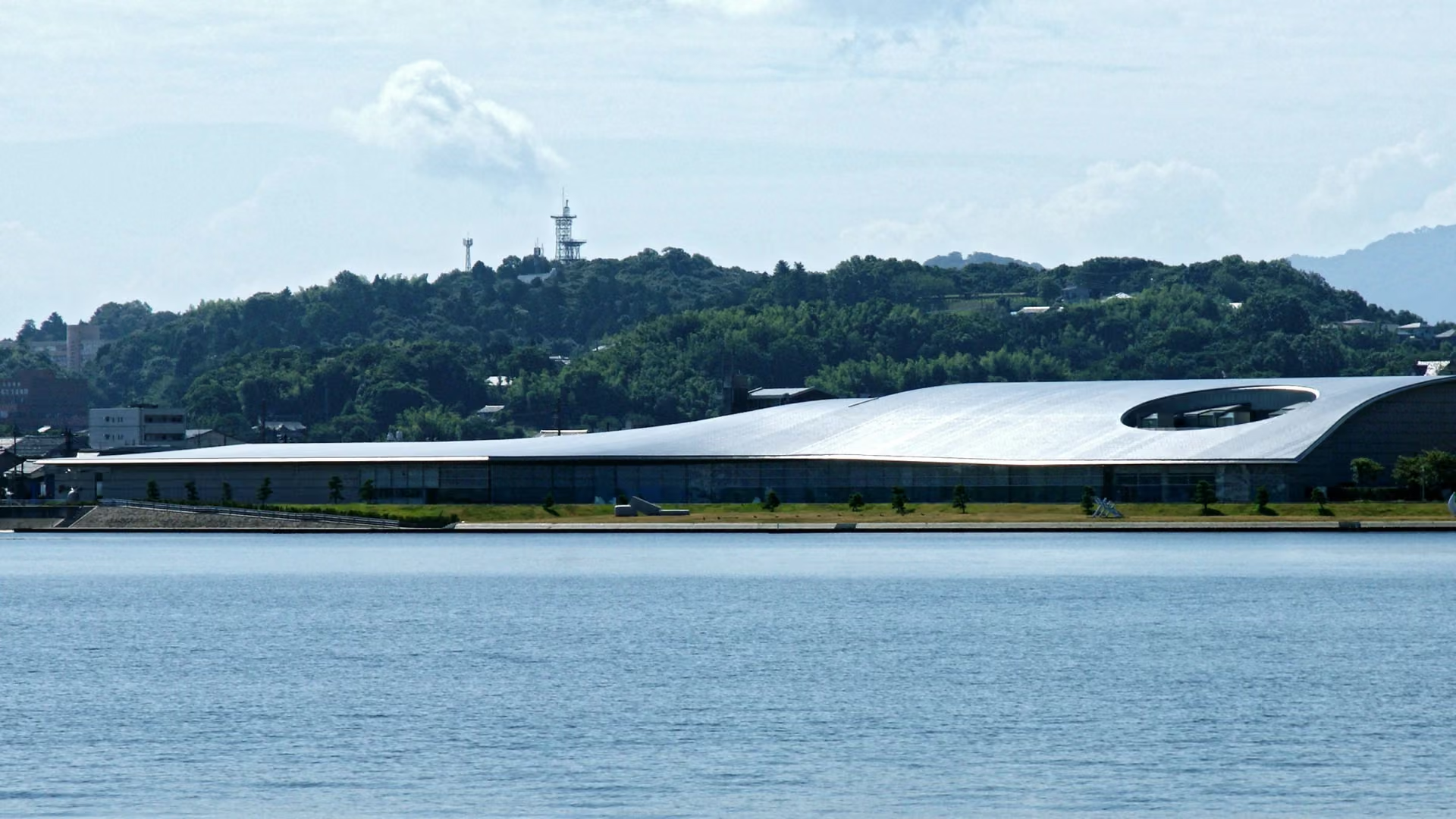
Shimane Art Museum
A prefectural art museum by Kikutake Kiyonori on the shore of Lake Shinji, with about 1,600 works by Hokusai and a rooftop terrace facing the lake.
Matsue · Shimane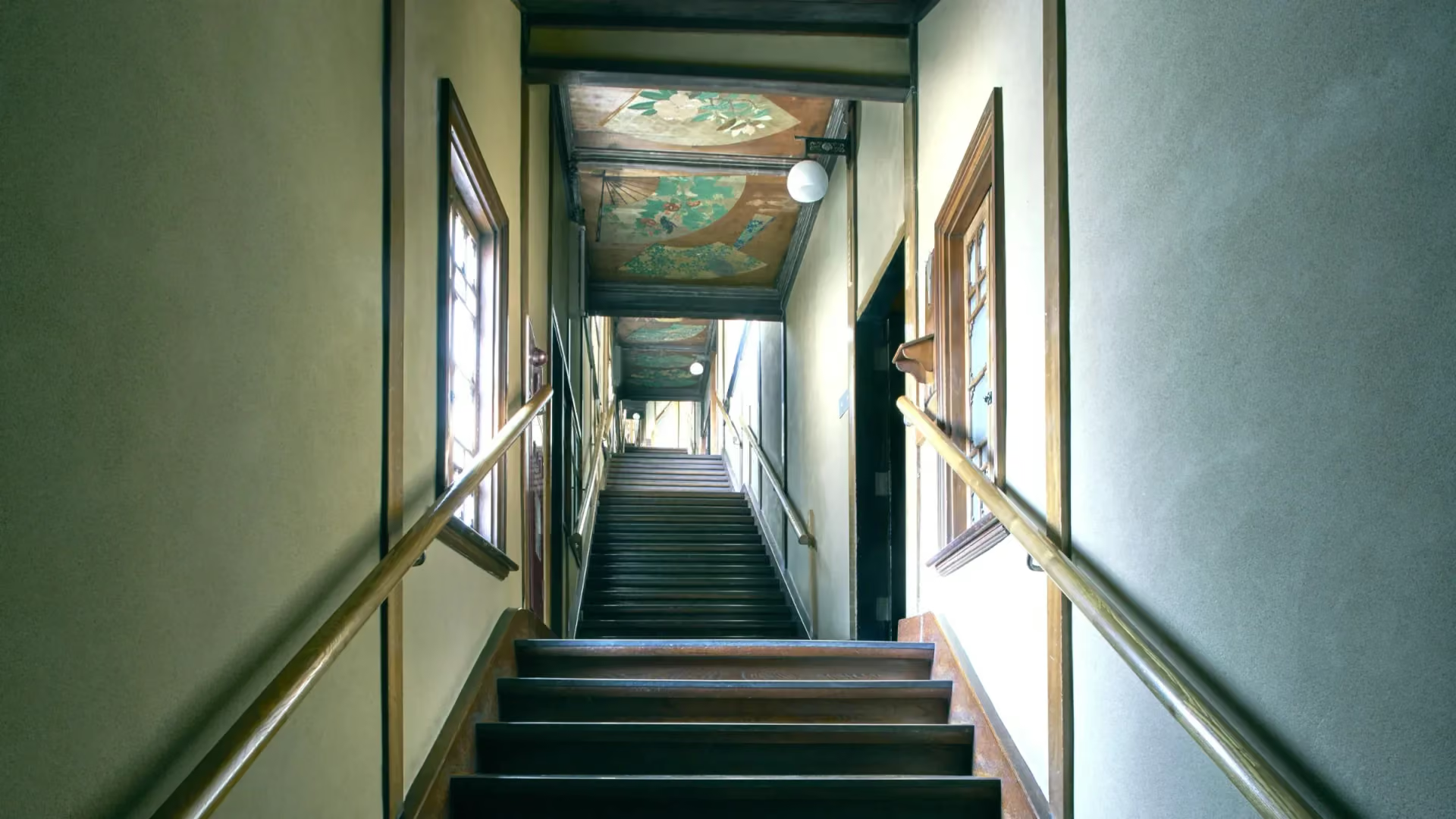
Hyakudan Kaidan Special Opening
A wooden building of 1935 in Meguro, Tokyo, with seven decorated banquet rooms up a staircase of 99 steps, opened for six months with almost nothing in it.
1 Oct 2026 – 30 Mar 2027Tokyo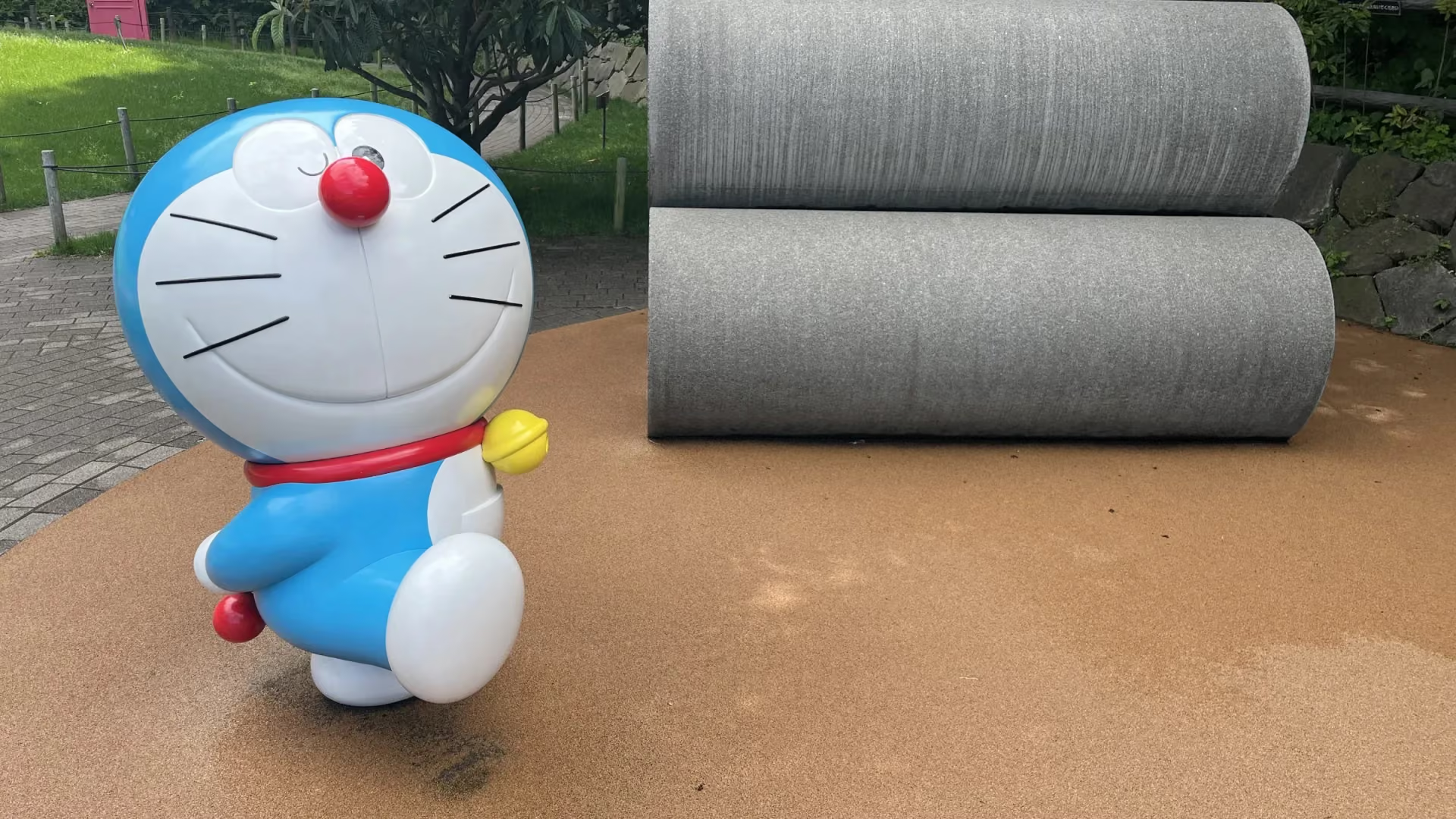
Fujiko・F・Fujio Museum
Museum in Kawasaki on the manga artist Fujiko F. Fujio, creator of Doraemon, with his original artwork, his desk and library, and a theater of short films.
Kawasaki · Kanagawa