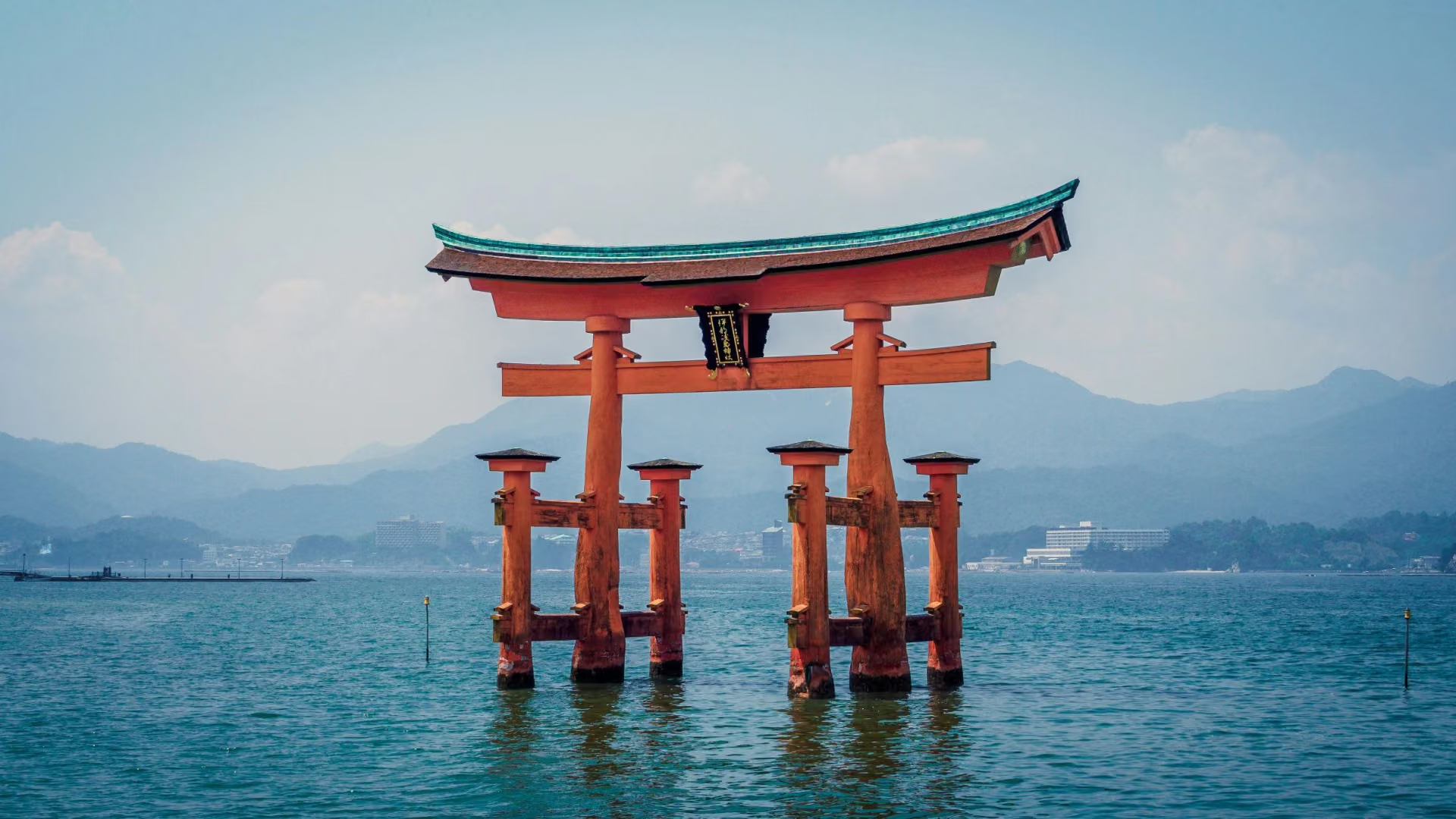
Noda Shrine
野田神社
Shrine honoring Mori Takachika, the last daimyo of Choshu Domain and central figure in the Meiji Restoration.
〒 753-0091How to get there
上山口Yamaguchi Line12 min walk from the station
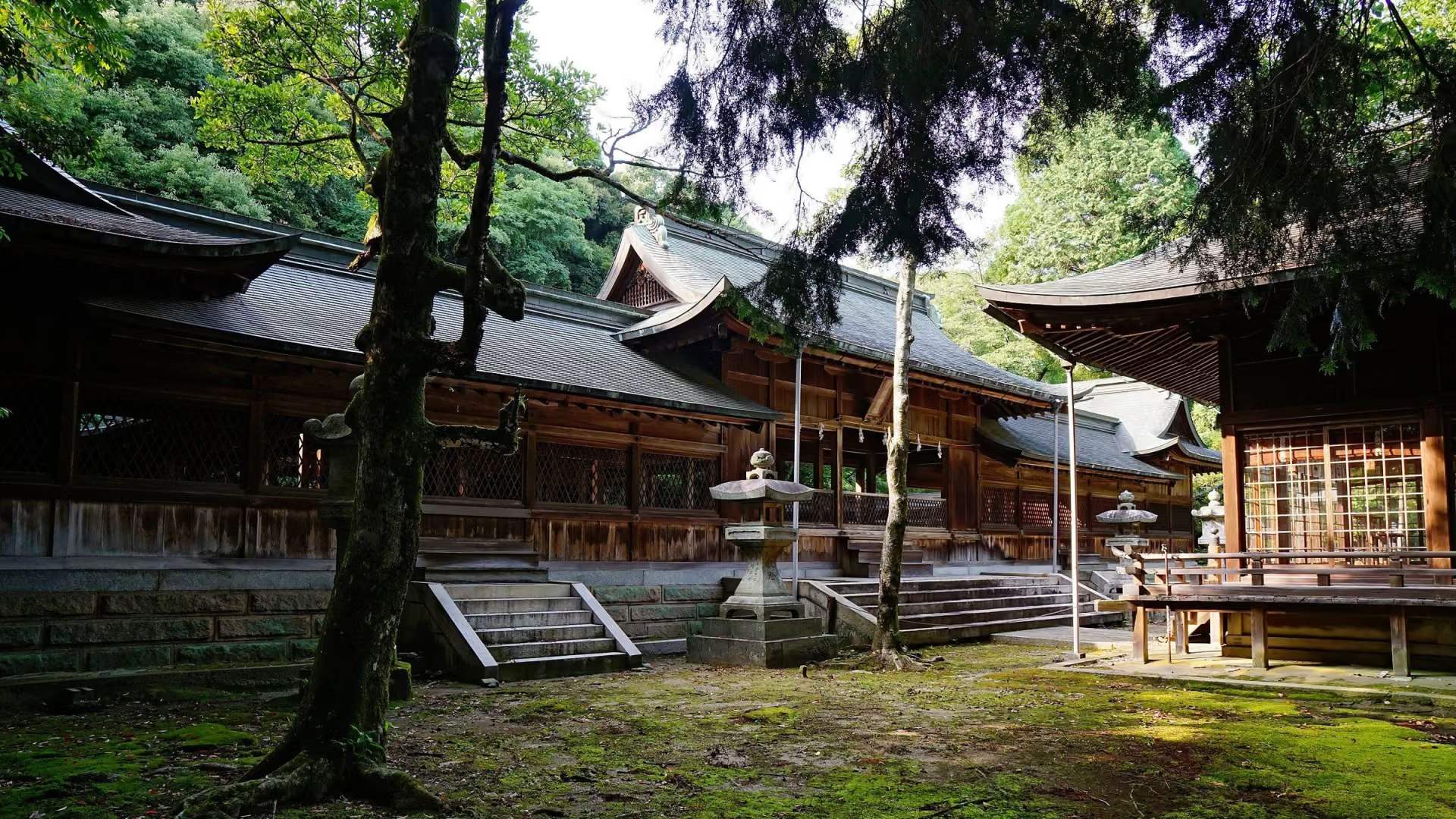
Noda Shrine is a Shinto shrine in Hagi City dedicated to the memory of Mori Takachika, the last daimyo (feudal lord) of the Choshu Domain and a central figure in the Meiji Restoration. Known posthumously as Chusei-ko, he was instrumental in the political upheaval that led to the fall of the Tokugawa shogunate and the restoration of imperial rule. The shrine also enshrines his adopted heir, Mori Motonori, and later, Mori Motonobu, thereby honouring successive generations of the Mori family who played prominent roles in modern Japanese history.
History
The origins of Noda Shrine date back to 1873, when local volunteers built a small shrine within the grounds of nearby Toyosaka Shrine to commemorate Mori Takachika under his posthumous name, Chusei. Initially named Chusei Shrine, it was renamed Noda Shrine in 1874 after its geographical location.
In 1876, the shrine received official recognition as a Prefectural Shrine, and in 1886, it was relocated to its current site. In 1915, the shrine was elevated to the rank of Bekkaku Kanpeisha, a special class of government-recognised shrines established to enshrine notable individuals who contributed to the nation.
Mori Motonori, Takachika’s heir and an influential statesman in the early Meiji government, was enshrined in 1900, two years after his death, within a subsidiary shrine called Hogien Shrine located on the same grounds. In 1936, his spirit was merged into the main sanctuary of Noda Shrine.
Architecture and Features
The shrine buildings follow a layout closely modeled on that of Toyosaka Shrine, including the honden (main sanctuary), haiden (worship hall), heiden (offering hall), and tsuriya (connecting corridors). This architectural style reflects the formal aesthetic associated with shrines dedicated to historically important figures.
One of the notable features of Noda Shrine is its Noh stage, constructed and donated in 1936 by Mori Motonori’s son, Mori Motonobu. This elegant stage reflects the family's continued patronage of the arts and is registered as a Tangible Cultural Property of Yamaguchi City as of 1991.
Noda Shrine stands not only as a place of worship but also as a site of historical remembrance for the Mori clan's legacy in shaping modern Japan. Its close connection to the transformative events of the Meiji Restoration, and its architectural and cultural preservation, make it an important destination for those interested in Japanese history and Shinto tradition.
Getting There

Planning a trip? Fit this into a trip and Oni plans the rest around it.
Places nearby
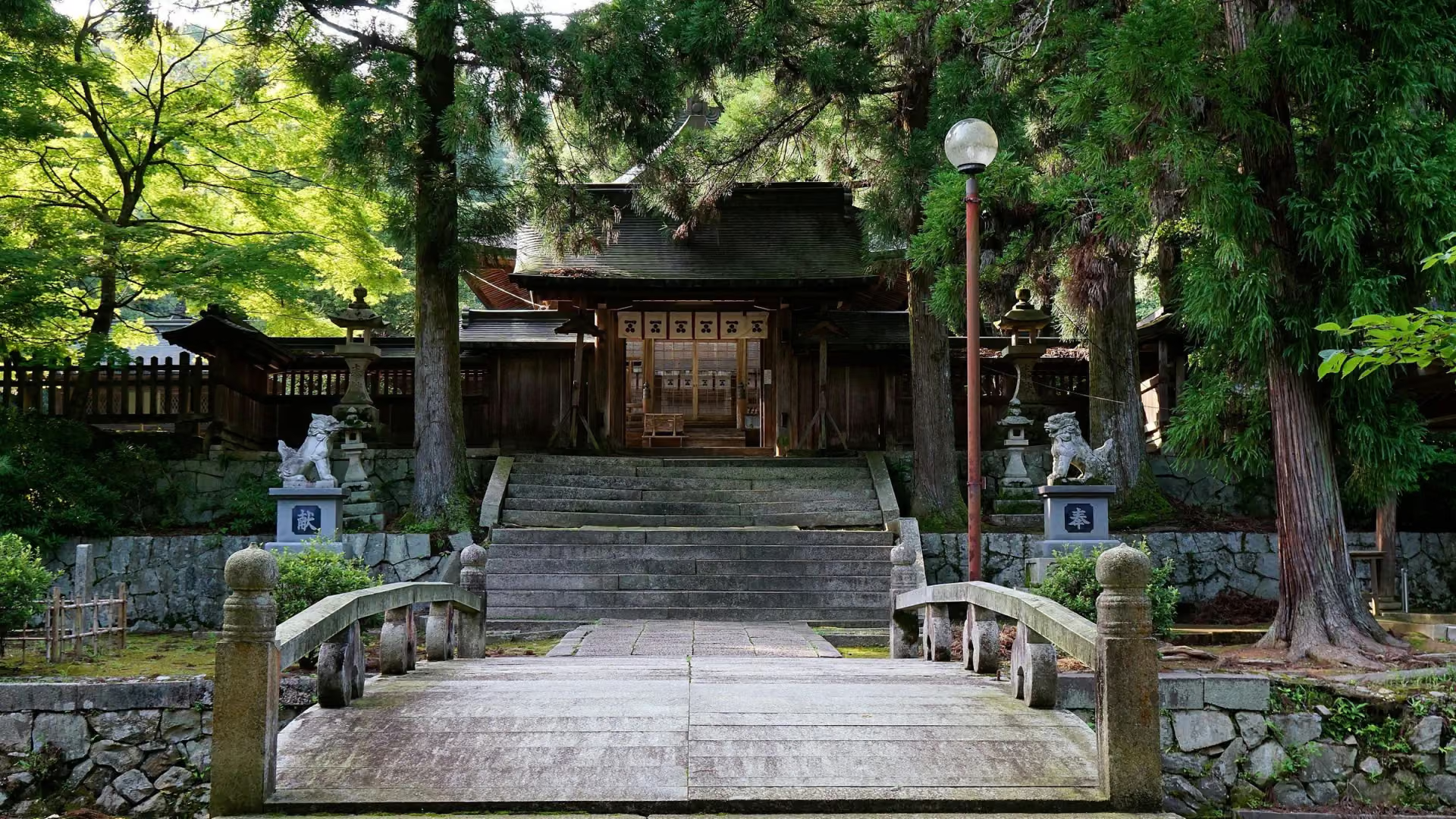
Toyosaka Shrine
Yamaguchi shrine dedicated to Mori Motonari, the Sengoku-period warlord who unified the Chugoku region and established the powerful Mori clan.
Yamaguchi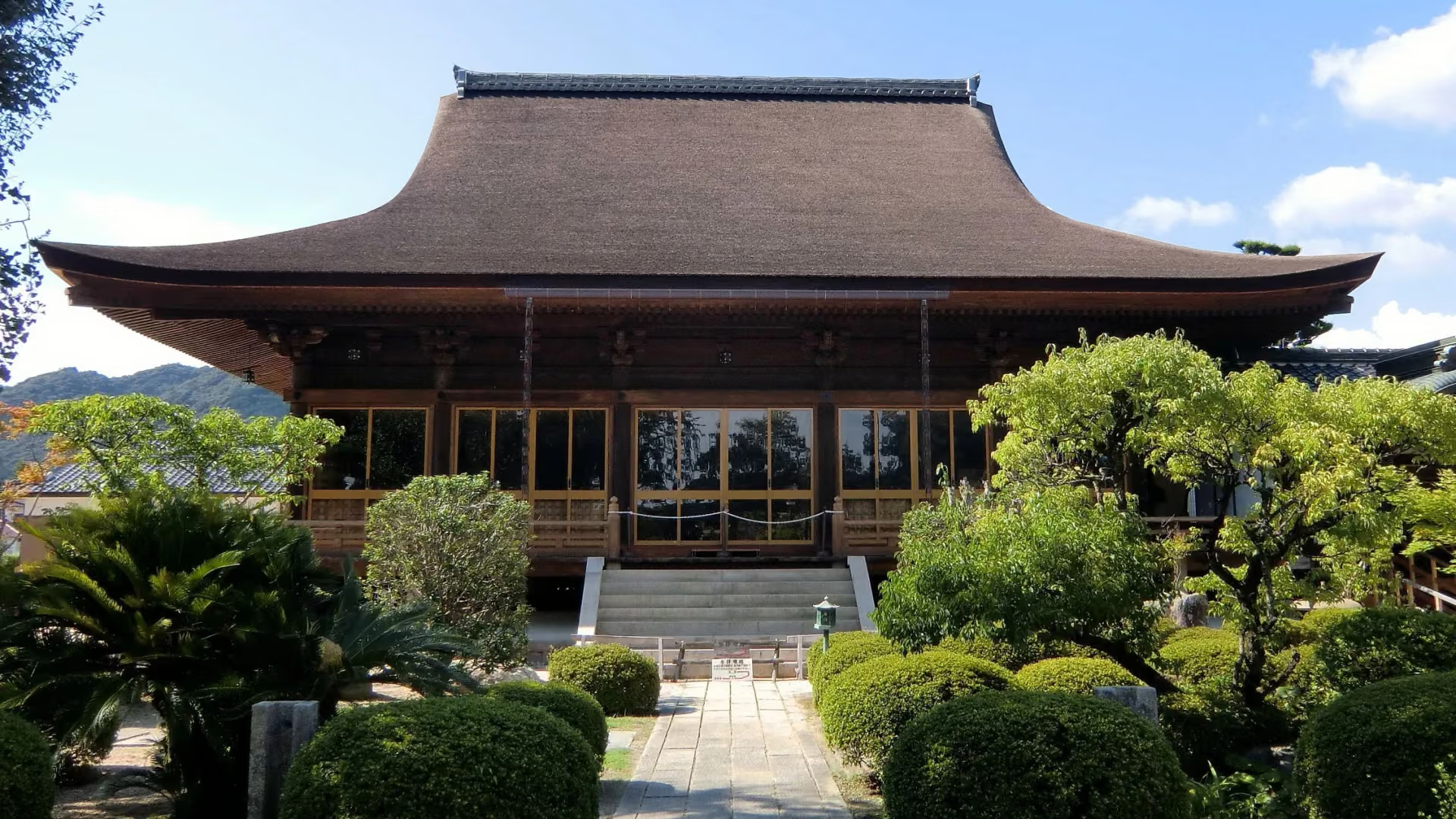
Ryufukuji
Buddhist temple founded in the Kenei era and relocated in 1557, built on former Ouchi clan lands and maintained as a museum to their history.
Yamaguchi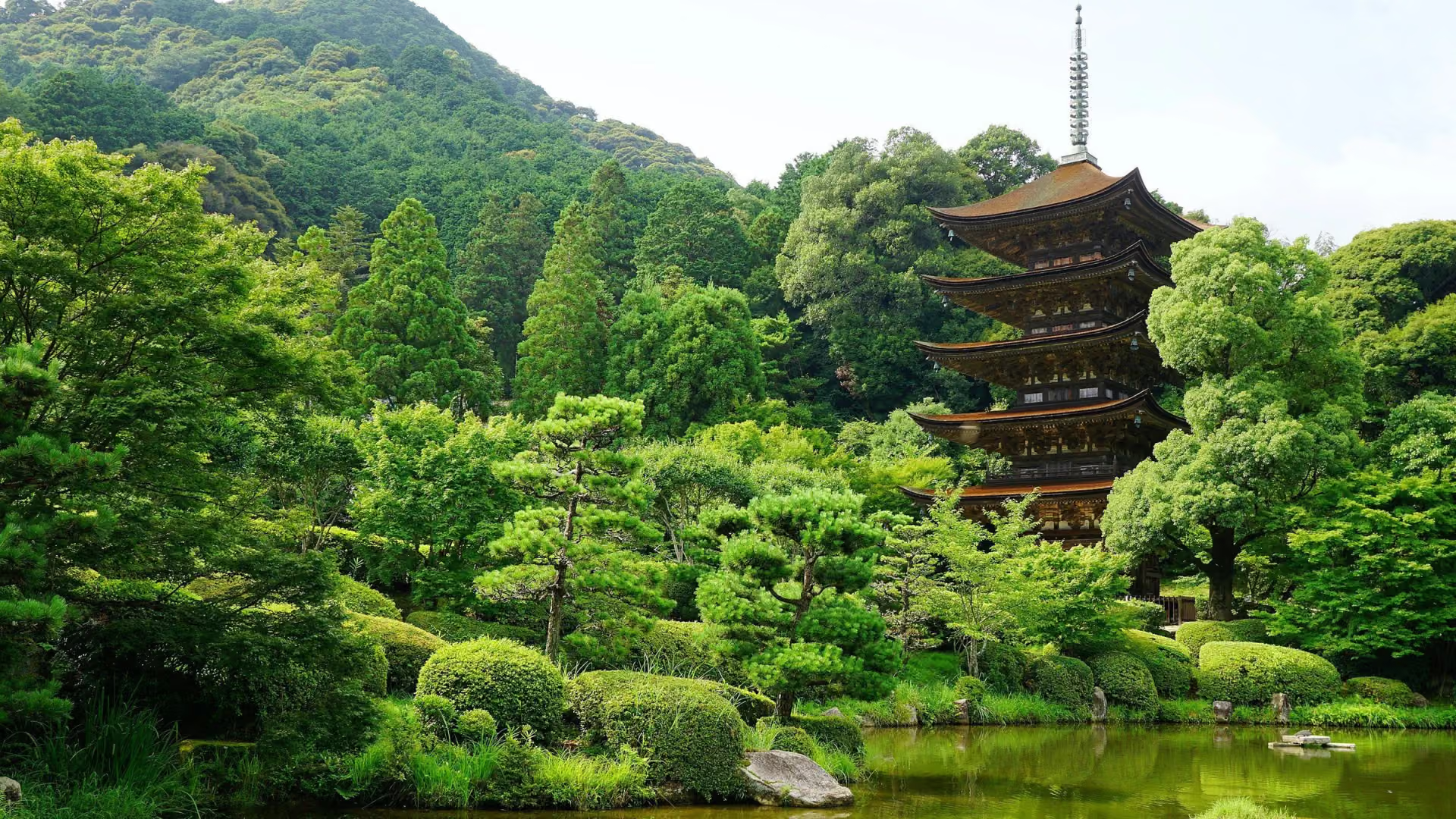
Ruriko-ji five-story pagoda
Five-story pagoda completed in 1442 as a military memorial, recognized as the finest mid-Muromachi structure and designated a national treasure.
YamaguchiYou might also like
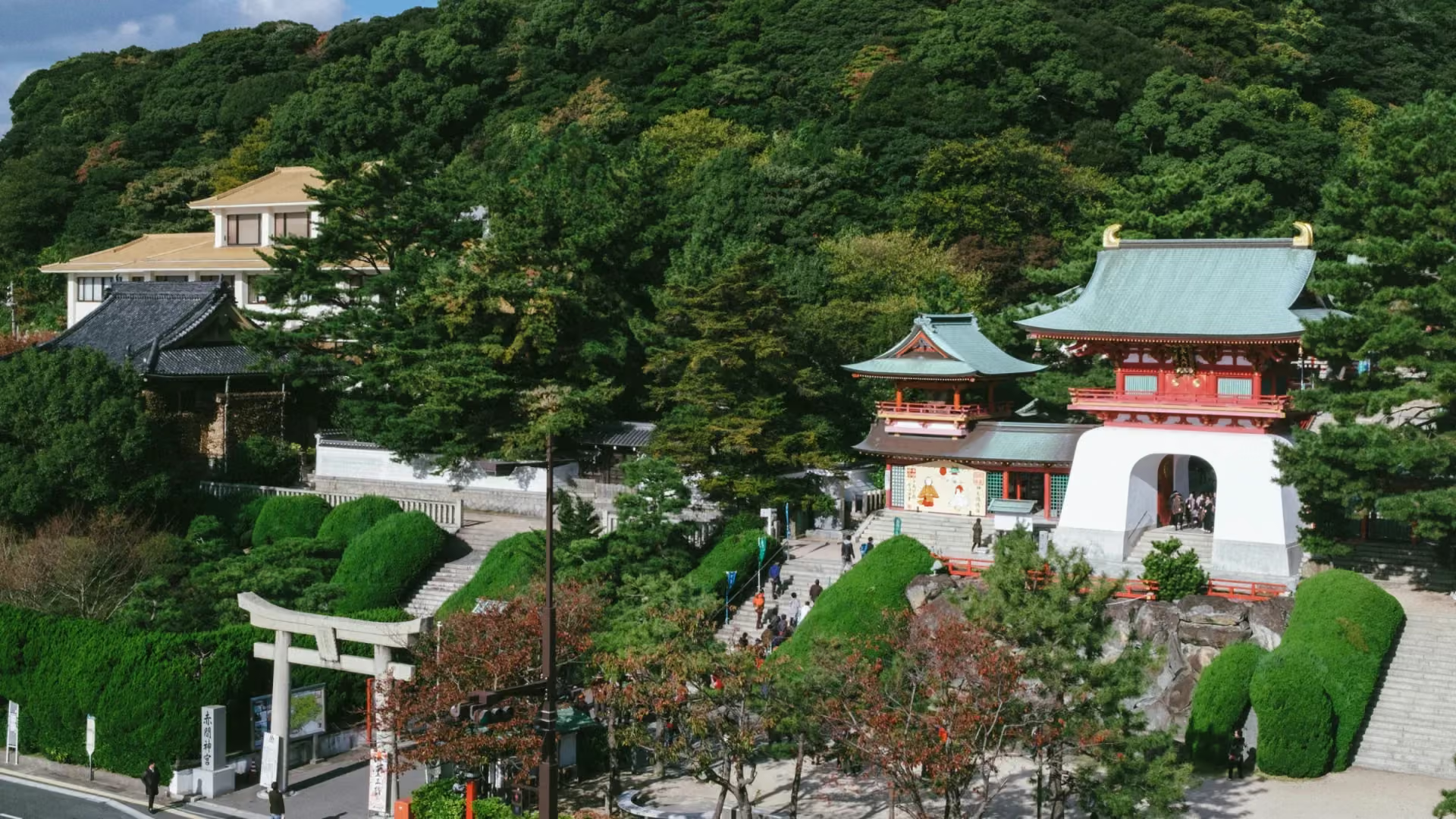
Akama Shrine
Shinto shrine in Shimonoseki for the child Emperor Antoku, who died at the Battle of Dan-no-ura in 1185, with a gate modelled on the Dragon God's sea palace.
Shimonoseki · Yamaguchi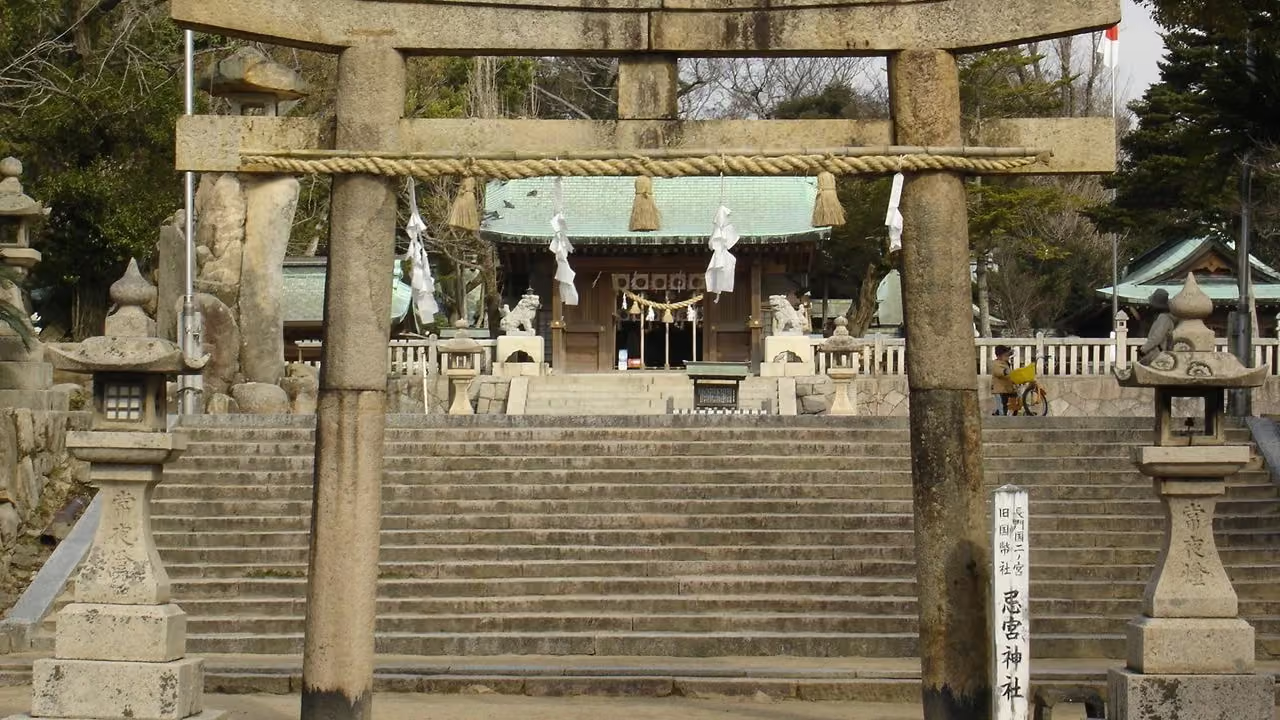
Iminomiya Shrine
Western Japan's oldest shrine with an 1,800-year legacy, built where Emperor Chuai's palace stood and his spirit was enshrined by Empress Jingu.
Shimonoseki · Yamaguchi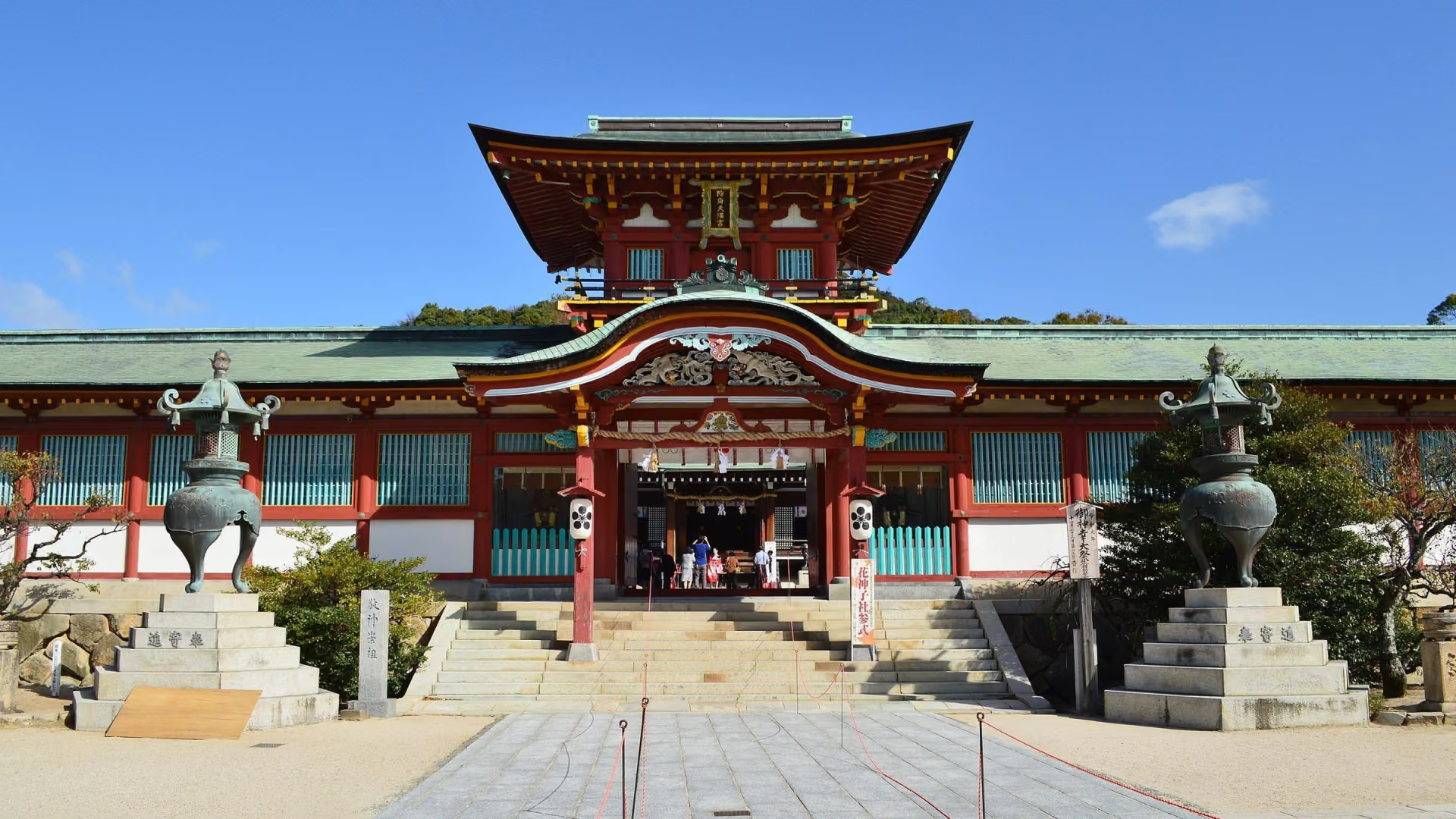
Hofu Tenmangu
Shrine in Hofu founded in 904 for Tenjin, the deified scholar and poet Sugawara no Michizane, with a single building that houses all its main sanctuaries.
Hofu · Yamaguchi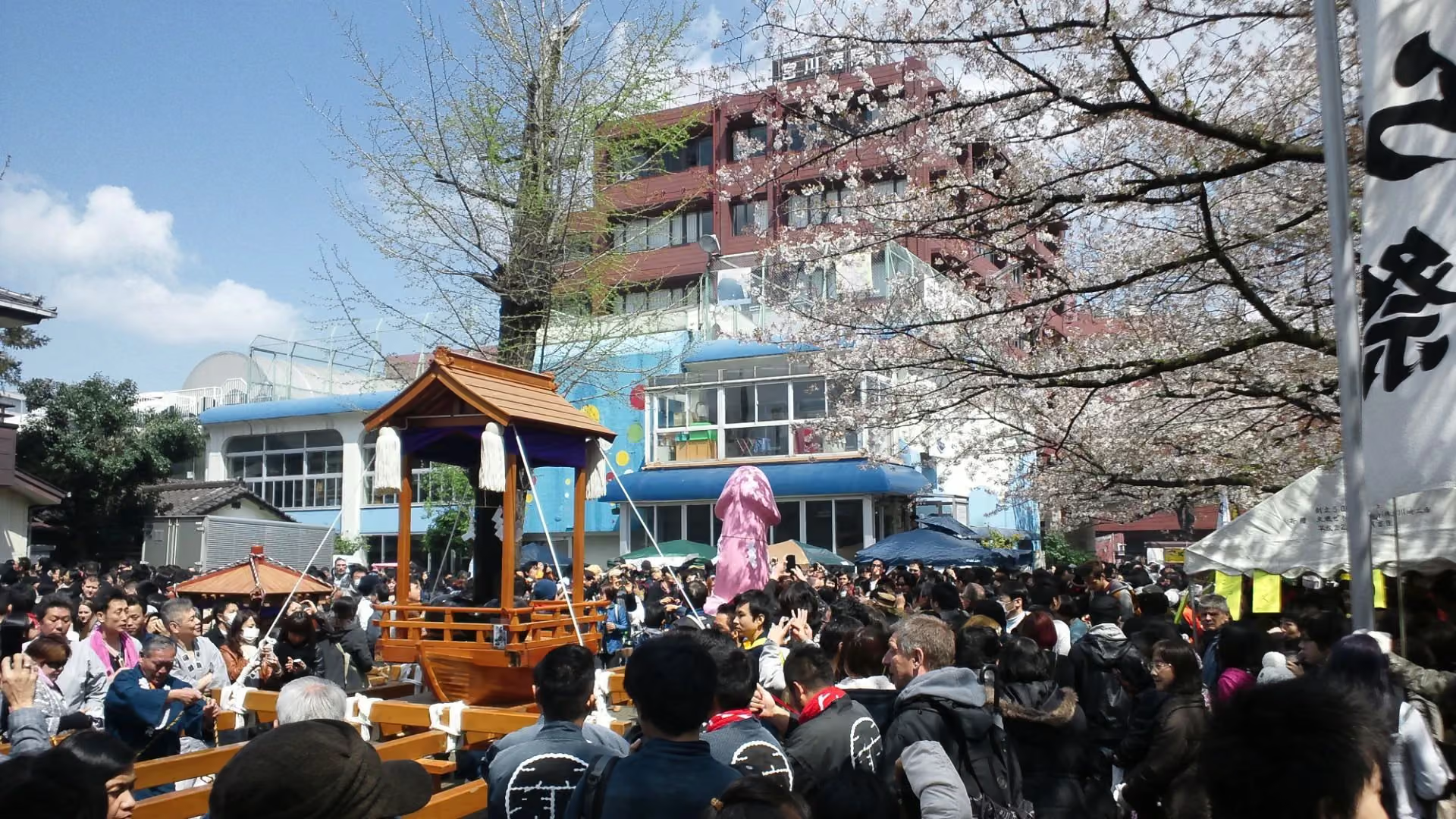
Kanamara Matsuri "Festival of the Steel Phallus"
An annual Shinto festival at Kanayama Shrine in Kawasaki featuring distinctive phallic imagery in decorations and parades while raising funds for HIV research.
5 Apr 2027Exact date not confirmed yetKawasaki · Kanagawa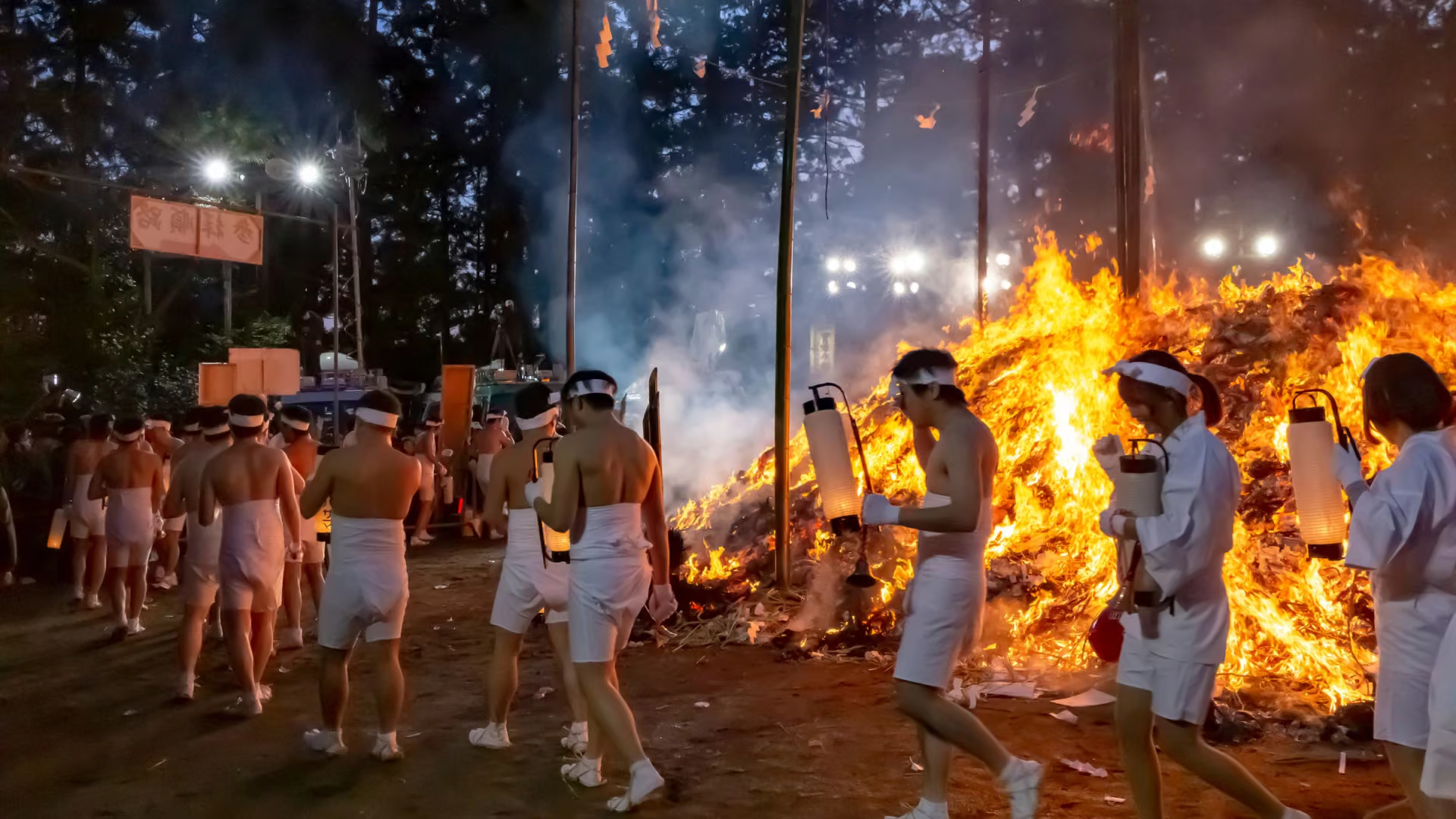
Dontosai Festival
An annual winter ritual in Sendai features the ceremonial burning of New Year decorations followed by a sacred pilgrimage procession in traditional attire.
14 Jan 2027Exact date not confirmed yetSendai · Miyagi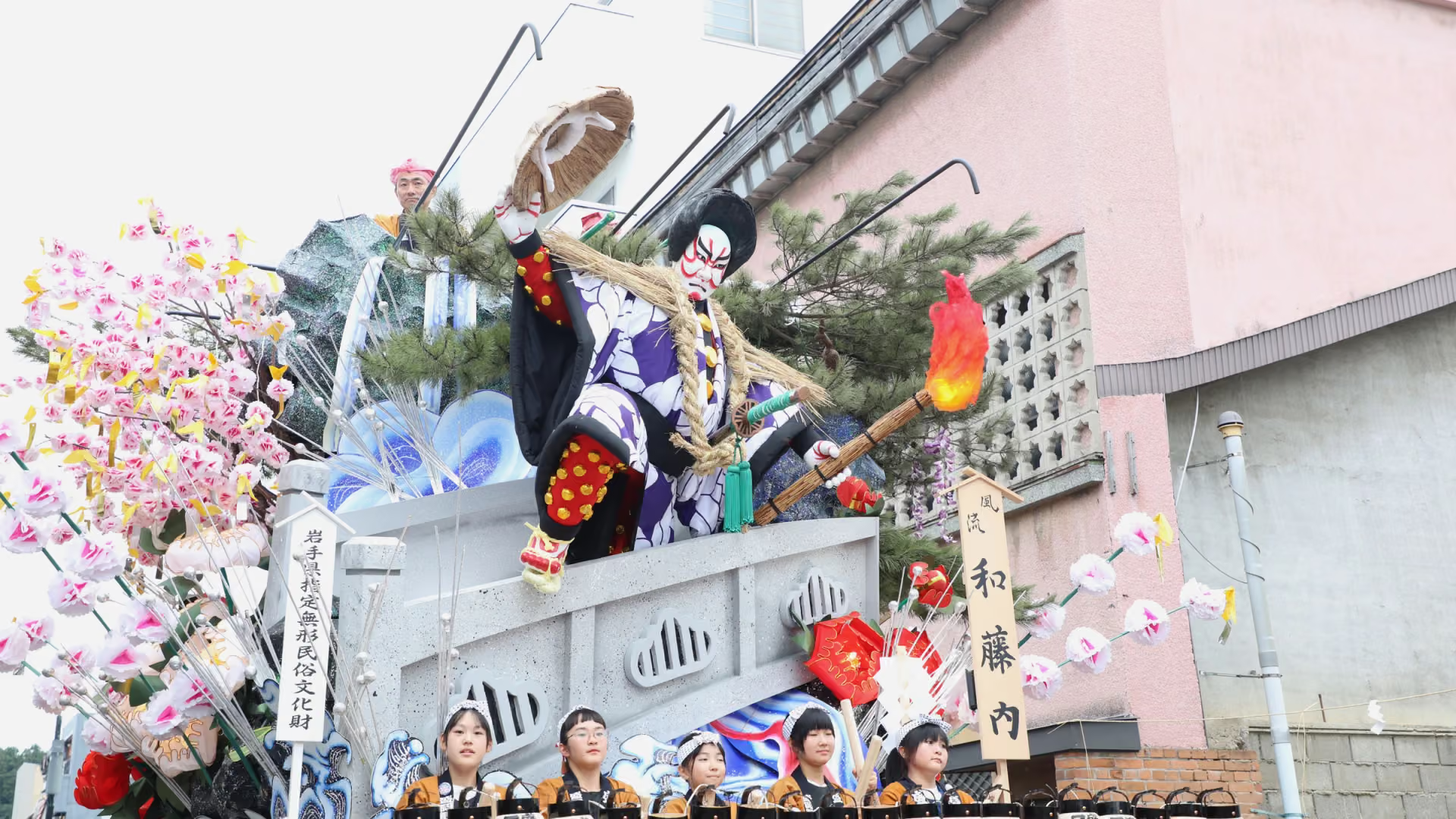
Morioka Fall Festival
One of Iwate's most enduring celebrations, this autumn festival originated as prayers for harvest, now featuring ornate floats and traditional parades.
14–16 Sep 2027Exact date not confirmed yetMorioka · Iwate