

Okunoin (Koyasan)
高野山 奥之院
The innermost sanctuary of Koyasan, where a two-kilometre path through ancient cedars and 200,000 graves leads to the mausoleum of Kobo Daishi.
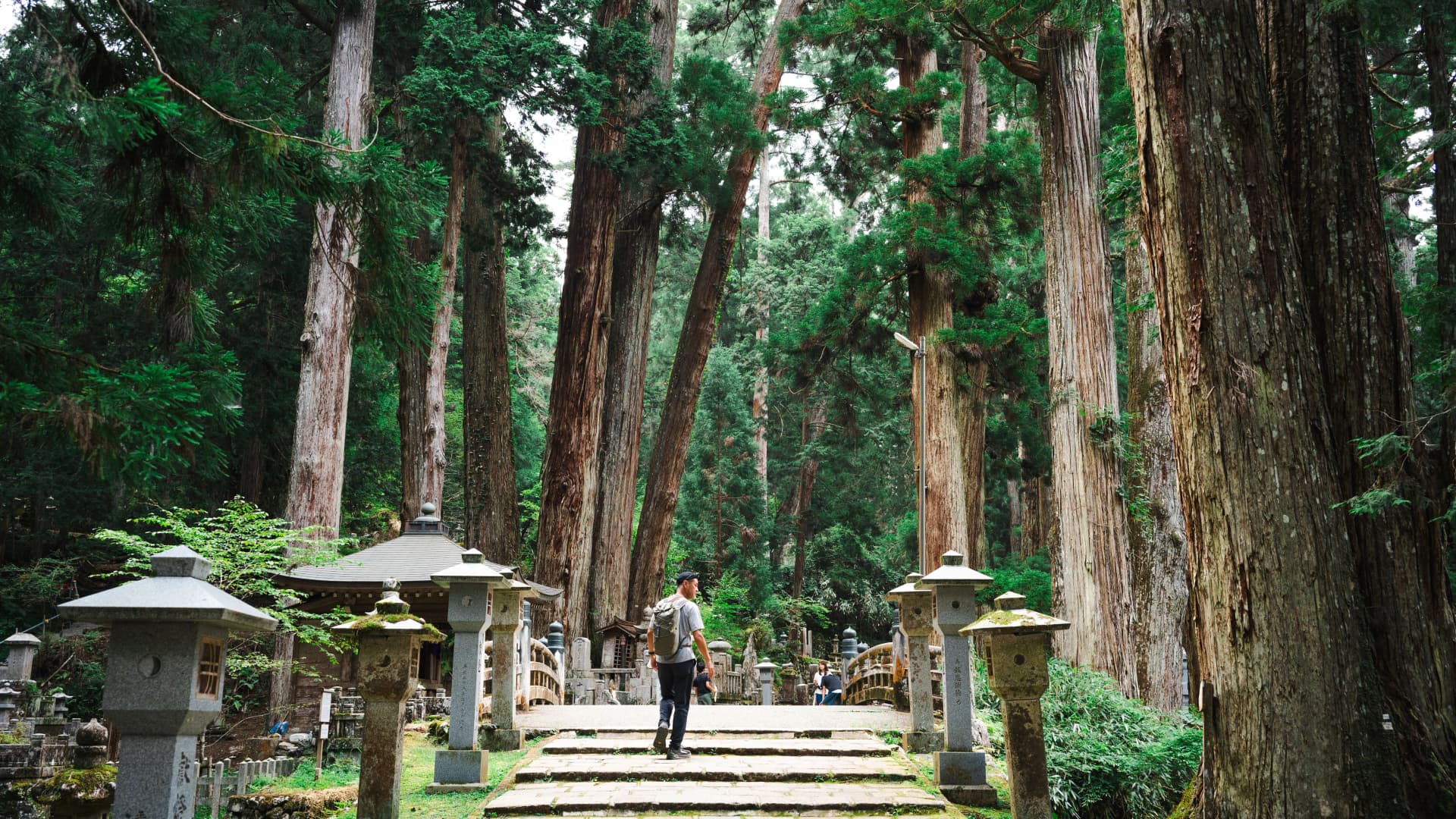
Okunoin is the innermost sanctuary of Koyasan, the temple complex founded by Kobo Daishi in the mountains of Wakayama Prefecture. His mausoleum stands at the far end of it. Koyasan has two centres of religious life: Okunoin, and the Danjo Garan, the ceremonial ground he laid out first. The mountain as a whole is treated as a single temple, Kongobuji.
The formal approach begins at the bridge called Ichinohashi, about two kilometres from the mausoleum. The path runs through cedars, some of them a thousand years old, and past more than 200,000 gravestones, memorial stones and monuments. Many were raised for daimyo, the lords of the old domains.
The Torodo, or lantern hall, stands before the mausoleum. It was built by Shinzen Daitoku, the second head of Koyasan, and reached roughly its present size in 1023 under Fujiwara no Michinaga.
Inside are lamps said never to have gone out. Two are the Kishin lamp, given by the monk Kishin Shonin, and the Shirakawa lamp, given by the retired Emperor Shirakawa. A third is known as the poor woman's lamp: it was offered, at Kishin Shonin's urging, by a woman named Oteru, who cut off her black hair for it. The Showa lamp was added in the twentieth century by a prince and a prime minister. Many more lanterns hang around them.
Kobo Daishi is not held to have died. He is said to have entered nyujo, a deep meditation that has never ended, keeping his body in this world and continuing to help those who come to him. The mausoleum is the centre of that belief, and visitors reach it at every hour of the day and night.
Places nearby

Kongobu-ji (Koyasan)
Mount Koya is a sacred temple complex where the entire mountain is treated as one unified holy domain dedicated to Shingon Esoteric Buddhism.
Koya · WakayamaYou might also like

Daigo-ji Temple
Over 1,100-year-old Buddhist temple complex and head temple of the Daigo branch of Shingon Buddhism, centered on an ancient natural spring.
Kyoto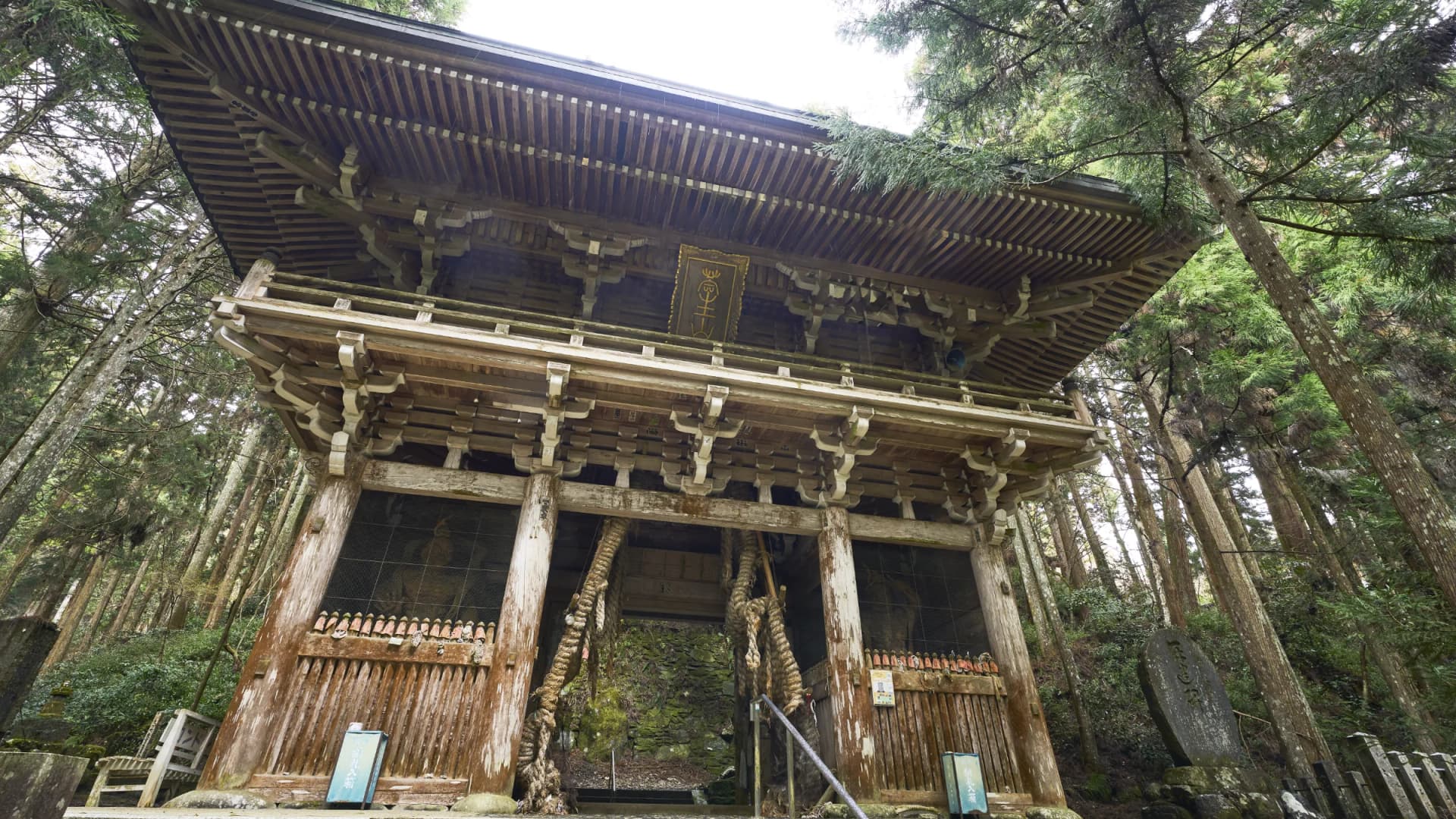
Daihoji Temple
The forty-fourth temple of the Shikoku pilgrimage and its halfway point, standing among old trees at 579 metres in the mountains of Ehime.
Kumakogen · Ehime
Special Exhibition: Kobo Daishi Kukai — Treasures of Koyasan and the Spread of the Faith
An exhibition at the Kyushu National Museum on Kukai, who brought esoteric Buddhism from Tang China, with treasures of Koyasan and of western Japan.
24 Apr – 20 Jun 2027Dazaifu · Fukuoka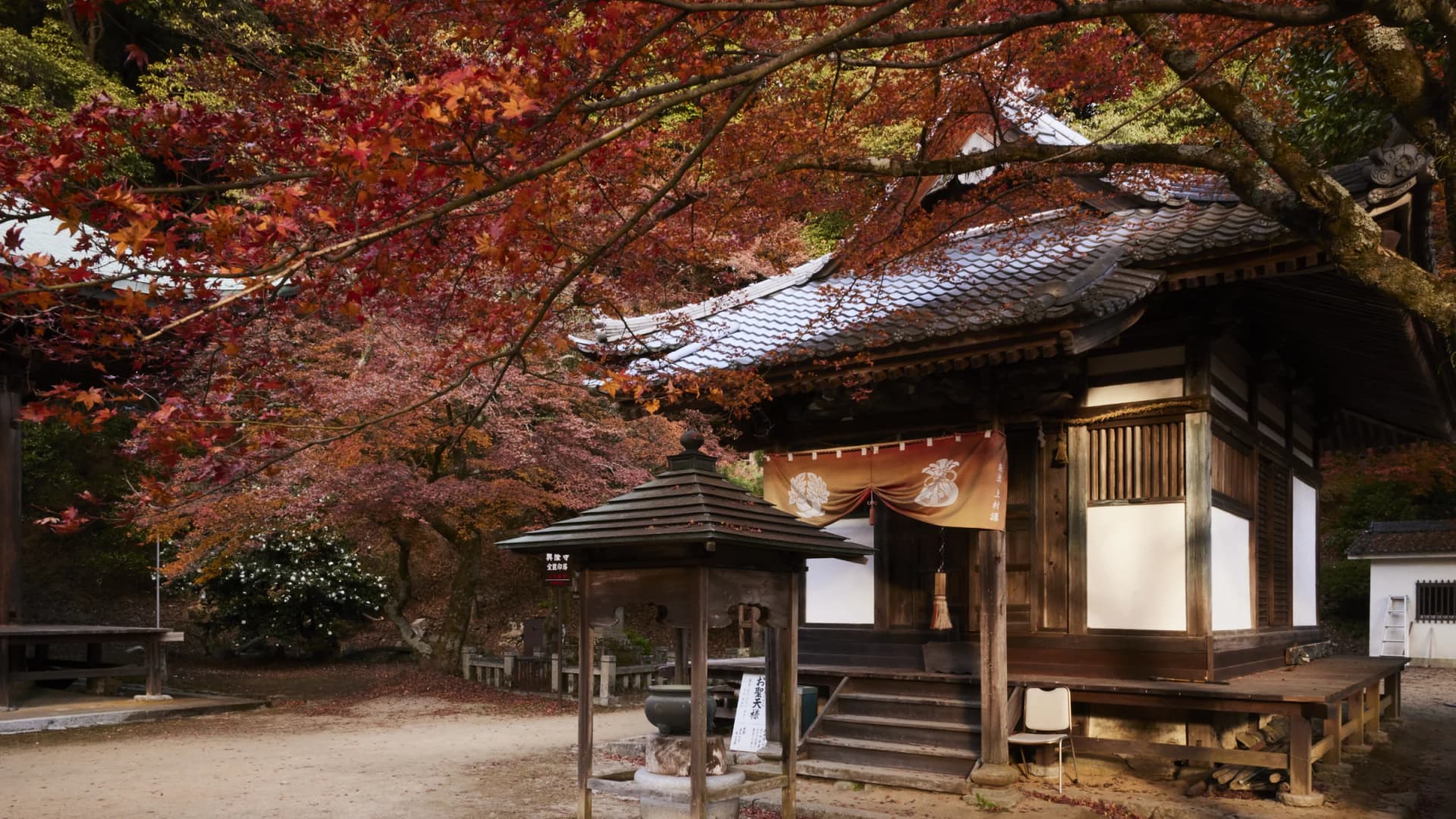
Nishiyama Koryuji
A mountain temple in Saijo, Ehime, founded in 642, reached by a long approach under maples, with a main hall that is an Important Cultural Property.
Saijo · Ehime
Aizen Festival
A 1,400-year-old temple festival honors a Buddhist deity associated with love and good fortune through public celebrations and sacred displays.
30 Jun – 2 Jul 2027Osaka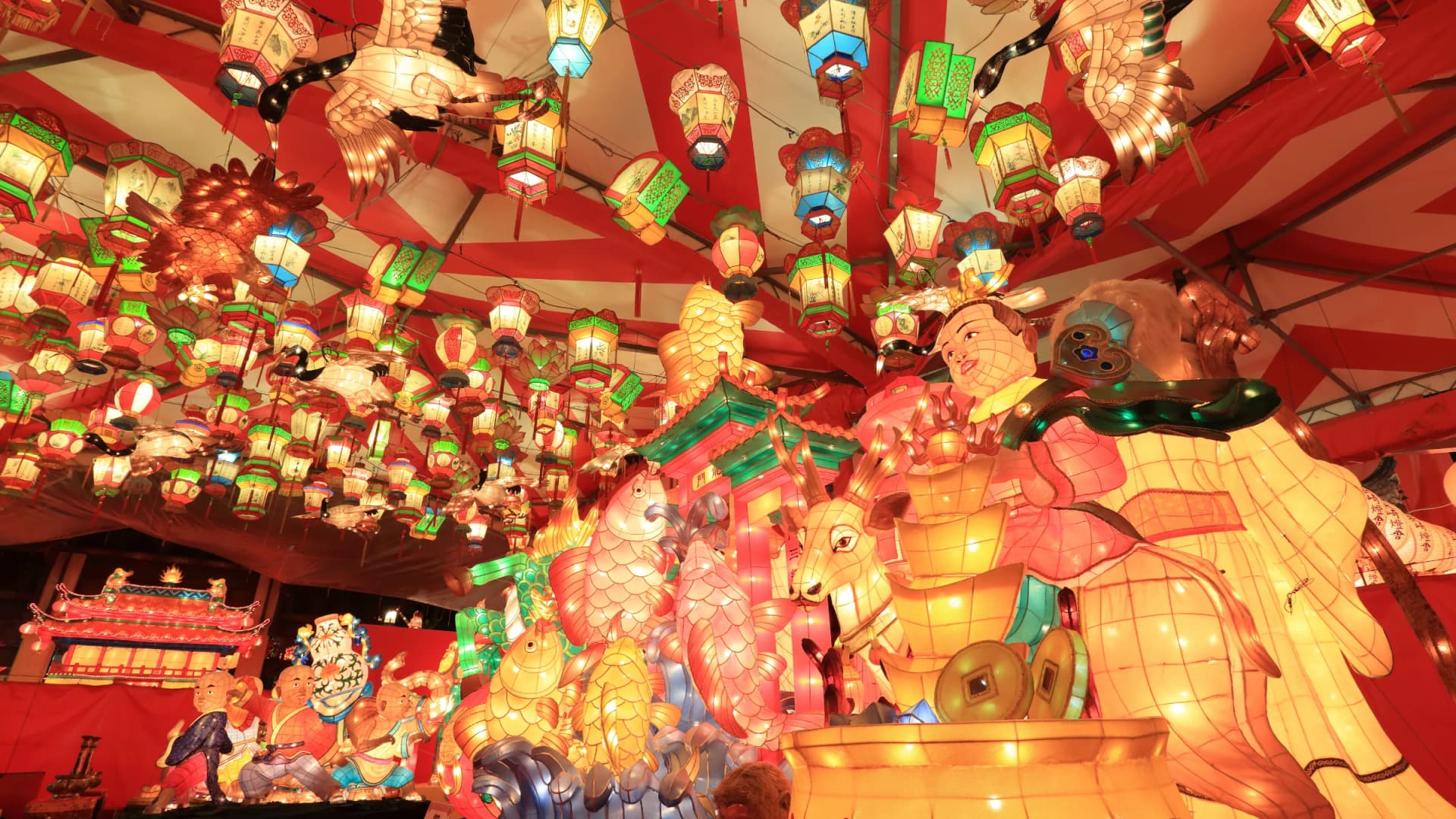
Nagasaki Lantern Festival
The festival illuminates Nagasaki's streets with around 15,000 Chinese lanterns, some reaching 10 metres, celebrating Lunar New Year traditions.
6–23 Feb 2027Nagasaki