

Fire Festival at Cape Shionomisaki
潮岬 本州最南端の火祭り
At Cape Shionomisaki, a practical piece of land management becomes a spectacular celebration as flaming arrows set the grasslands ablaze each winter.
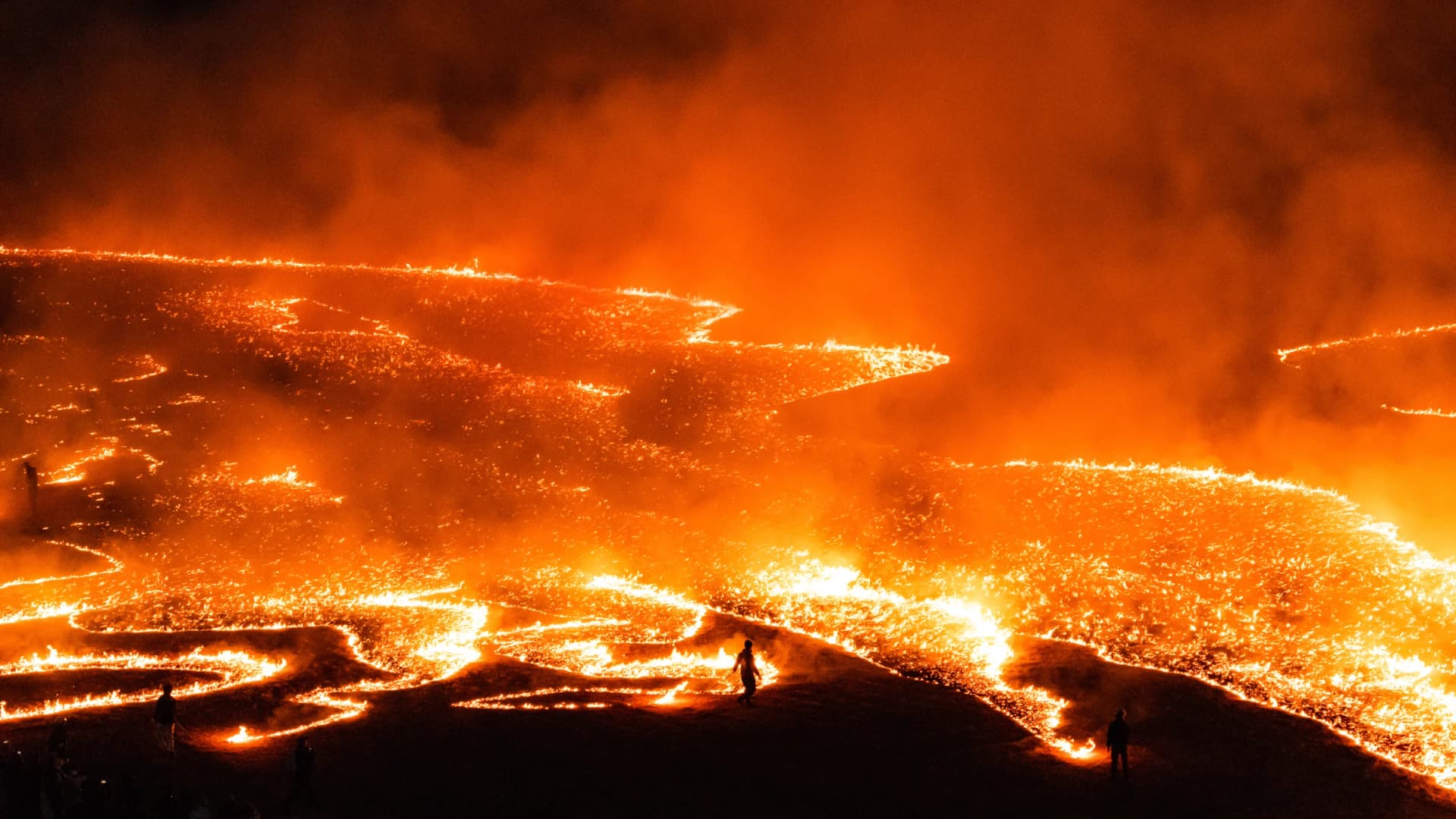
Known as the Honshu Sainantan no Hi Matsuri, the "Fire Festival at Honshu's Southernmost Point", it is one of the year's most striking sights, turning a practical piece of land management into a spectacular celebration of wind, sound, and flame.
The event has its roots in shibayaki, the traditional burning-off of withered grass – a practice carried out to clear away pests and encourage fresh spring growth across the great lawn of Boro no Shiba. In 2001, the local tourism association reimagined this seasonal task as a full festival, pairing the burn with a day of food, music, and performance.
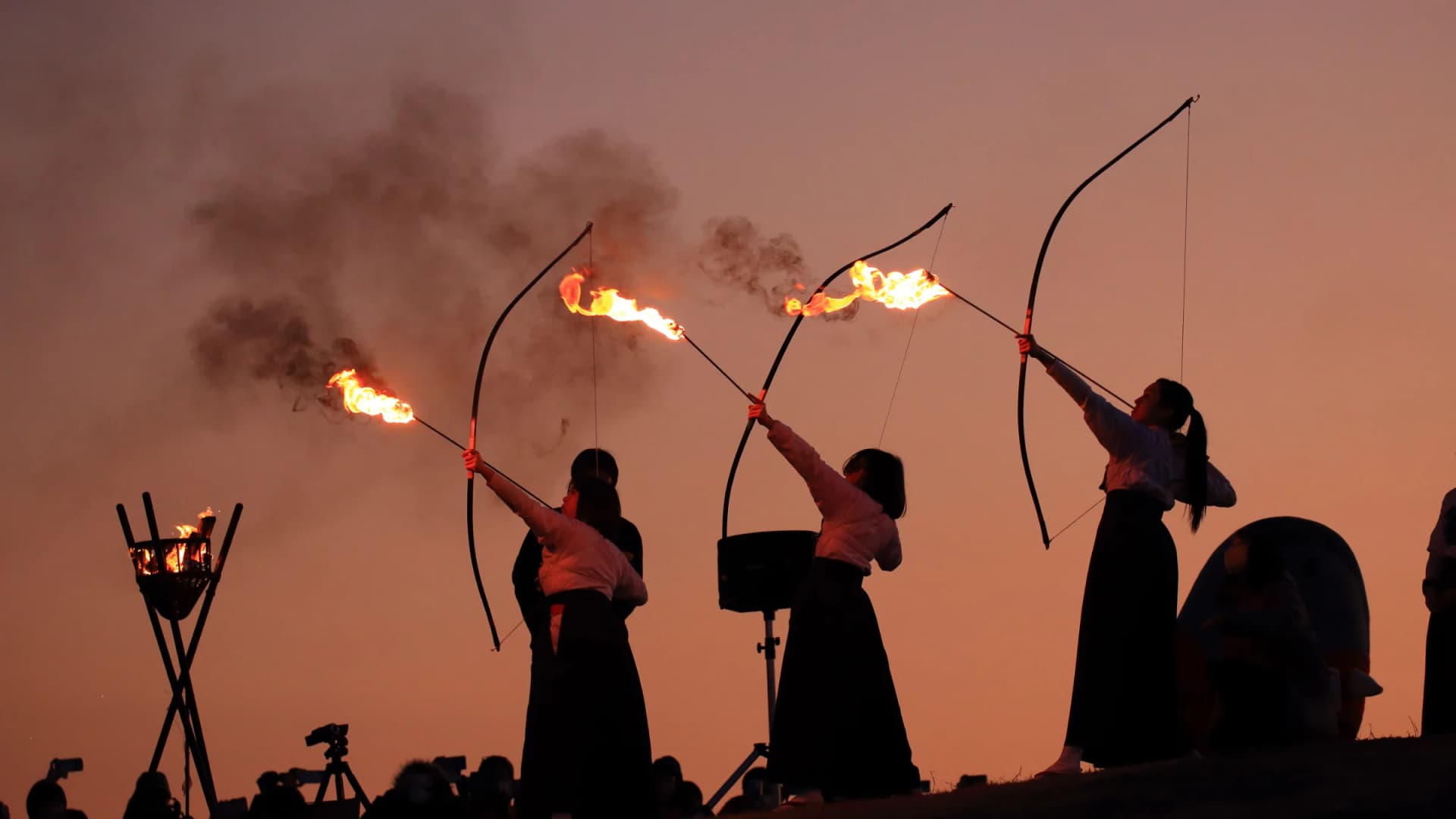
The lighting itself is the highlight. Since 2000, the fire has been set in dramatic fashion by flaming arrows: members of the local Kushimoto Koza High School archery club loose arrow after arrow into the grass, sending flames racing across the field to the cheers of the crowd.
Unlike the mountain- and hillside-burning festivals held elsewhere in Japan, this one takes place on flat, open ground, which lets spectators stand remarkably close to the fire. The roughly 100,000 square meters of grassland are engulfed in under an hour, the flames throwing up an almost dreamlike scene against the darkening sky before feeding the fresh green shoots of spring.
Beyond the burn, the festival offers a full program: local produce stalls, folk dance performances, and mochi-scattering. Its signature dish is shorasan-nabe, a hot fishball soup made with the region's prized flying fish, served up to warm visitors against the January cold.
The Fire Festival is held once a year, traditionally on the last Saturday of January, though it may be postponed to the following week in poor weather. Boro no Shiba is about 15 minutes by car from Kushimoto Station on the JR Kisei Main Line, and special return buses are typically laid on after the event.
You might also like
Sakura Autumn Festival
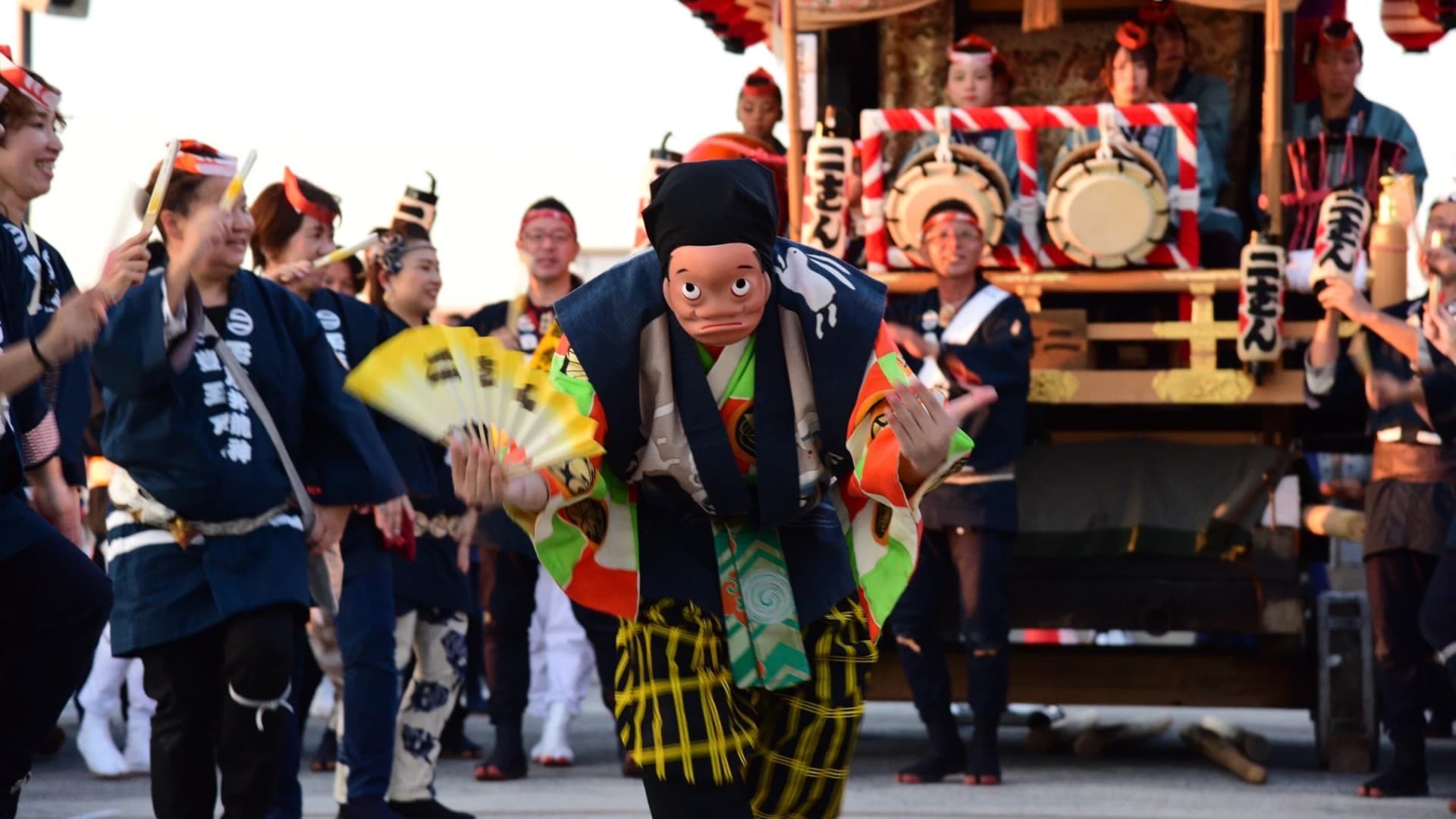
Each October the old castle town of Sakura fills with towering doll floats, portable shrines and Edo-descended music for three days of procession.
9–11 Oct 2026Sakura · Chiba
Niihama Taiko Festival
Towering drum-bearing floats parade through Niihama in this October celebration, drawing nearly 200,000 spectators each year.
16–18 Oct 2026Niihama · Ehime
Miyazaki Jingu Grand Festival
Miyazaki's largest celebration honors Emperor Jimmu through a grand autumn procession featuring portable shrines and floats reenacting the legendary emperor's historic journey.
31 Oct – 1 Nov 2026Miyazaki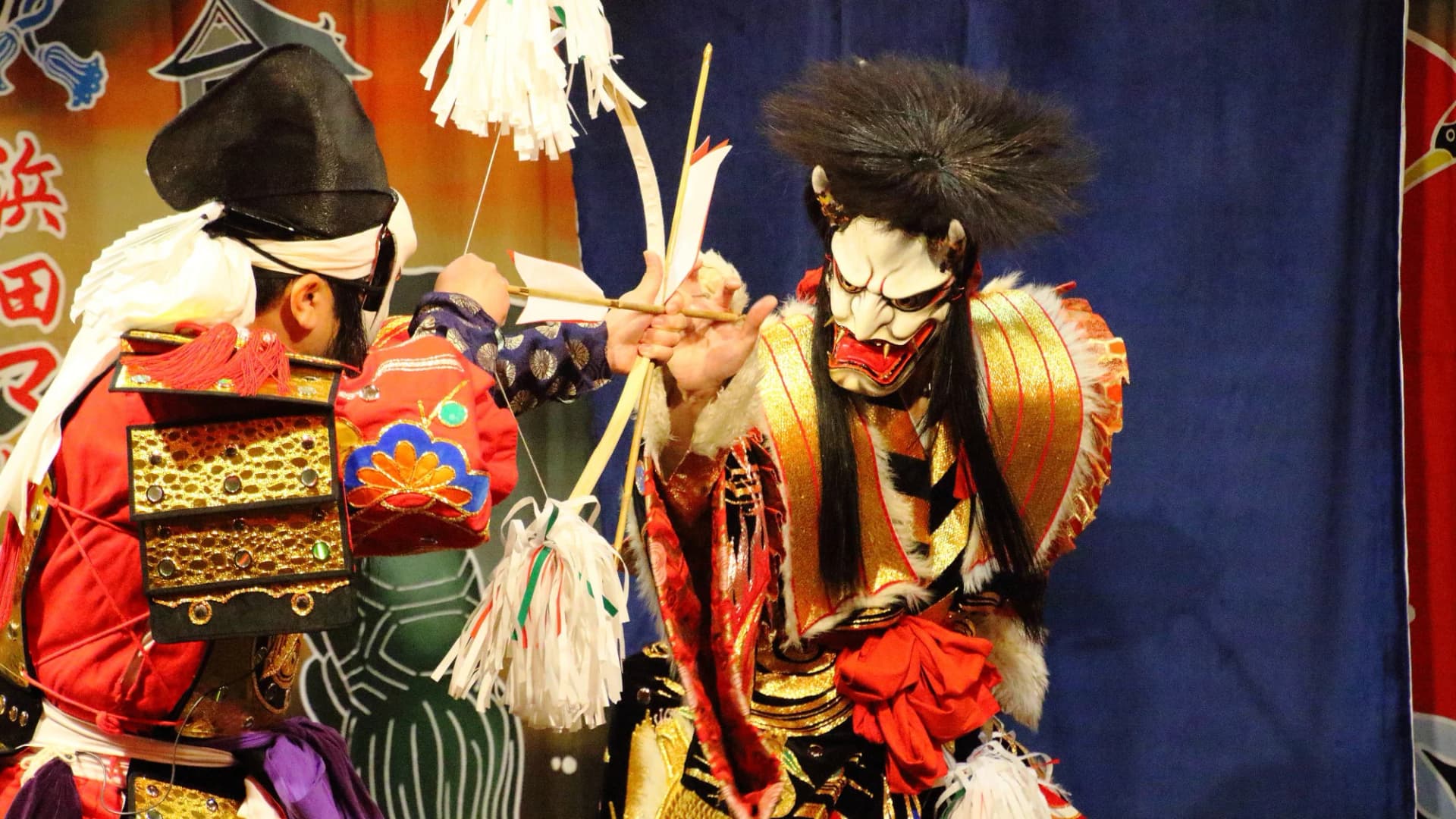
Iwami Kagura
Each autumn in western Shimane, shrine stages host Iwami Kagura – sacred dances performed through the night, from ceremonial pieces to a battle with a serpent.
Shimane · Chugoku
Ninja+Kabuki Tokyo
This nonverbal stage experience blends traditional kabuki and taiko drumming to tell a mythological tale of rival ninja, opening in August 2024.
Tokyo
KAWAII MONSTER LAND – HARAJUKU
KAWAII MONSTER LAND is a 60-minute immersive experience beneath Takeshita Street featuring themed zones, performances, and interactive installations.
Tokyo