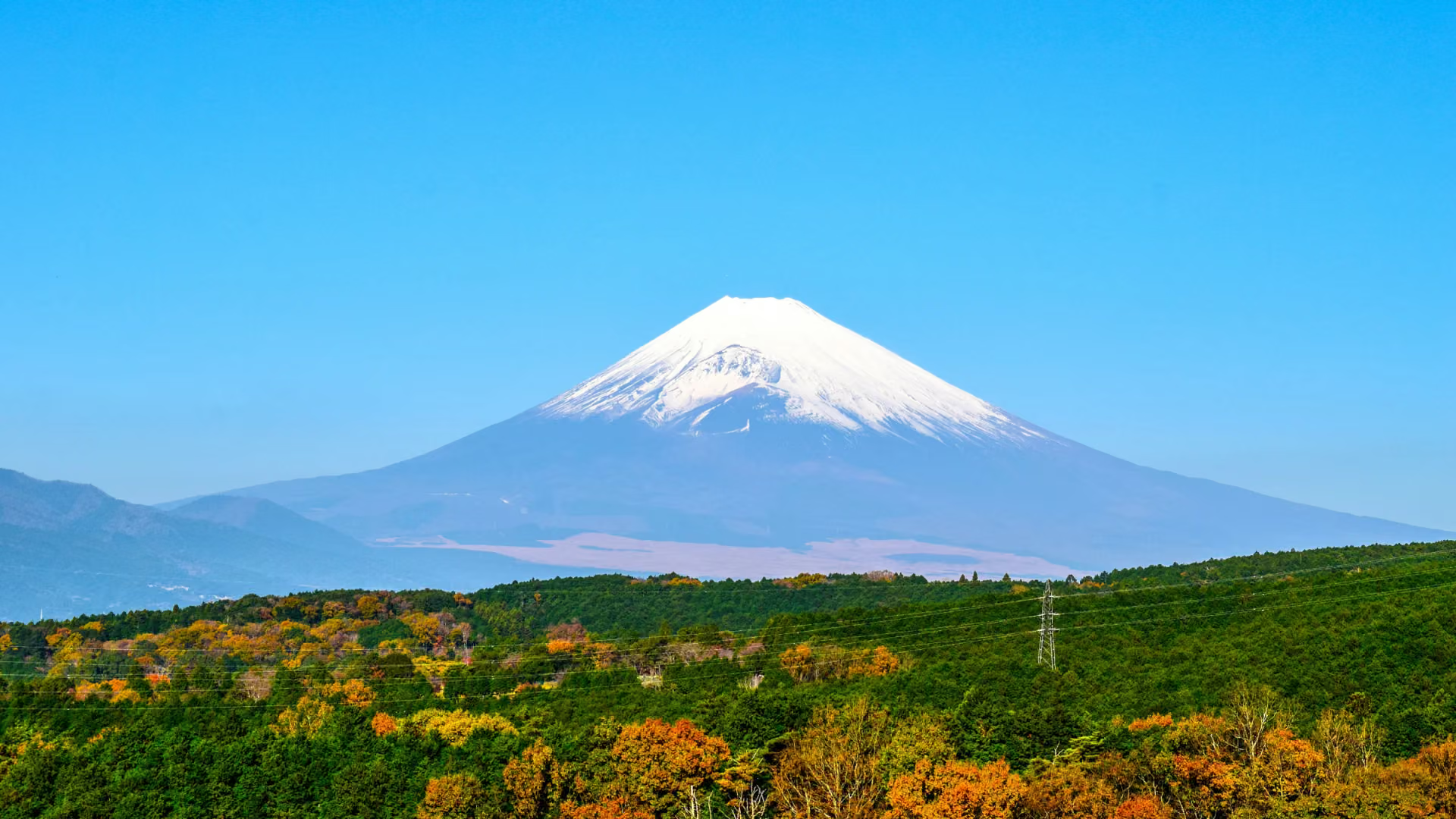
Shizuoka Sengen Shrine
静岡浅間神社
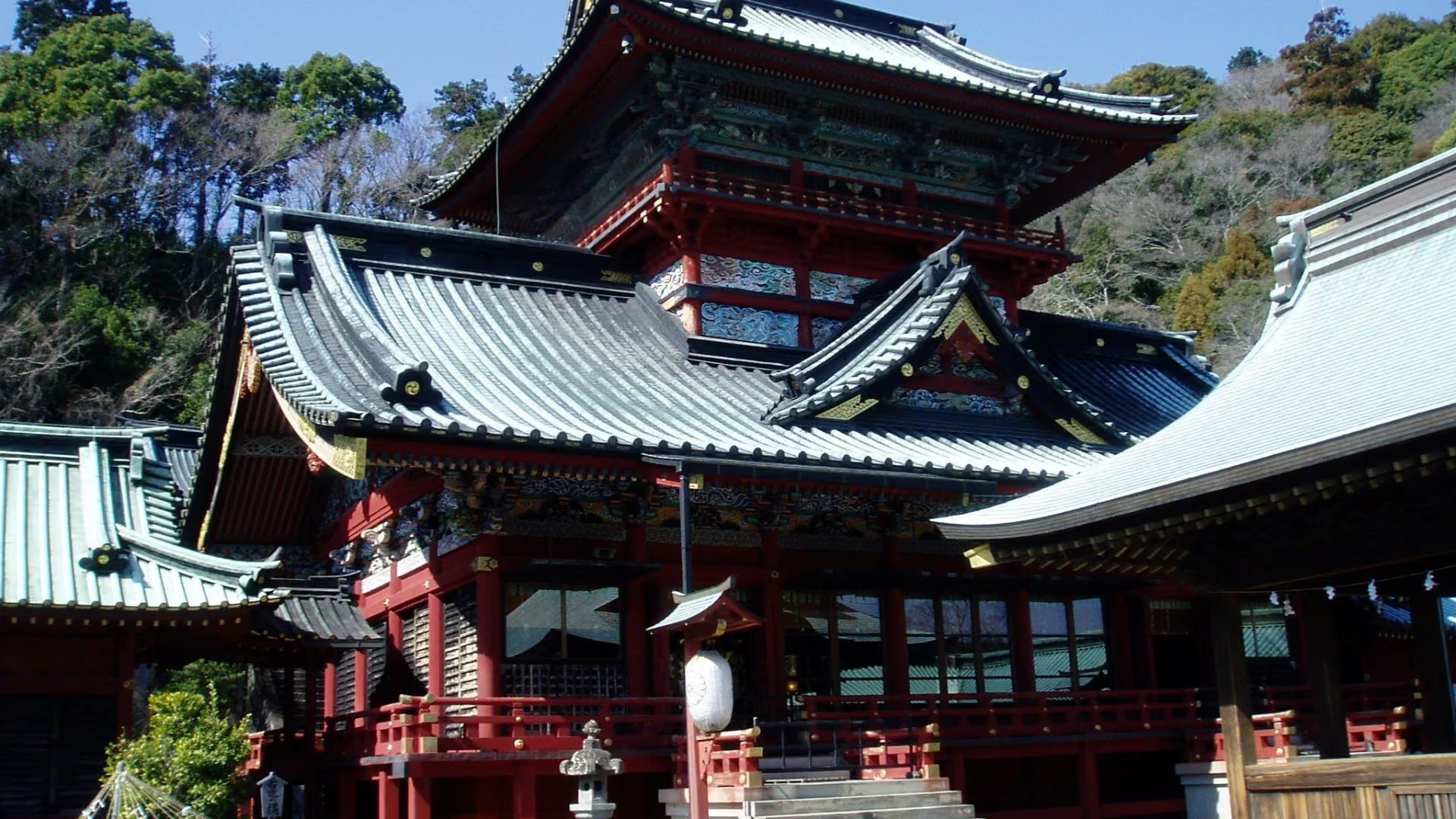
Three shrines on one precinct, once the provincial shrine of Suruga, with brightly lacquered buildings rebuilt by the Tokugawa shogunate from 1804.
〒 420-0868How to get there
新静岡22 min walk from the station
Shizuoka Sengen Shrine is the shared name of three shrines on one precinct in Aoi Ward, Shizuoka: Kanbe Shrine (神部神社), Asama Shrine (浅間神社) and Otoshimioya Shrine (大歳御祖神社). Kanbe and Asama share a single main hall. Locally the shrine is called Osengen-sama (おせんげんさま).
History
Shrine tradition holds that Kanbe Shrine was founded about 2,100 years ago, in the reign of Emperor Sujin, for the guardian deity of the land of Suruga. It is the oldest shrine in the area, and in the Heian period it became the soja (総社) of Suruga Province, the shrine where the province's deities were worshipped together. Asama Shrine followed in 901, when Emperor Daigo had the deity of Fujisan Hongu, the main shrine at Mount Fuji, divided and enshrined here as Fuji Shingu (富士新宮), the new Fuji shrine. Otoshimioya Shrine is said to date from 273 and was founded to protect the Abe market, the trading centre of the area in ancient times.
The Imagawa clan, who governed Suruga, protected the shrine as their clan shrine. Tokugawa Ieyasu, held in Sunpu as a boy hostage, had his coming-of-age ceremony here with Imagawa Yoshimoto as his sponsor. The Tokugawa shogunate later made it one of its official places of prayer. Kan'ami, one of the founders of Noh, performed before the shrine at the invitation of the Imagawa and later died in the area. The performance is known as his last, and a monument to him stands beside the tower gate.
The buildings
Fires that spread from the town in the late 18th century damaged the shrine. Rebuilding began in 1804 as a project run directly by the shogunate, and took more than 60 years and 100,000 ryo. Craftsmen came from across the country; three generations of the Tachikawa family of carvers from Suwa in Shinano, with their pupils, made the carvings. Some of these craftsmen later turned to woodwork and lacquerware, the start of Shizuoka's craft industries and, through model making, of its plastic model industry.
The buildings are lacquered and painted in bright colours. The great worship hall (Ohaiden, 大拝殿) is a tower-style hall 25 metres tall in the style called Sengen-zukuri (浅間造り), with a floor of 132 tatami mats and painted dragons, kalavinka birds and heavenly beings on its ceiling. In 1971, 24 of the shrine buildings were designated Important Cultural Properties, and the treasure house and sacred stable followed in 1999. The shrine has long been called the Nikko of the Tokai region (Tokai no Nikko, 東海の日光).
Deities
Asama Shrine enshrines Konohanasakuya-hime, consort of Ninigi, worshipped for safe childbirth. Kanbe Shrine enshrines Onamuchi, another name of Okuninushi, worshipped for long life and good marriages. Otoshimioya Shrine enshrines Otoshimioya no Mikoto, guardian of the old market, of trade and of industry. Four smaller shrines stand in the grounds, among them Sukunahikona Shrine with its carvings of the twelve zodiac animals. The Hatsukae Festival (廿日会祭) is held at the shrine every April.
Getting There

Planning a trip? Fit this into a trip and Oni plans the rest around it.
Places nearby
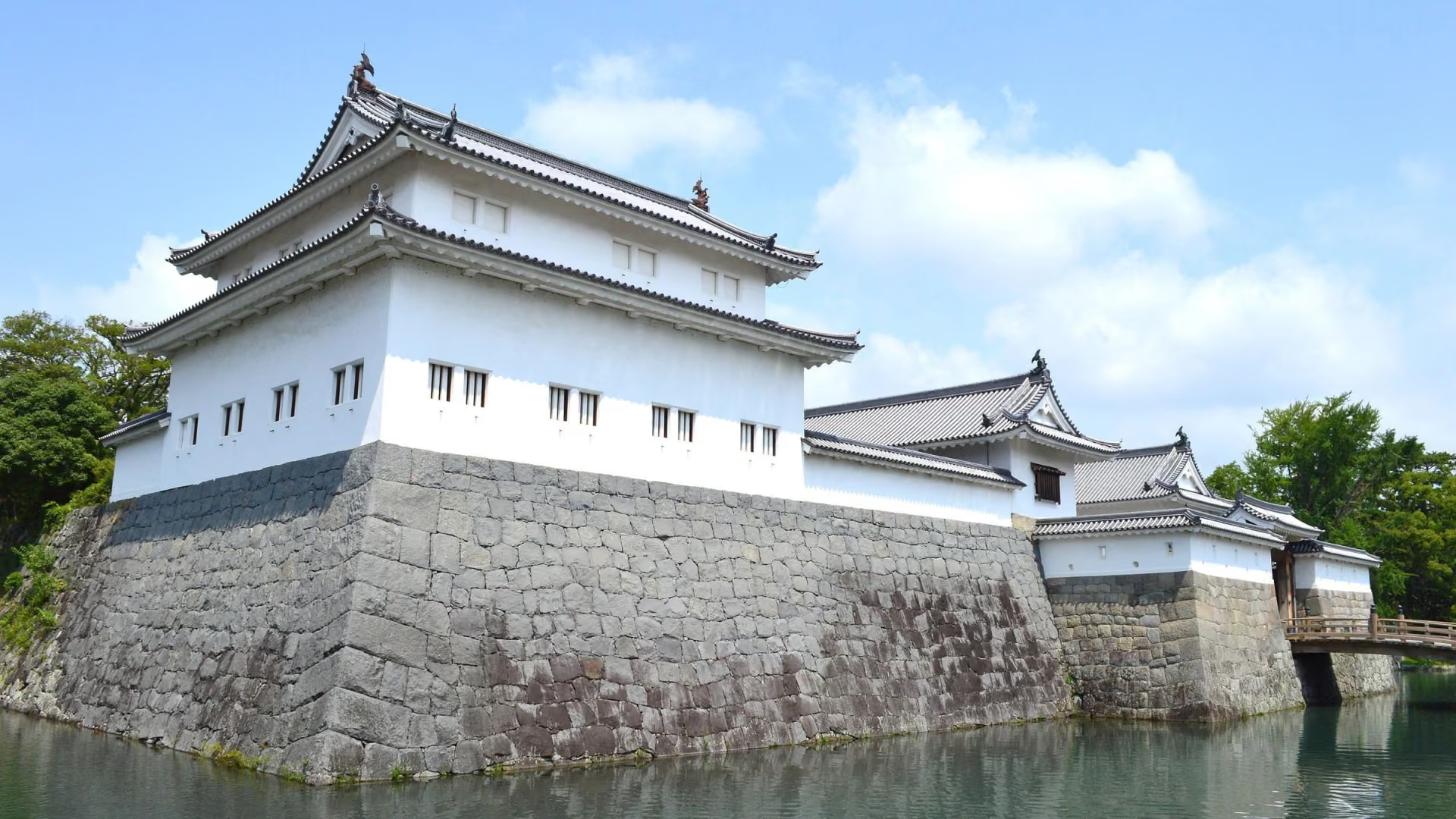
Sunpu Castle
Historic castle rebuilt by Tokugawa Ieyasu in 1585 on former Imagawa clan fortifications, now Sunpu Park with reconstructed towers and gates.
ShizuokaYou might also like
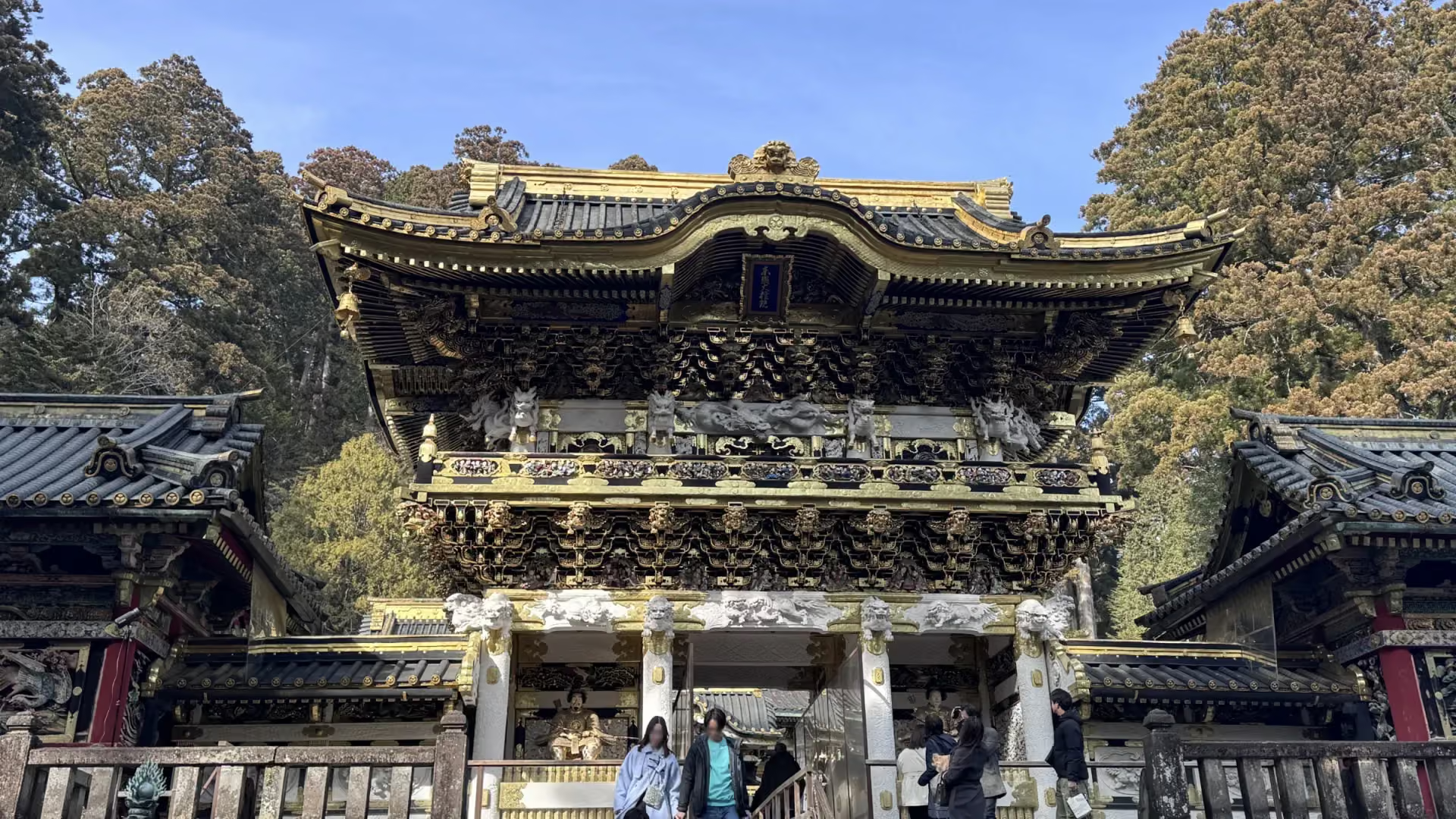
Nikko Tosho-gu
Shinto shrine established 1617 to enshrine Tokugawa Ieyasu, the first shogun who ended the Sengoku period and founded 260 years of Edo peace.
Nikko · Tochigi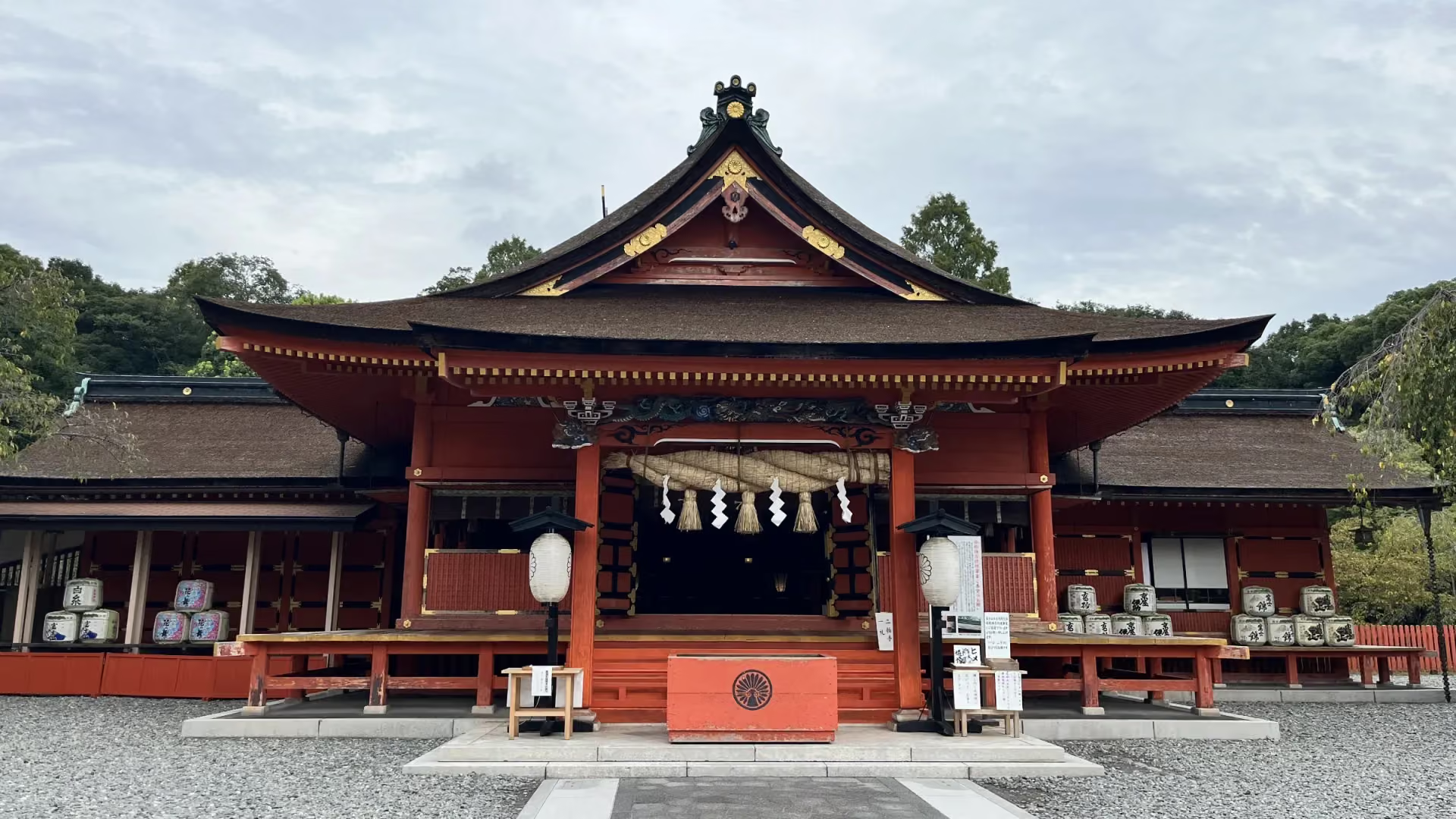
Fujisan Hongu Sengen Taisha
A shrine at the foot of Mount Fuji that worships the mountain itself, and the head of more than 1,300 Sengen shrines across Japan.
Fujinomiya · Shizuoka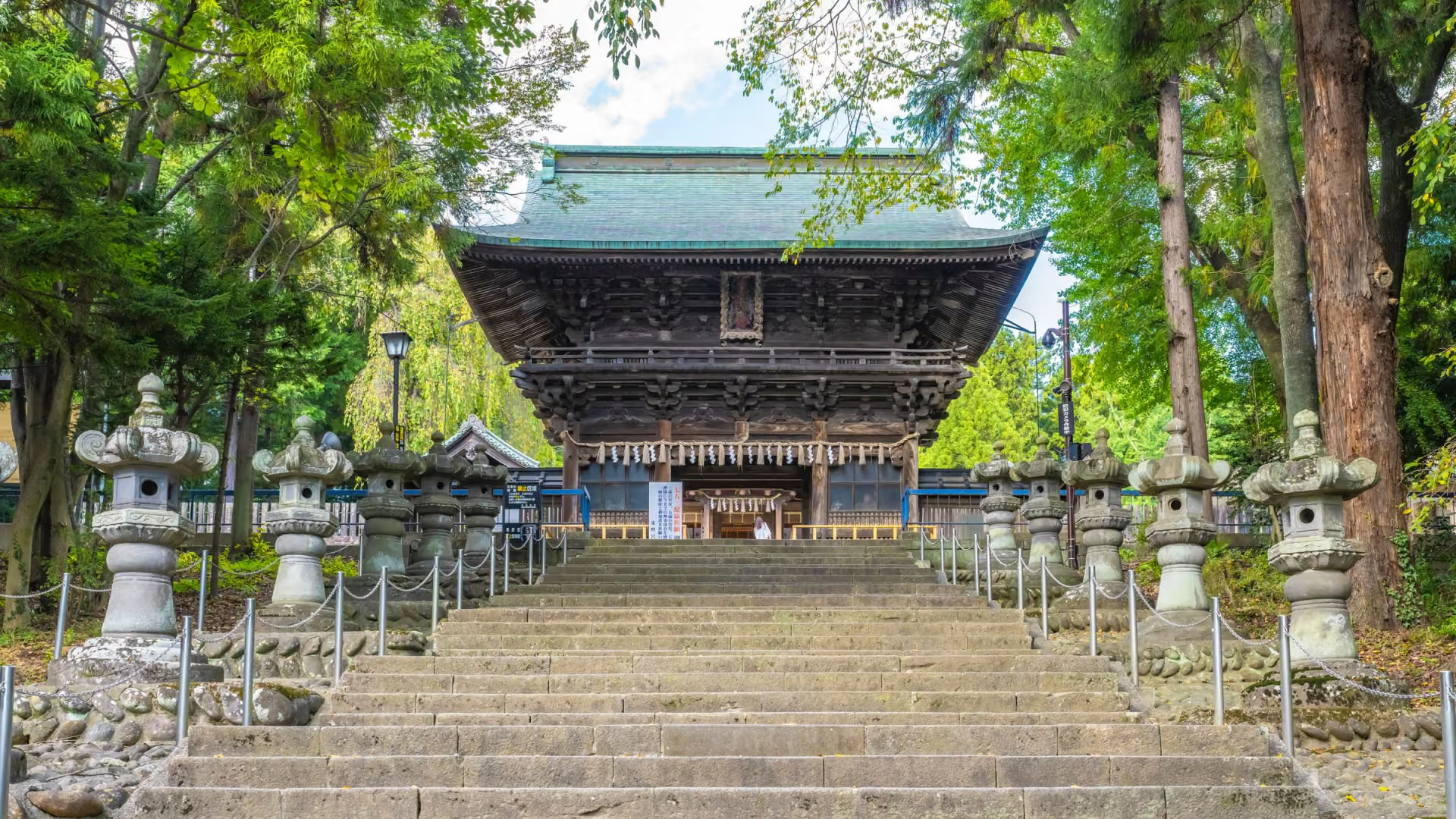
Sendai Toshogu Shrine
A shrine to Tokugawa Ieyasu founded in 1654 by Date Tadamune, lord of Sendai, with a honden, gates and stone torii designated Important Cultural Properties.
Sendai · Miyagi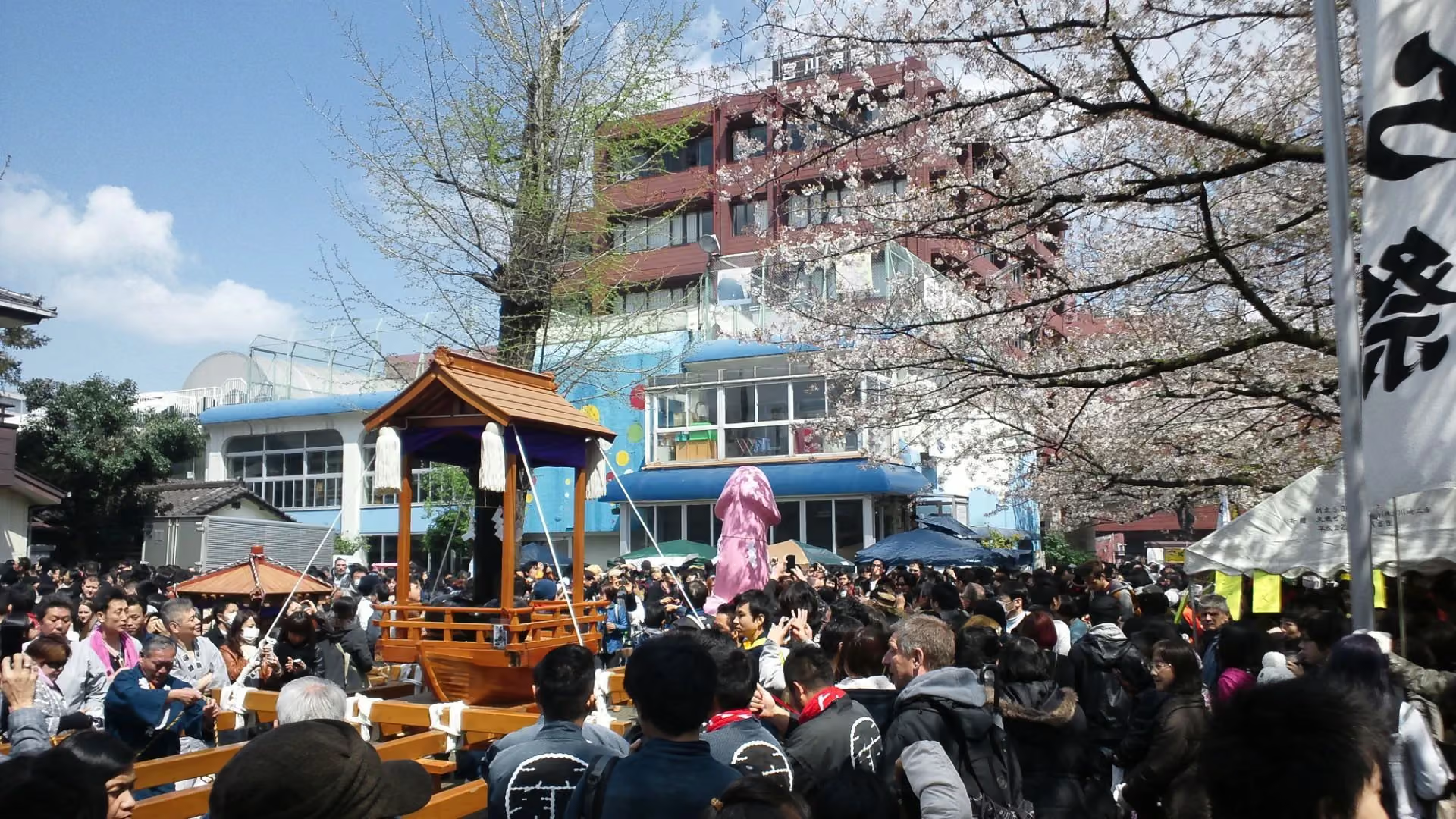
Kanamara Matsuri "Festival of the Steel Phallus"
An annual Shinto festival at Kanayama Shrine in Kawasaki featuring distinctive phallic imagery in decorations and parades while raising funds for HIV research.
5 Apr 2027Exact date not confirmed yetKawasaki · Kanagawa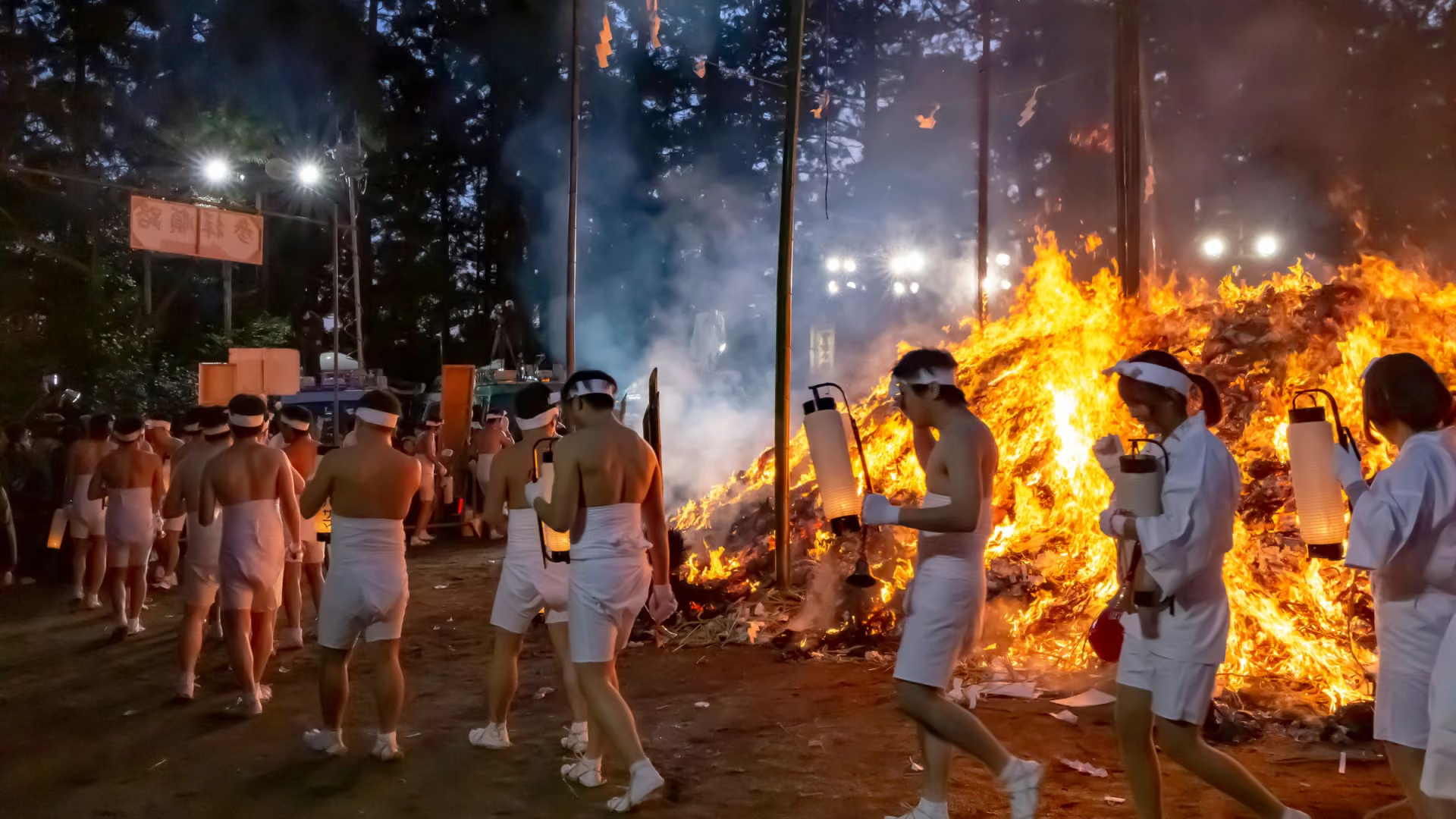
Dontosai Festival
An annual winter ritual in Sendai features the ceremonial burning of New Year decorations followed by a sacred pilgrimage procession in traditional attire.
14 Jan 2027Exact date not confirmed yetSendai · Miyagi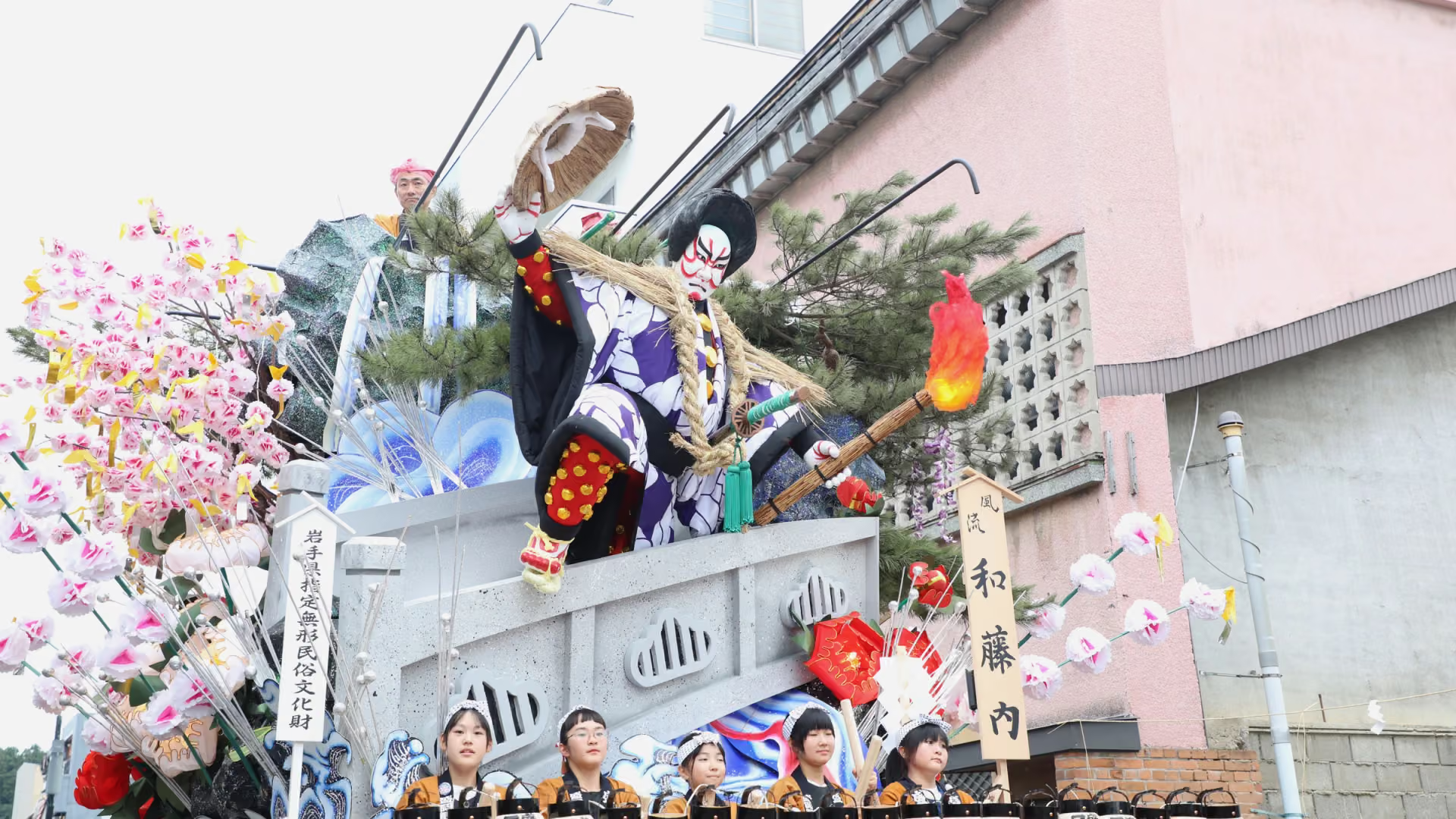
Morioka Fall Festival
One of Iwate's most enduring celebrations, this autumn festival originated as prayers for harvest, now featuring ornate floats and traditional parades.
14–16 Sep 2027Exact date not confirmed yetMorioka · Iwate