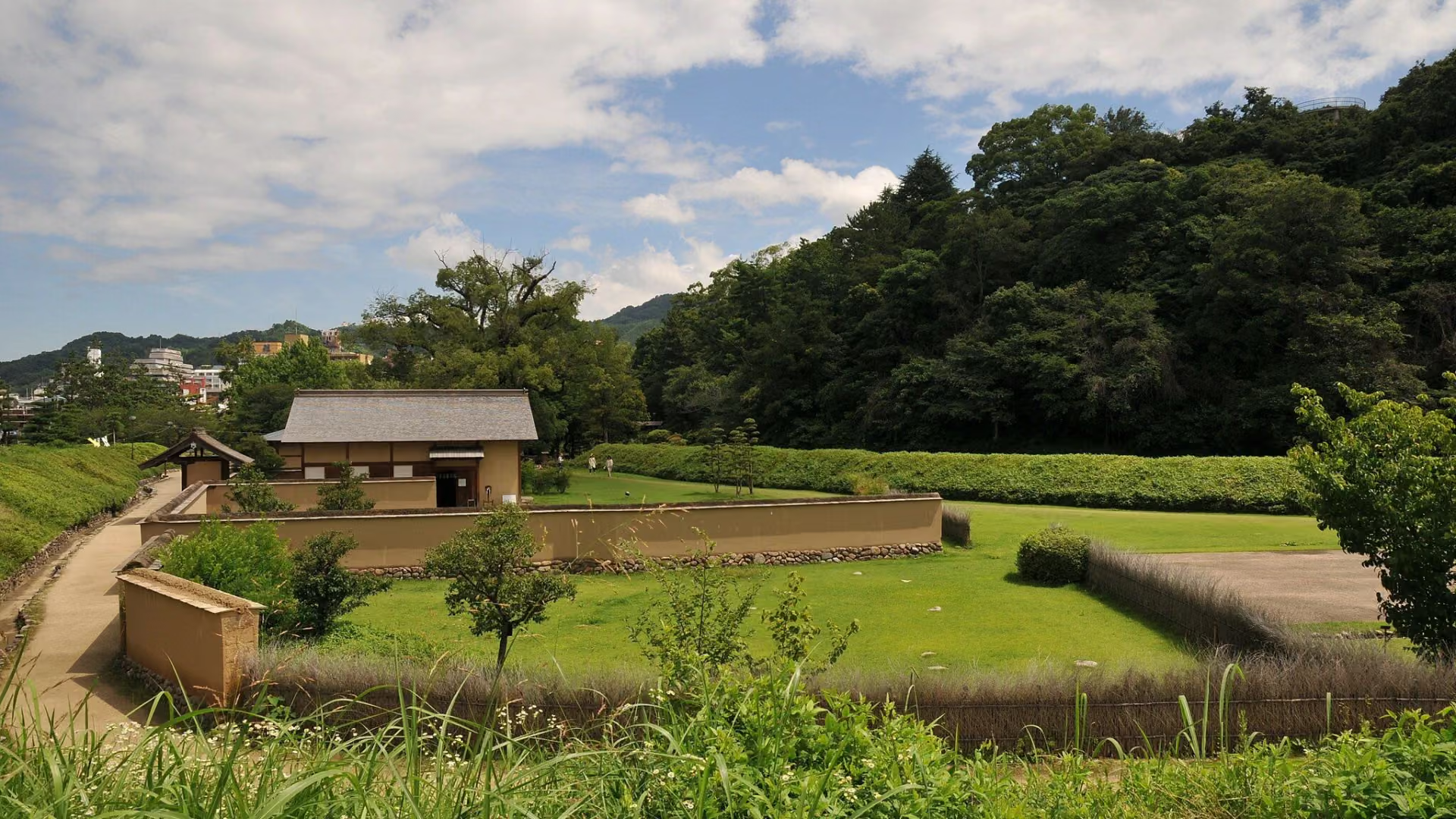
Morioka Castle Ruins
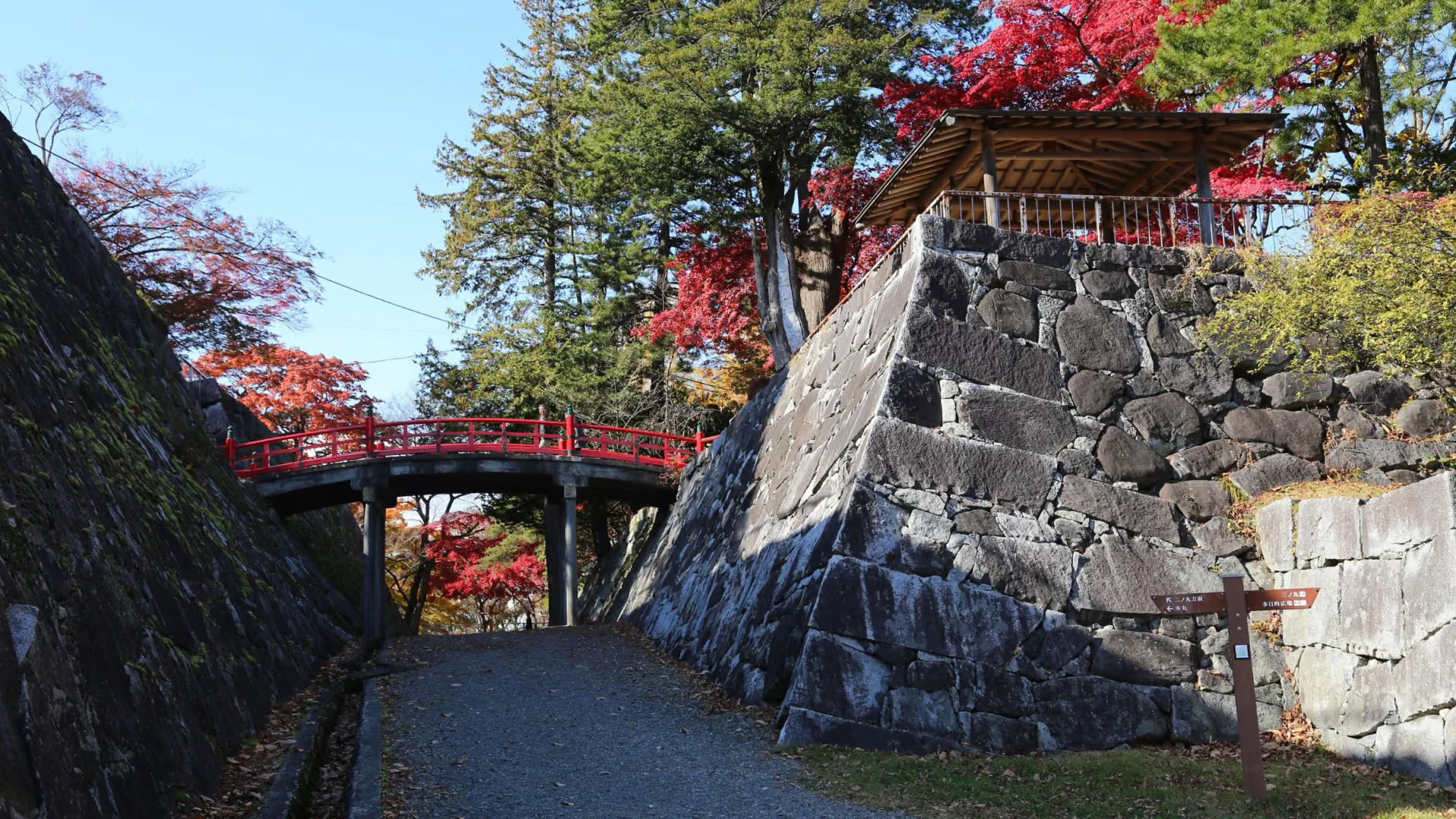
Castle ruins built in 1597 at a strategic river confluence, serving as a northern sentinel monitoring trade routes for over 700 years.
Morioka · Iwate

Castle ruins built in 1597 at a strategic river confluence, serving as a northern sentinel monitoring trade routes for over 700 years.
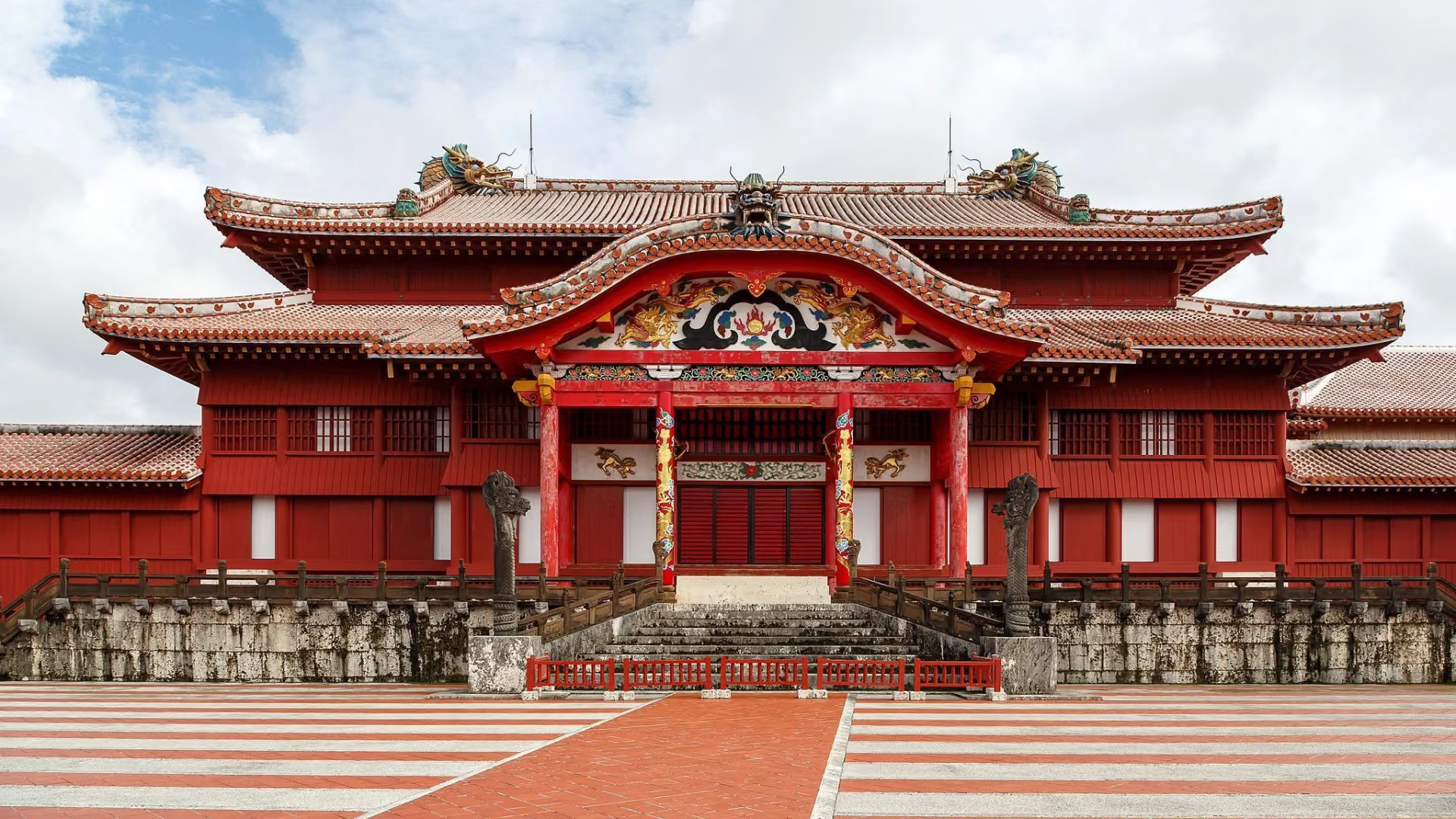
Morioka · IwateRoyal palace of the Ryukyu Kingdom in Naha, part of a UNESCO World Heritage site. The Seiden main hall burned in 2019 and reopens rebuilt on 2026/11/23.
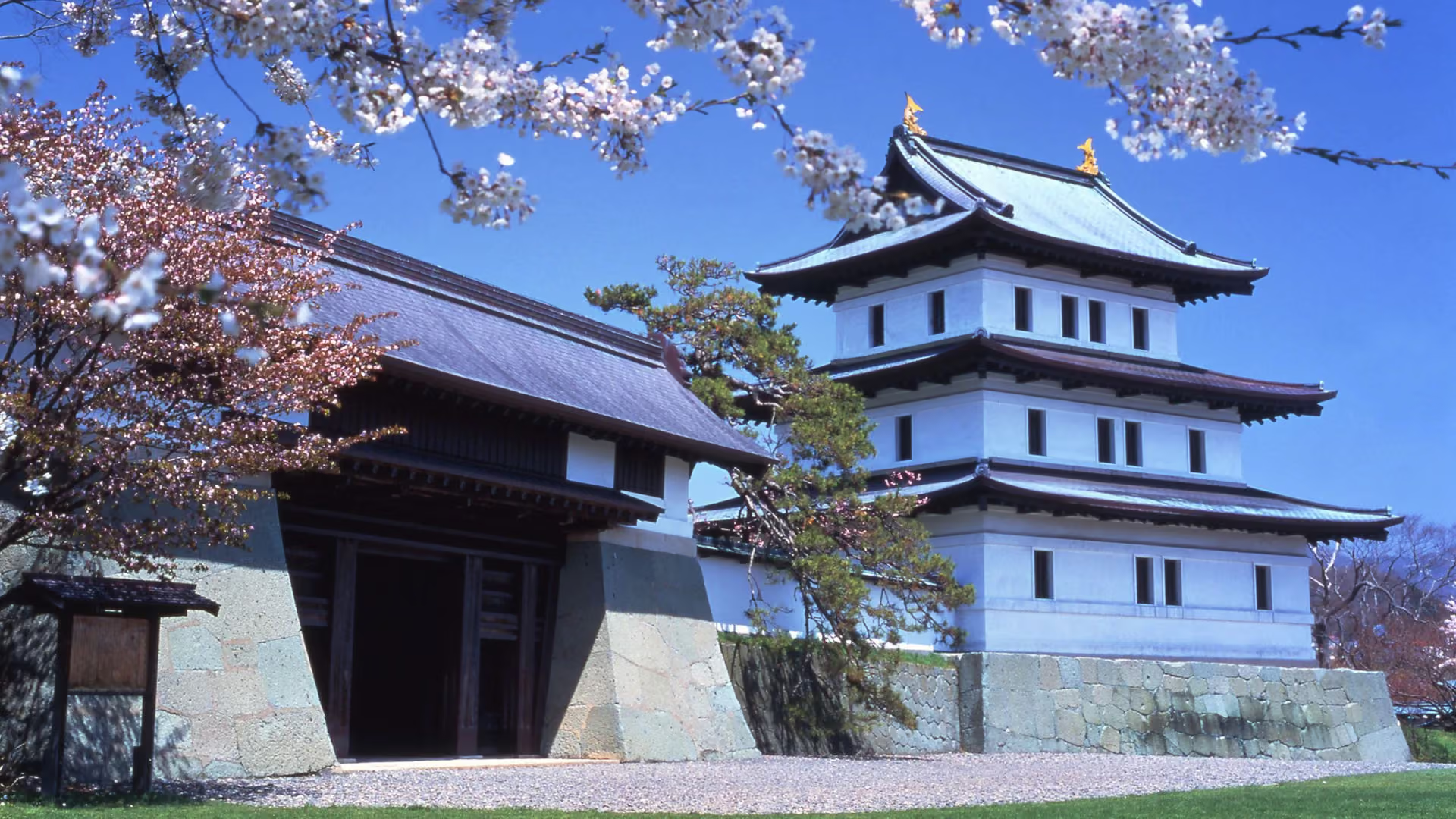
Naha · OkinawaJapan's northernmost castle and its last traditional one, built 1850-1854 in southern Hokkaido as a defence against foreign pressure in the late Tokugawa era.
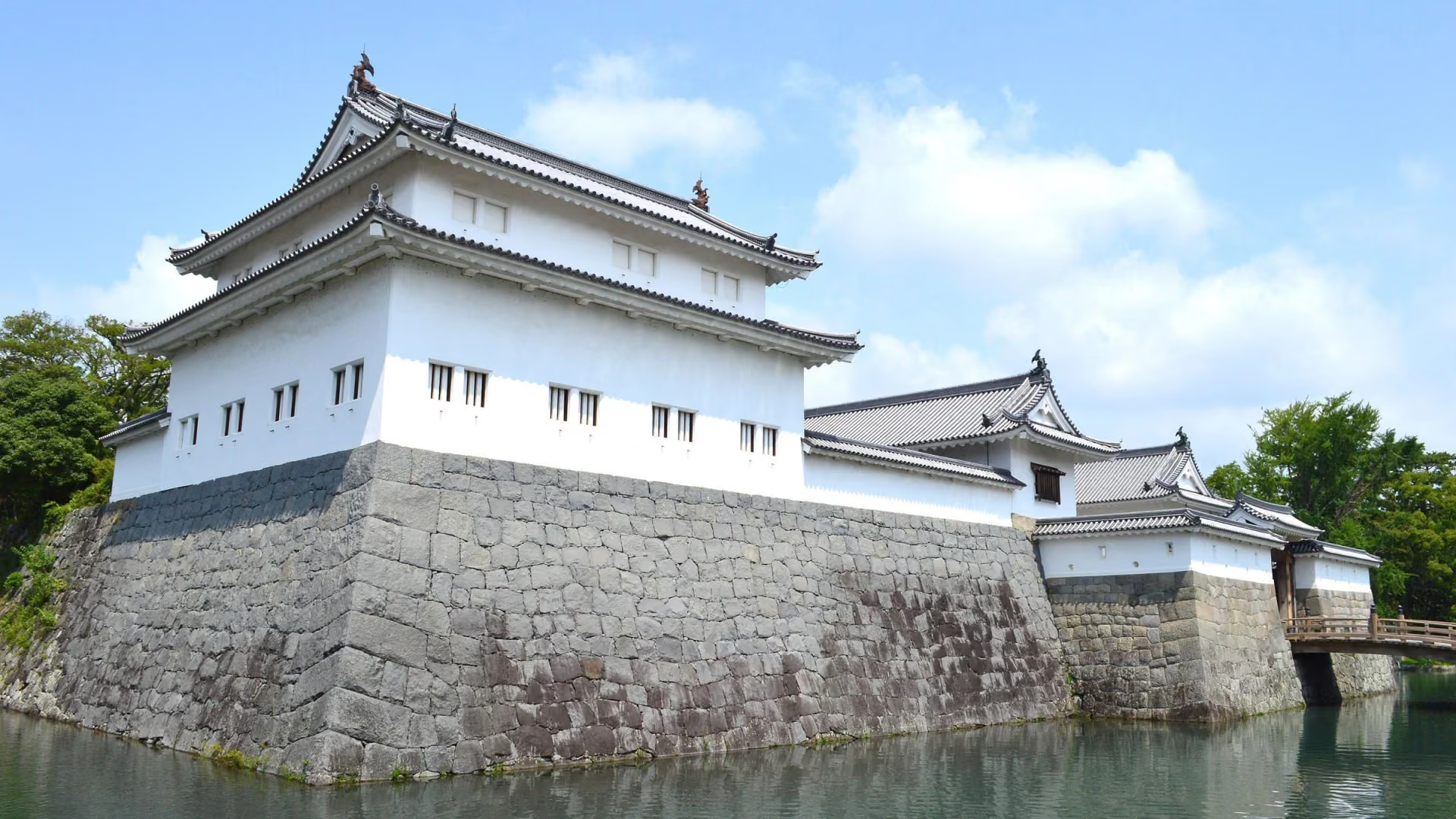
Matsumae · HokkaidoHistoric castle rebuilt by Tokugawa Ieyasu in 1585 on former Imagawa clan fortifications, now Sunpu Park with reconstructed towers and gates.
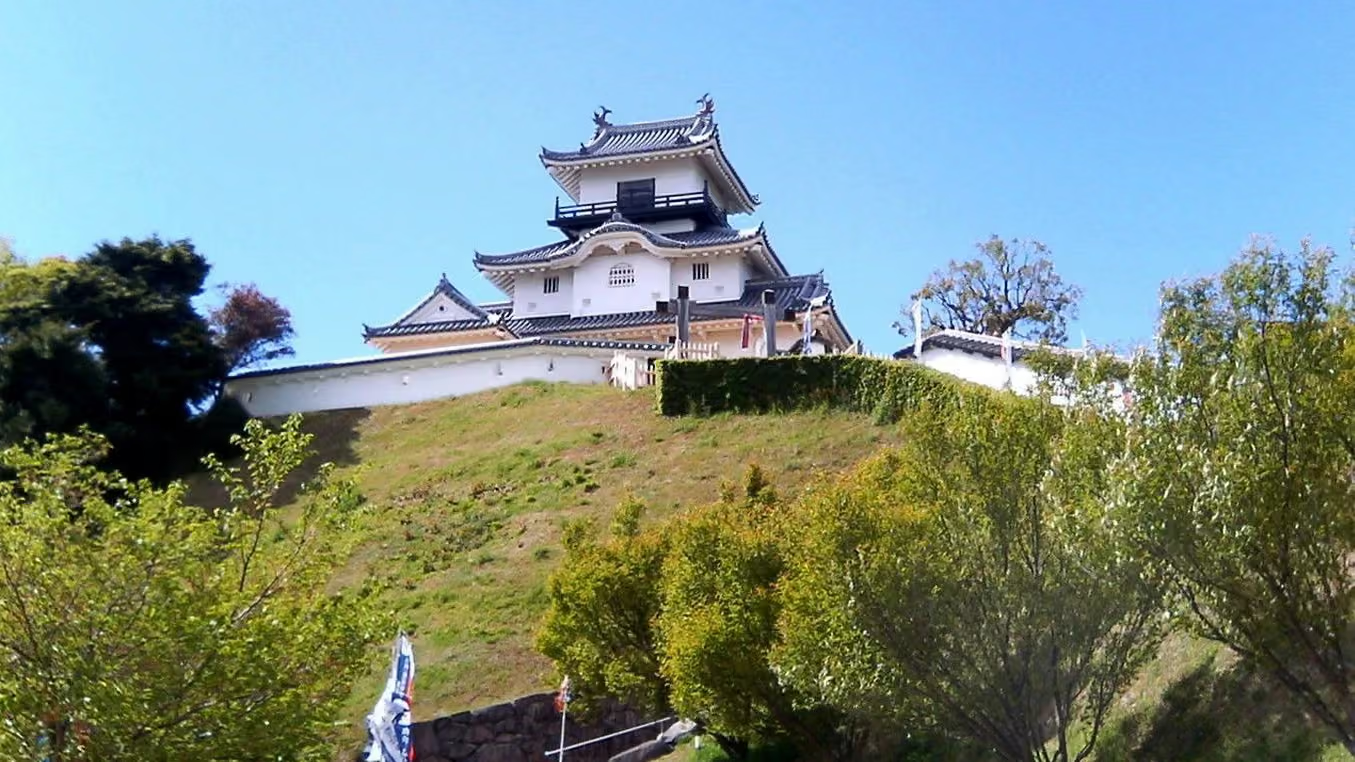
ShizuokaKakegawa Castle served as a strategic fortress for the Tokugawa vassal clans along the Tokaido highway connecting Kyoto and eastern Japan.
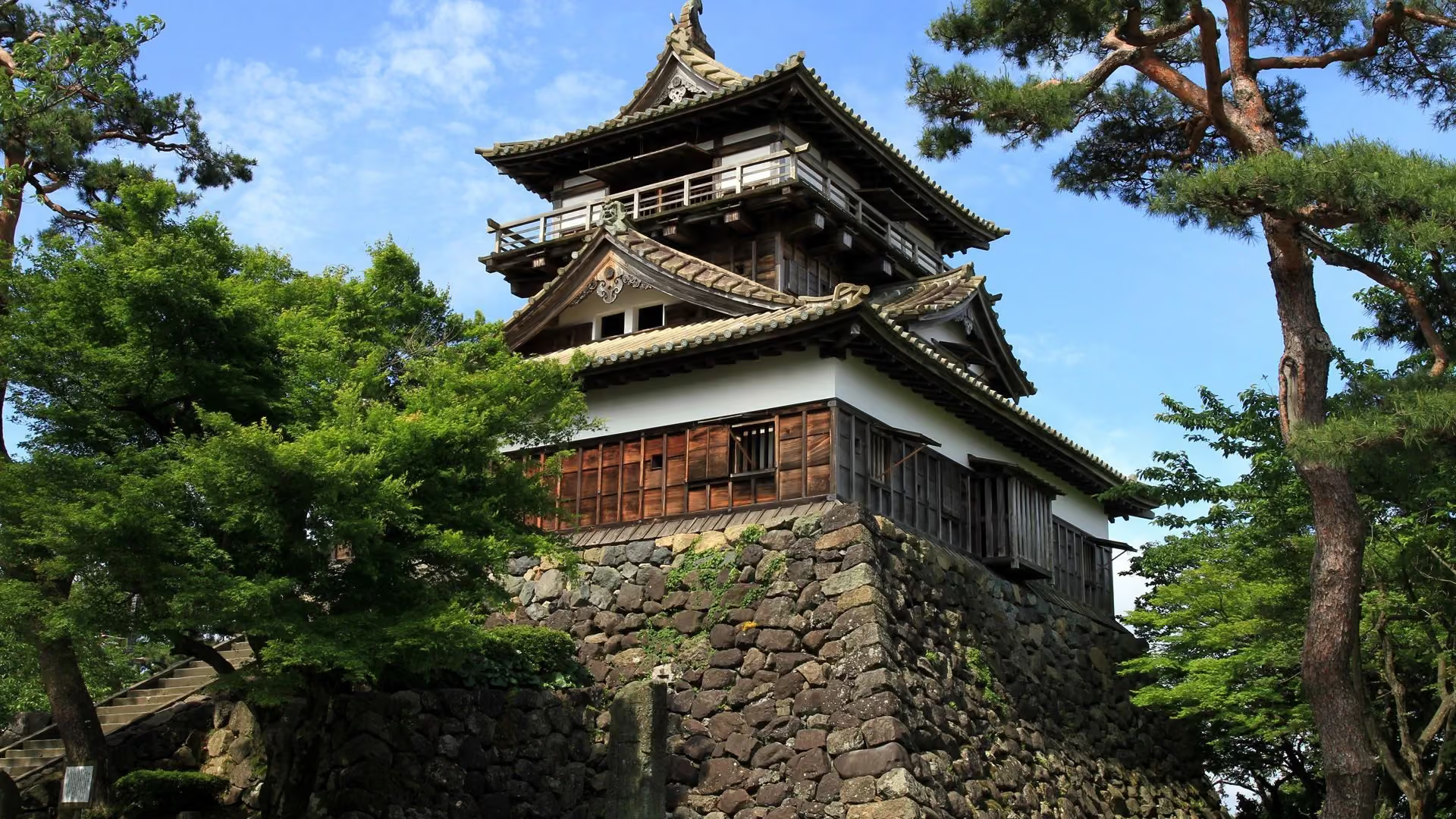
Kakegawa · ShizuokaFukui castle known as the Mist Castle, whose keep is claimed to be the oldest in Japan, now overlooking a public park popular for cherry blossoms.
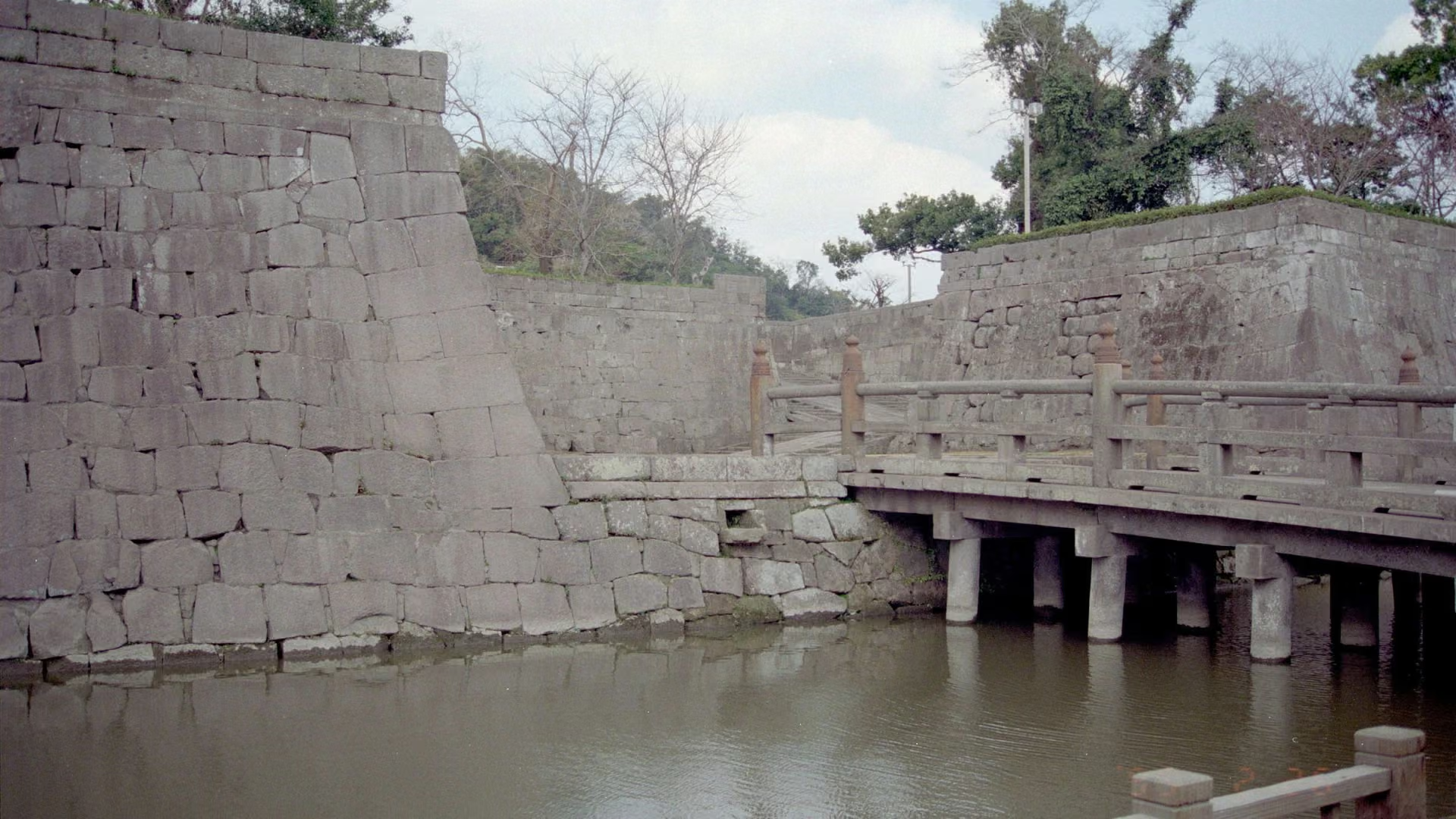
Sakai · FukuiBuilt in 1601 by the Shimazu clan, this castle was notably small by design, with only its moat, walls, and the recently reconstructed Otemon Gate remaining.
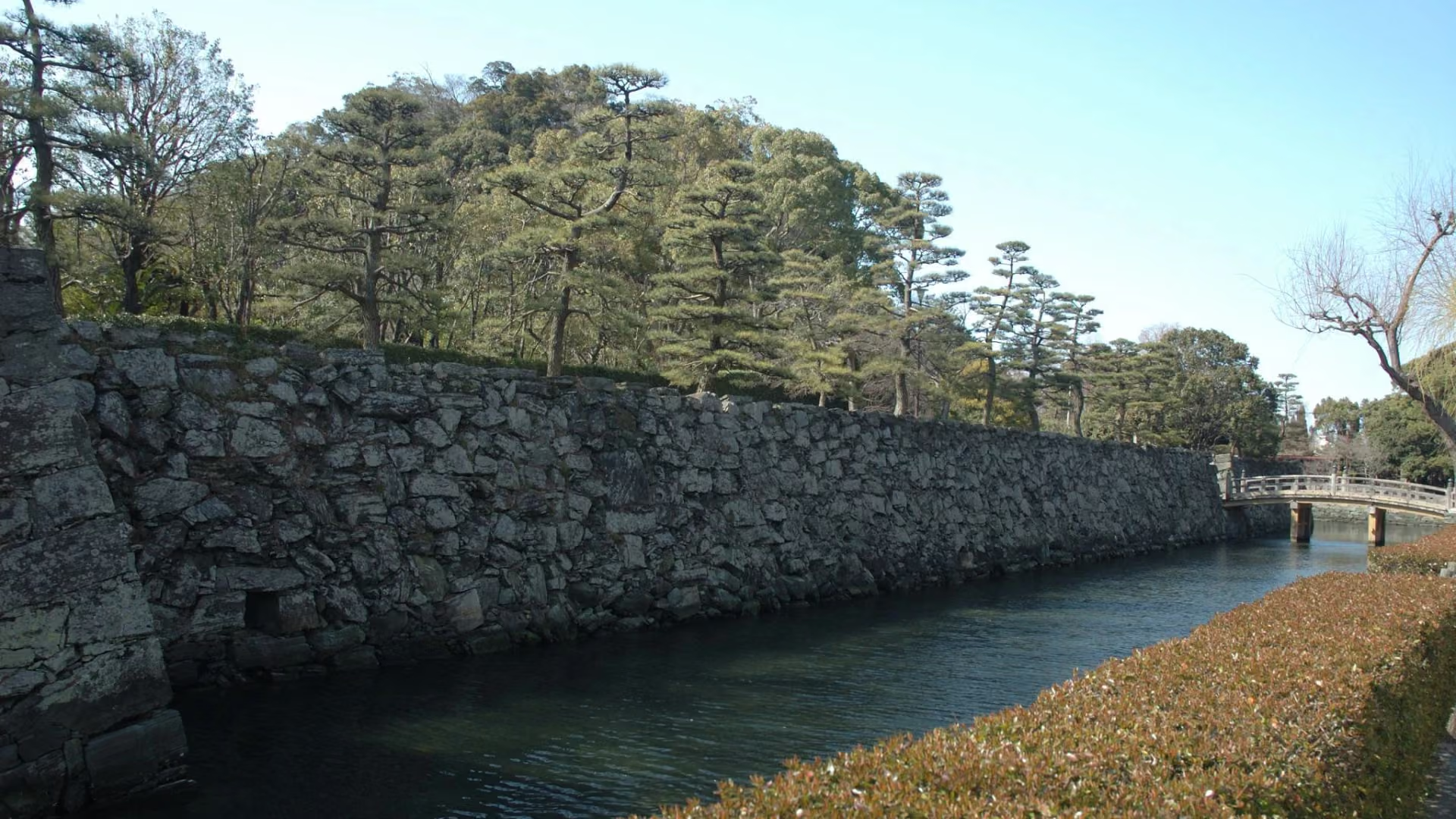
KagoshimaEdo-era castle ruins by the Yoshino River, built by Hachisuka Iemasa with a keep on a 60-meter hill, demolished in the Meiji period and a park since 1905.
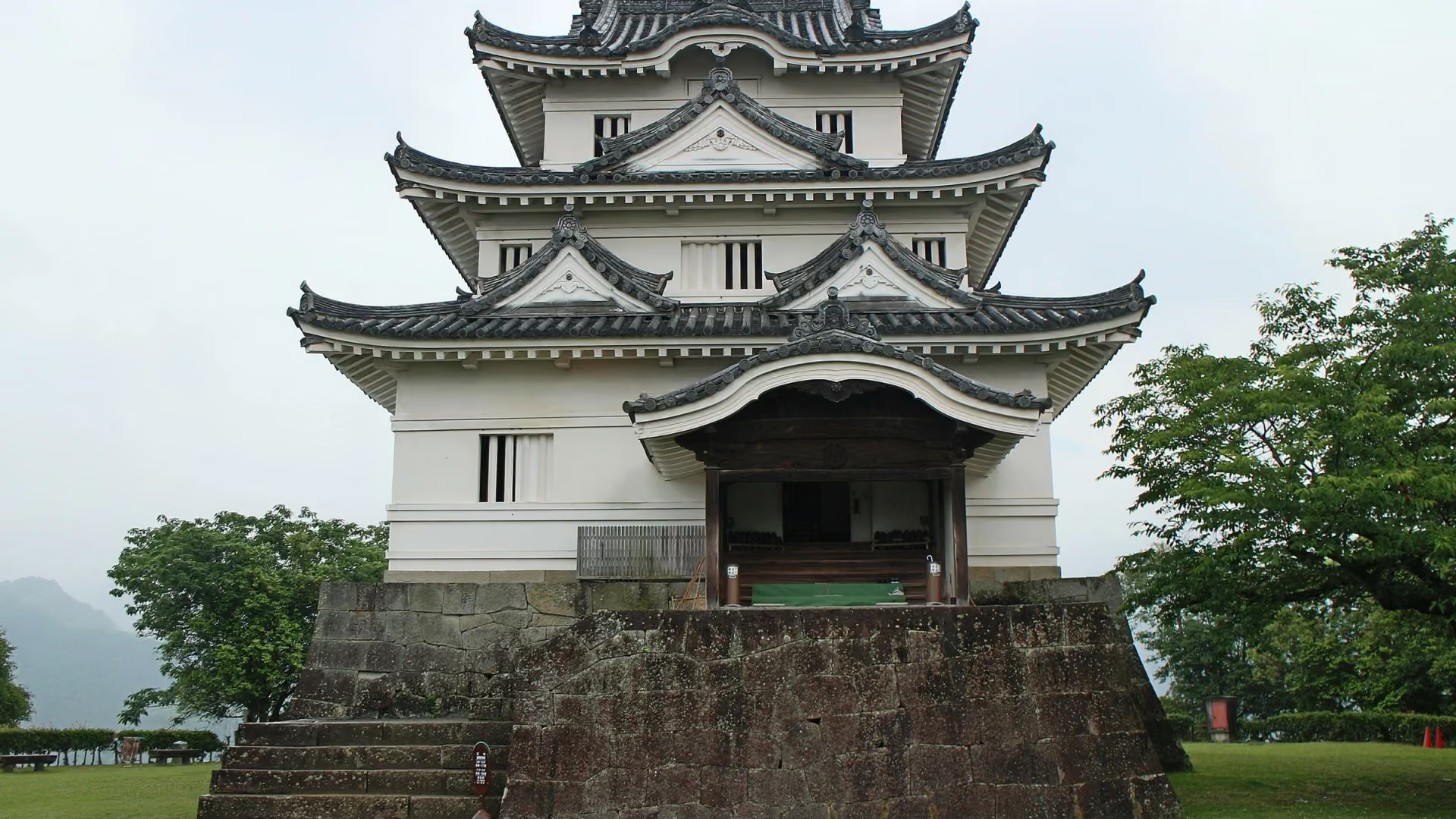
TokushimaCastle in Uwajima held by the Date clan, with a pentagonal moat layout that left blind spots for attackers, and damaged by earthquakes over the centuries.
Uwajima · EhimeMedieval castle ruins in Matsuyama linked to the Kono clan, with double moats, listed among the Top 100 Castles for their rare early castle architecture.
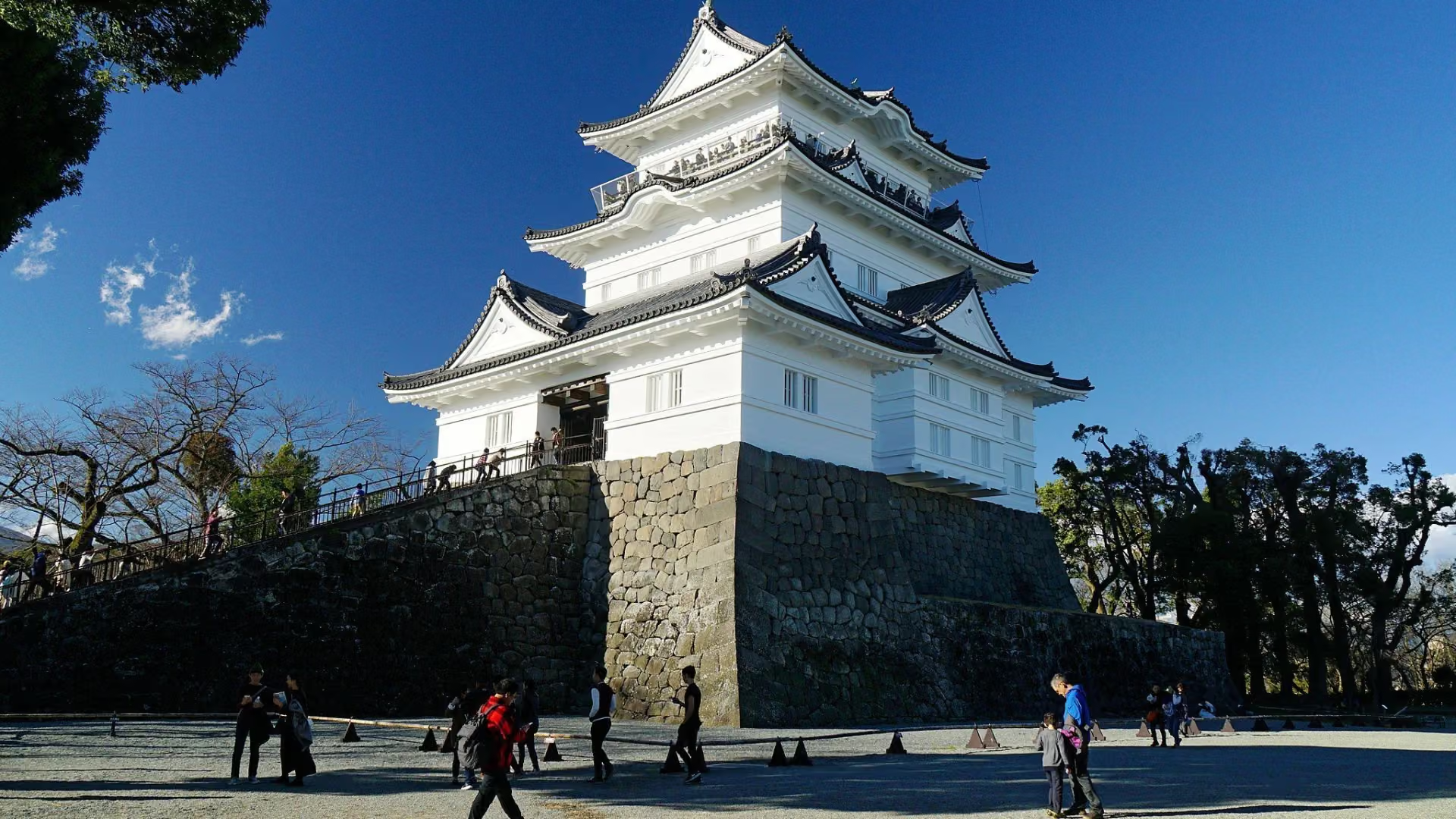
Matsuyama · EhimeLate fifteenth-century stronghold that served as the seat of the Hojo clan, rebuilt in the 1960s as a museum and observation point.
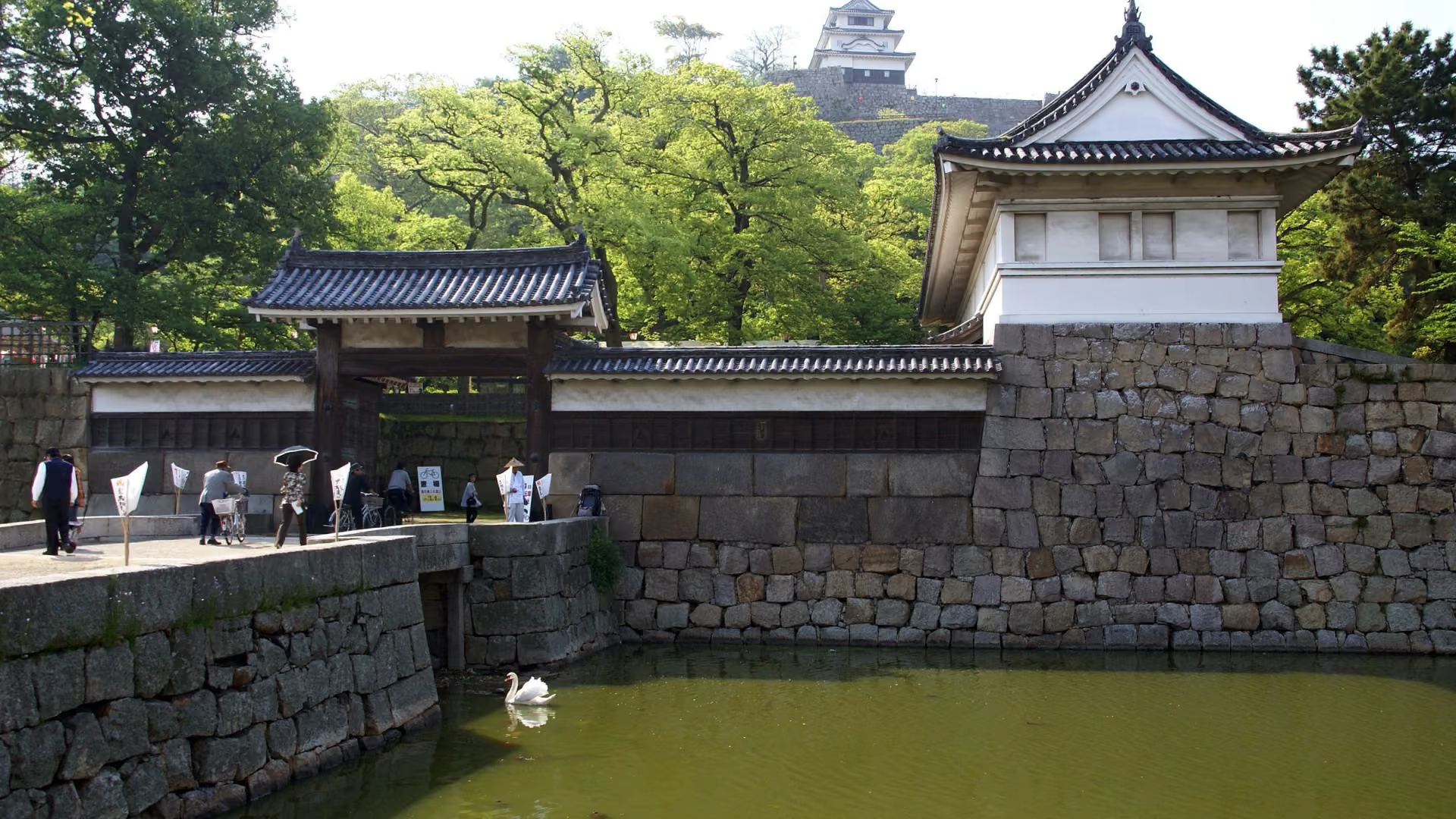
Odawara · KanagawaSeventeenth-century castle with distinctive 20-meter stone walls, rebuilt in 1640 and completed in 1670, ranked among Japan's Top 100 Castles.
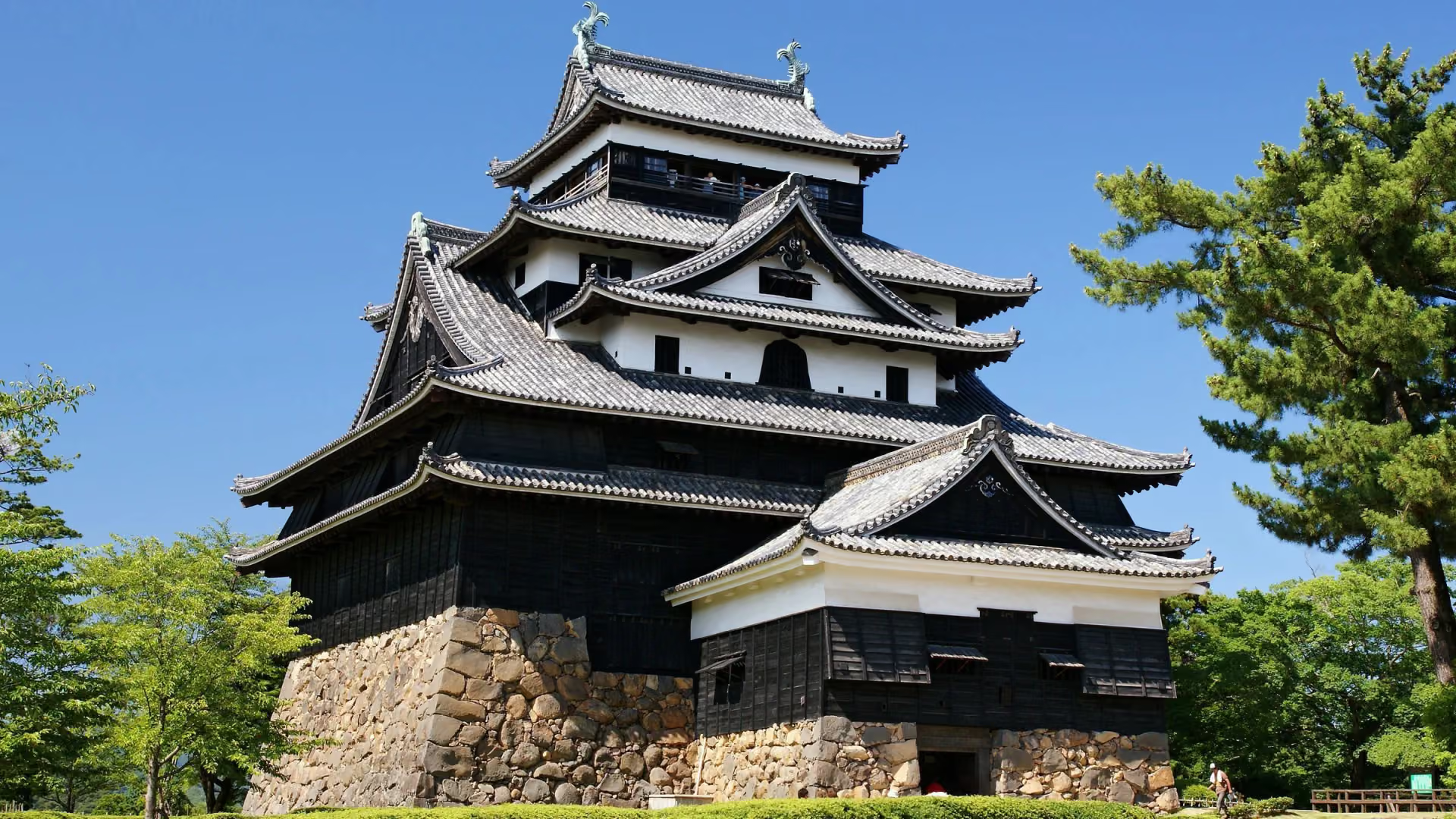
Marugame · KagawaOriginal wooden fortress built 1607-1611, one of Japan's few surviving castles and one of the Three Great Lake Castles in its architectural category.
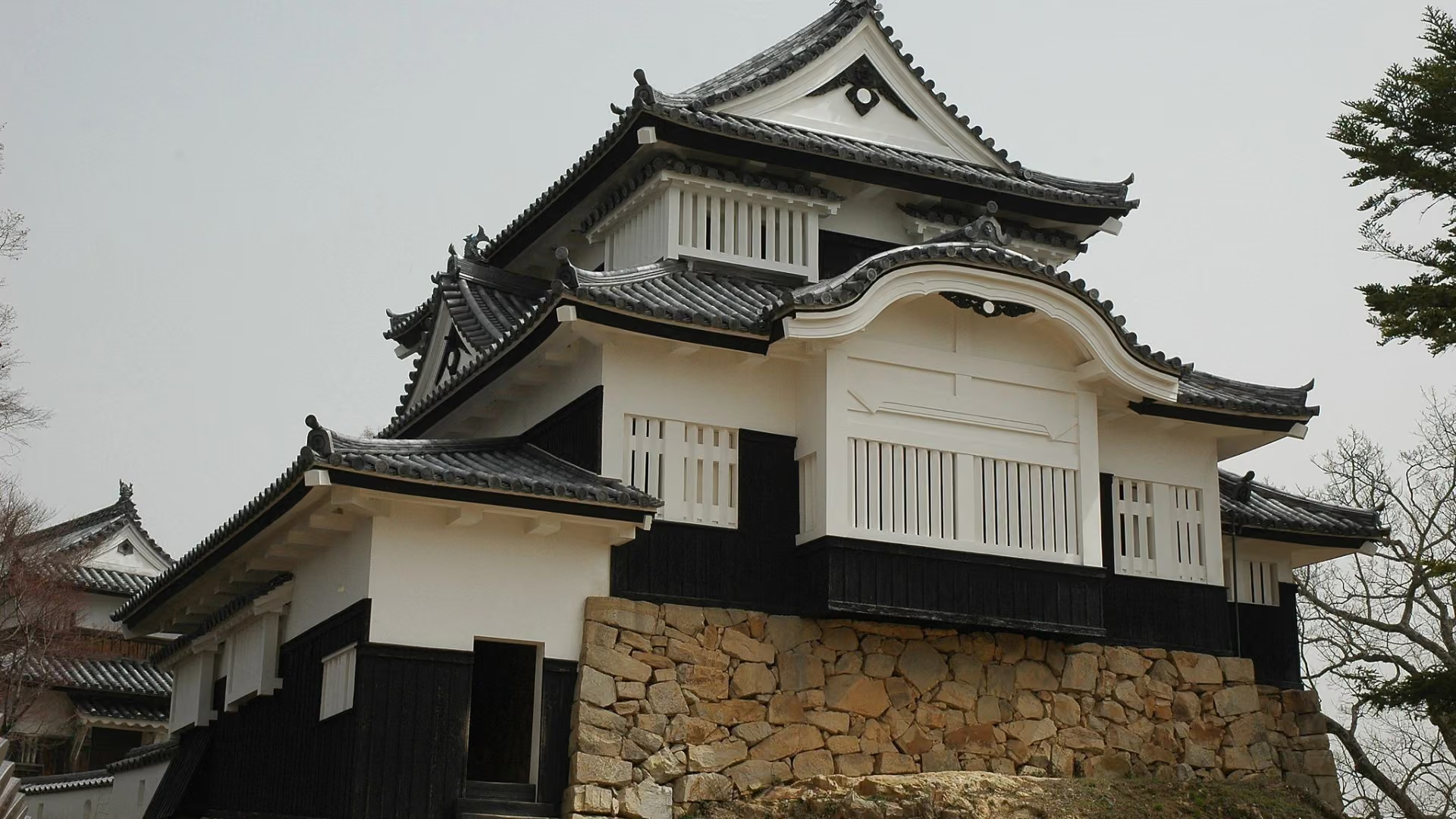
Matsue · ShimaneMountain castle built in 1240 and rebuilt in 1331 on its current location, retaining its tenshu, Niju yagura, and section of defensive walls.
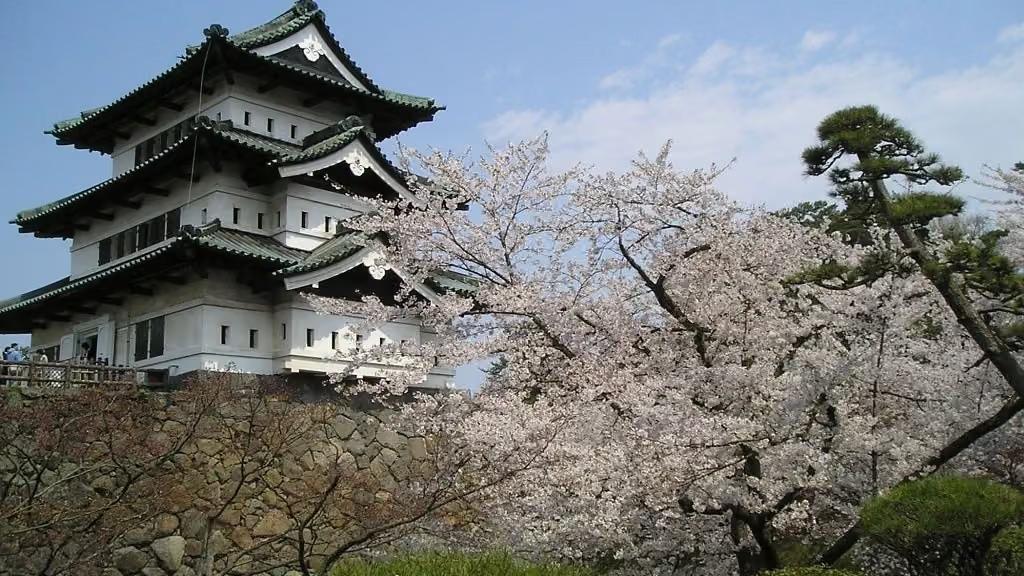
Takahashi · OkayamaA Japanese castle built in 1611 that remains the only surviving Edo-period castle keep in the entire Tohoku region, originally featuring a five-story tower.
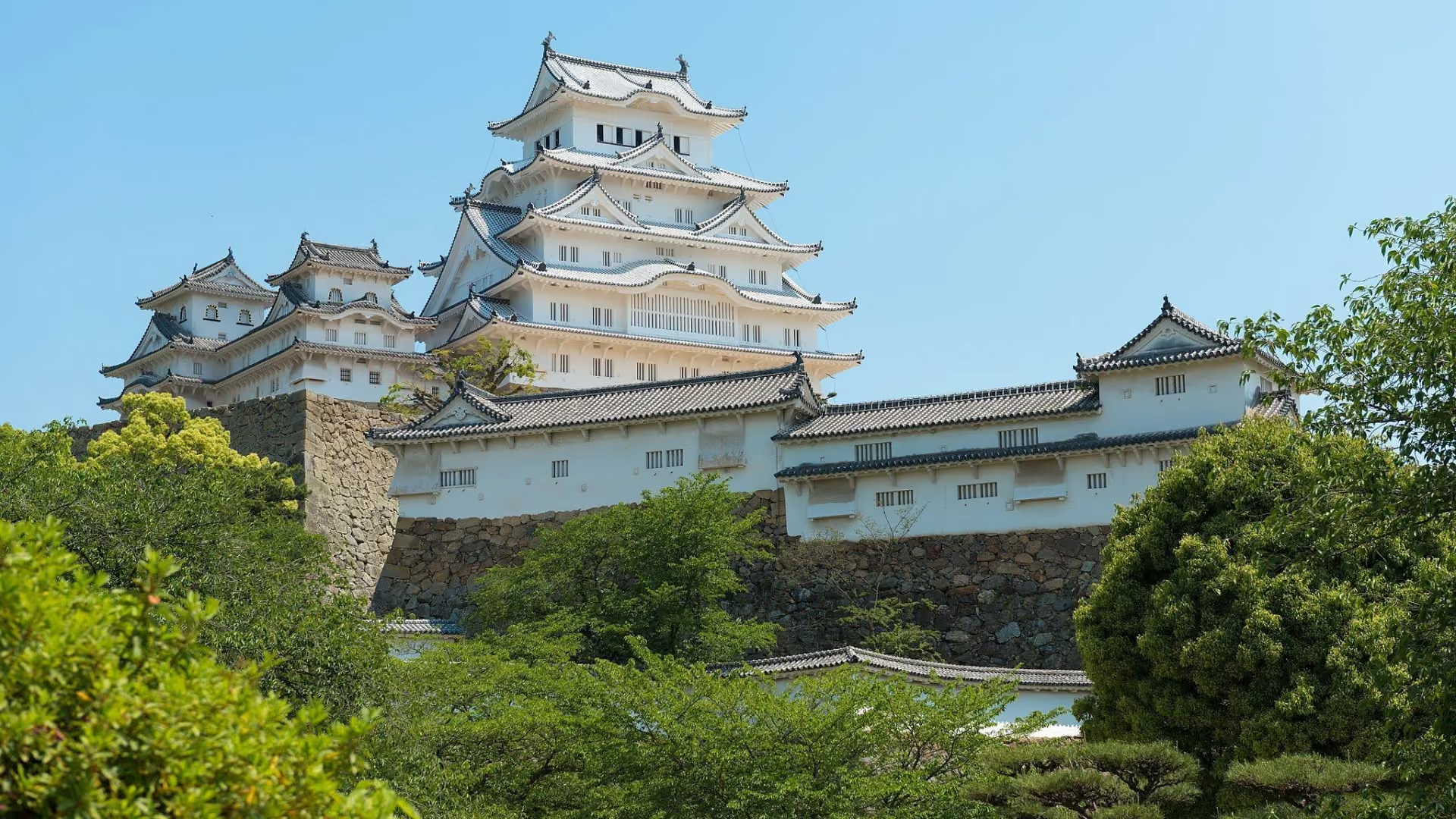
Hirosaki · AomoriIconic castle with brilliant white exterior, designated UNESCO World Heritage Site and National Treasure, fully restored to its original appearance in 2015.
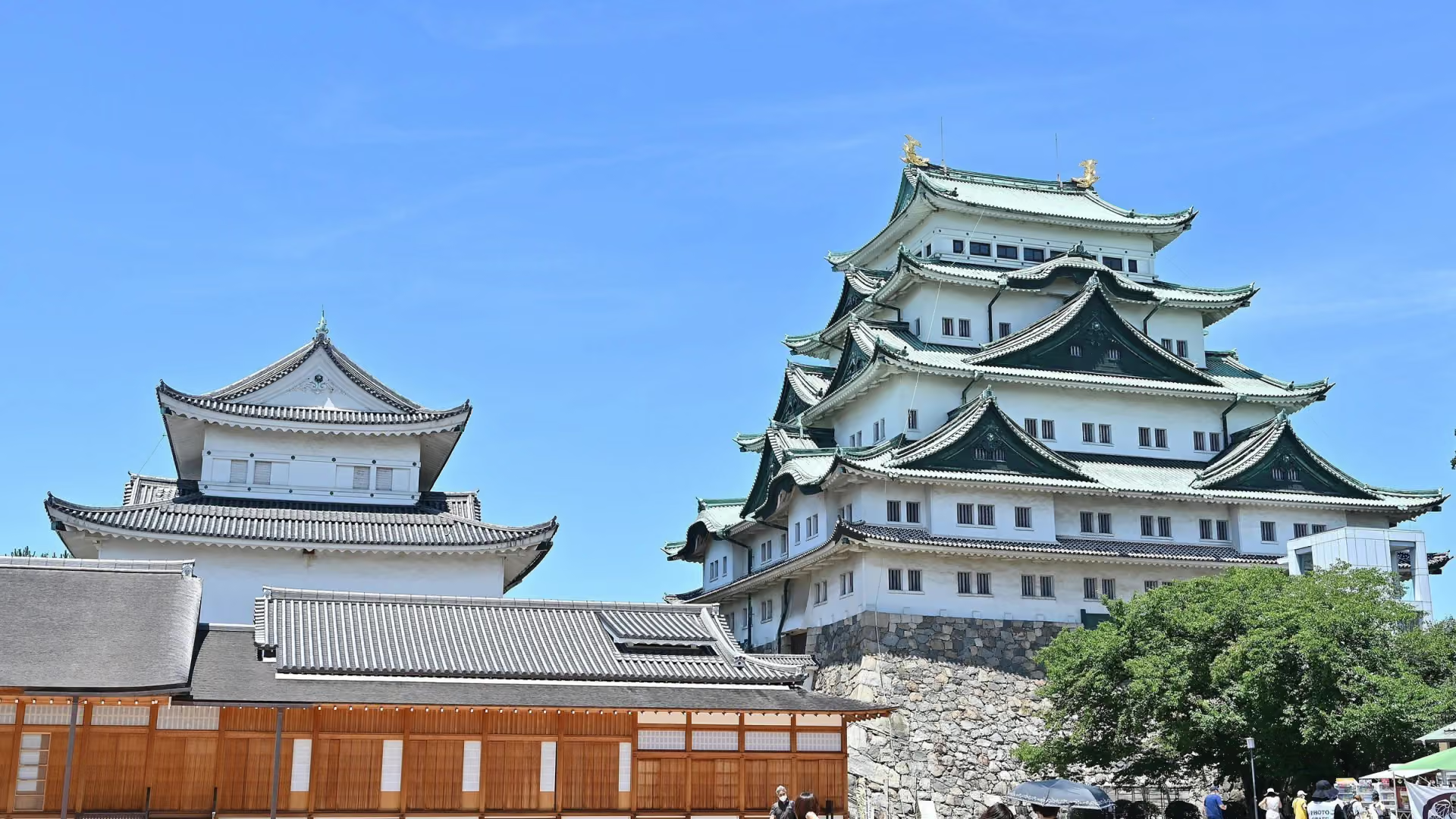
Himeji · HyogoCastle constructed in 1612 as the center of a major Edo-era post station, destroyed in World War II bombing but reconstructed since 1957.
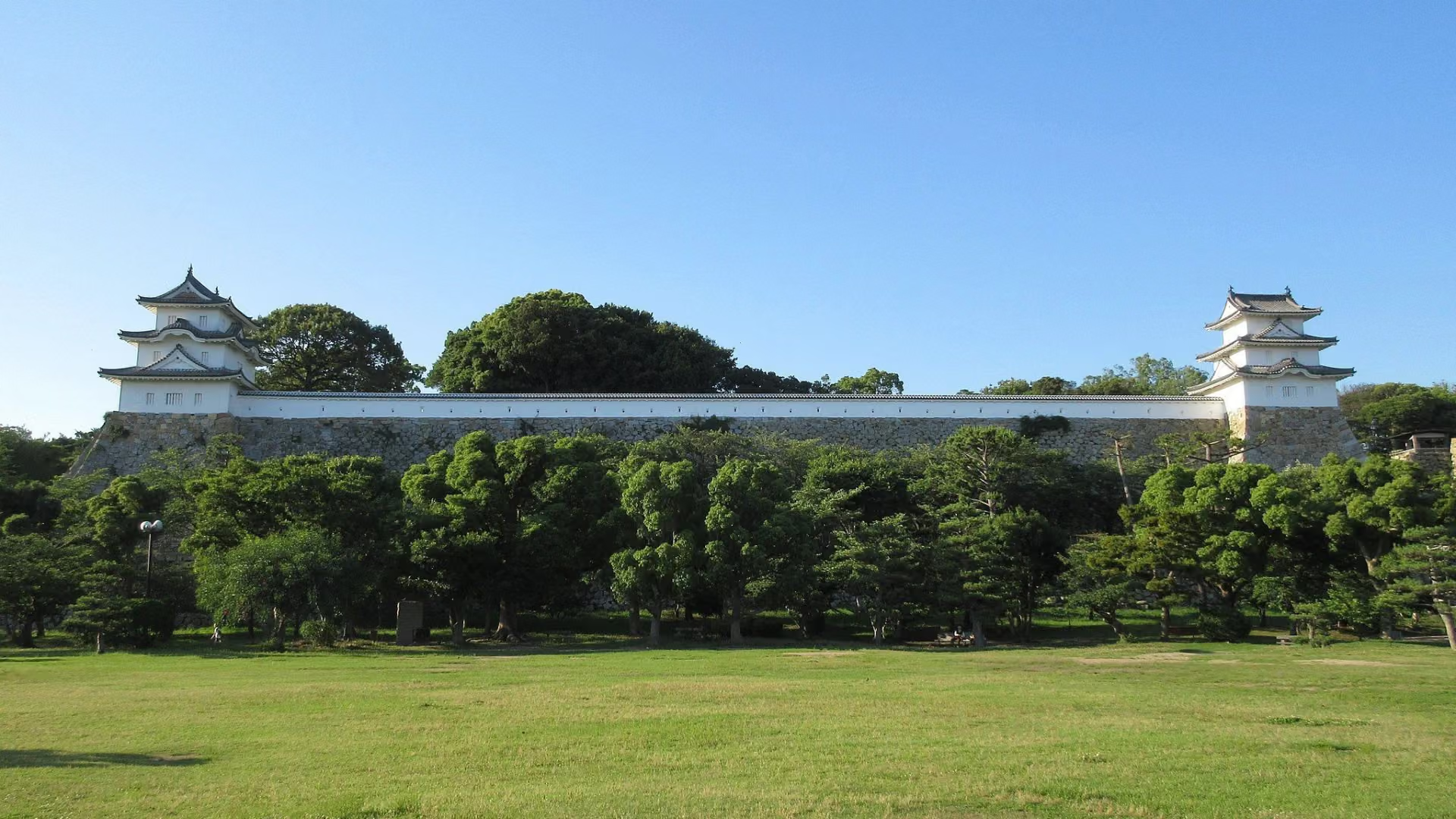
Nagoya · AichiBuilt in just one year starting 1617, this fortress commanded the Seto Inland Sea with 20 towers and 27 gates as a backup to Himeji Castle.
Akashi · Hyogo