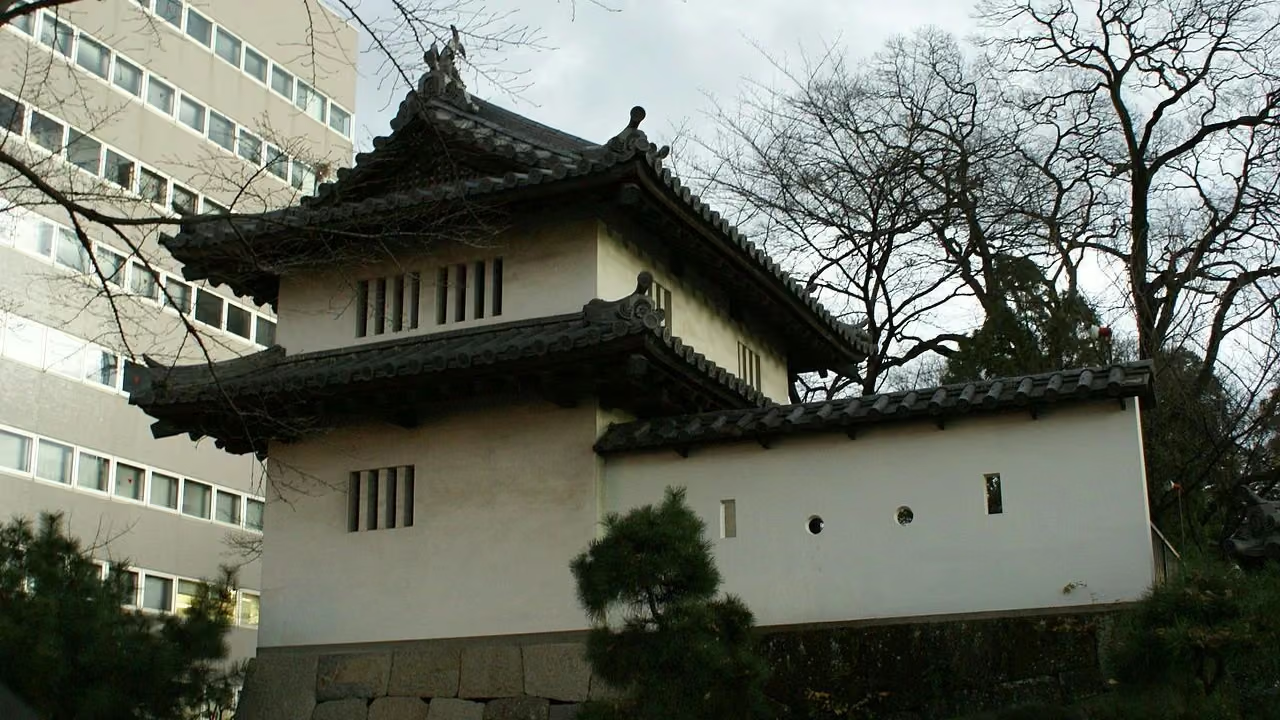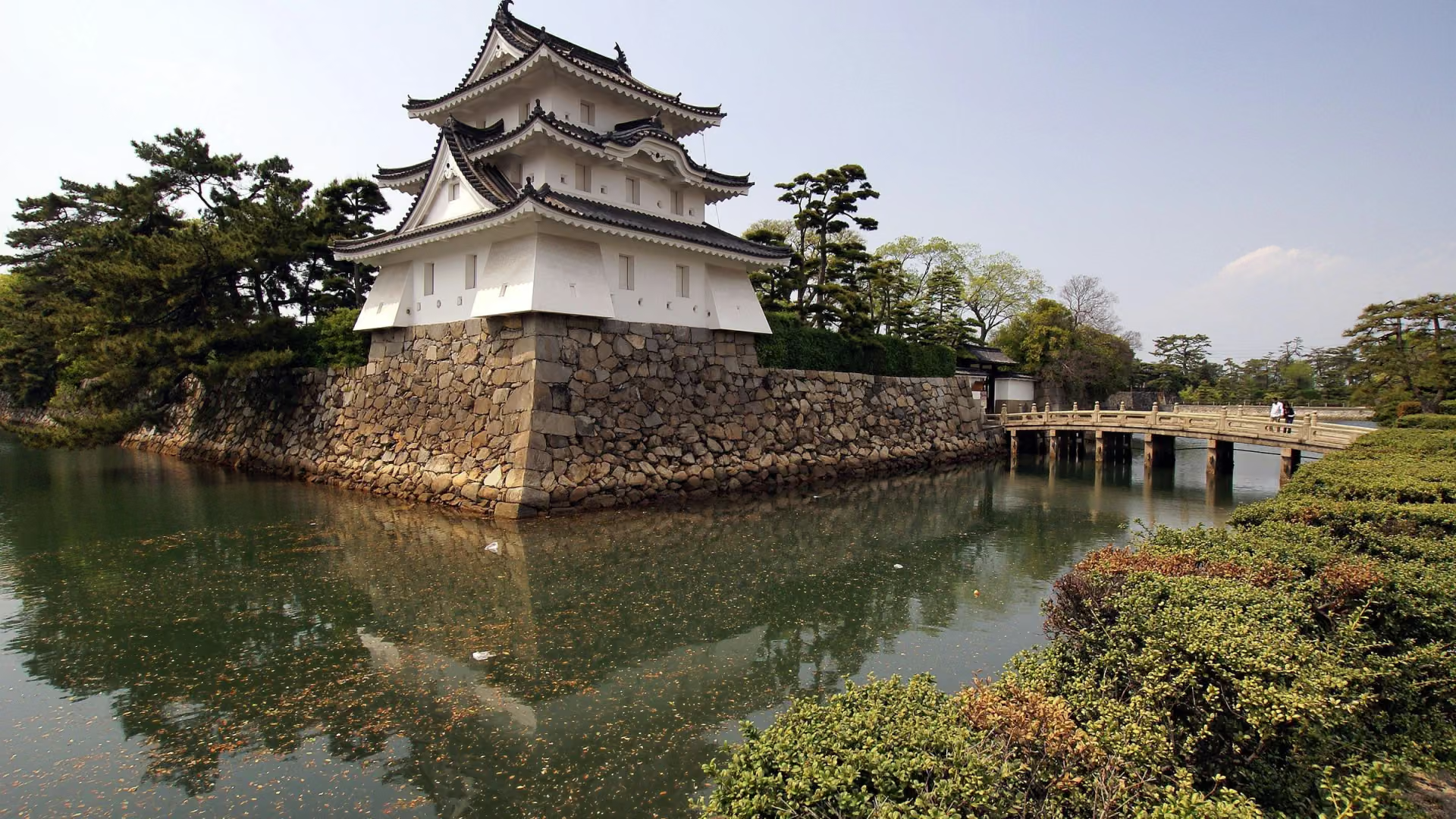
Takamatsu Castle
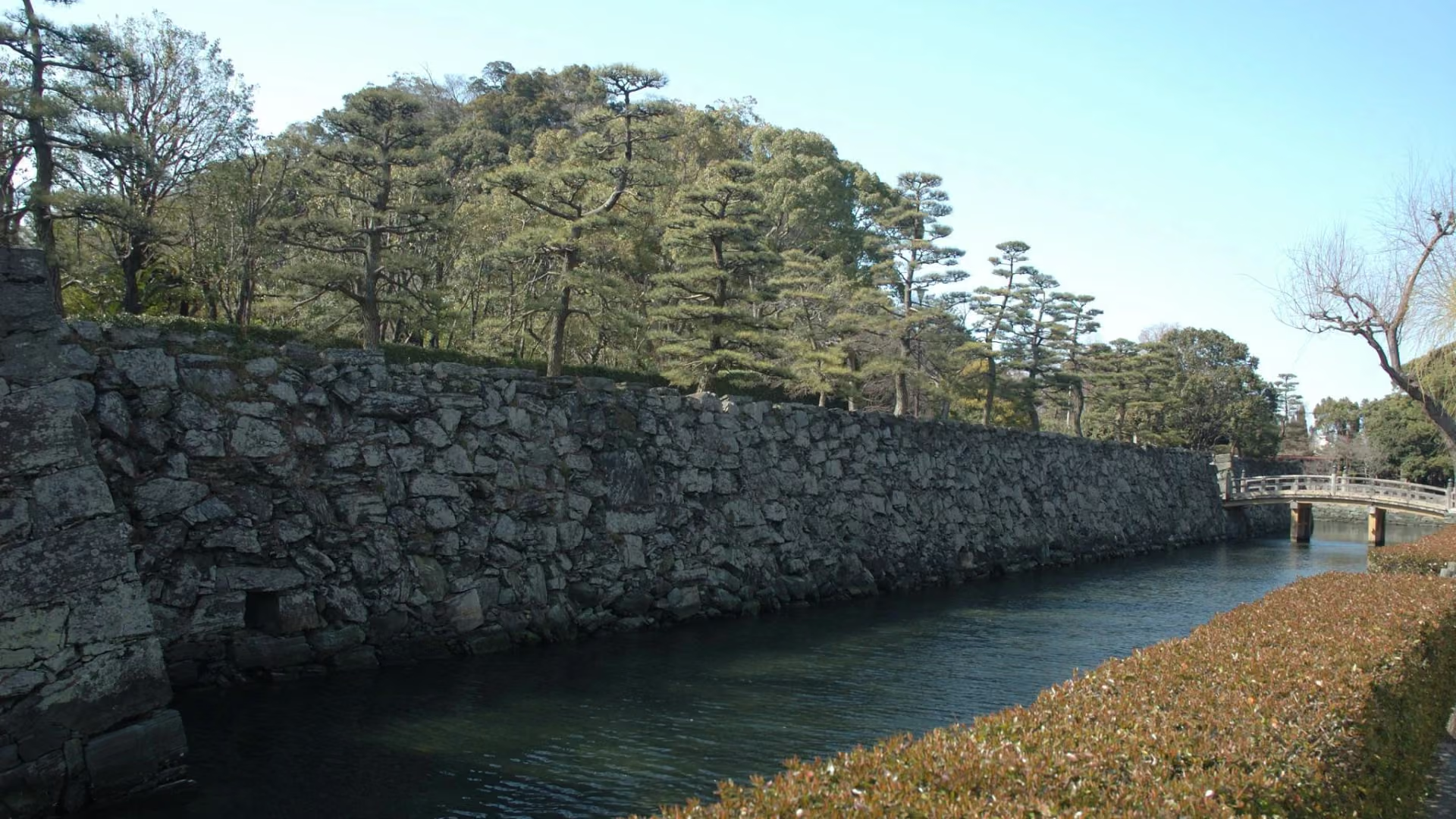
Sea castle on the Seto Inland Sea with three rings of seawater moats, counted among Japan's Three Great Water Castles, with four surviving castle buildings.
Takamatsu · Kagawa

Sea castle on the Seto Inland Sea with three rings of seawater moats, counted among Japan's Three Great Water Castles, with four surviving castle buildings.
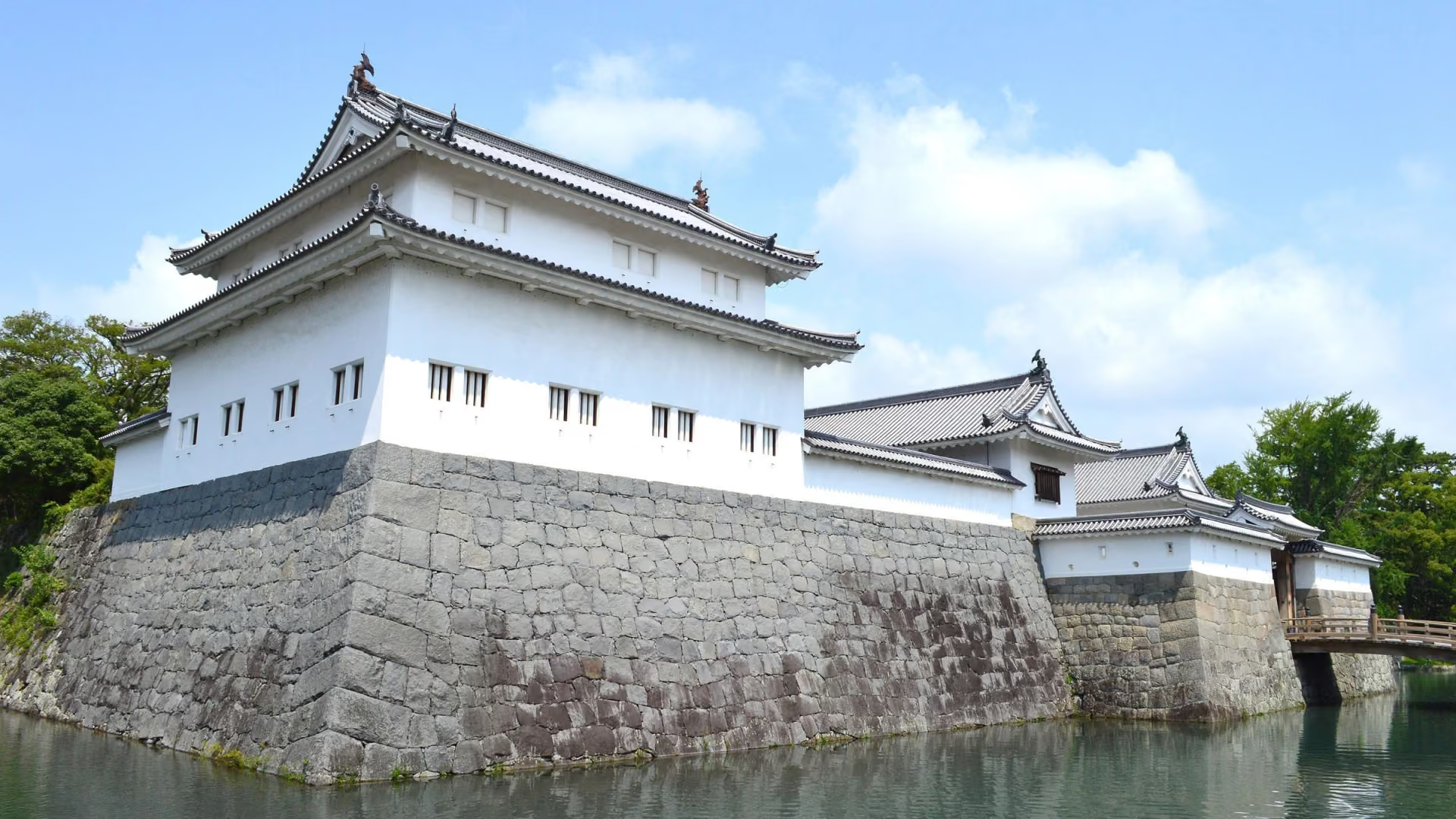
Takamatsu · KagawaHistoric castle rebuilt by Tokugawa Ieyasu in 1585 on former Imagawa clan fortifications, now Sunpu Park with reconstructed towers and gates.
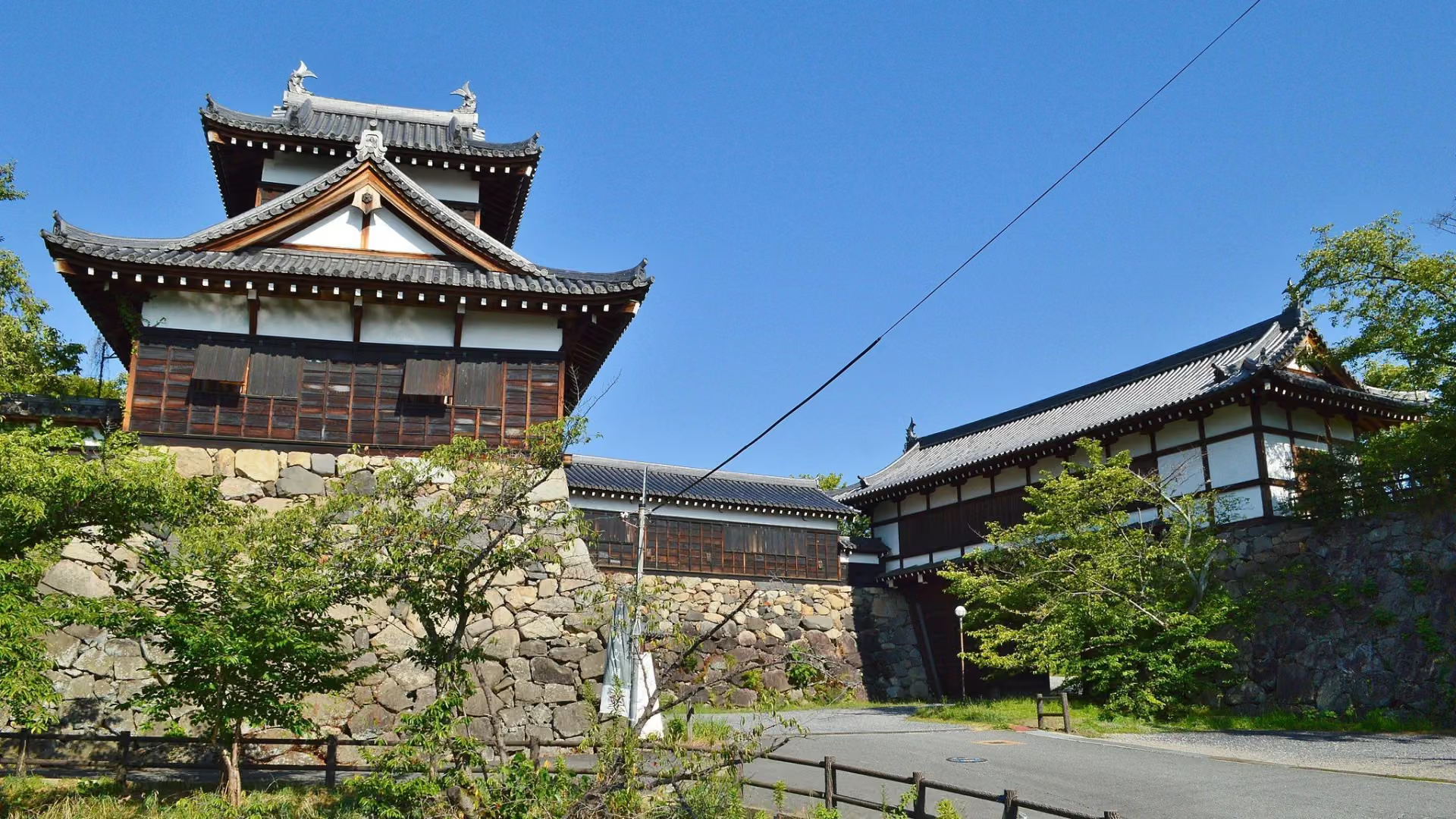
ShizuokaCastle ruins in Yamatokoriyama, Nara, with stone walls, moats, rebuilt gates and turrets, a keep-base lookout and one of Japan's top cherry blossom spots.
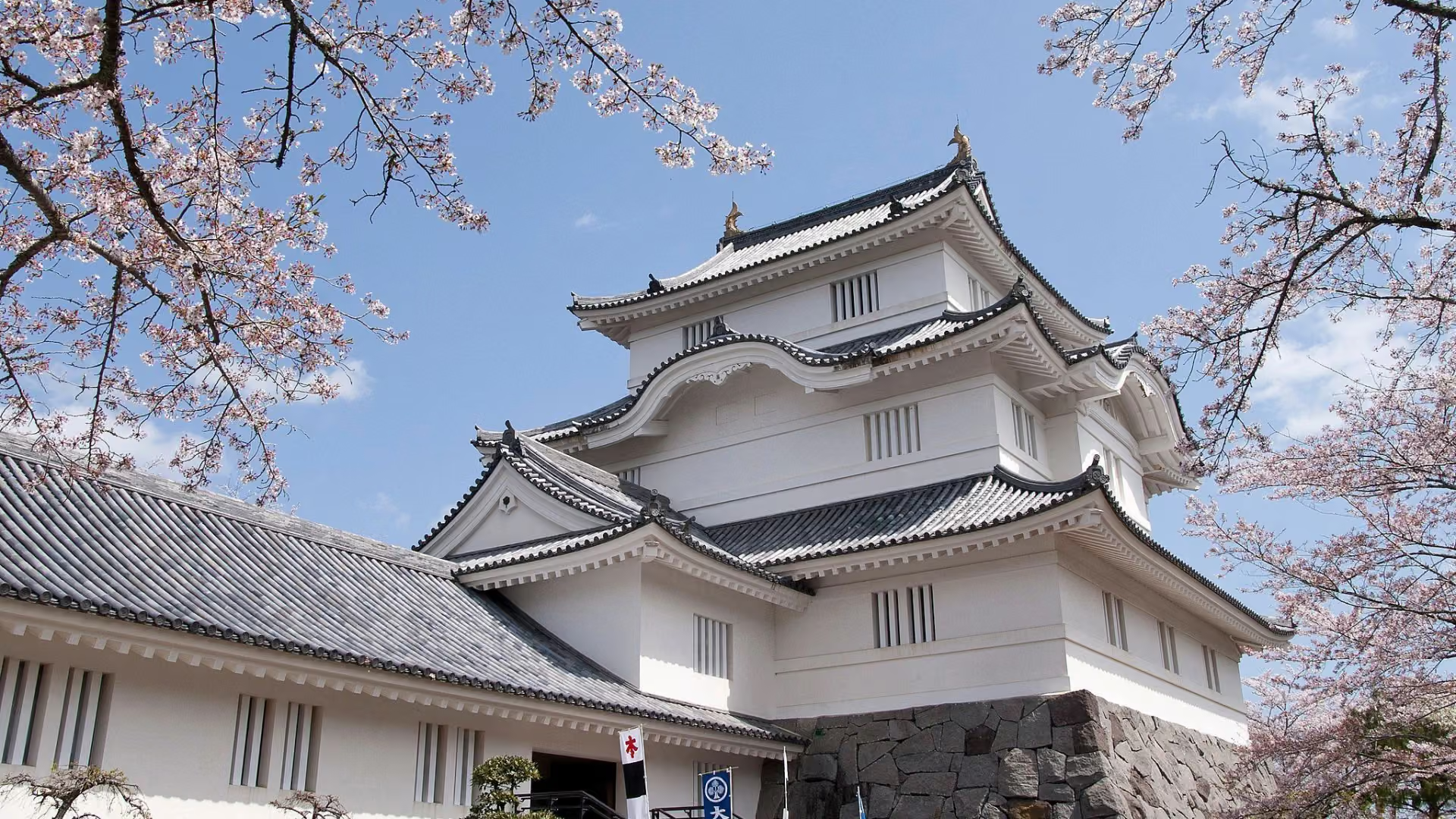
Yamatokoriyama · NaraOtaki Castle, a castle in Otaki, Chiba, from the 16th-century Sengoku period, with a reconstructed keep, stone walls and a museum of feudal history.
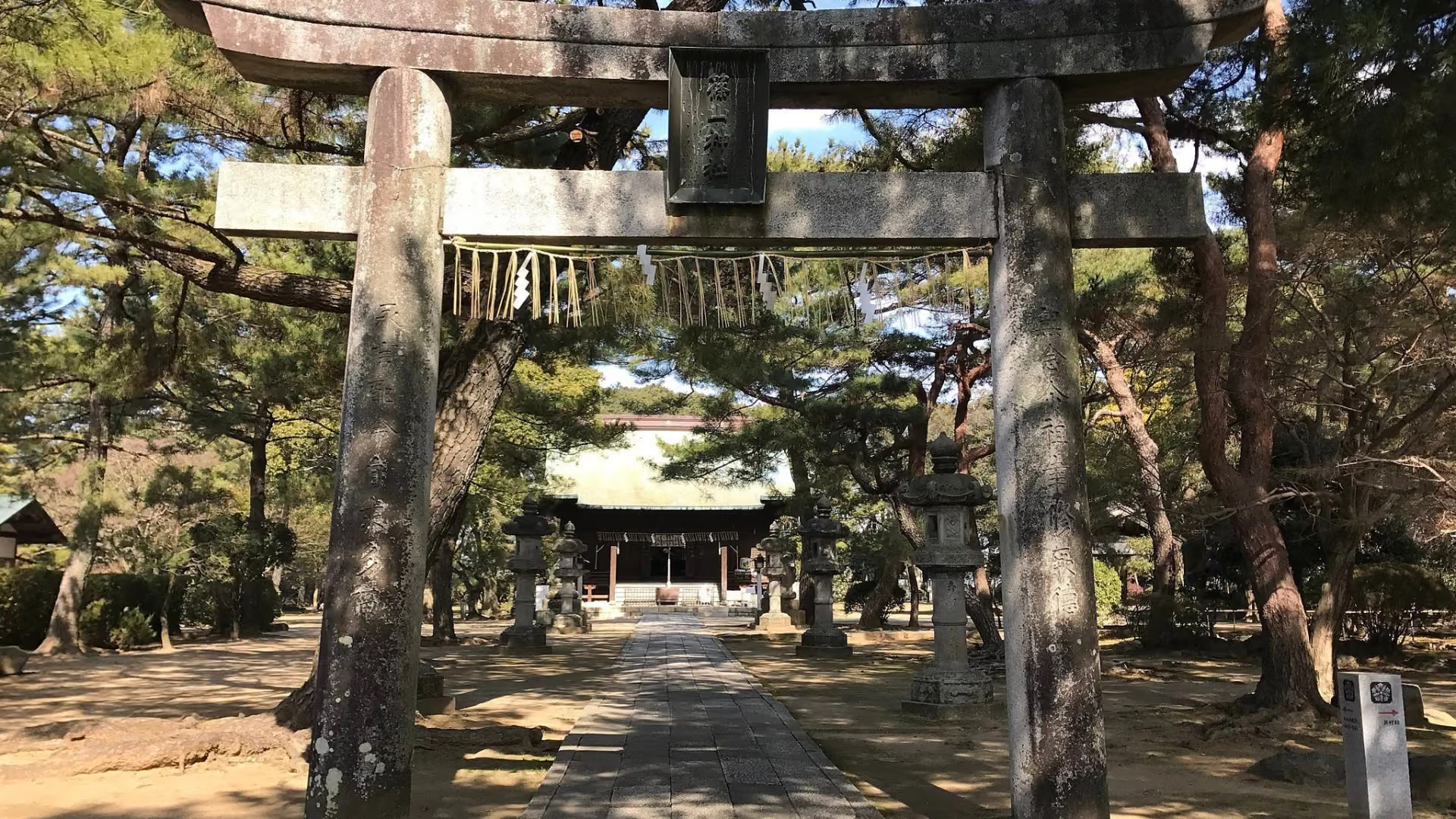
Otaki · ChibaSasayama Shrine, dedicated to the god of martial arts and war, sits within Kurume Castle in Fukuoka with a main hall in traditional Edo period style.
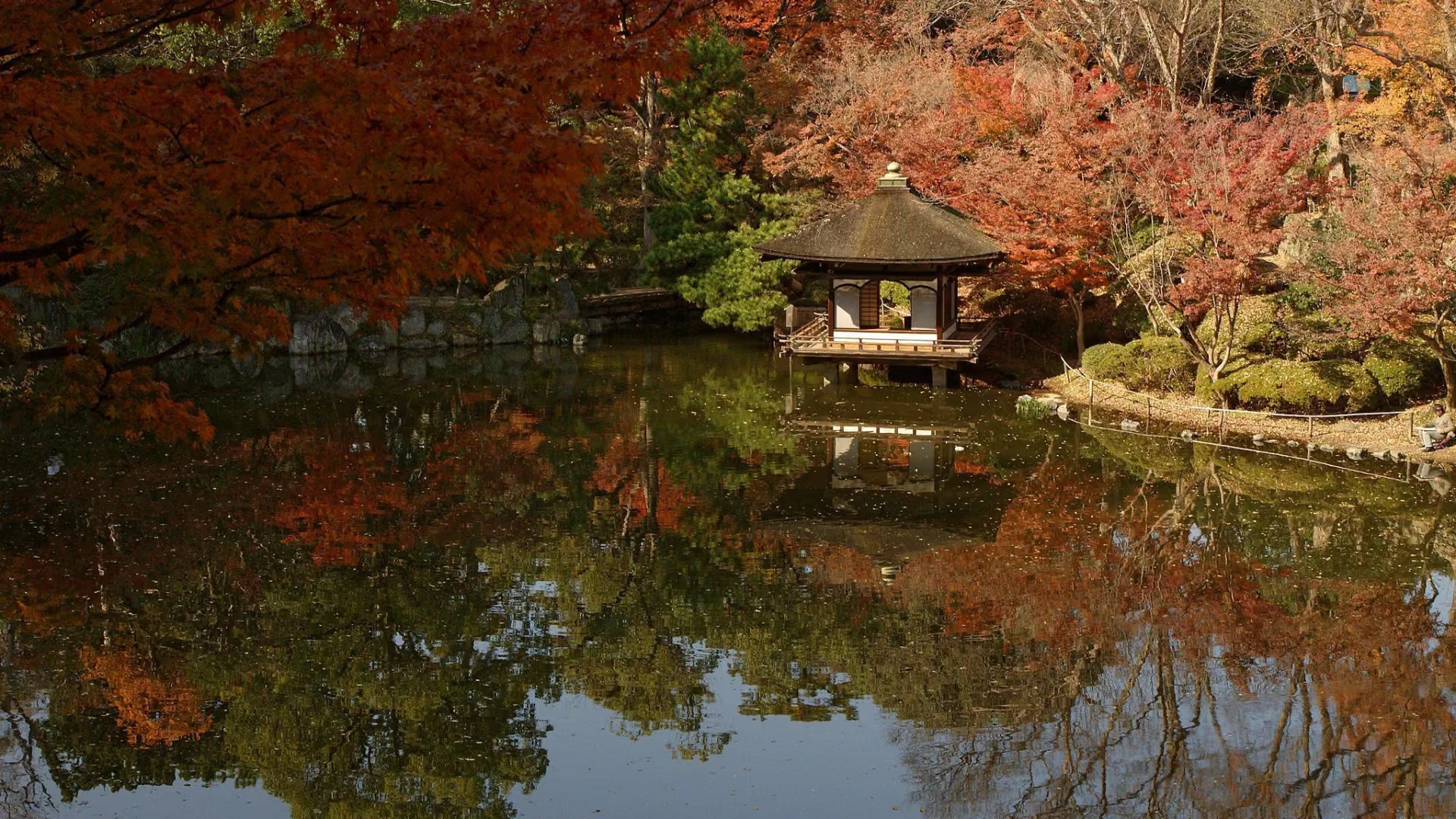
Kurume · FukuokaPublic garden within Wakayama Castle grounds featuring thousands of cherry blossom trees, a central pond, and a traditional tea house.
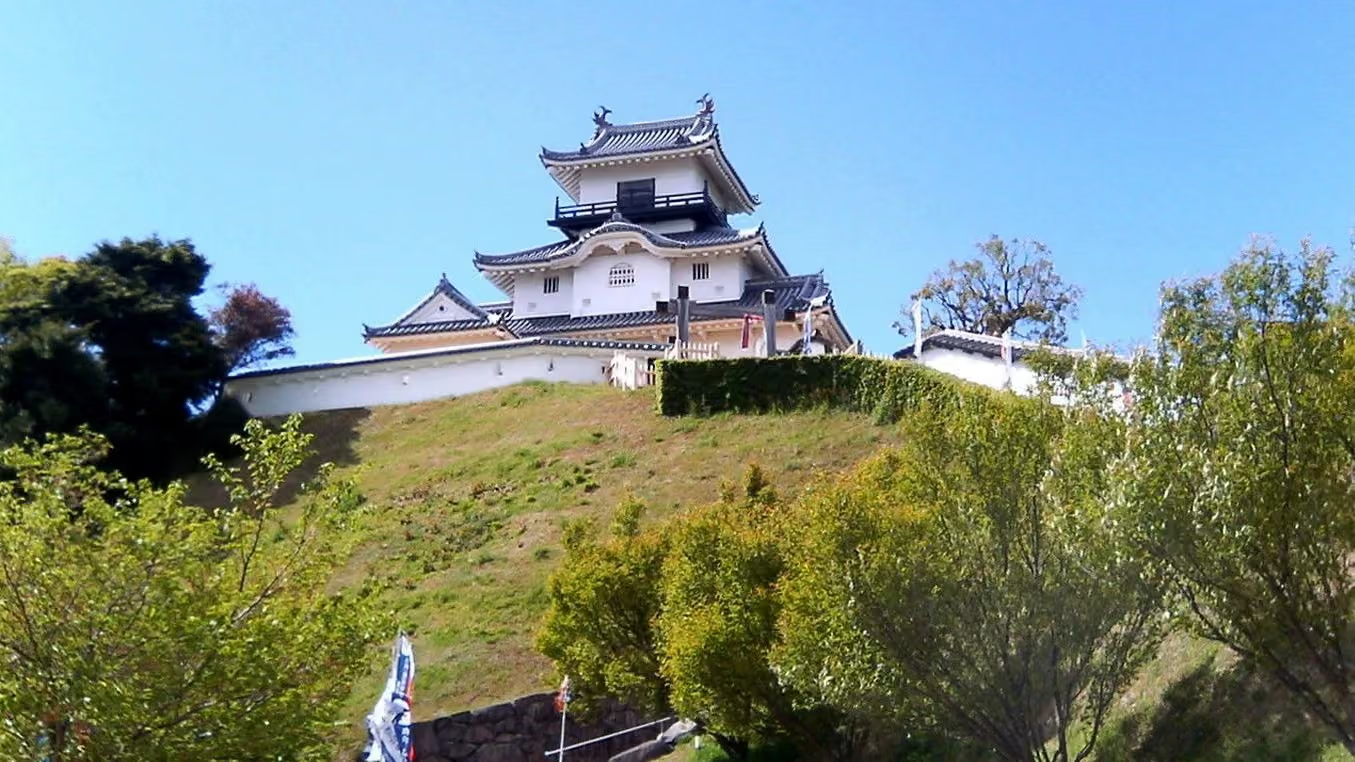
WakayamaKakegawa Castle served as a strategic fortress for the Tokugawa vassal clans along the Tokaido highway connecting Kyoto and eastern Japan.
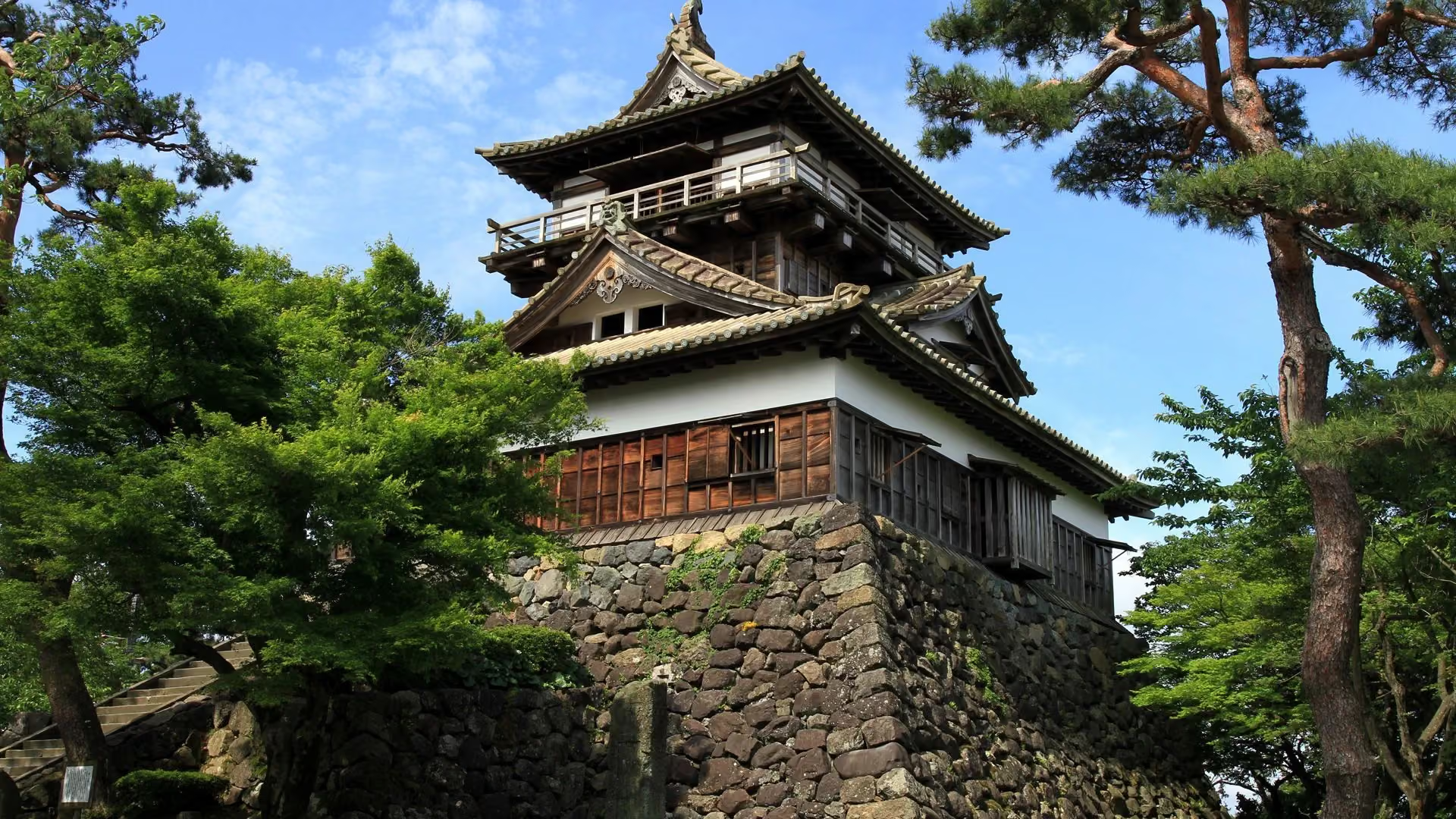
Kakegawa · ShizuokaFukui castle known as the Mist Castle, whose keep is claimed to be the oldest in Japan, now overlooking a public park popular for cherry blossoms.
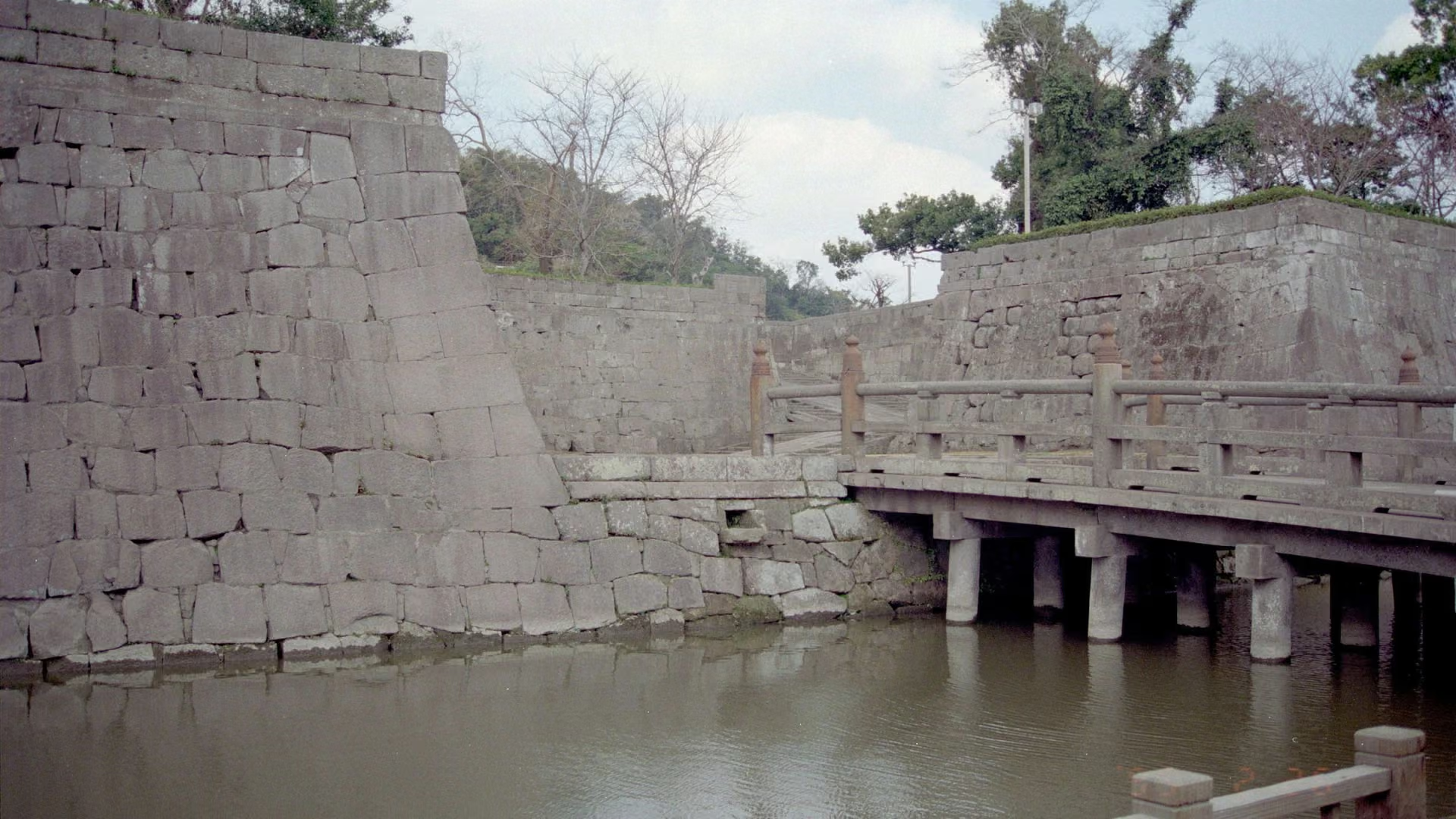
Sakai · FukuiBuilt in 1601 by the Shimazu clan, this castle was notably small by design, with only its moat, walls, and the recently reconstructed Otemon Gate remaining.
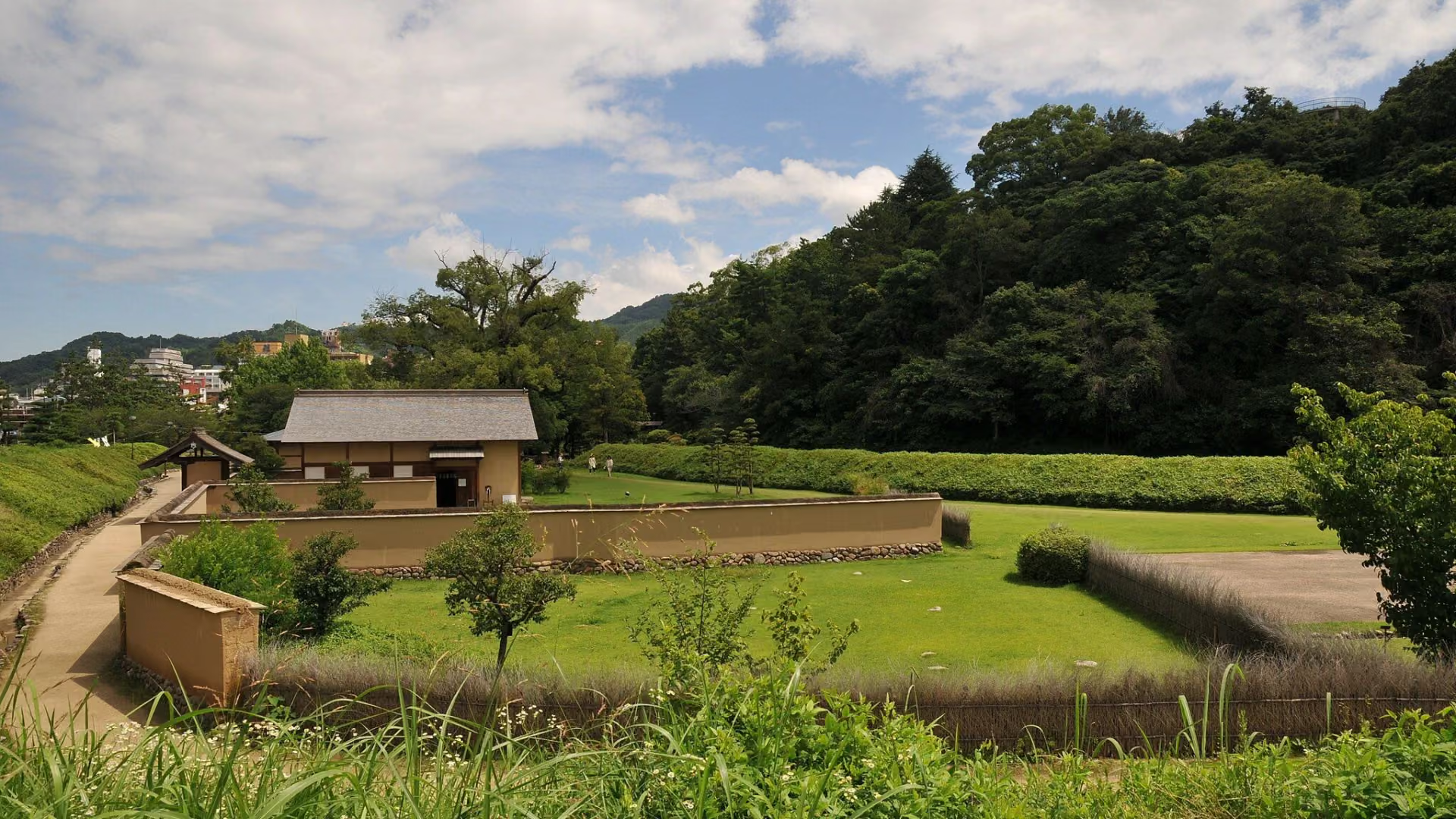
KagoshimaEdo-era castle ruins by the Yoshino River, built by Hachisuka Iemasa with a keep on a 60-meter hill, demolished in the Meiji period and a park since 1905.
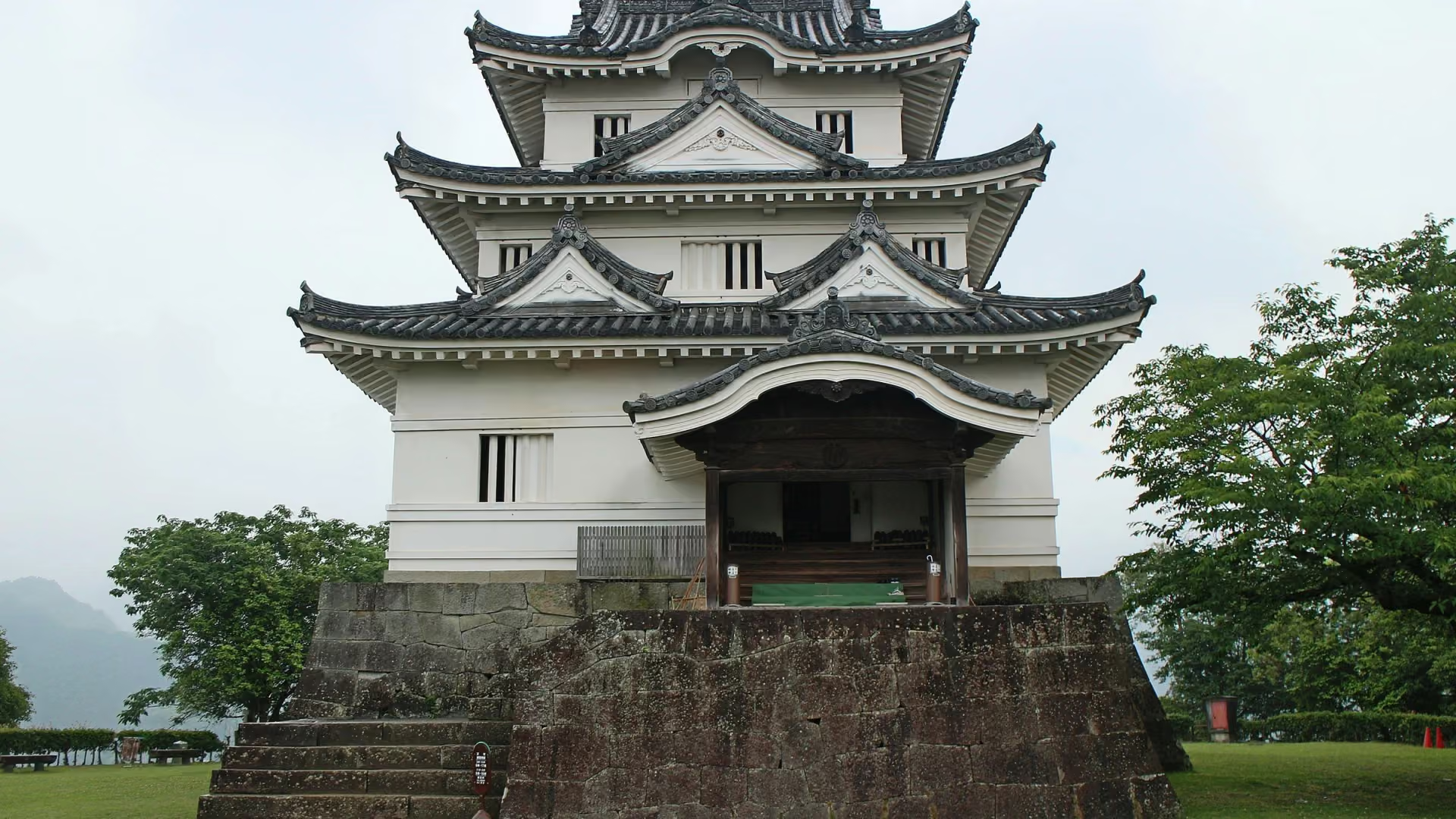
TokushimaCastle in Uwajima held by the Date clan, with a pentagonal moat layout that left blind spots for attackers, and damaged by earthquakes over the centuries.
Uwajima · EhimeMedieval castle ruins in Matsuyama linked to the Kono clan, with double moats, listed among the Top 100 Castles for their rare early castle architecture.
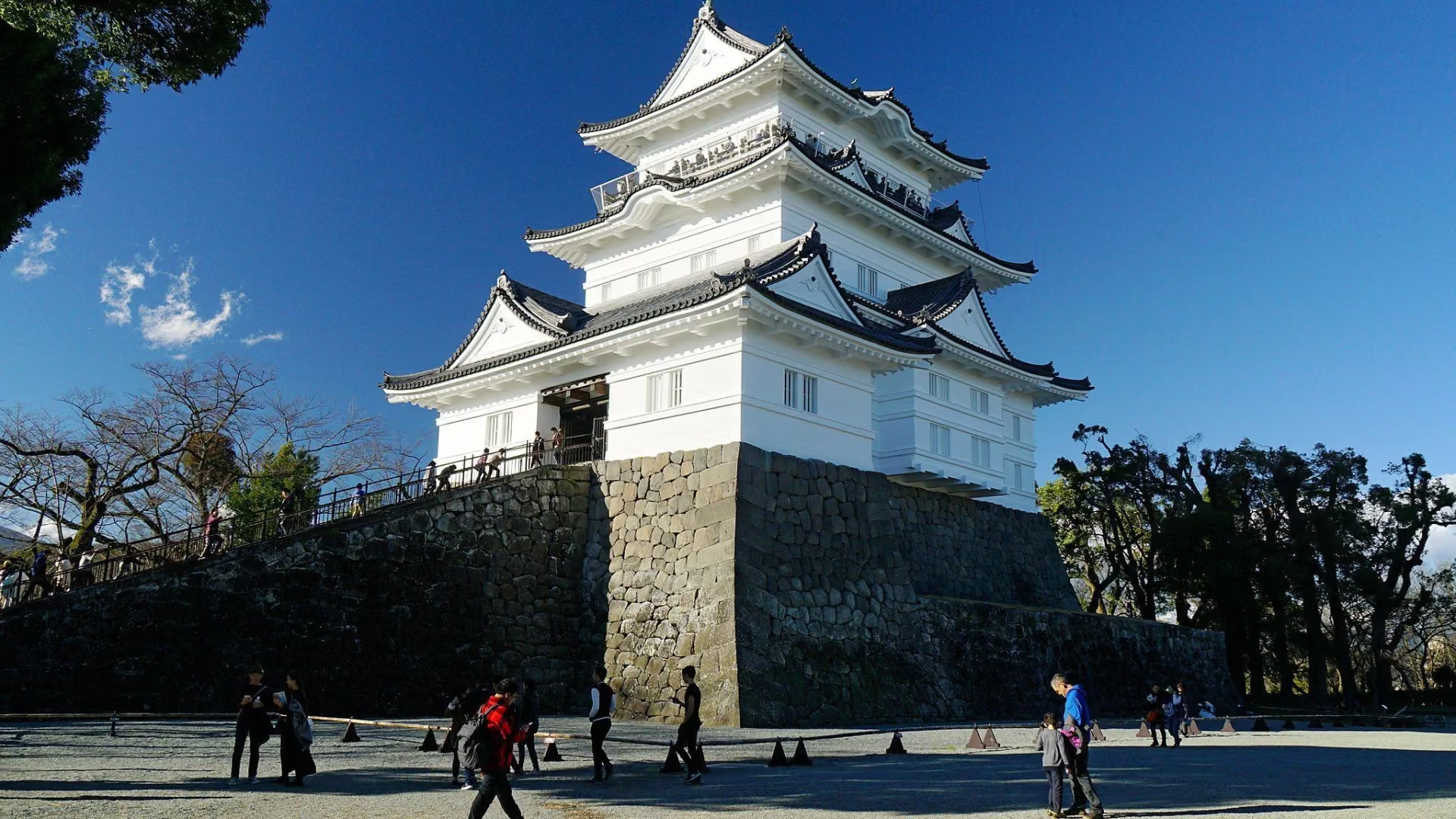
Matsuyama · EhimeLate fifteenth-century stronghold that served as the seat of the Hojo clan, rebuilt in the 1960s as a museum and observation point.
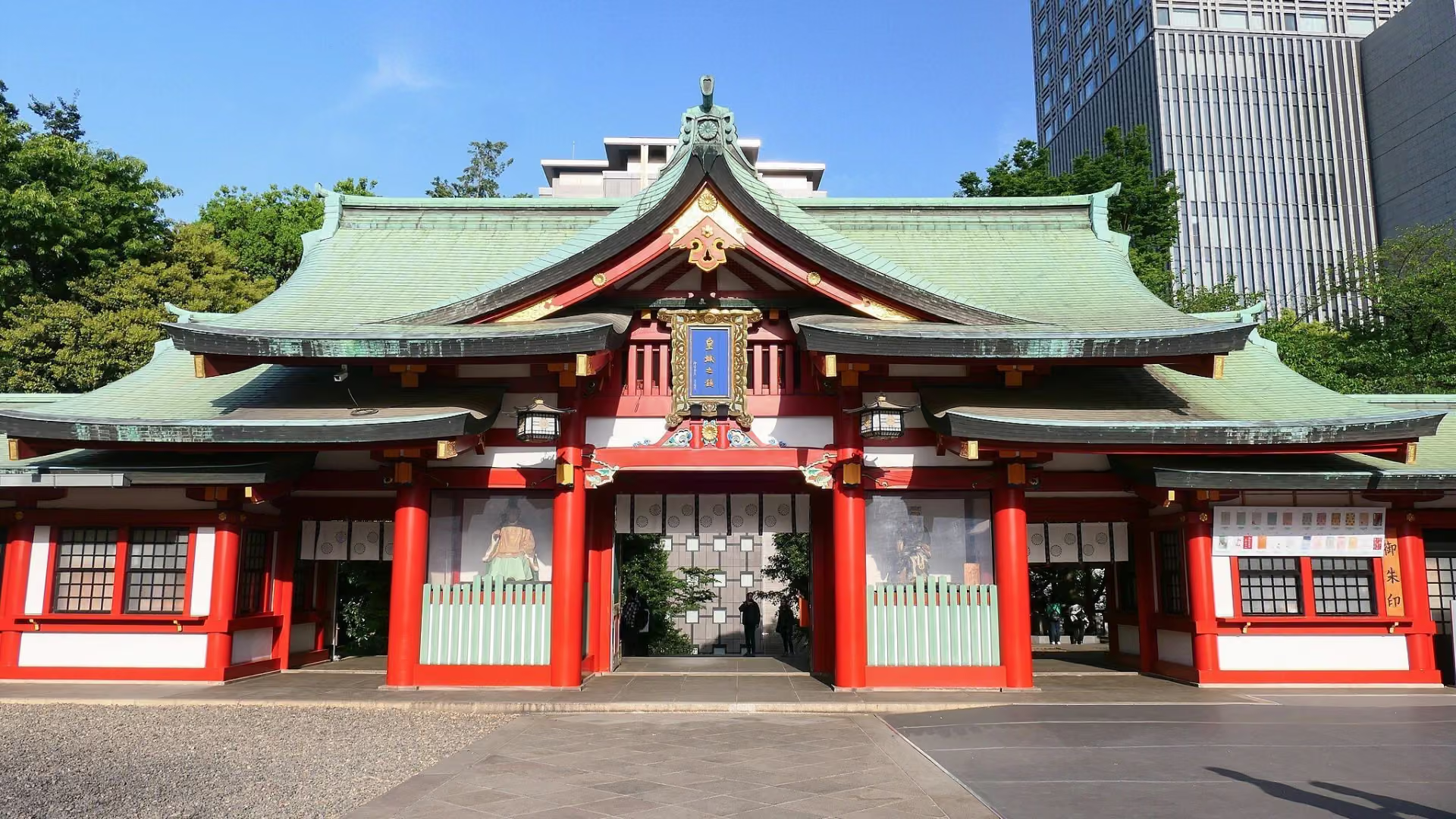
Odawara · KanagawaHie Shrine in Tokyo's Nagatacho district dates to the Kamakura period and served as guardian deity of Edo Castle and the Imperial Palace.
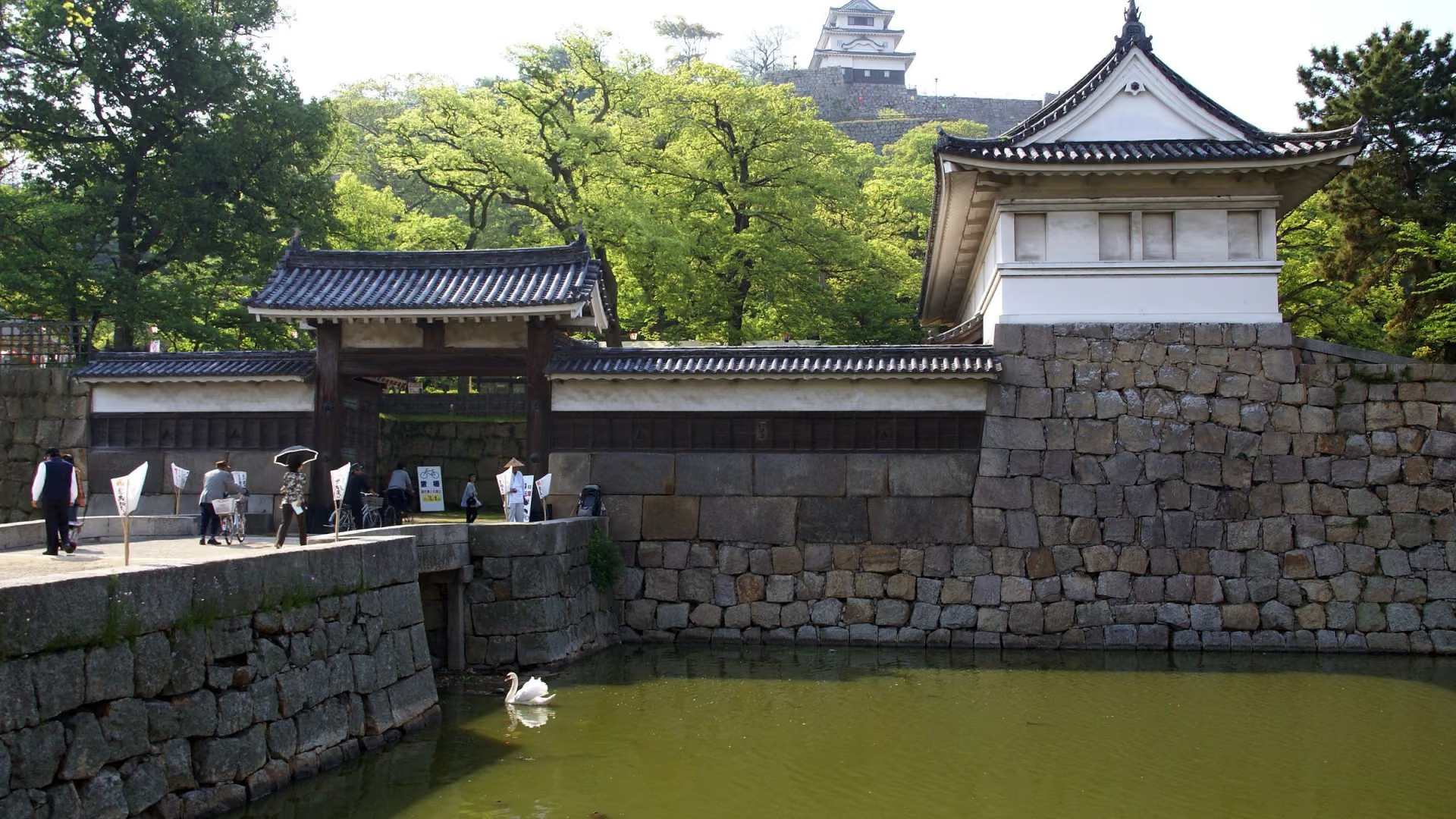
TokyoSeventeenth-century castle with distinctive 20-meter stone walls, rebuilt in 1640 and completed in 1670, ranked among Japan's Top 100 Castles.
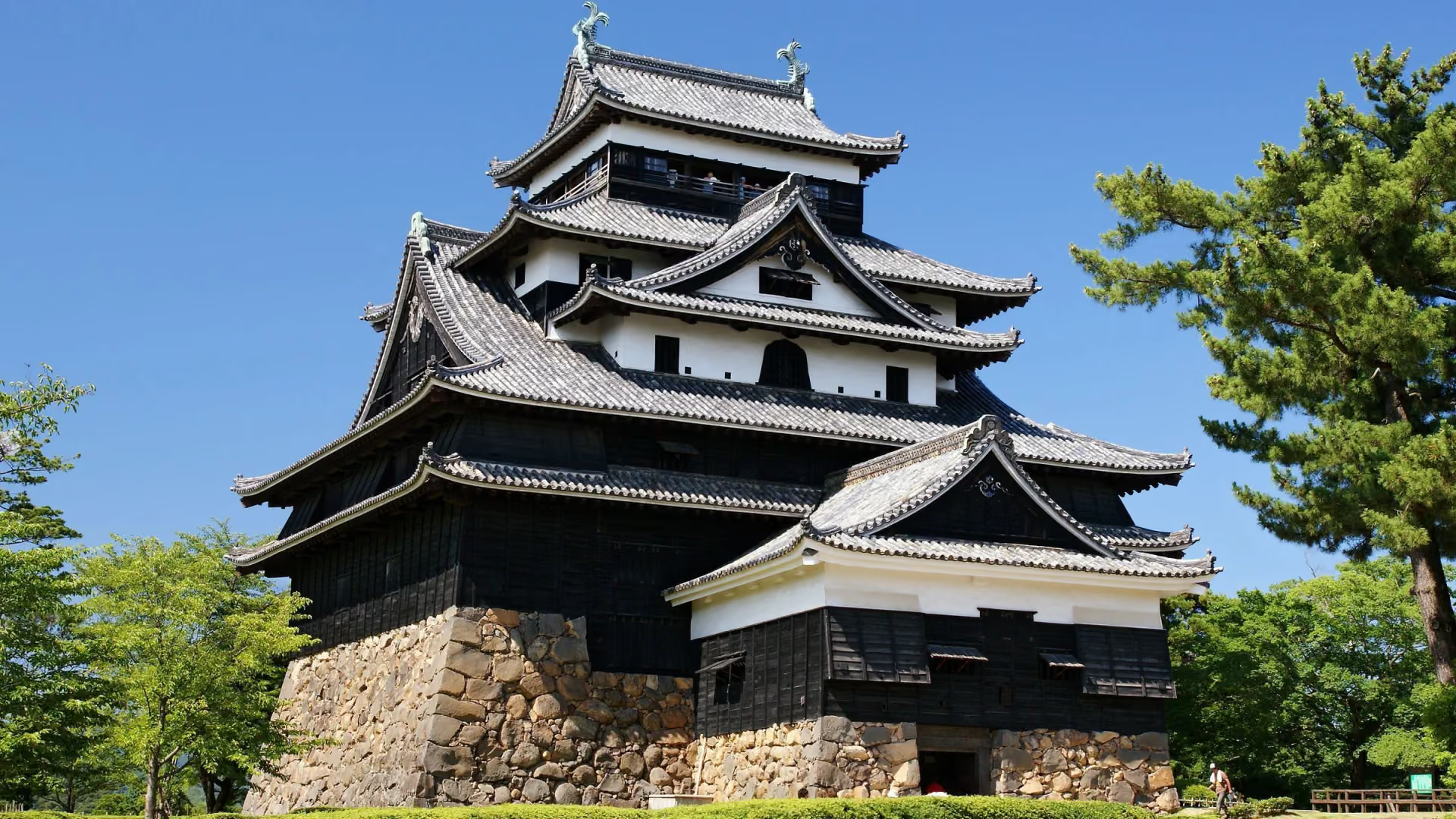
Marugame · KagawaOriginal wooden fortress built 1607-1611, one of Japan's few surviving castles and one of the Three Great Lake Castles in its architectural category.
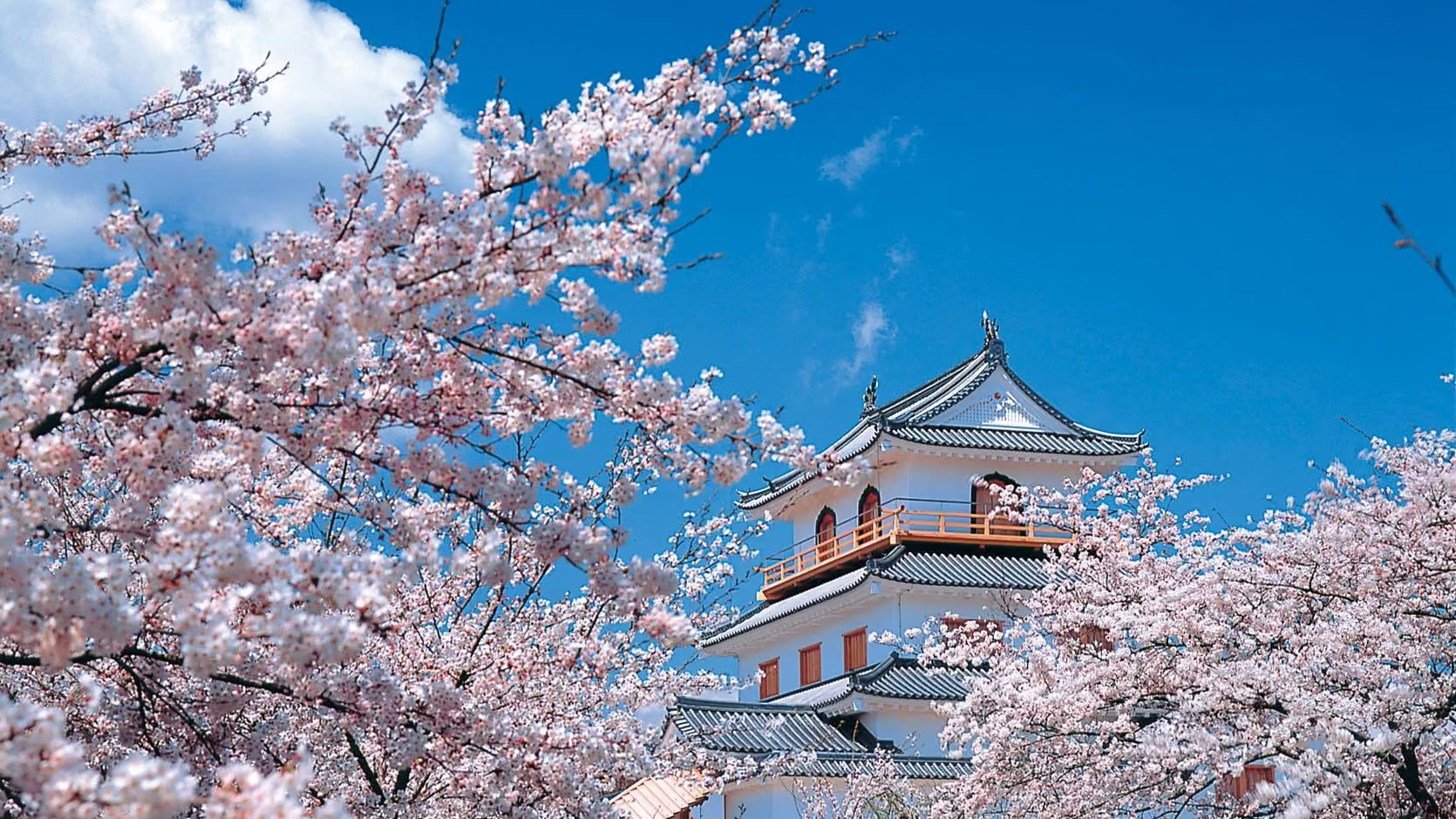
Matsue · ShimaneA hilltop fortress from 1591 that served as the Katakura clan seat for over 260 years and later became a regional government headquarters.
Shiroishi · MiyagiFlatland castle whose grounds now host city hall and library, with surviving structures including towers and gates relocated and preserved from the Edo period.
Takasaki · Gunma