Bitchu Matsuyama Castle
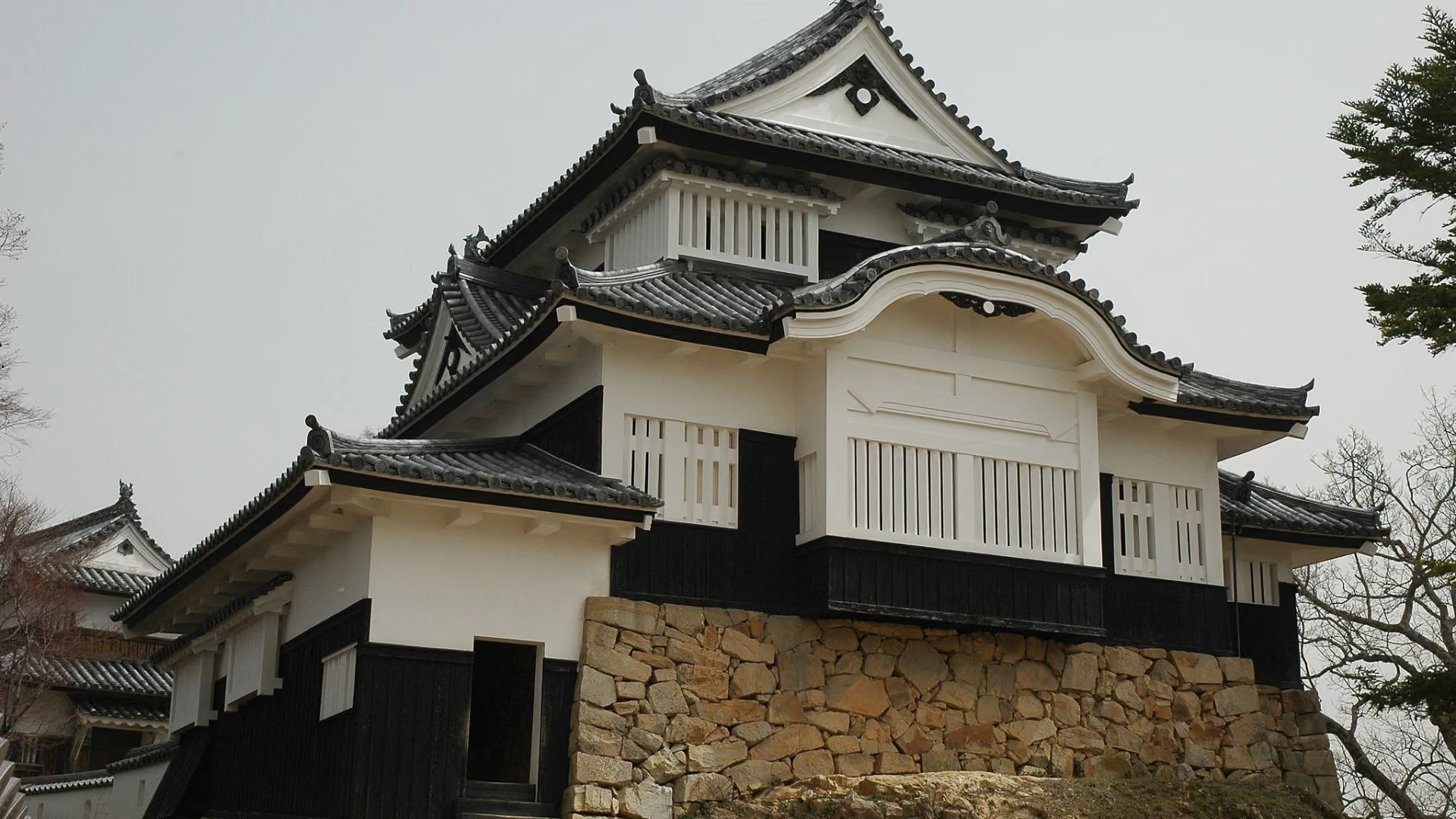
Mountain castle built in 1240 and rebuilt in 1331 on its current location, retaining its tenshu, Niju yagura, and section of defensive walls.
Takahashi · Okayama

Mountain castle built in 1240 and rebuilt in 1331 on its current location, retaining its tenshu, Niju yagura, and section of defensive walls.
Takahashi · OkayamaA Japanese castle built in 1611 that remains the only surviving Edo-period castle keep in the entire Tohoku region, originally featuring a five-story tower.
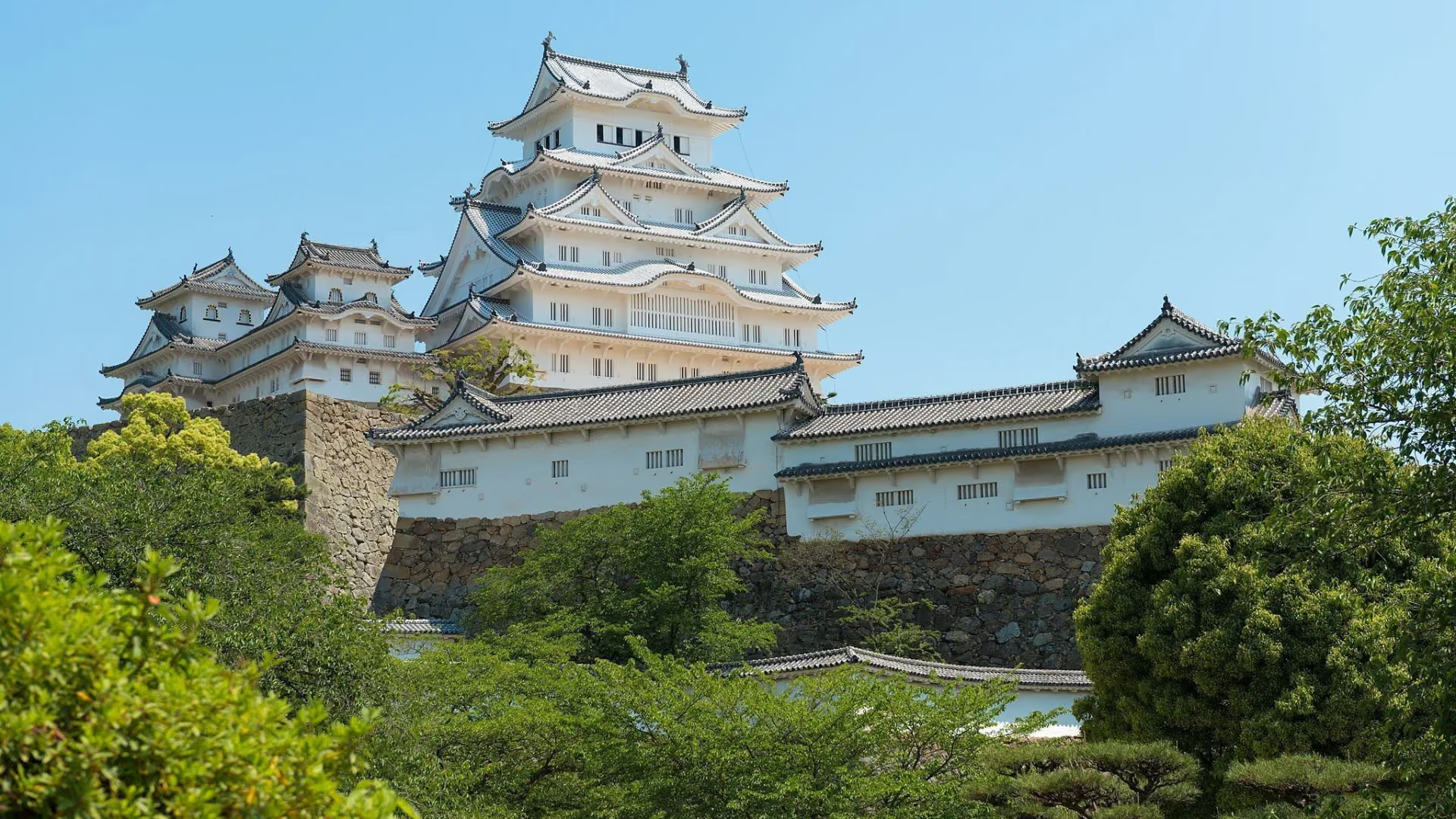
Hirosaki · AomoriIconic castle with brilliant white exterior, designated UNESCO World Heritage Site and National Treasure, fully restored to its original appearance in 2015.
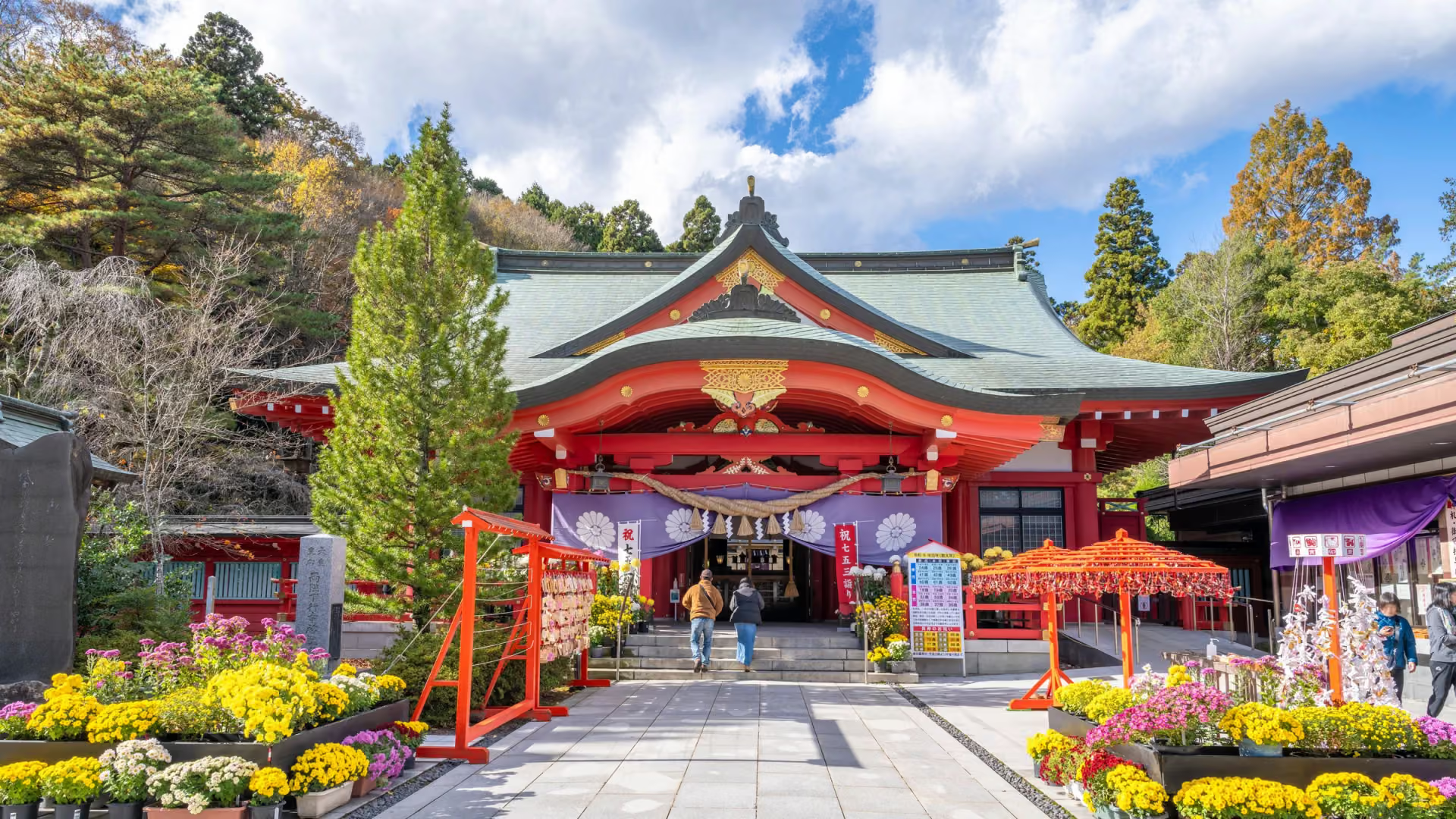
Himeji · HyogoShrine on the Sendai Castle site honoring over 56,000 spirits of those who died in national service, with a main hall from Ise Grand Shrine.
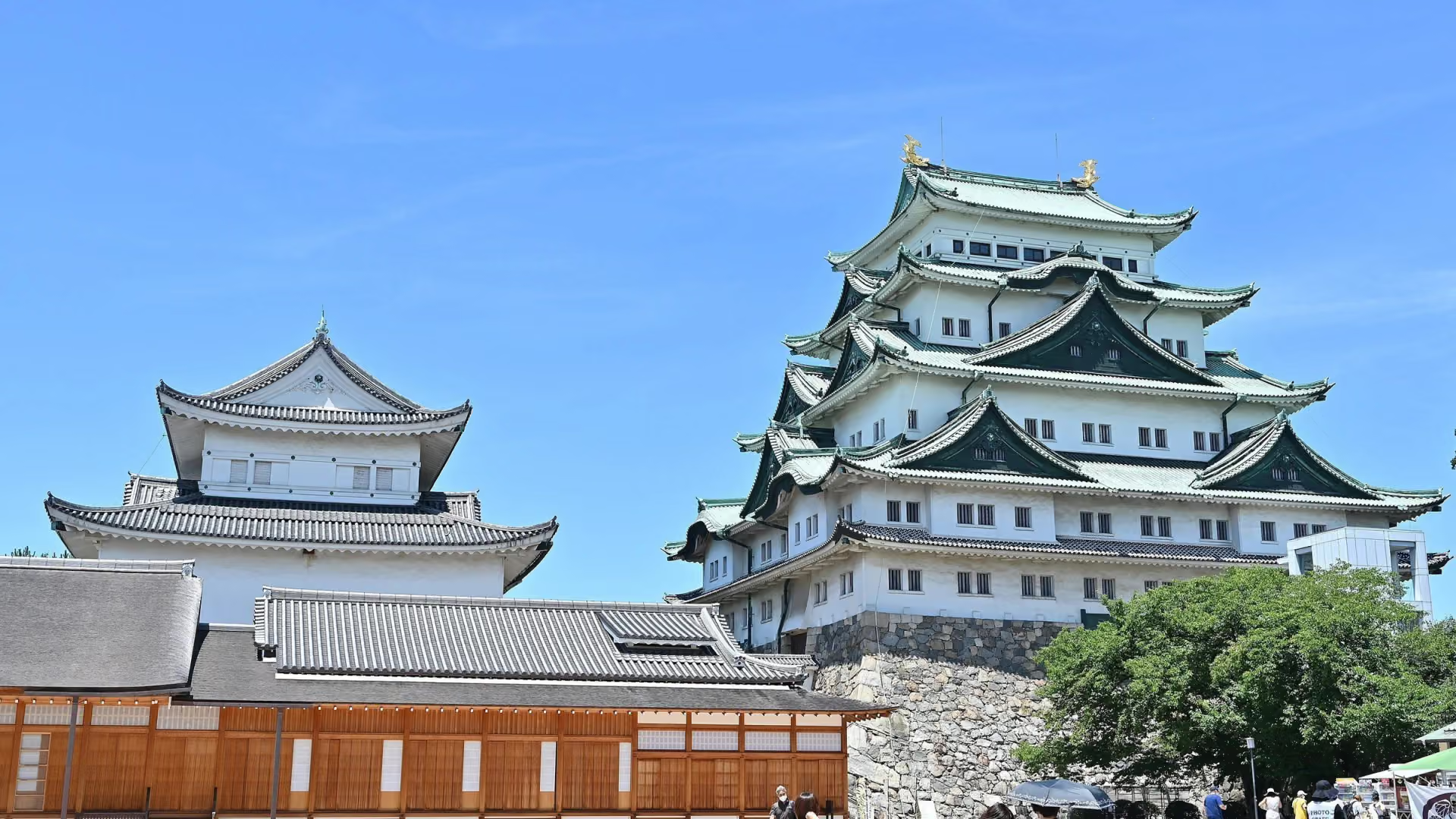
Sendai · MiyagiCastle constructed in 1612 as the center of a major Edo-era post station, destroyed in World War II bombing but reconstructed since 1957.
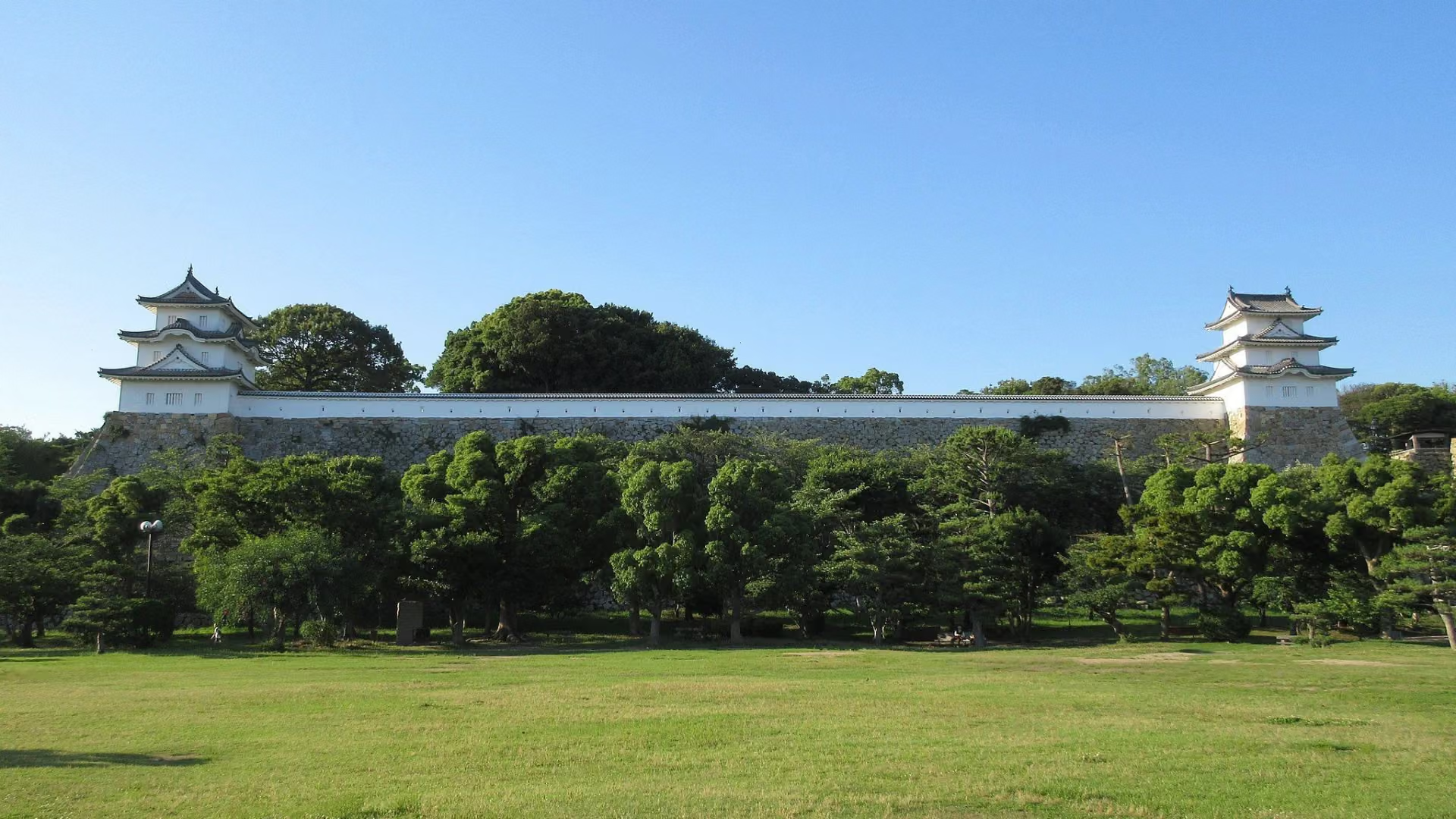
Nagoya · AichiBuilt in just one year starting 1617, this fortress commanded the Seto Inland Sea with 20 towers and 27 gates as a backup to Himeji Castle.
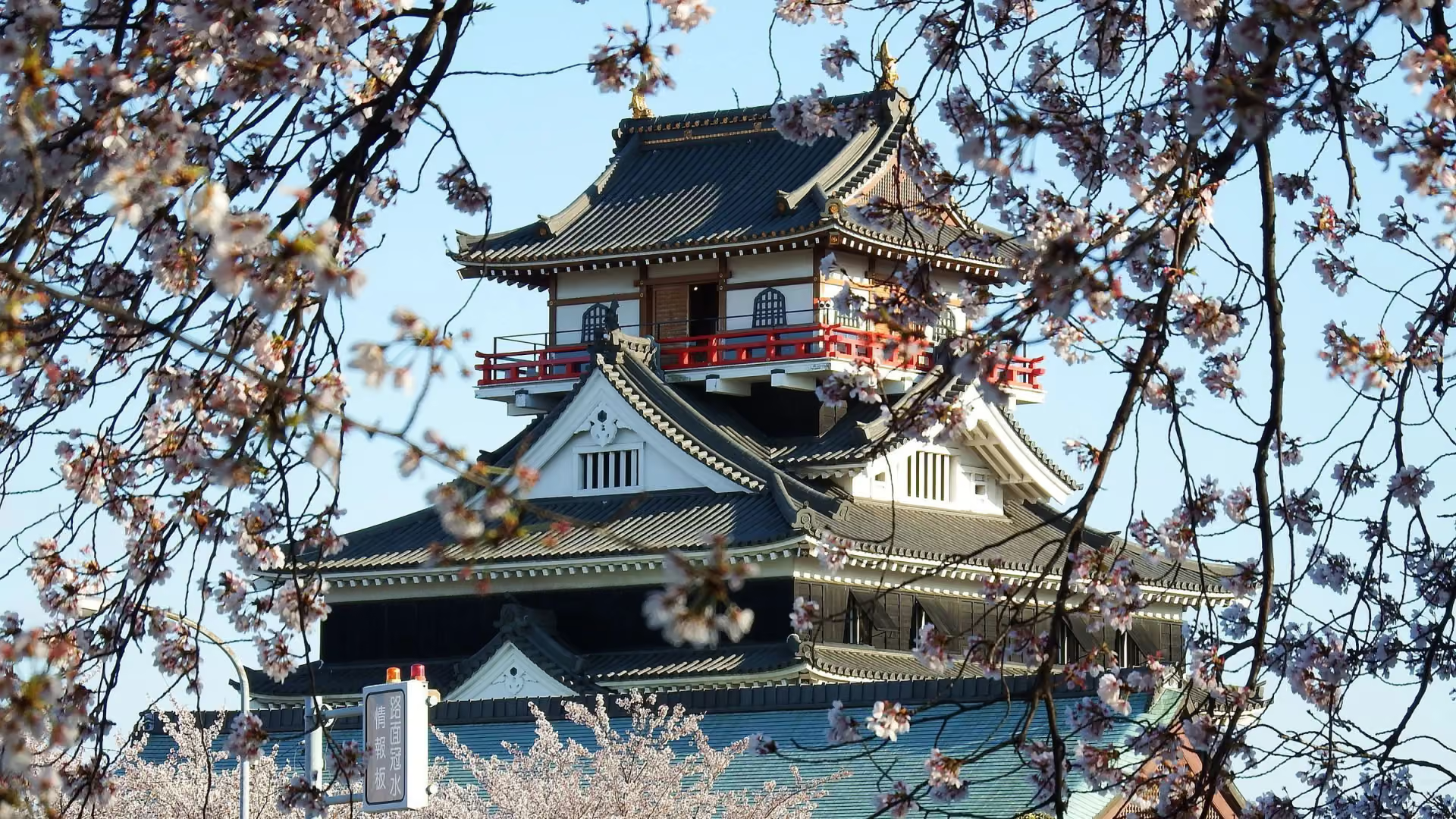
Akashi · HyogoLinked to Oda Nobunaga's rise, the castle was built 1394-1427 to guard the Ise Kaido and Nakasendo crossroads and was partly rebuilt in 1989 for a centennial.
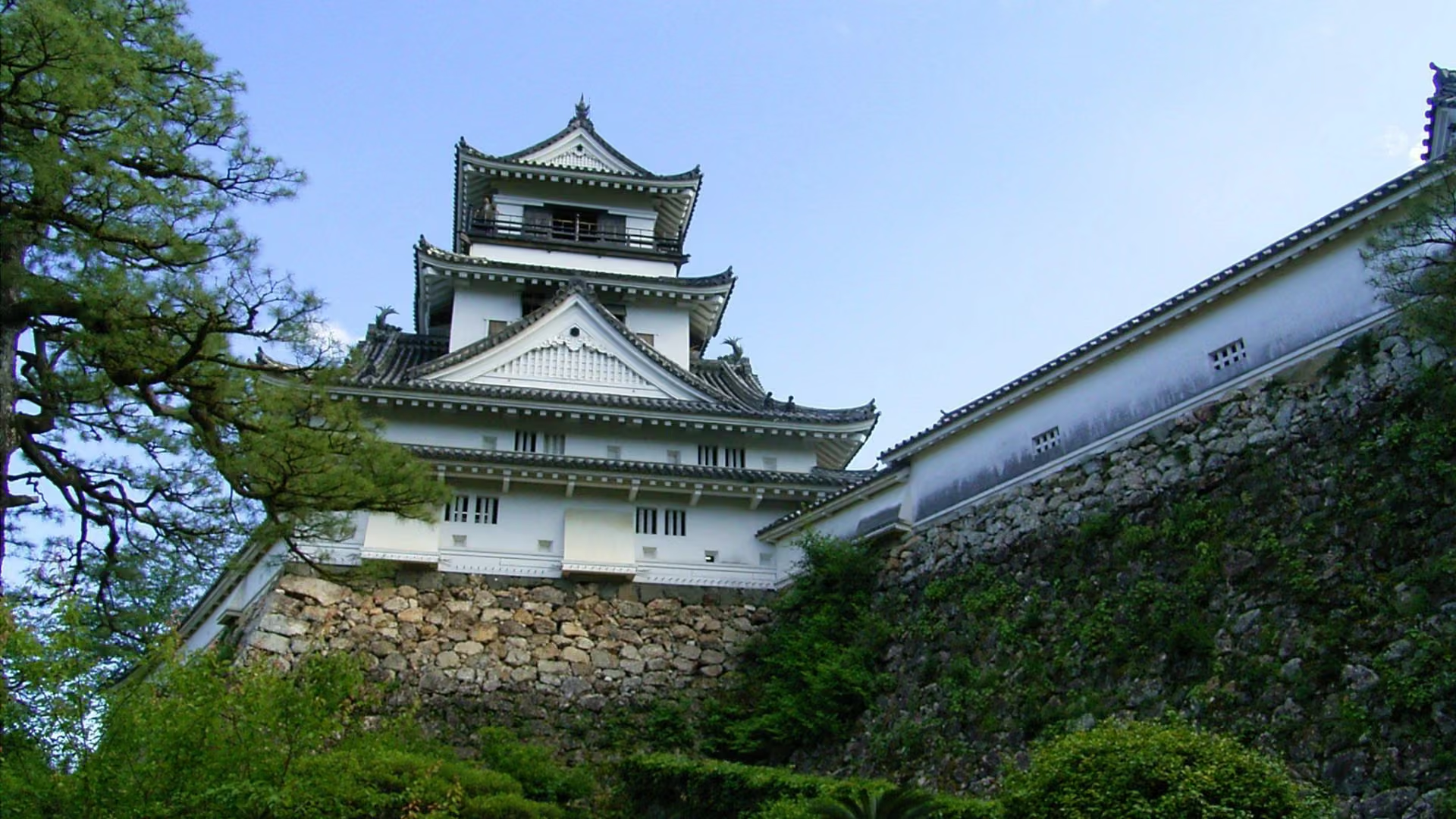
Kiyosu · AichiThe only castle in Japan whose honmaru buildings all survive in original form, including the tenshu and the daimyo palace, with no post-war reconstruction.
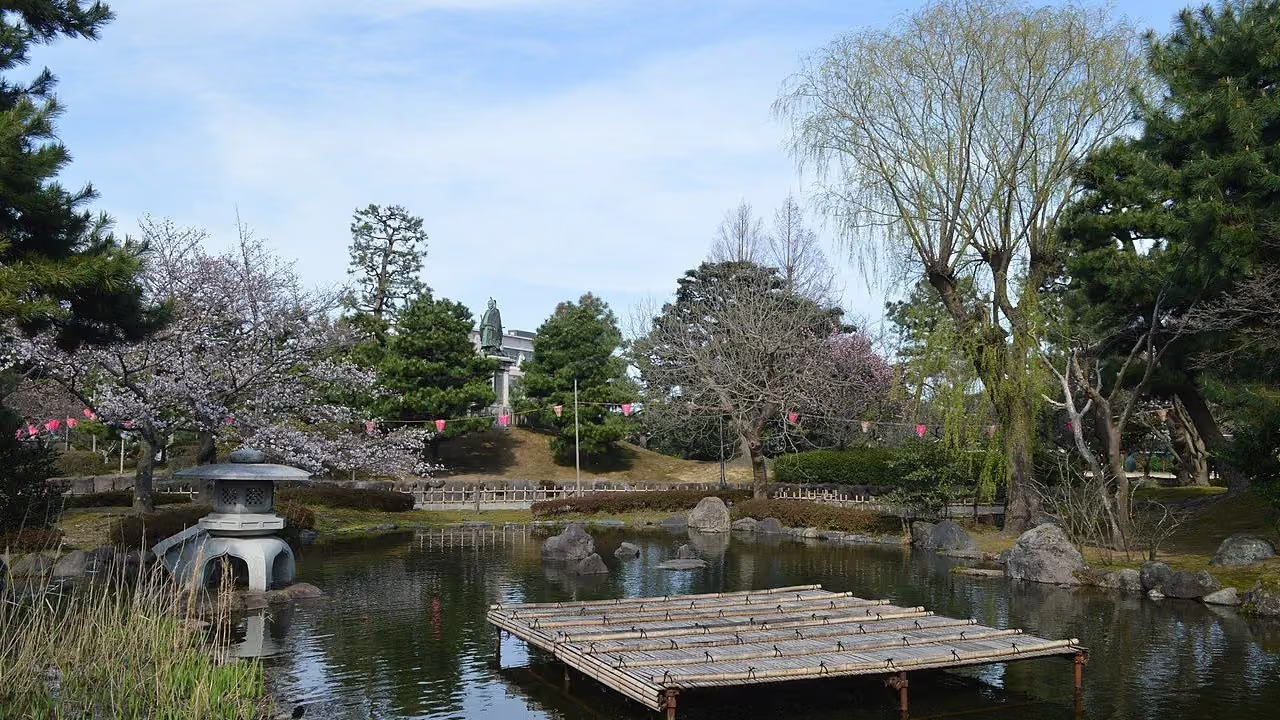
KochiPark in Komatsu on the former third bailey of Komatsu Castle, with stone monuments, statues of the lord Maeda Toshitsune, ponds, gardens and museums.
Komatsu · IshikawaThis Yonezawa park preserves castle ruins dating to the 17th century and features scenic views alongside cherry blossoms in spring.
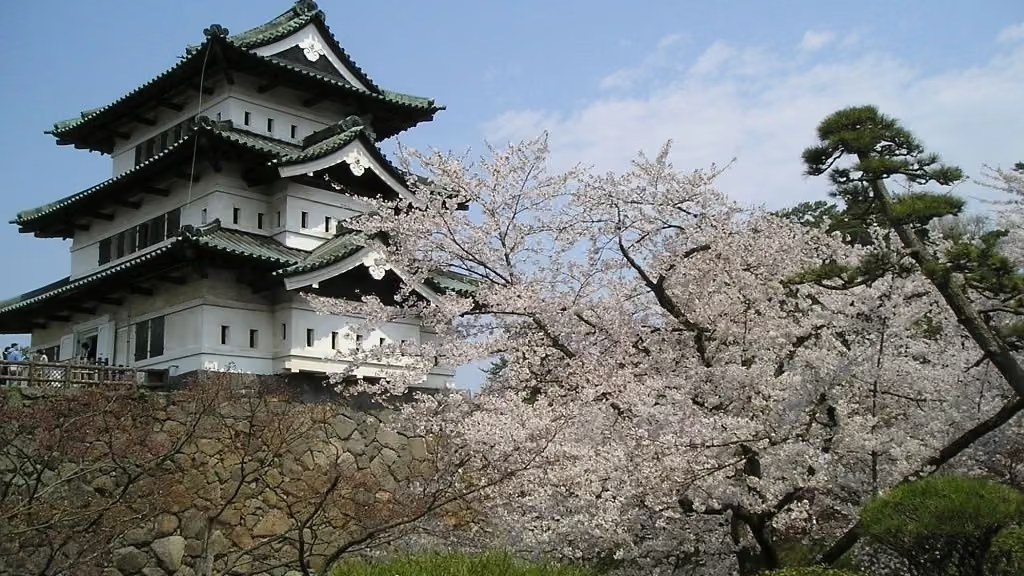
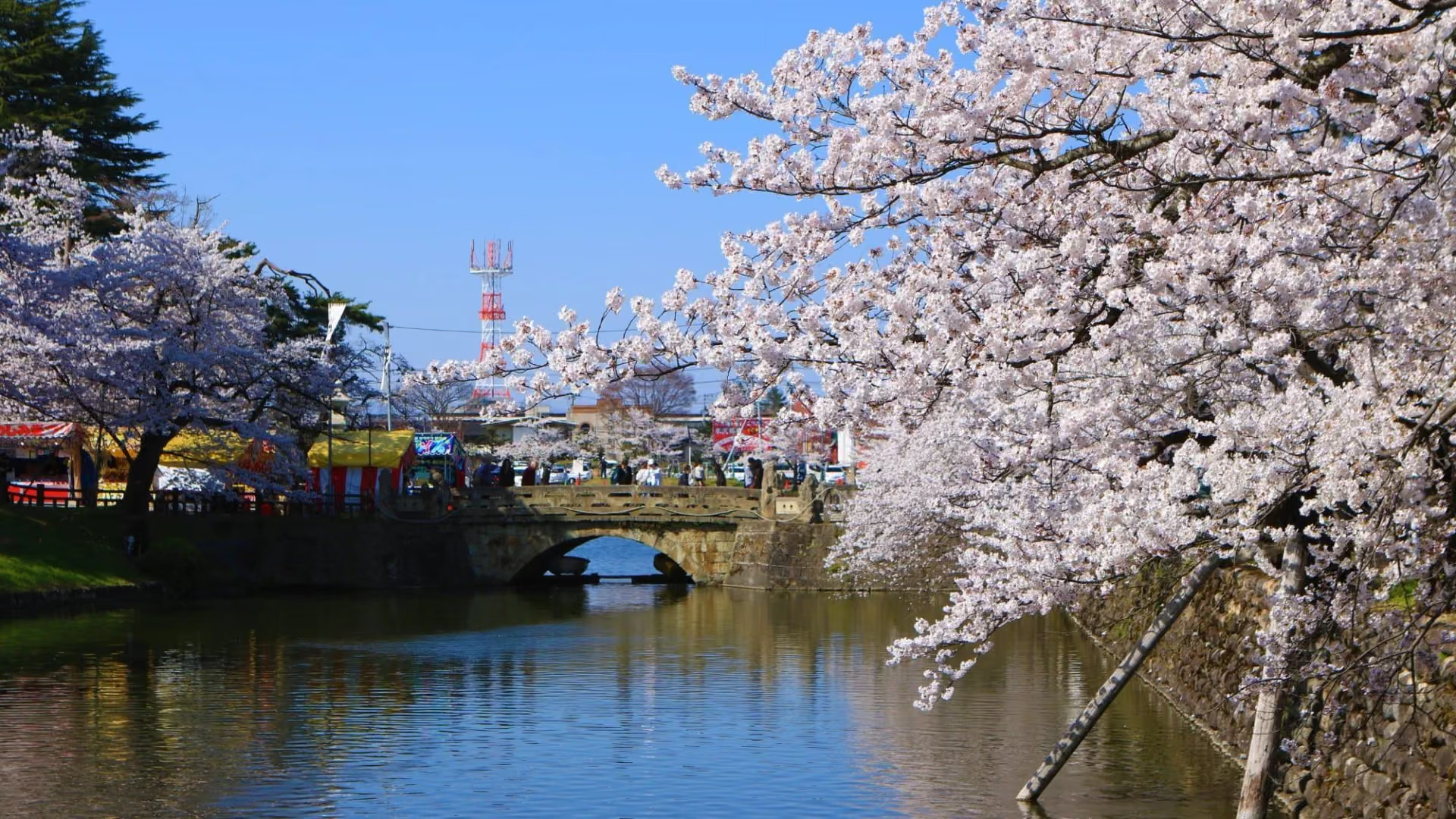
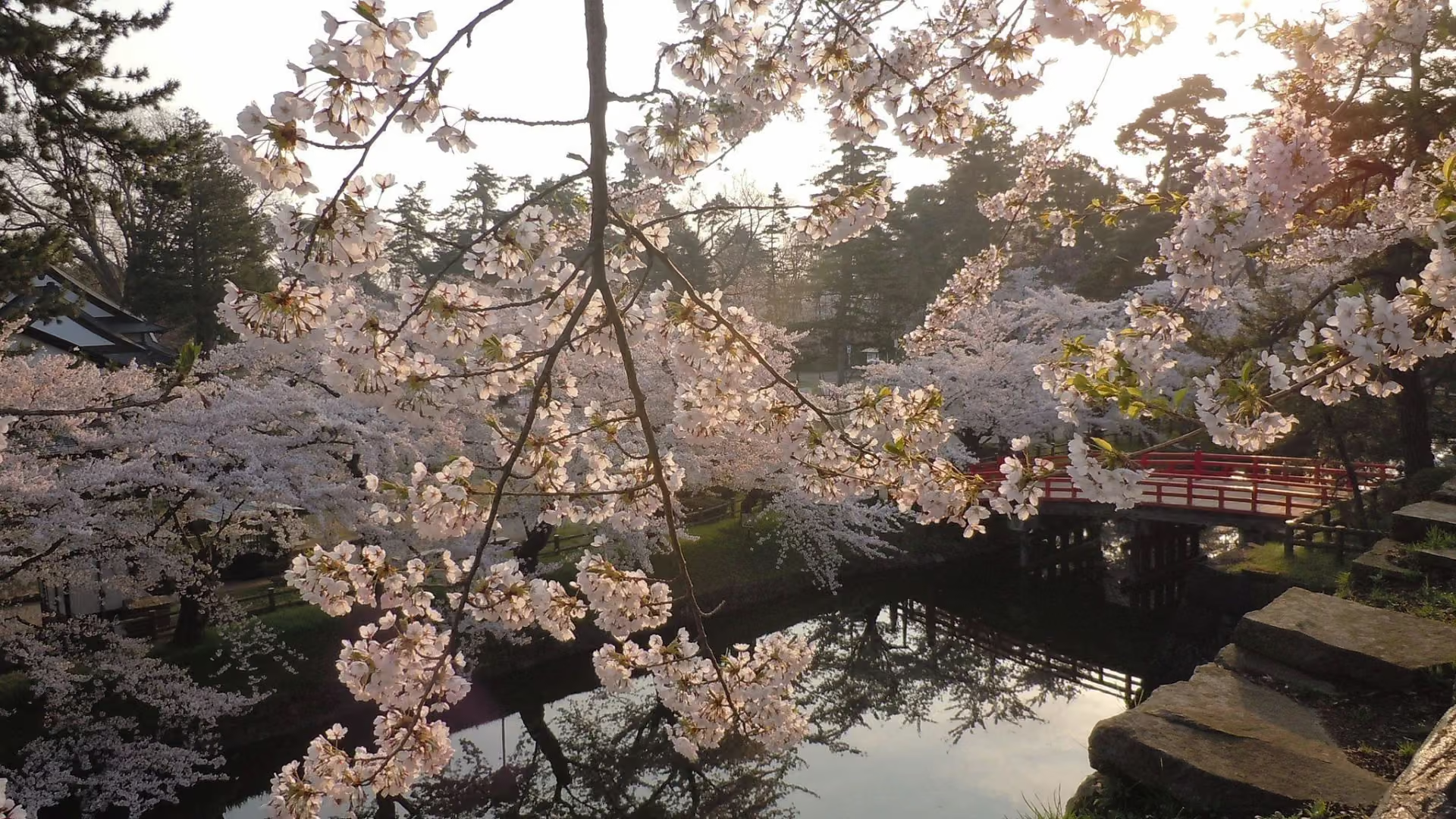
Yonezawa · YamagataHirosaki Park features cherry blossom trees, a castle with moat, temples, shrines, and recreational activities including boating and picnicking.
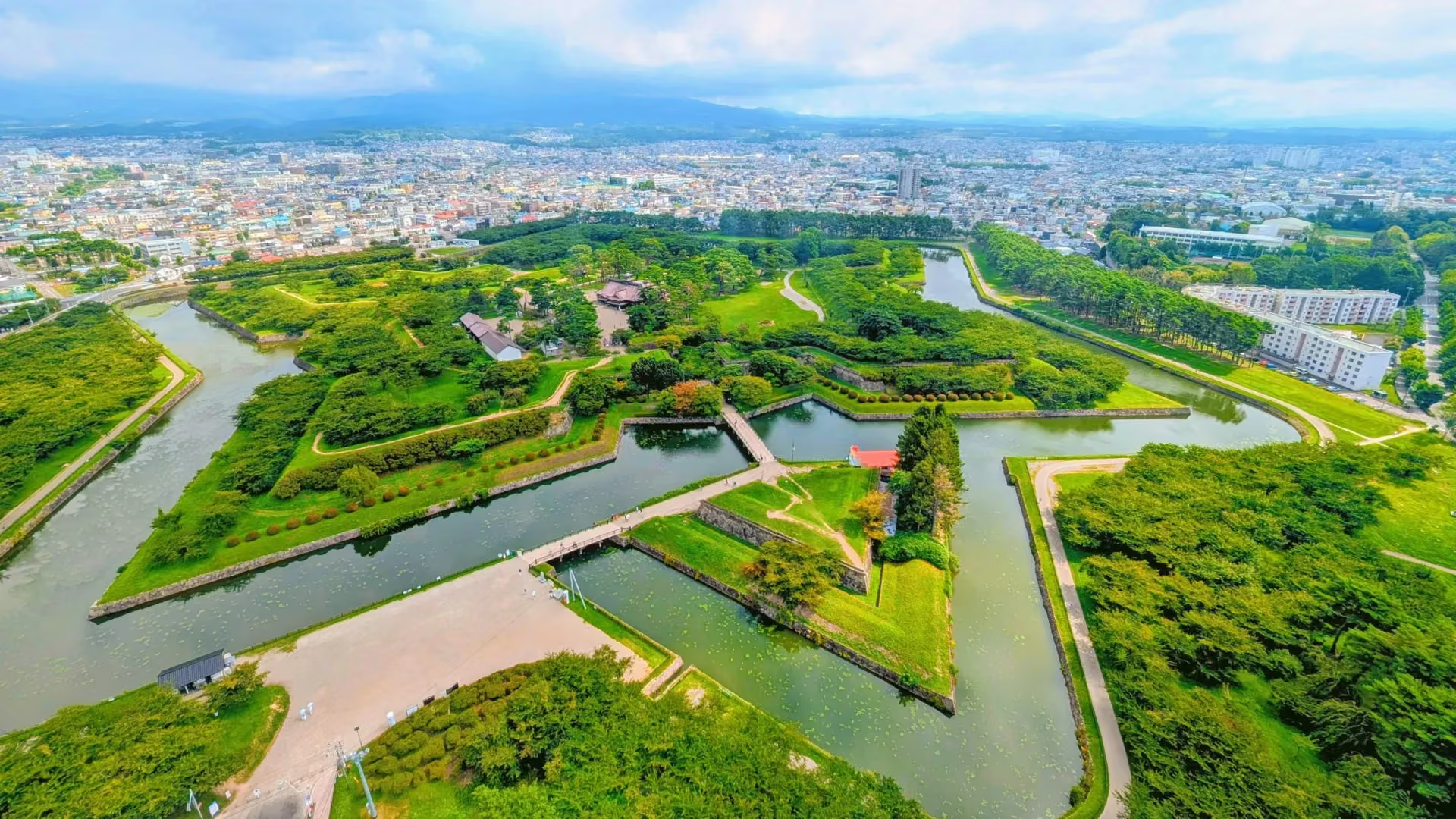
Hirosaki · AomoriJapan's first Western-style fortress, this five-pointed star fort was completed in 1866 and witnessed the final battle of the Boshin War.
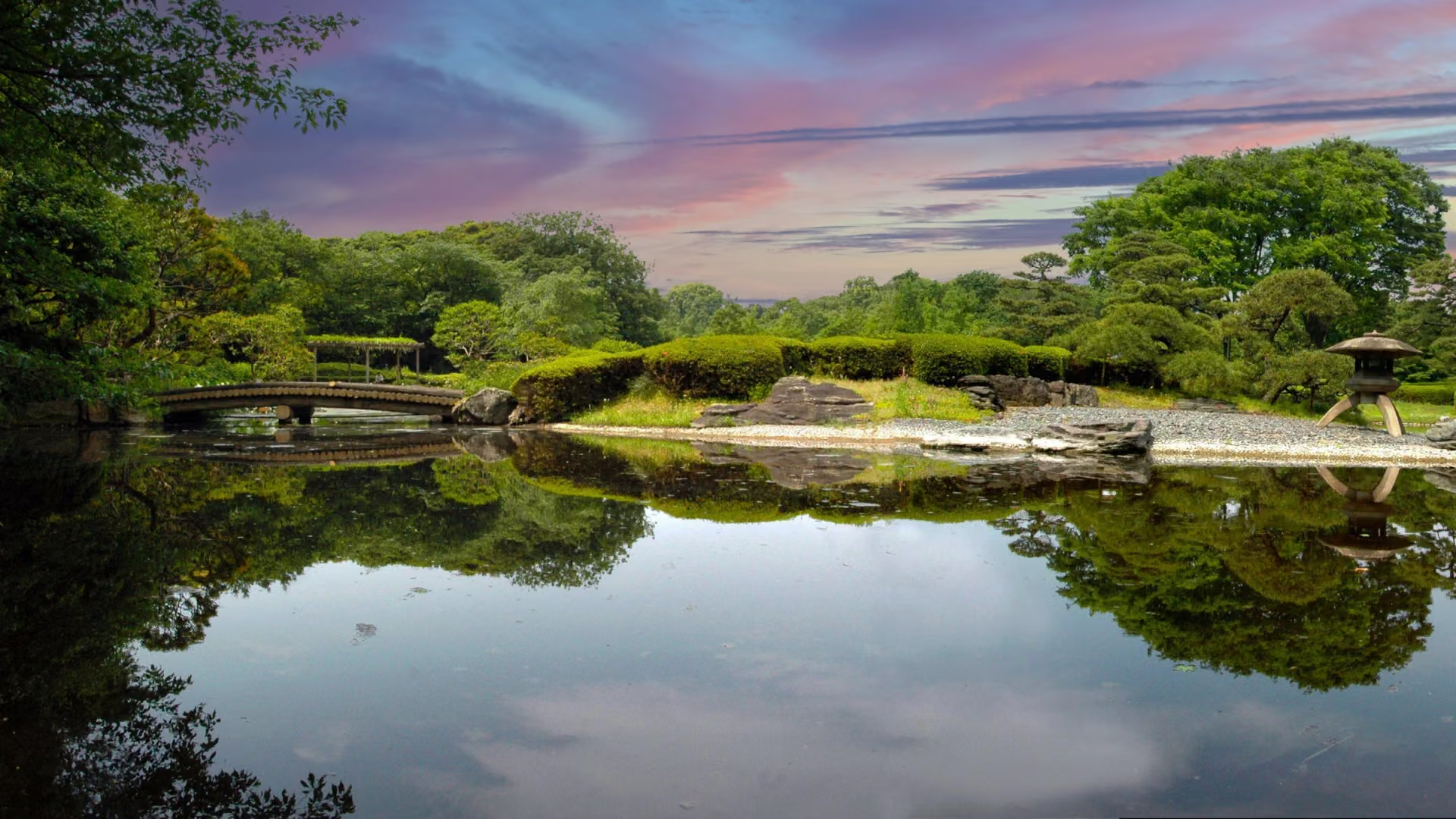
Hakodate · HokkaidoThe 210,000-square-meter East Gardens occupy the former Edo Castle grounds on the Imperial Palace's eastern side, centered around the historic Otemon Gate.
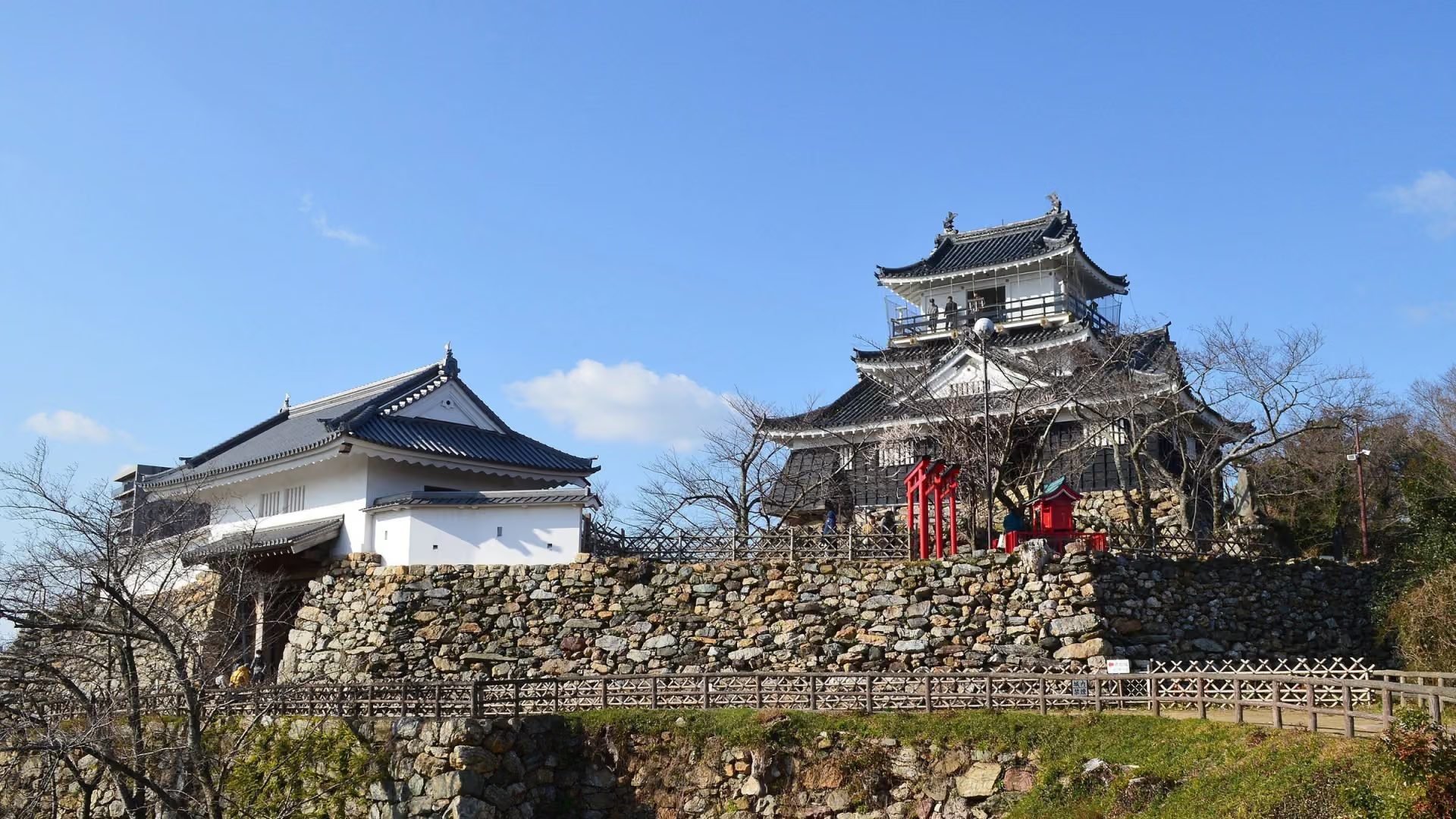
TokyoA hirayama-style castle where Tokugawa Ieyasu established his headquarters and lived for 17 years, now featuring a concrete donjon with museum and Edo model.
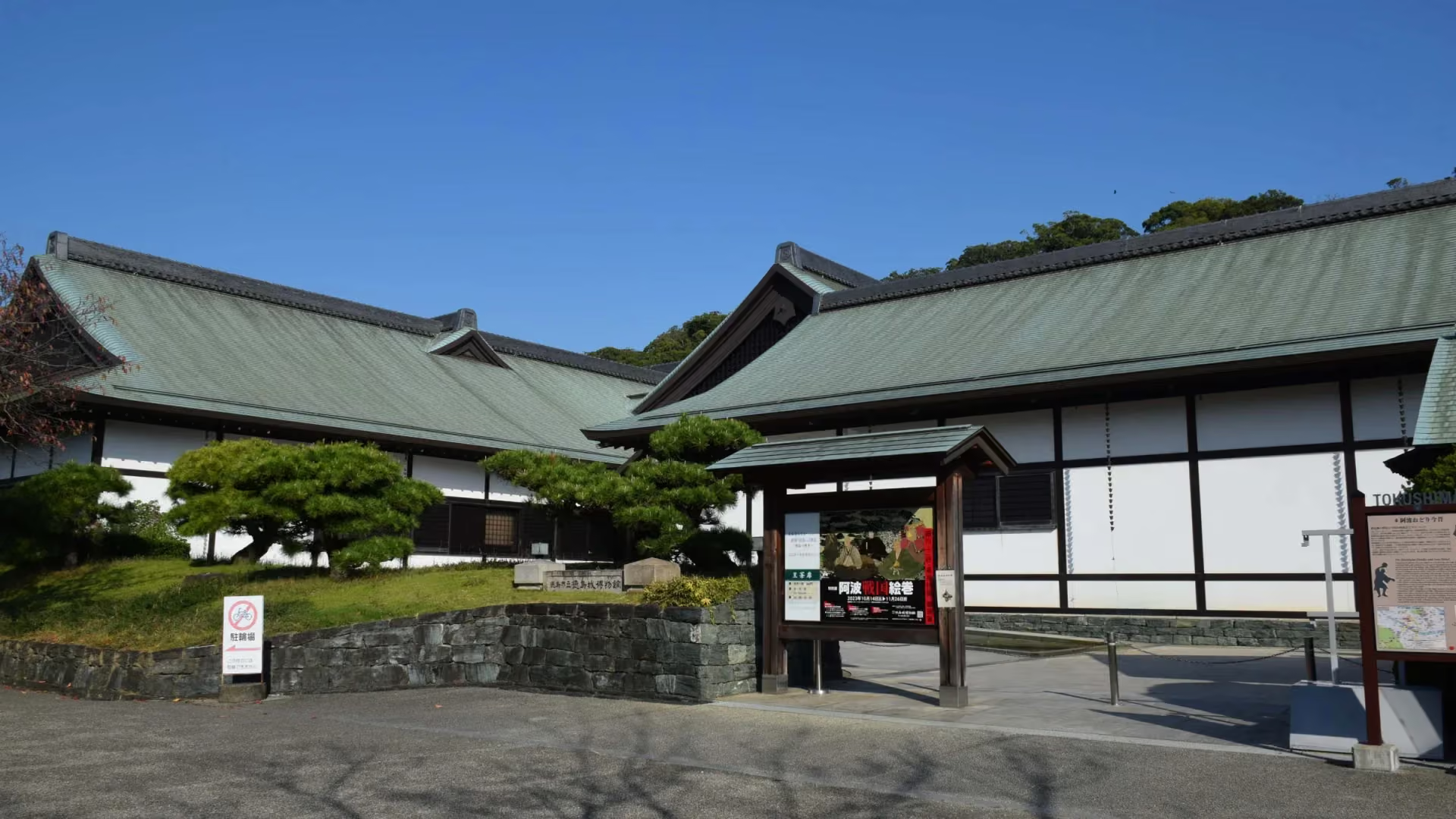
Hamamatsu · ShizuokaThe city museum on the site of Tokushima Castle's palace, telling the story of the Tokushima Domain and the Hachisuka family who ruled it.
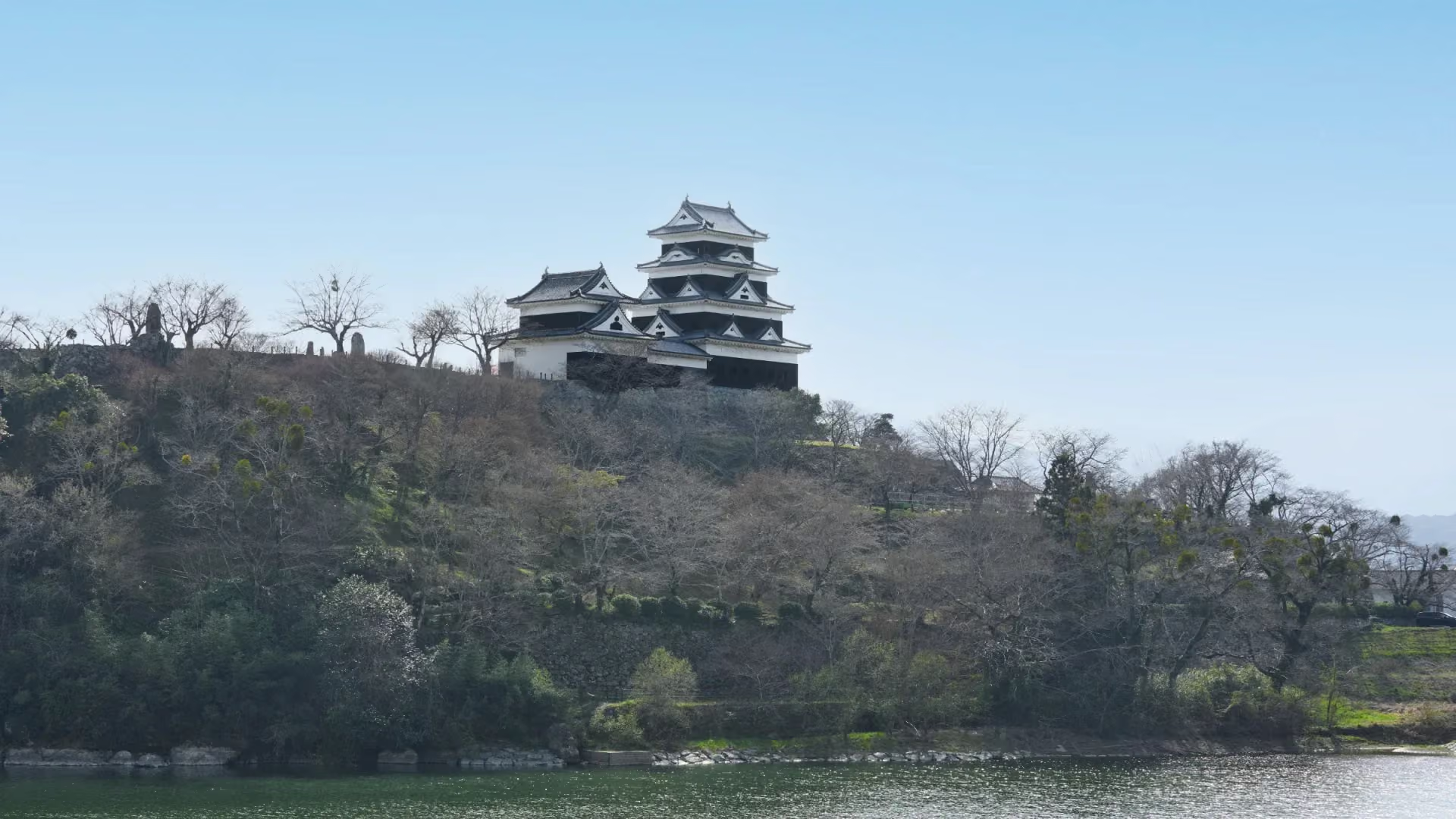
TokushimaA castle above the Hiji River at Ozu whose keep was rebuilt in wood in 2004, using the old drawings and photographs, alongside four surviving turrets.
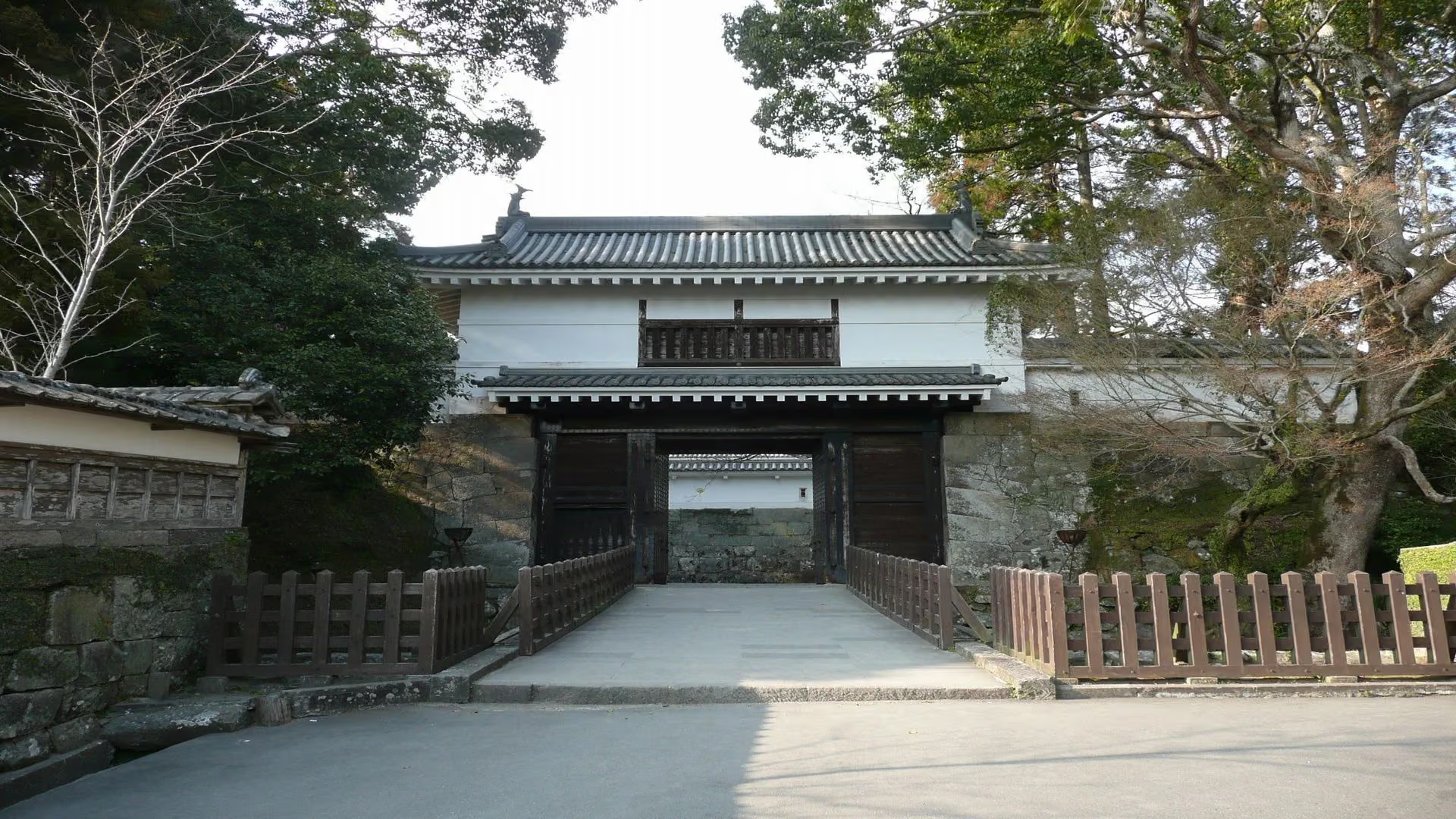
Ozu · EhimeObi Castle, ruled by the Ito clan for centuries, was completely refurbished in the late 1970s along with its surrounding castle town.
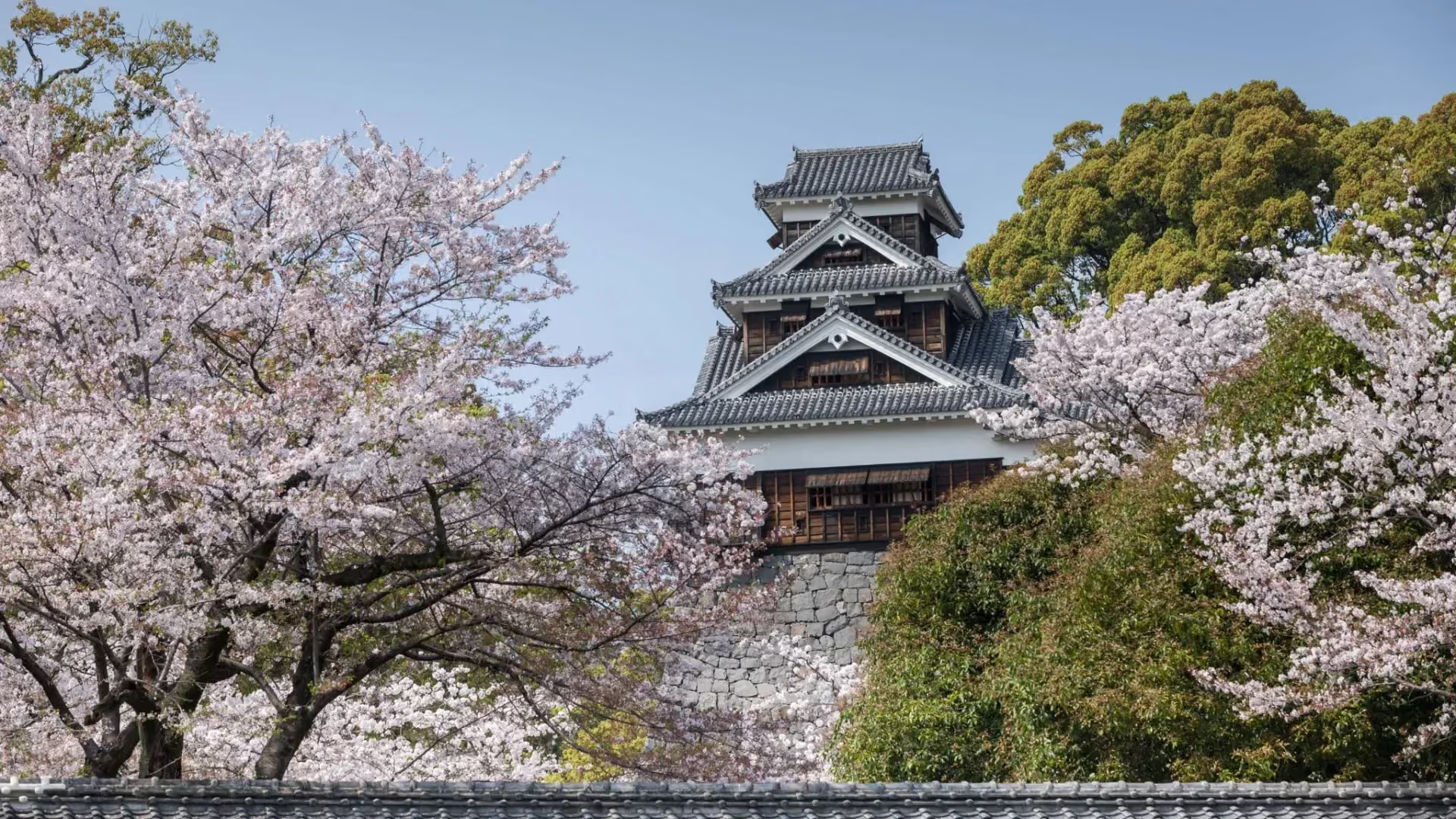
Nichinan · MiyazakiKnown as the Black Castle, Kumamoto Castle is famed for its stone walls and architecture, and is open to visitors again after earthquake restoration.
Kumamoto