ARTE TOKYO
アルテ・トーキョー
A new autumn and winter arts festival in Tokyo, with outdoor works, circus and night events across Odaiba, Hibiya and Marunouchi, and Yoyogi and Shibuya.
〒 135-0091How to get there
お台場海浜公園Yurikamome4 min walk from the station
〒 100-0005How to get there
有楽町Chiyoda Line · Hibiya Line · Keihin-Tohoku Line · Toei Mita Line · Yamanote Line · Yurakucho Line1 min walk from the station
〒 151-0052How to get there
原宿Chiyoda Line · Fukutoshin Line · Yamanote Line3 min walk from the station
ARTE TOKYO, the Tokyo International Festival of Arts and Culture, is a festival held for the first time in the autumn and winter of 2026. It is organized by the Tokyo Metropolitan Government and the festival's executive committee. It brings together the art, theater, music, illuminations and entertainment staged across Tokyo in that season and presents them as one festival of the city. Its own works are placed in streets, parks and along the waterfront, in three core areas: the bay area around Odaiba, Hibiya and Marunouchi, and Yoyogi and Shibuya.
The festival opens with ARTE TOKYO CIRCUS, contemporary circus and street performance directed by Tanaka Michiko, staged in the open city rather than under a tent. After the opening in Odaiba, with live music, aerial acts, a Cyr wheel (a large single ring that a performer rolls and spins inside) and acrobatics on a 6-meter frame, the circus goes on to perform in each of the core areas.
The bay area
In the bay area, the festival runs alongside TOKYO ATLAS, an international art exhibition across Daiba, Aomi and Tennozu. It treats the water of Tokyo Bay, the lights of the towers and the sea wind as a single stage. The works include Alloscape by Daito Manabe and Kyle McDonald, produced by Rhizomatiks, which builds a second landscape from the waves, wind, clouds, light and people of Odaiba Beach. On the same beach hangs a giant hammock by the architect Nagayama Yuko, its net knitted from yarn recycled from discarded fishing nets. A special boat service, ARTE TOKYO CRUISE, links Odaiba Marine Park and Tennozu Pier by water.
Hibiya and Marunouchi
Hibiya and Marunouchi is an area of offices, shopping streets, squares and parks. Here the works are set into the everyday streets, to make passers-by see a familiar place in a new way. They include a sculpture by magma that gives form to a spirit watching over Hibiya, and a large video installation by exonemo at Tokyo International Forum about the unseen links of the information society. On Gyoko-dori, figures made of air take human shape, and a long bench made of separate pieces joins the scale of the street to the scale of the people sitting side by side.
Yoyogi and Shibuya
In Yoyogi and Shibuya, Yoyogi Park, where the fountain area is being renewed, serves as the hub linking Shibuya with Harajuku and Omotesando. The works in the park include the face of a real person floating in the sky, by the art group mé, and a straight line of 100 fluorescent lamps, 64 meters long, by Tamayama Takuro, that runs through the trees. Other works stand at the United Nations University and on the site of the former Children's Castle. The illumination Yoyogi Forest of Lights is one of the highlights of the area.
Hamarikyu Gardens
As a special project of the festival, the art collective teamLab holds a night-time outdoor exhibition, teamLab: Hama-rikyu Gardens, in Hamarikyu Gardens, which is designated both a Special Place of Scenic Beauty and a Special Historic Site. It is produced by Sugiyama O, who has made many projects in the city that combine art and technology. The garden opened to the public in 1946, and the festival year is its 80th.
Beyond its own programs, the festival lists more than 100 partner programs across Tokyo in five genres. Its highlights include the illuminations of Marunouchi, Hibiya, Omotesando and Odaiba.
Getting There


You might also like
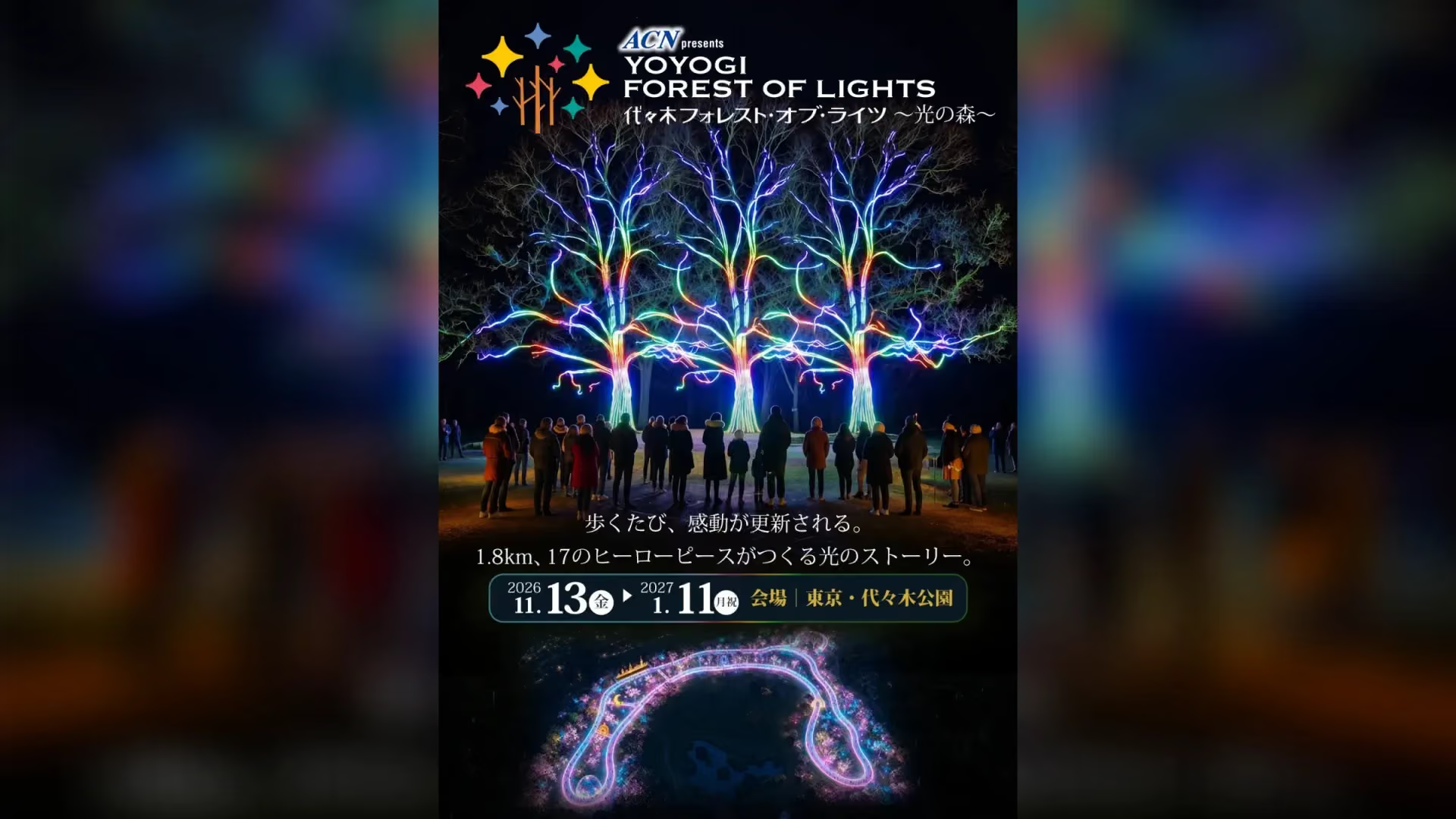
Yoyogi Forest of Lights
A 1.8 km walk-through illumination in Yoyogi Park, with 17 zones of light and music, modeled on the winter illuminations held in European parks.
13 Nov 2026 – 11 Jan 2027Tokyo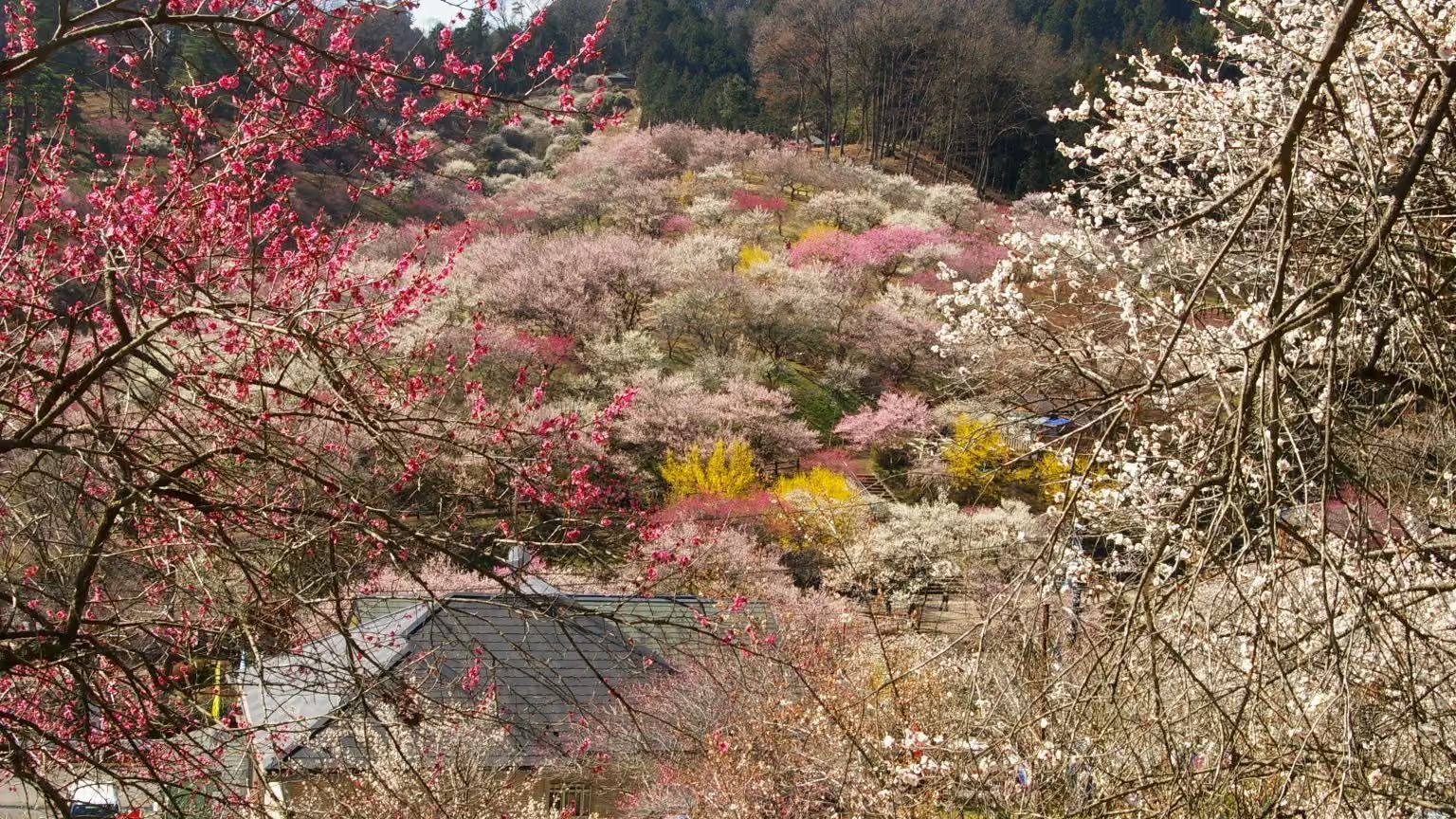
Yoshino Baigo Plum Blossom Festival
A plum blossom festival in Ome's Yoshino Baigo, a plum village replanted from 2016 after plum pox, with Umeno Park as its main venue.
21 Feb – 22 Mar 2027Exact date not confirmed yetOme · Tokyo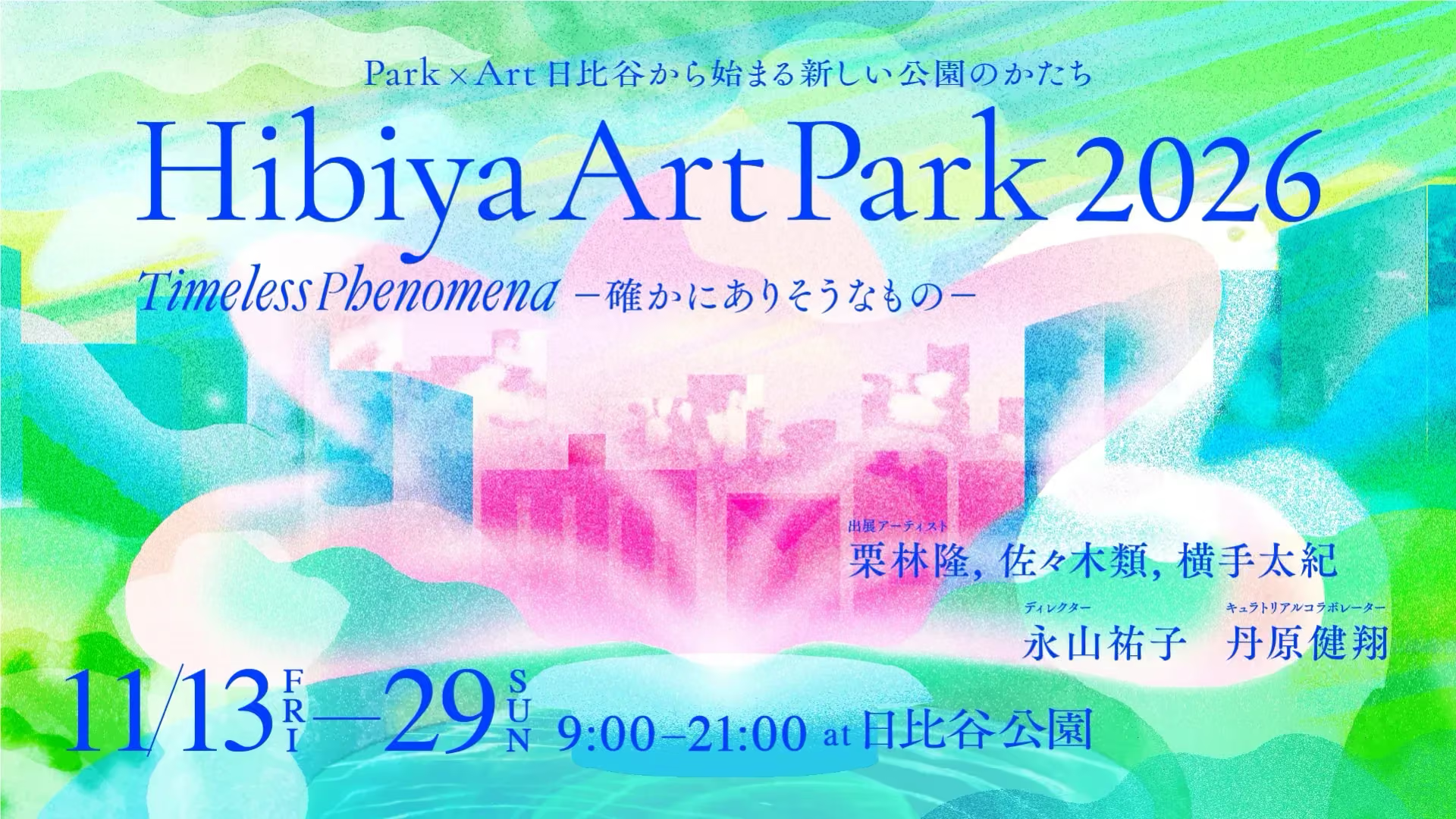
Hibiya Art Park 2026 - Timeless Phenomena
Three artists set work through Hibiya Park in Tokyo for seventeen days in November, in a programme run by the city alongside its flower and light displays.
13–29 Nov 2026Tokyo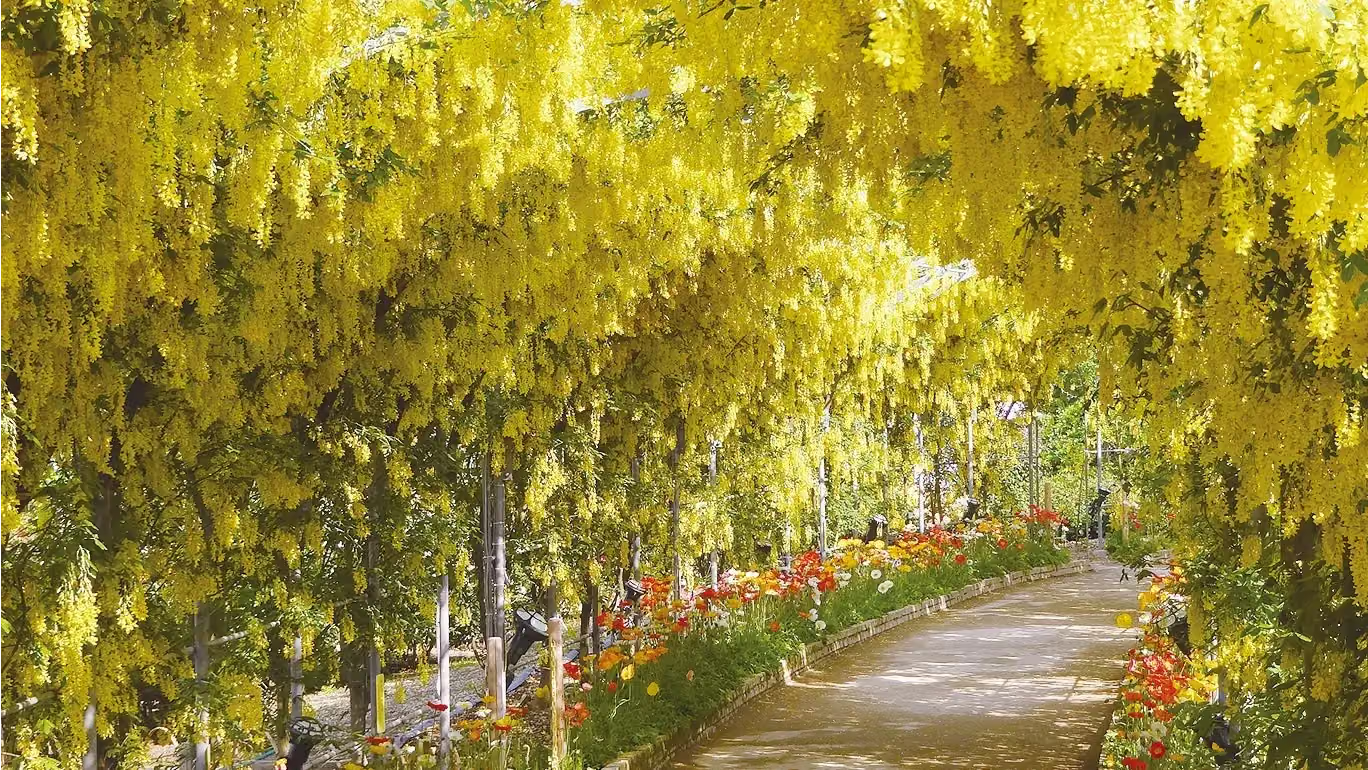
Ashikaga Flower Park
Ashikaga park with pink, purple and white wisteria, a wisteria tunnel, rose and tulip gardens, and night illuminations counted among Japan's three greatest.
Ashikaga · Tochigi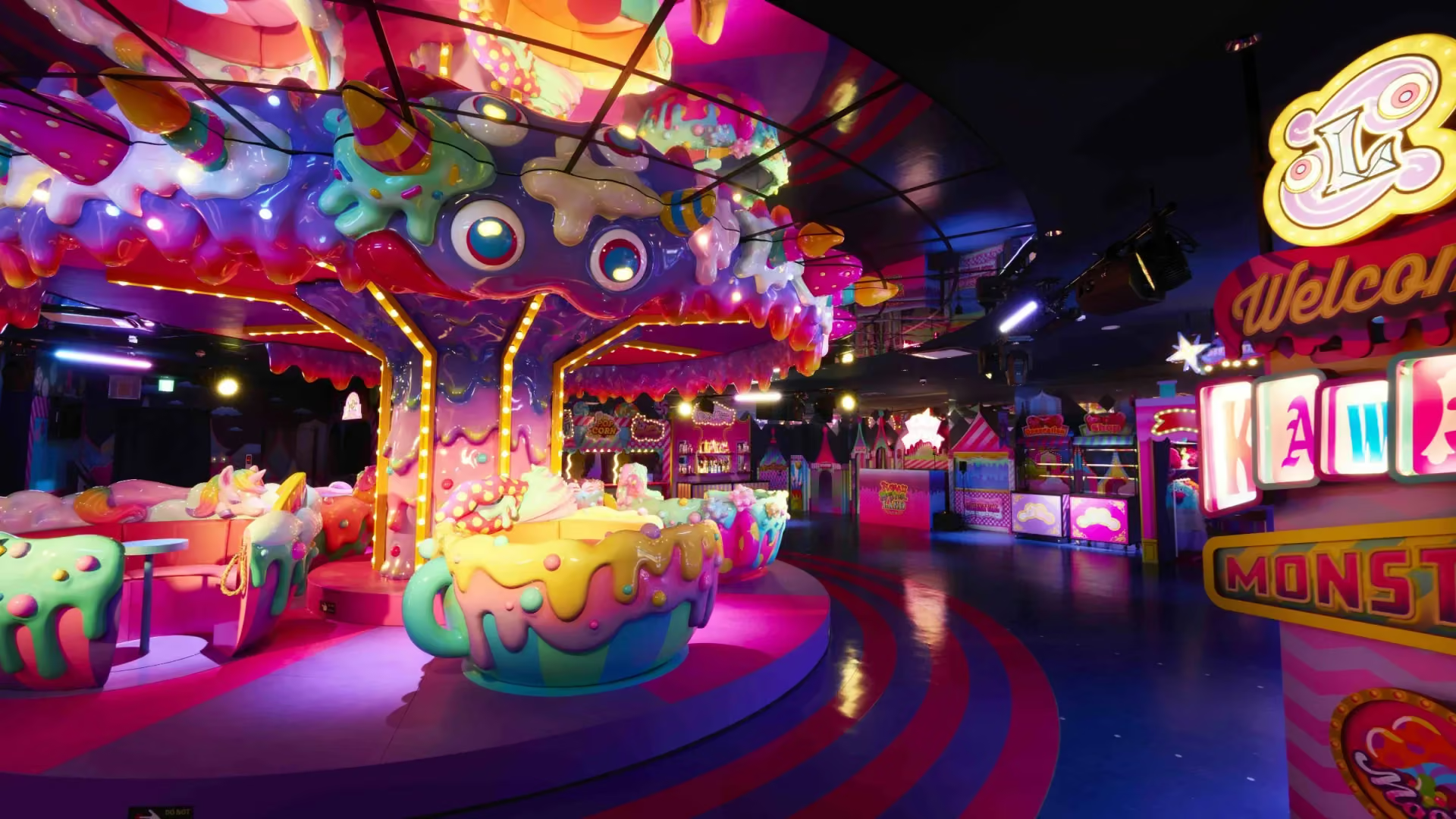
KAWAII MONSTER LAND - HARAJUKU
An indoor KAWAII amusement park beneath Takeshita Street in Harajuku, with shows by the Monster Girls, games, themed food and a dress-up photo house.
Tokyo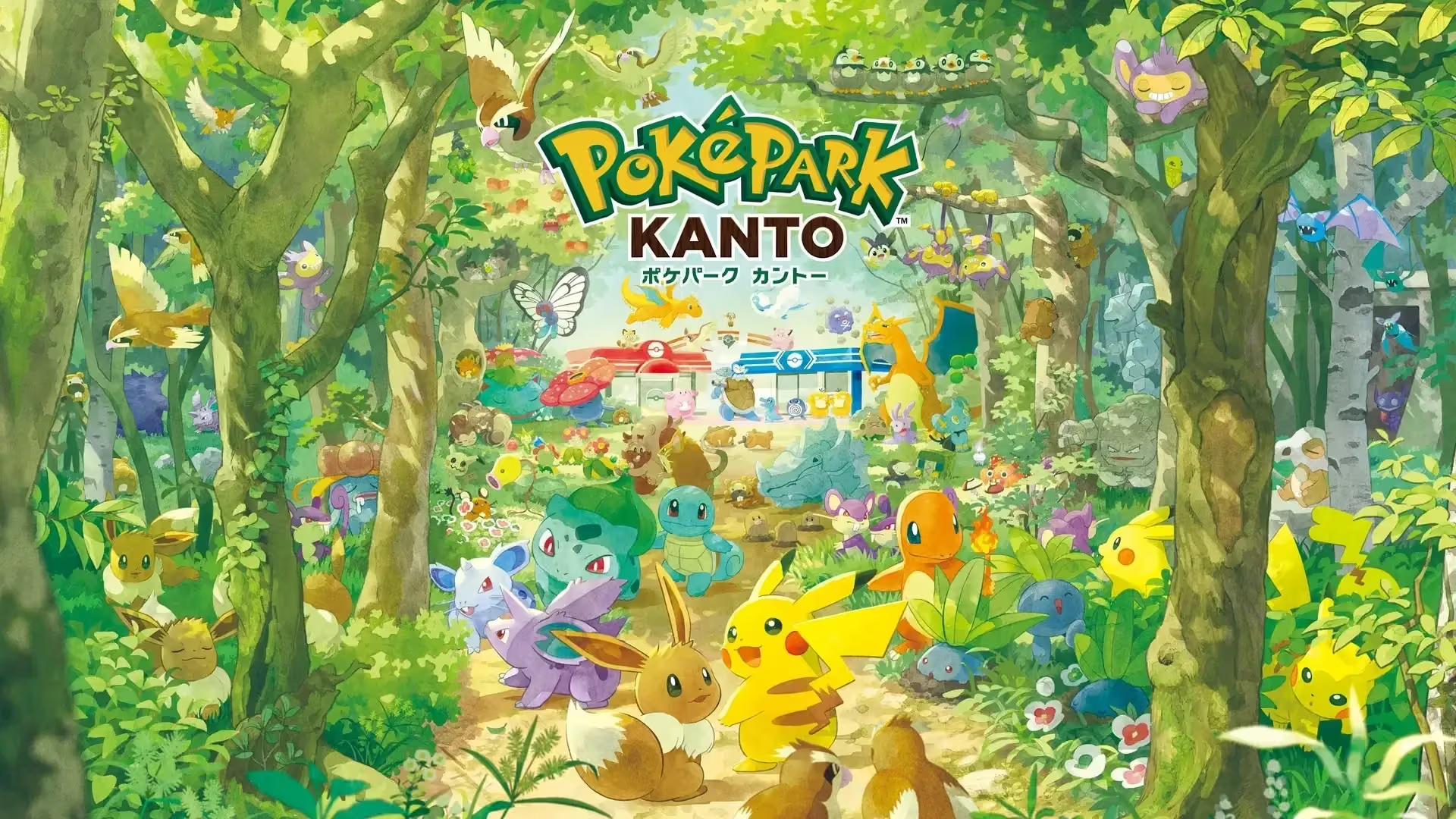
PokéPark KANTO
The first permanent outdoor Pokémon park, at Yomiuriland, with over 600 Pokémon across two zones: a forest trail and a town, each shown in their habitats.
Tokyo