Atsukishinmei Festival
阿月神明祭
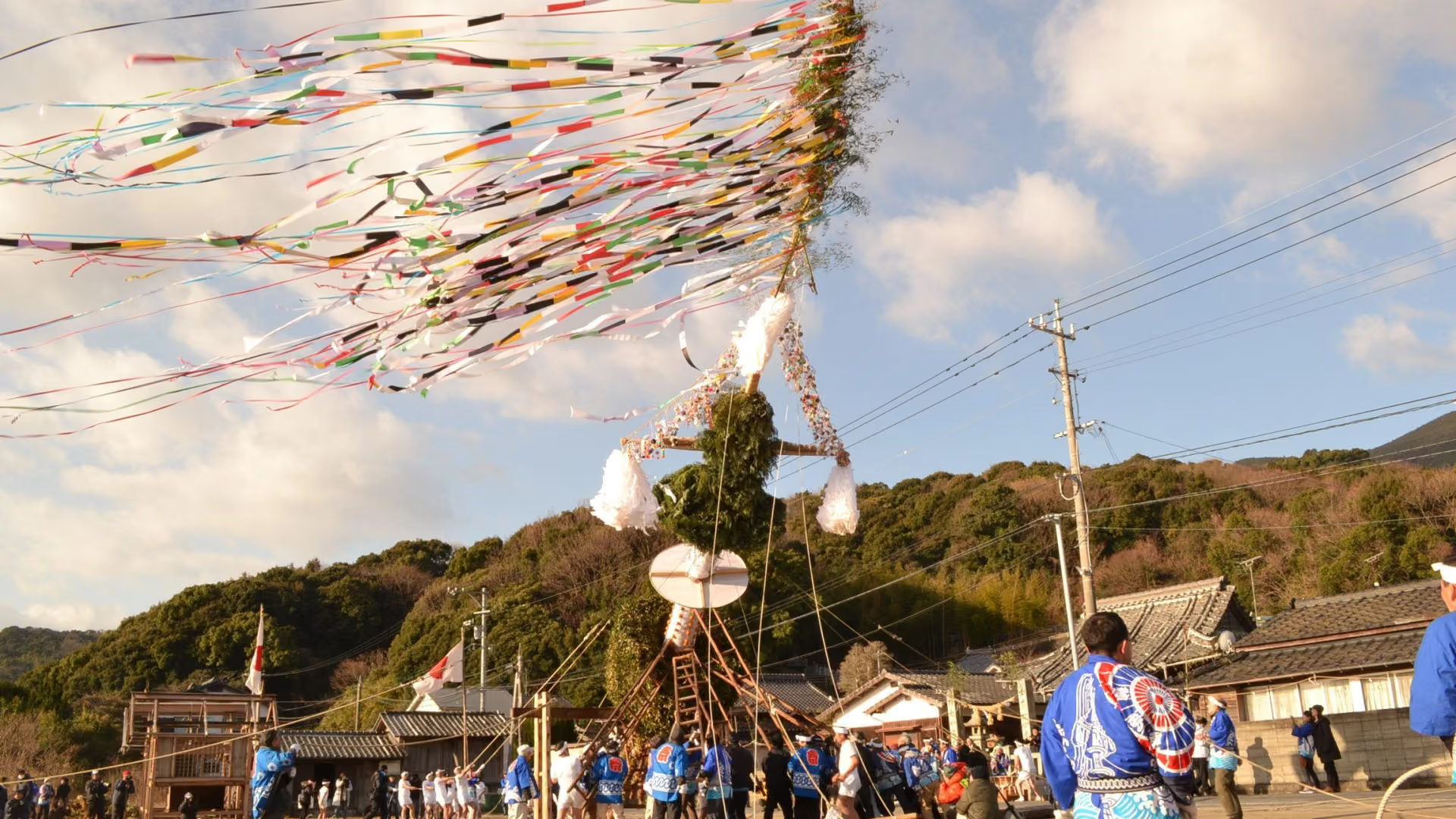
Two sacred pillars about 20 metres tall are raised on the beach in the morning, honoured with drums and dances through the day and set alight after dark.
Times are provisional. In 2026 the pillars were raised at 8:00 (east) and 8:30 (west) and set alight at 18:20 (east) and 19:00 (west).
〒 742-1353How to get there
柳井港San-yo Main Line100 min walk from the station
The Atsukishinmei Festival is a fire festival held on the beaches in front of the East and West Shinmei Shrines (Higashi Shinmeigu and Nishi Shinmeigu) in Atsuki, a district on a peninsula of Yanai. Each shrine raises its goshintai (御神体), the sacred body of the festival, as a pillar about 20 metres tall, and burns it after dark. The festival is a nationally designated Important Intangible Folk Cultural Property.
History
According to Yanai City, the festival began in 1644, when Ura Narimasa (浦就昌), tenth head of a family descended from the Kobayakawa clan of Aki Province, was moved from Kaminoseki to Atsuki. It is said to join three strands: sagicho (左義長), a New Year fire rite of the imperial court known among ordinary people as tondo; faith in the Ise Shrine spread by its travelling priests, the oshi (御師); and the war-god rites of the Kobayakawa family.
It was first a rite of Little New Year, in the middle of the first month of the old lunar calendar, and is now held on a public holiday in February. Yamaguchi Prefecture designated it an Intangible Folk Cultural Property in 1981, and the national designation followed in 2009.
What happens
The pillars are made by the community in the weeks before: the materials are cut in late January and the pillars are wound together on the beach. On the festival morning, young men purified and dressed in white carry sake barrels slung from poles through the streets. At the sound of a conch shell the two pillars are hauled upright in the okoshitate (起し立て).
In the afternoon, Shinmei drumming (神明太鼓) and the nagamochi joge (長持じょうげ) are offered, followed by the Shinmei odori (神明踊り) dances, which are performed again in the evening. The festival ends with the hayashikata (はやし方), when each pillar is set alight with prayers for good health and a good harvest through the coming year.
Getting There

Planning a trip? Fit this into a trip and Oni plans the rest around it.
You might also like
Kurakake Castle Festival
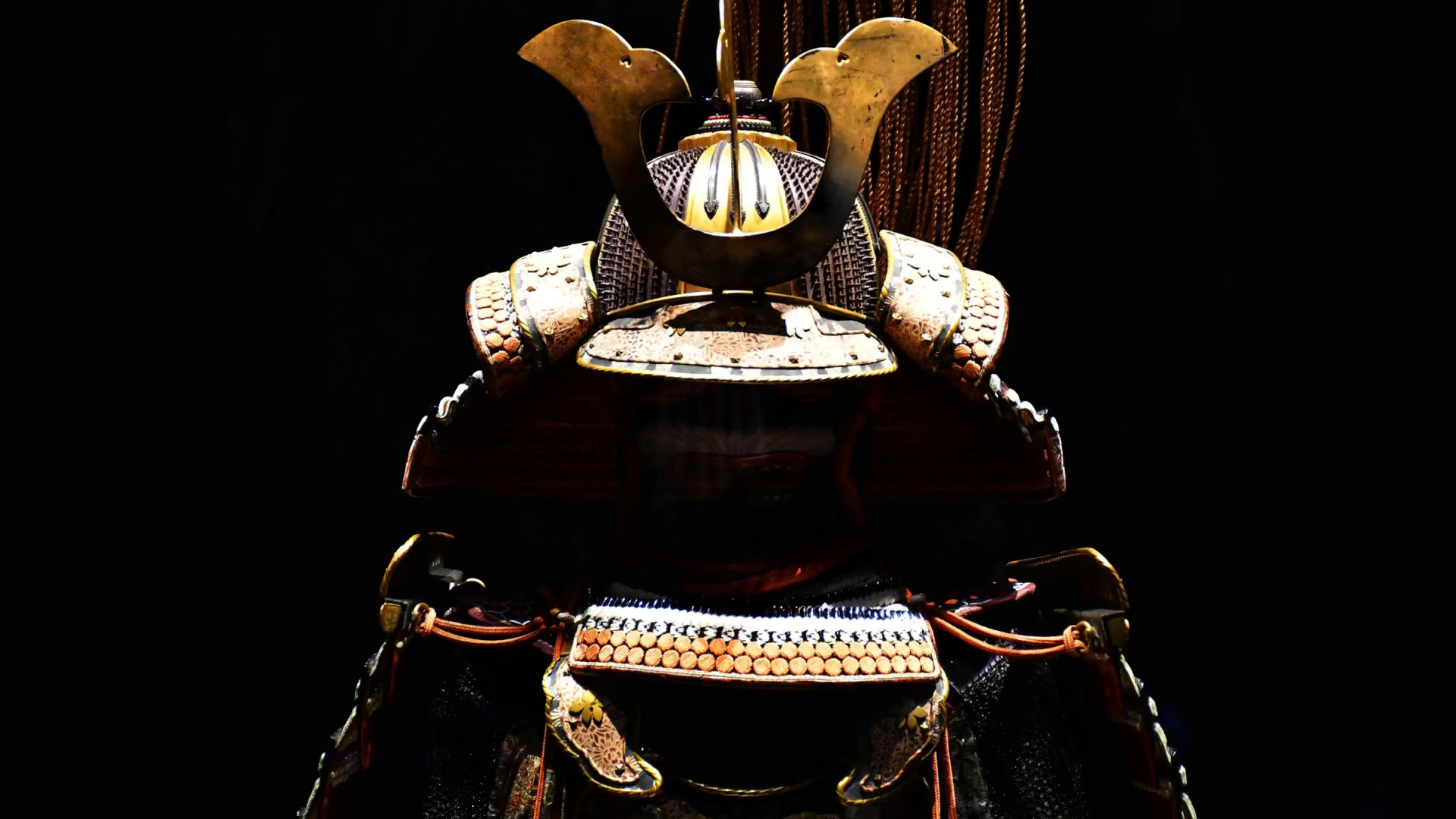
A festival in Kuga, Iwakuni, built around a re-enactment of the Battle of Kurakake, with armored warriors, taiko drumming, kagura dance and a rice cake throw.
22 Nov 2026Iwakuni · Yamaguchi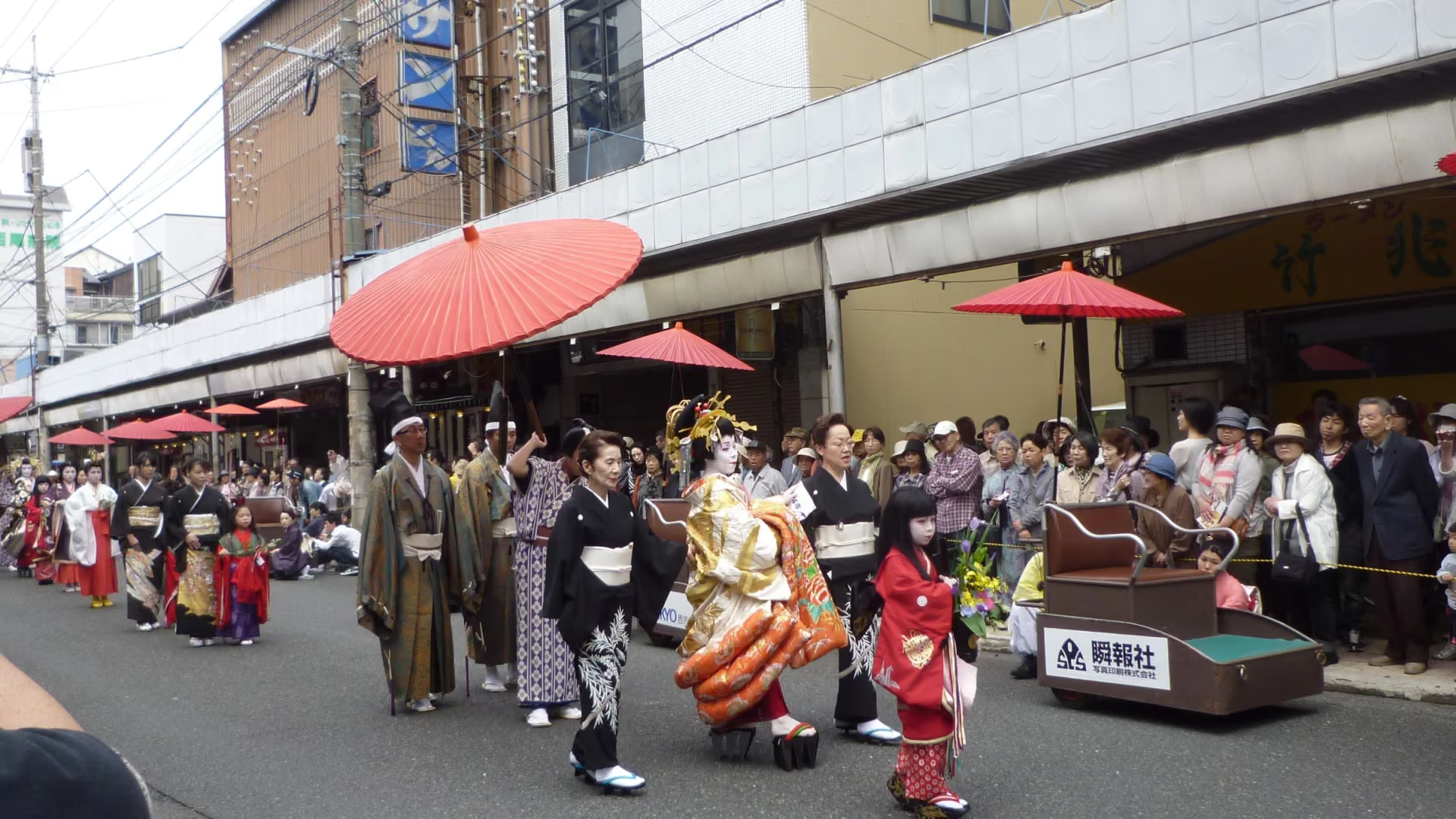
Senteisai festival (Akama-jingu Shrine)
Three days of rites at Akama Jingu in Shimonoseki in memory of the child emperor Antoku, with a procession of women dressed as high-ranking courtesans.
2–4 May 2027Shimonoseki · Yamaguchi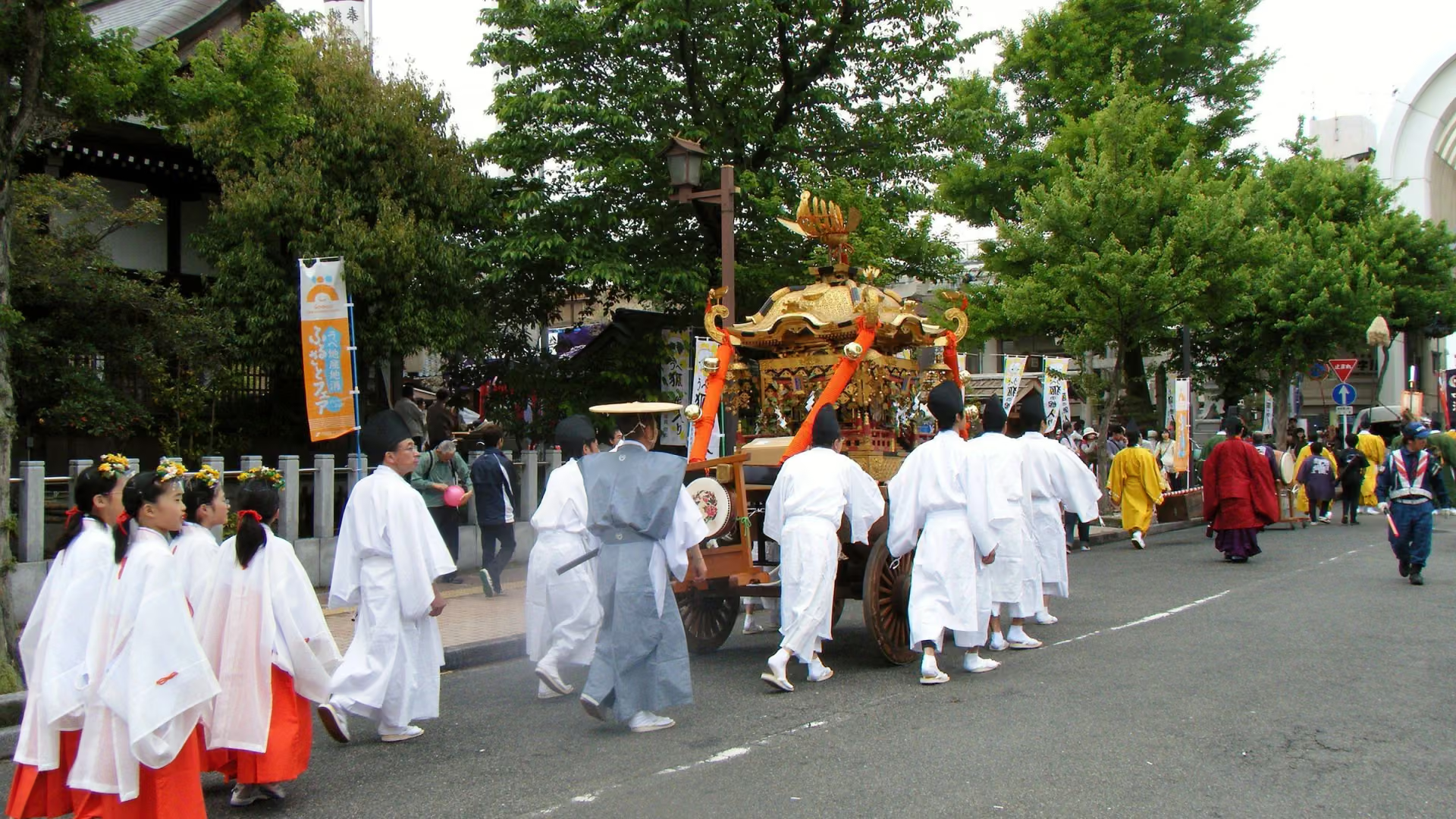
Shinkawa Market Festival
A one-day festival in central Ube with a street market, yosakoi dancers, a relay race and the portable shrine of Nakatsuse Shrine on a car-free Route 190.
5 May 2027Exact date not confirmed yetUbe · Yamaguchi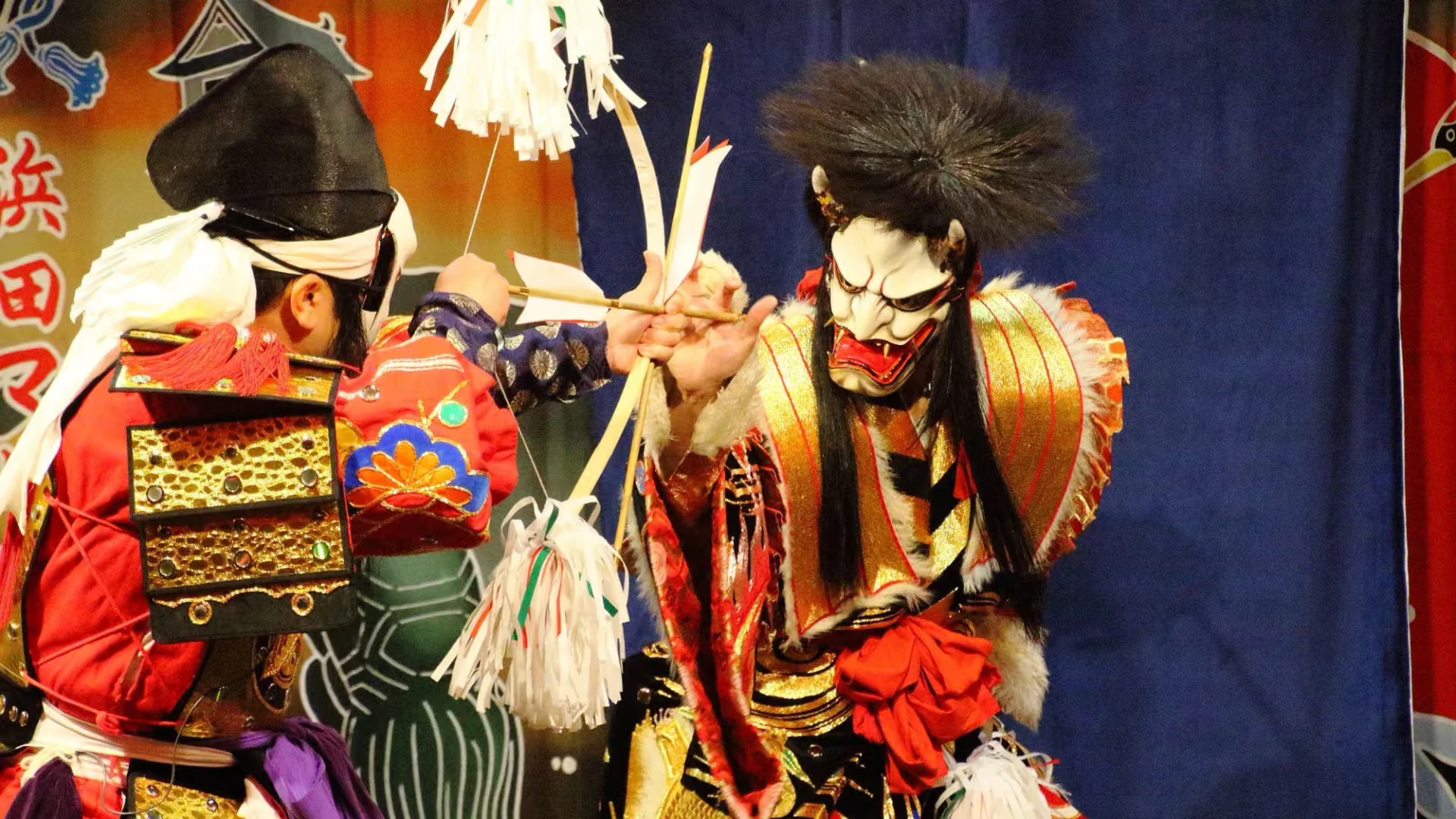
Iwami Kagura
Each autumn in western Shimane, shrine stages host Iwami Kagura - sacred dances performed through the night, from ceremonial pieces to a battle with a serpent.
Shimane · Chugoku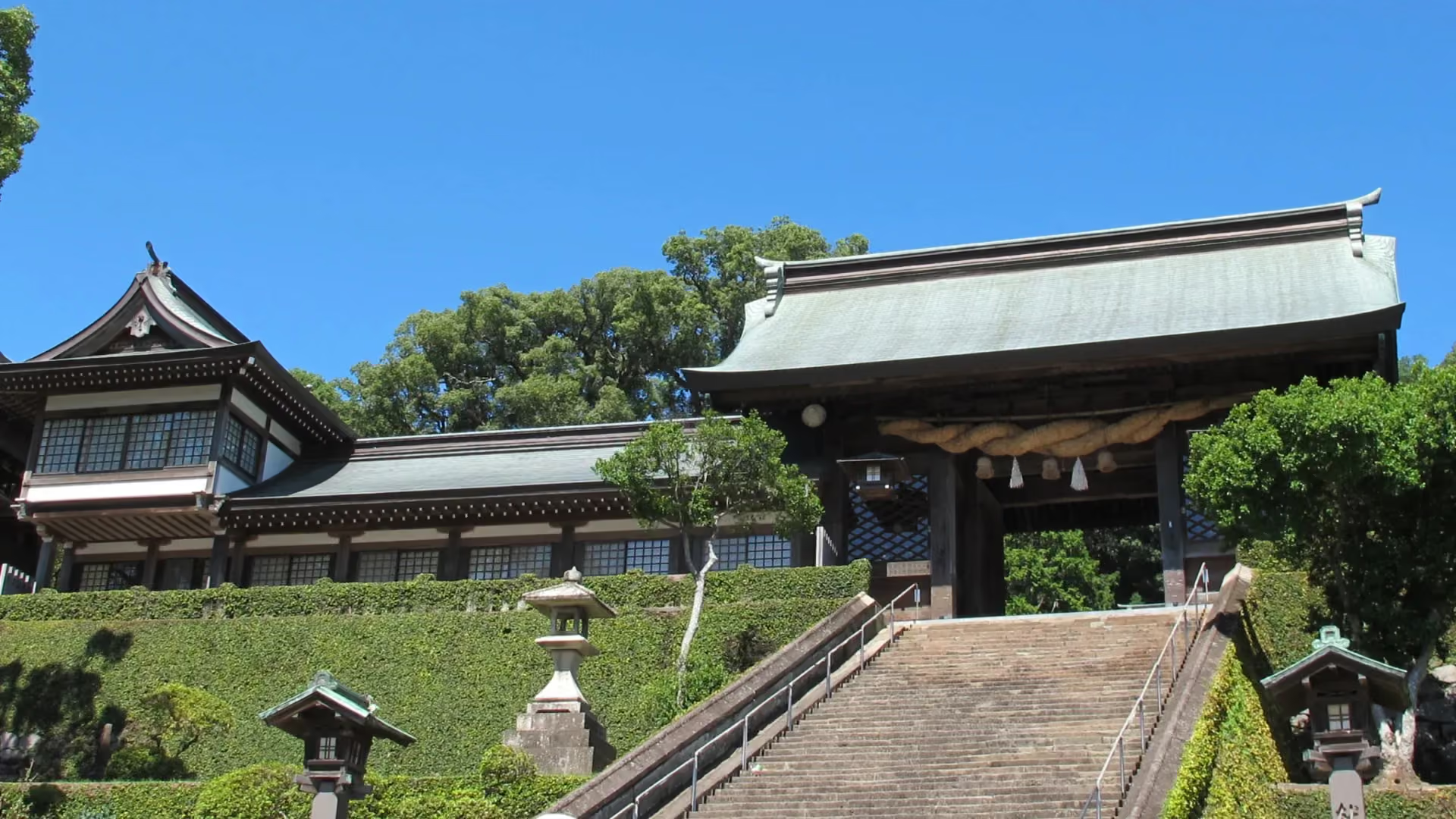
Suwa Shrine
The tutelary shrine of Nagasaki, re-established in 1625 after the city had been church land, and home of the Kunchi festival.
Nagasaki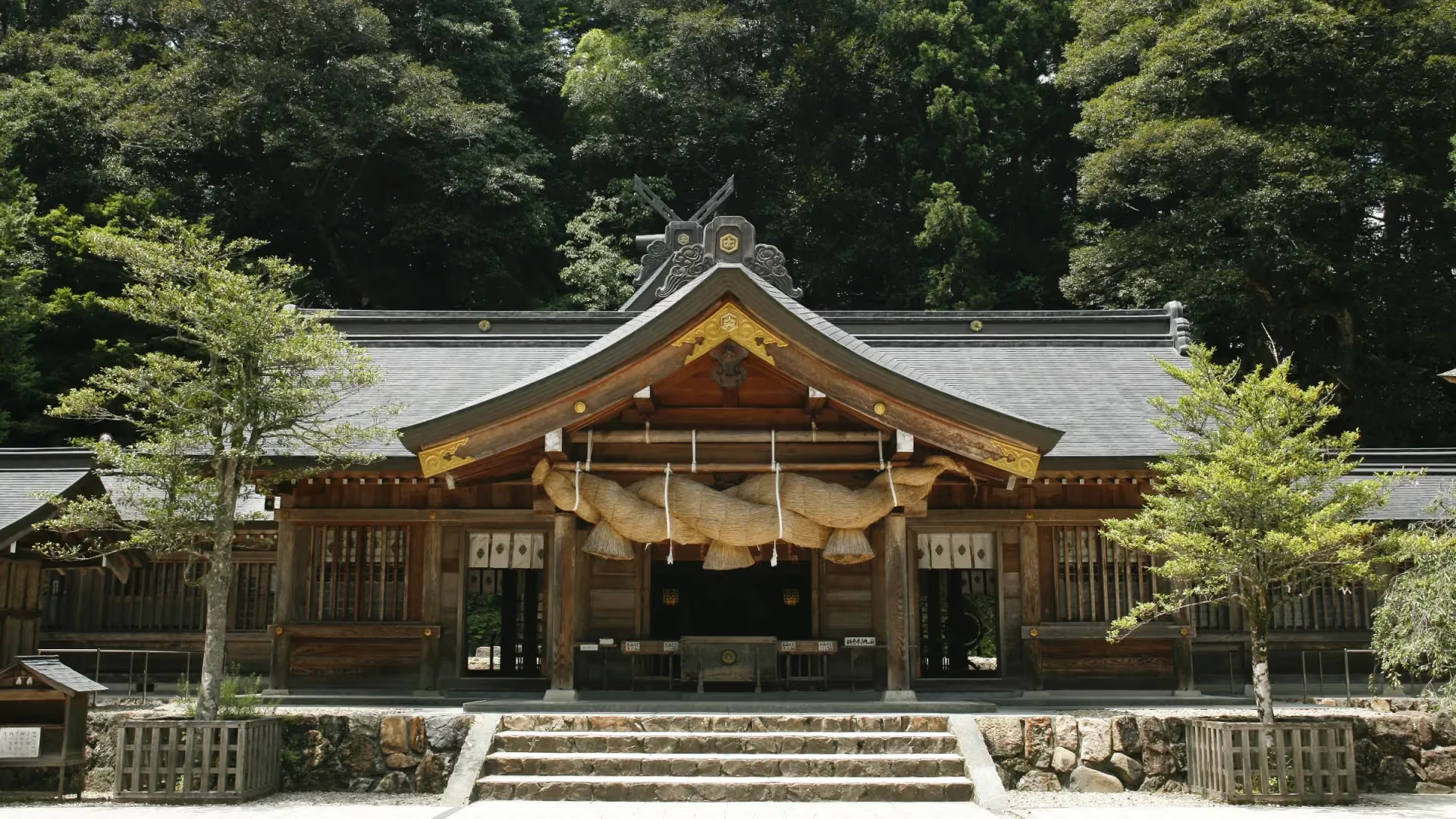
Kumano Taisha
The ichinomiya of old Izumo, known as the shrine where fire first came into being in Japan, and keeper of the fire tools Izumo Taisha receives each October.
Matsue · Shimane