

Fussa Tanabata Festival
福生七夕まつり
One of western Tokyo's biggest summer festivals, where Japan's Tanabata star festival meets American base-town culture in a street of dazzling decorations.
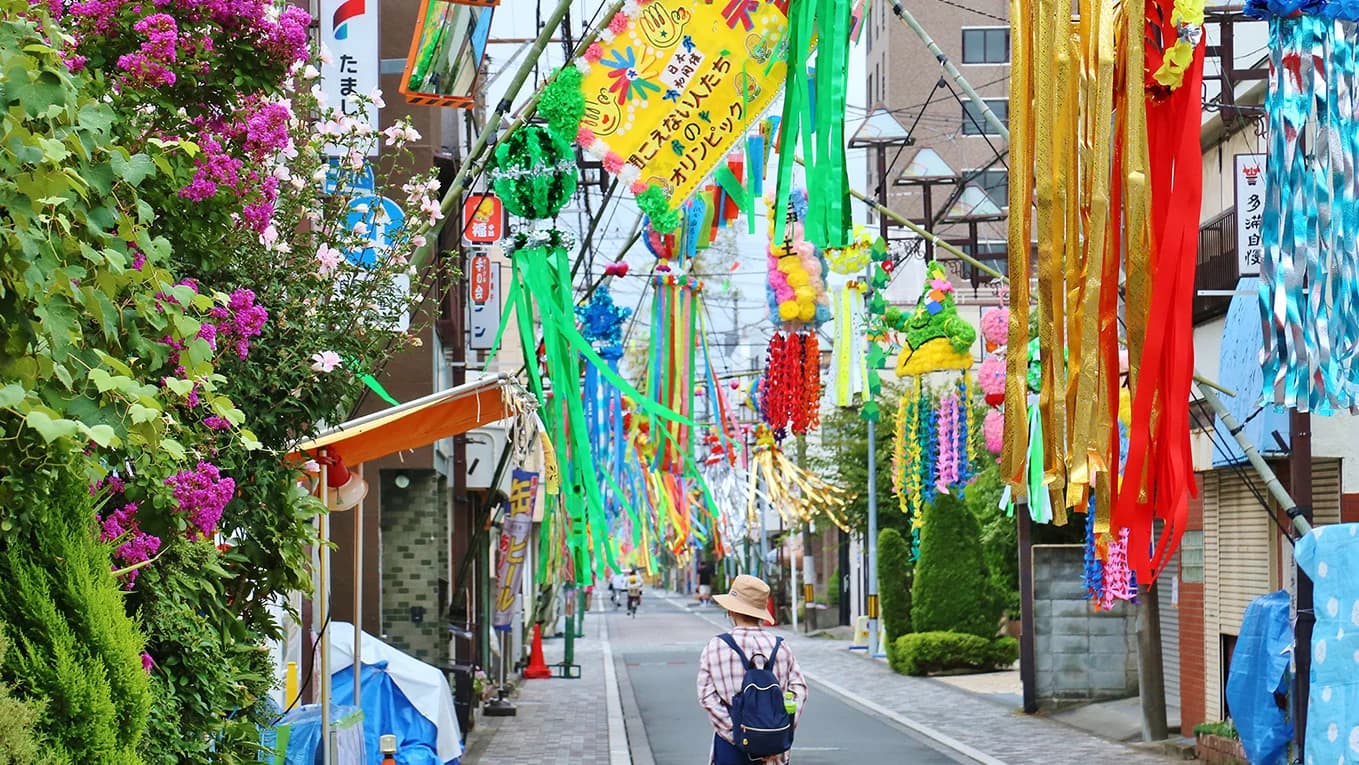
Every August, the town of Fussa on Tokyo's western edge throws one of the Tama region's biggest summer parties – and one of its most unusual. The Fussa Tanabata Festival draws around 400,000 visitors over three days to see the shopping streets buried under elaborate, colourful bamboo decorations. What sets it apart is the American flavour running right through it, a legacy of the town's neighbour: the US Yokota Air Base.
The festival was born out of postwar recovery. It began in 1951, inspired by the famous Tanabata festival in Sendai – where, even amid the ruins of the war, shopkeepers had raised tall bamboo and hung streamers to bring colour back to the burnt-out streets. A Fussa town official who saw it was so moved that he brought the idea home, and a small festival on the station-front shopping street grew into the sprawling event of today. The handmade bamboo decorations, still made by individual shops competing for a decoration prize, remain the heart of it – in places dense enough to arch right over the street.
Because Fussa sits right against Yokota Air Base, the festival is threaded with American touches – food, decorations, and a genuinely international street-food scene. Last year around eighty US service members even shouldered a mikoshi in the portable-shrine procession. It makes for a Tanabata unlike any other in Japan: traditional Japanese summer festival and American base town, side by side.
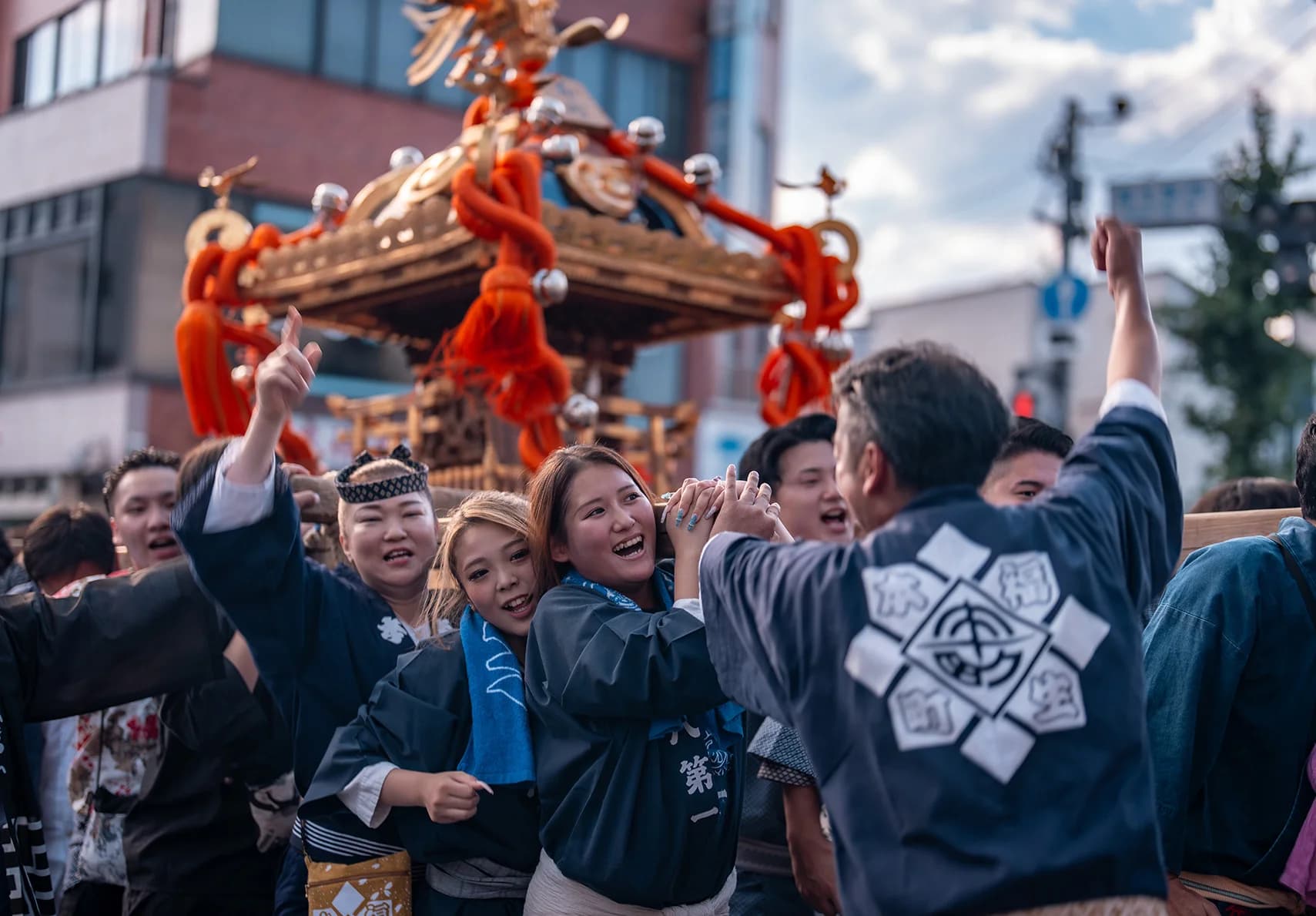
There's plenty happening across the three days. A folk-dance parade of some 800 dancers winds from the station toward the town hall on the opening evening, alongside a mikoshi and float parade by local neighbourhood groups. Saturday brings the festival's long-running Tanabata Orihime Contest, which crowns a "weaving princess" who then rides through the streets by rickshaw in a "Star Parade". There's a competitive litter-picking event (SpoGomi), first-ever photo spots on the weekend, and stage performances including idol and dance acts. And the food is a highlight in its own right: around 69 local stalls and 15 catering trucks, including Fussa's own local specialty, the "Fussa Dog". Keeping the whole thing lively is the city mascot, Takke, a mischievous bamboo-decoration sprite said to grant a wish if you high-five him.
You might also like
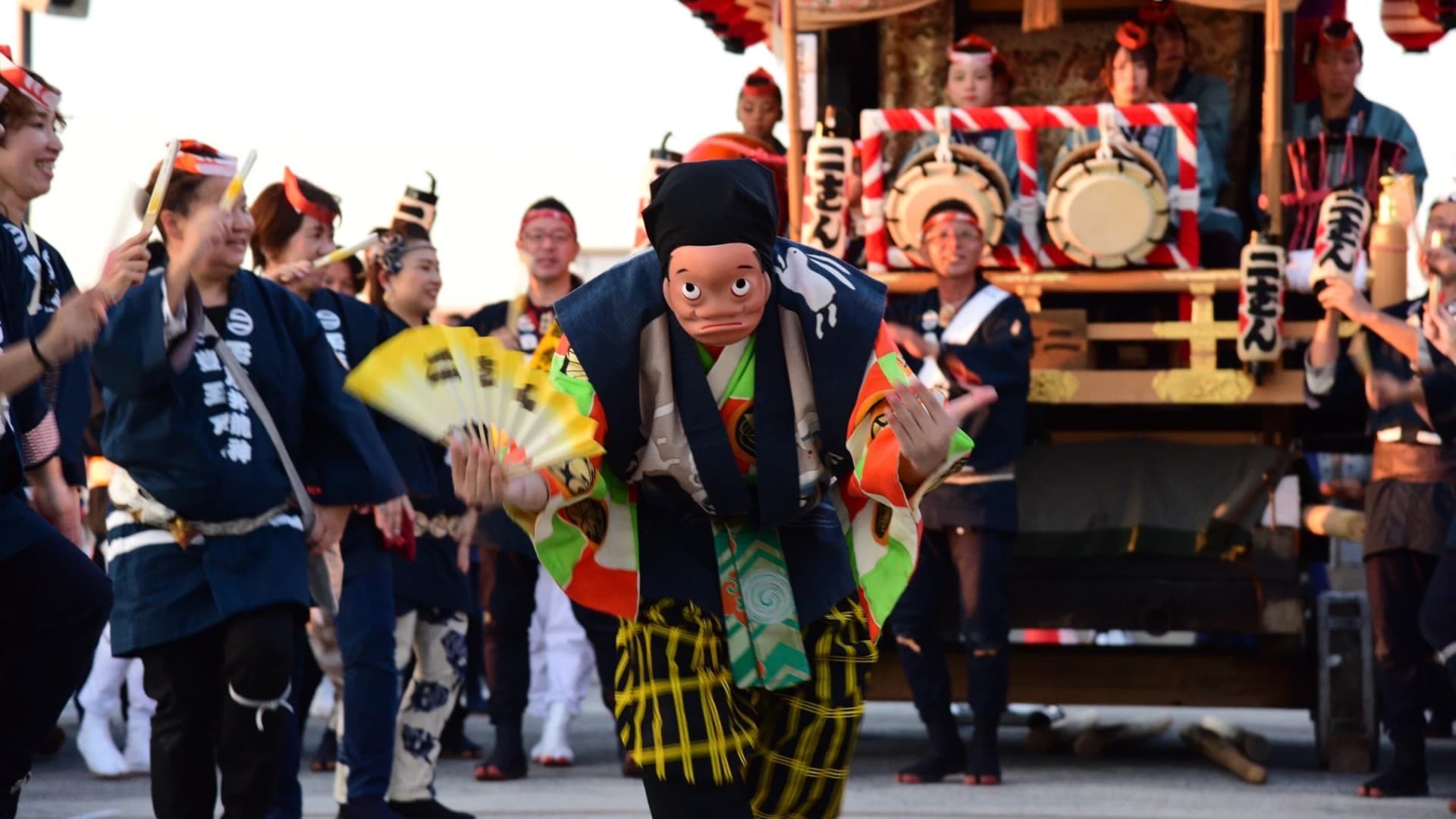
Sakura Autumn Festival
Each October the old castle town of Sakura fills with towering doll floats, portable shrines and Edo-descended music for three days of procession.
9–11 Oct 2026Sakura · Chiba
Ohara Hadaka Festival
The 'Naked Festival' features mikoshi carried into the sea, a boisterous parade through town, and shrines tossed high against fireworks and songs of joy.
23–24 Sep 2026Isumi · Chiba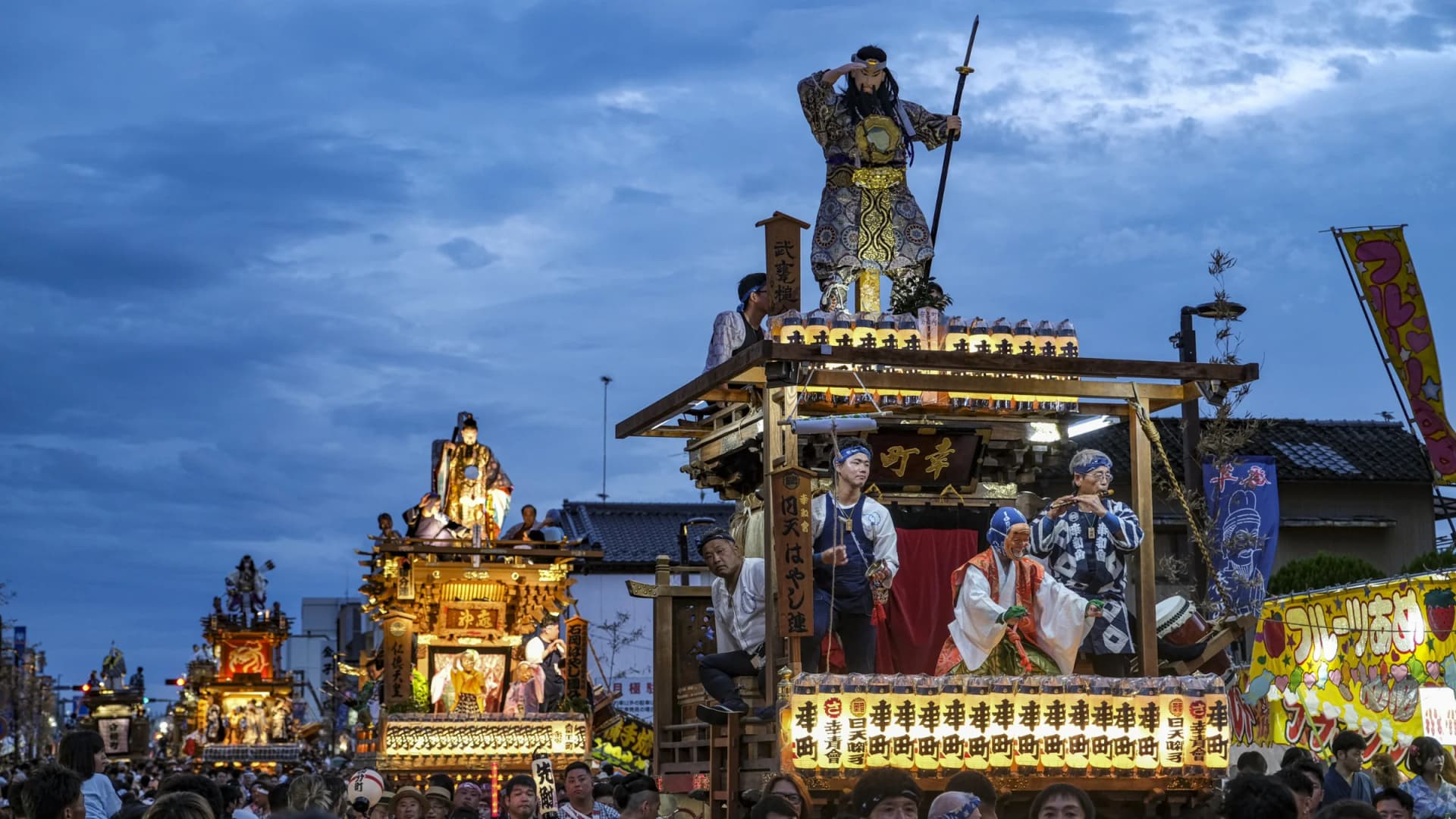
Ishioka Festival
Around thirty lion carts and twelve tiered floats fill central Ishioka for three days each September, at one of the three great festivals of the Kanto region.
19–21 Sep 2026Ishioka · Ibaraki
TOKYO JOYPOLIS
Tokyo Joypolis, Japan's largest indoor amusement park, features VR-enhanced thrill rides, rhythm-game coasters, arcade games, and anime-themed attractions.
Tokyo
PokéPark KANTO
The first permanent outdoor Pokémon facility features over 600 Pokémon across two zones: a forest trail and a town setting where visitors can discover creatures in their habitats.
Tokyo
THE JOJO WORLD
Official JoJo's Bizarre Adventure destination in Tokyo with interactive games, the Stand Ability Research Institute, themed cafe, and exclusive collectibles.
Tokyo