Jidai Festival
時代祭
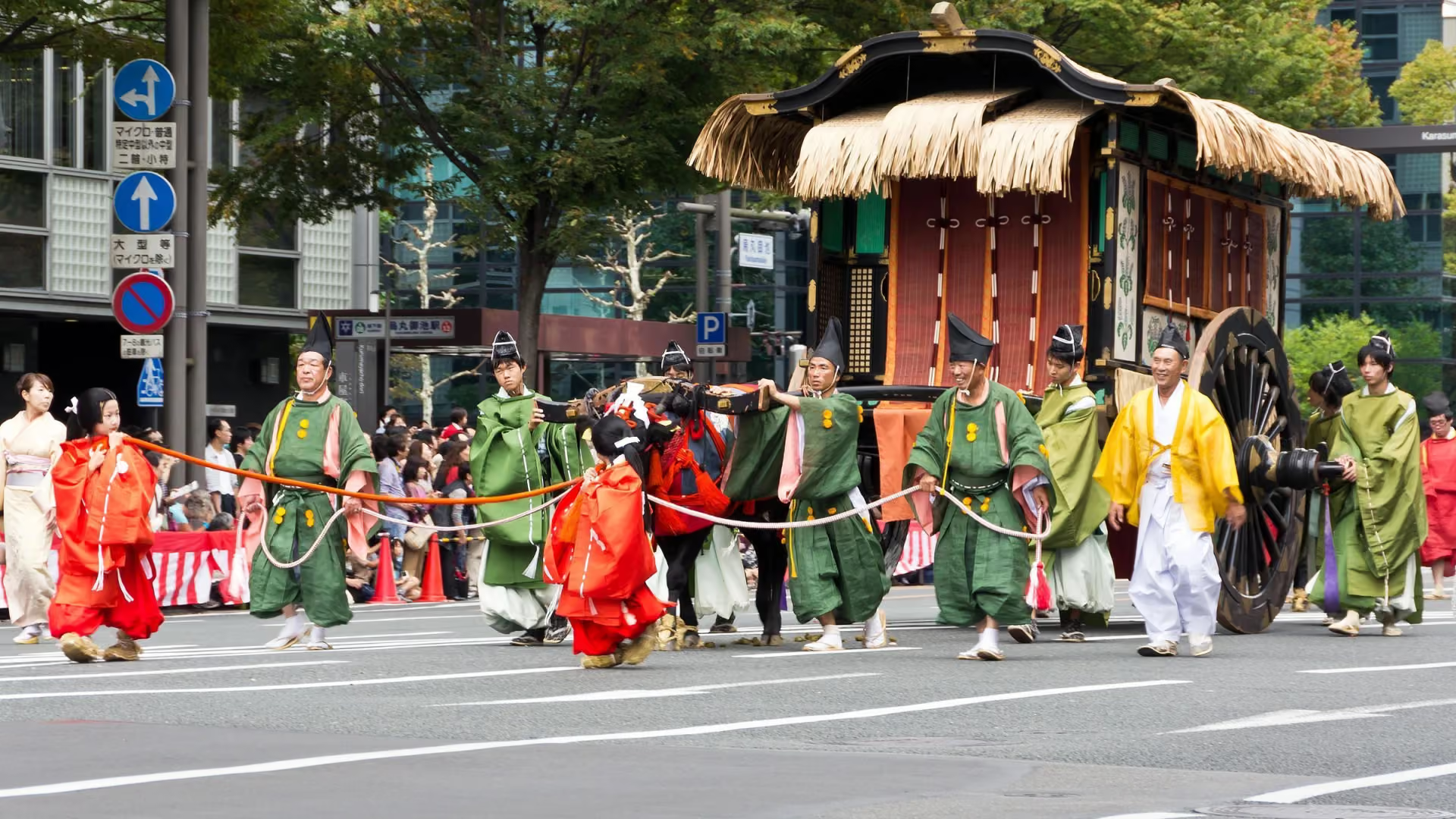
Kyoto's historical reenactment festival: costumed processions of figures from different Japanese eras travel from the Imperial Palace to Heian Shrine.
〒 606-8341How to get there
東山12 min walk from the station
〒 602-0881How to get there
今出川10 min walk from the station
The Jidai Festival, often referred to as the 'Festival of the Ages', is a cherished traditional Japanese event that takes place annually on October 22nd in the city of Kyoto. This festival, along with the Aoi Matsuri and Gion Matsuri, stands as one of Kyoto's three major festivals. Its central attraction lies in the vibrant historical reenactment parade where people of all ages don authentic costumes representing various periods and iconic figures from Japanese history.
The grand procession commences at the Imperial Palace and culminates at the Heian Shrine. It features the ceremonial transport of mikoshi, portable shrines, dedicated to two significant Emperors: Emperor Kanmu and Emperor Komei.
The roots of the Jidai Festival can be traced back to the Meiji Restoration in 1868, which saw the Japanese capital move from Kyoto to Tokyo. This monumental shift involved the relocation of the Emperor, the Imperial family, the Imperial Palace, and numerous government officials. Fearing the decline of Kyoto's prestige and the loss of interest from its citizens, the city and prefectural governments decided to commemorate the 1100th anniversary of the city's founding.
To honour this occasion, the city government constructed the Heian Shrine, a place of worship dedicated to Emperor Kanmu, the visionary leader who established Kyoto as Heian-kyo in 794. In 1895, the inaugural Jidai celebration took place. Later, in 1940, local authorities resolved that the Jidai Festival should also pay tribute to Emperor Komei (reign period 1846-1867) for his instrumental role in unifying the nation and solidifying Kyoto's status as Japan's heart at the end of the Edo period.
Getting There


Planning a trip? Fit this into a trip and Oni plans the rest around it.
You might also like
Gion Festival
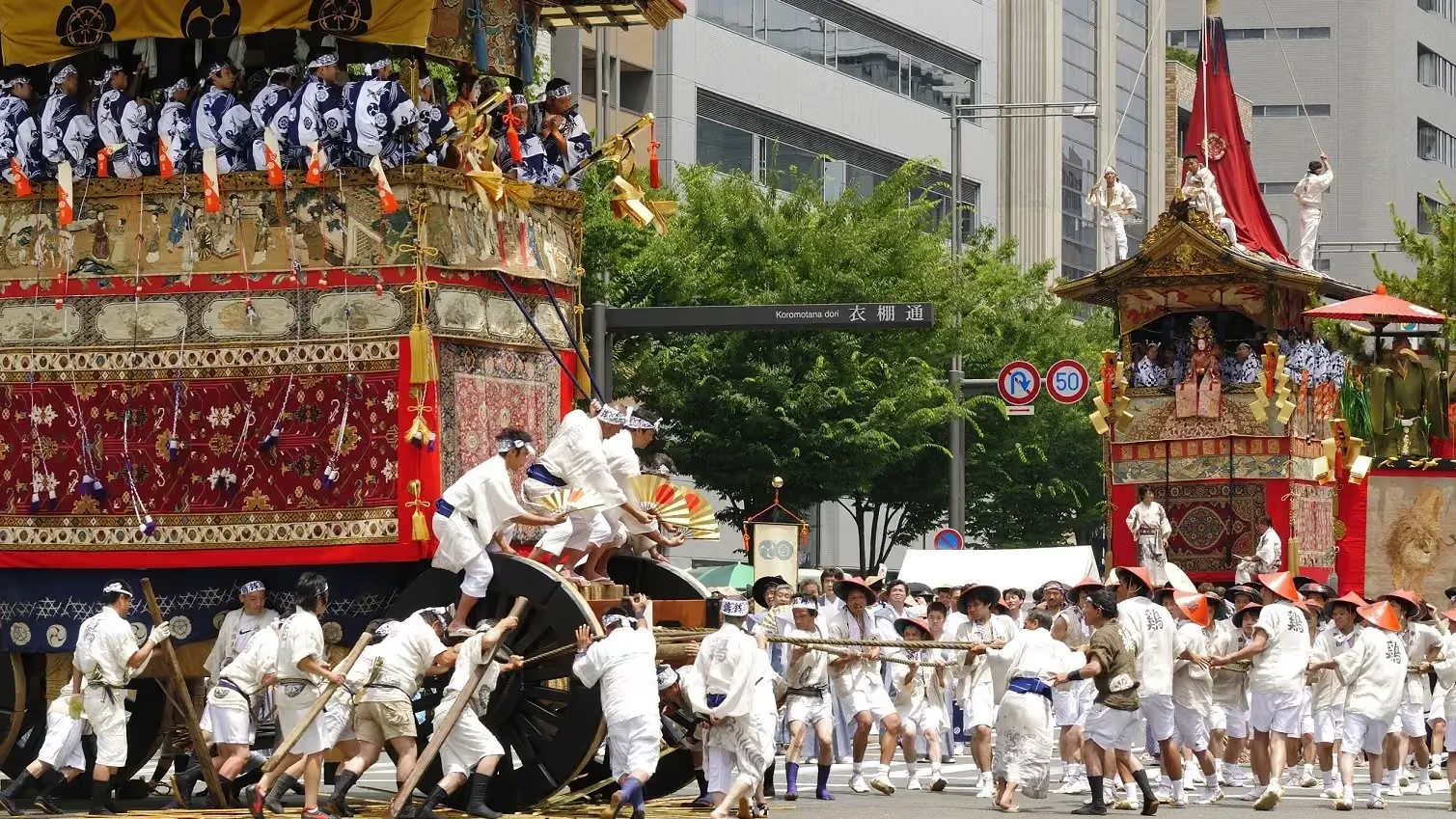
A month-long Kyoto festival centered on Yasaka Jinja Shrine, with sacred rituals, food stalls and illuminated floats, ending in a grand procession and parade.
1–31 Jul 2027Kyoto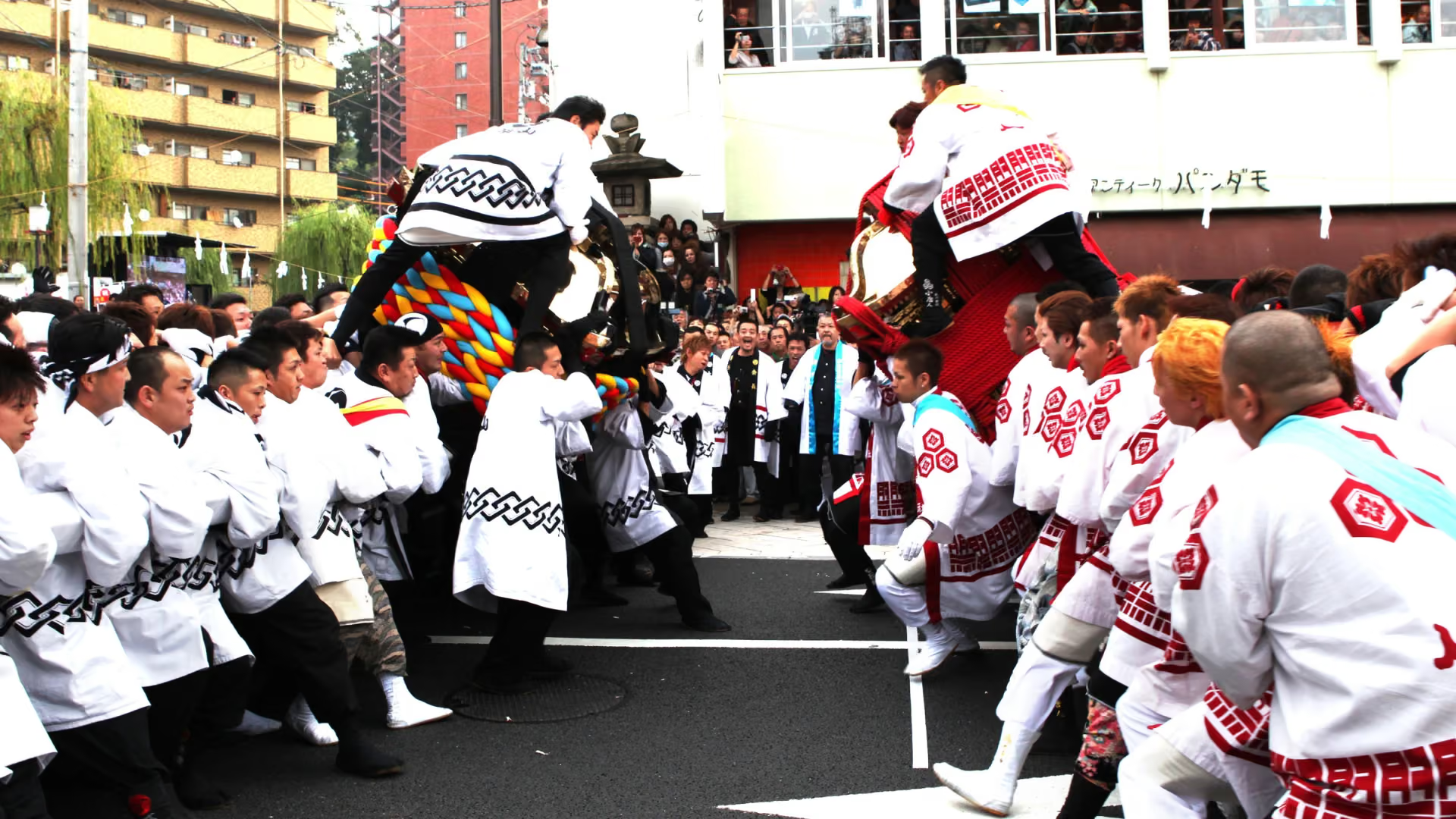
Matsuyama Dogo Autumn Festival
Ancient shrine festival featuring portable shrines carried through Matsuyama's districts in ritual performances believed to enhance spiritual power.
5–7 Oct 2027Exact date not confirmed yetMatsuyama · Ehime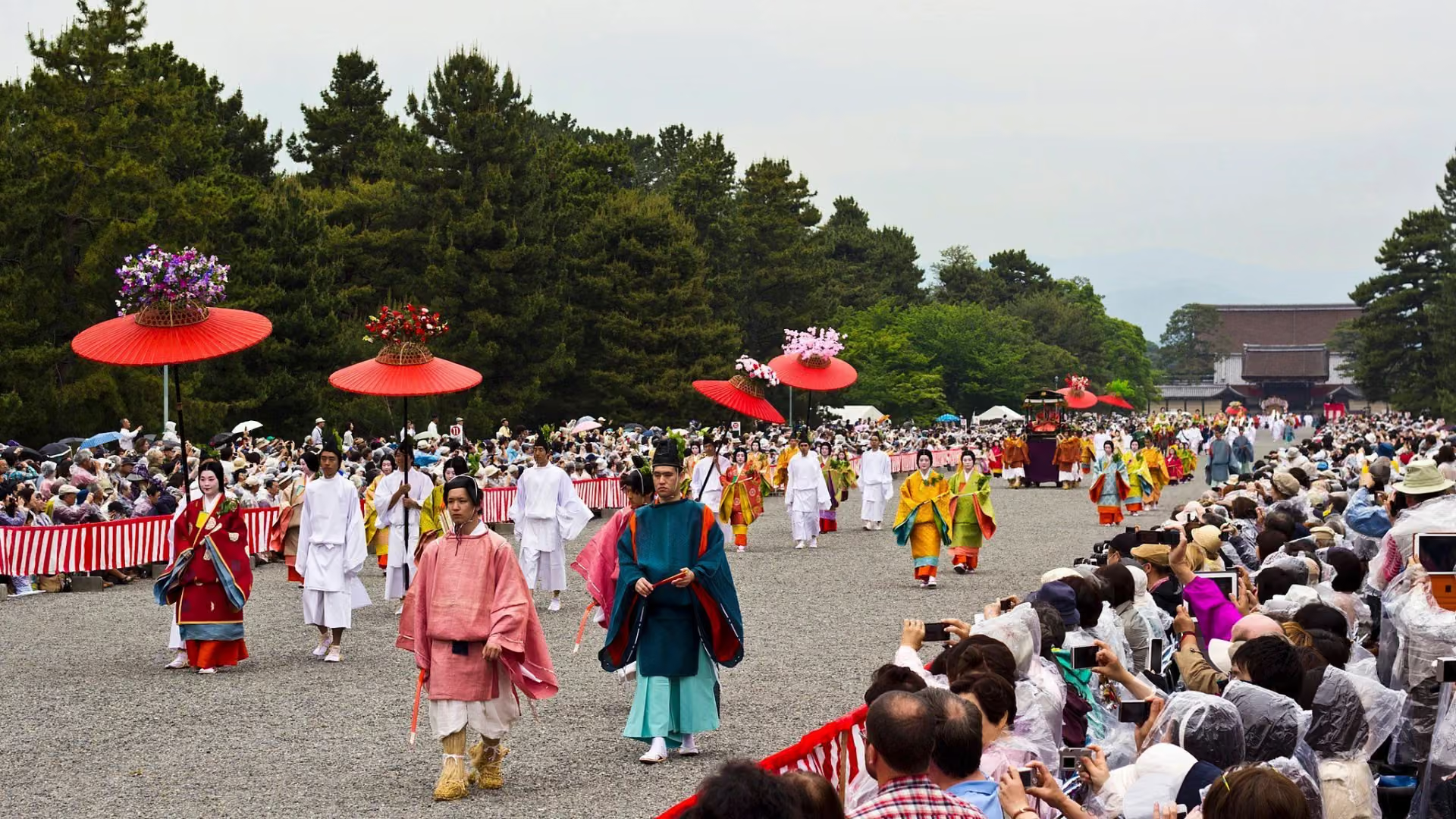
Aoi Festival
The Aoi Festival, one of Kyoto's three major annual festivals, belongs to the northern Kamo shrines, with roots over 1,400 years old and equestrian archery.
15 May 2027Kyoto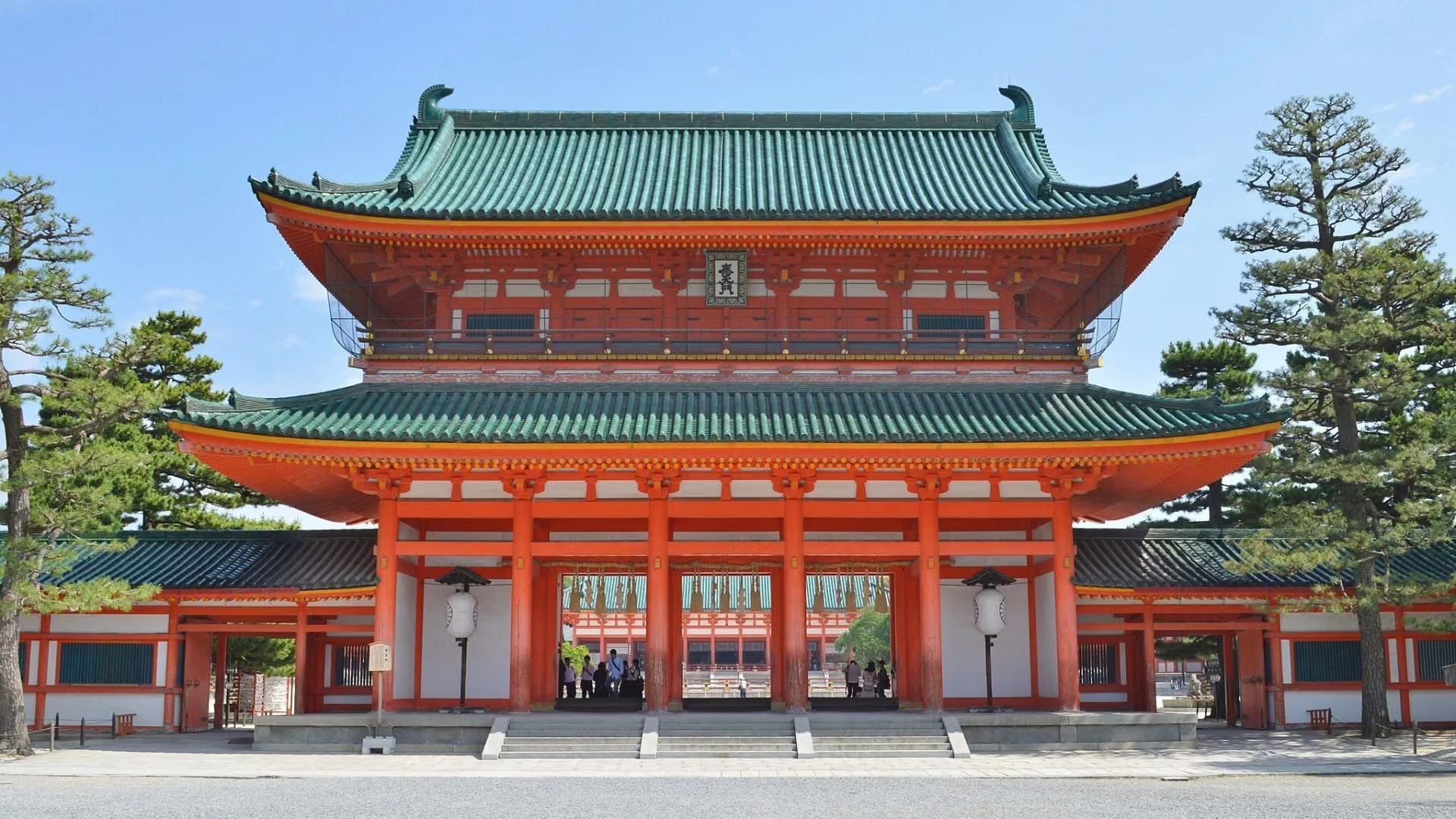
Heian Shrine
A highly-ranked Shinto shrine in Kyoto built in 1895 to commemorate the city's 1100th anniversary and dedicated to Emperor Kanmu.
Kyoto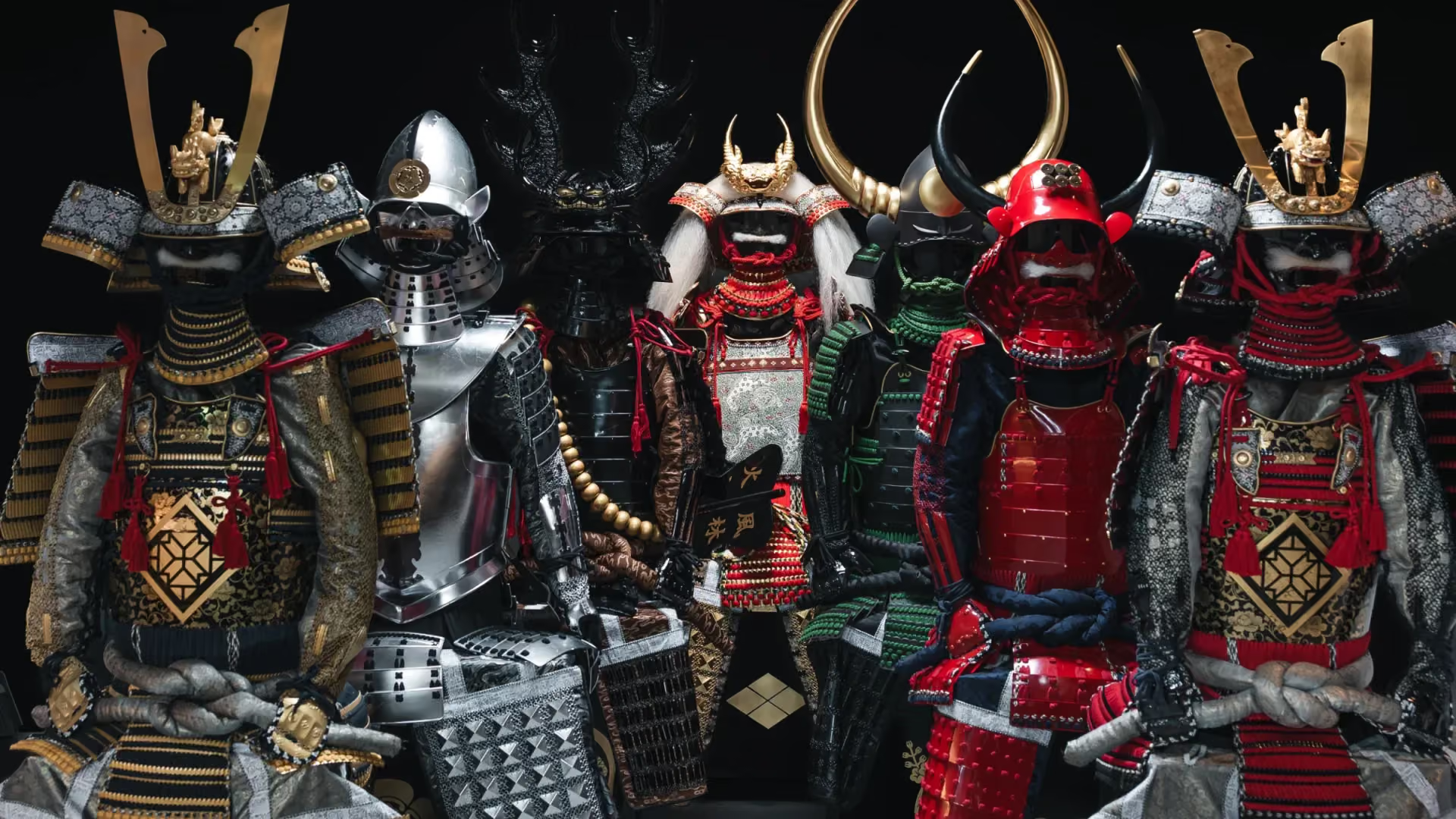
SHOGUN STUDIO JAPAN
A Kyoto studio where visitors put on real film-grade armour or hand-painted kimono and take tea in a tea room built for it, a minute from Umekoji-Kyotonishi.
Kyoto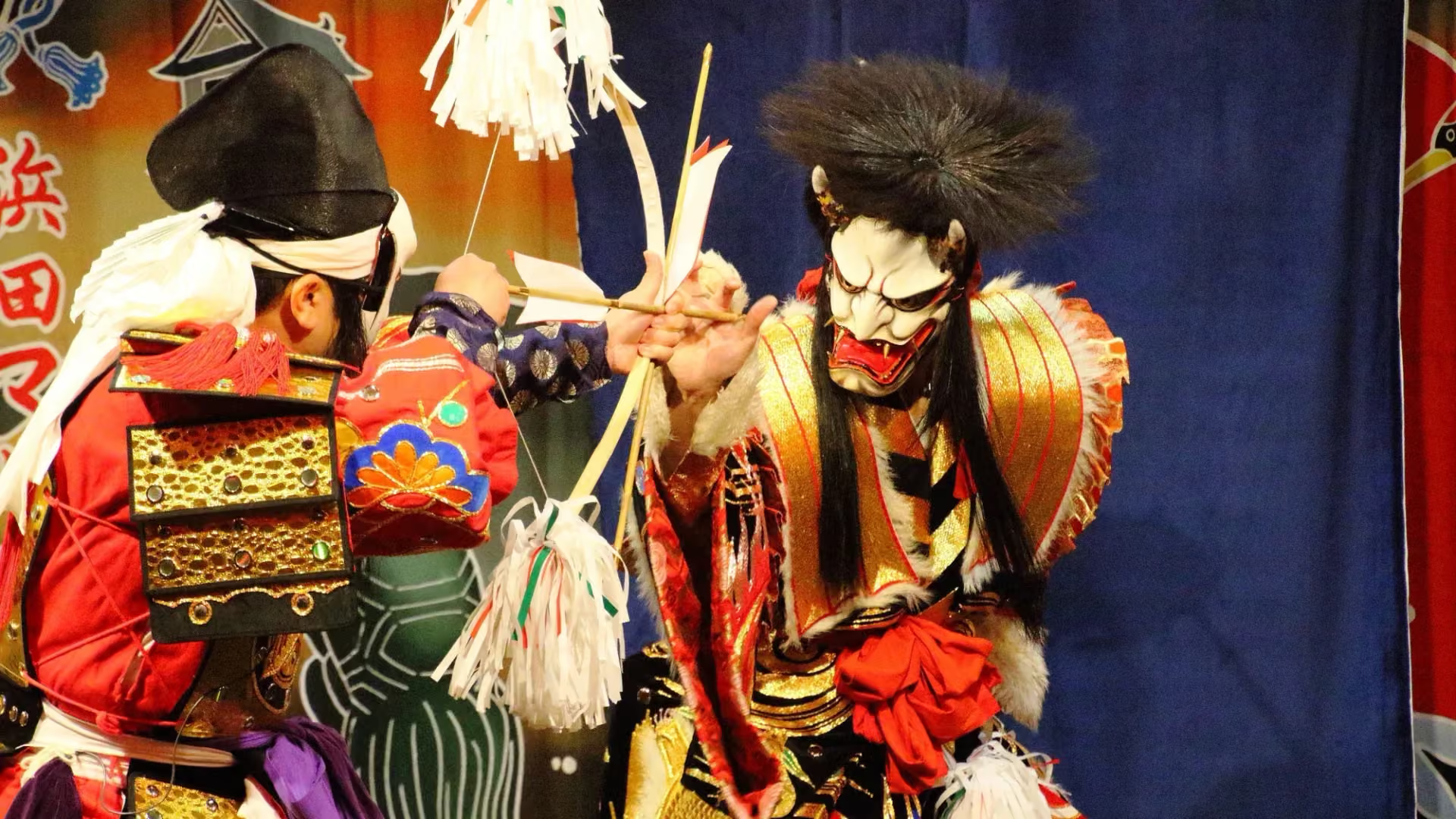
Iwami Kagura
Each autumn in western Shimane, shrine stages host Iwami Kagura - sacred dances performed through the night, from ceremonial pieces to a battle with a serpent.
Shimane · Chugoku