

Aoi Festival
葵祭
The Aoi Festival is one of Kyoto's three major annual festivals, dedicated to the northern Kamo shrines, with roots reaching back over 1,400 years and featuring equestrian archery.

The Aoi Festival stands as one of Kyoto's three major annual festivals, alongside the Jidai Festival and the Gion Festival. Its name derives from "aoi", the wild ginger plant, which also serves as the emblem of the Kamigamo Shrine. As a festival of the two northern Kamo shrines in the city, Shimogamo Shrine and Kamigamo Shrine, it is also known as the "Kamo Festival".
According to the Nihon Shoki (The Chronicles of Japan), one of the earliest historical records of Japan, this festival has its origins dating back to the reign of Emperor Kinmei, who ruled from 539 to 571. Ancient accounts tell of a series of calamitous rains accompanied by strong winds, devastating grain crops, and the spread of epidemics throughout the land. Diviners attributed these hardships to divine retribution by the Kamo deities.
In response, the Emperor dispatched a messenger and a retinue to the shrine to perform various rituals aimed at appeasing these deities and seeking a bountiful harvest. One such ritual involved horseback riding, specifically galloping. Over time, this annual practice evolved into an equestrian archery performance.
When Emperor Kanmu relocated the capital to Kyoto, he acknowledged the Kamo shrines' protective role for the new capital and officially established the Aoi Festival as an annual imperial event.
Equestrian Archery Performance
The festival kicks off on May 3rd with the Yabusame-shinji, a splendid showcase of horseback archery reminiscent of the Heian period. Dressed in courtly attire, skilled archers gracefully take aim and shoot at targets within the serene Tadasu no Mori ("Forest of Purification"). Two days later, another archery spectacle, the Busha-shinji, unfolds as archers clad in traditional samurai armour venture into the forest to continue this revered tradition
The Procession
The festival's main event is a grand procession that starts at the Kyoto Imperial Palace, proceeds to the Shimogamo Shrine, and culminates at the Kamigamo Shrine. Leading this procession is the Chokushi, the Imperial Messenger. This magnificent spectacle takes place on May 15th and features oxcarts, cows, horses, and a procession of six hundred people. All participants are adorned in traditional Heian noble attire, and the oxcarts are beautifully decorated with artificial wisteria flowers. Along the way, the procession dancers captivate onlookers with their performance of Edo-period Azuma-asobi dancing. Upon reaching both shrines, the Saio-Dai, (Honorary Priestess) and the Chokushi (Imperial Messenger), carry out their respective rituals.
Saio-Dai
In historical context, the Saio-Dai, the Honorary Priestess, was typically a member of the imperial family chosen from the emperor's relatives to dedicate herself to the Shimogamo Shrine. Her responsibilities included upholding ritual purity and representing the emperor during the festival. Today, the role of Saio-Dai is assumed by an unmarried woman from Kyoto. The selection process is rigorous, and the announcement is made through the media. Being chosen as Saio-Dai is considered the highest honour a woman can receive in Kyoto. The Saio-Dai adorns herself in the traditional attire of the Heian court.
You might also like

Jidai Festival
Kyoto's signature historical reenactment features costumed processions of figures from different Japanese eras traveling from the Imperial Palace to the Heian Shrine.
22 Oct 2026Kyoto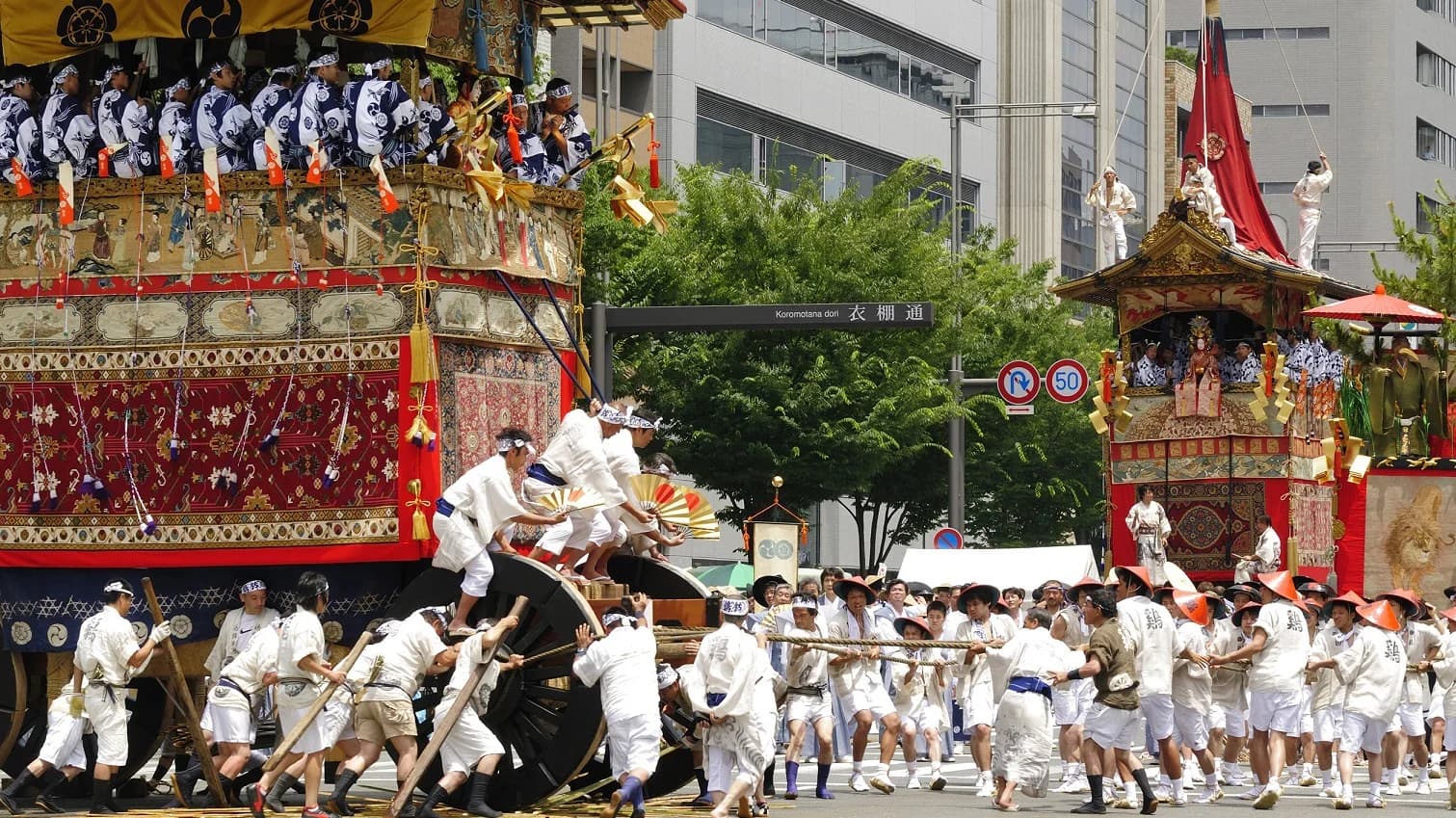
Gion Festival
A month-long Kyoto festival centered on Yasaka Jinja Shrine features sacred rituals, food stalls, illuminated floats, and culminates in a grand procession and parade.
1–31 Jul 2027Kyoto
Niihama Taiko Festival
Towering drum-bearing floats parade through Niihama in this October celebration, drawing nearly 200,000 spectators each year.
16–18 Oct 2026Niihama · Ehime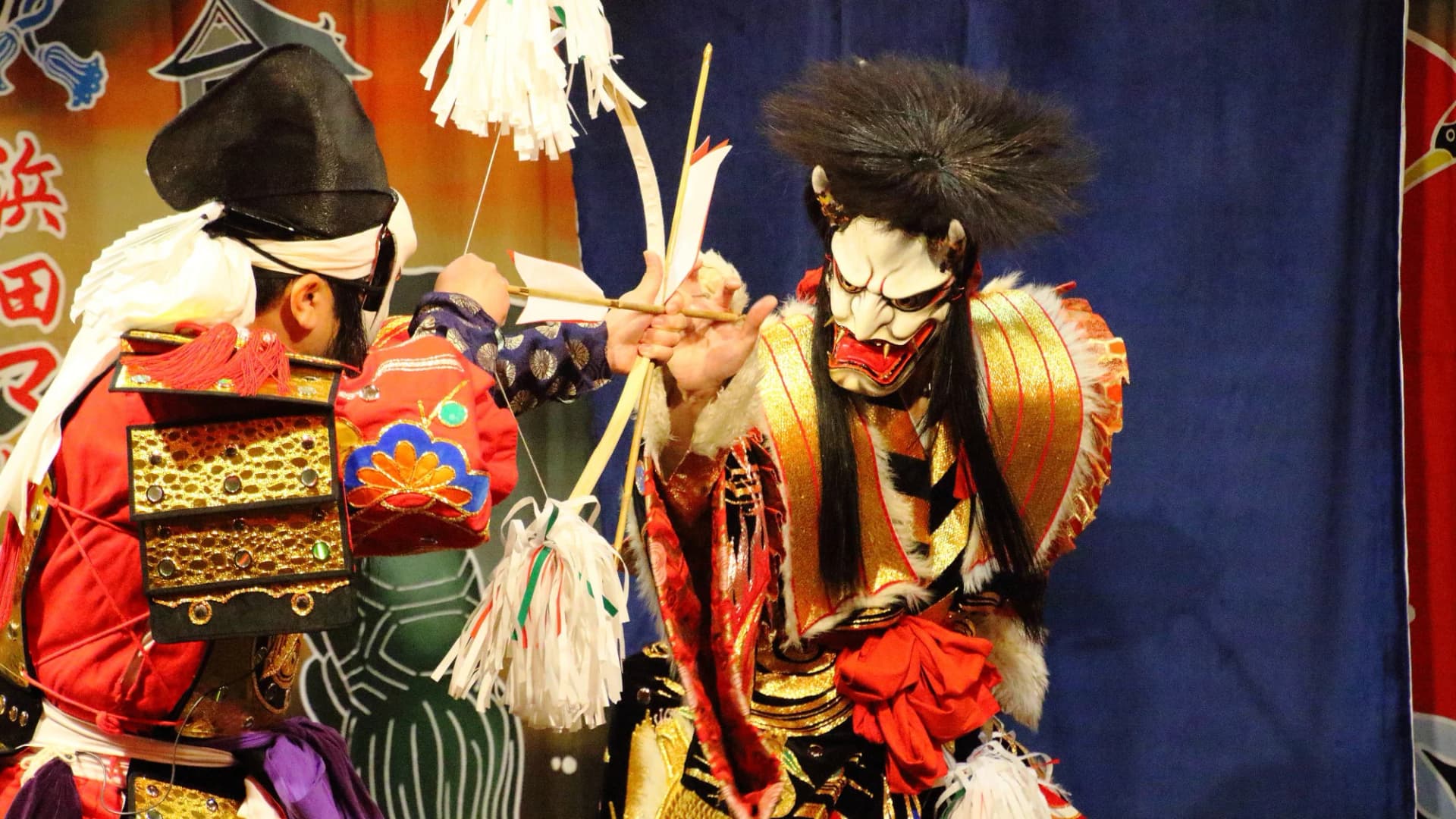
Iwami Kagura
Each autumn in western Shimane, shrine stages host Iwami Kagura – sacred dances performed through the night, from ceremonial pieces to a battle with a serpent.
Shimane · Chugoku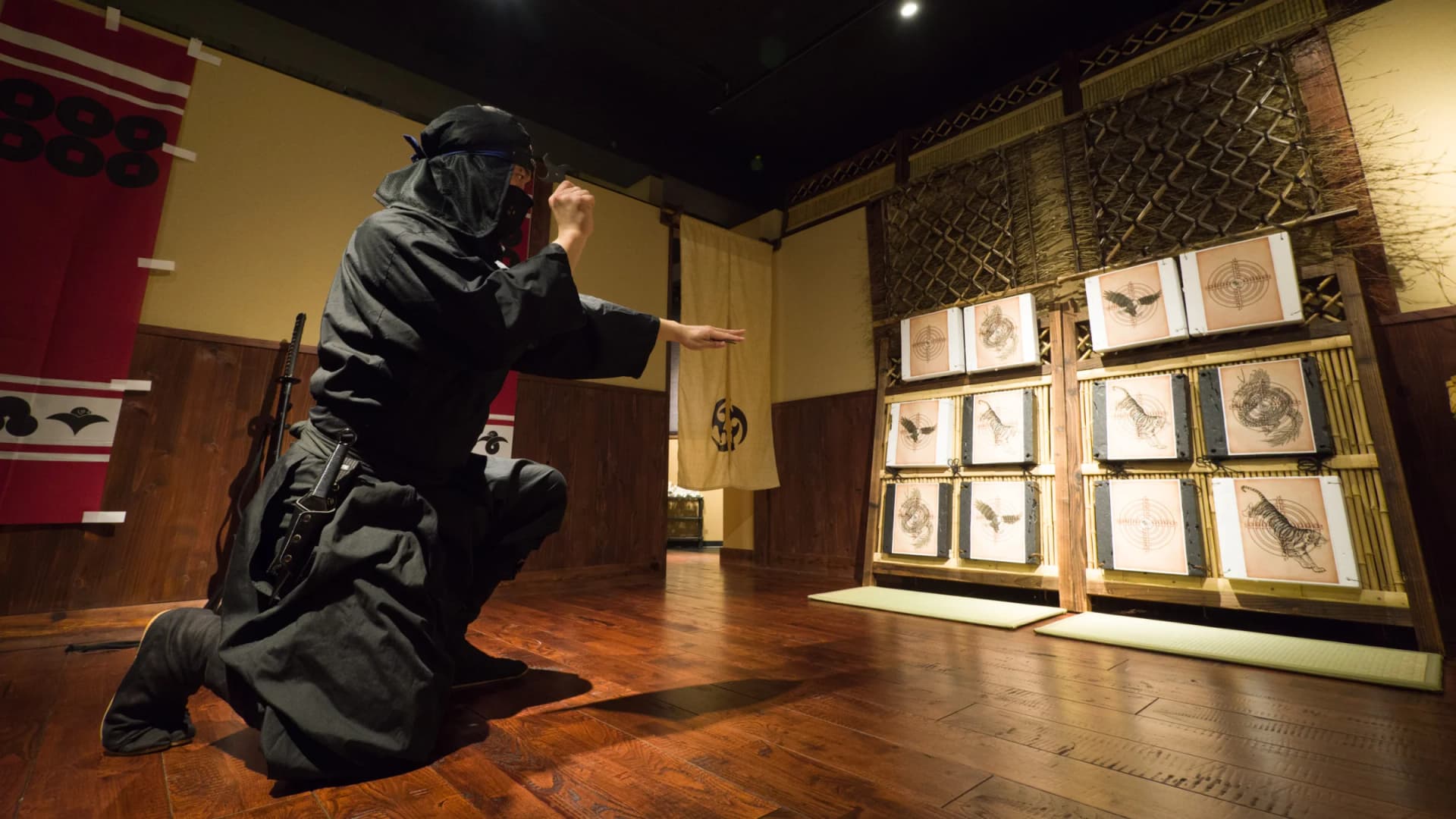
Ninja Trick House in Tokyo
A small ninja house in Kabukicho where visitors throw iron shuriken, draw a wooden sword and hunt for the tricks built into the walls.
Tokyo
Ninja+Kabuki Tokyo
This nonverbal stage experience blends traditional kabuki and taiko drumming to tell a mythological tale of rival ninja, opening in August 2024.
Tokyo