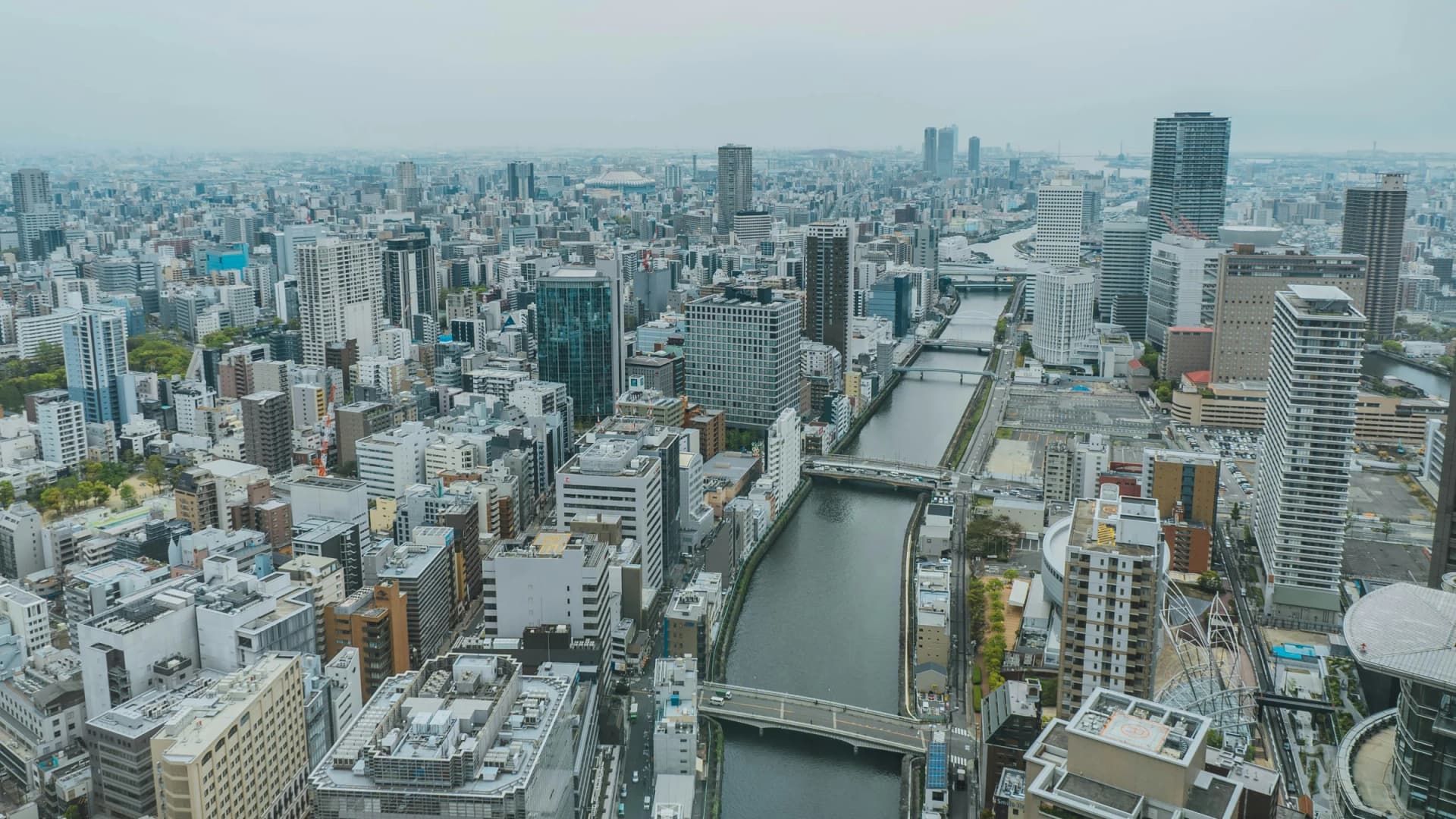
Kishu Odori "Bundara-bushi"
紀州おどり「ぶんだら節」
Kishu Odori Bundara-bushi, one of Wakayama's largest summer events, returns on 1 August, with thousands of dancers around Wakayama Castle.
〒 640-8146How to get there
和歌山市Kisei Main Line · Nankai Kada Line · Nankai Main Line · Nankai Wakayamako Line18 min walk from the station
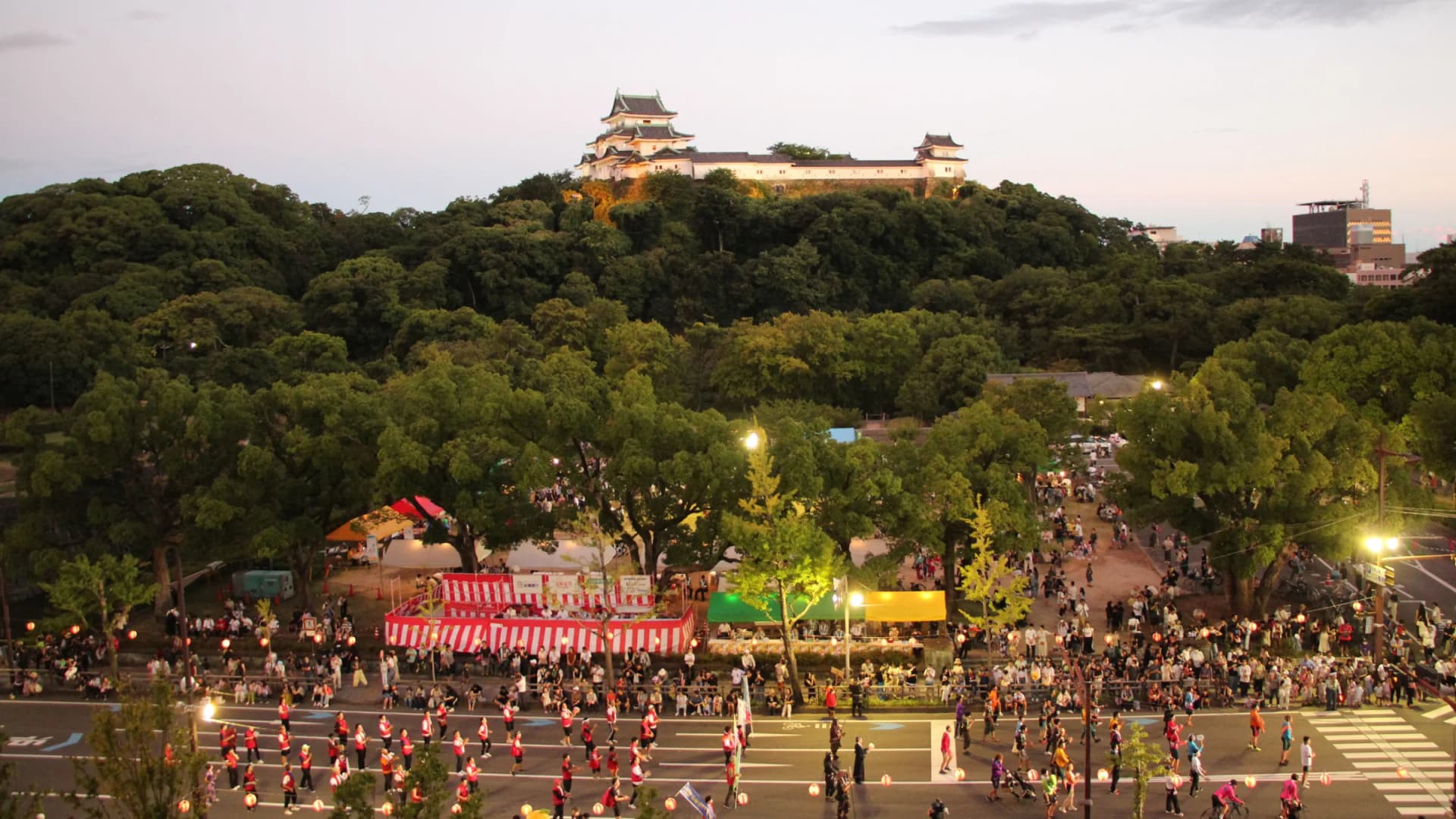
The 58th Kishu Odori "Bundara-bushi" is one of Wakayama City's largest summer events takes over the streets around Wakayama Castle, it is a mass participatory dance festival. The festival was created in 1969 to mark the 80th anniversary of Wakayama City's incorporation, conceived as a way to foster local folk arts, a sense of solidarity among residents, and affection for the region.
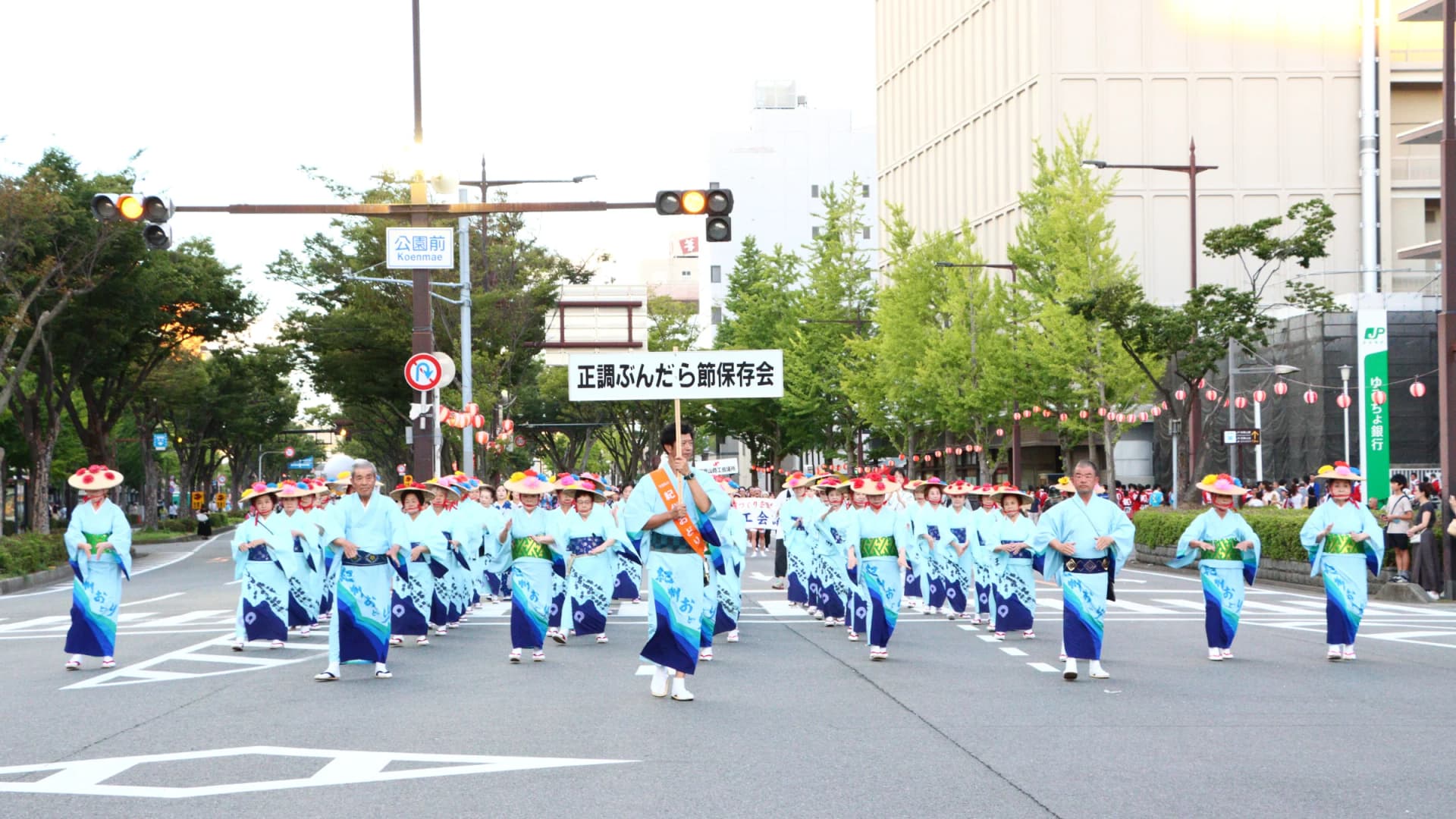
The heart of the event is the street dance (gaito-odori), in which teams known as ren – formed by public offices, companies, and groups of individuals – move through the old castle town in matching costumes. The traditional "Seicho Bundara-bushi", the orthodox form of the dance, and a newer arrangement both make their way along set routes toward Wakayama Castle's Nishinomaru Plaza, where dancers gather for the ring dance (wa-odori) around a central yagura tower, the castle rising behind them.
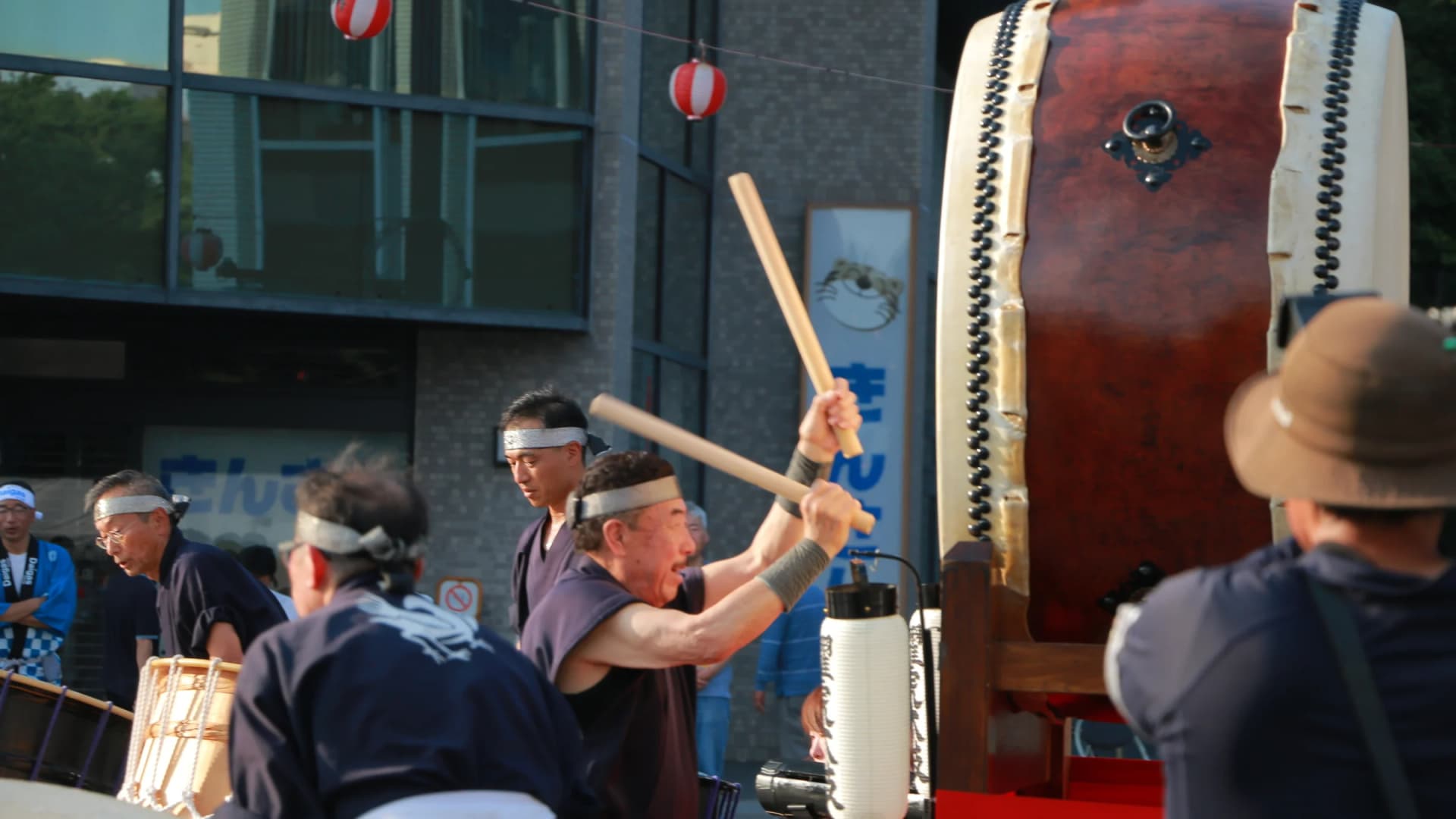
For the second year, the festivities begin the night before. On Friday 31 July, an eve celebration is held at Nishinomaru Plaza. It extends the atmosphere across two consecutive evenings rather than a single night.
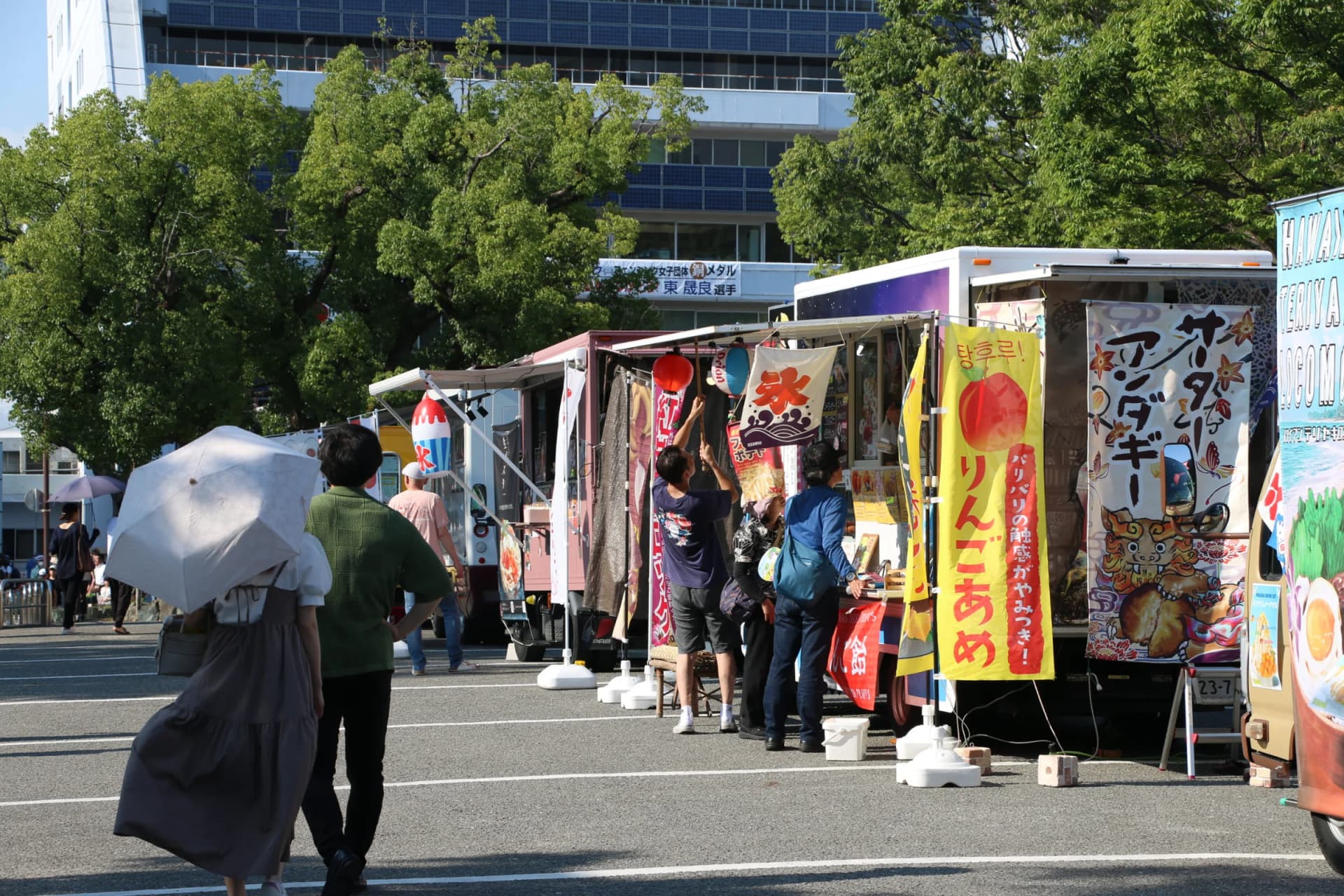
Food is a substantial part of the draw at both. From the eve celebration onward, food trucks and refreshment booths line the area around the venue, offering summer-festival staples such as shaved ice (kakigori) and yakisoba alongside Wakayama specialities. On the main day, a festival-stall lane of around 30 stalls opens in the late afternoon, before the dancing begins.
Getting There

Planning a trip? Fit this into a trip and Oni plans the rest around it.
You might also like

Yamagata Hanagasa Festival
The Yamagata Hanagasa Festival is a major August event where over 10,000 dancers parade nightly with flower-decorated hanagasa hats to taiko drums and folk song.
5–7 Aug 2027Exact date not confirmed yetYamagata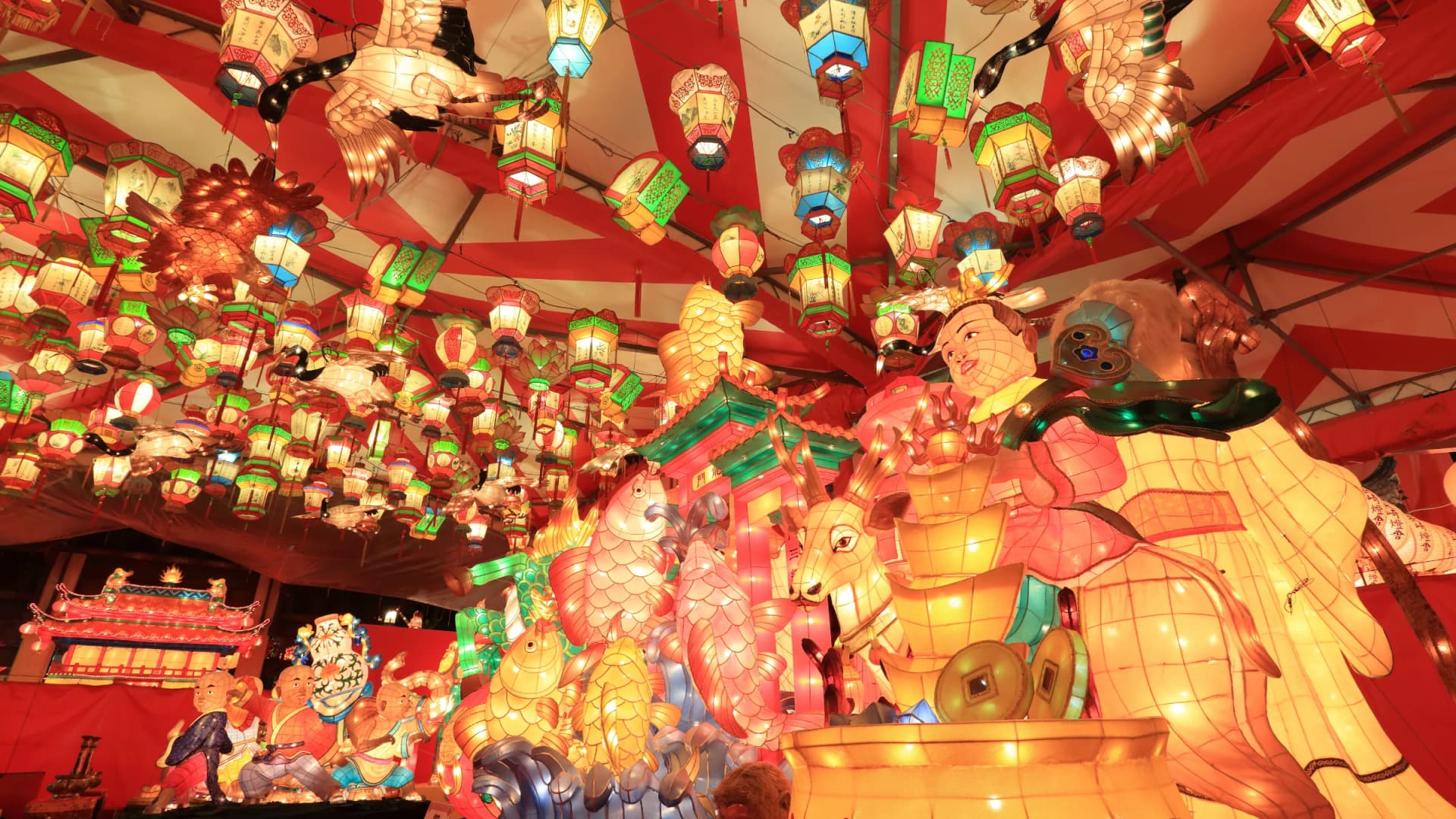
Nagasaki Lantern Festival
The festival illuminates Nagasaki's streets with around 15,000 Chinese lanterns, some reaching 10 metres, celebrating Lunar New Year traditions.
6–23 Feb 2027Exact date not confirmed yetNagasaki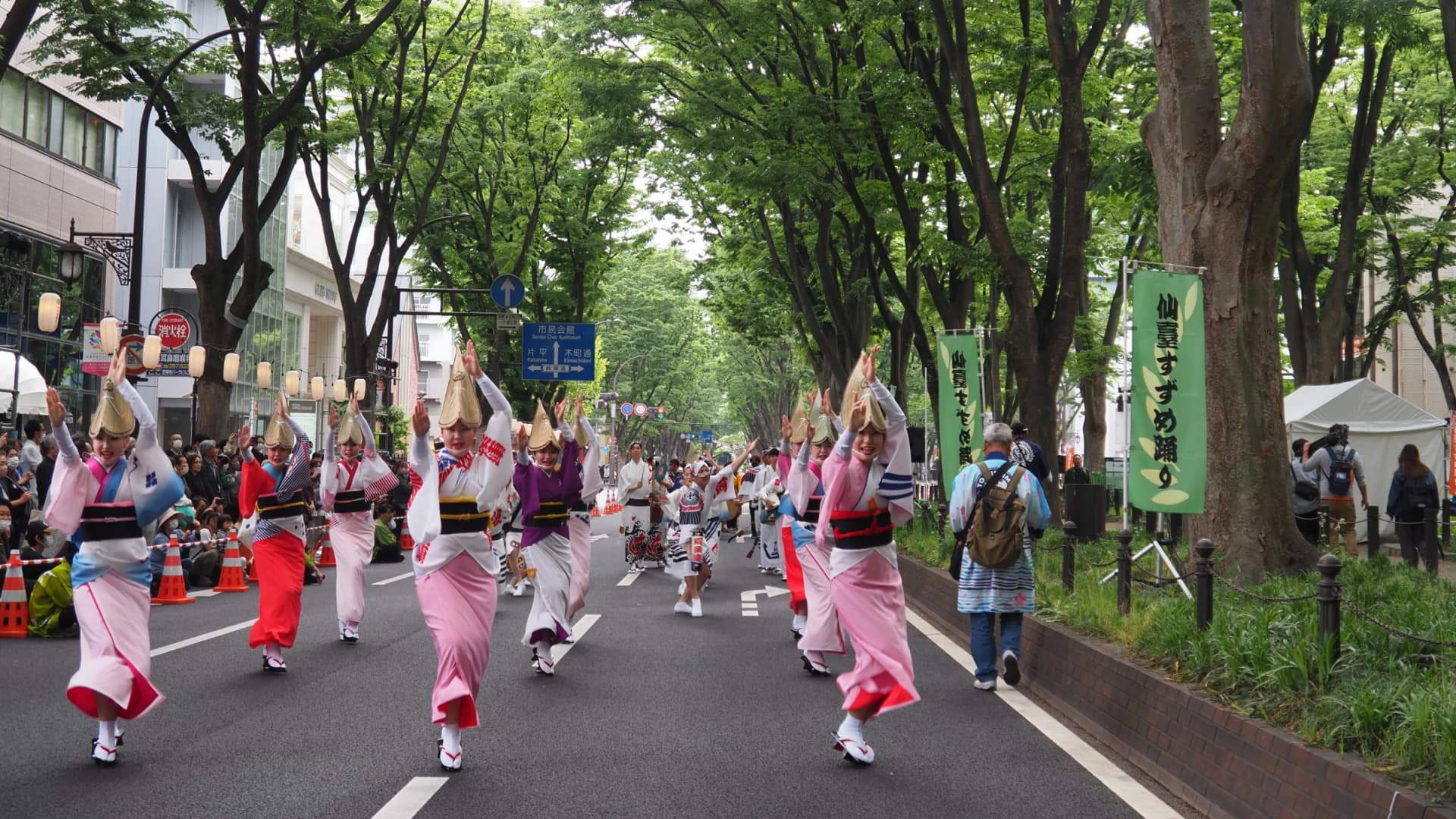
Awa Odori Festival
Japan's most famous traditional dance festival, held annually in Tokushima City, where dancers form groups with distinctive choreography and costumes.
12–15 Aug 2027Tokushima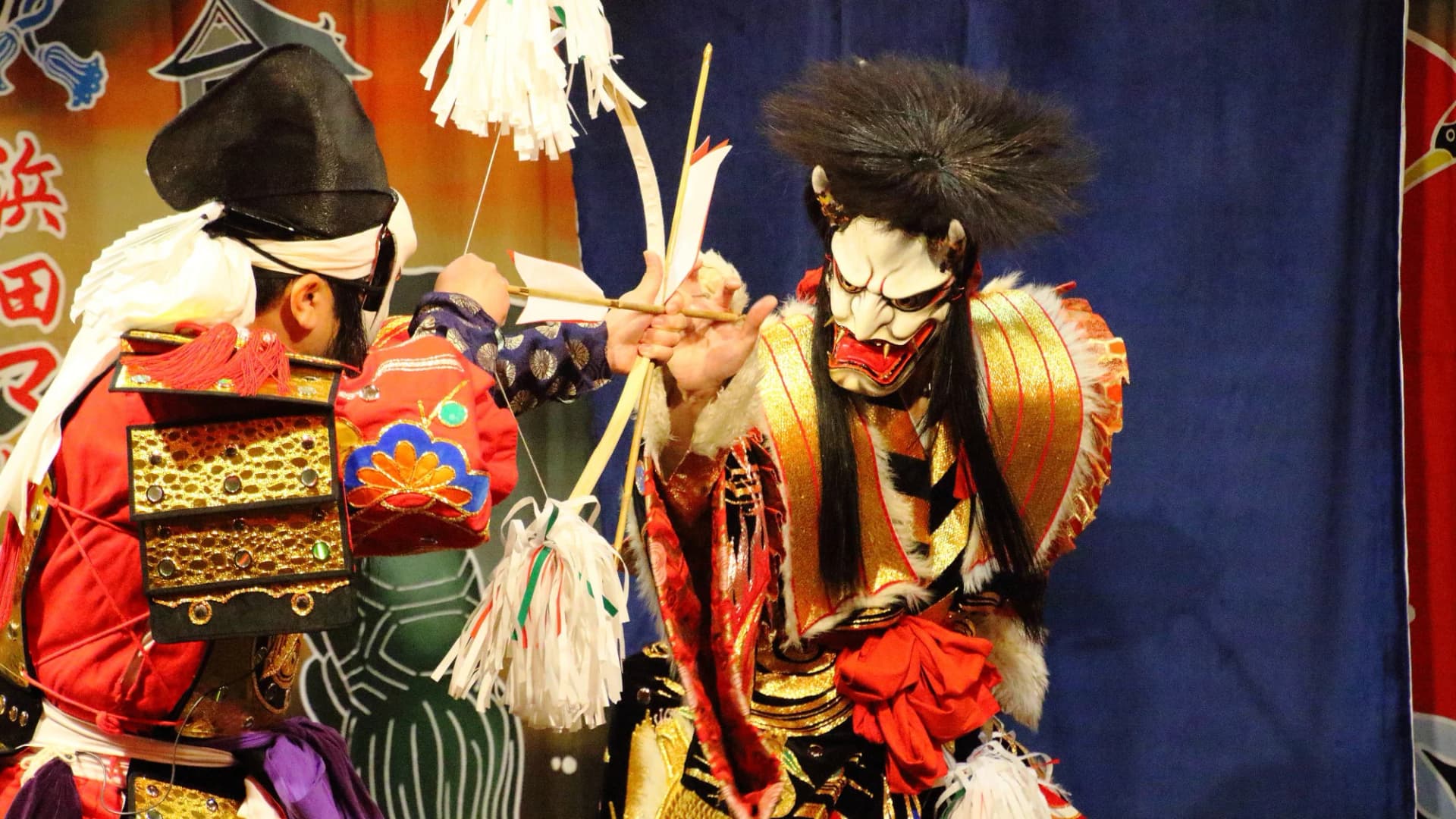
Iwami Kagura
Each autumn in western Shimane, shrine stages host Iwami Kagura – sacred dances performed through the night, from ceremonial pieces to a battle with a serpent.
Shimane · Chugoku
Ninja+Kabuki Tokyo
This nonverbal stage experience blends traditional kabuki and taiko drumming to tell a mythological tale of rival ninja, opening in August 2024.
Tokyo
Adventure World
A wildlife park in Shirahama featuring diverse animal experiences, though its longtime giant pandas departed in June 2025.
Shirahama · Wakayama