

Oiso Sagicho Festival
大磯の左義長
A National Important Folk Cultural Property, this Little New Year fire ritual purifies homes and communities through burning traditional new-year decorations.

The Oiso Sagicho is a traditional New Year fire festival held annually in Oiso Town, Kanagawa Prefecture. Also known locally as Seetobaree or Dondoyaki, it is a ritual dedicated to Seenokamisan, a guardian deity associated with crossroads and community protection. The festival is designated as a National Important Intangible Folk Cultural Property, recognising its historical and cultural significance.
Origins and Meaning
According to local legend, the festival originates from a tale involving an evil spirit known as the one-eyed goblin, who recorded villagers’ misdeeds in a ledger. When dawn broke before the goblin could retrieve it, the ledger was left with Seenokamisan, who ultimately burned both the ledger and the dwelling to dispel misfortune. This act is said to have given rise to Sagicho as a ritual for purification and protection from illness and disaster.
More broadly, Sagicho belongs to a group of Little New Year (Koshōgatsu) fire rituals practiced across Japan in mid-January, where New Year decorations are burned to mark the transition from the old year to the new and to pray for health, safety, and good harvests.
The Festival Ritual
On the day of the festival, bamboo, straw, and collected New Year decorations from across the town are brought to Kitahamakaigan. These materials are used to construct nine large conical structures, known as saito, each standing approximately seven to eight meters tall and representing different districts of Oiso.
At dusk, the structures are ceremonially set alight, creating a dramatic scene against the winter shoreline. Dumplings grilled over the sacred flames are eaten by participants, as tradition holds that doing so protects against illness. Other beliefs associated with the fire include improved calligraphy skills if burned New Year writing rises high into the air, and fire protection if smoldering pine embers are taken home and placed on rooftops.
Associated Customs
The festival is accompanied by related rituals, including Yannagokko, a symbolic tug-of-war between land and sea intended to drive away misfortune and pray for abundant catches. Preparatory customs and related observances begin weeks earlier, reflecting the festival’s deep integration into the local calendar and community life.
You might also like

Niihama Taiko Festival
Towering drum-bearing floats parade through Niihama in this October celebration, drawing nearly 200,000 spectators each year.
16–18 Oct 2026Niihama · Ehime
Morioka Fall Festival
One of Iwate's most enduring celebrations, this autumn festival originated as prayers for harvest, now featuring ornate floats and traditional parades.
14–16 Sep 2026Morioka · Iwate
Kakunodate Festival
A traditional autumn festival with 400 years of history, held in September in Kakunodate, featuring large wooden floats decorated with samurai warrior dolls.
7–9 Sep 2027Semboku · Akita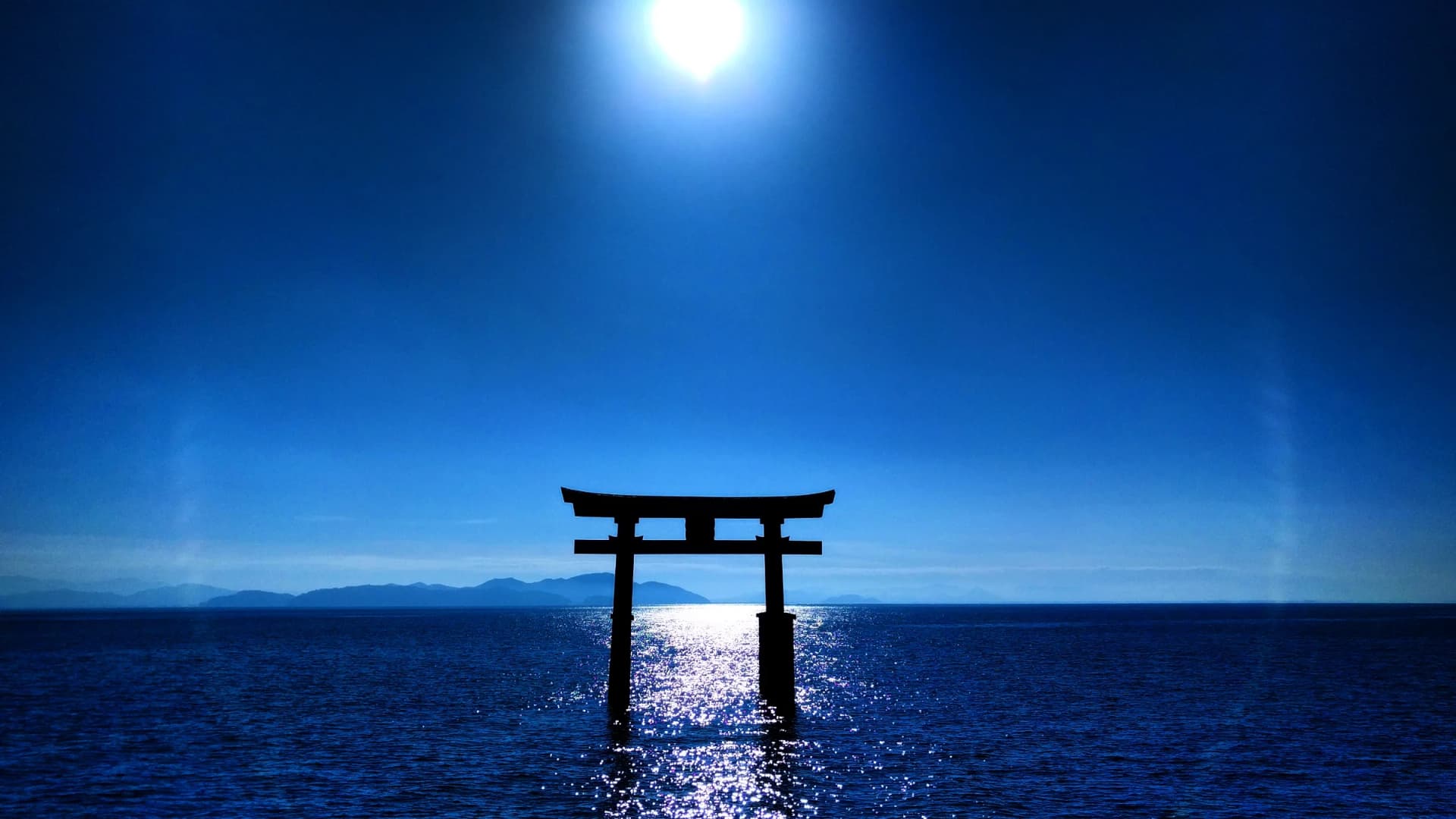
Shirahige Shrine
A shrine on the western shore of Lake Biwa with a torii standing in the water, dedicated to Sarutahiko and known as a shrine of long life.
Takashima · Shiga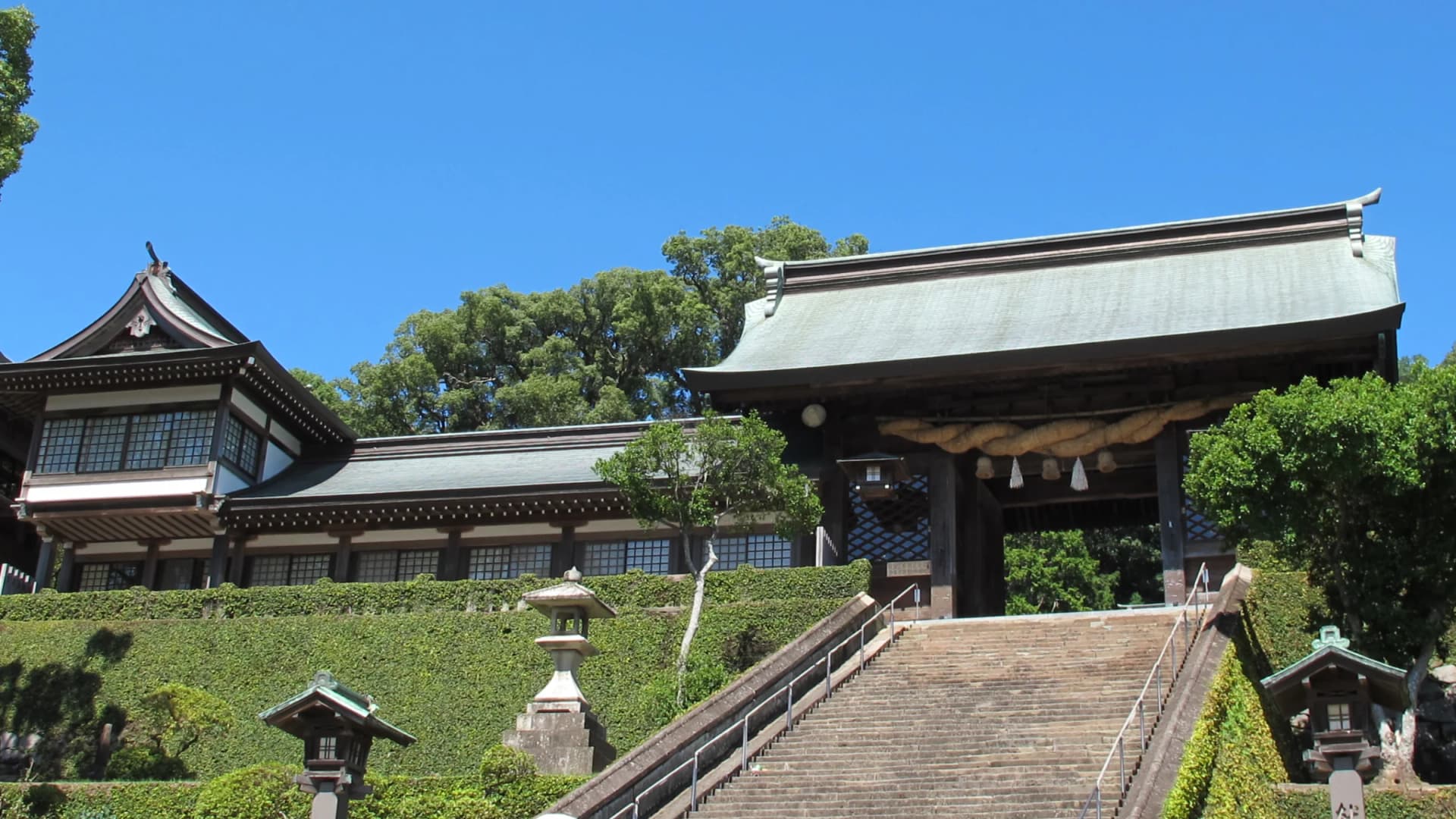
Suwa Shrine
The tutelary shrine of Nagasaki, re-established in 1625 after the city had been church land, and home of the Kunchi festival.
Nagasaki
Kibitsu Jinja
Major Okayama shrine dedicated to Kibitsuhiko-no-Mikoto, a legendary prince credited with defeating an ogre and bringing peace to the region, foundations of the Momotaro folktale.
Okayama