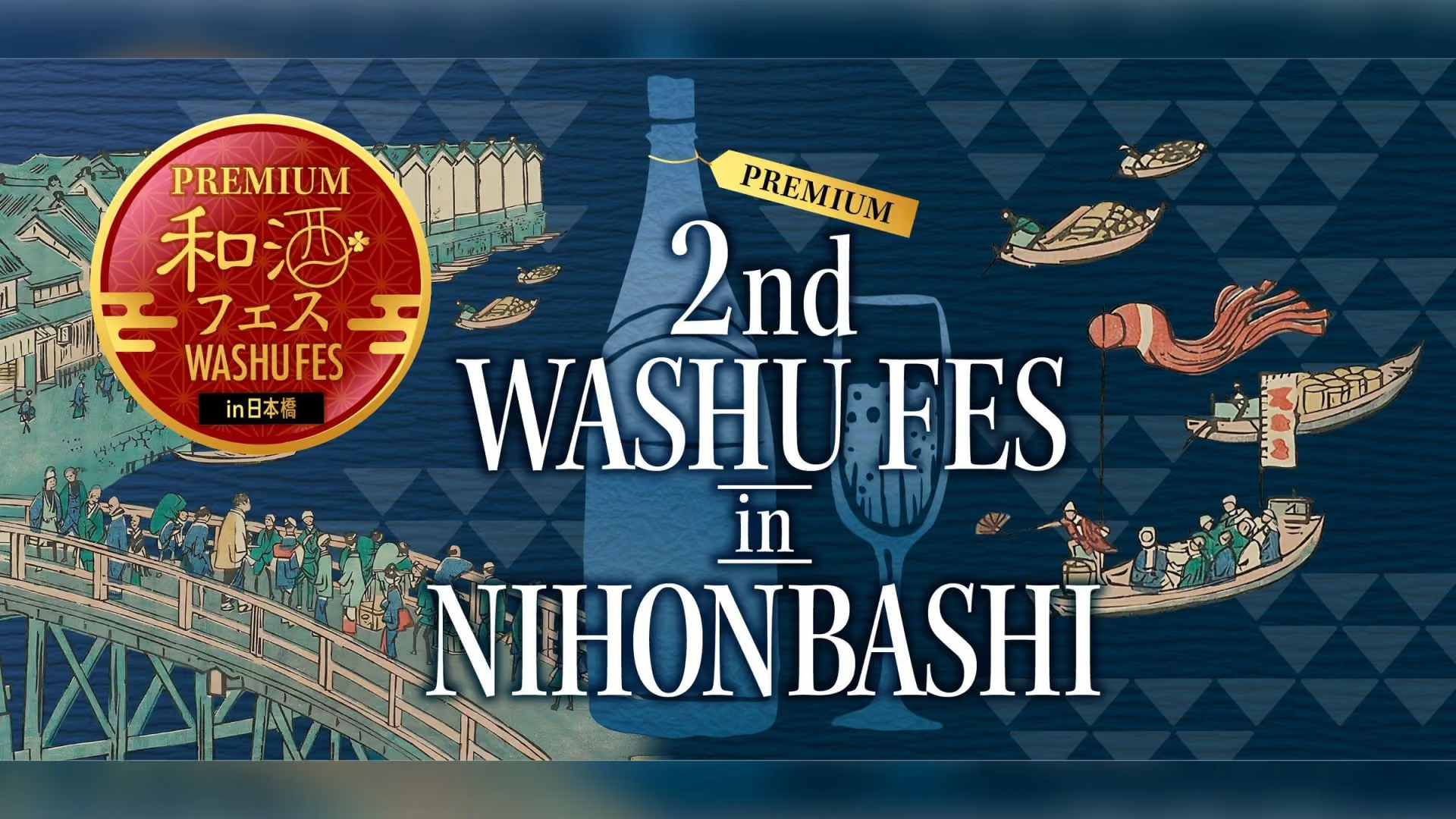
Premium Washu Fes in Nihonbashi
プレミアム和酒フェス in 日本橋
An indoor sake tasting at KABUTO ONE in Nihonbashi, with premium, fresh-pressed and aged sake from 34 breweries, seminars and food to pair.
Two 2-hour sessions a day: 15:00 to 17:00 and 18:00 to 20:00 on Friday, 12:00 to 14:00 and 15:00 to 17:00 on Saturday. A ticket is for one session, and the hall is cleared in between. A 30-minute seminar starts an hour before each session; reception opens 20 minutes before it.
〒 103-0026How to get there
茅場町Hibiya Line · Tozai Line3 min walk from the station
Gate price from¥5,500Price checked 2026/11/28
Provider prices may differ from the price above. Booking through our links earns us a commission, at no extra cost to you.
The Premium Washu Fes is an indoor sake tasting in the hall on the fourth floor of KABUTO ONE, an office building in Kabutocho, Nihonbashi, in central Tokyo. Washu (和酒) means alcoholic drinks made in Japan: sake above all, with a few makers of craft sake and cider beside it. It is run by the committee behind Washu Fes, an outdoor tasting festival held in Tokyo and Osaka in spring, summer and autumn, as a smaller and more upmarket version of it, with higher-priced sake, seminars and food in one hall.
The first edition was held here in February 2025. It was planned after UNESCO added the traditional knowledge and skills of sake making with koji mold in Japan to its list of Intangible Cultural Heritage in December 2024. According to the organizers, the streets around the building were a quarter of sake wholesalers in the Edo period (1603 to 1868). In the Meiji era Kabutocho became the centre of Japanese finance. The First National Bank (第一国立銀行), headed by the banker and businessman Shibusawa Eiichi, opened here in 1873, and the Tokyo Stock Exchange (東京株式取引所), which he had pressed for, followed in 1878.
What happens
The theme of the second edition is a premium New Year party in Nihonbashi, under four words: learn, taste, connect and deepen. The idea is to learn from sake experts, taste premium washu, meet the brewers and other guests, and deepen those ties. A shinnenkai (新年会), a New Year party, is a gathering of colleagues or friends held early in January. The organizers describe it as a time to exchange good words over a drink and wish each other health and prosperity for the year ahead.
Each ticket comes with a glass, and the breweries pour from their tables, where the brewers talk about what they make. The range runs from award-winning and high-priced sake to shiboritate, new sake bottled straight after pressing, and namazake, sake that has not been pasteurized. There is also sparkling sake, cloudy nigori, aged and vintage sake, trial brews and local favourites that are hard to find in Tokyo. Some sake is served warm as kanzake, to show how one sake changes with its temperature, and the water a brewery brews with can be tasted too.
Snacks to go with sake, sweets made with sake lees and local food are sold in the hall, and a booth pairs warm sake with desserts. Some of the sake tasted on the floor can be bought from the breweries to take home, along with sake ware. The organizers' desk also takes orders for regular deliveries, private brewery tours and sake or amazake, a sweet rice drink, made to order. An MC, guests and Miss SAKE, a sake ambassador chosen each year, appear in the hall.
Nobody under twenty is admitted, and for safety the organizers ask that children and strollers are not brought in.
The breweries
Thirty-four breweries and two groups take part, with more than 120 drinks between them. They come from as far apart as Miyagi and Saga, and include the makers of Urakasumi from Miyagi, Shimeharitsuru from Niigata, Zaku from Mie and Dassai from Yamaguchi. Twelve take part for the first time, Dassai among them.
Two exhibitors make drinks other than sake. Adachi Noujo from Osaka brings MIYOI, a craft sake: it is brewed by the methods of sake but falls outside the legal definition of sake. Kamoshika Cidre from Nagano brings cider. The two groups are GI Harima, which promotes sake from the Harima area of Hyogo under its geographical indication, a protected regional name, and the Reserve Sake Association (長期熟成酒研究会), whose members make vintage sake.
As at the first edition, the hall also holds the Nonde Oen! Fukko Jizake Ichi (飲んで応援!復興地酒市), a market of local sake from breweries hit by disasters. Its name means drink to support them, and buying their sake is meant as help for the breweries. Sake from Ishikawa, Toyama, Niigata, Tochigi and Kumamoto is planned.
Seminars
A 30-minute seminar on sake is held before each session. A ticket covers the seminar before its own session, which seats about 50, and a live stream of that day's seminars.
Minegishi Kai (峰岸海), manager of the sake bar Chill Labo, speaks on kanzake and lets the audience taste the same sake at different temperatures. Shimada Ritsuko (島田律子), a certified sake stylist and producer of the Chef's Choice SAKE Award, and Hayashi Yuji (林祐司), owner-chef of the Italian restaurant Coccinella d'oro, talk about sake with Italian food and how it compares with wine.
Aoi Yuki (あおい有紀), a freelance announcer who travels Japan for sake, speaks on sake travel with Tanaka Yasuhiro (田中康博), president of the Tanaka Shuzojo brewery in Himeji and head of the Harima Sake Culture Tourism Council. Sake Kasuko (さけかす子), a registered dietitian who runs the Sakekasu Research Institute, speaks on sake lees, the solids left when sake is pressed, and how they are used in cooking and for health.
Getting There

Planning a trip? Fit this into a trip and Oni plans the rest around it.
You might also like
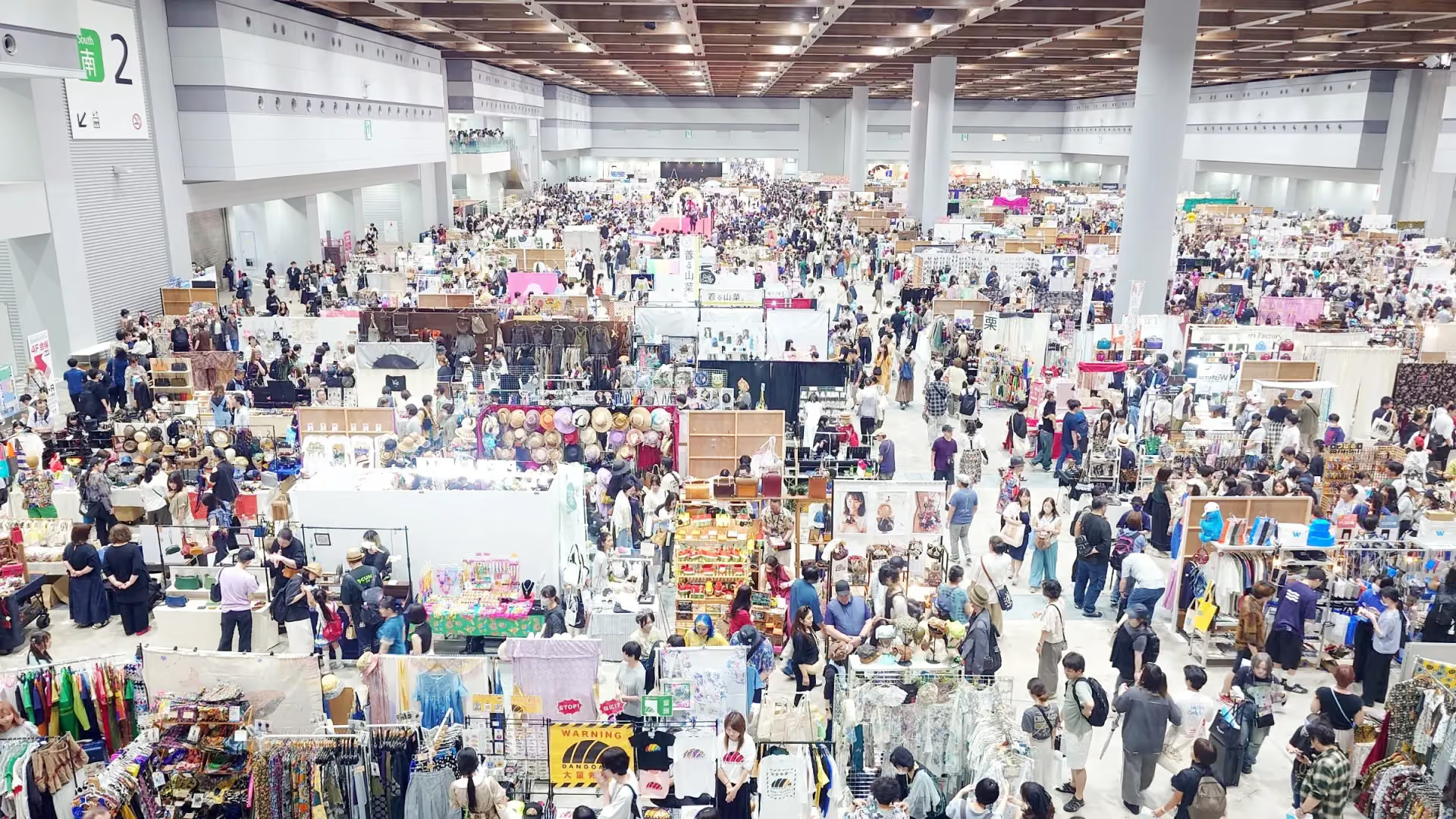
Design Festa
An open art event at Tokyo Big Sight where more than 10,000 artists, professional or amateur, show and sell original work with no screening.
14–15 Nov 2027Exact date not confirmed yetTokyo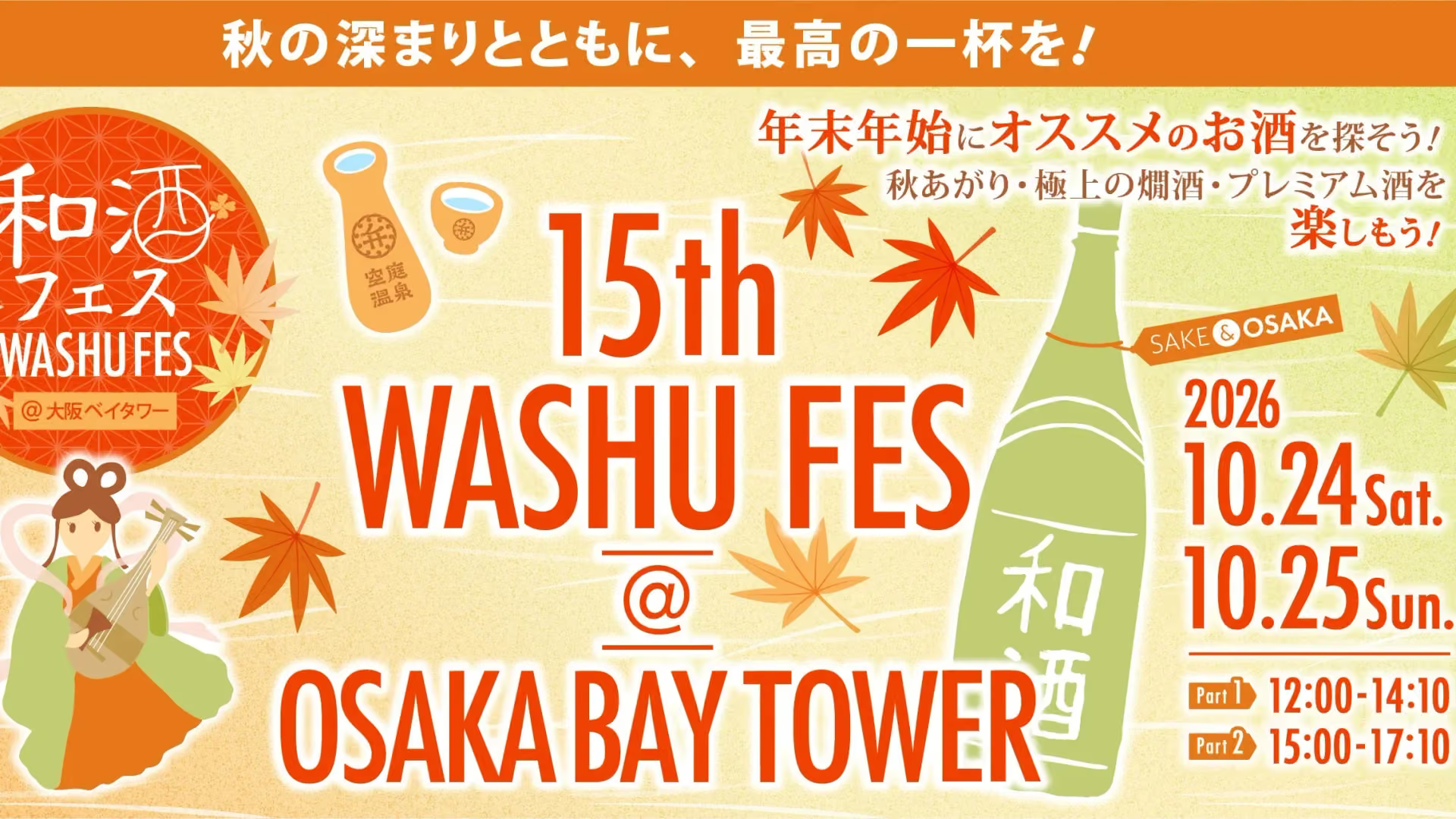
Japanese Sake Festival Washu Fes at Osaka Bay Tower
A tasting festival at Osaka Bay Tower by Bentencho Station, where breweries from across Japan pour sake, shochu, umeshu and other Japanese drinks.
24–25 Oct 2027Exact date not confirmed yetOsaka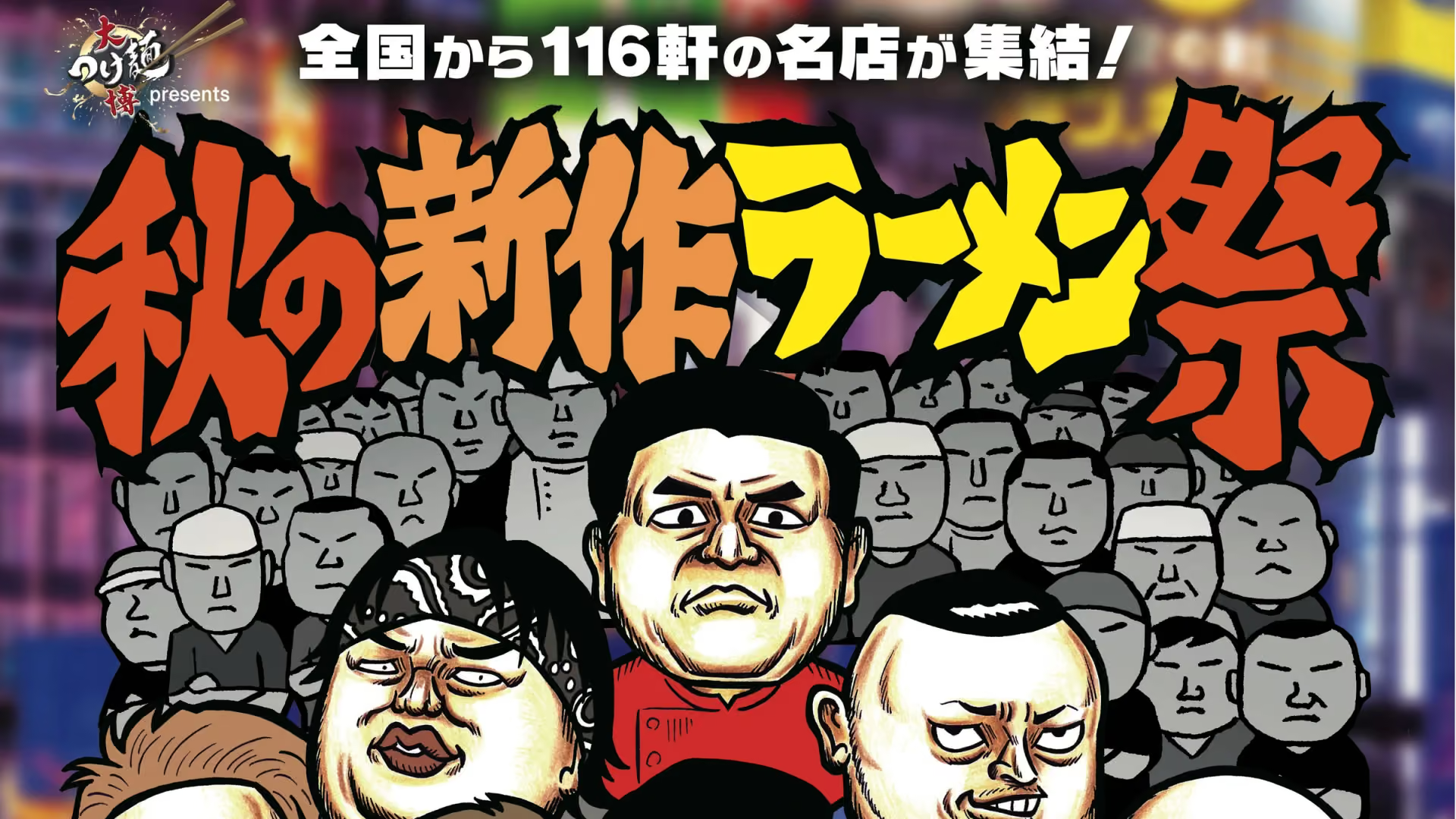
Daitsukemen Expo presents Ra-1 Grand Prix
A ramen competition at Okubo Park in Shinjuku, where 64 shops from across Japan take turns over eight phases and visitor votes pick the winner.
10 Oct – 15 Nov 2027Exact date not confirmed yetTokyo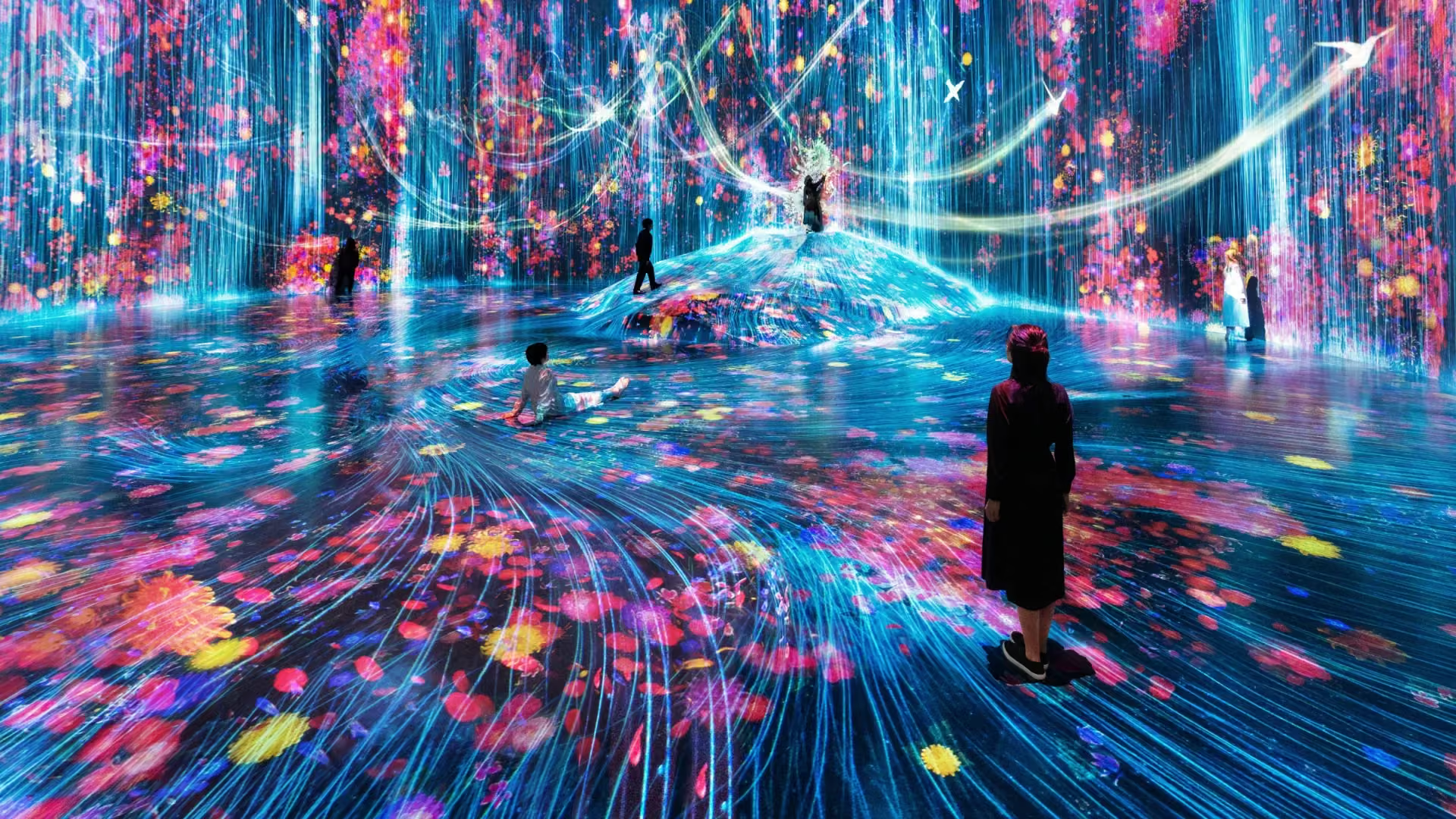
teamLab Borderless: MORI Building DIGITAL ART MUSEUM
A permanent digital art museum by teamLab at Azabudai Hills, Tokyo, where artworks move between spaces and mix with one another, with no map to follow.
Tokyo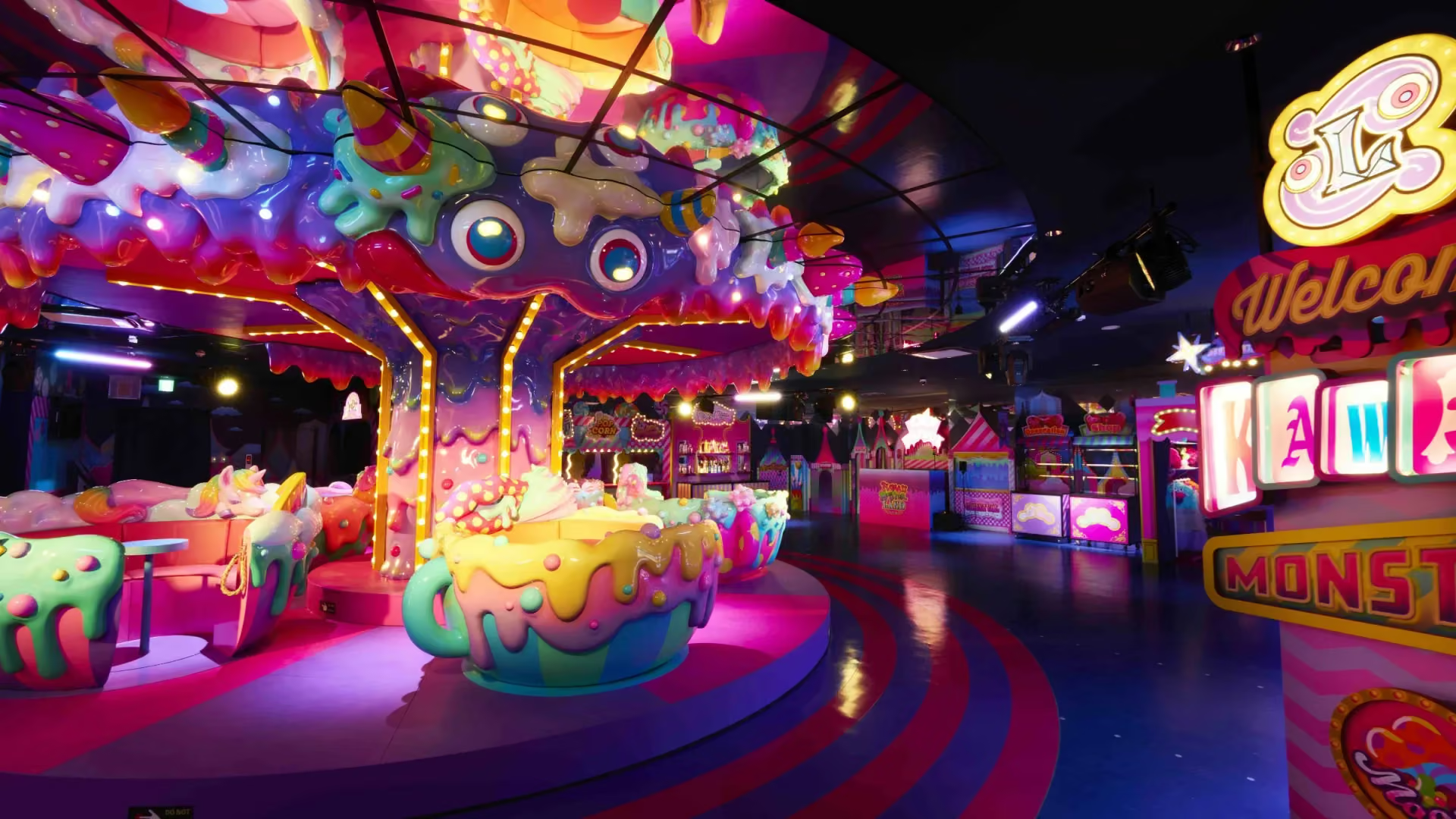
KAWAII MONSTER LAND - HARAJUKU
An indoor KAWAII amusement park beneath Takeshita Street in Harajuku, with shows by the Monster Girls, games, themed food and a dress-up photo house.
Tokyo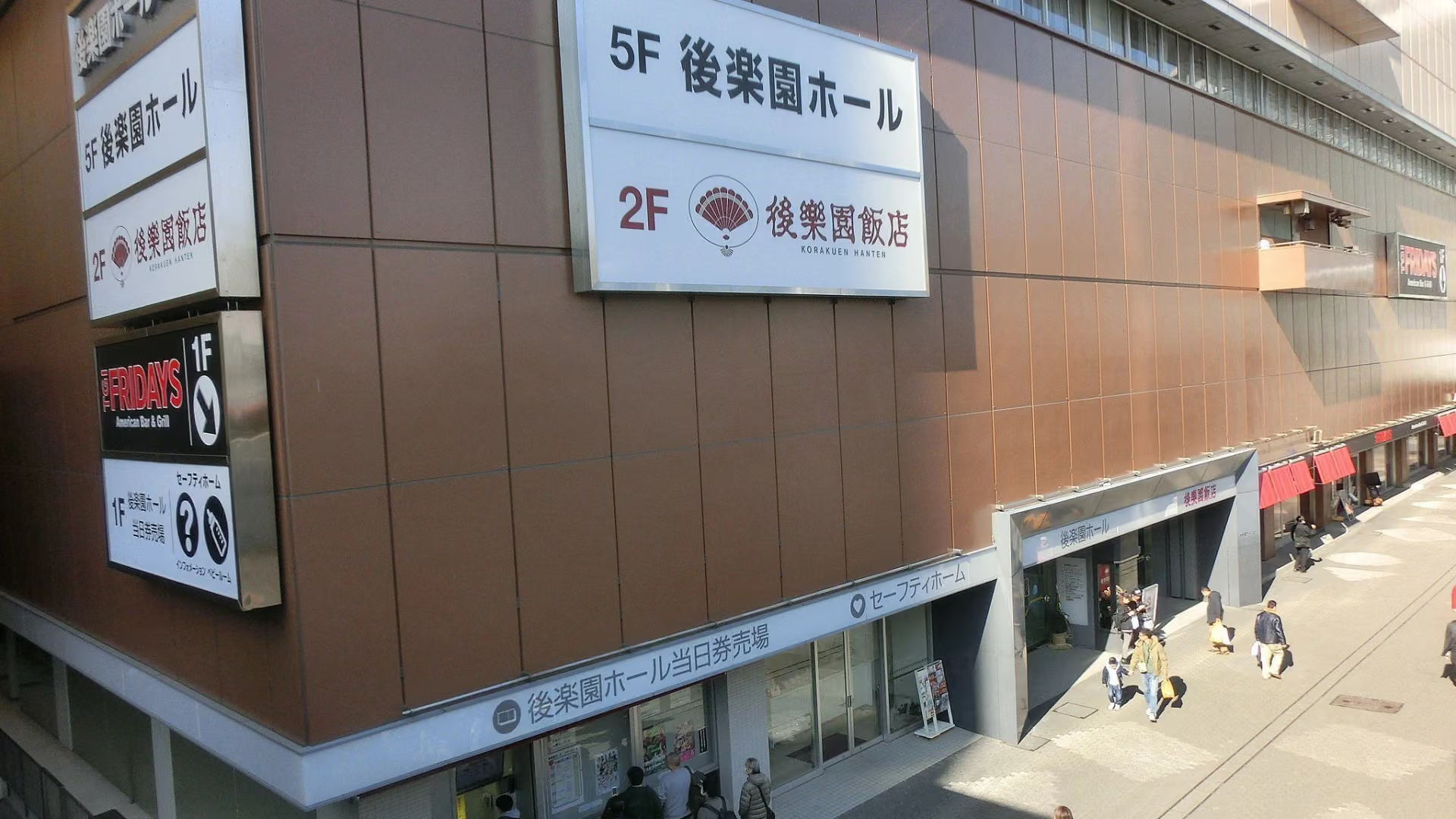
Korakuen Hall
A multi-purpose hall of 1,403 seats in Tokyo Dome City, open since 1962 and known as a holy ground of boxing and pro wrestling in Japan.
Tokyo