Senteisai festival (Akama-jingu Shrine)
先帝祭 (赤間神宮の祭事)
Three days of rites at Akama Jingu in Shimonoseki in memory of the child emperor Antoku, with a procession of women dressed as high-ranking courtesans.
In 2026: rites at the tomb and shrine from 10:00 to 16:00 on the first day; on the second day the Joro Dochu set out from Isaki-cho at 9:30, the Joro Sanpai at the shrine ran from 13:00 to 15:00 and a last show was held at the Sister City Plaza from 16:20; on the third day rites from 13:00.
〒 750-0003How to get there
下関Kagoshima Main Line · San-in Main Line · San-yo Main Line
Senteisai is the yearly festival of Akama Jingu in Shimonoseki, Yamaguchi, held in memory of Emperor Antoku. It runs over three days as part of the Shimonoseki Kaikyo Matsuri, the city's strait festival, and is best known for the Joro Dochu, a procession of women dressed as courtesans.
History
Emperor Antoku (1178 to 1185) died at the age of eight, drowned in the sea at the Battle of Dan-no-ura, where the Taira clan, the family of his grandmother, was destroyed. Akama Jingu, which enshrines him, stands above the strait where he died, and his tomb, the Amidaji Misasagi, lies west of the main hall.
The procession is said to honour women who survived the battle and became courtesans, and who came to the emperor's tomb every year to offer flowers.
What happens
On the first day, priests hold a rite at Emperor Antoku's tomb, and members of the Zenkoku Heike-kai, a nationwide Heike association, attend a memorial rite for the Taira clan. A group in period costume, dressed as the emperor, his warriors and court ladies, then comes to pray at the shrine.
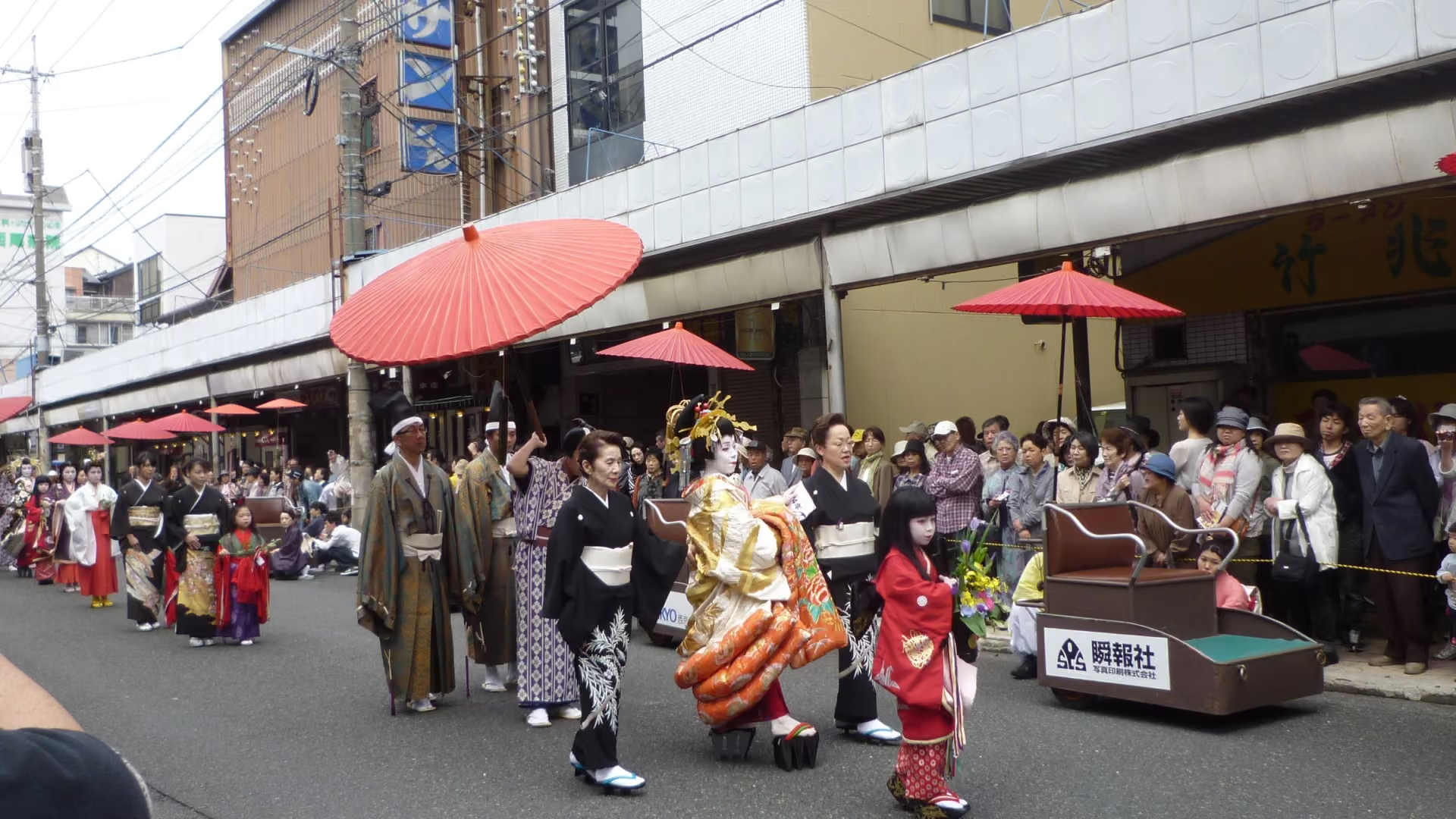
The second day is the day of the Joro Dochu. Women dressed as tayu, courtesans of the highest rank, followed by children and men dressed as guards, walk from Isaki-cho through the shopping streets of Shimonoseki to the shrine, stopping along the way to show the soto-hachimonji, the slow outward-turning step of a courtesan's procession. After the main rite and offerings at the shrine, they cross the Amanohashi, a bridge set up for the day, to pray: the Joro Sanpai.
On the third day the Otabisho-sai is held, with a rite at the shrine and then at the otabisho, its resting place in Isaki-cho.
Getting There

Planning a trip? Fit this into a trip and Oni plans the rest around it.
You might also like
Kurakake Castle Festival
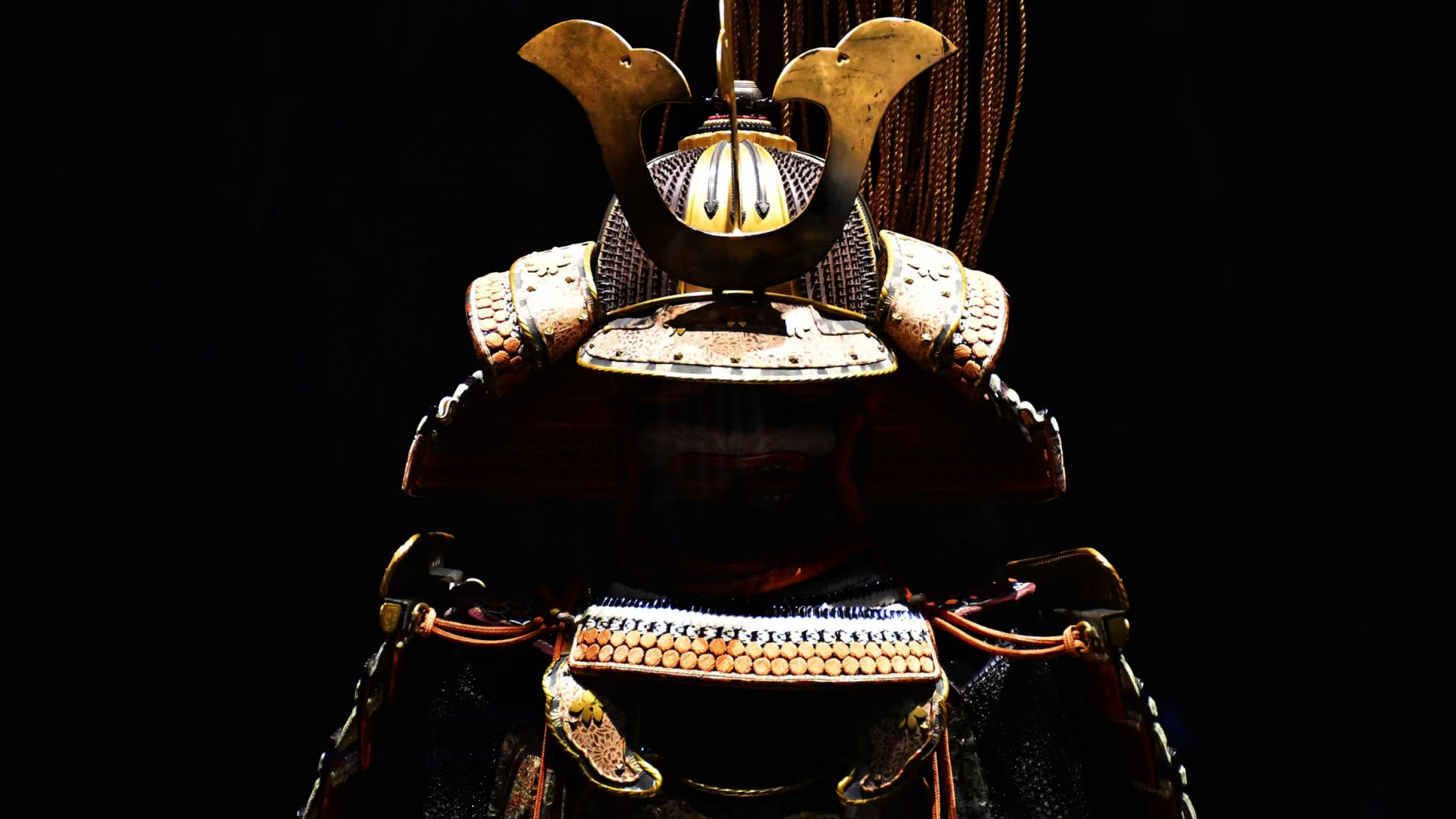
A festival in Kuga, Iwakuni, built around a re-enactment of the Battle of Kurakake, with armored warriors, taiko drumming, kagura dance and a rice cake throw.
22 Nov 2026Iwakuni · Yamaguchi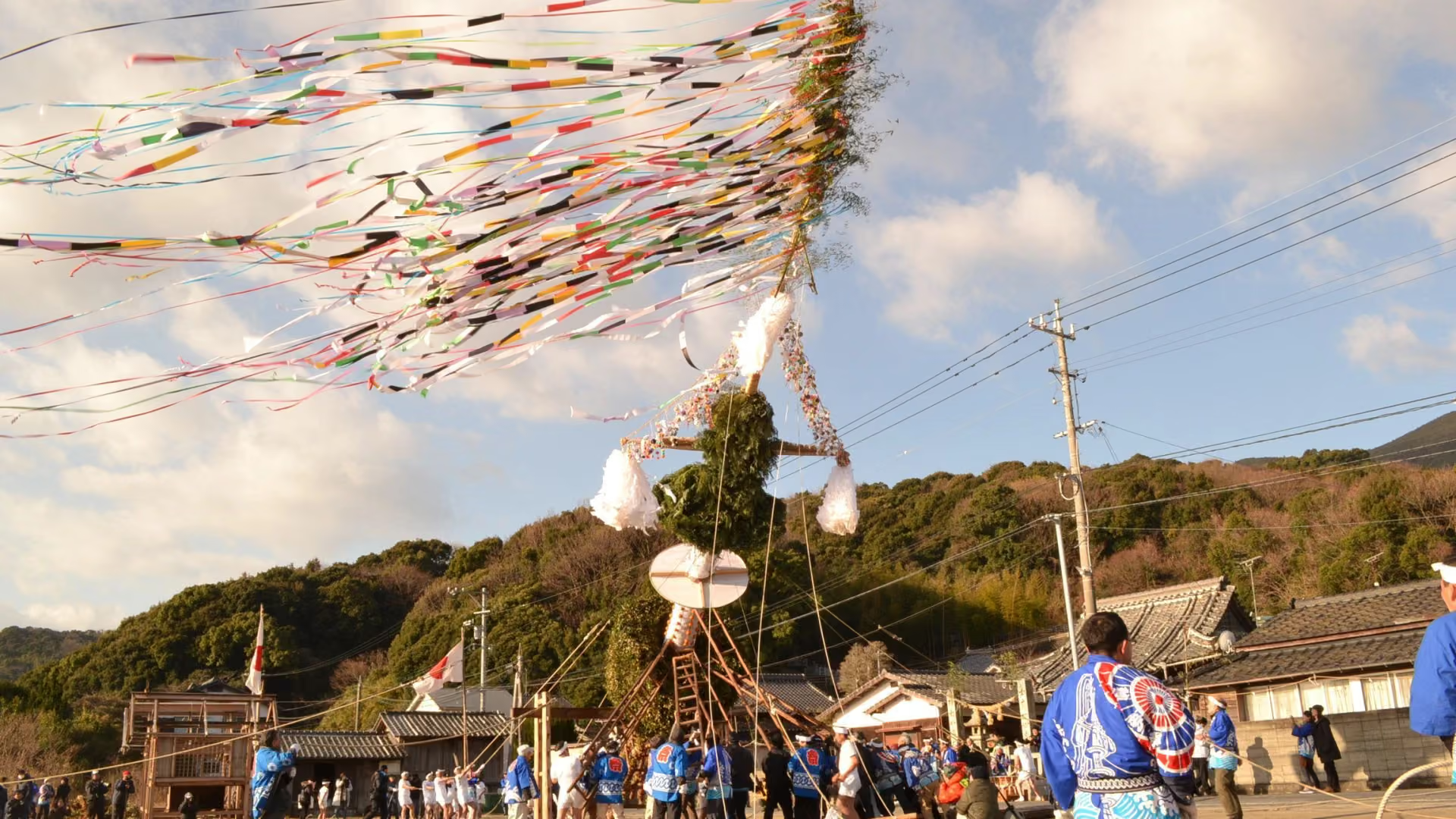
Atsukishinmei Festival
Two sacred pillars about 20 metres tall are raised on the beach in the morning, honoured with drums and dances through the day and set alight after dark.
11 Feb 2027Yanai · Yamaguchi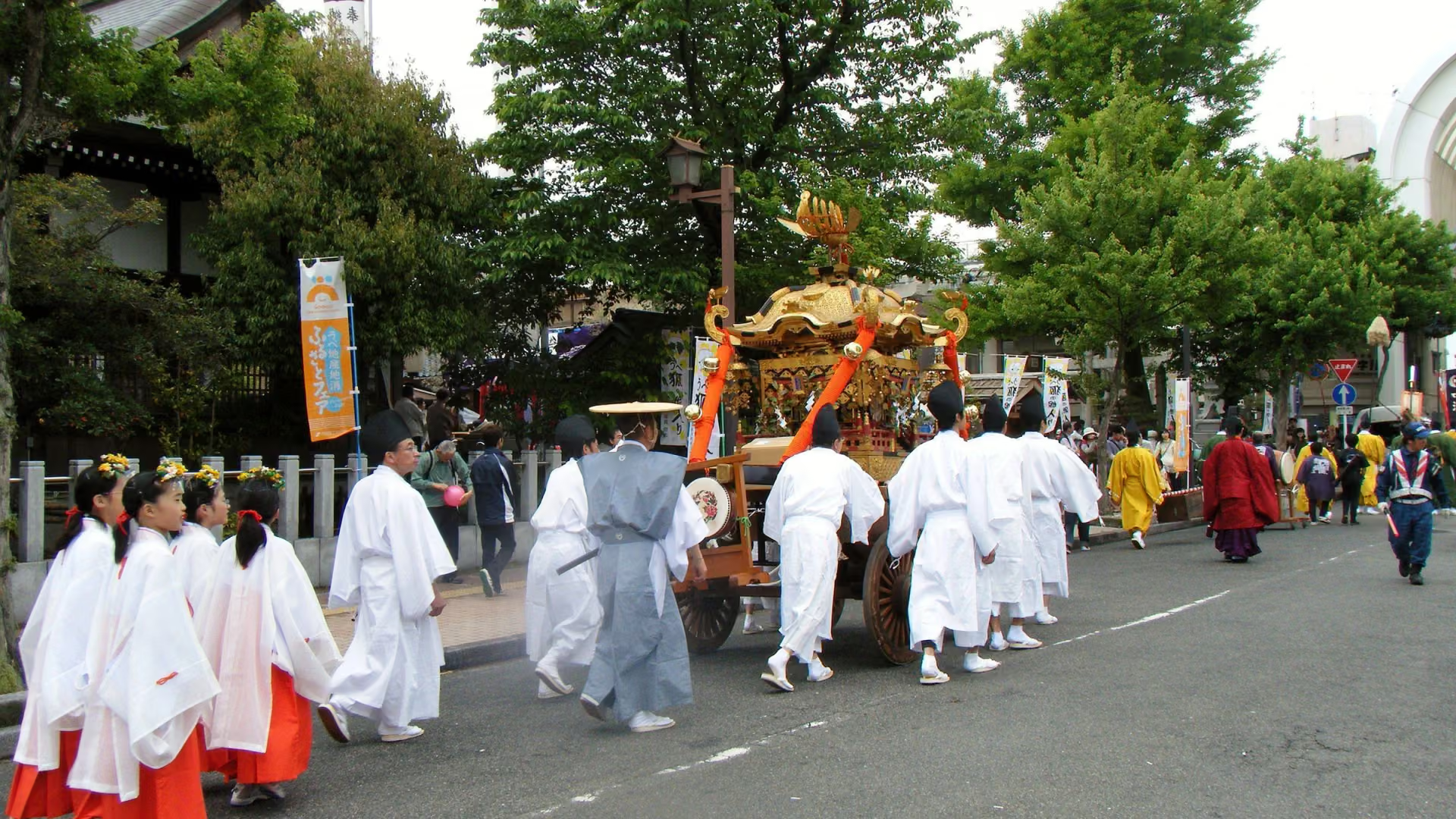
Shinkawa Market Festival
A one-day festival in central Ube with a street market, yosakoi dancers, a relay race and the portable shrine of Nakatsuse Shrine on a car-free Route 190.
5 May 2027Exact date not confirmed yetUbe · Yamaguchi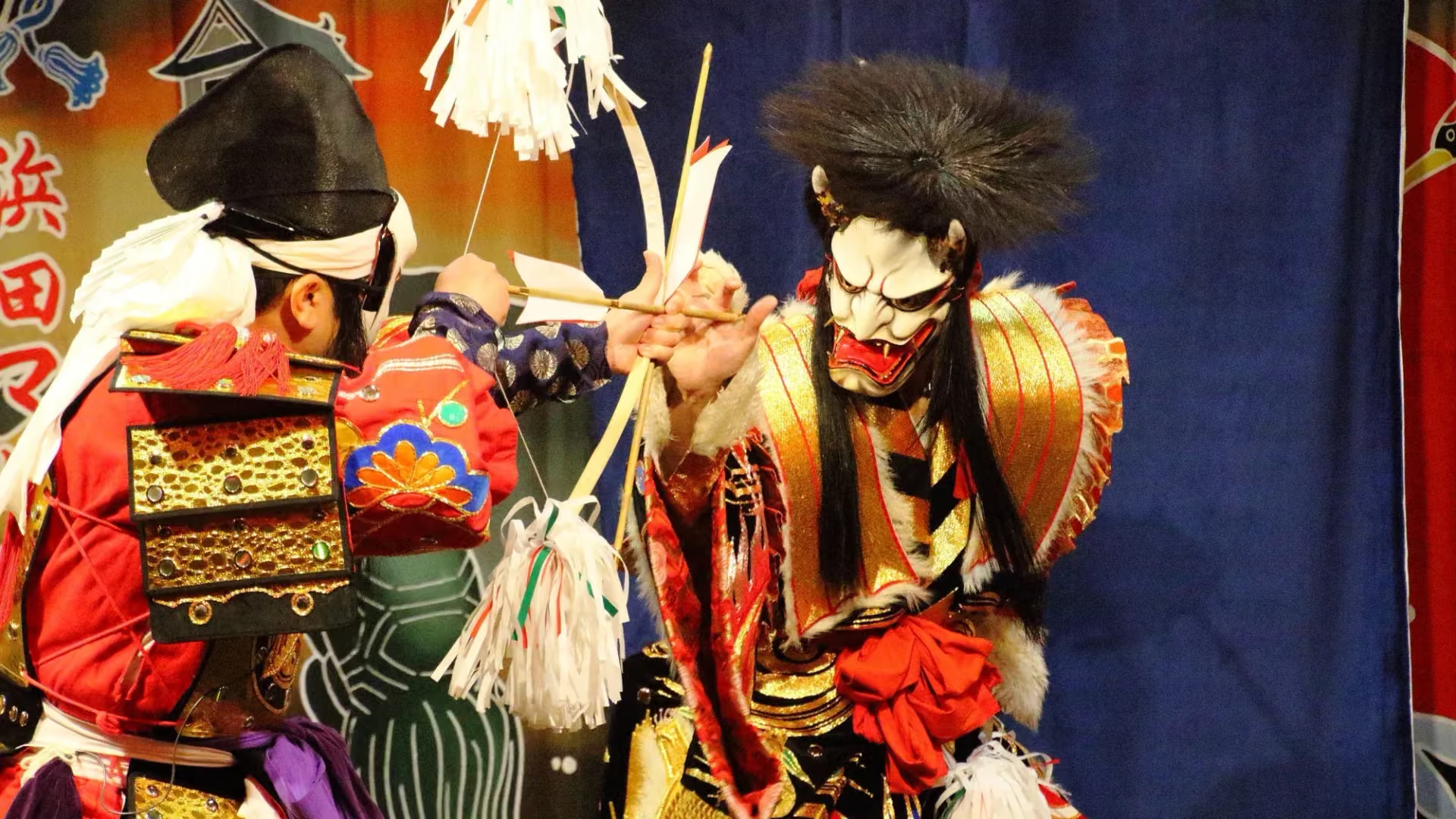
Iwami Kagura
Each autumn in western Shimane, shrine stages host Iwami Kagura - sacred dances performed through the night, from ceremonial pieces to a battle with a serpent.
Shimane · Chugoku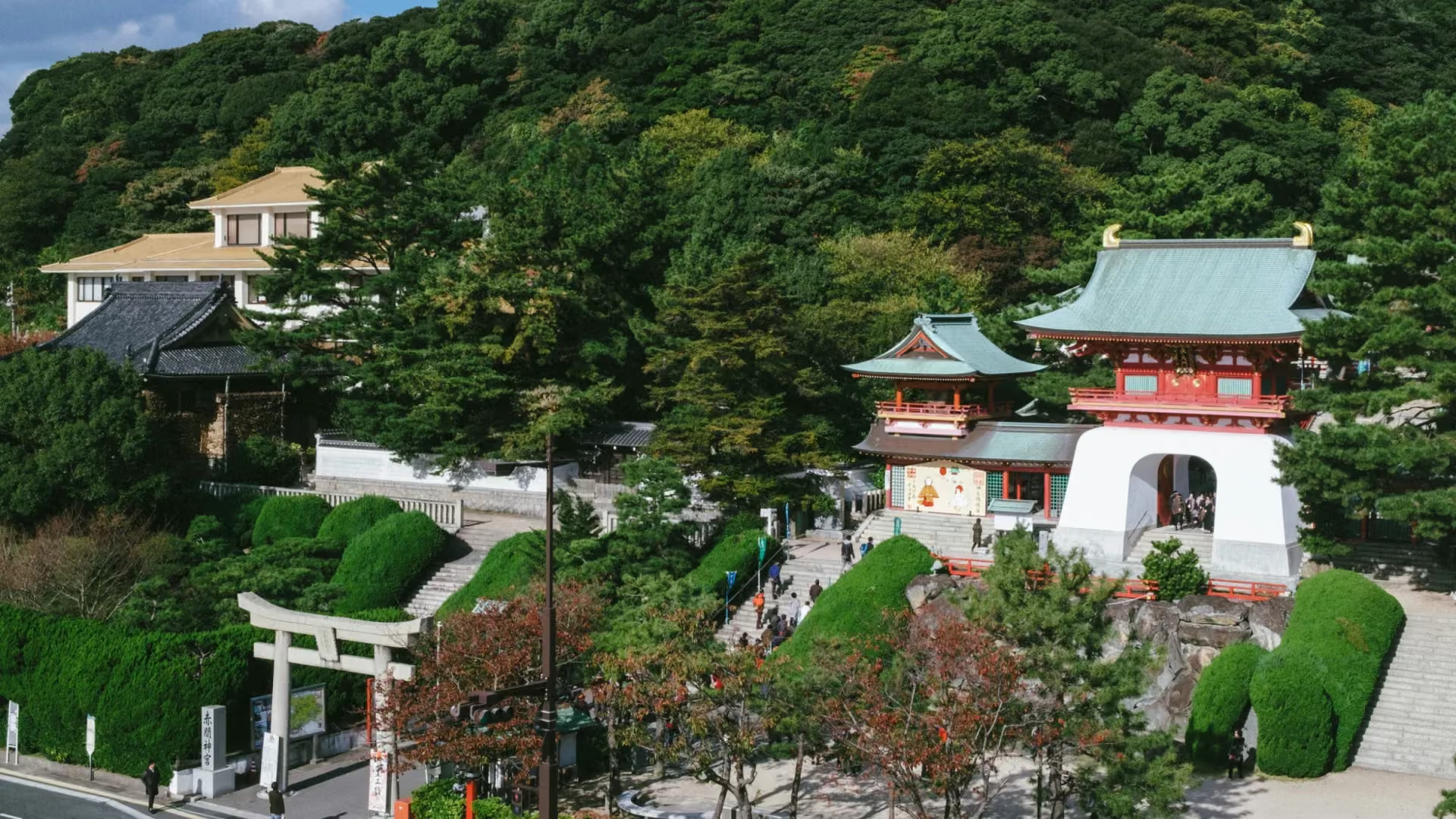
Akama Shrine
Shinto shrine in Shimonoseki for the child Emperor Antoku, who died at the Battle of Dan-no-ura in 1185, with a gate modelled on the Dragon God's sea palace.
Shimonoseki · Yamaguchi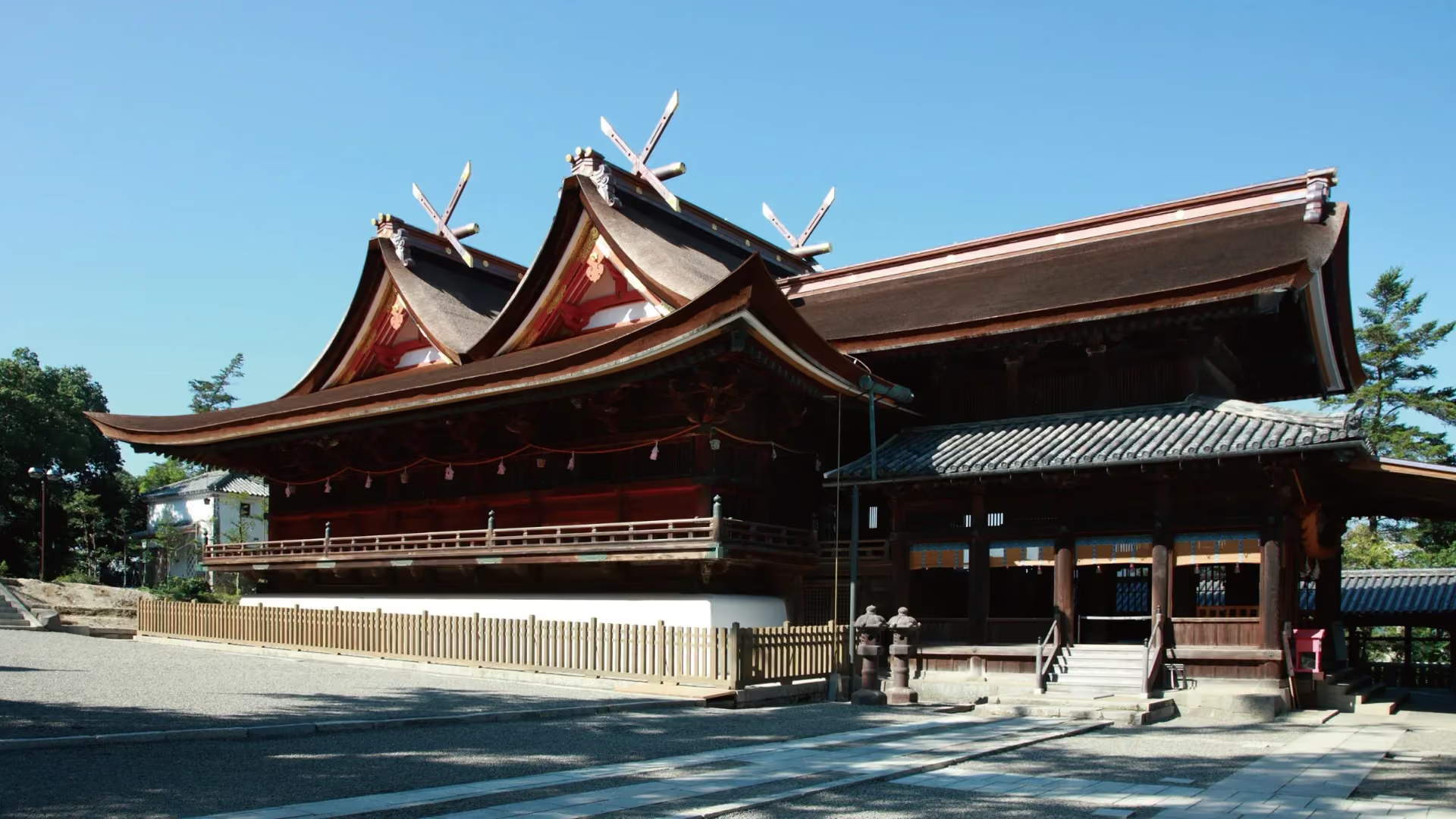
Kibitsu Jinja
Ichinomiya of Bitchu in Okayama, enshrining Kibitsuhiko, whose defeat of the ogre Ura is said to lie behind the Momotaro tale, in a National Treasure hall.
Okayama