Shinjo Matsuri
新庄祭り
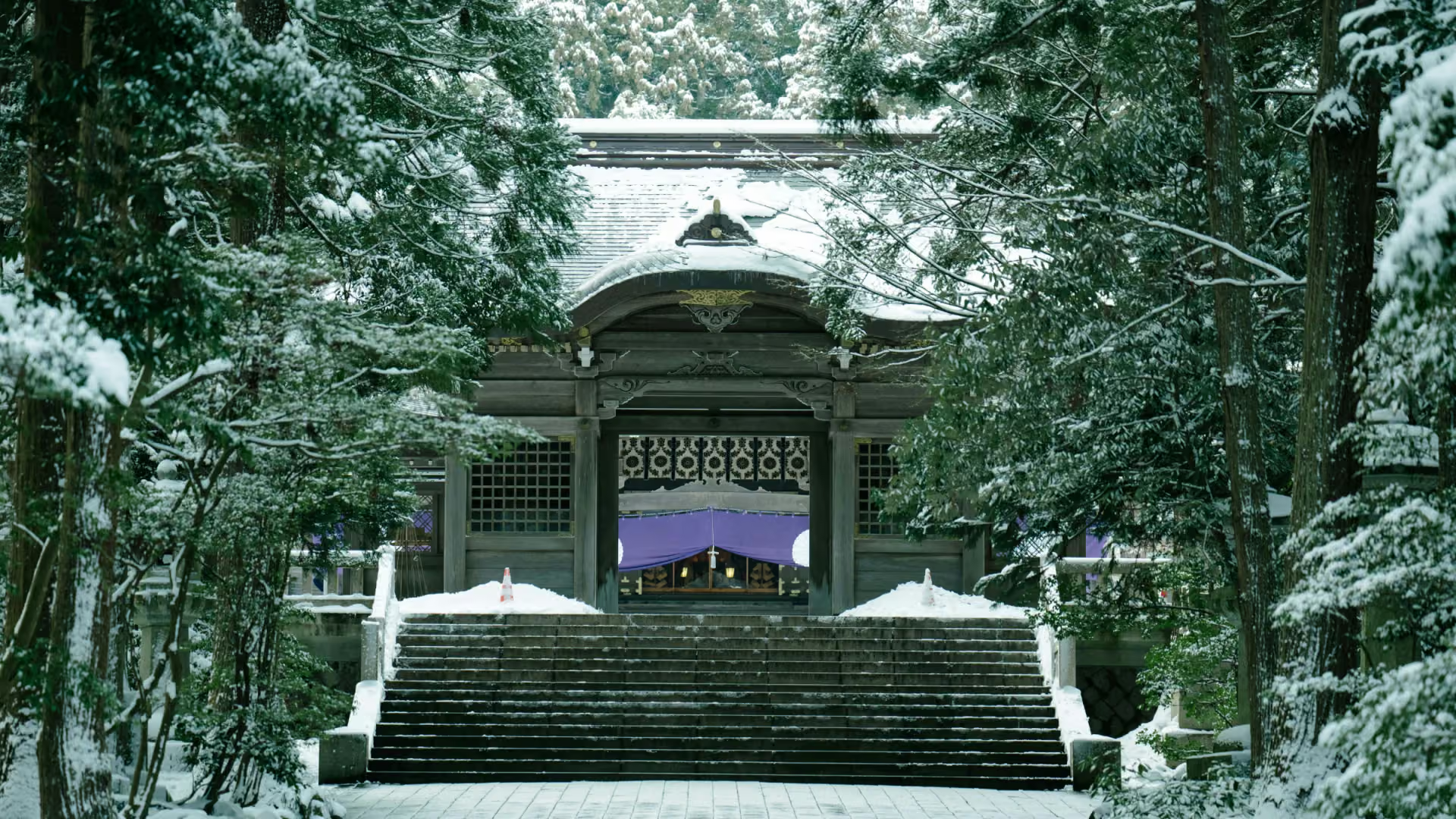
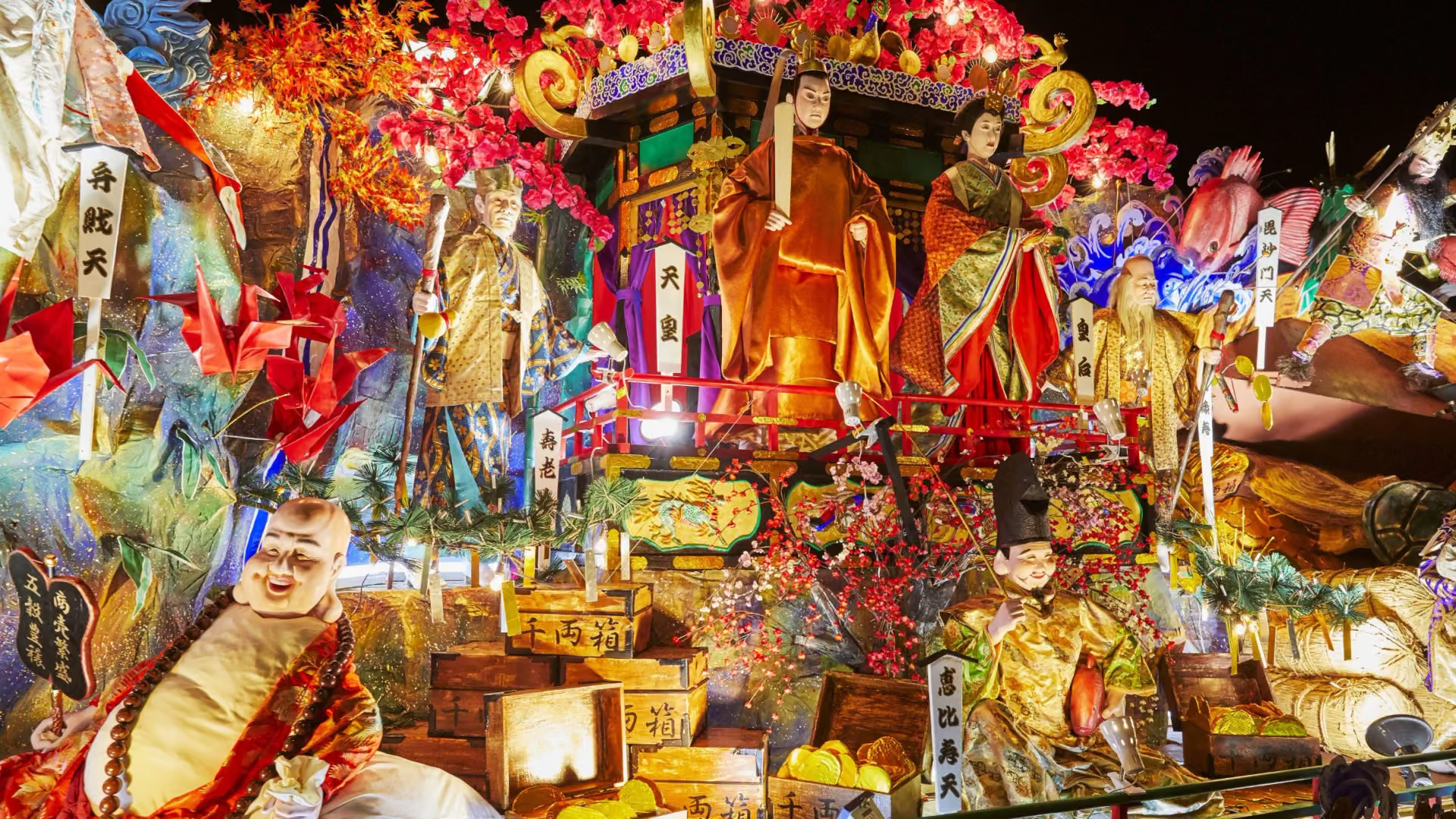
A festival in Shinjo with over 260 years of history, where 20 ornate floats themed on historical tales, legends and kabuki parade to traditional music.
〒 996-0085How to get there
新庄Ou Main Line · Rikuu East Line · Rikuu West Line19 min walk from the station
Shinjo Matsuri is held over three days at the end of August in Shinjo. Twenty floats are built for it each year and drawn through the streets, and a mikoshi, the portable shrine, is carried through the town guarded by men dressed as samurai of the old domain. The festival is an Important Intangible Folk Cultural Property of the state.
The festival began in 1756. The harvest had failed badly the year before, and the lord of the domain, Tozawa Masanobu, had all his people take part in the new festival of the Tenmangu inside the castle, the shrine of his family's guardian god. It was meant to give them heart again and to ask for a good crop. More than 270 years of the festival have followed.
In 2016 the floats of Shinjo were entered, with thirty-two other float festivals around the country, on the UNESCO list of intangible cultural heritage. It is the only entry from Yamagata under that listing.
Each float belongs to a neighbourhood and is built by its young men's association, and a new one is made every year. On the deck of each stands a scene worked out in figures, from a famous moment in a kabuki play or a story out of history. The neighbourhoods compete with one another in them.
The three days
The first day is the eve of the festival. The floats, finished that morning, are drawn by children around the city through the afternoon. In the evening a flame from the Tenmangu is passed to the head of each association at a crossroads in the centre, and the floats then go in one line along the road in front of the station. The light has gone by the time they reach the square at the end of it, and they are lit from within.
The second day is the annual festival of the Shinjo Tenmangu and the height of the three. After rites at the shrine in the early morning, about two hundred men dressed as samurai of the domain escort the mikoshi out of the park and through the town. Among them are spinners of a ceremonial umbrella, bearers of the lacquered boxes that went in a lord's train, and Sarutahiko, the god who goes at the head of a procession. The floats follow the same streets later in the morning.
On the last day all twenty stand together in the shopping streets, where they can be looked at closely and their makers explain the work on them. Two shishi-odori, deer dances handed down at Hagino and Nitayama north of the city, are danced at the shrines in the park and again in the street. The dancers here take the form of the kamoshika, the Japanese serow, which is rare among such dances, and it is said to be a prayer for a good harvest. The festival closes with a hand-clapping ceremony at a crossroads, a float standing at each of its four sides.
Getting There

Planning a trip? Fit this into a trip and Oni plans the rest around it.
You might also like
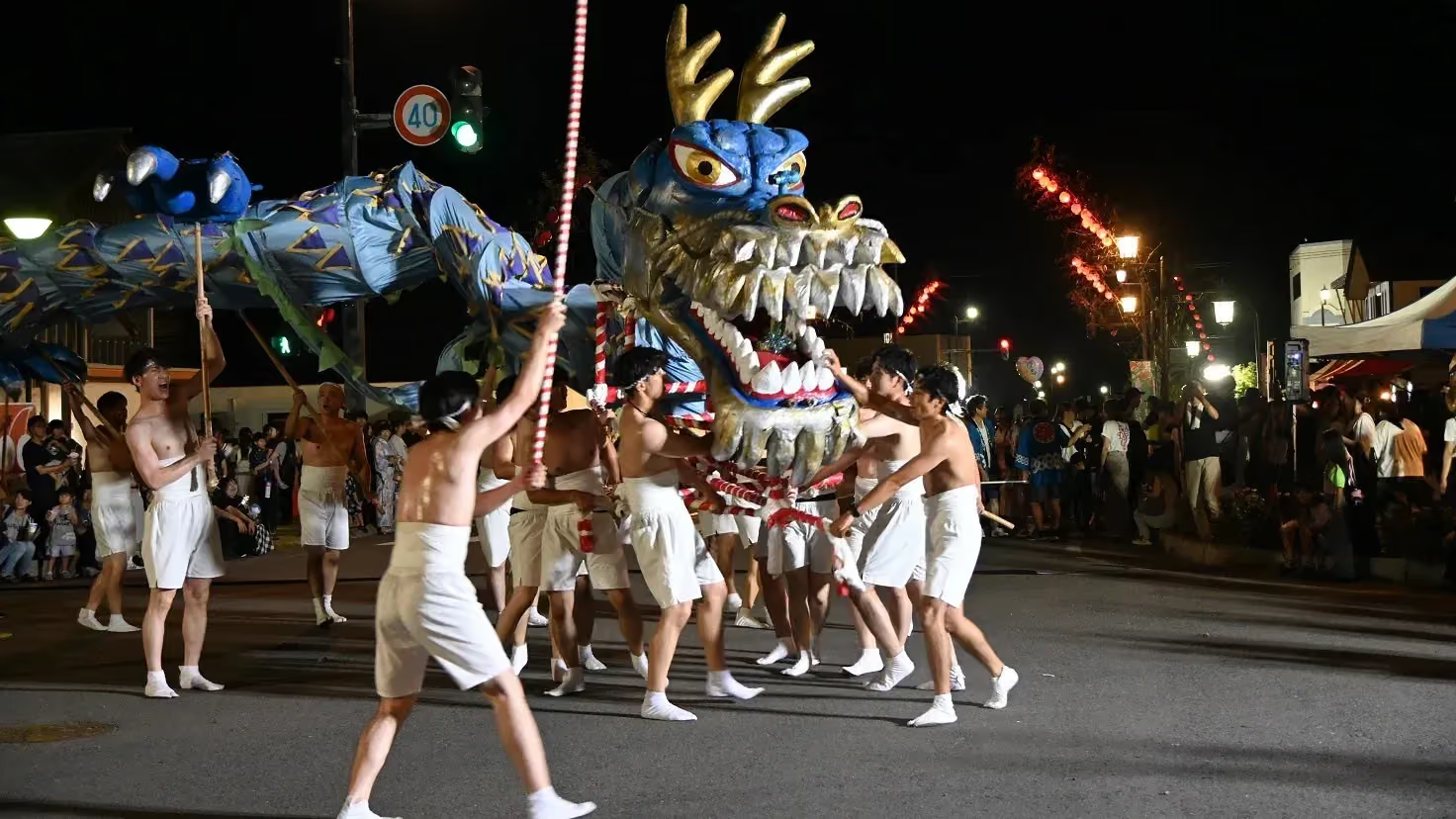
Aodake Chochin Festival (Green Bamboo Lantern Festival)
A summer festival transforms a town with illuminated green bamboo lanterns, folk performances, and fireworks over Takahata.
16 Aug 2027Exact date not confirmed yetTakahata · Yamagata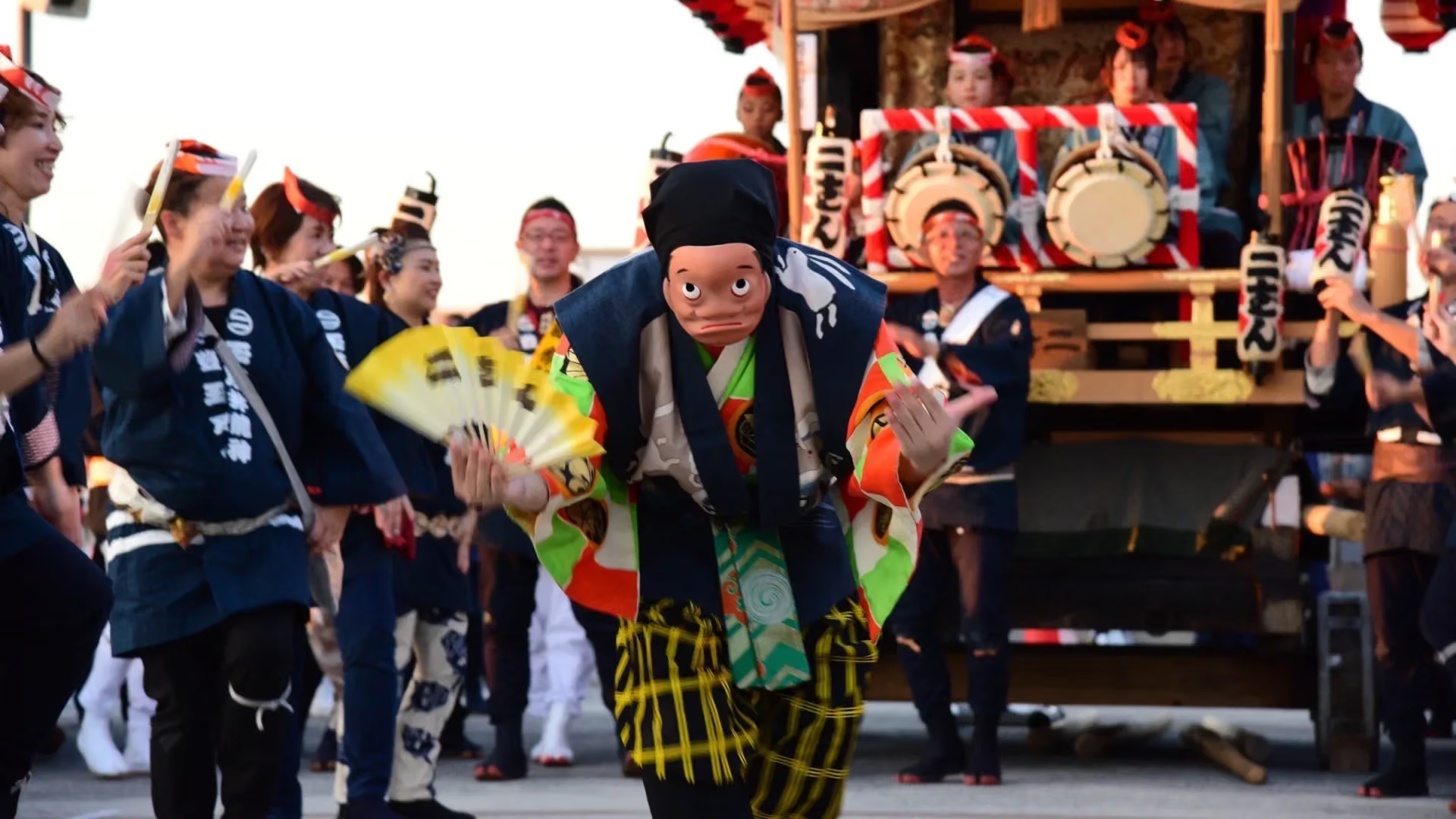
Sakura Autumn Festival
Each October the old castle town of Sakura fills with towering doll floats, portable shrines and Edo-descended music for three days of procession.
9–11 Oct 2027Exact date not confirmed yetSakura · Chiba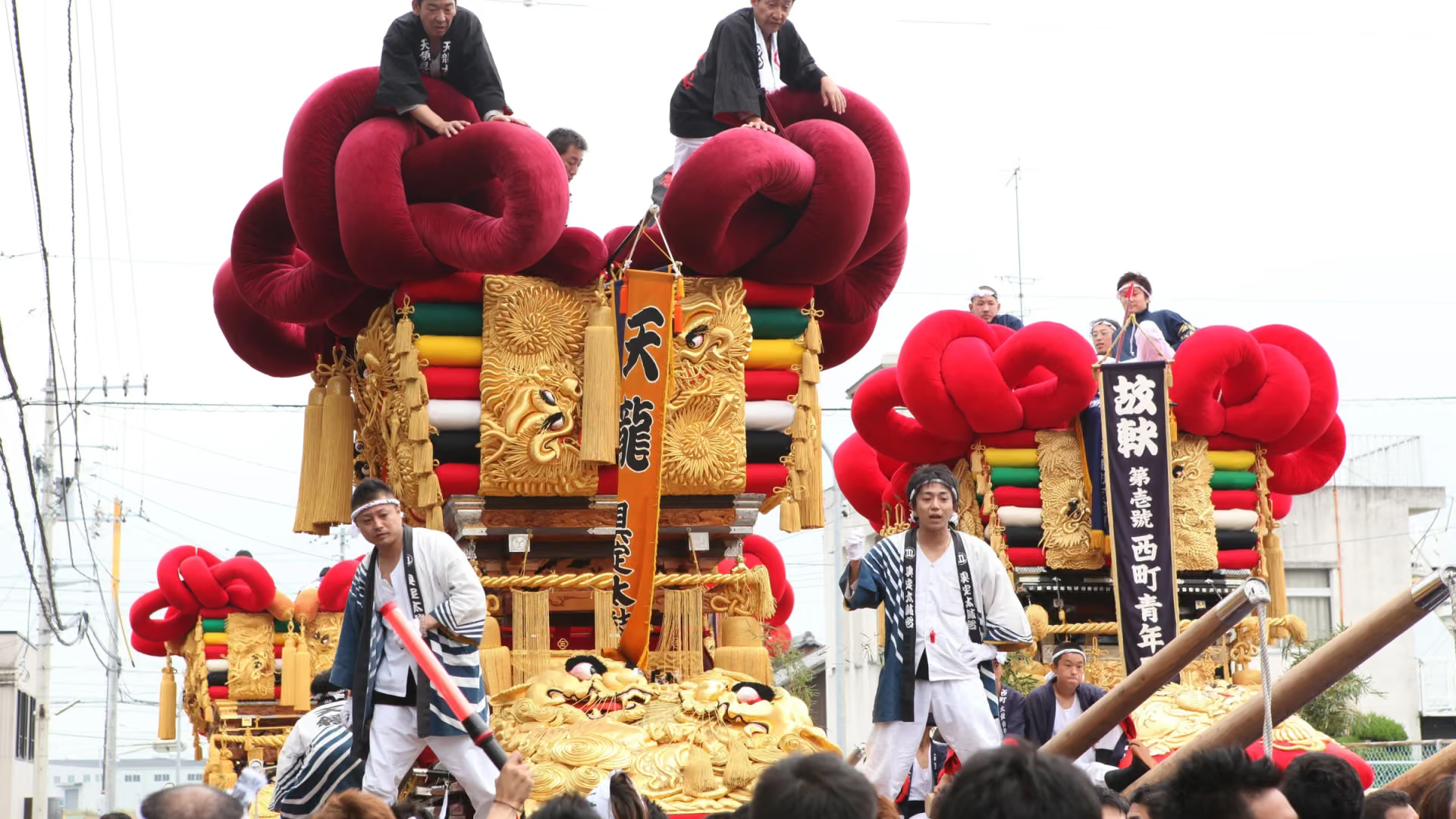
Niihama Taiko Festival
Towering drum-bearing floats parade through Niihama in this October celebration, drawing nearly 200,000 spectators each year.
16–18 Oct 2027Exact date not confirmed yetNiihama · Ehime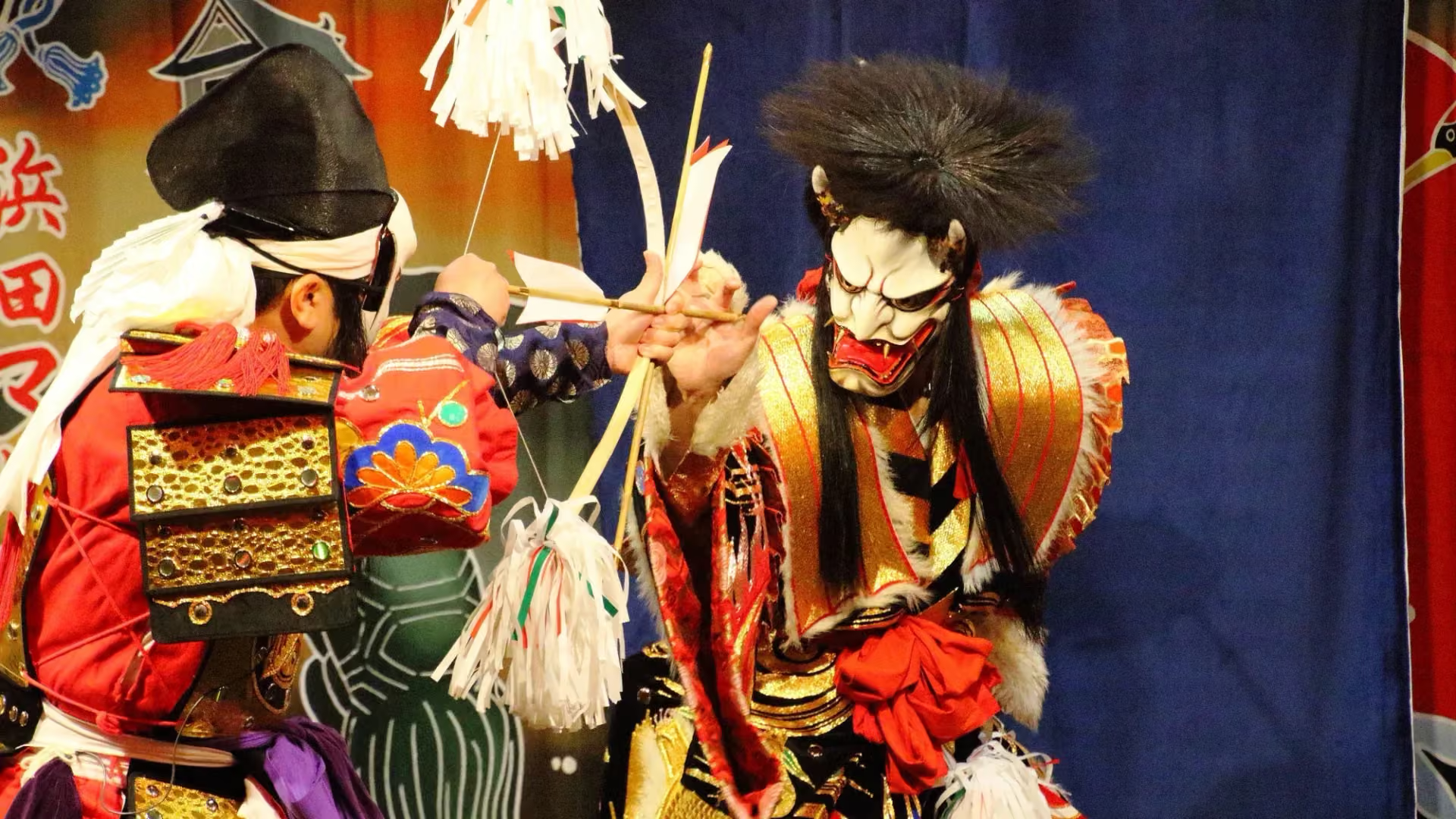
Iwami Kagura
Each autumn in western Shimane, shrine stages host Iwami Kagura - sacred dances performed through the night, from ceremonial pieces to a battle with a serpent.
Shimane · Chugoku
Ninja+Kabuki Tokyo
This nonverbal stage experience blends traditional kabuki and taiko drumming to tell a mythological tale of rival ninja, opening in August 2024.
Tokyo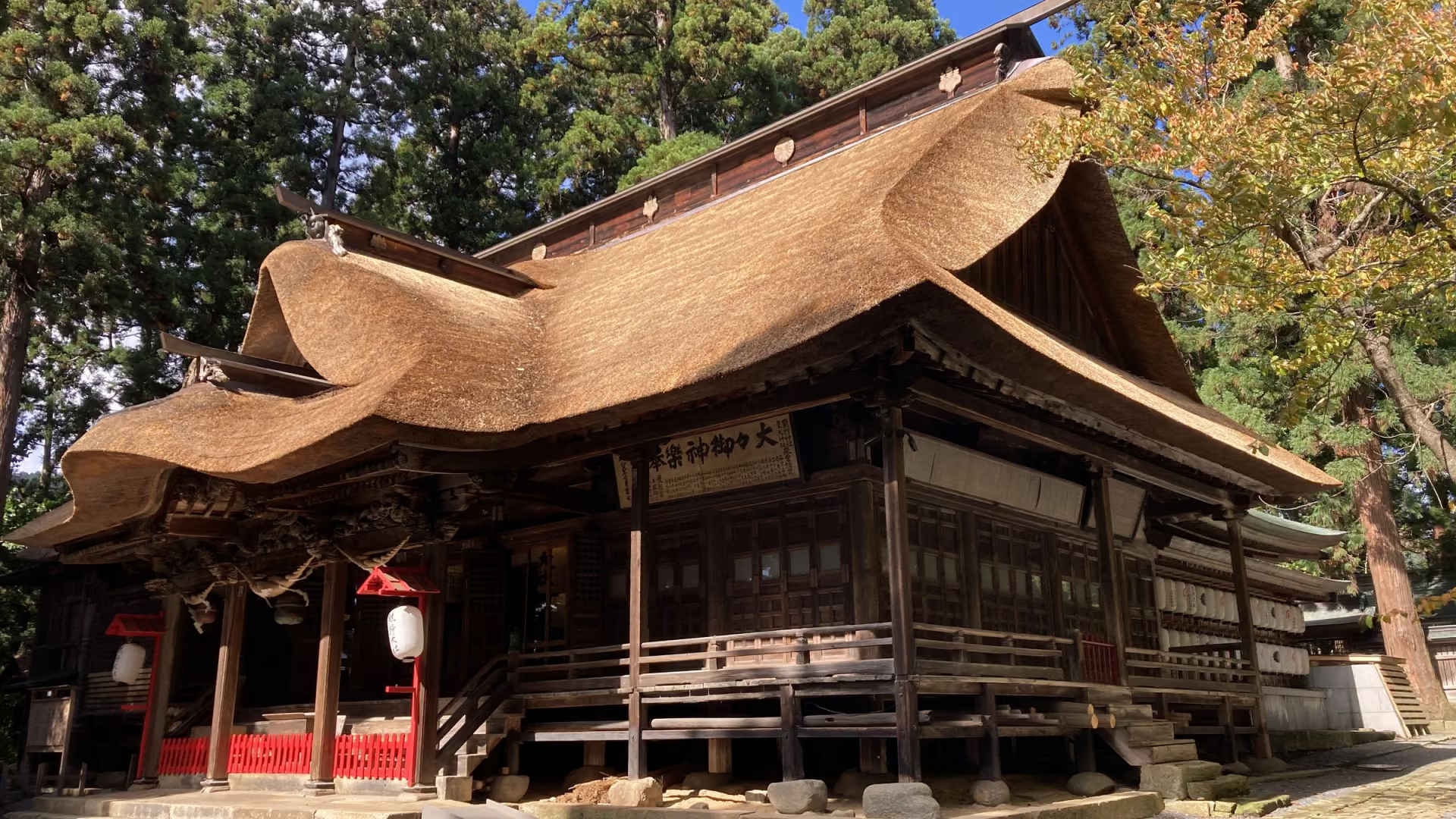
Kumano Taisha Shrine
One of three major Kumano shrines in Japan, Kumano Taisha was established in 806 and is known as the Ise Shrine of the North for its significance.
Nanyo · Yamagata