Urasa Bishamondo Naked Man Festival
越後浦佐毘沙門堂裸押合大祭
A 1,200-year-old midwinter festival features bare-chested men competing to ascend to the temple and offer prayers to the protective deity Bishamonten.
〒 949-7302How to get there
浦佐Joetsu Line · Joetsu Shinkansen6 min walk from the station
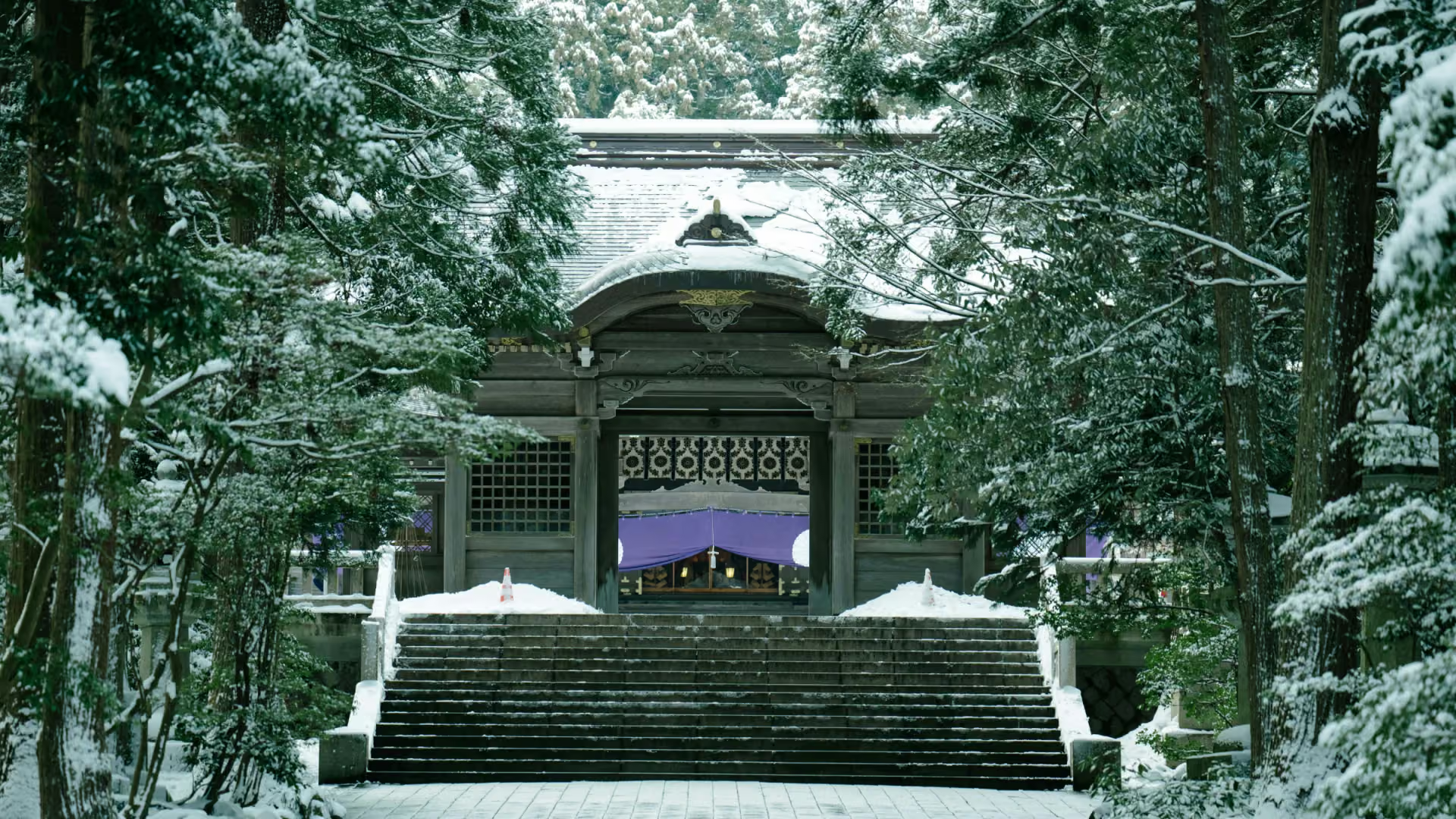
The Urasa Bishamondo Naked Man Festival is held annually at Fukuji Temple in Urasa, Niigata Prefecture. Taking place in midwinter, the festival is often set against heavy snowfall, sometimes exceeding two meters, providing a distinctive backdrop for the event’s traditional activities.
The festival's origins can be traced back approximately 1,200 years to when military commander Sakanoue no Tamuramaro established a temple for the worship of Bishamonten. Bishamonten, one of the Four Heavenly Kings in Buddhism, is celebrated as a protector and bringer of fortune. The local people would sing and dance at feasts to uplift spirits, a tradition believed to be the foundation of this festival. Over the years, the number of pilgrims has steadily increased, attributed to Bishamonten's perceived miraculous powers and protective grace.
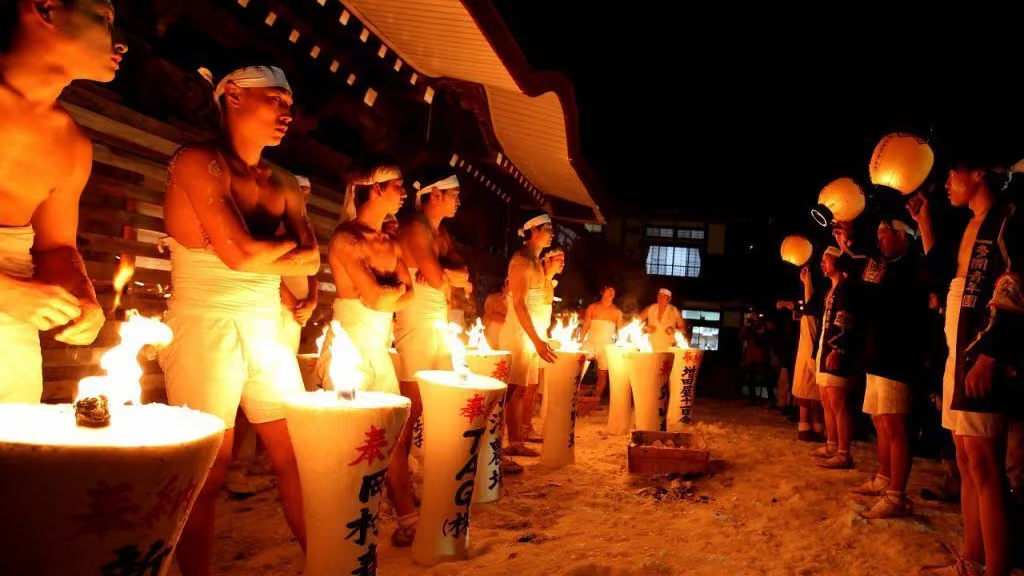
The festival's most striking feature involves a throng of men, bare-chested despite the freezing conditions, who engage in a spirited competition. Chanting "San-yo, san-yo" in a powerful chorus, they push and jostle each other in an effort to be the first to ascend to the temple's upper chamber. There, they offer prayers to Bishamonten, seeking blessings for strength, prosperity, and good fortune.
An additional, visually stunning aspect of the festival is the procession of a massive 30kg lit candle carried through the streets by the participants. This striking element has earned the event the nickname "Large Candle Festival”. The sight of the towering candle, aglow against the night sky and surrounded by a sea of determined, chanting men, creates a mesmerising spectacle that embodies the spirit of perseverance, unity, and faith.
Getting There

Planning a trip? Fit this into a trip and Oni plans the rest around it.
You might also like
Minato Festival
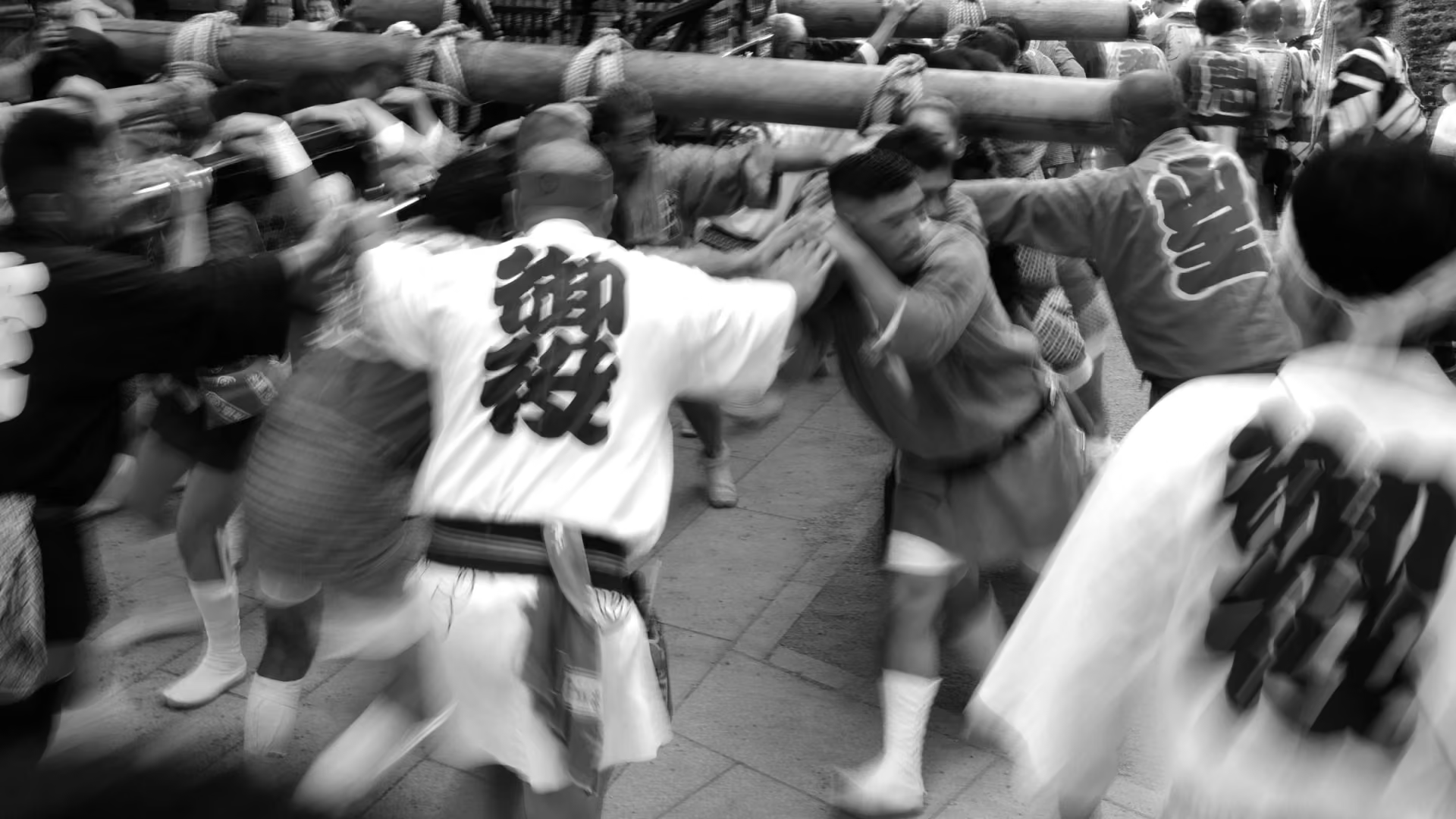
Annual shrine festival featuring traditional performing arts, portable shrine processions, and demonstrations of ancient Minato kiyari songs.
5 May 2027Exact date not confirmed yetSado · Niigata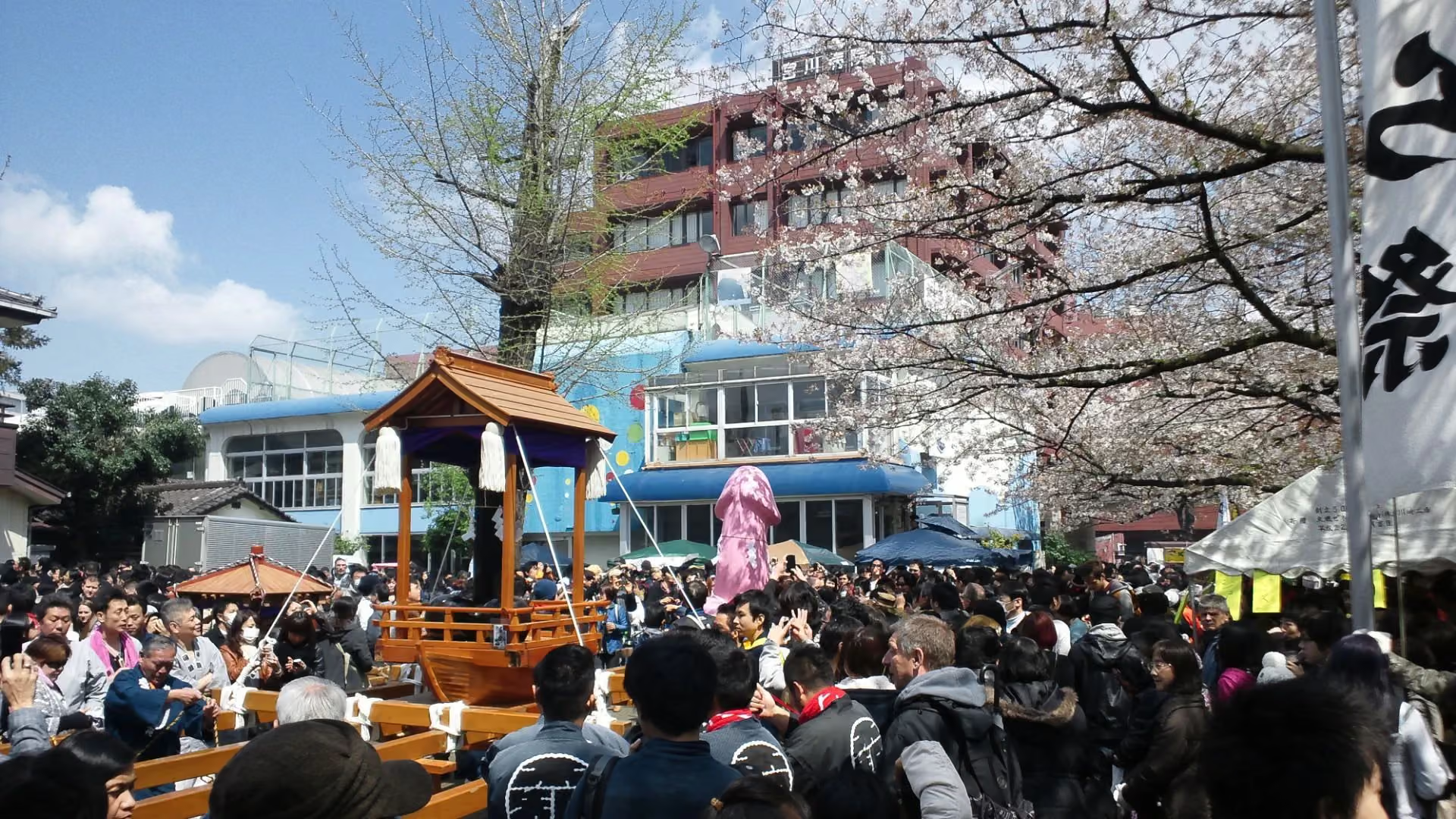
Kanamara Matsuri "Festival of the Steel Phallus"
An annual Shinto festival at Kanayama Shrine in Kawasaki featuring distinctive phallic imagery in decorations and parades while raising funds for HIV research.
5 Apr 2027Exact date not confirmed yetKawasaki · Kanagawa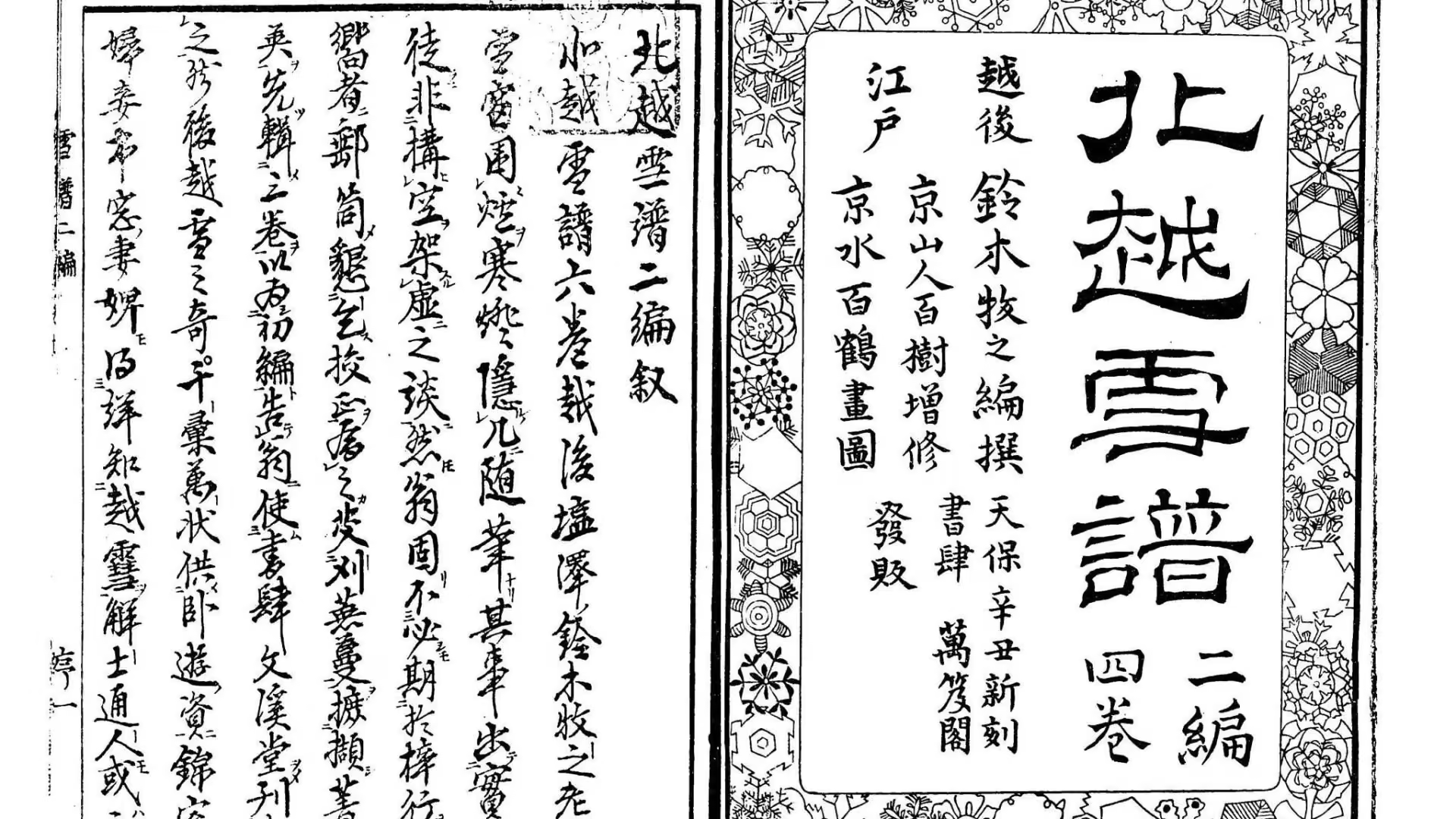
Shiozawa Seppu Festival
A winter festival celebrates Edo-period scholar Bokushi Suzuki and the region's textile traditions with a 108-lantern Goma fire ceremony by mountain ascetics.
21 Feb 2027Exact date not confirmed yetMinamiuonuma · Niigata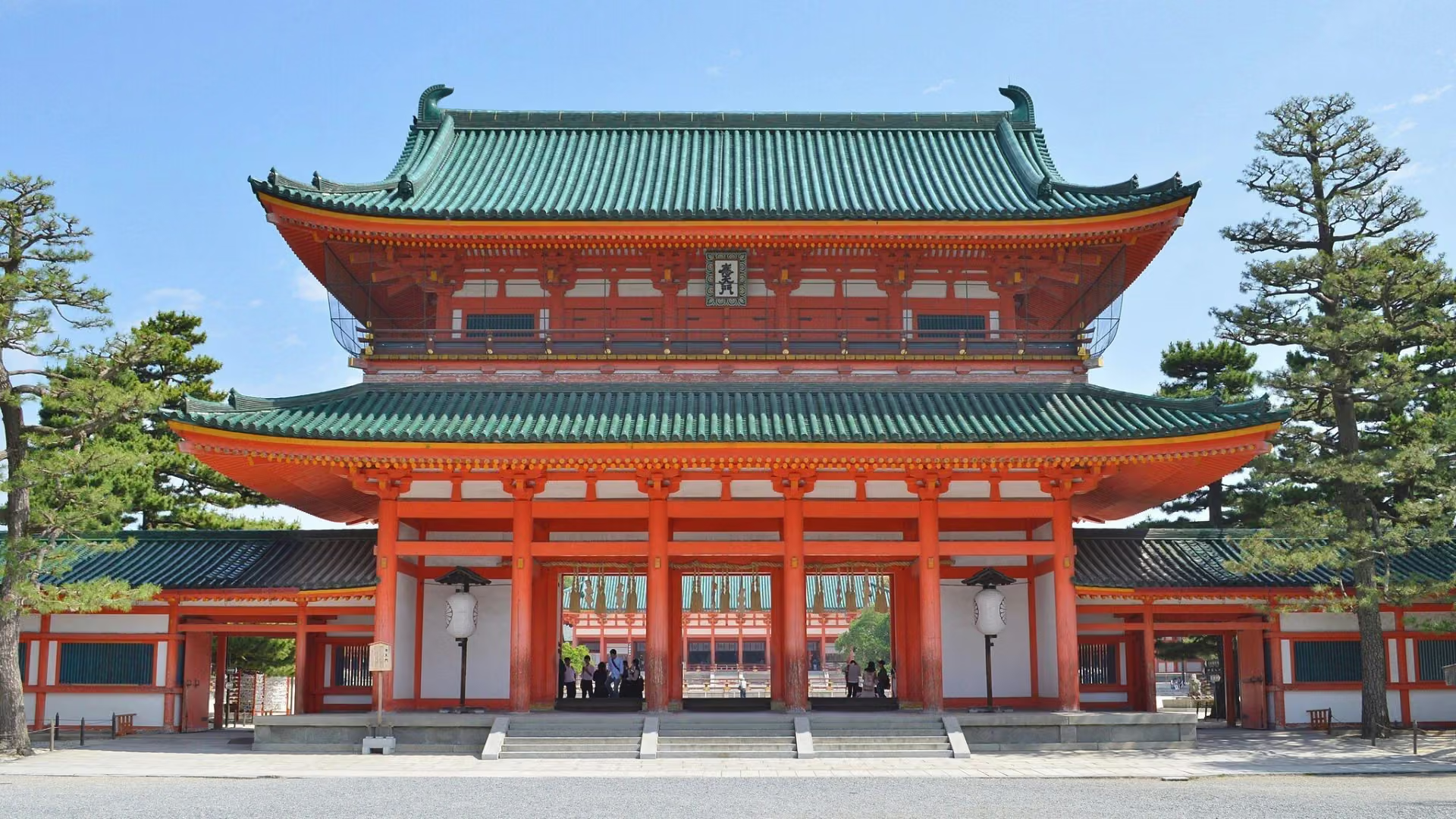
Heian Shrine
A highly-ranked Shinto shrine in Kyoto built in 1895 to commemorate the city's 1100th anniversary and dedicated to Emperor Kanmu.
Kyoto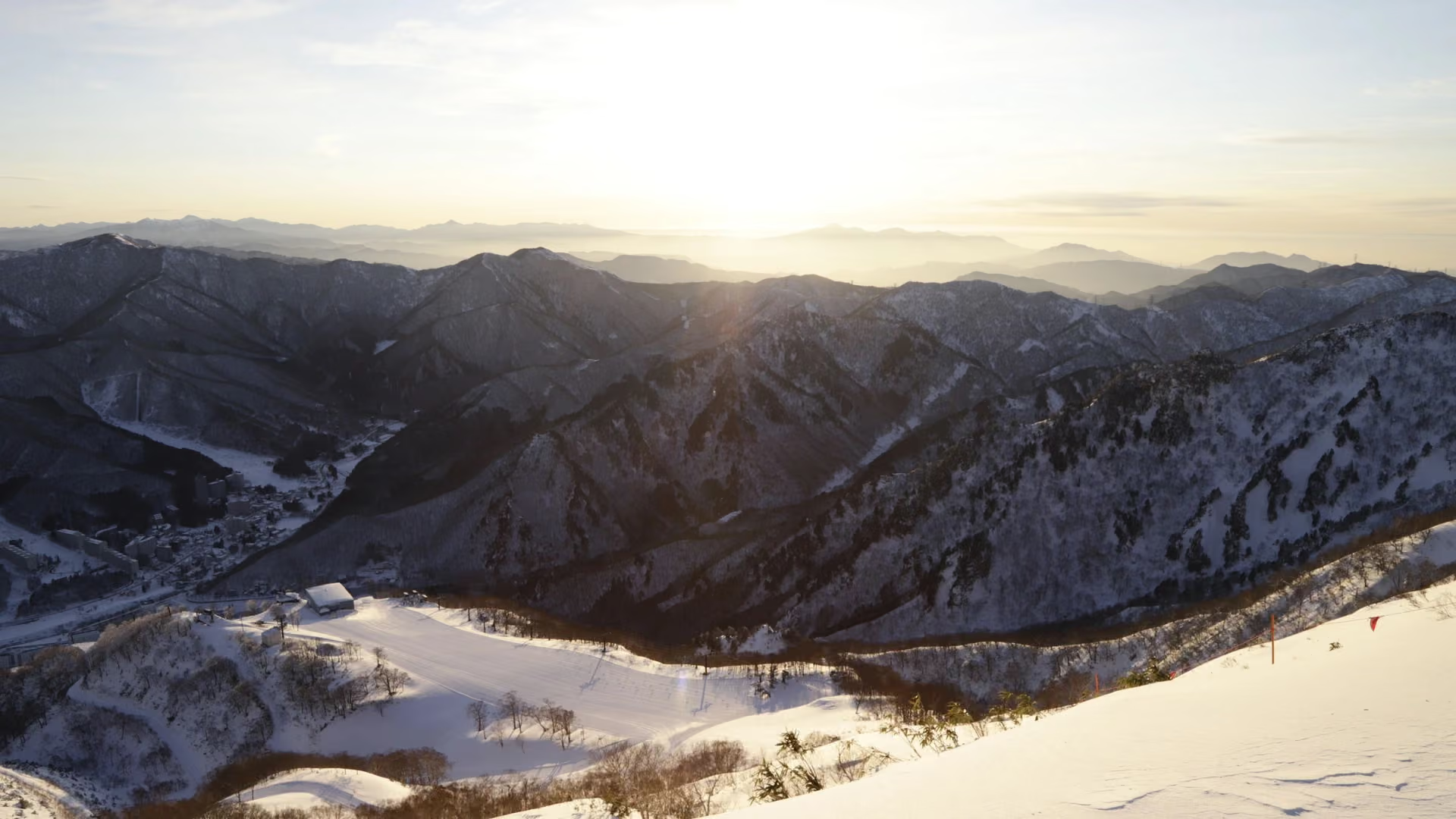
Naeba Ski Resort
This Niigata ski resort connects to nearby Kagura via the Dragondola, Japan's longest gondola at 5.5 kilometers, and hosted the 2016 Alpine World Cup.
Yuzawa · Niigata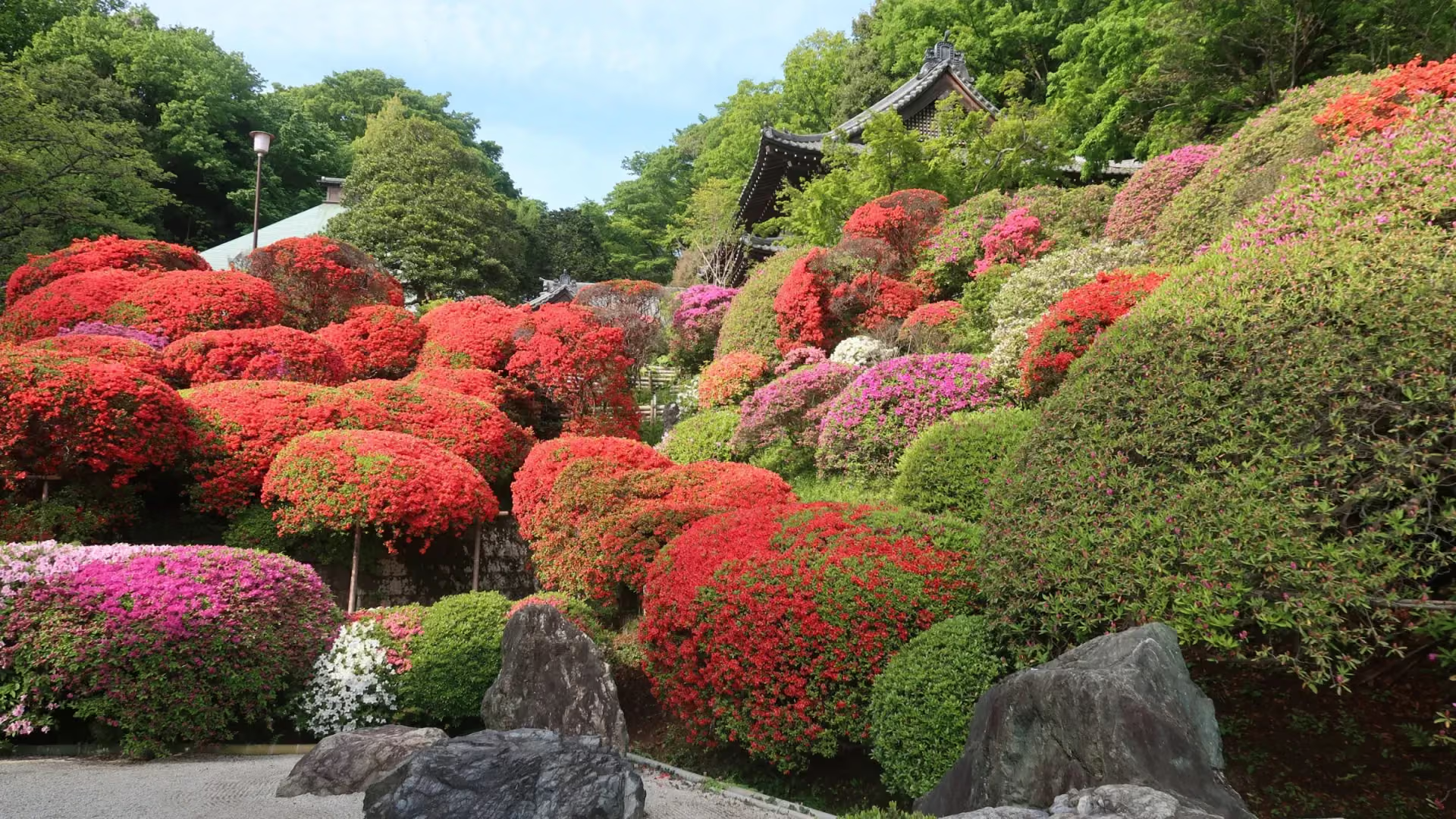
Togakuin
Tendai temple in the Kawasaki hills, known as the azalea temple for the 2,000 shrubs that colour its slopes each spring, and for its healing prayers.
Kawasaki · Kanagawa