Yatsuo Hikiyama Festival
越中八尾曳山祭
A traditional spring festival features six ornately decorated floats assembled without nails, pulled through streets with classical hikiyama music.
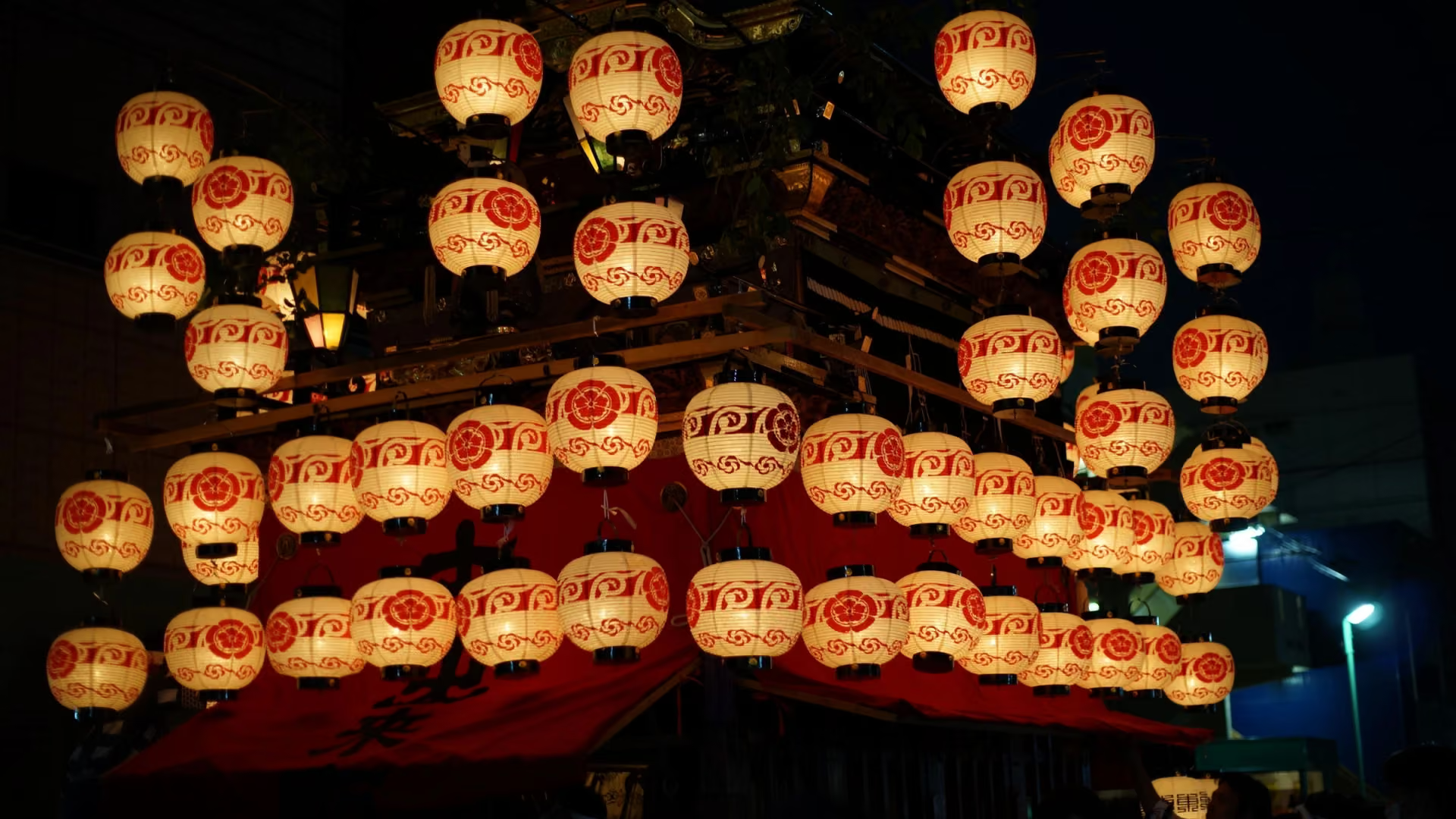
The carved floats set out at about 9:30, the afternoon run at about 13:50 and the lantern floats at about 19:00 (2026 times).
〒 939-2343How to get there
越中八尾Takayama Main Line29 min walk from the station
The Yatsuo Hikiyama Festival is the spring festival of Yatsuo Hachiman Shrine in Yatsuo, Toyama City. Six ornate floats, hikiyama, are pulled through the hilly streets of the old town by day and come back after dark as lantern floats.
History
In the Edo period Yatsuo was a trading town for silkworm eggs, raw silk, washi paper and charcoal from the mountains. Its wealth made it a treasury for the Toyama Domain, which called the town its onando, or storehouse.
The festival is said to go back to 1741. At that year's shrine festival the Kamishinmachi district built a decorated float and set on it a doll of the poet Ariwara no Narihira, a gift from the lord of Toyama. Five more districts built floats of their own, each trying to outdo the others, and the six floats grew richer with carving, metalwork, lacquer and gold leaf.
The floats
Each float has two storeys. The upper storey holds the district's sacred doll under a curtain bearing the district crest and carries a roof shaped like a castle keep. Musicians sit behind blinds on the lower storey and play hikiyama-bayashi, float music for shamisen, flute and drums that draws on nagauta, hauta and joruri.
Three floats are kept on show at the Hikiyama Exhibition Hall and three in district storehouses. On 1 May they are put together without a single nail, held only by wedges and hemp rope, and pulled for a trial run called chobiki, in which local children take part. On the eve of the festival each district welcomes its deity, usually at the district hall, and plays sacred music before it.
What happens
Early on the festival day the six floats line up in the grounds of Monmyoji Temple. A lion dance from Kagamimachi, a district without a float, clears the way, followed by the mikoshi, the portable shrine, of Yatsuo Hachiman Shrine and then the floats. The order of the floats changes every year: the first float of one year goes last the next. The route also alternates each year between an eastern and a western course. The float pullers call out Horikino Mitsuno Yokanbo, a chant whose meaning is no longer known.
Towards evening the floats gather at Jusangokubashi Bridge, where the carvings are taken off and about 400 lanterns are hung on each float. Candles once lit them; LEDs are now taking their place. The lantern floats are then pulled to Yatsuo Hachiman Shrine and turned in front of it as an offering of thanks. Back in their own districts, the pullers and residents gather round the floats to sing the celebration song Okinsa.
Getting There

Planning a trip? Fit this into a trip and Oni plans the rest around it.
You might also like
Sanno Festival
Centered at Hie Shrine, this major Toyama festival originated in the Edo period and features a two-day mikoshi procession through the city's parishes.
31 May – 2 Jun 2027Toyama
Jantokoi Uozu Festival
Uozu's biggest summer event, the Jantokoi Uozu Festival brings UNESCO-listed Tatemon floats, folk dance, seaside fireworks, and jazz.
6–8 Aug 2027Exact date not confirmed yetUozu · Toyama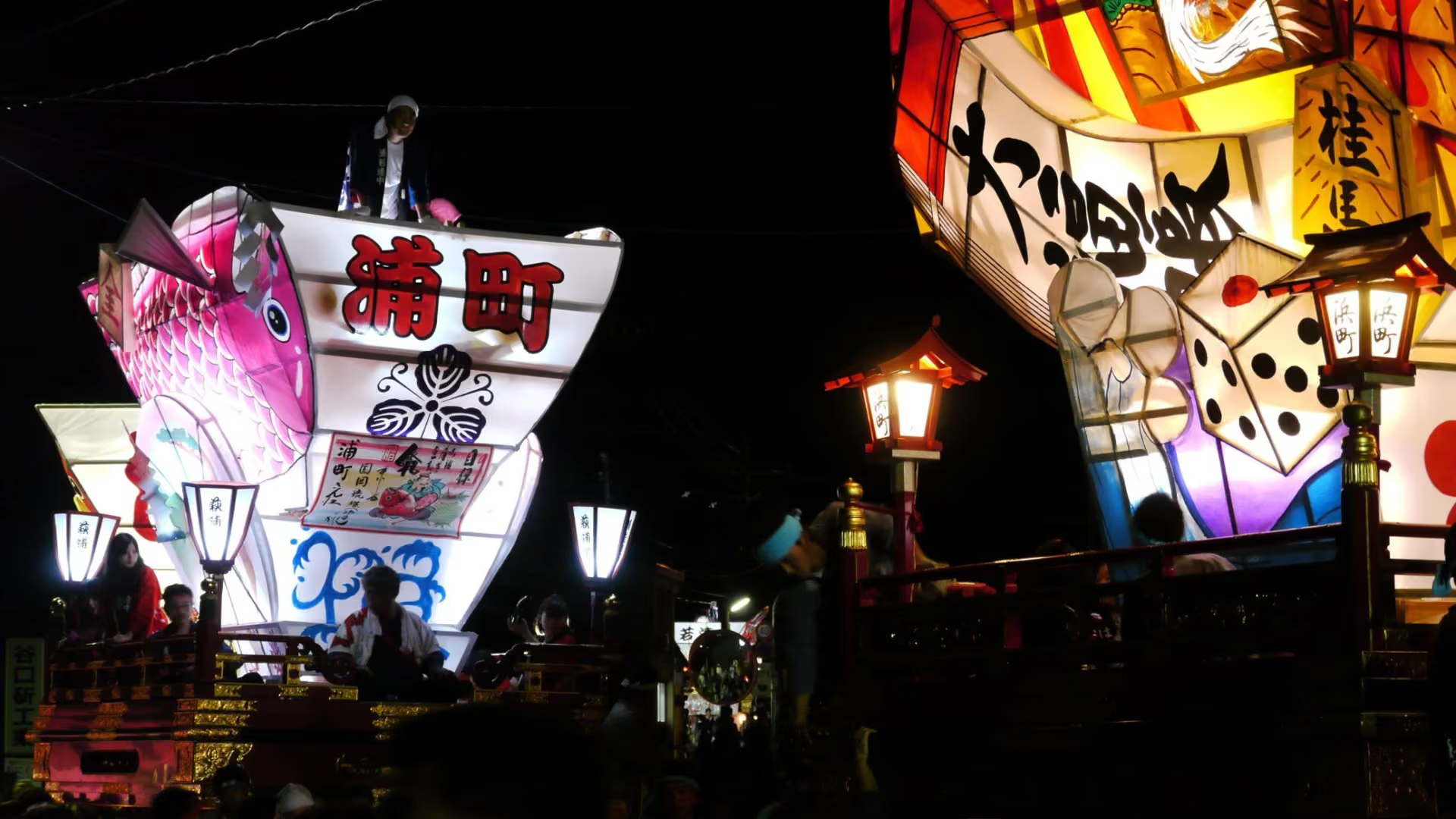
Iwase Hikiyama Festival (The Fighting Floats Festival)
Spring festival of Iwase Suwa Shrine where 13 heavy floats topped with painted tatemon are pulled through the old port town and clash at night.
22–23 May 2027Toyama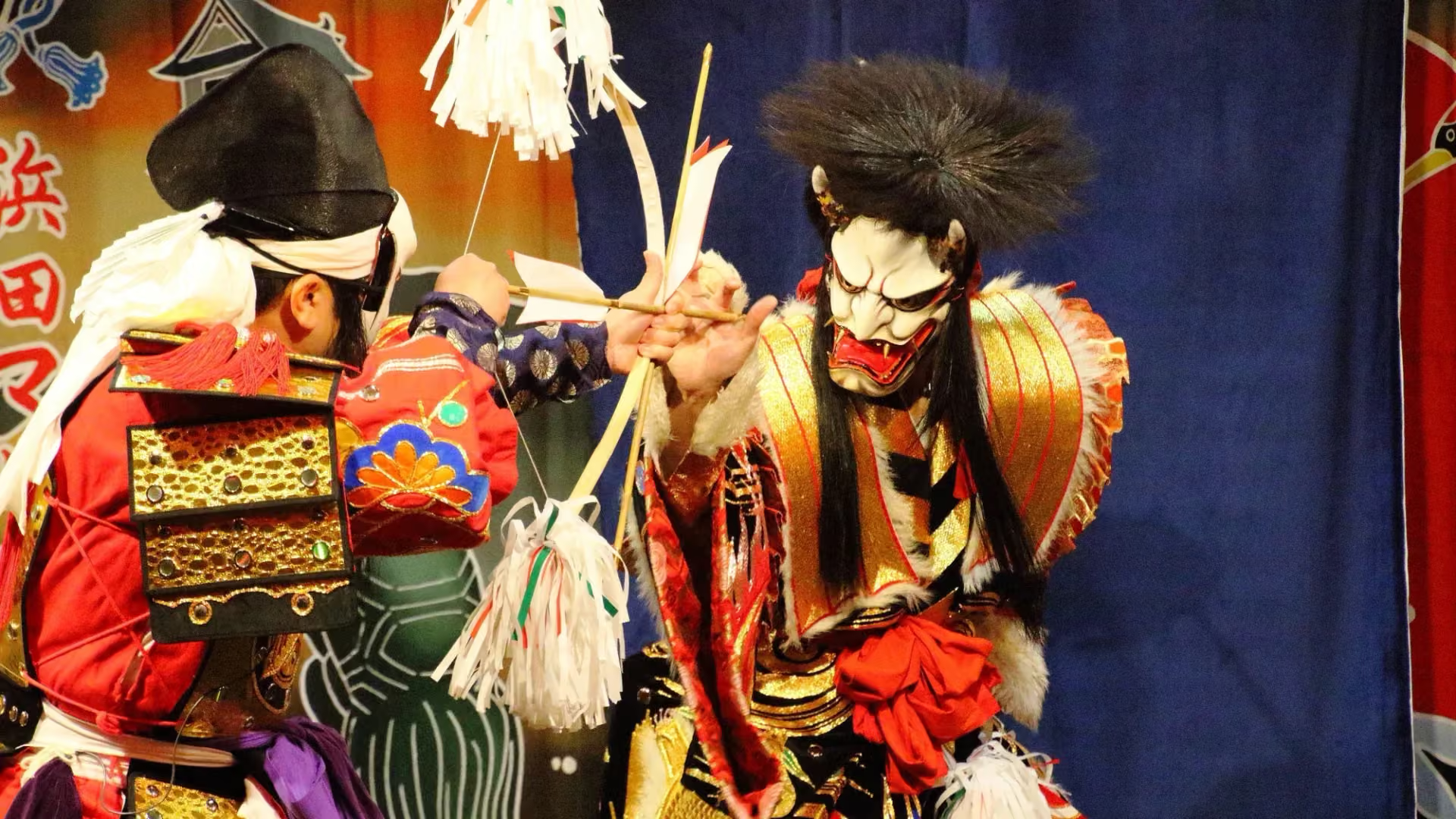
Iwami Kagura
Each autumn in western Shimane, shrine stages host Iwami Kagura - sacred dances performed through the night, from ceremonial pieces to a battle with a serpent.
Shimane · Chugoku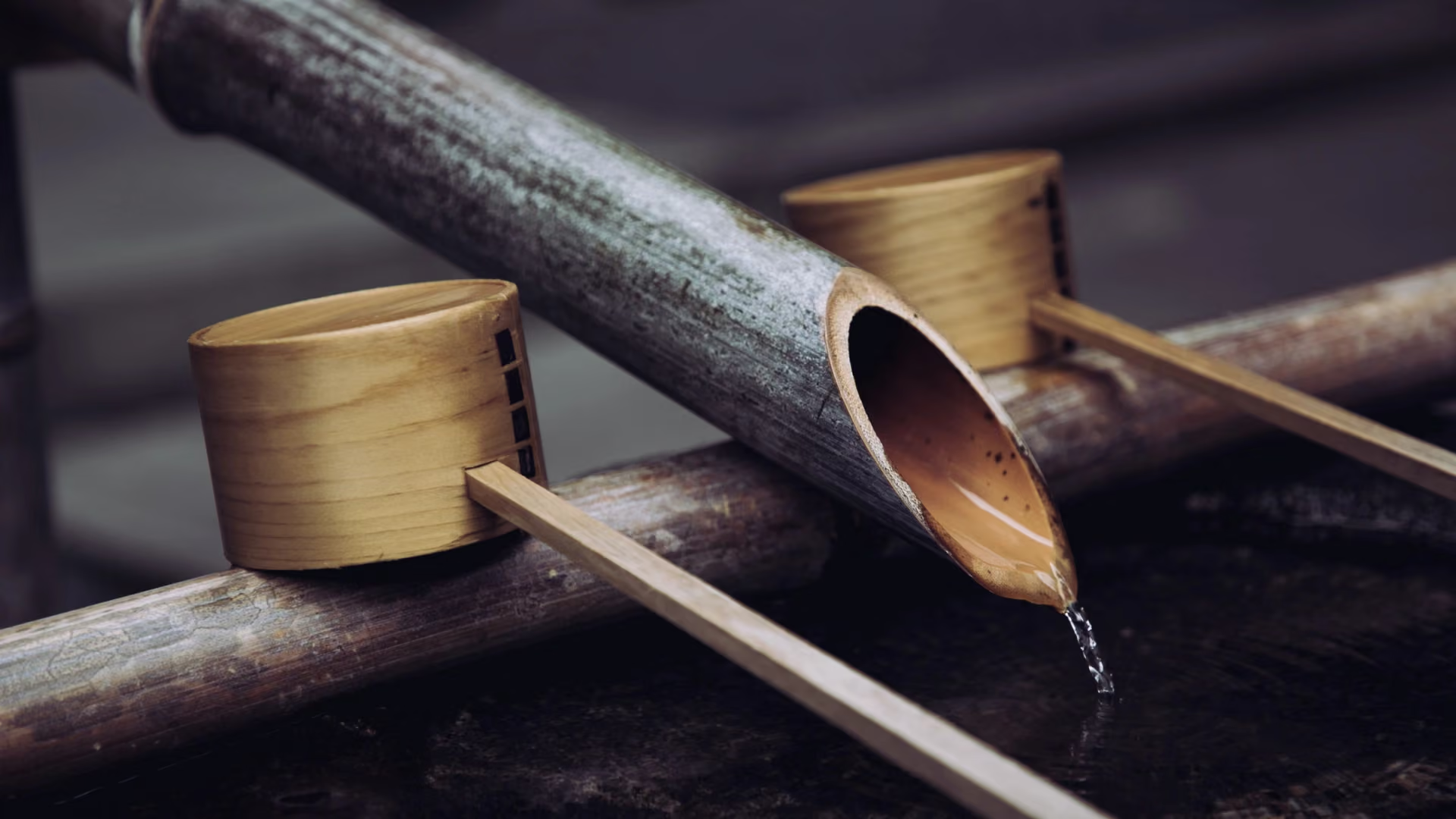
Hakusan Shrine Sayado
Hall built in 1760 in Gokayama, Toyama, to shelter a shrine from 1502, the oldest surviving wooden building in Toyama and an Important Cultural Property.
Nanto · Toyama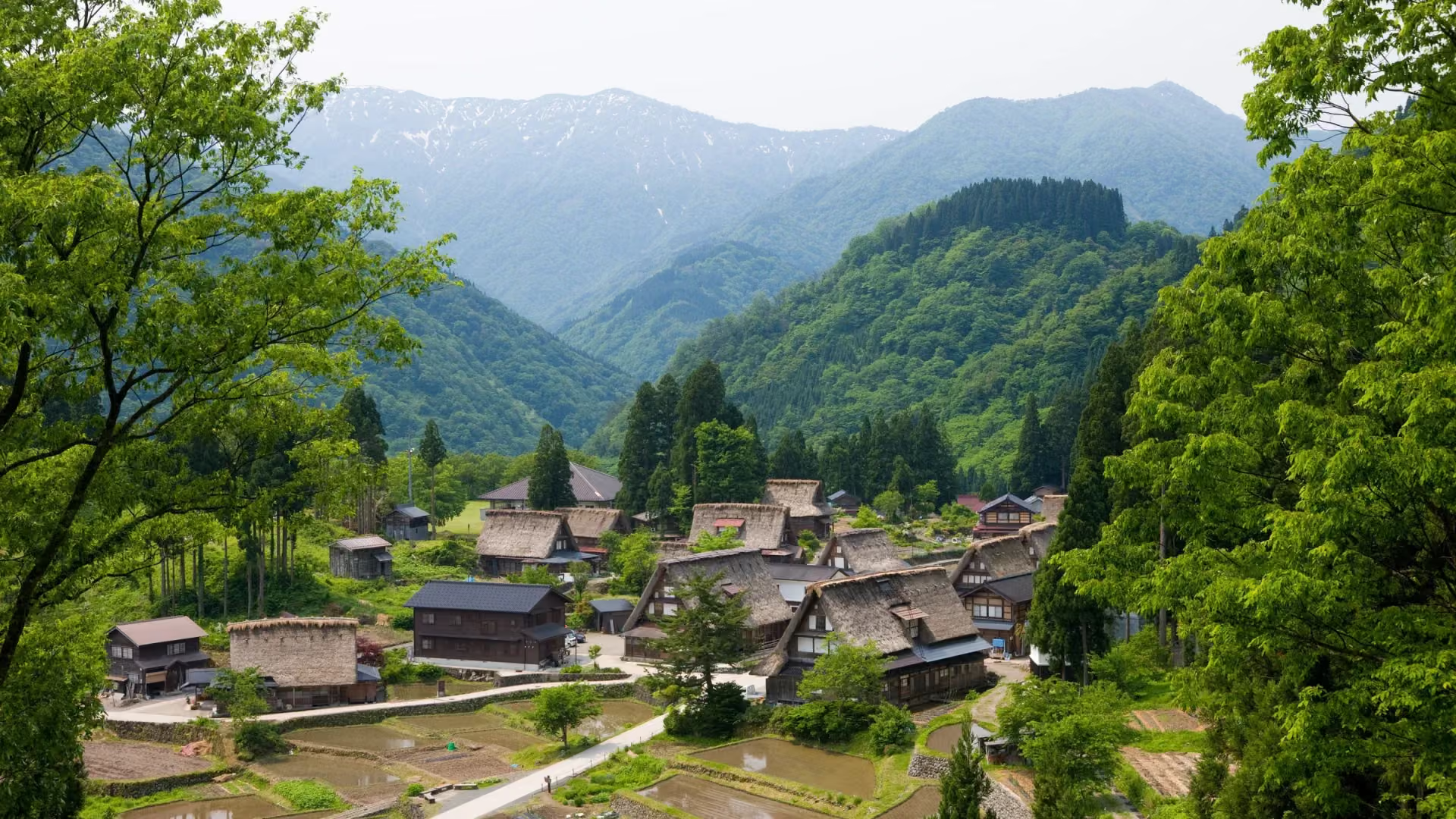
Ainokura Gassho-style Village
A village in the UNESCO-listed Gokayama area with 20 gassho-style houses, most from the late Edo to Meiji periods, under thatched roofs pitched near 60 degrees.
Nanto · Toyama