

Kumano Hongu Taisha
熊野本宮大社
Kumano Hongu Taisha, heart of the Kumano Sanzan, traces its origins to before Emperor Jinmu – where legend says three moons descended to found the shrine.
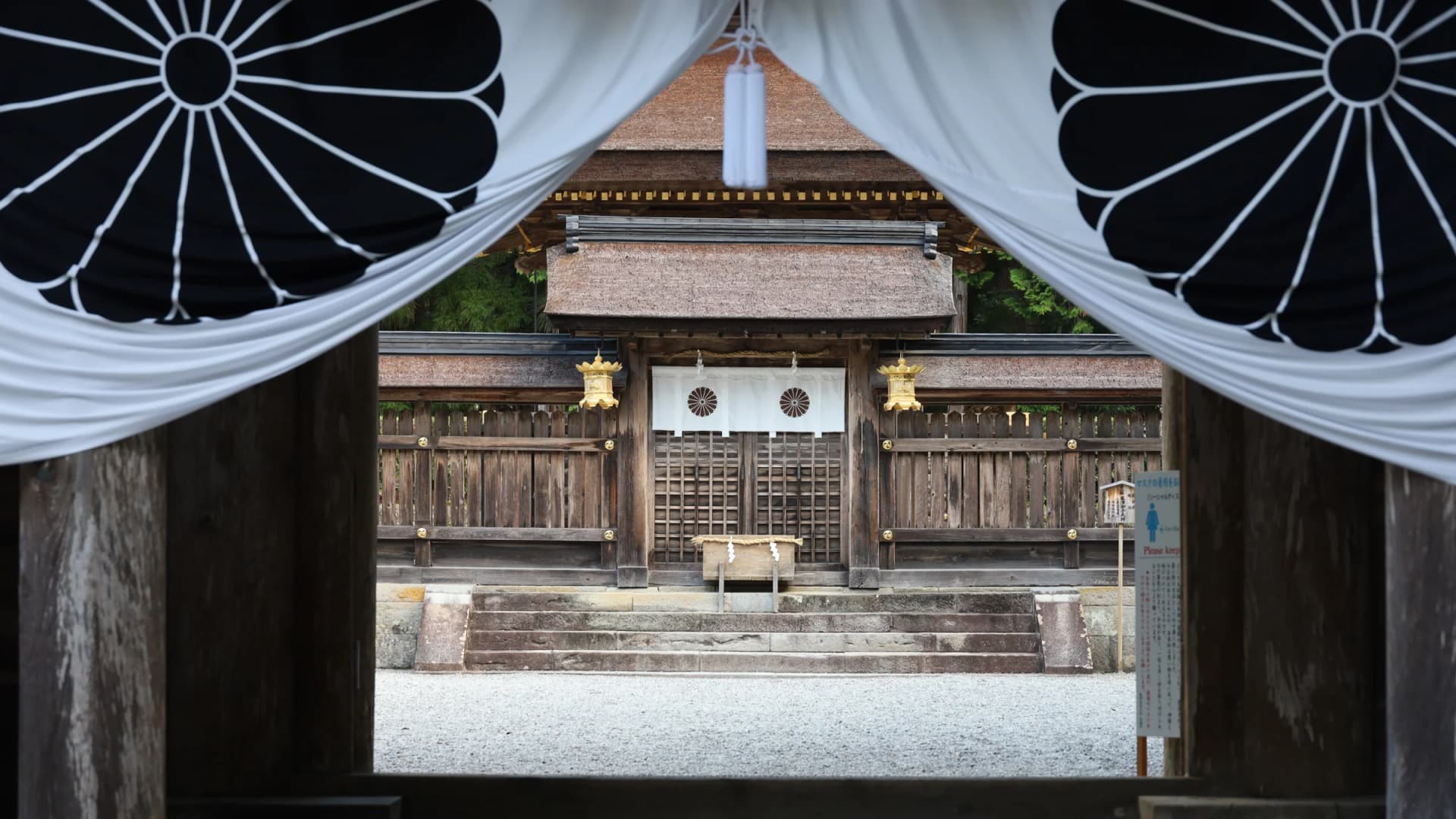
Kumano Hongu Taisha – the central shrine of the Kumano Sanzan and the head shrine of more than 4,700 Kumano shrines across Japan. For centuries, when people spoke of "the Kumano deity", it was this shrine they meant.
The shrine's beginnings reach back beyond recorded history – tradition holds that the deities of Kumano were enshrined here before the legendary eastern campaign of Emperor Jinmu, and old chronicles date the shrine buildings to the reign of Emperor Sujin, in the 1st century BCE. Local legend tells that three moons once descended onto a great tree at Oyunohara, the shrine's original site; the central moon revealed itself as the great deity Ketsumimiko no Okami, identified with Susanoo, and commanded that a shrine be built there. For some fifteen centuries since, the Kumano deities have been served by the descendants of the Kumano Kokuzo, the ancient provincial governors, an unusually unbroken line of guardianship.
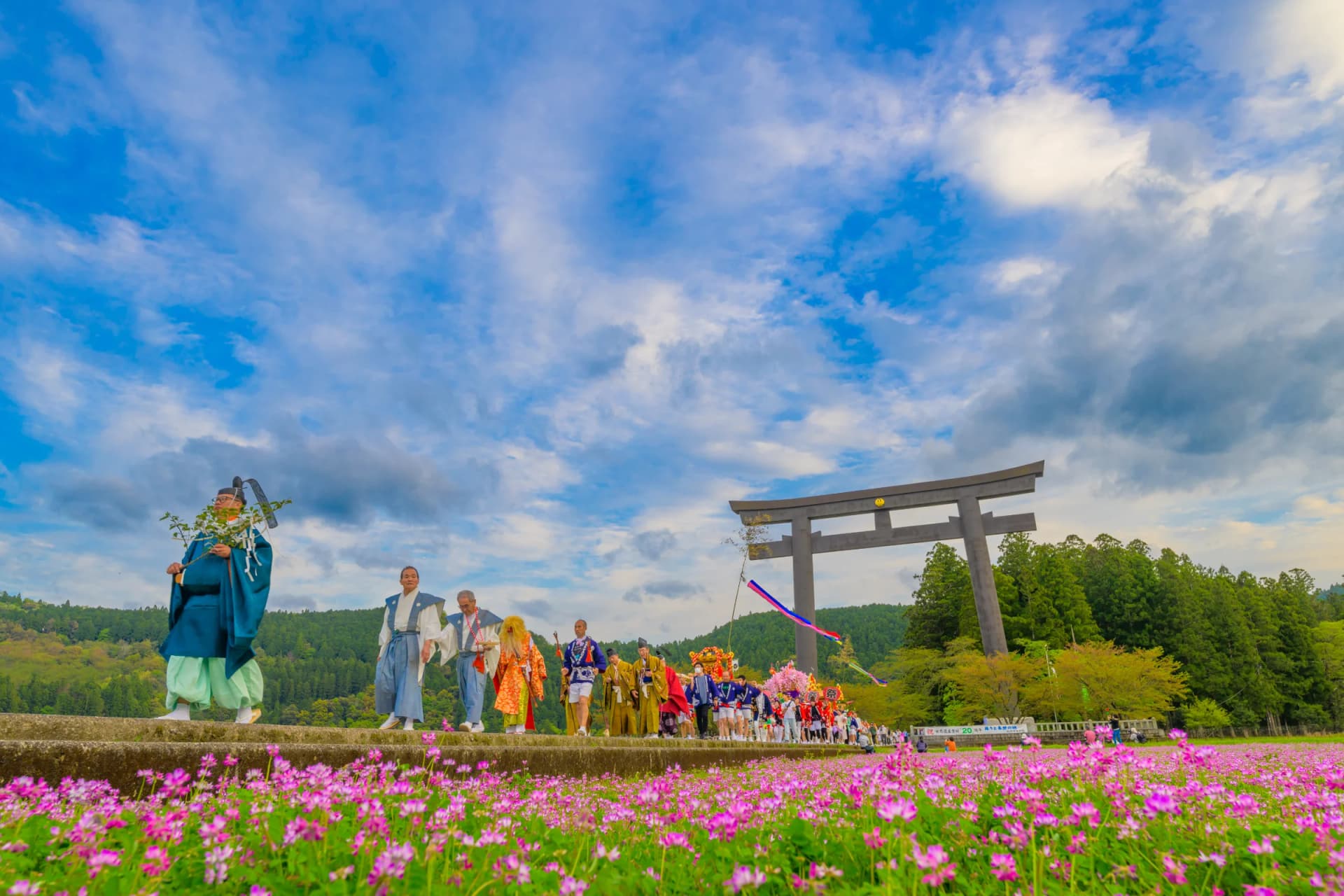
From the Heian period, Kumano drew a remarkable stream of imperial pilgrims: beginning with the retired Emperor Uda, successive retired emperors and imperial ladies made the arduous journey more than a hundred times. In later centuries the faith spread from the aristocracy to warriors and commoners alike. Because Kumano welcomed all who came, pilgrims flocked in such numbers that the phenomenon was likened to a trail of ants, the famous ari no Kumano-mode.
For most of its history, the shrine stood on the sandbar at Oyunohara, where the rivers meet. In 1889, a catastrophic flood destroyed much of the complex, and the surviving upper halls were moved to the present elevated site. The old grounds at Oyunohara are still honoured today, marked by two stone shrines and approached through one of the largest torii gates in Japan.
Deities
Kumano Hongu Taisha enshrines the twelve deities collectively known as the Kumano Junisho Gongen. At their heart is a trio of deities shared across all three Kumano grand shrines – Hongu, Kumano Hayatama Taisha in Shingu, and Kumano Nachi Taisha – each of which honours the same three gods while taking one as its own principal deity. At Hongu, that principal deity is distinct from the other two: Ketsumimiko no Okami (Susanoo), worshipped here as the great god of Kumano. Because he was credited with transmitting the art of shipbuilding, he was also revered as Funatama Daimyojin and long held in deep devotion by boatmen and sailors.
From the Nara period onward, the shrine absorbed Buddhist influence, and its deities came to be paired with Buddhist names – a blending of Shinto and Buddhism that gave rise to the title "Kumano Gongen".
Treasure Hall
The shrine's Treasure Hall houses a collection that has survived centuries of fire and flood, including several nationally and prefecturally designated cultural properties. Among them are a rare bronze mirror dating back some 1,800 years, a sutra said to have been dedicated by the warlord Taira no Kiyomori, and an iron cauldron from 1198 – reputedly the second-oldest of its kind in Japan – once used in the shrine's ritual of purification by boiling water.
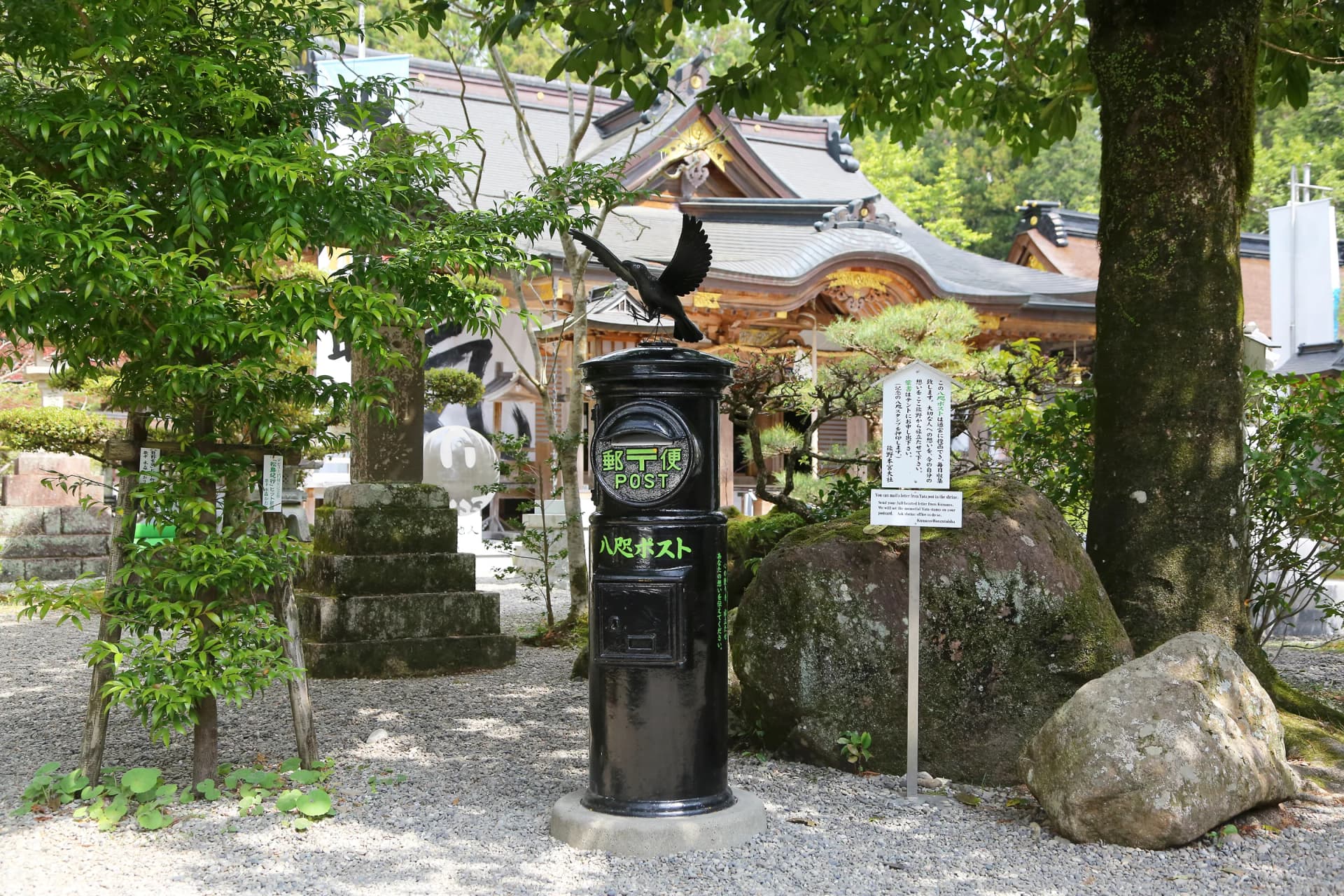
The Yatagarasu Post
Beside the shrine office, beneath a sacred tarayo tree, stands a distinctive black postbox topped by the Yatagarasu, the three-legged crow that serves the Kumano deities. Black is regarded here as the noblest of colours – the union of all colours, the colour of the sacred crow, and a symbol of the shrine's land. The tarayo tree, whose leaves were once written on, is known as the "letter tree", a fitting companion to the post.
Visitors can send a letter or a special crow-themed votive card from this "sacred land of Kumano", and the shrine office offers a commemorative stamp to mark that it was sent from Kumano.
Upcoming events at this place
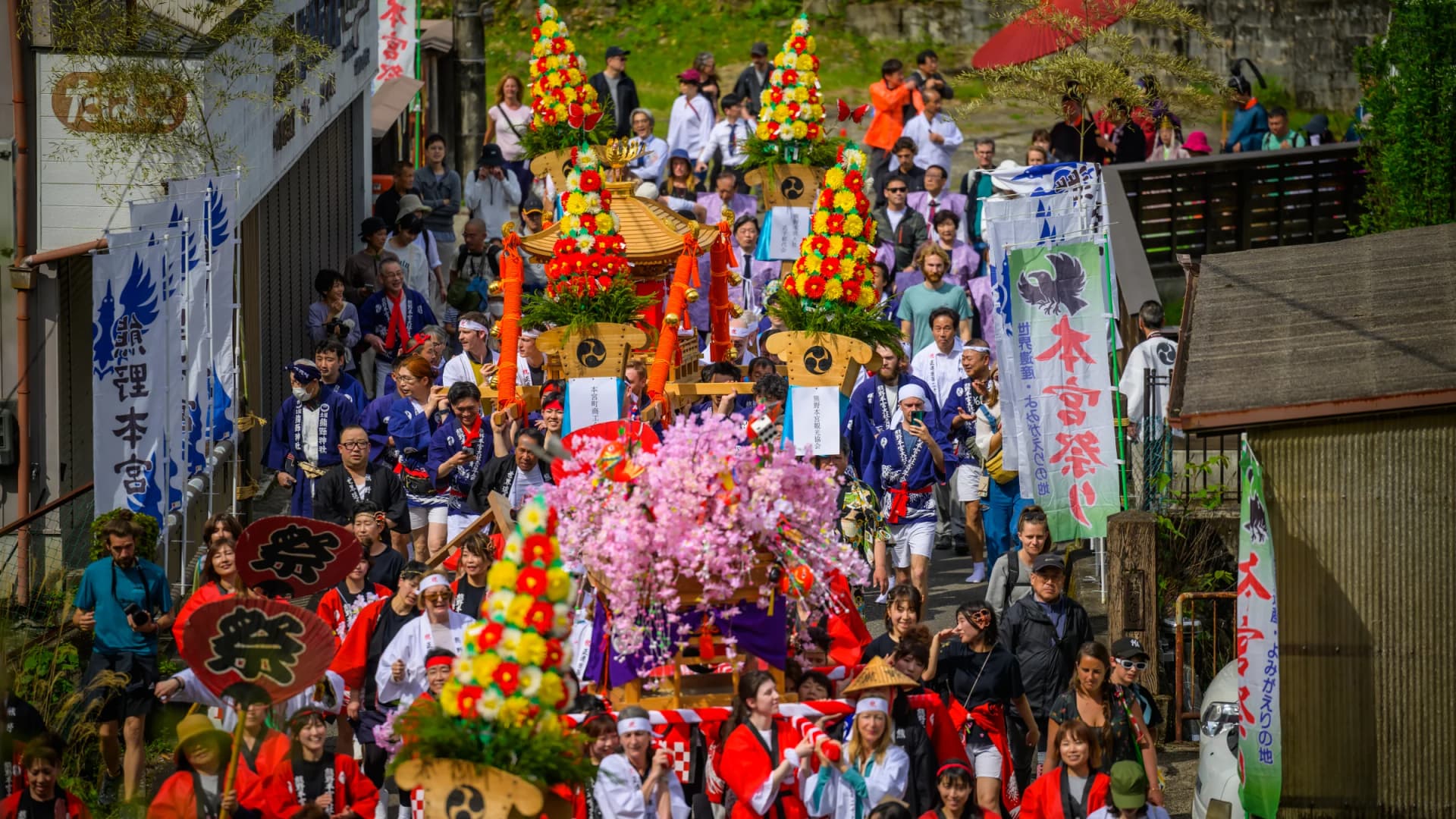
Kumano Hongu Taisha Grand Festival (Reitaisai)
Each April, Kumano Hongu Taisha holds its Reitaisai – three days of purification rites, beautiful sacred dance performances, and a grand palanquin procession.
13–15 Apr 2027 · Dates not yet confirmedTanabe · WakayamaYou might also like
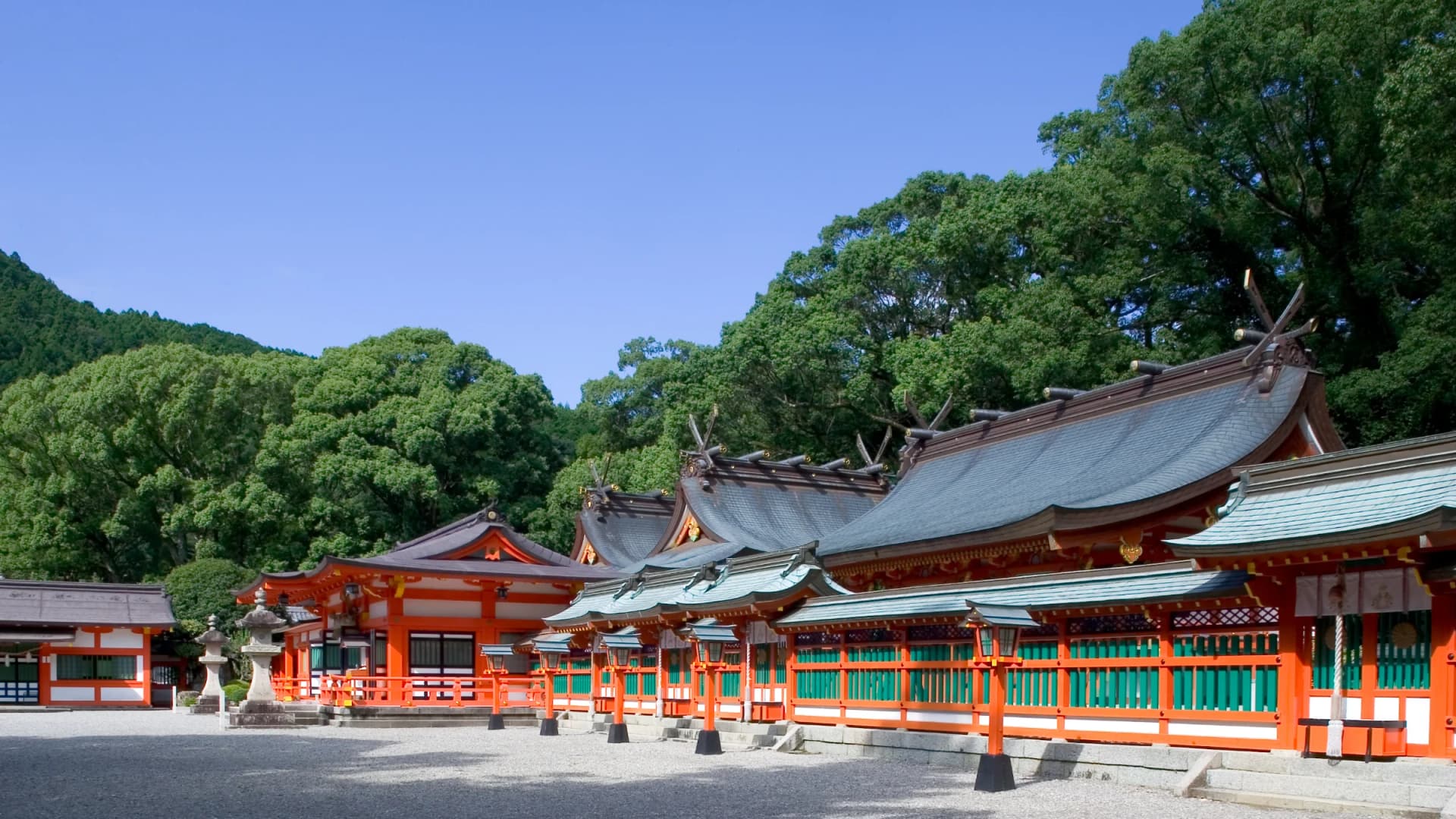
Kumano Hayatama Taisha
In Shingu, Wakayama, Kumano Hayatama Taisha stands as one of the three grand Kumano shrines – a "land of rebirth" where pilgrims have sought renewal for centuries.
Shingu · Wakayama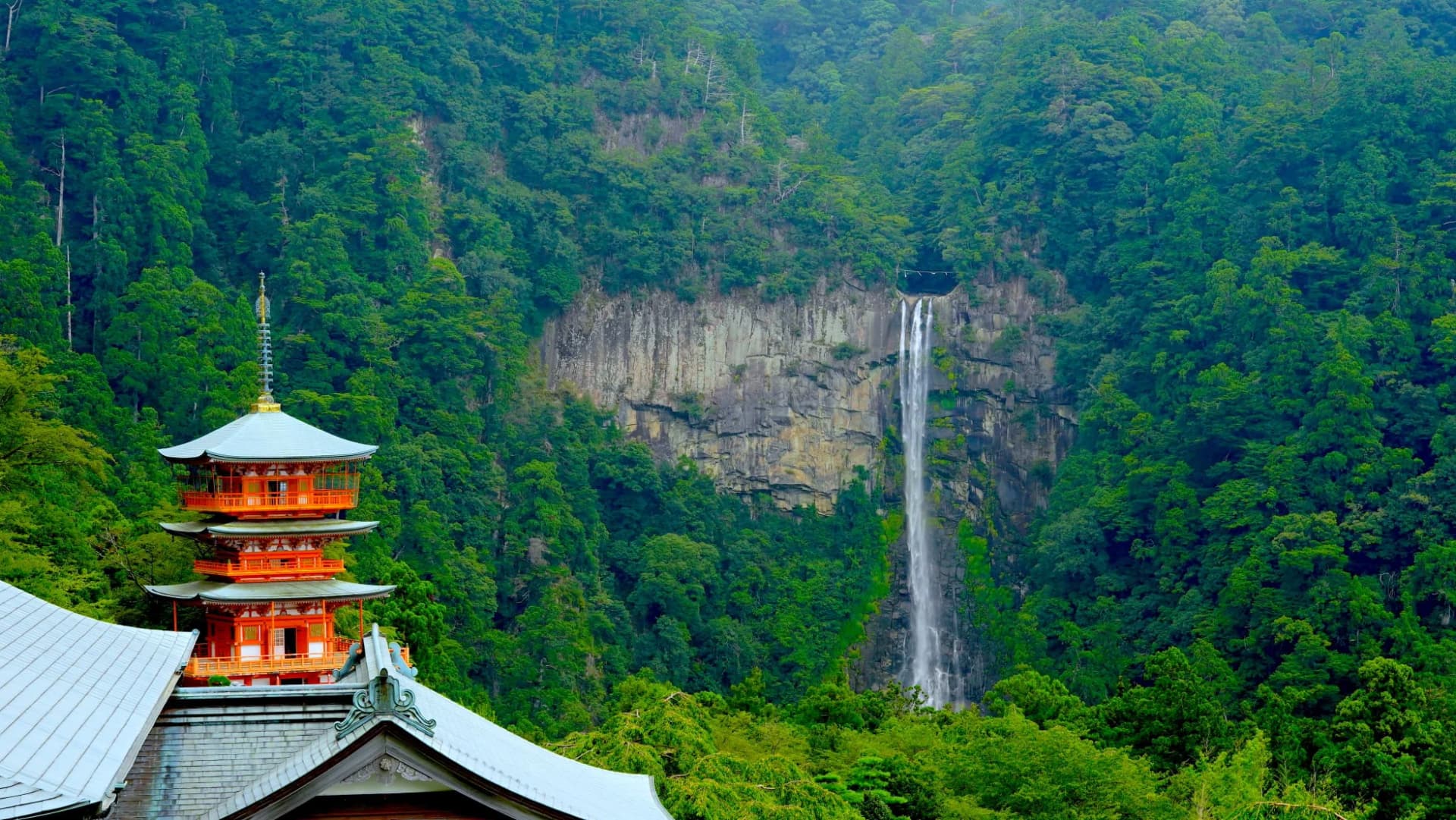
Kumano Nachi Taisha
One of the three grand shrines of Kumano, beside Japan's tallest waterfall – and spiritual home of the Yatagarasu, the three-legged crow on Japan's football crest.
Wakayama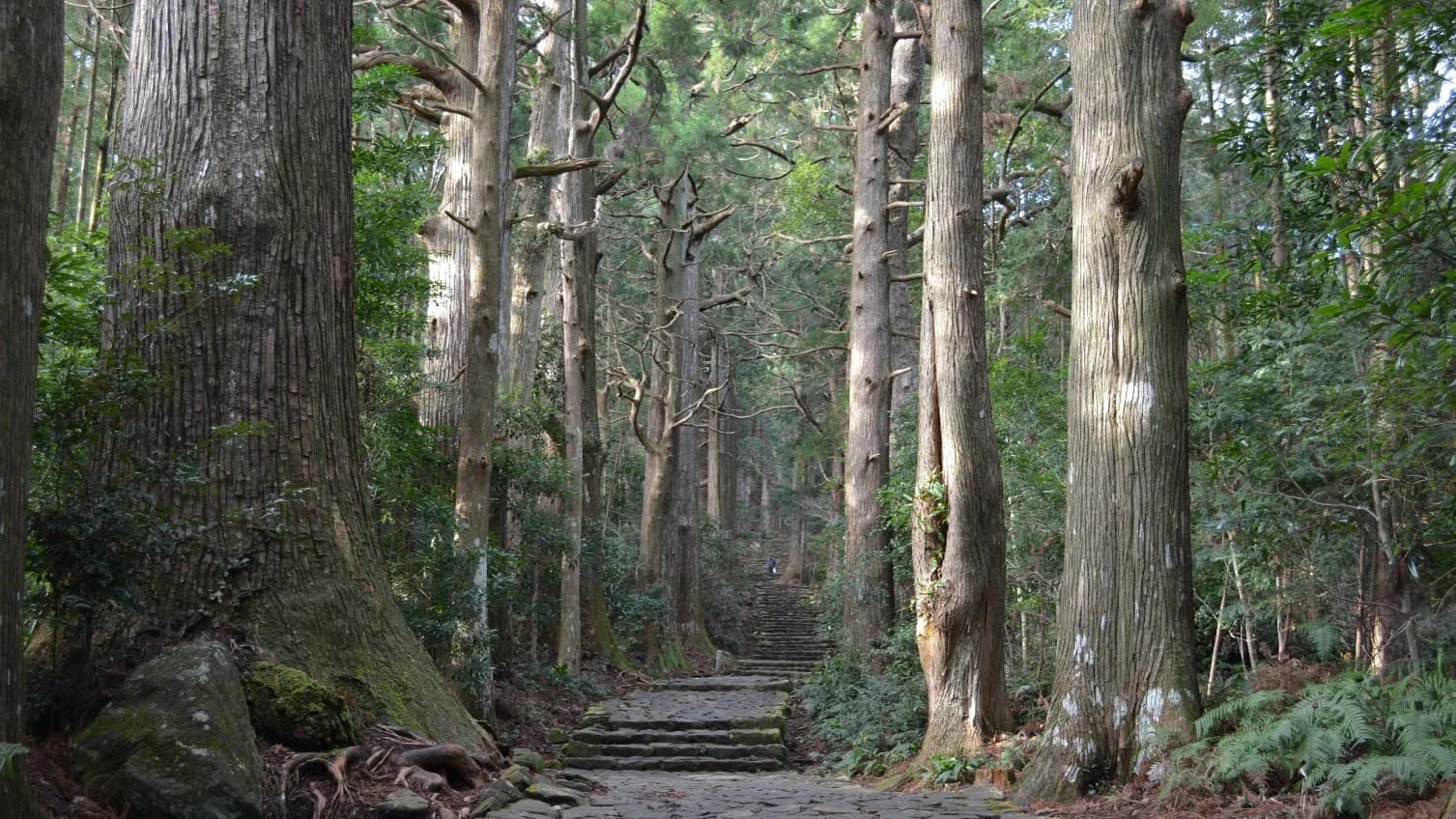
Kumano Kodo
For over a thousand years, the Kumano Kodo has led pilgrims through the mountains of Kii to the sacred Kumano Sanzan shrines – now a UNESCO World Heritage Site.
Wakayama · Kansai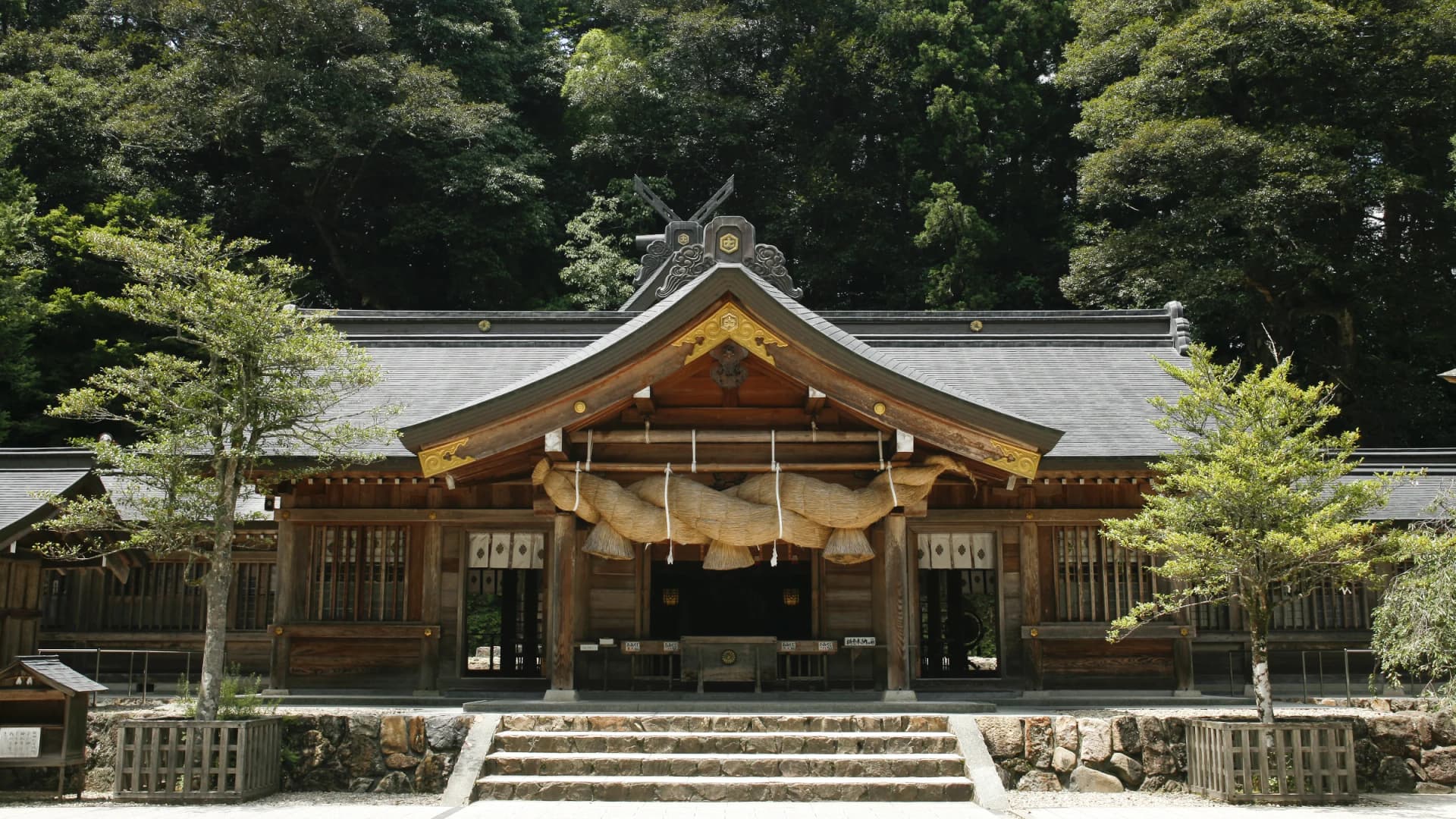
Kumano Taisha
Kumano Taisha, Izumo's "birthplace of fire", holds sacred hikiriusu and hikirigine fire-drills, a startling rice-cake ritual, and Susanoo's comb festival for Princess Inada.
Matsue · Shimane
Abare Festival
Illuminated lanterns parade through coastal Ushitsu in a celebration rooted in legend, featuring frenzied rituals to honor spiritual protection from epidemics.
3–4 Jul 2027Noto · Ishikawa
Nagano Gion Festival
The Nagano Gion Festival celebrates Susanoo-no-Mikoto, the deity of storms and protection, through mikoshi processions at Yasaka Shrine near historic Zenkoji temple.
6 Jun 2027Nagano