Hakone Yumoto Onsen
箱根湯本温泉
The oldest of the hot springs of Hakone, said to have opened in 738, in a valley cut by the Hayakawa and Sukumo rivers at the entrance to Hakone.
〒 250-0311How to get there
箱根湯本Hakone Tozan Line1 min walk from the station
Hakone Yumoto Onsen is the hot spring town at the eastern entrance to Hakone, in the valley that the Hayakawa and Sukumo rivers have cut into the Hakone volcano. The Hakone Tourism Association counts it as the oldest of the seventeen hot spring areas of Hakone and calls it their main gateway. The Hakone Geopark gives it as the largest hot spring town in Hakone, by number of buildings and of guests.
History
Tradition dates the opening of the spring to 738, in the Nara period, and credits its discovery to a monk, Shaku Jojobo (釈浄定坊). The spring he is said to have found, the Soyu (惣湯), still flows naturally from under the building of Kumano Shrine, and is the oldest spring in Hakone still in use. The shrine enshrines Kumano Hayatama no Okami, the deity of Kumano Hayatama Taisha in Kii, and is said to have been brought here as the guardian of Yumoto when the spring was developed. Its yearly festival includes a rite of drawing water from the spring, the Yukumi Shinji (湯汲神事).
Records survive of warriors bathing at Yumoto for their health in the Kamakura period. In the early Edo period it was counted among the Hakone Nanayu (箱根七湯), the Seven Springs of Hakone, with Tonosawa, Dogashima, Miyanoshita, Sokokura, Kiga and Ashinoyu, and most visitors came for toji (湯治), long stays to bathe as a cure. The Tokaido, the main road between Edo and Kyoto, crossed the Hakone mountains here on what was considered its hardest stretch.
From the late Edo period Hakone became known for sightseeing as well, and from the Meiji era new drilling methods opened more springs, until the seven became seventeen. Every autumn the town holds a daimyo procession, a parade in the dress of a feudal lord and his retinue.
The water
Yumoto has 74 sources, with water between 23 and 77 degrees and a combined flow of about 4,700 litres a minute. The water types include simple and alkaline simple springs and several kinds of sodium chloride spring, some of them also containing sulphate or calcium.
The valley floor is Hayakawa tuff breccia, a volcanic rock about four million years old. The outer walls of the inn Fukuzumi are built of it, and the Shiraishi Jizo, a figure of Jizo carved into a rock face, is cut from the same stone.
Around the town
Soun-ji (早雲寺), a Rinzai Zen temple of the Daitoku-ji school, was founded in 1521 by Hojo Ujitsuna, following the last wishes of his father, Hojo Soun. It was the family temple of the Hojo, lords of Odawara Castle, and the graves of five generations of the family stand in its grounds. The town of Yumoto is said to have begun as the settlement at its gate.
Toyotomi Hideyoshi burned the temple in 1590, during his siege of Odawara, and it was rebuilt in 1627. The large old bell in its belfry is said to have been used at Ishigakiyama, the castle Hideyoshi raised above Odawara during the siege. The temple's statue of Hojo Soun is a national Important Cultural Property.
Shogen-ji (正眼寺) is said to have grown out of the worship of Jizo that spread through Hakone in the Kamakura period. Its Soga Hall keeps two wooden statues of Jizo.
Tamadare Falls, about 8 metres high and 11 metres wide, falls in the garden of the hotel Tenseien; its name, a jewelled blind, comes from the fine threads in which the water comes down. Between the two falls of the garden stands Tamadare Shrine, founded in the Edo period, the only branch shrine of Hakone Shrine and Kuzuryu Shrine.
The kenban (見番), the office of the Hakone Yumoto geisha association, is where the geisha practise dance and song, and it stages a yearly performance, the Hakone Odori.
Getting There

Planning a trip? Fit this into a trip and Oni plans the rest around it.
You might also like
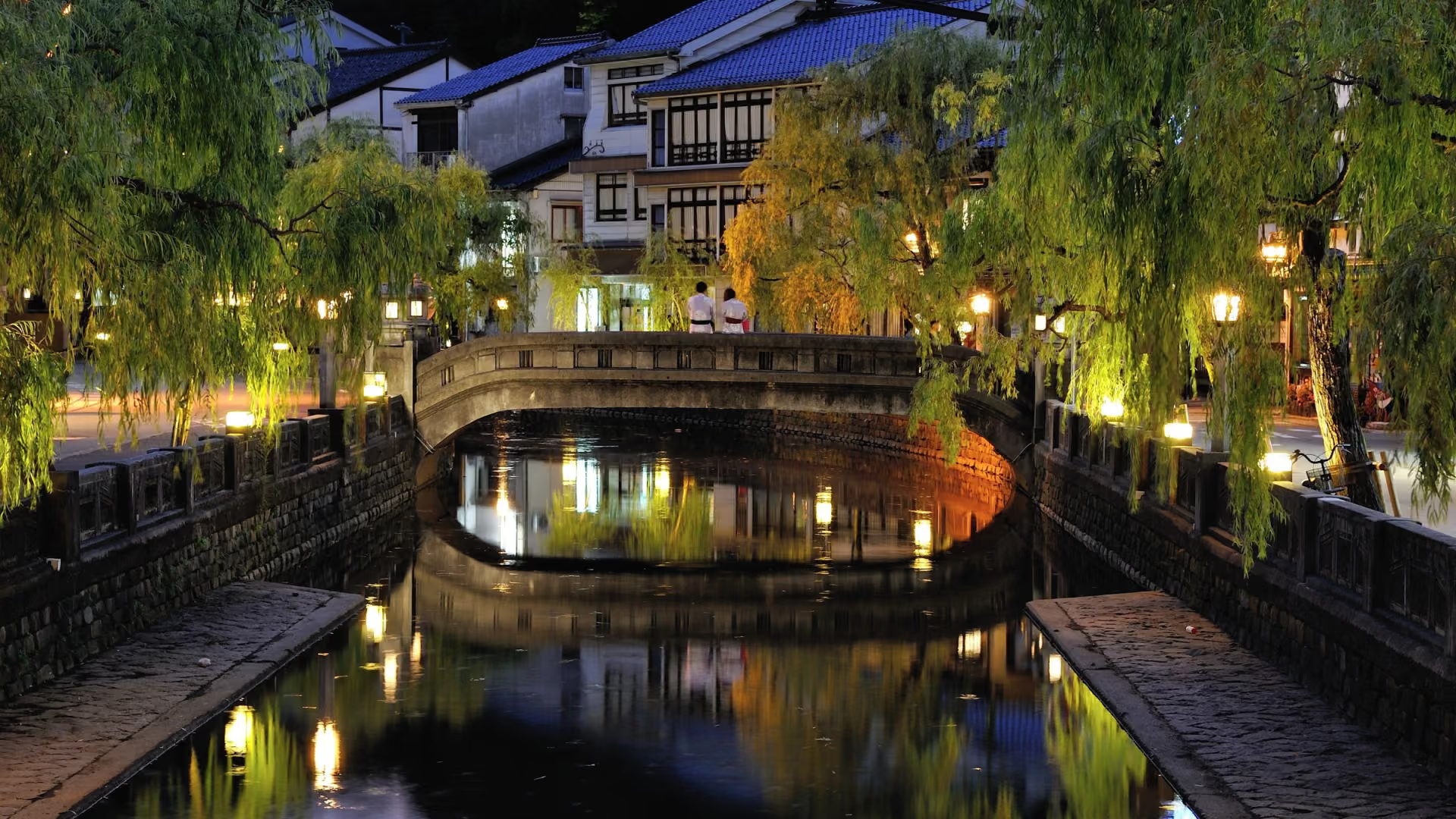
Kinosaki Onsen
A hot spring town in northern Hyogo with a recorded founding in 720, seven public bathhouses and streets where guests walk in yukata.
Toyooka · Hyogo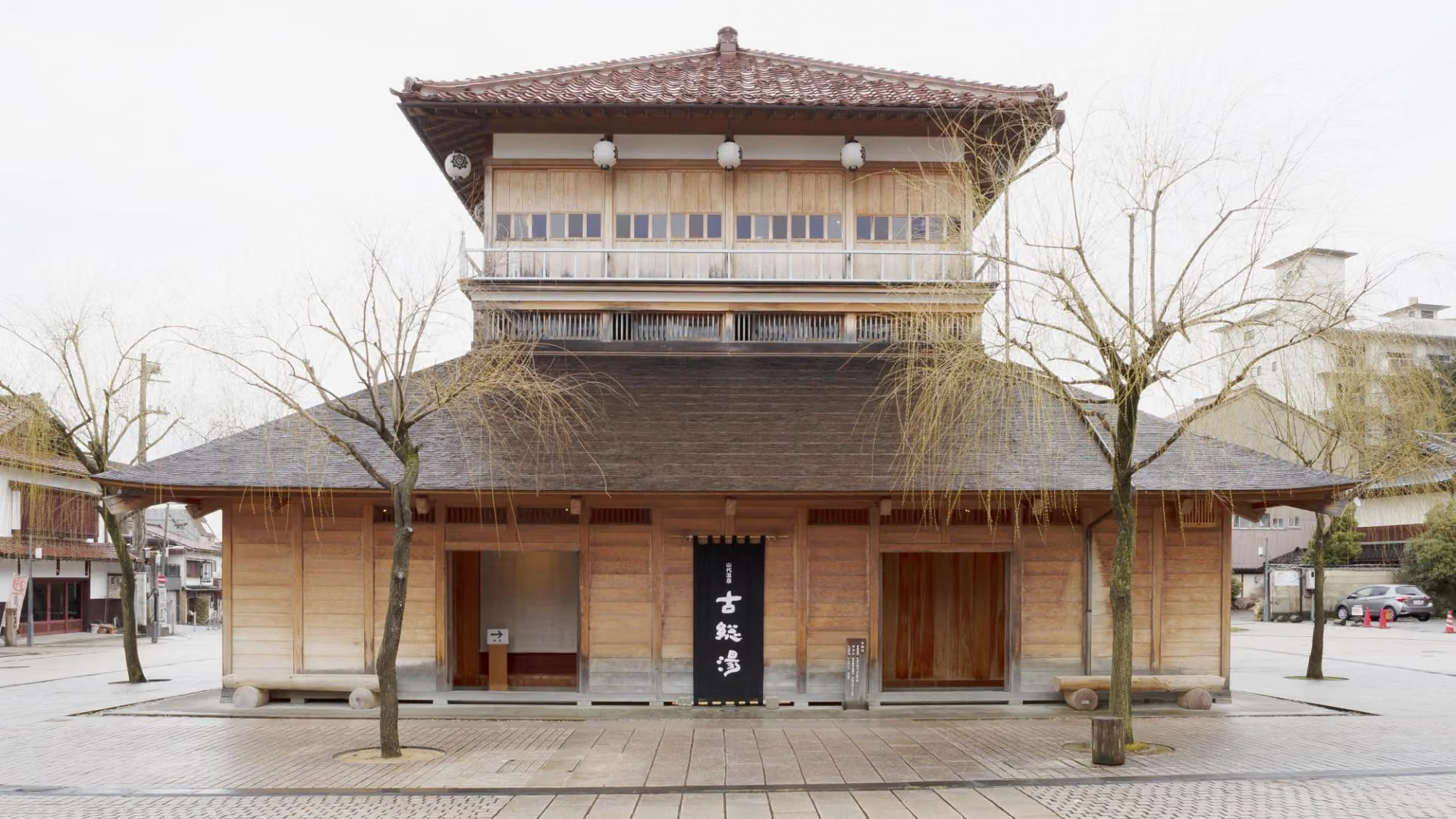
Yamashiro Onsen
Hokuriku hot spring town built around its public baths, keeping a traditional soyu bathhouse culture and the historic yunogawa town atmosphere.
Kaga · Ishikawa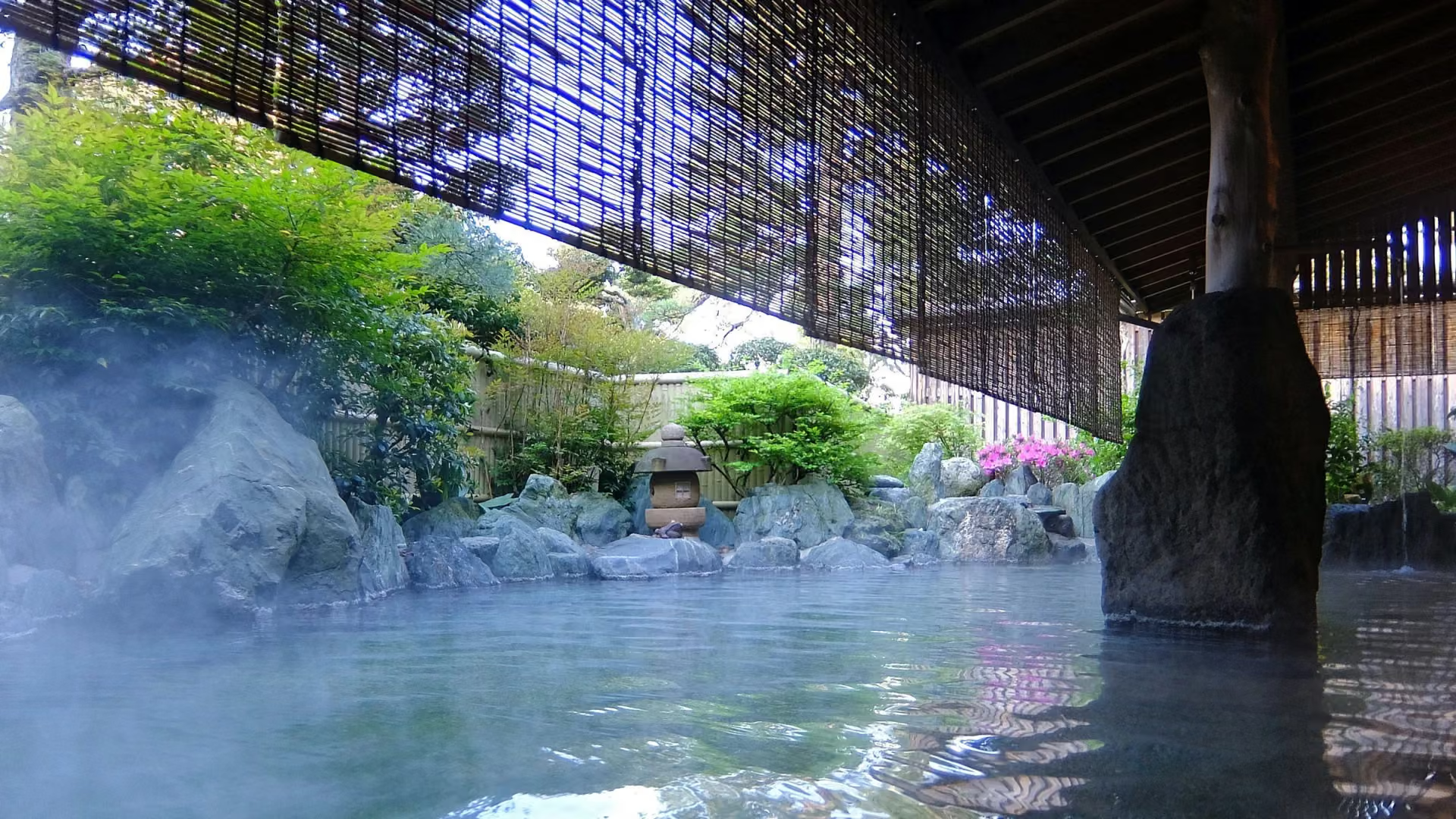
Tamatsukuri Onsen
A hot spring town on the Tamayu River, praised in the Nara-period Izumo Fudoki for water that beautifies the skin, and once a centre of magatama making.
Matsue · Shimane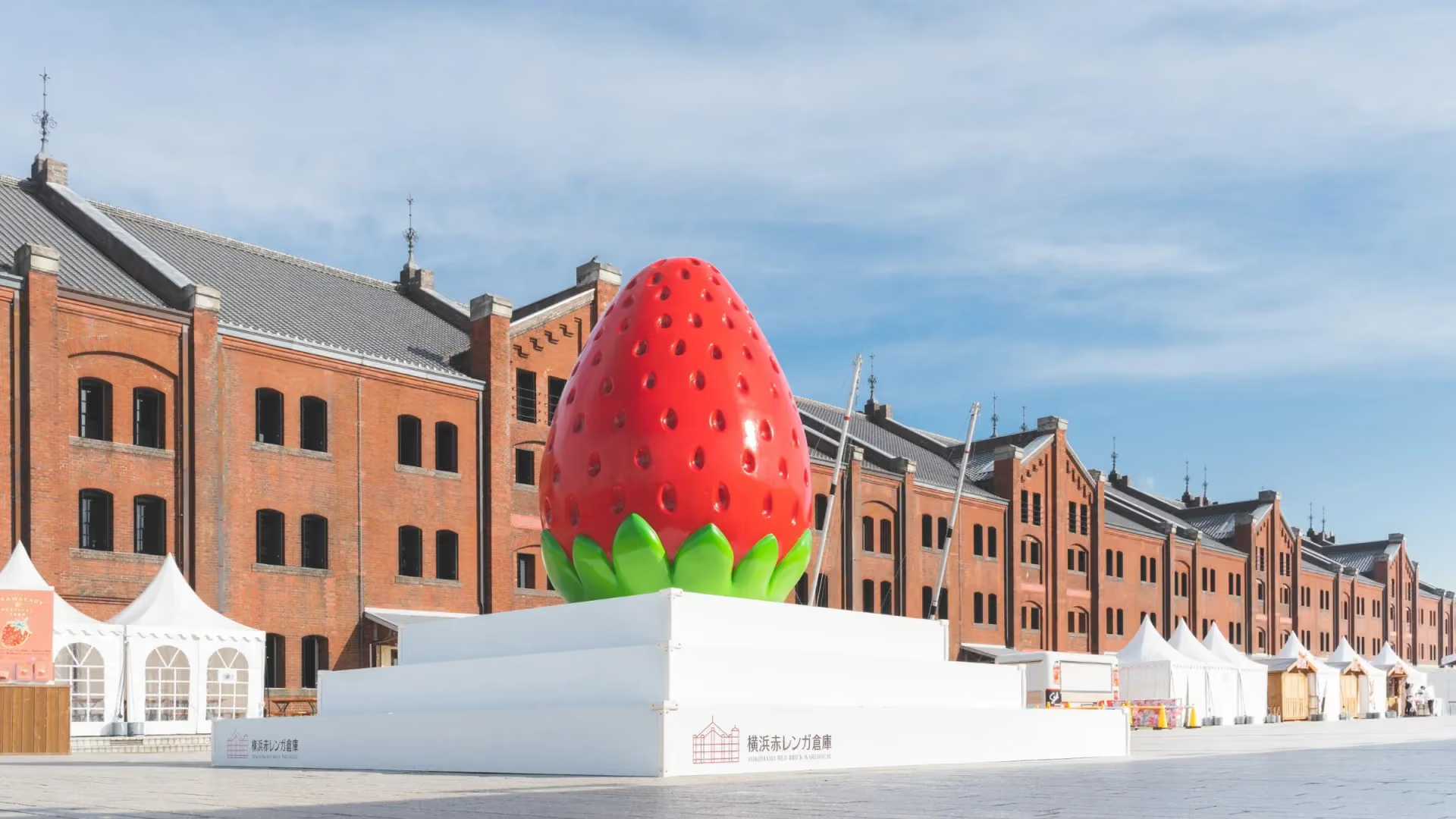
Yokohama Strawberry Festival
A winter festival at the Yokohama Red Brick Warehouse event plaza, with a market of strawberry sweets, drinks and goods and tastings of regional strawberries.
5 Feb – 1 Mar 2027Exact date not confirmed yetYokohama · Kanagawa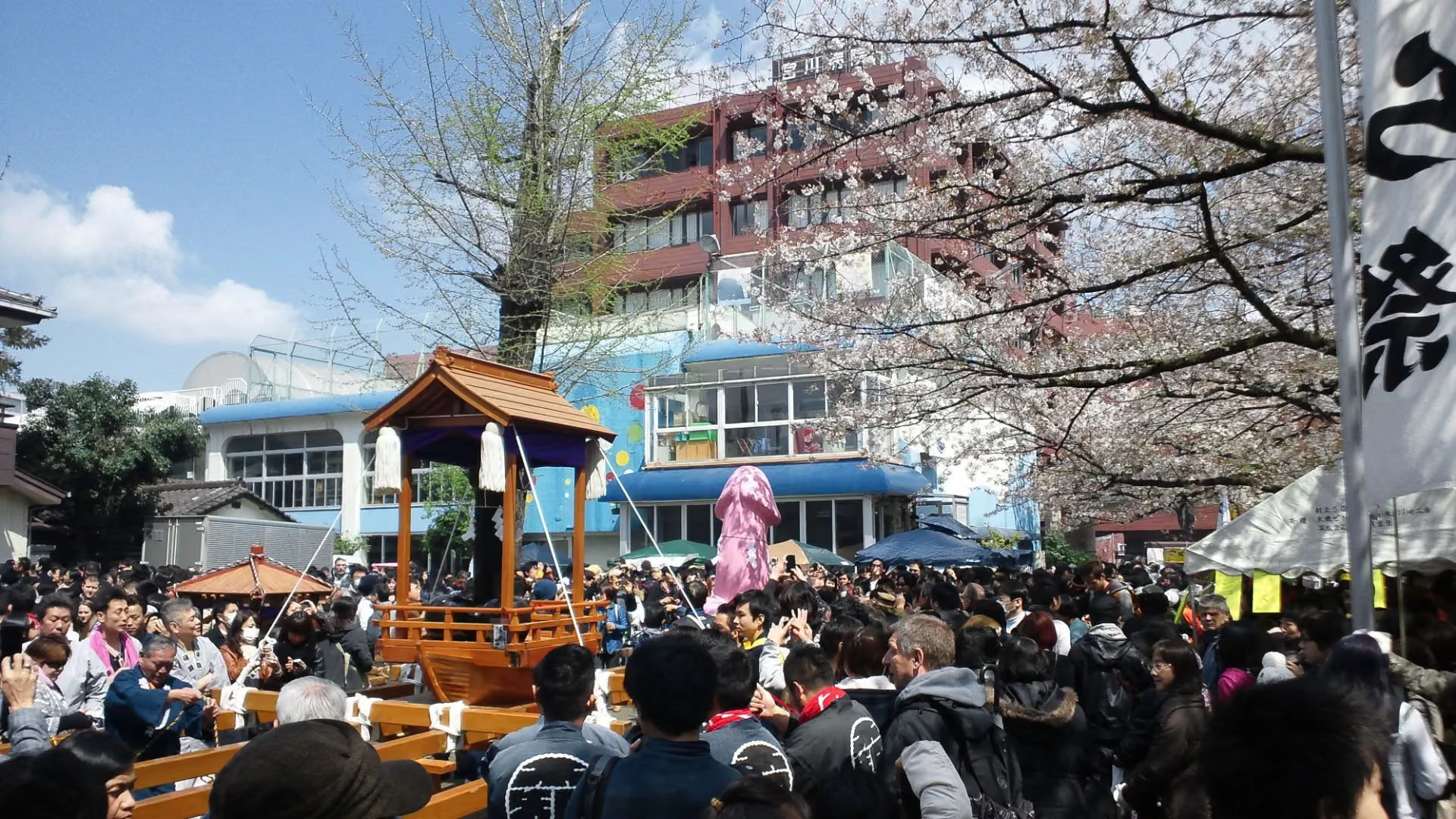
Kanamara Matsuri
A spring festival at Kanayama Shrine in Kawasaki: three phallus-shaped mikoshi are carried out with prayers for children, marriage and protection from disease.
4 Apr 2027Exact date not confirmed yetKawasaki · Kanagawa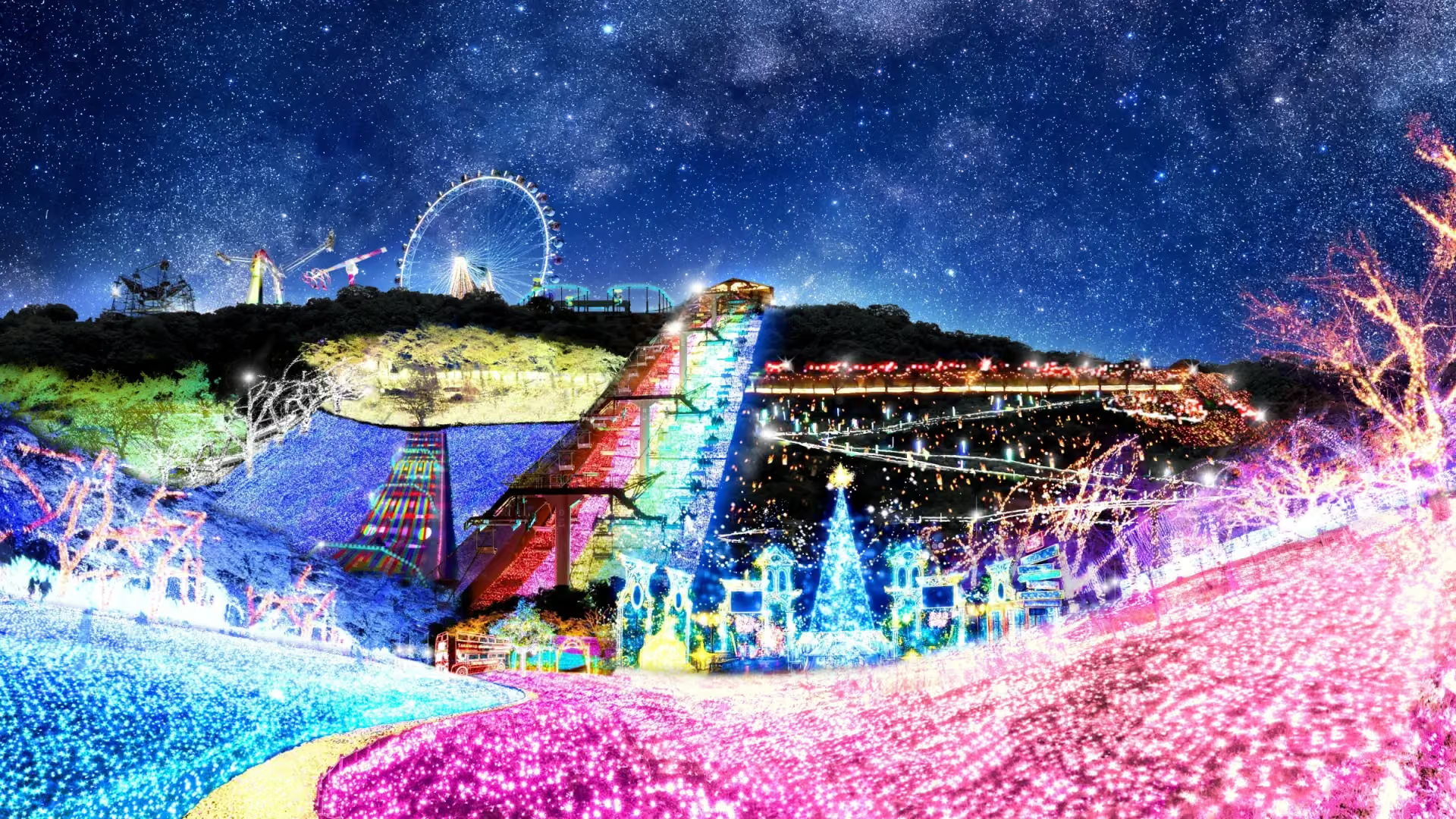
Sagamiko Illumillion
About six million lights on the hillsides of Sagamiko MORI MORI in Sagamihara, one of the Three Major Illuminations of Kanto, with music shows and night rides.
14 Nov 2026 – 9 May 2027Sagamihara · Kanagawa