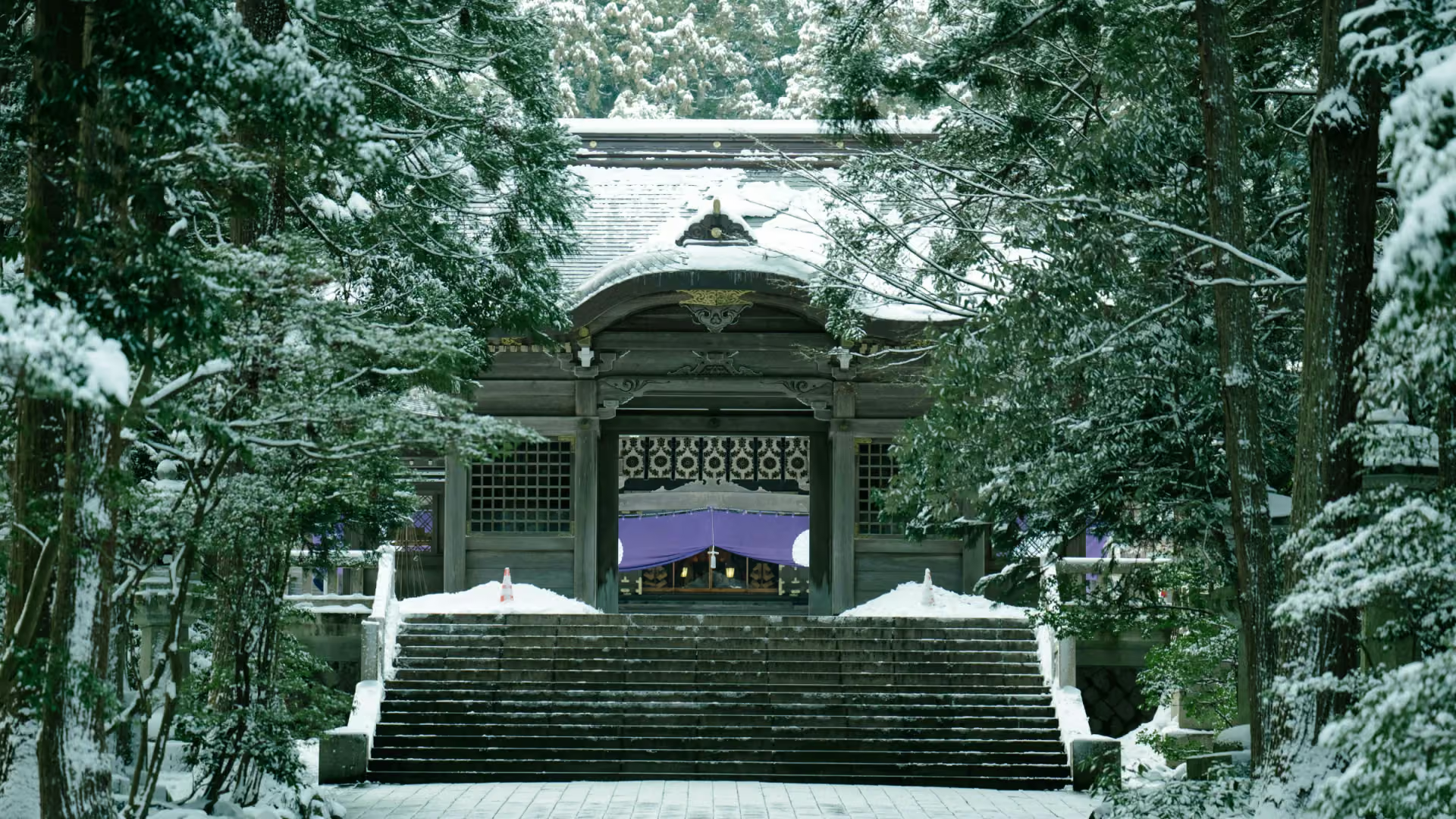
Hirosaki Park
弘前公園
Park on the grounds of Hirosaki Castle in Aomori, with an original Edo-period keep, turrets and gates and about 2,600 cherry trees.
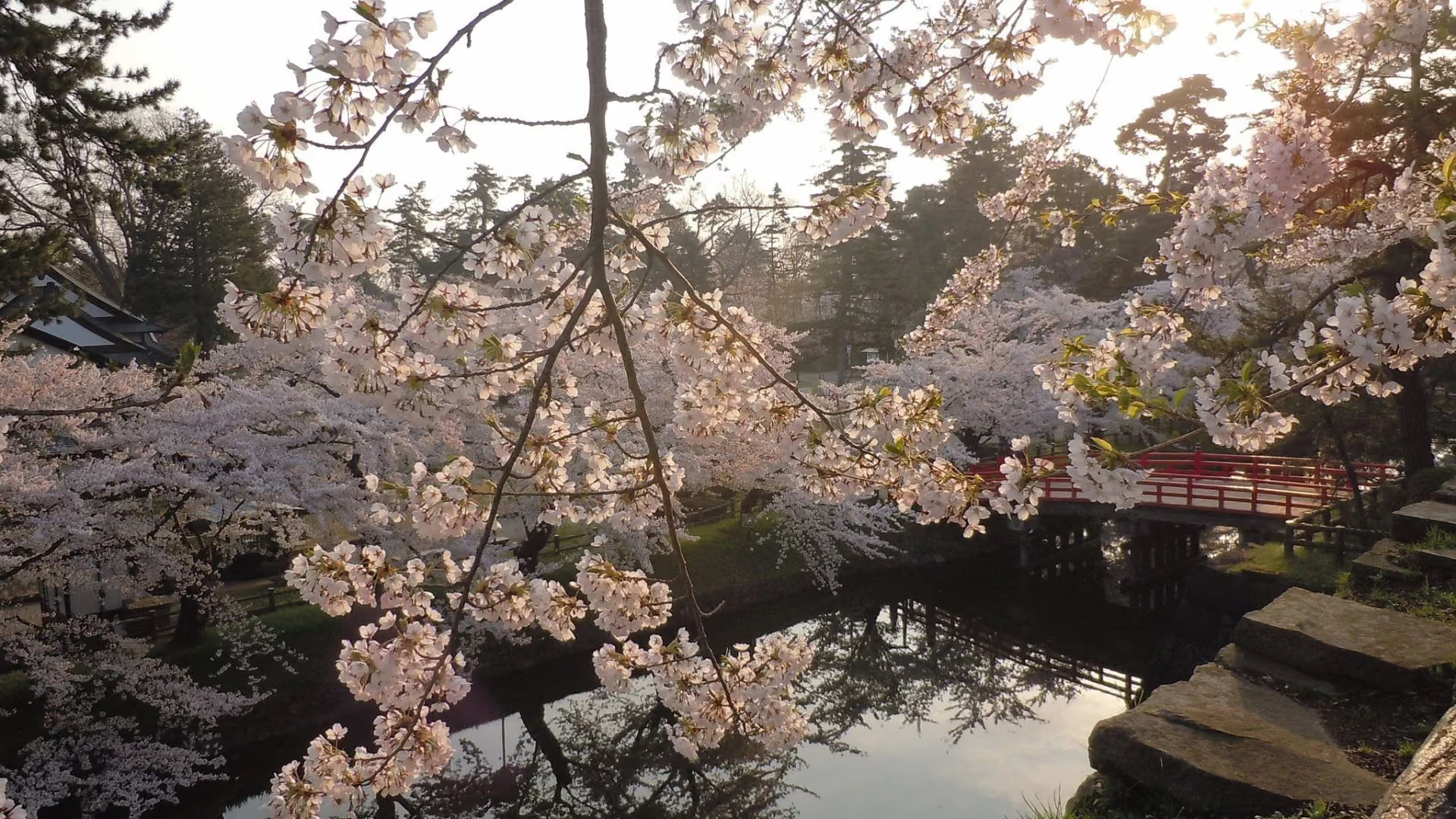
Hours are for the paid Honmaru and Kita-no-kuruwa area, which stays open until 21:00 during the Hirosaki Cherry Blossom Festival. From 24 November to 31 March the keep is closed and the area is free to enter.
〒 036-8356How to get there
弘前Konan Line · Ou Main Line10 min by taxi from the station
Hirosaki Park is a city park in Hirosaki, Aomori, on the grounds of Hirosaki Castle. The castle was the seat of the Tsugaru clan, the lords of the Hirosaki Domain. The park covers about 492,000 square meters and is one of Japan's 100 Cherry Blossom Spots.
History
Tsugaru Tamenobu planned the castle but died in 1607 before it was built. After the shogunate gave permission in 1609, his son Nobuhira, the second lord, began work in 1610. The castle, then called Takaoka Castle, was finished the next year with a five-tiered keep.
Lightning set the keep on fire in 1627. In 1628 the town and the castle took the name Hirosaki. Parts of the grounds later served the army as a powder store and an arsenal, and in 1895 the grounds opened to the people of Hirosaki as a park.
Highlights
The three-tiered keep standing today dates from the Edo period, one of the few castle keeps in Japan that survive from that time. The keep, three turrets and five gates are Important Cultural Properties, and the castle site is a national Historic Site.
In 2015 the keep was moved to a temporary base inside the main enclosure (honmaru, 本丸) so that the stone walls under it could be repaired. It is to return to its place when the work is finished, and displays inside explain the move.
About 2,600 cherry trees and about 1,100 maples grow in the park. An autumn leaves festival with evening illuminations is held among the moats in autumn.
What's on here
| Date | Event |
|---|---|
| 16 Apr – 5 May 2027 | Hirosaki Cherry Blossom Festival |
Getting There

Planning a trip? Fit this into a trip and Oni plans the rest around it.
Places nearby
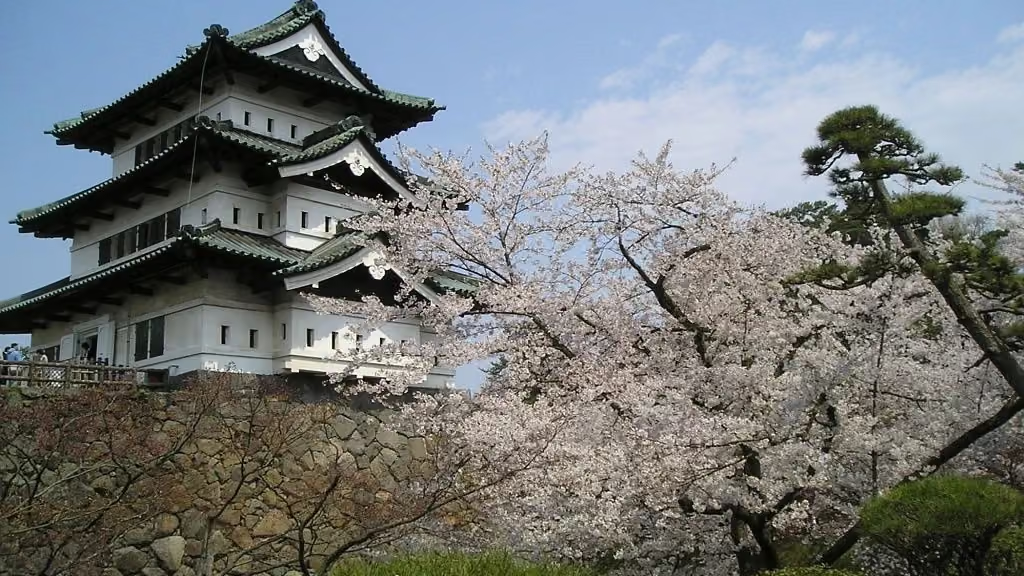
Hirosaki Castle
Castle of the Tsugaru lords, completed in 1611, whose 1810 keep is the only Edo-period castle keep still standing in the Tohoku region.
Hirosaki · Aomori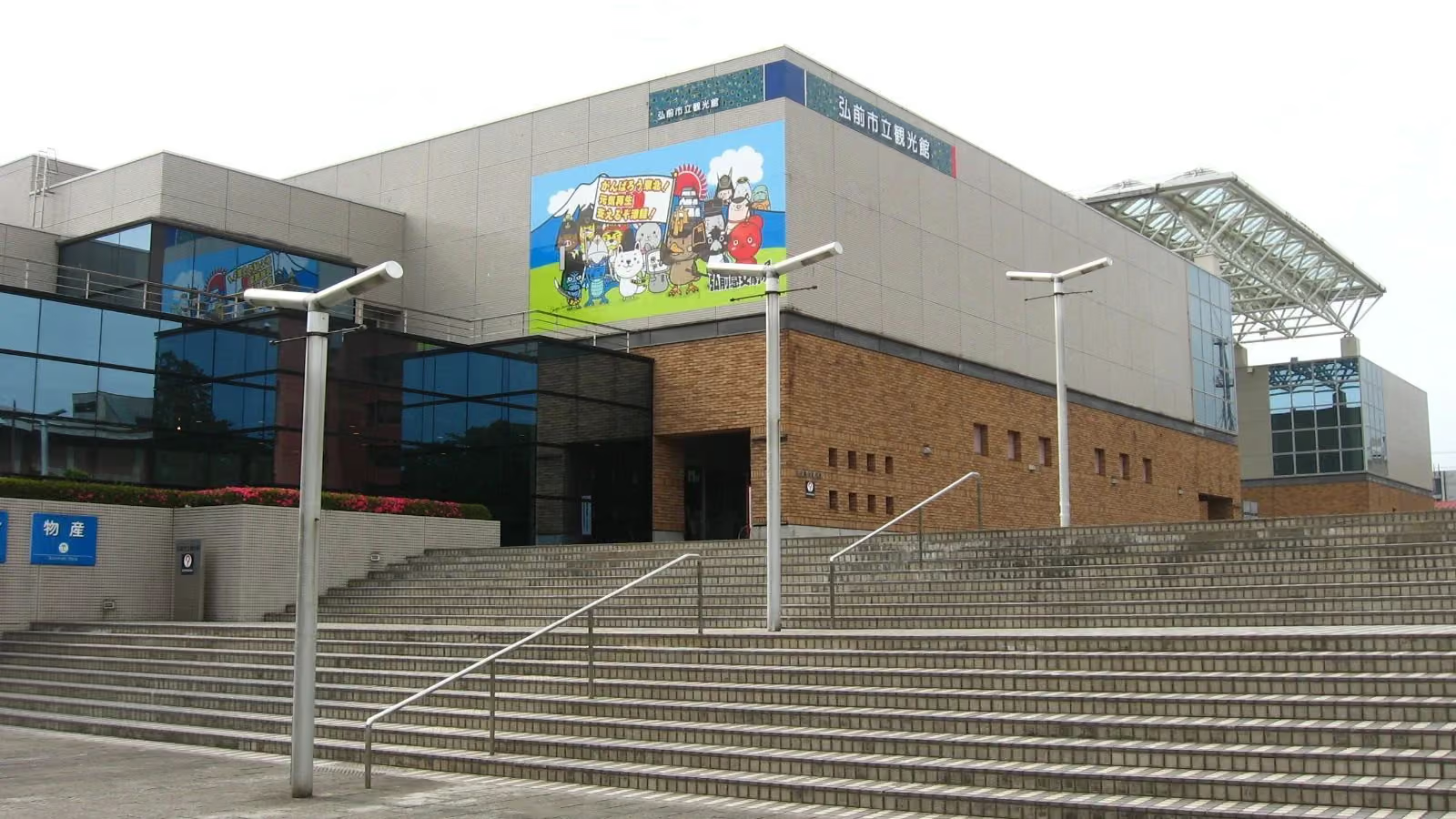
Hirosaki Municipal Tourist Center
Tourist information center opposite Hirosaki Park, with a neputa festival float, a Tsugaru-nuri lacquerware display, local crafts and a souvenir shop.
Hirosaki · AomoriYou might also like
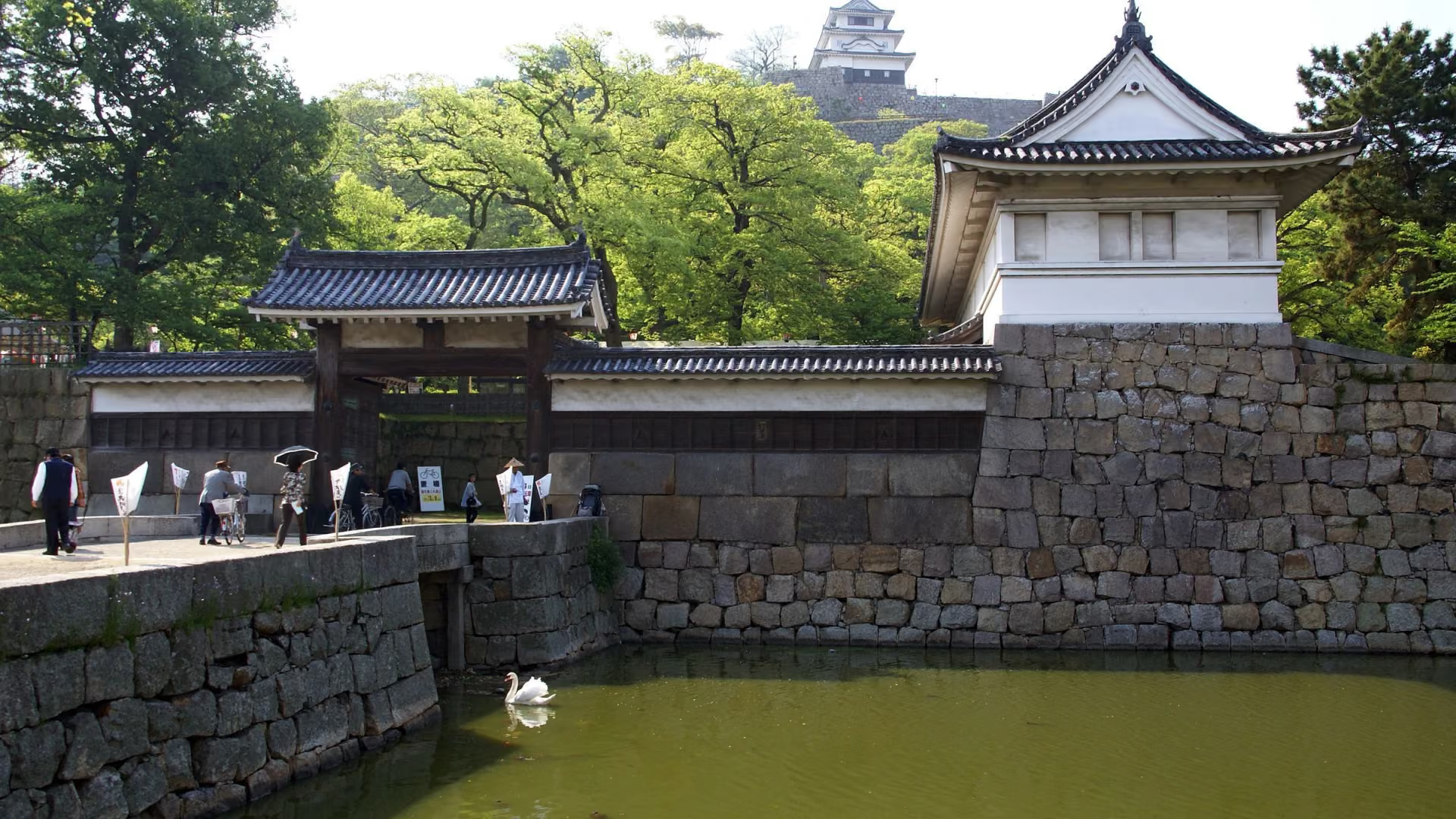
Marugame Castle
Hilltop castle on Kameyama, known for stone walls over 20 m high and a keep from 1660, one of the 12 original wooden castle keeps left in Japan.
Marugame · Kagawa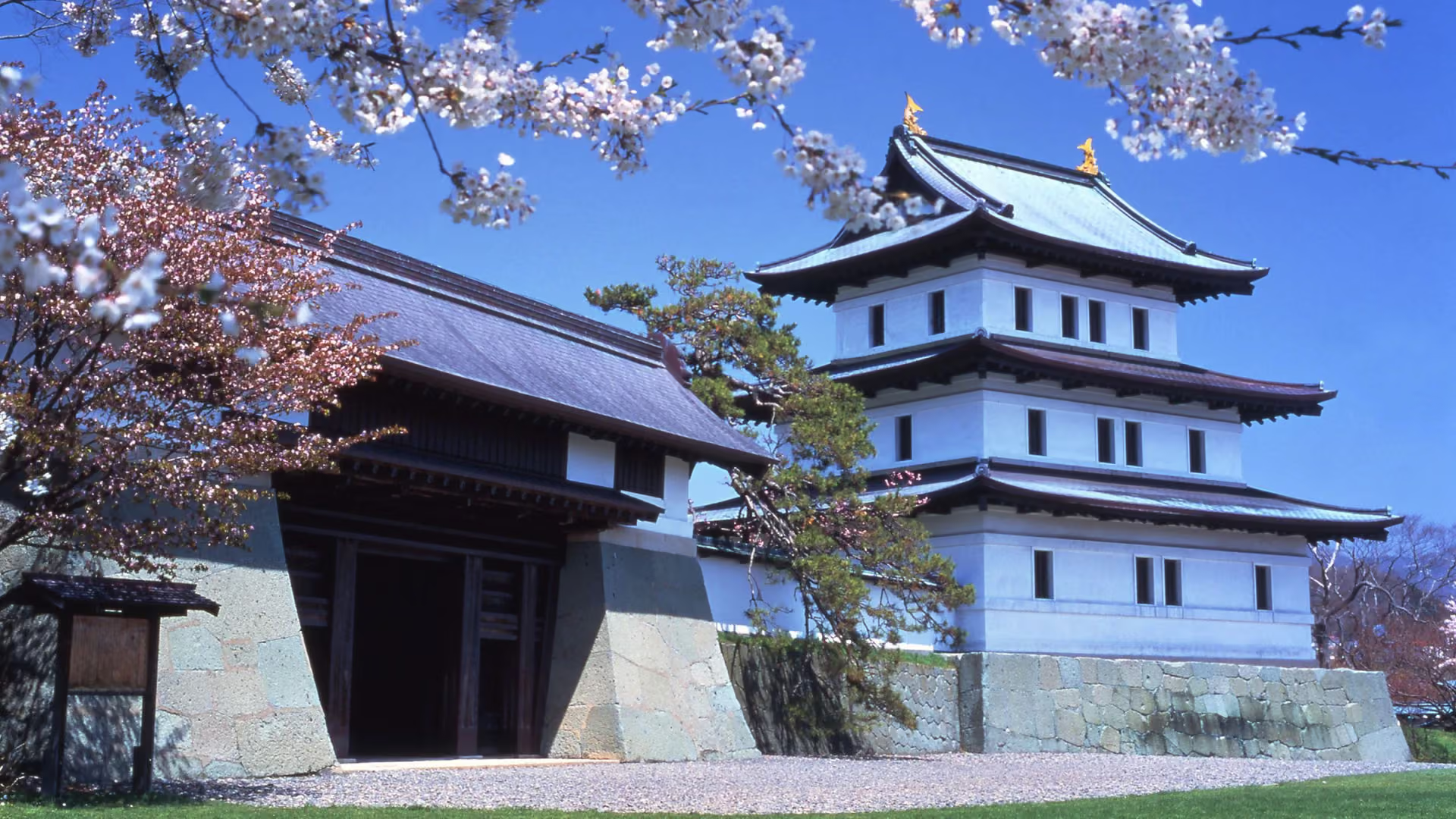
Matsumae Castle
Japan's northernmost castle and the last in the traditional style, built 1850 to 1854 in southern Hokkaido to guard the strait against foreign ships.
Matsumae · Hokkaido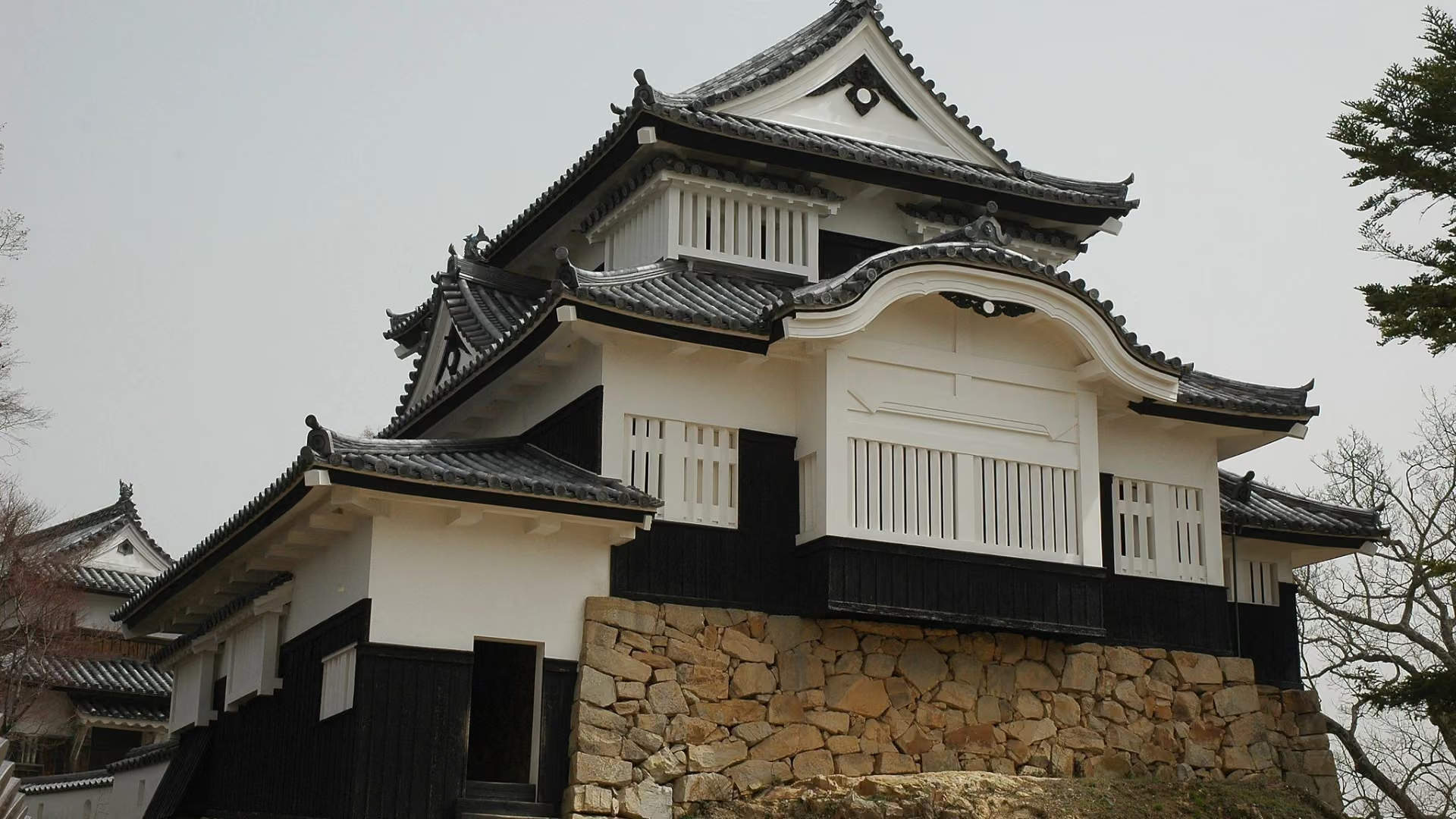
Bitchu Matsuyama Castle
Mountain castle above Takahashi with the only original keep of any mountain castle in Japan, rebuilt in the 1680s and known as the castle in the sky.
Takahashi · Okayama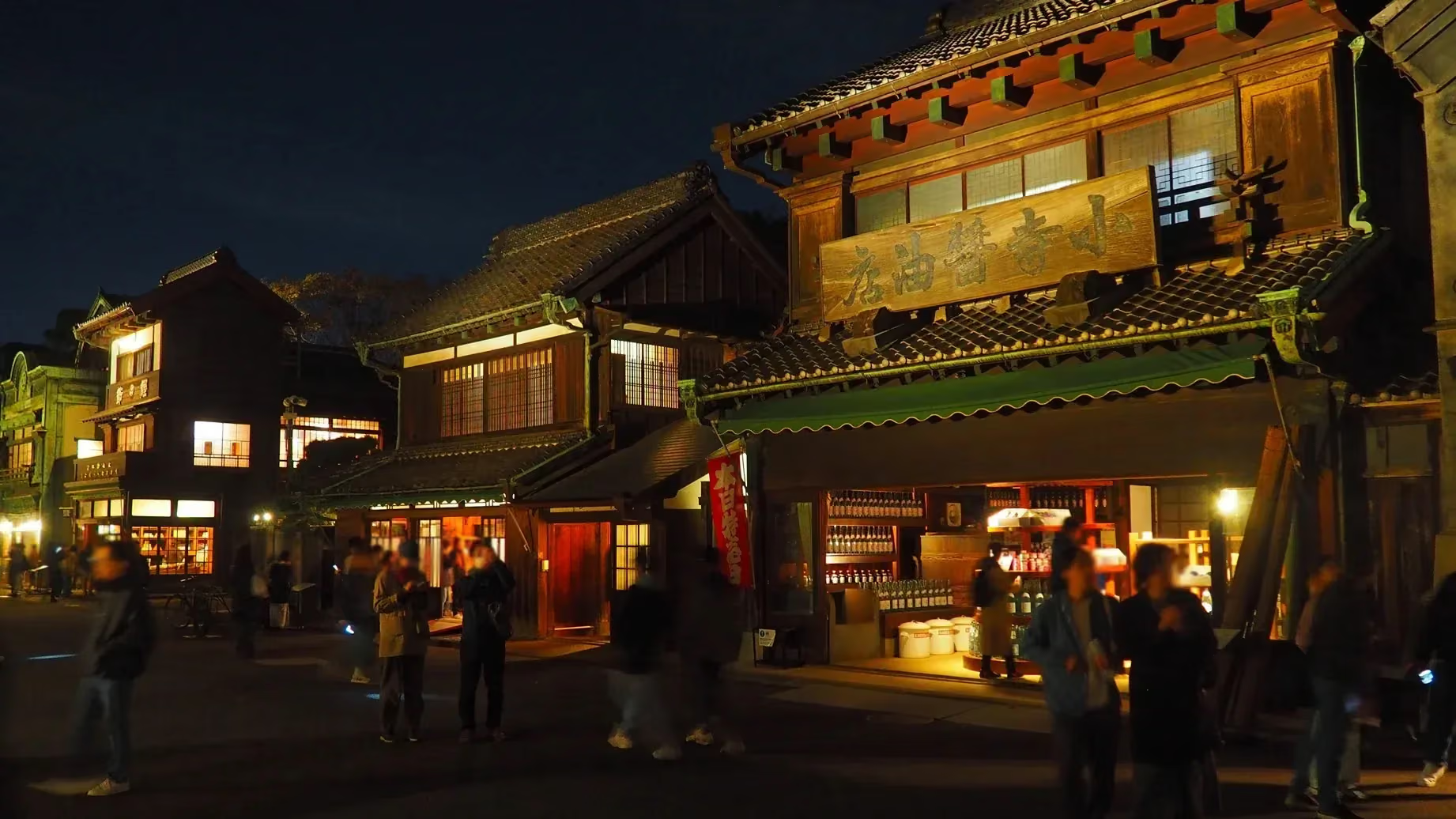
Nighttime Special Opening: Building Light-Up
A special night opening each autumn at the Edo-Tokyo Open Air Architectural Museum, with its historic buildings lit up, candlelight and fires in old hearths.
6–7 Nov 2027Exact date not confirmed yetKoganei · Tokyo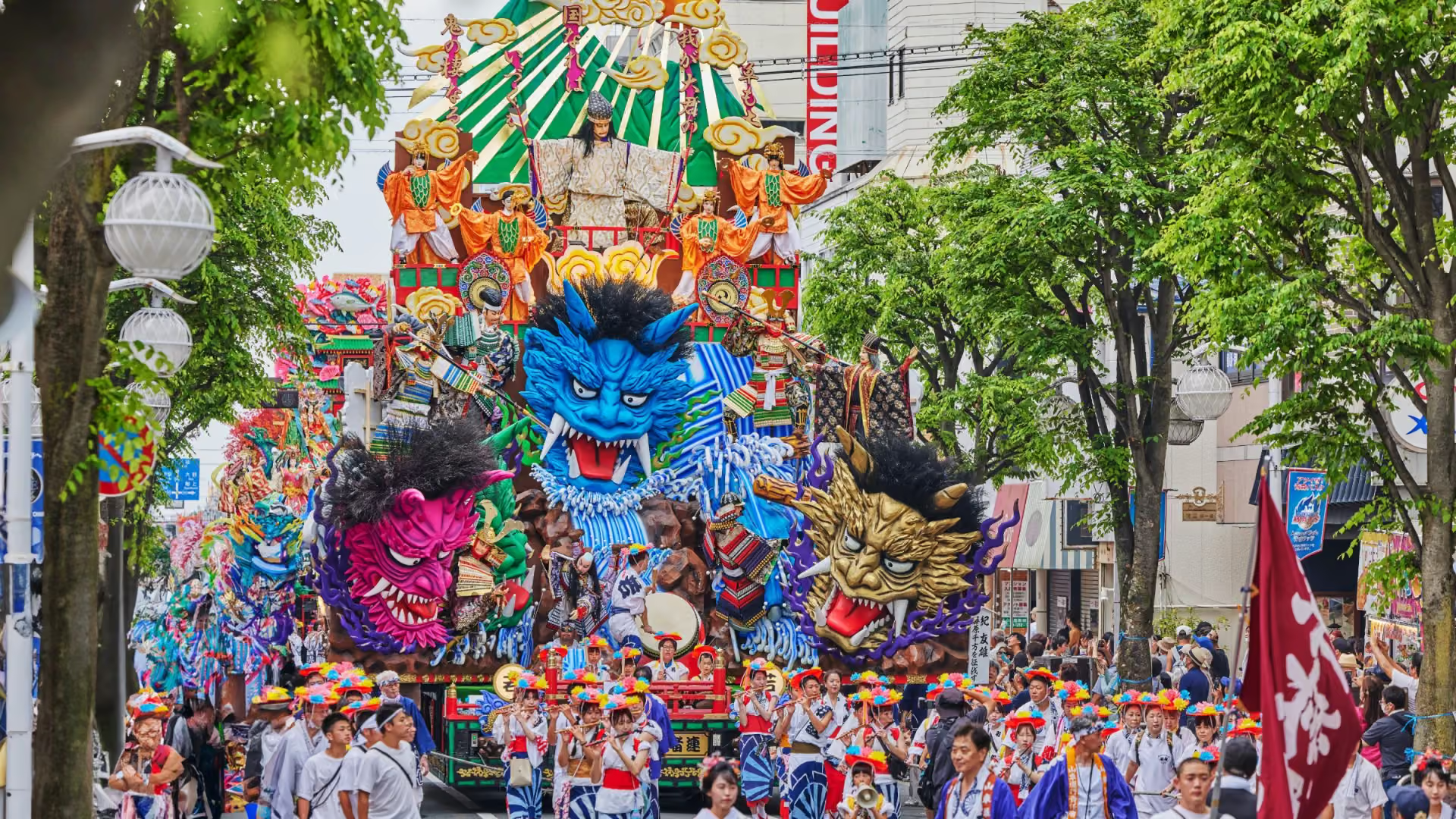
The Hachinohe Sansha Taisai
Hachinohe Sansha Taisai combines traditional shrine processions with elaborately decorated floats and is recognised by UNESCO as Intangible Cultural Heritage.
31 Jul – 4 Aug 2027Hachinohe · Aomori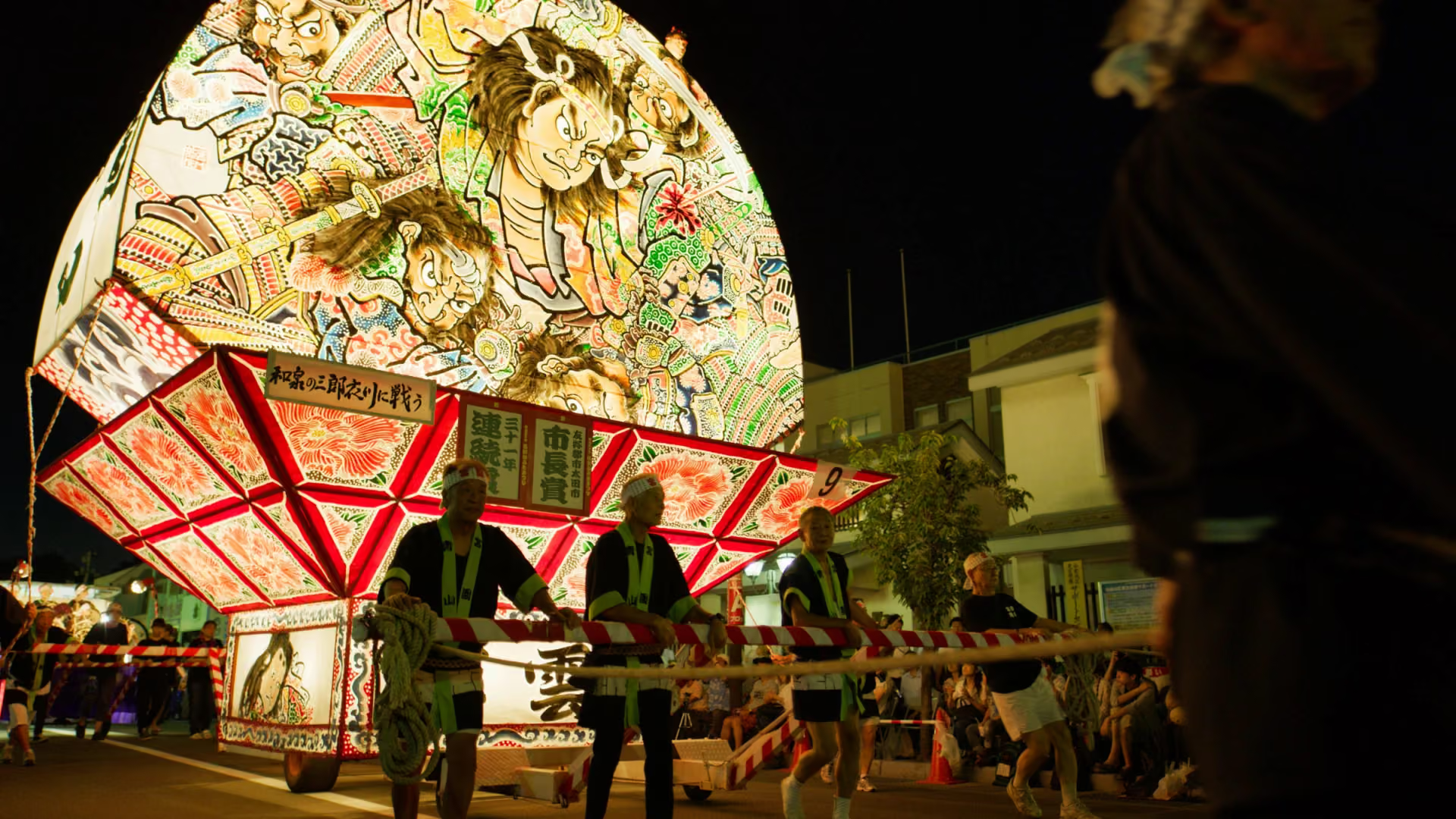
Hirosaki Neputa Festival
About 80 large and small neputa lantern floats, most of them fan-shaped and the largest over 9 metres tall, are pulled through Hirosaki to flutes and drums.
1–7 Aug 2027Hirosaki · Aomori