Hoshi Onsen Chojukan
法師温泉 長寿館
The only inn at Hoshi Onsen in the mountains of Gunma, where hot water rises from the bedrock under the bathers in a bathhouse built in 1895.
Day bathing; entry from 11:00 to 13:30, and day visitors leave by 14:00. Also closed on some other days.
〒 379-1401How to get there
Hoshi Onsen Chojukan is the only inn at Hoshi Onsen, in the mountains of Minakami in Gunma, near the head of the Tone river and inside Joshinetsu Kogen National Park. In its main bath, built in 1895, the hot water rises from the bedrock beneath the bathers.
History
Legend holds that the priest Kobo Daishi, Kukai, found the spring on his travels, and that the name Hoshi (法師) was made from two characters of his title. In 1875 Okamura Mitsugu (岡村貢) took a plain bath hut used only by people from nearby, repaired the run-down road and buildings, and opened an inn that served meals to travellers.
The main building dates from 1875, the bathhouse Hoshi no Yu from 1895 and the annex from 1940. In 2006 all three were listed as Registered Tangible Cultural Properties, for their roofs of cedar bark, their deep eaves on projecting beams in the segai-zukuri and dashibari-zukuri styles, and the arched windows of the bathhouse. The writers Kawabata Yasunari, Yosano Akiko and Wakayama Bokusui were fond of the spring, and the inn appeared on a Japanese National Railways Full Moon travel poster with the actors Uehara Ken and Takamine Mieko. A red post box still in use stands by the entrance, and the irori, the sunken hearth, is lit every day.
The baths
Hoshi no Yu and the smaller Choju no Yu are ashimoto yushutsu onsen (足元湧出温泉), baths where the spring rises straight up from the rock under the bather, which the inn says are few in Japan. Wooden frames are set on the riverbed and the space inside them is the bath, so water at about 40°C fills the tubs without touching the air and overflows all the time. It is neither diluted nor recirculated, and only Choju no Yu is heated, in winter. The inn says the water is rain that soaked into the ground 50 to 60 years ago.
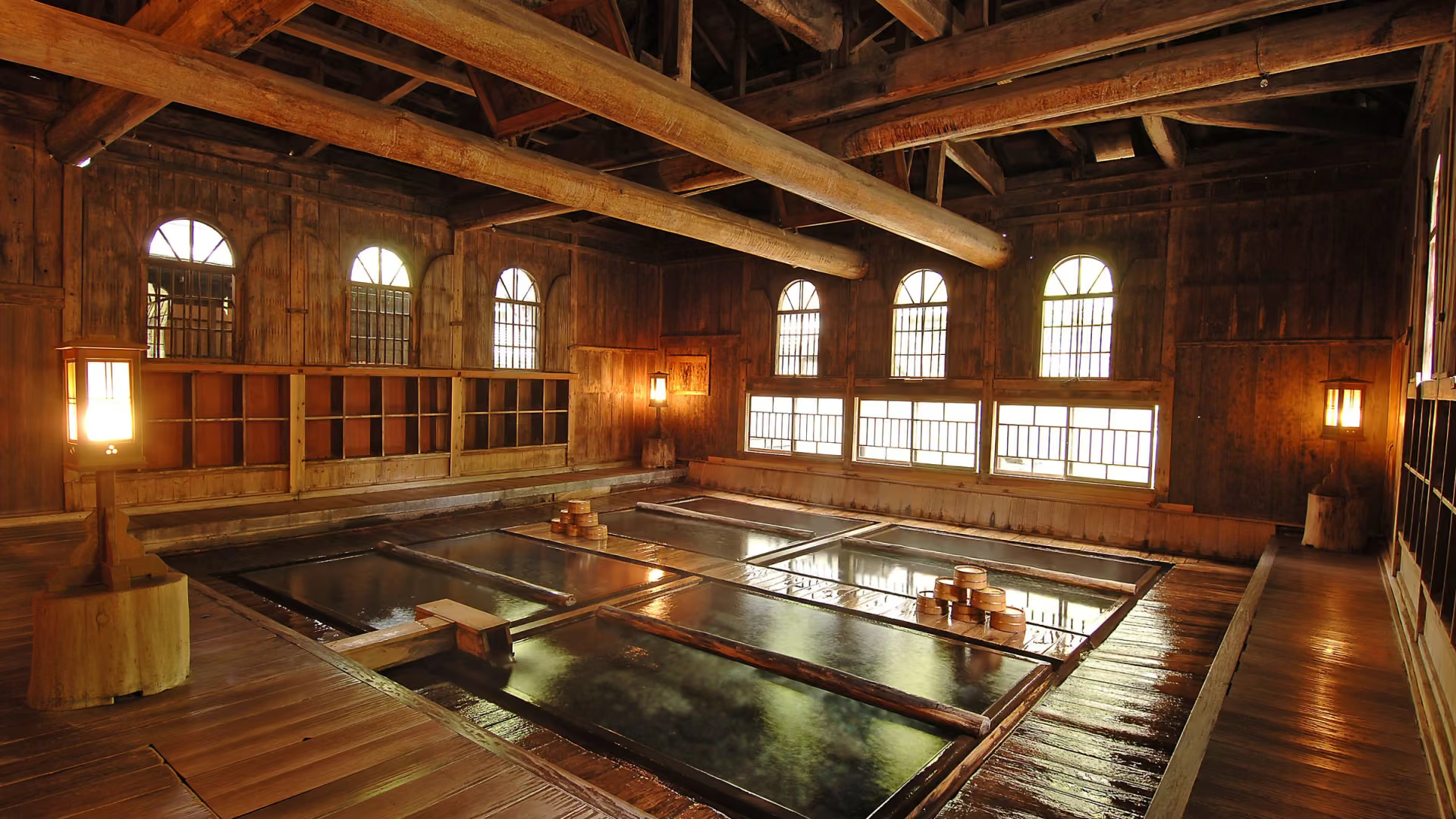
Hoshi no Yu has thick beams under a high ceiling and arched windows in the style of the Rokumeikan, the western-style hall of the Meiji era in Tokyo, and is lit by andon lanterns at night. Choju no Yu has the highest flow of water for its size, and received full marks on all six of its measures from the Japan Natural Hot Spring Inspection Organization (日本天然温泉審査機構). The third bath, Tamaki no Yu, is built entirely of hinoki cypress and opens onto an outdoor bath; it uses a newer spring found on the grounds, heated and recirculated.
House rules
Hoshi no Yu is konyoku (混浴), a bath shared by men and women, and bathing wear or a towel wrapped around the body is not allowed in it; it is kept for women only for two hours each evening. The other baths change between men and women at set times.
The Yuchelin rating
In 2026 Hoshi Onsen Chojukan was among the first 21 onsen to receive three stars from Yuchelin (湯シュラン), a rating system that judges hot springs by the water in the bath. The Yuchelin association asks visitors to its rated baths to keep five rules for borrowing the water (湯をお借りする五か条), written under the supervision of Touristship, an association that promotes considerate travel:
After you. These baths are part of local people's daily lives. When locals come in, give them your place and your turn with an "after you". Avoid the busy hours, so as not to get in the way of local bathers.
Say hello. A simple "konnichiwa" or "ojama shimasu" (sorry to intrude) is where contact begins. Talking with the locals, you may learn the rules of that bath and how it is used.
Enjoy the day's temperature. Natural hot water is hard to manage, and some days it is hot and some days lukewarm. Enjoy the water as you meet it that day. If you want to change the temperature, ask the locals.
Do the basics, with care. No photos in the bath or the changing room. Pour hot water over yourself and wash before you get into the bath. Don't take over the spot by the spout or the washing area. Wash the bucket and stool you used and put them back. Take your rubbish home, and dry yourself before you go back into the changing room. Keep to these basics without fail.
Thanks and respect for the earth's gift. Hot spring water is an irreplaceable gift of nature, made by the earth over long ages. Treat every drop with thanks and respect, take care of the water, and enjoy your bath.
Getting There

Planning a trip? Fit this into a trip and Oni plans the rest around it.
You might also like
Kusatsu Onsen
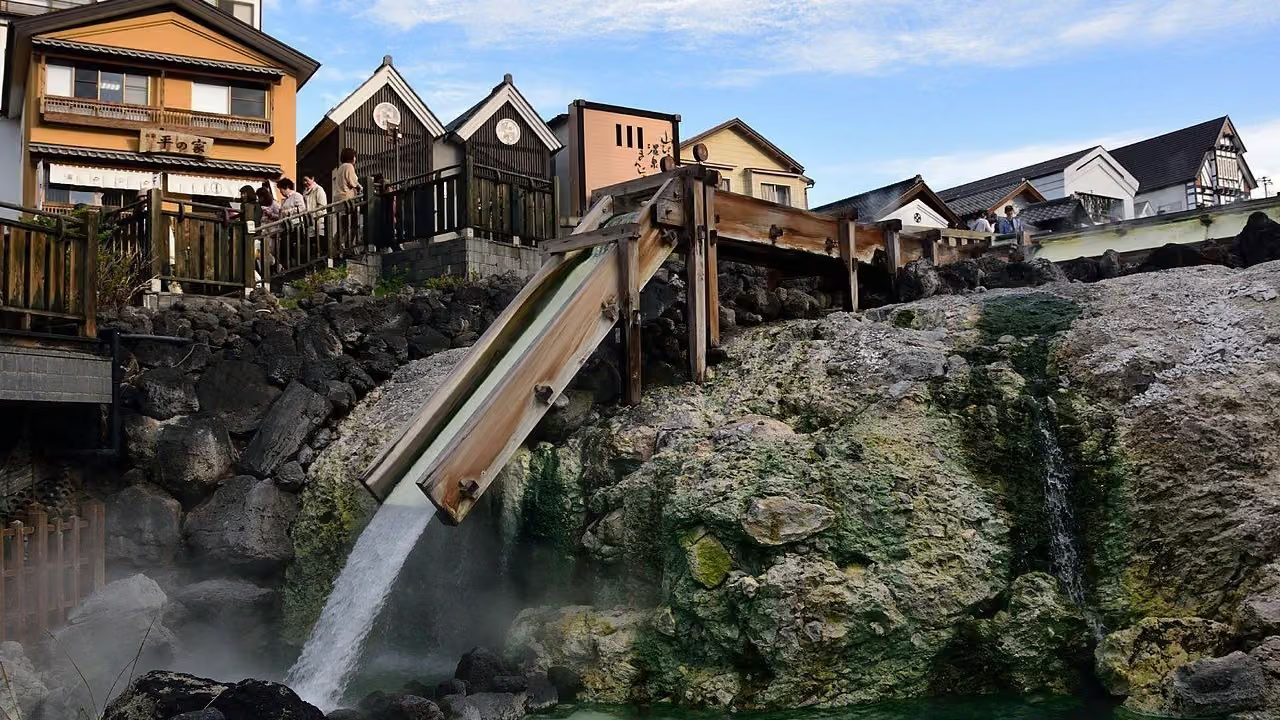
A hot spring town on a highland at about 1,200 metres in Gunma, its springs fed by rain and snow falling on Kusatsu-Shirane.
Kusatsu · Gunma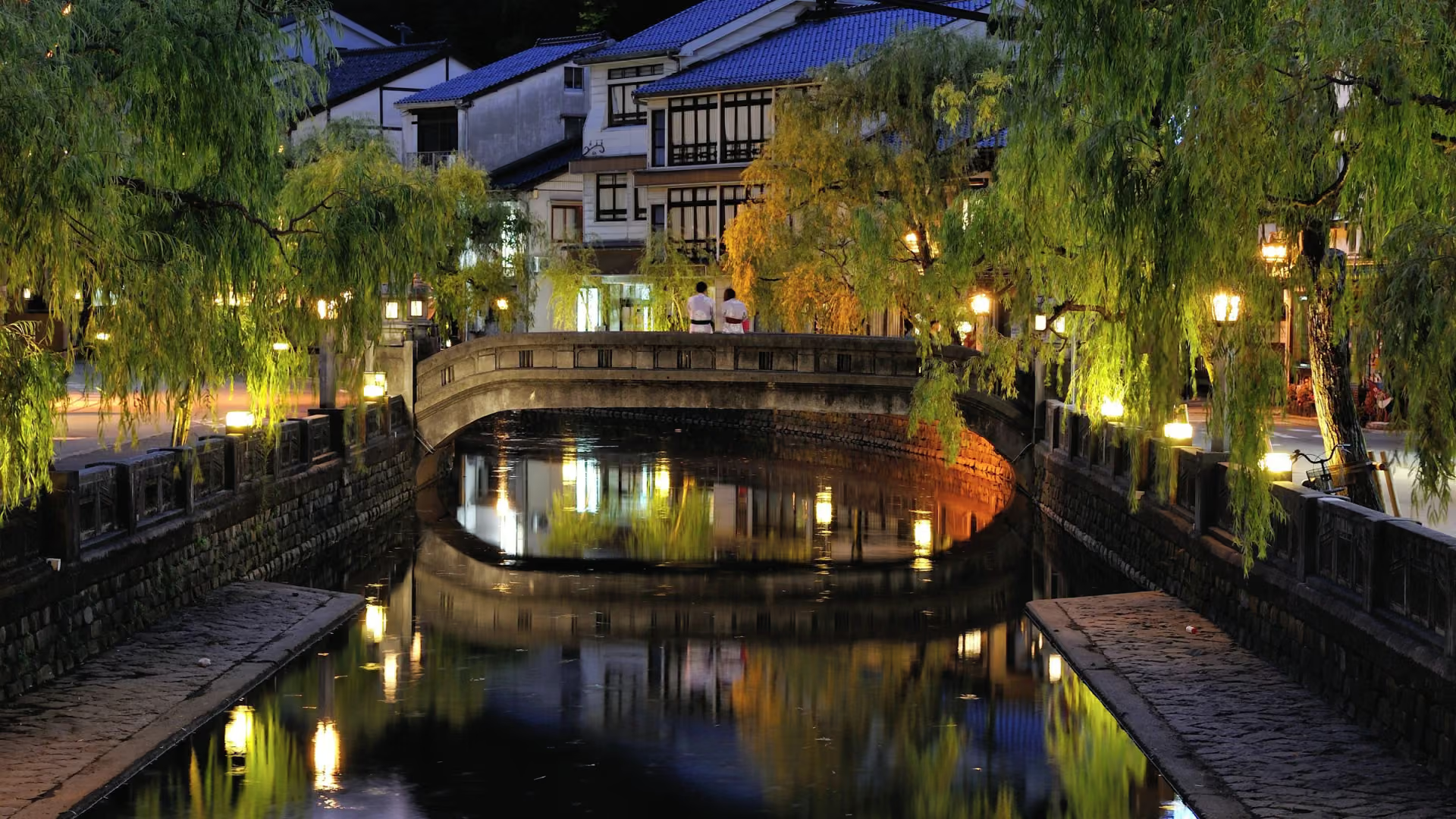
Kinosaki Onsen
A hot spring town in northern Hyogo with a recorded founding in 720, seven public bathhouses and streets where guests walk in yukata.
Toyooka · Hyogo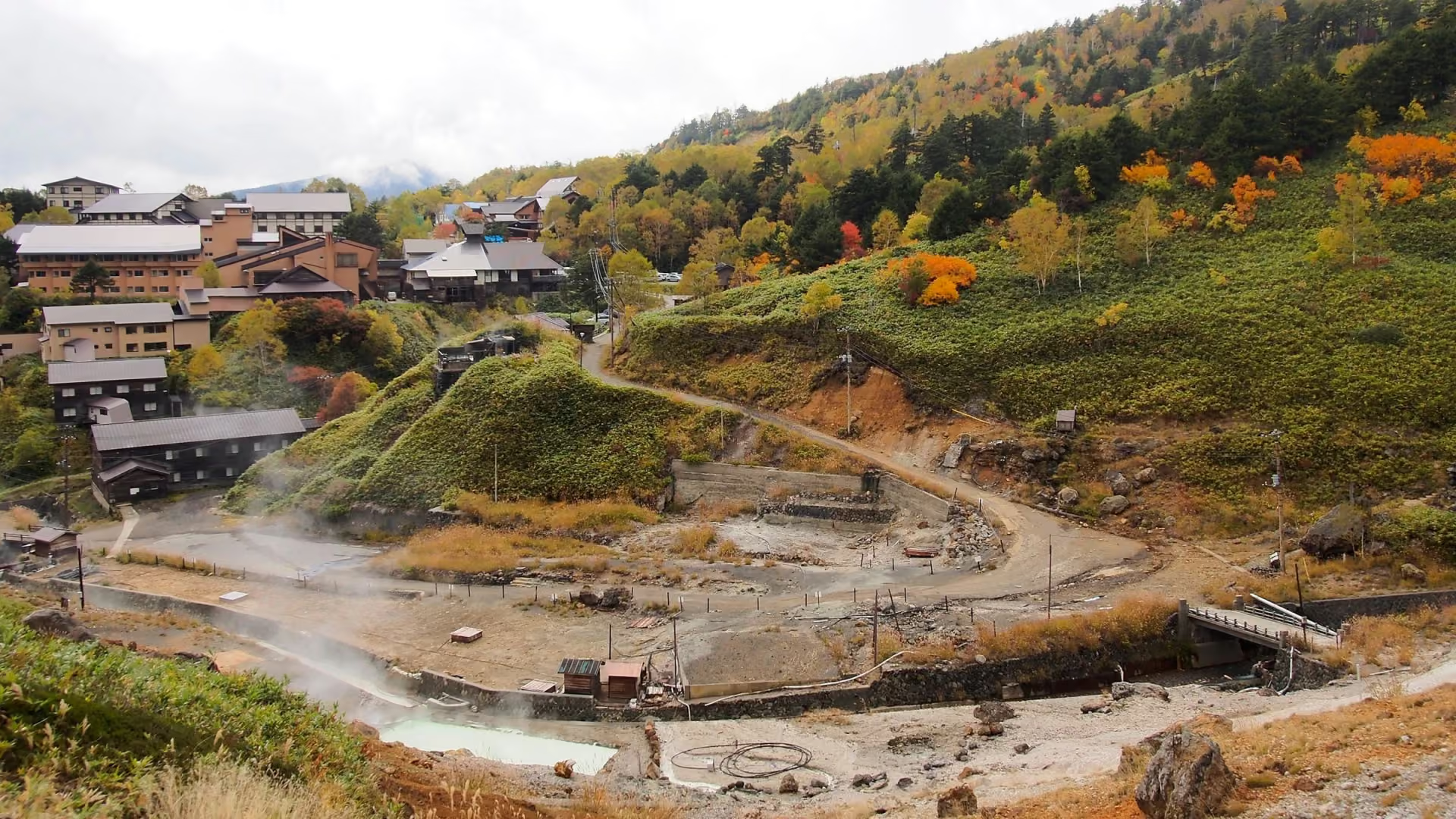
Manza Onsen
A hot spring village at 1,800 metres on Mount Shirane in Gunma, with milky sulphur water and an old crater that still gives off steam.
Tsumagoi · Gunma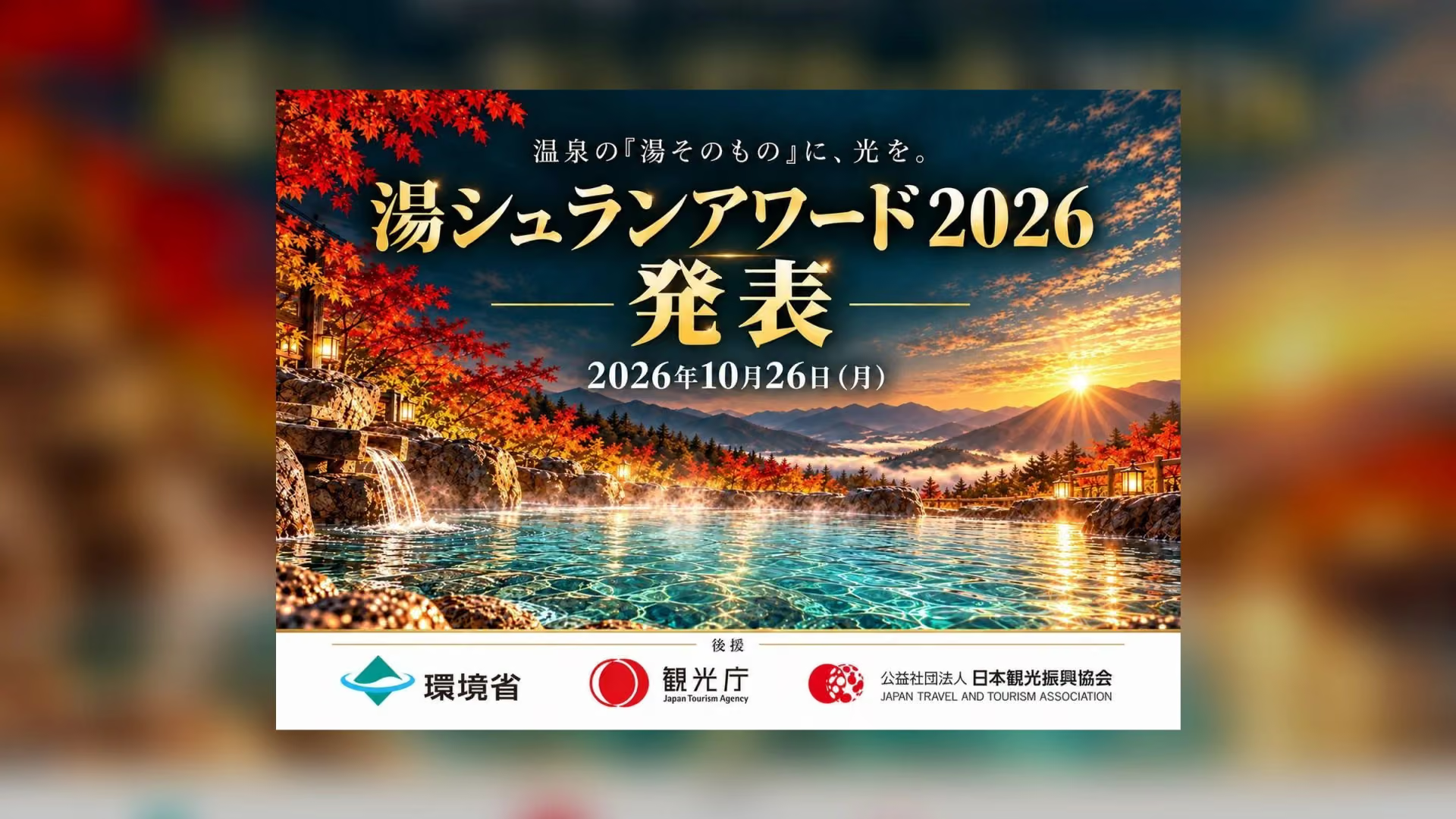
Yuchelin 2026: Japan's 21 Three-Star Onsen
Yuchelin, a new rating for Japanese hot springs, judges the water itself. Its first three-star list names 21 onsen, from Hokkaido to Yakushima.
2026/10/27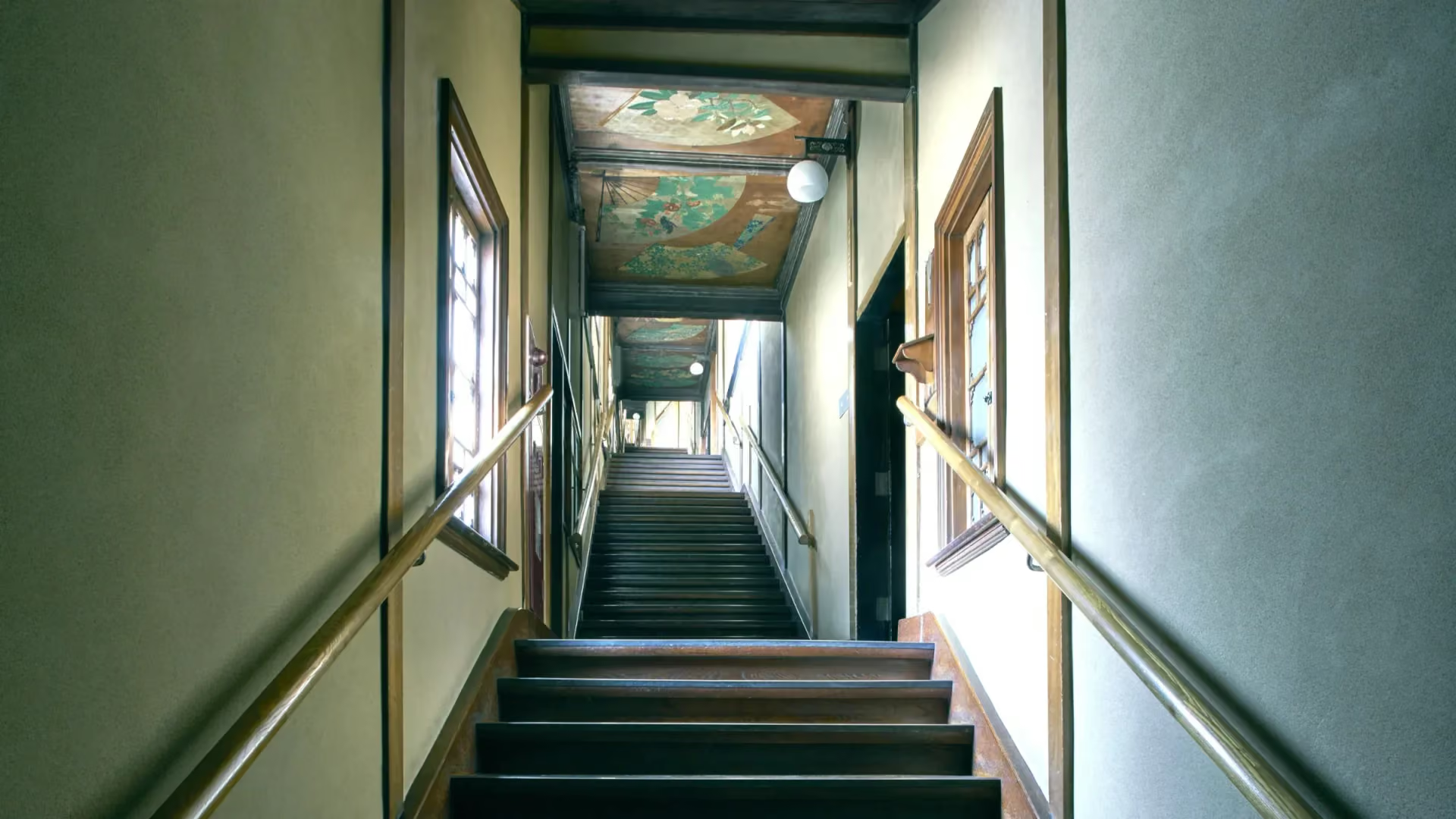
Hyakudan Kaidan Special Opening
A wooden building of 1935 in Meguro, Tokyo, with seven decorated banquet rooms up a staircase of 99 steps, opened for six months with almost nothing in it.
1 Oct 2026 – 30 Mar 2027Tokyo
TAKASAKI CITY ROCK FES.
A yearly rock festival spread over three venues in Takasaki, with ticketed stages, a free stage at Takasaki Arena and food markets open to everyone.
27–28 Jun 2027Exact date not confirmed yetTakasaki · Gunma