Ikuta Ryokuchi Park
生田緑地
Kawasaki's largest green space, blending woodland and wetland with museums, a planetarium, indigo dyeing, and seasonal cherry blossom, irises, and autumn foliage.
〒 214-0032How to get there
向ヶ丘遊園Odakyu Odawara Line8 min walk from the station
Ikuta Ryokuchi is Kawasaki's largest green space, a broad sweep of woodland, wetland, and former farmland covering around 119 hectares in the Tama Hills. Designated in 1941 as the city's first planned green space, it has kept the character of a traditional satoyama – the managed countryside that once ringed Japanese towns – while growing into a rare place where nature and culture sit side by side. A cluster of museums and gardens is scattered across the hillside, so a single visit can take in ancient farmhouses, avant-garde art, a planetarium, and a firefly-filled valley.
Nature and the seasons
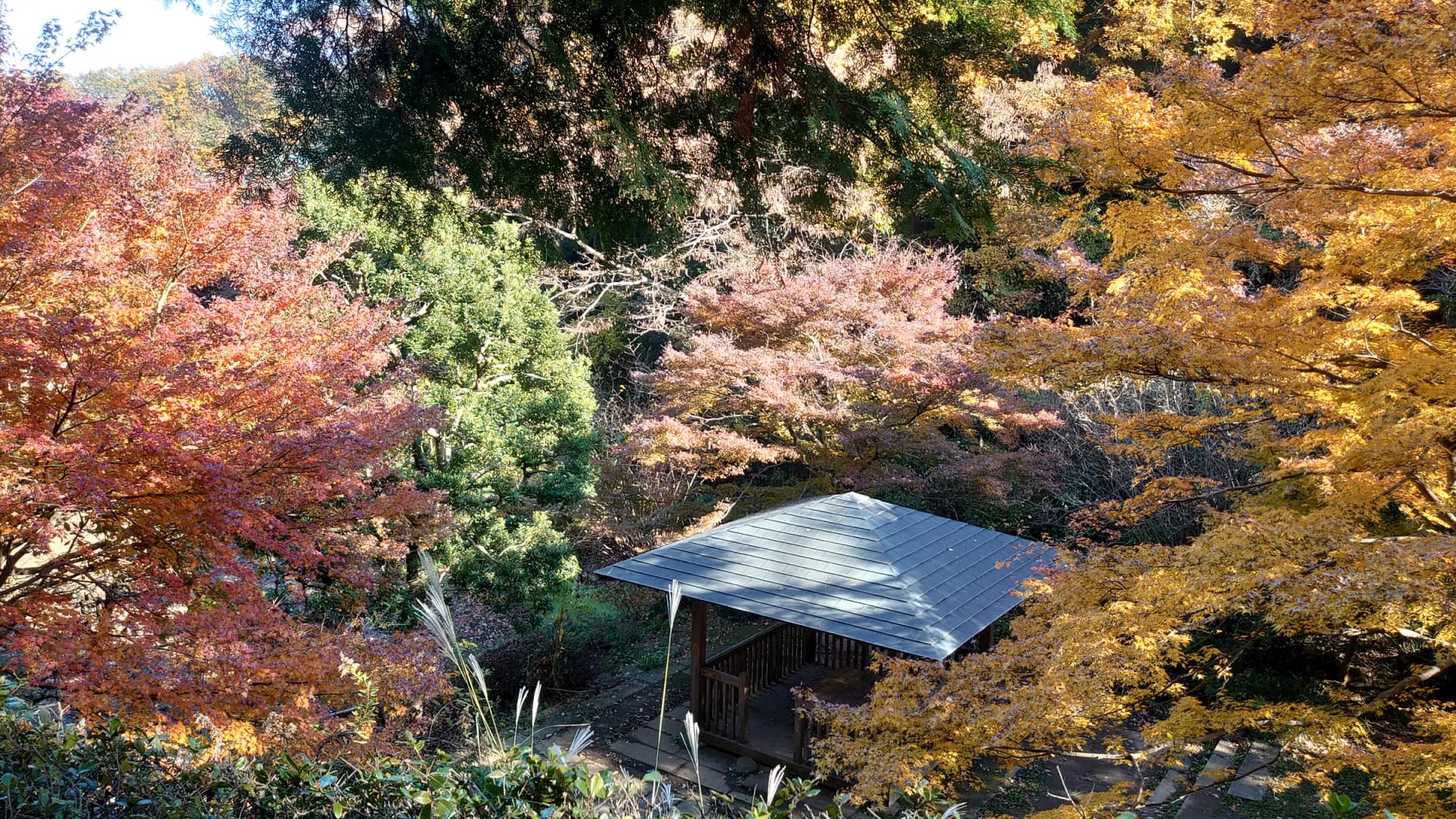
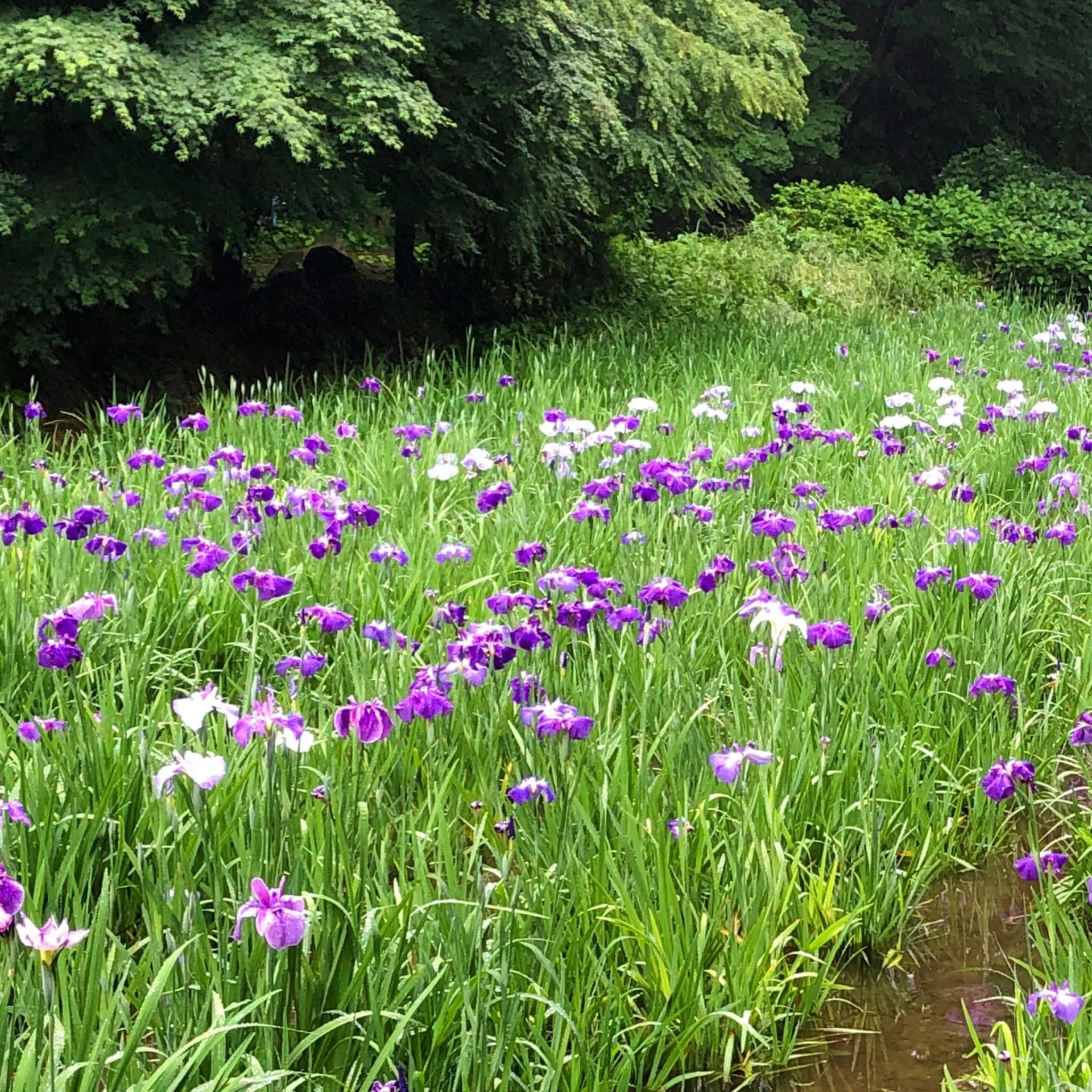
Much of the park is coppiced woodland of sawtooth oak and konara oak, threaded with valley wetlands and spring-fed streams. These pockets of old countryside shelter wildlife now scarce elsewhere in the city, including Genji fireflies, which drift over the water on early-summer nights, and the hotoke loach, a small freshwater fish. The park rewards a slow walk in any season: cherry blossom around Masugatayama in spring, Japanese irises in early summer, and vivid foliage in autumn. Near the central plaza, a grove of towering metasequoia (dawn redwood) stays cool even in high summer, the light filtering green through the straight trunks.
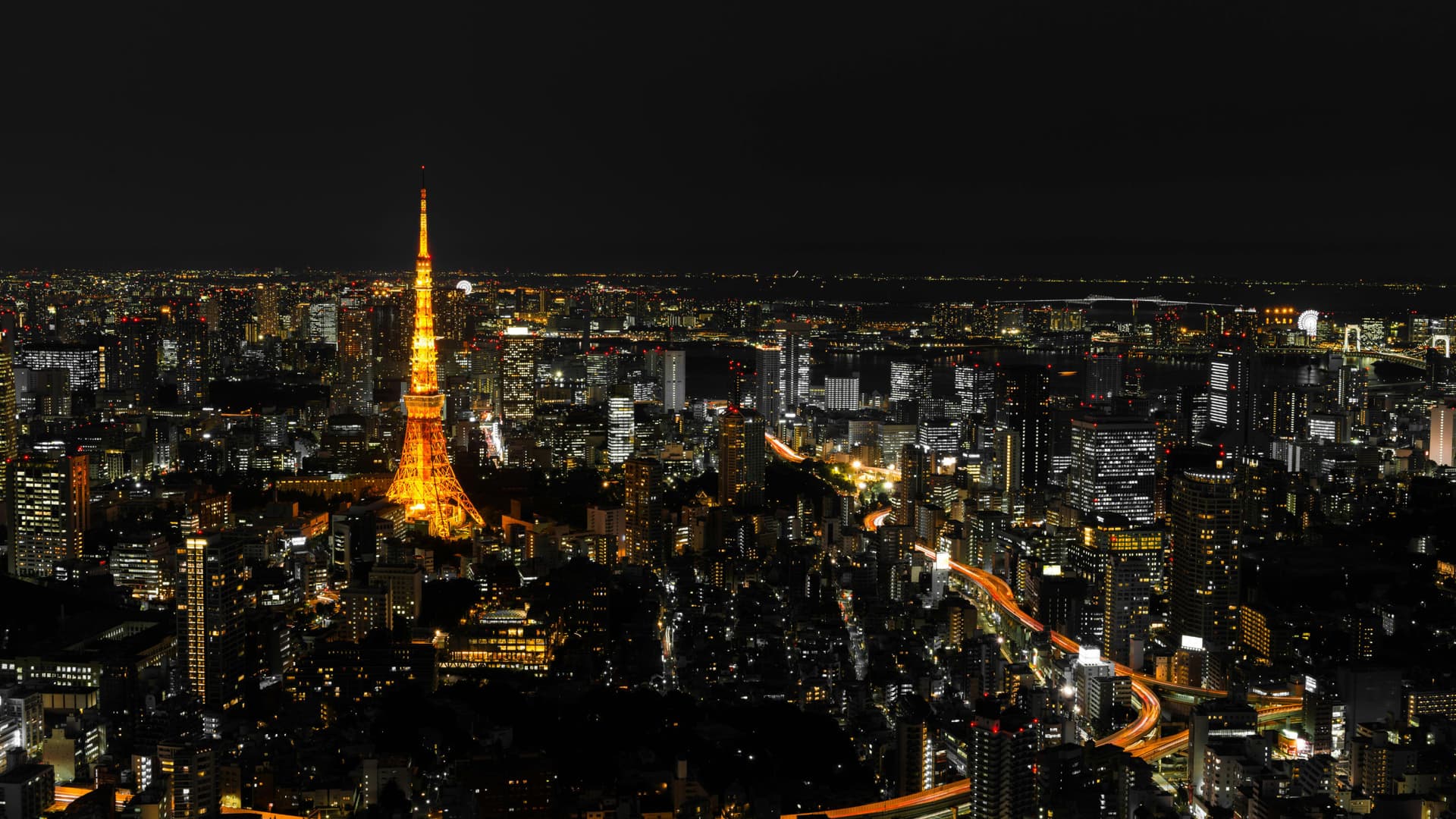
The high point, literally, is the observation deck atop Masugatayama, a short but steep climb from the valley floor. On a clear day the view reaches across Tokyo to the Skytree, Tokyo Tower, and the Metropolitan Government Building, with Mount Fuji on the horizon.
Museums and attractions
For its size, Ikuta Ryokuchi packs in an unusual range of things to do, and the park grounds themselves are free to enter; the individual facilities set their own hours and admission.
The Japan Open-Air Folk House Museum (Nihon Minka-en) gathers 25 traditional buildings relocated from across the country, from thatched farmhouses to a water mill and a village kabuki stage. Nearby, the Taro Okamoto Museum of Art celebrates the Kawasaki-born avant-garde artist Taro Okamoto (1911–1996), best known for the Tower of the Sun built for Expo '70 in Osaka. The Kawasaki Municipal Science Museum, focused on the park's own geology and ecology, has a planetarium and a preserved D51 steam locomotive on display outside. At the Folk House Museum's west gate, the Traditional Crafts Building runs hands-on indigo-dyeing sessions. Just outside the park's western edge, the Fujiko·F·Fujio Museum is devoted to the creator of Doraemon. A rose garden, open only in spring and autumn, rounds out the roster.
Food
There are a few places to stop for a meal or a rest. Cafe Hoshimeguri and Cafeteria TARO both serve light meals and sweets, while the soba restaurant Shirakawago, set inside a thatched gassho-zukuri farmhouse in the Folk House Museum, makes its buckwheat noodles in-house.
Visiting and etiquette
The park is a working conservation site as much as a public garden, and visitors are asked to help protect it: keep to the paths, take nothing away and bring nothing in – neither plants nor animals – and don't feed the wildlife. Tents and tarps are not permitted, nor are open flames or smoking. Dogs should be kept on a lead and their waste taken home, rubbish carried out, and bicycles walked rather than ridden within the grounds.
Ikuta Ryokuchi is about a 13-minute walk from the south exit of Mukogaoka-yuen Station on the Odakyu Odawara Line, roughly 20 minutes from Shinjuku, with buses also serving the park. Because the museums, planetarium, and rose garden each keep their own schedules and prices, it is worth checking opening times before a visit if there is something specific you want to see.
Getting There

Planning a trip? Fit this into a trip and Oni plans the rest around it.
Places nearby

Japan Open-Air Folk House Museum
An open-air museum in Kawasaki with 25 traditional Japanese houses relocated from across the country, plus indigo-dyeing sessions, a soba restaurant, and craft displays.
Kawasaki · Kanagawa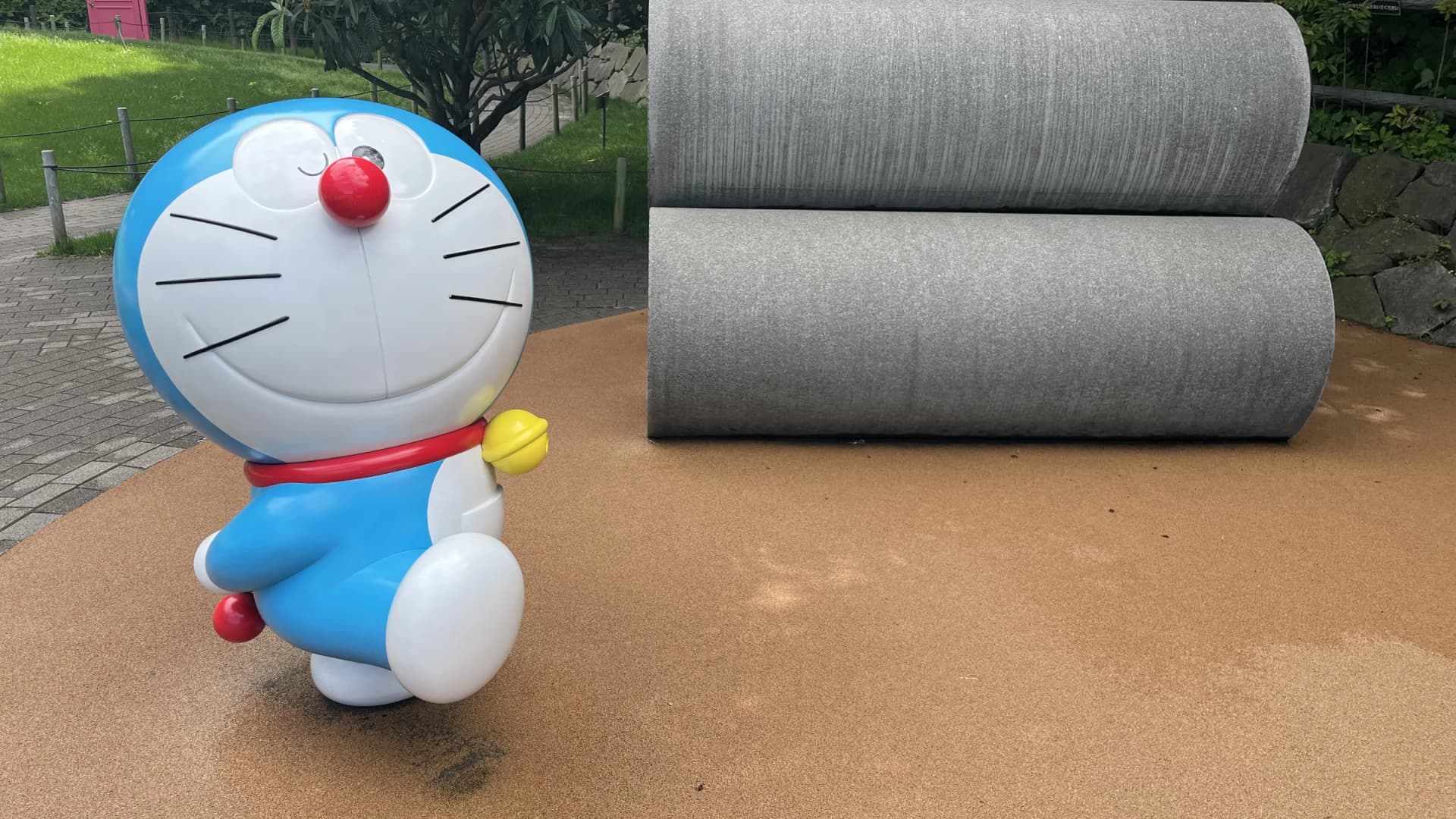
Fujiko・F・Fujio Museum
This museum celebrates Fujiko·F·Fujio, creator of Doraemon, displaying his original works, workspace, and interactive exhibits for manga fans.
Kawasaki · Kanagawa
Myorakuji Temple
A Tendai temple in the Nagao Hills of Kawasaki, known as the "hydrangea temple" for the 1,000 shrubs that fill its grounds each June, with a June festival.
Kawasaki · KanagawaYou might also like

Yokohama Flower & Garden Festival 2027
The Yokohama Flower & Garden Festival showcases horticultural heritage through garden displays, rose collections, and design installations with educational workshops.
2–4 May 2027Exact date not confirmed yetYokohama · Kanagawa
Kyu-Furukawa Gardens
Kyu-Furukawa Gardens combines a Western stone mansion, rose garden, and traditional Japanese strolling garden, blending European and Japanese design on Tokyo's Musashino Plateau.
Tokyo
Future Rose Garden
This renovated rose garden in Yokohama's Yamashita Park features nearly 1,900 plants selected for disease resistance and year-round interest.
Yokohama · Kanagawa
Sankeien Garden
Traditional Japanese garden spanning 175,000 square meters with a tea house, pagoda, and Edo-period structures surrounded by ancient trees.
Yokohama · Kanagawa
Yokohama Strawberry Festival
This winter festival celebrates Japan's regional strawberry varieties through 45 vendors offering themed sweets and merchandise at the iconic Red Brick Warehouse.
5 Feb – 1 Mar 2027Exact date not confirmed yetYokohama · Kanagawa
Kanamara Matsuri "Festival of the Steel Phallus"
An annual Shinto festival at Kanayama Shrine in Kawasaki featuring distinctive phallic imagery in decorations and parades while raising funds for HIV research.
5 Apr 2027Exact date not confirmed yetKawasaki · Kanagawa