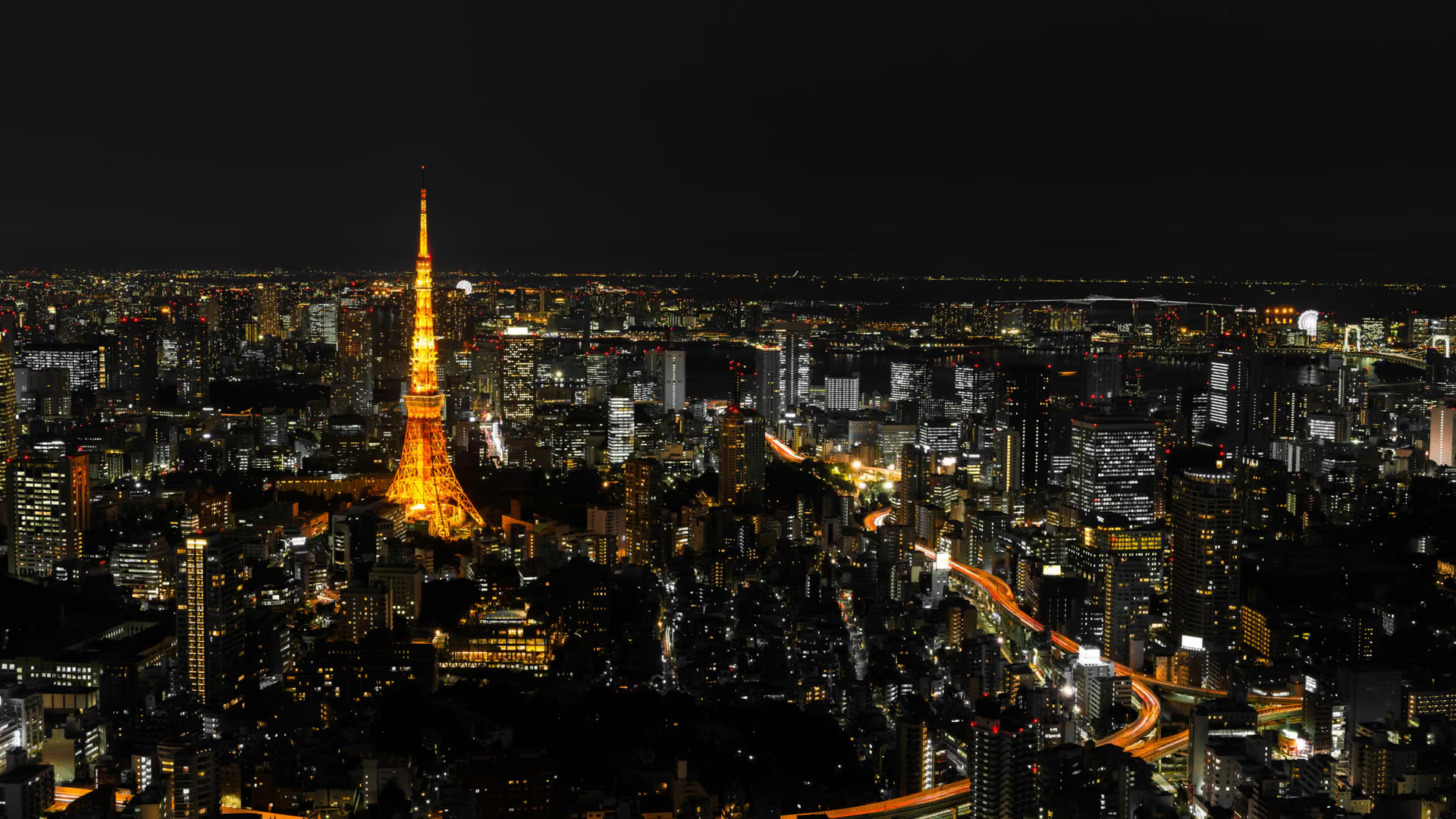
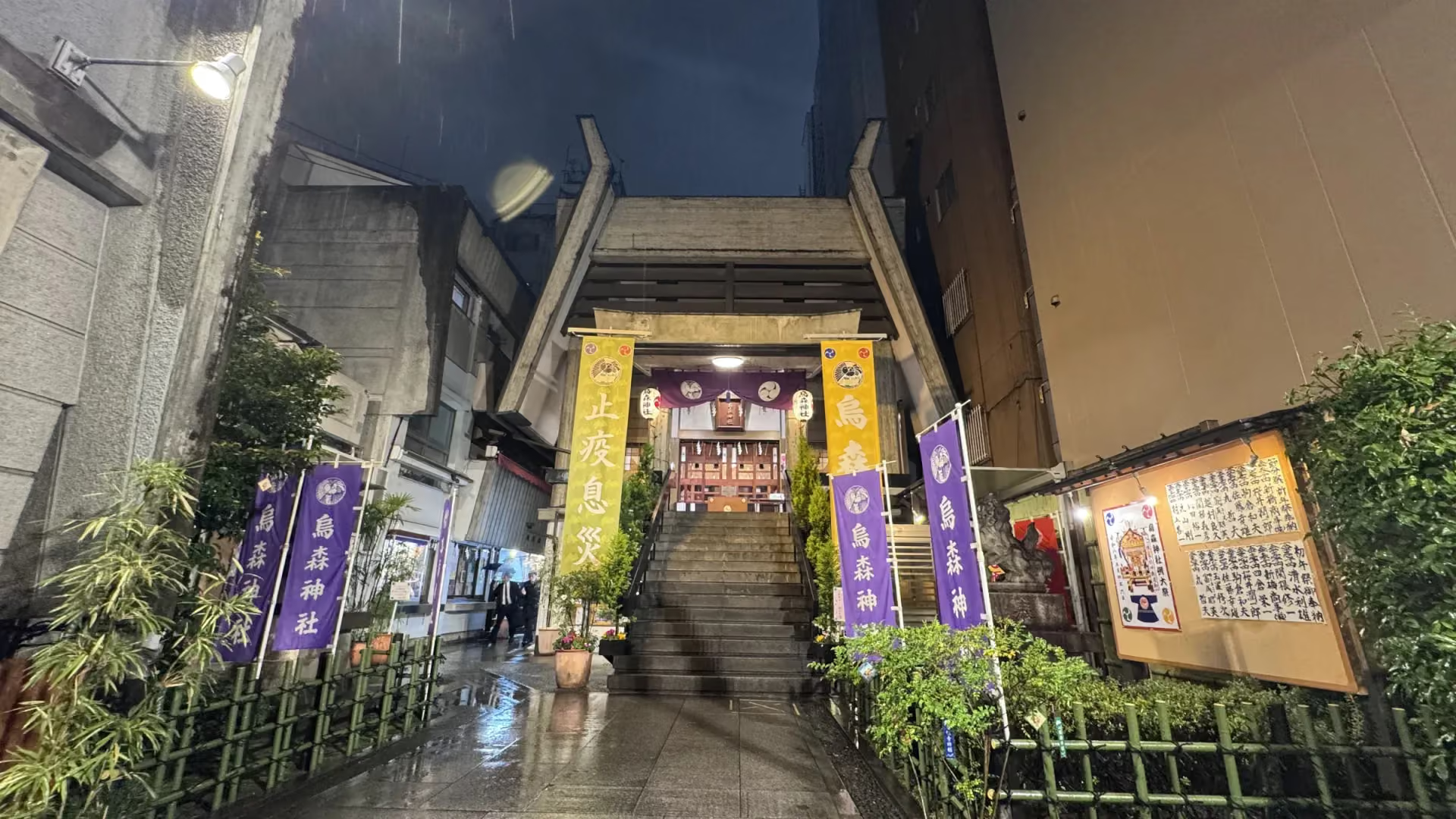
Karasumori Shrine
烏森神社
Inari shrine among the office buildings of Shimbashi, founded in 940 according to tradition and spared by the Great Fire of Meireki in 1657.
〒 105-0004How to get there
新橋Ginza Line · Keihin-Tohoku Line · Toei Asakusa Line · Tokaido Main Line · Yamanote Line · Yokosuka Line · Yurikamome2 min walk from the station
Karasumori Shrine is an Inari shrine among the office buildings near Shimbashi Station, worshipped for prosperity in business and good fortune. It enshrines Uka no Mitama no Mikoto, Ame no Uzume no Mikoto and Ninigi no Mikoto. According to the shrine, it is one of the few shrines dedicated to Ame no Uzume, known as a deity of the performing arts. The name Karasumori means crow forest. This part of Tokyo was once a pine-covered sandbar on the shore of Edo Bay, and the crows that gathered in the pines gave the area its name.
According to tradition, the shrine was founded in 940, during the Heian period. When the warrior Fujiwara no Hidesato prayed to an Inari deity of Musashi Province for victory against the rebel Taira no Masakado, a white fox is said to have brought him a white-feathered arrow, with which he swiftly prevailed. In thanks he sought to found a shrine, and, guided by a dream to the place where crows gathered, he built it in the forest of what was then Sakurada village.
The shrine's standing grew after the Great Fire of Meireki in 1657, which burned the area around it but spared Karasumori. This was taken as a sign of divine protection, and devotion to the shrine deepened. Along with Suginomori Shrine in Nihonbashi and Yanagimori Shrine in Kanda, it is counted among the Three Mori of Edo (Edo Sanmori, 江戸三森). It took its present name in 1873, and the current shrine building dates from 1971.
Its annual festival, the Karasumori Matsuri, is known as one of the first summer festivals of the year. In alternate years the shrine's large mikoshi (神輿), a portable shrine made in 1930 by the Kanda craftsman Yamamoto Shotaro, sets out from in front of Shimbashi Station and is carried through the parish.
The shrine issues seasonal goshuin (御朱印), shrine seal stamps, with designs that change through the year, such as for Tanabata and for autumn.
Getting There

Planning a trip? Fit this into a trip and Oni plans the rest around it.
Places nearby
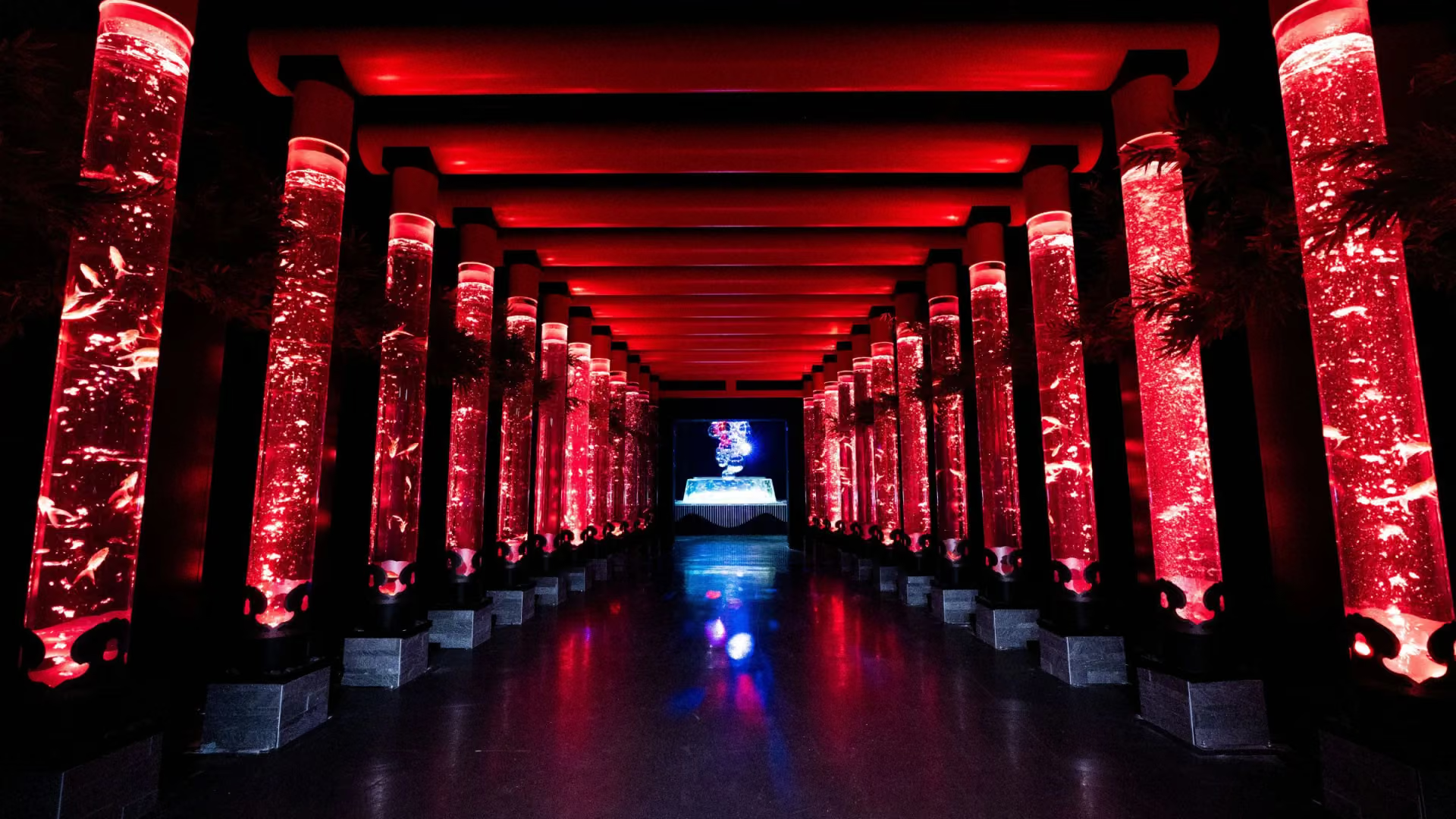
Art Aquarium Museum Ginza
A permanent goldfish art museum in Ginza Mitsukoshi, with tanks modelled on shrine approaches, lanterns and traditional crafts, set in light and scent.
Tokyo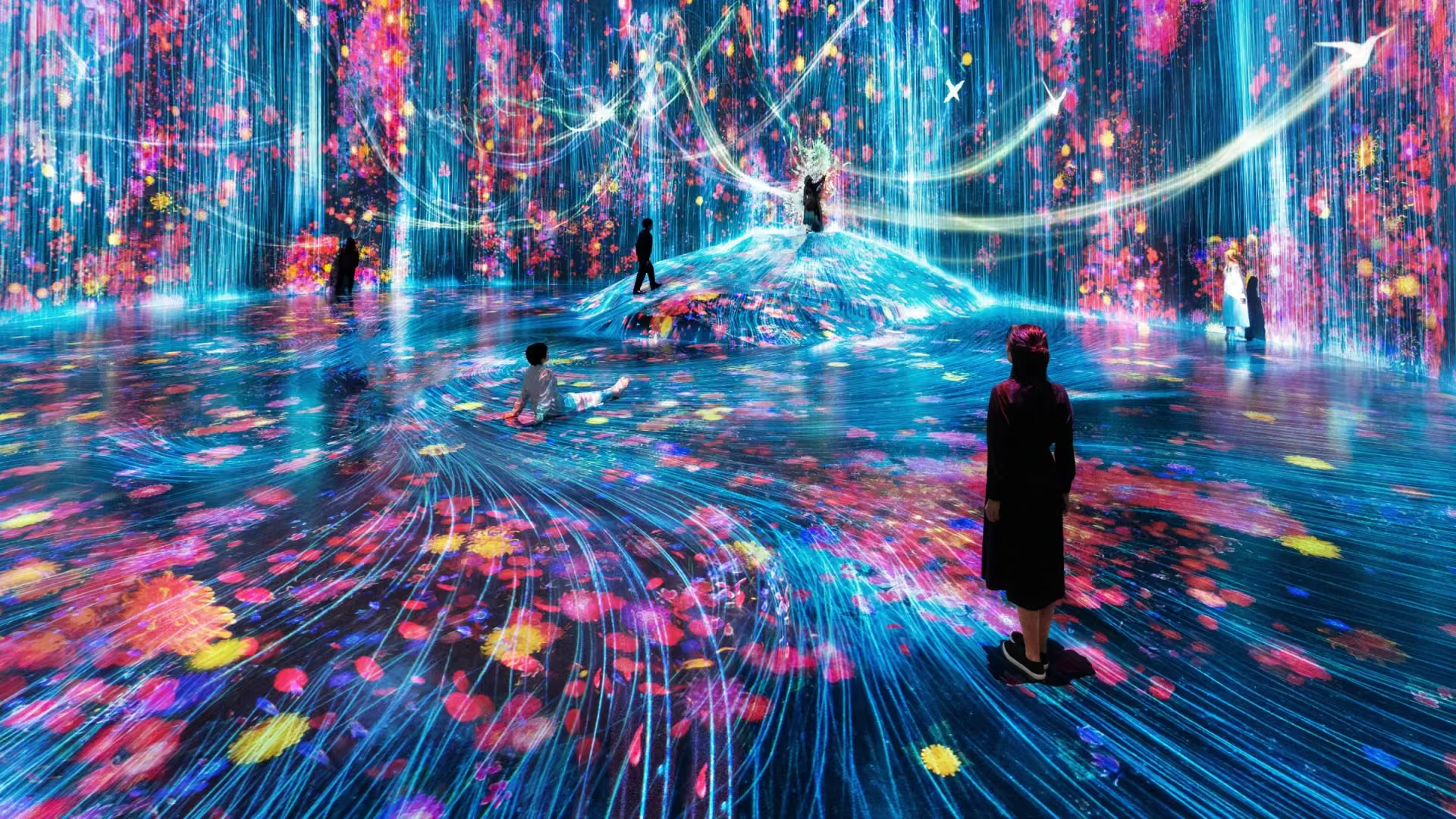
teamLab Borderless: MORI Building DIGITAL ART MUSEUM
A permanent digital art museum by teamLab at Azabudai Hills, Tokyo, where artworks move between spaces and mix with one another, with no map to follow.
Tokyo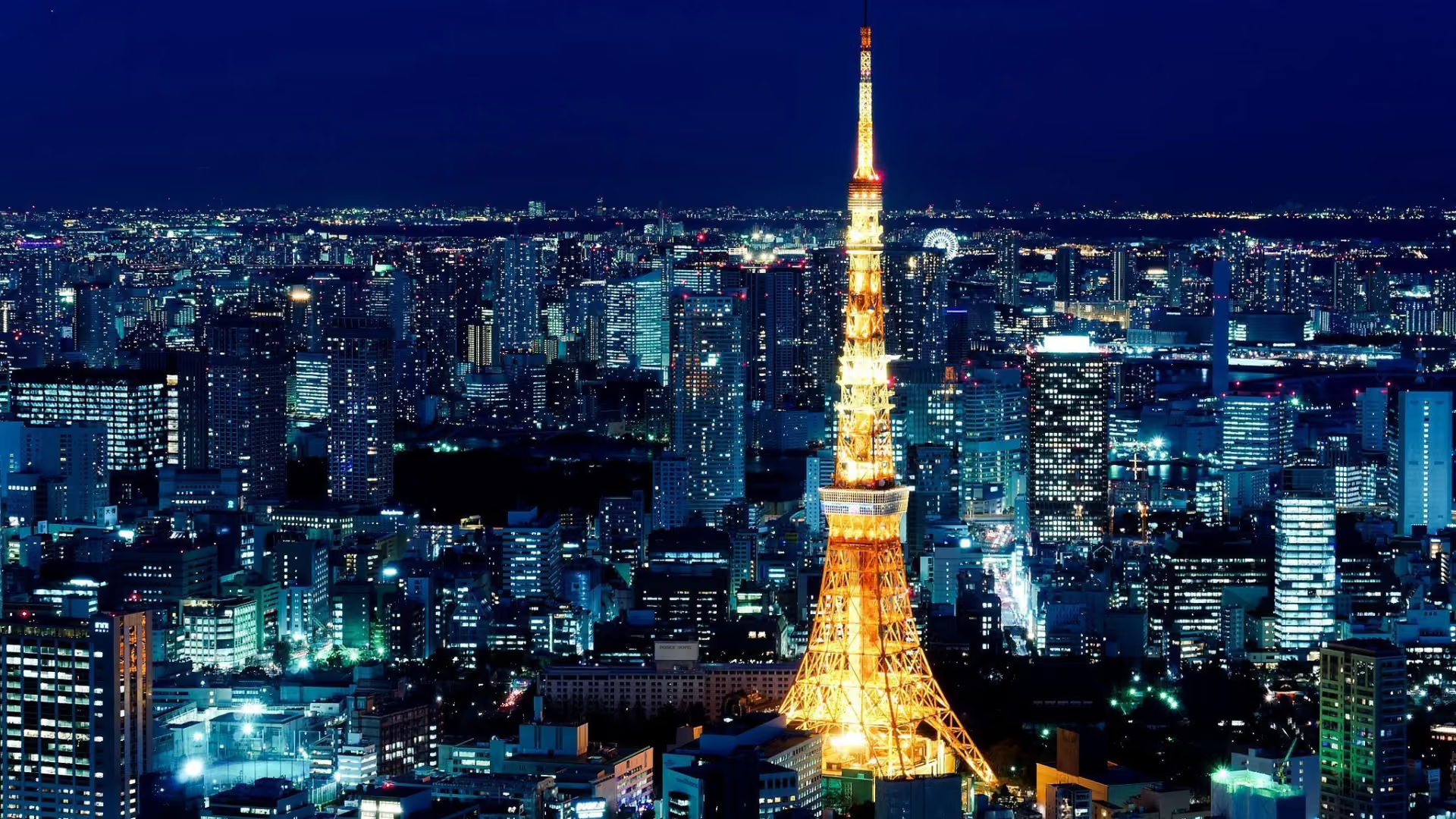
Tokyo Tower
A 333-metre tower in Shibakoen, Minato, Tokyo, built for television broadcasting and opened in 1958, with observation decks at 150 and 250 metres.
TokyoYou might also like
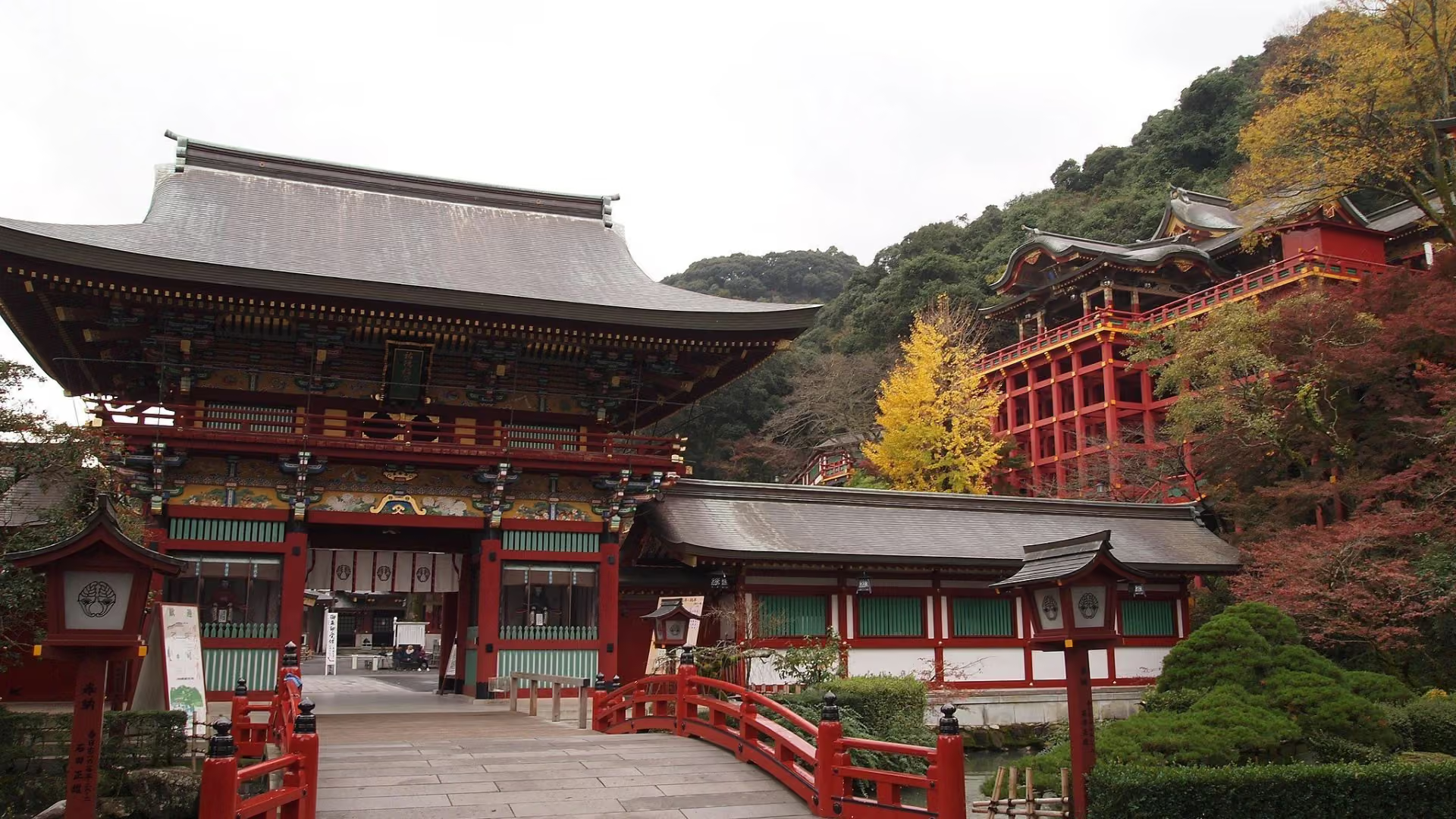
Yutoku Inari Shrine
One of Japan's three great Inari shrines, founded in 1687 by the wife of the lord of Kashima, with richly coloured lacquered halls known as the Nikko of Kyushu.
Kashima · Saga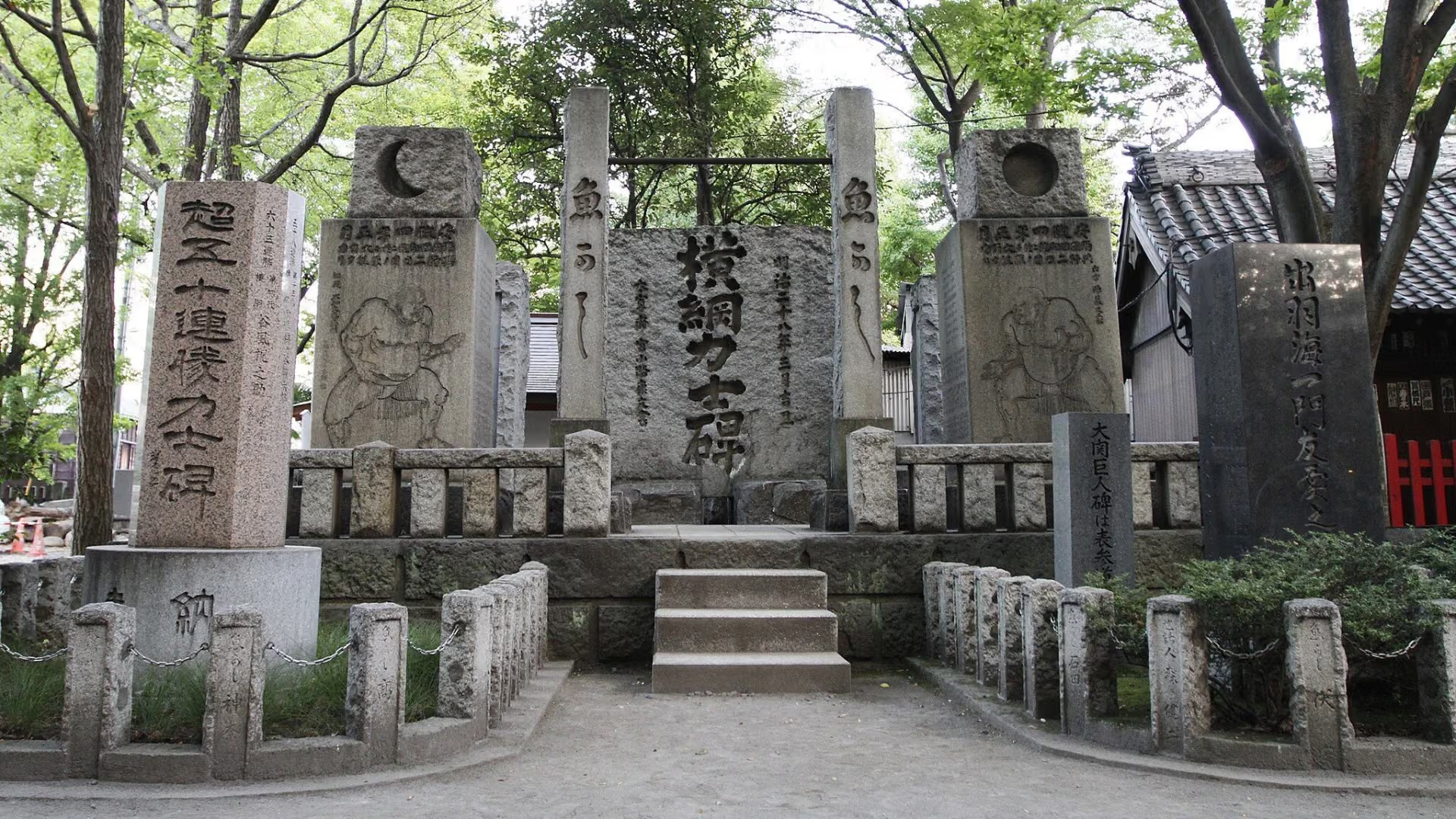
Tomioka Hachiman Shrine
Shrine in Fukagawa, Tokyo, founded in 1627 and known as the largest Hachiman shrine of Edo, where the sumo tournaments behind Grand Sumo began in Edo.
Tokyo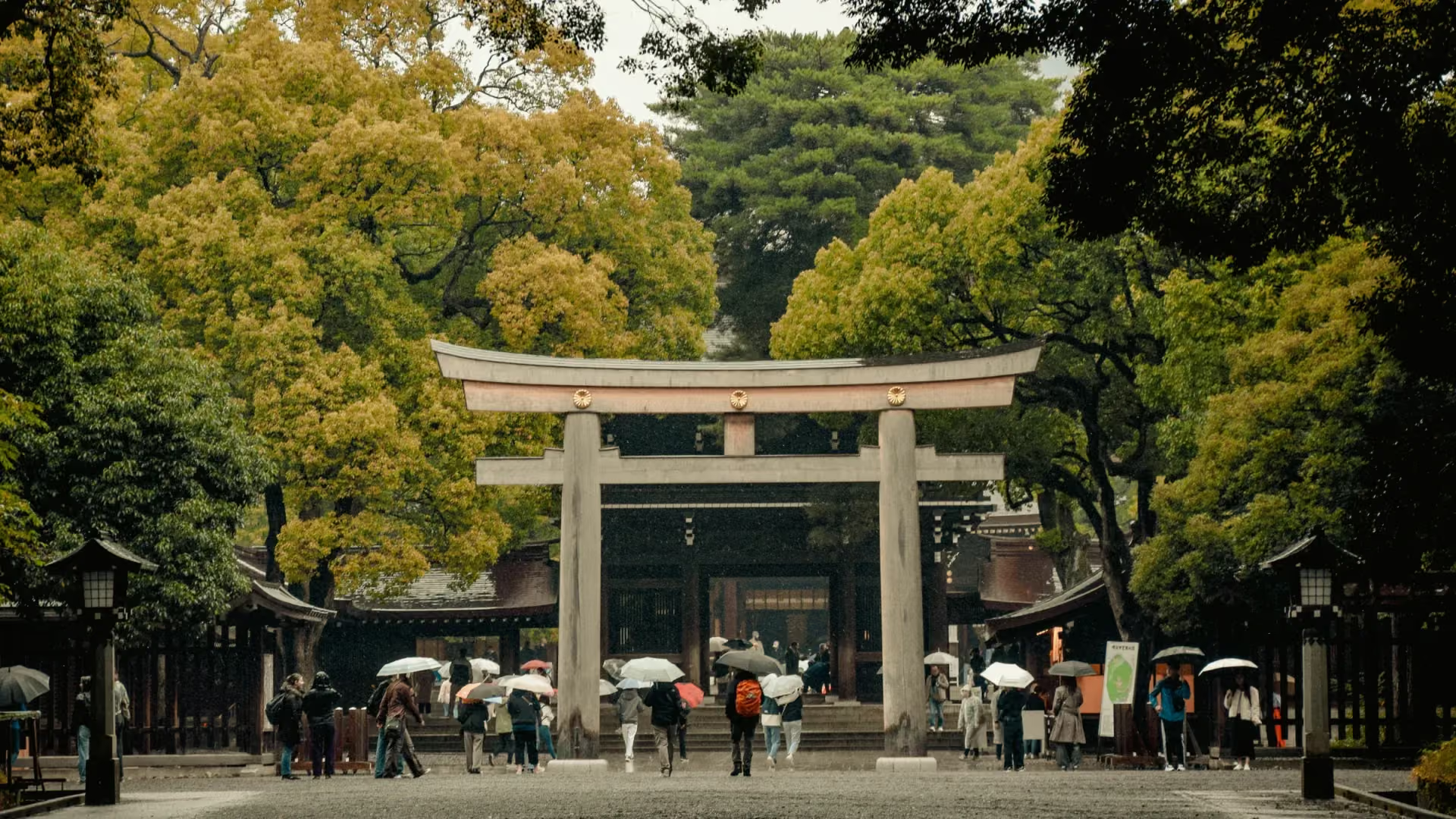
Meiji Jingu
Meiji Jingu is a Shinto shrine in Shibuya, Tokyo, dedicated to Emperor Meiji and Empress Shoken, set within a vast man-made forest of around 100,000 trees
Tokyo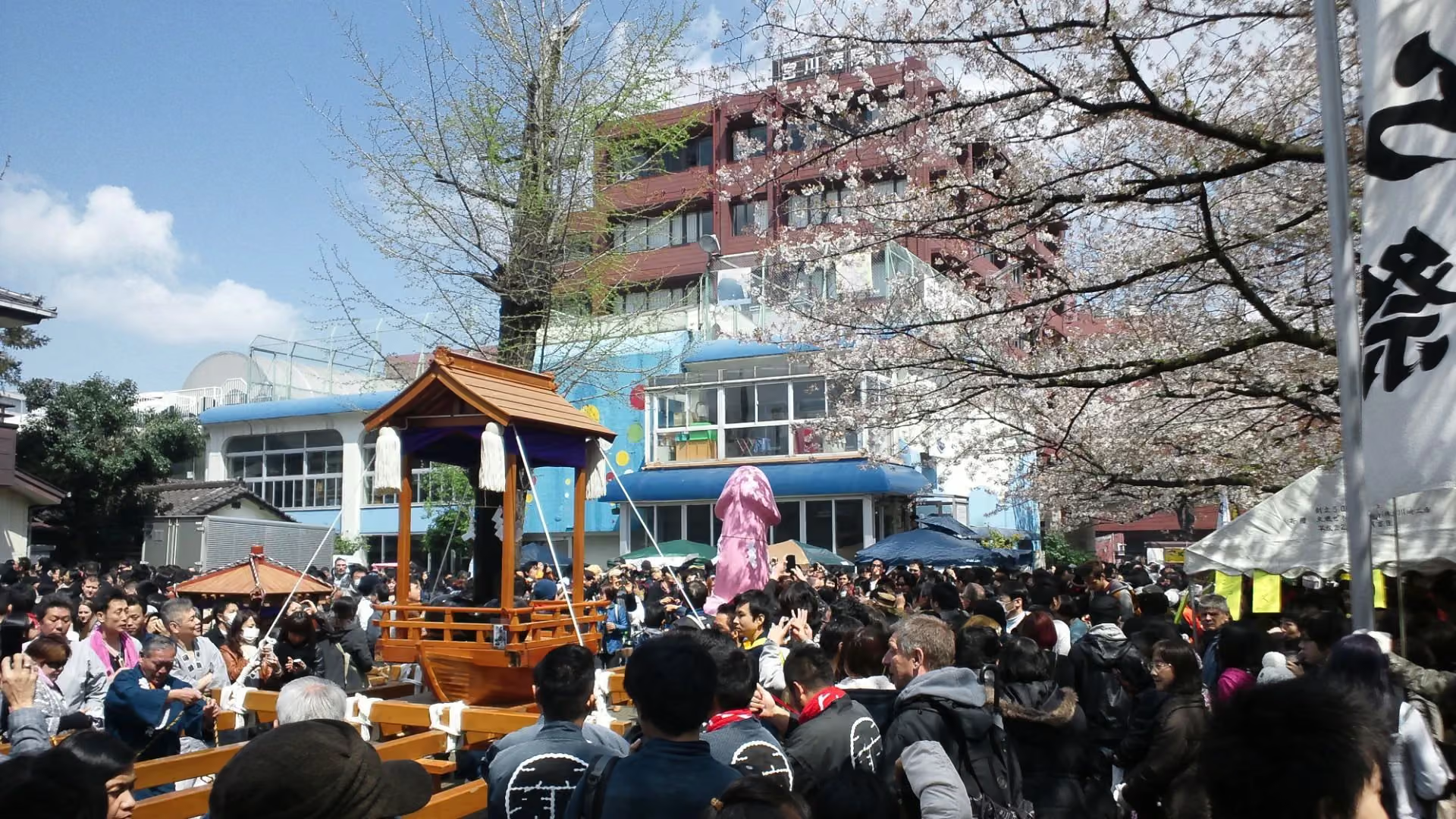
Kanamara Matsuri
A spring festival at Kanayama Shrine in Kawasaki: three phallus-shaped mikoshi are carried out with prayers for children, marriage and protection from disease.
4 Apr 2027Exact date not confirmed yetKawasaki · Kanagawa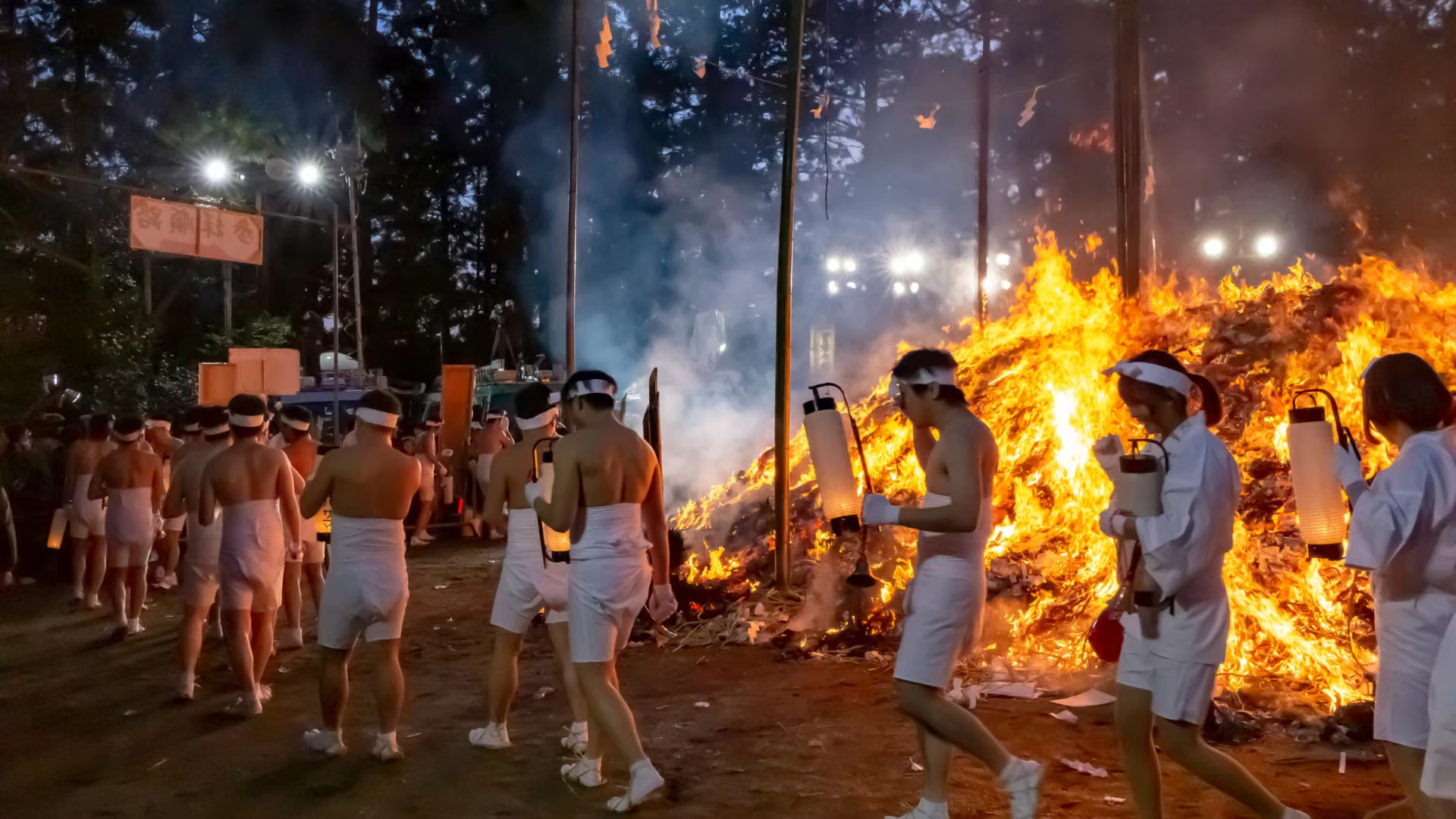
Dontosai Festival
An annual winter ritual in Sendai features the ceremonial burning of New Year decorations followed by a sacred pilgrimage procession in traditional attire.
14 Jan 2027Sendai · Miyagi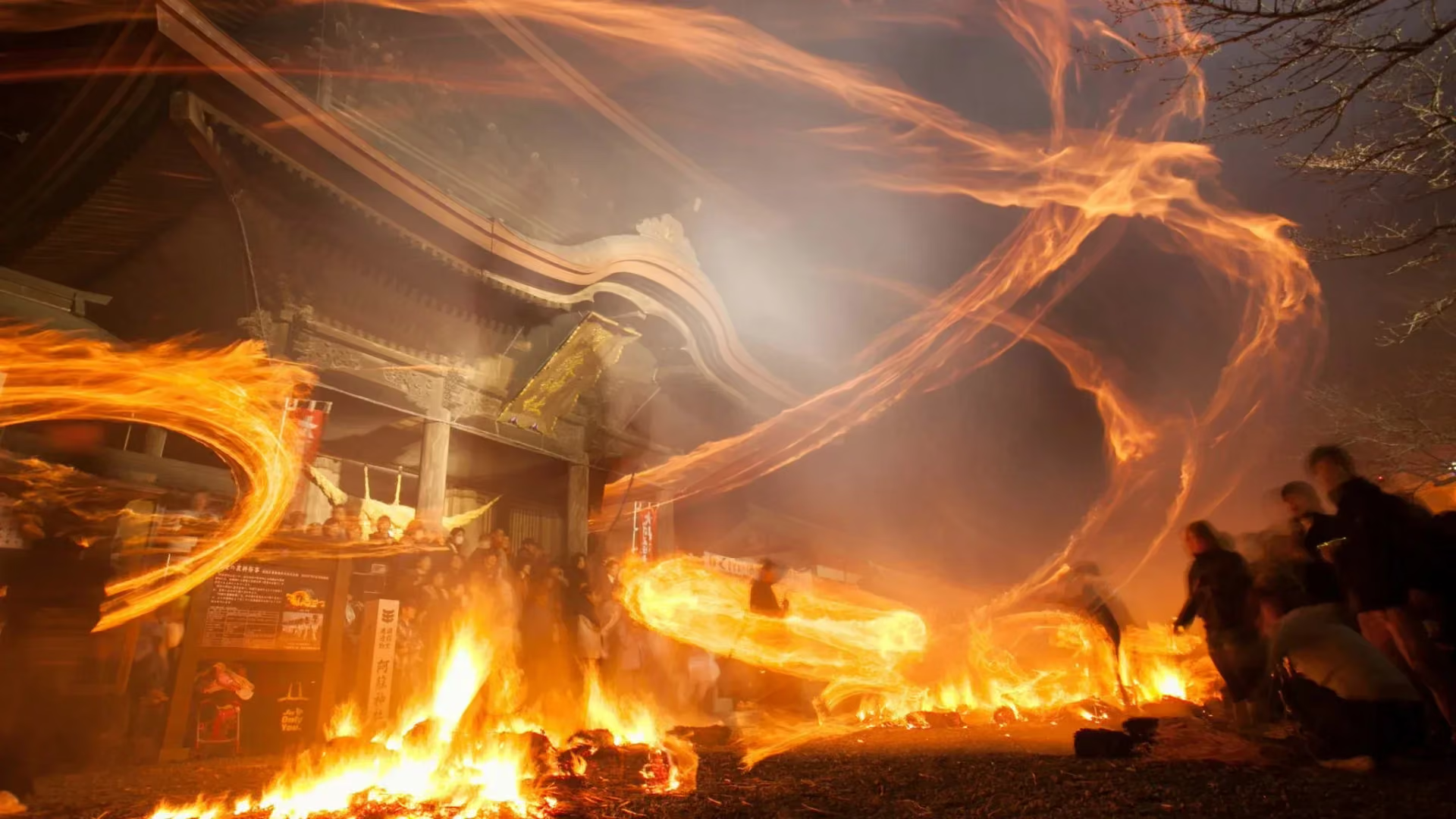
Hifuri Shinji Fire Swinging Ritual
During the Tatsukuri Festival at Aso Shrine, burning bundles of grass are swung on the shrine approach to welcome the bride of the deity Kunitatsu-no-Kami.
23 Mar 2027Exact date not confirmed yetAso · Kumamoto