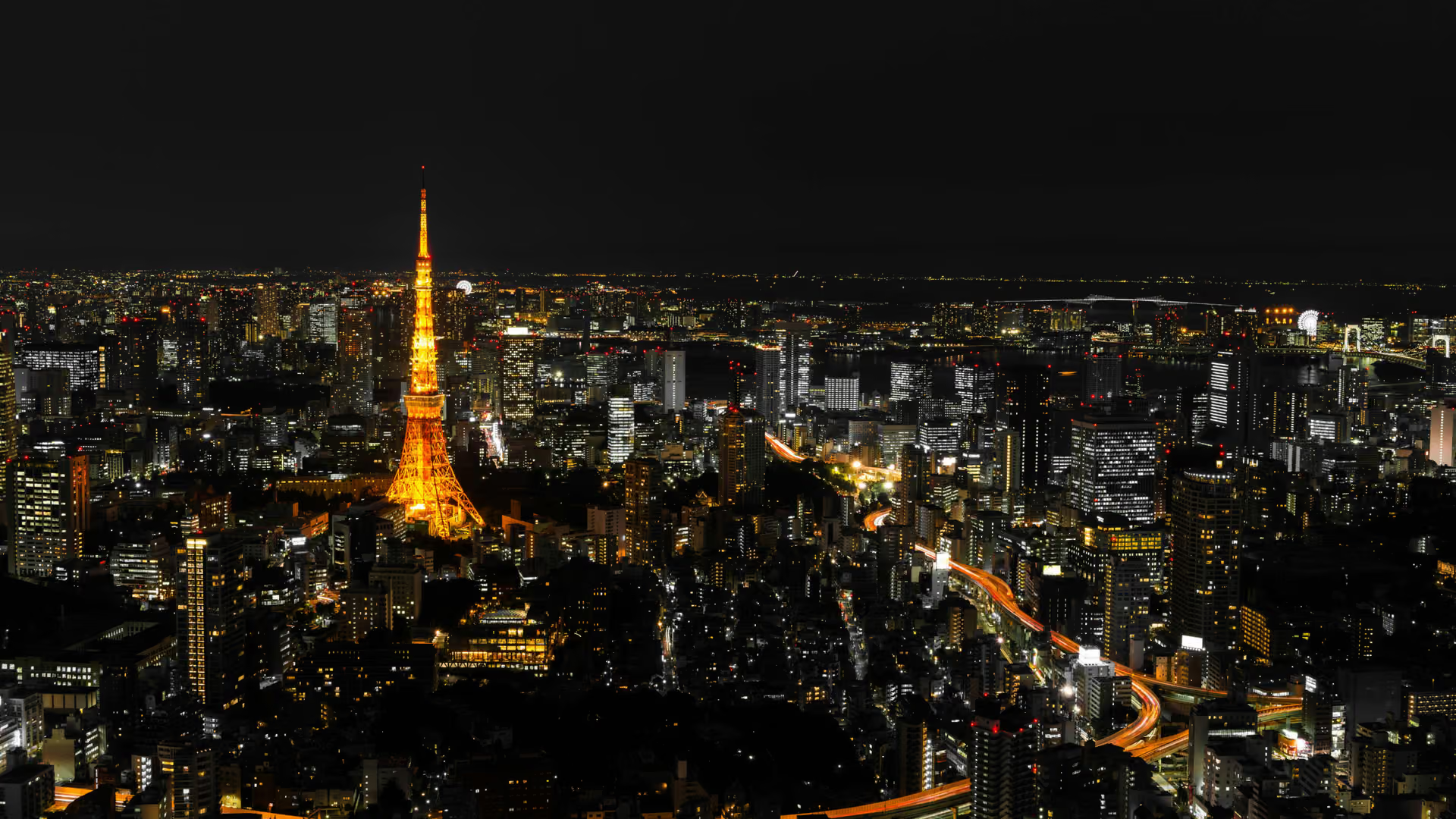
Tomioka Hachiman Shrine
富岡八幡宮
Tokyo's largest Hachiman shrine, established in 1627, holds historical significance as the birthplace of Kanjin-zumo, a precursor to modern Grand Sumo.
〒 135-0047How to get there
門前仲町Toei Oedo Line · Tozai Line5 min walk from the station
Tomioka Hachimangu is Tokyo's largest Hachiman shrine, with its establishment dating back to 1627. This shrine venerates Hachiman, one of Japan's most revered Shinto deities, and serves as a place where people commonly offer prayers for protection from misfortune, business success, family well-being, safe journey, smooth childbirth, and academic achievement, among other blessings.
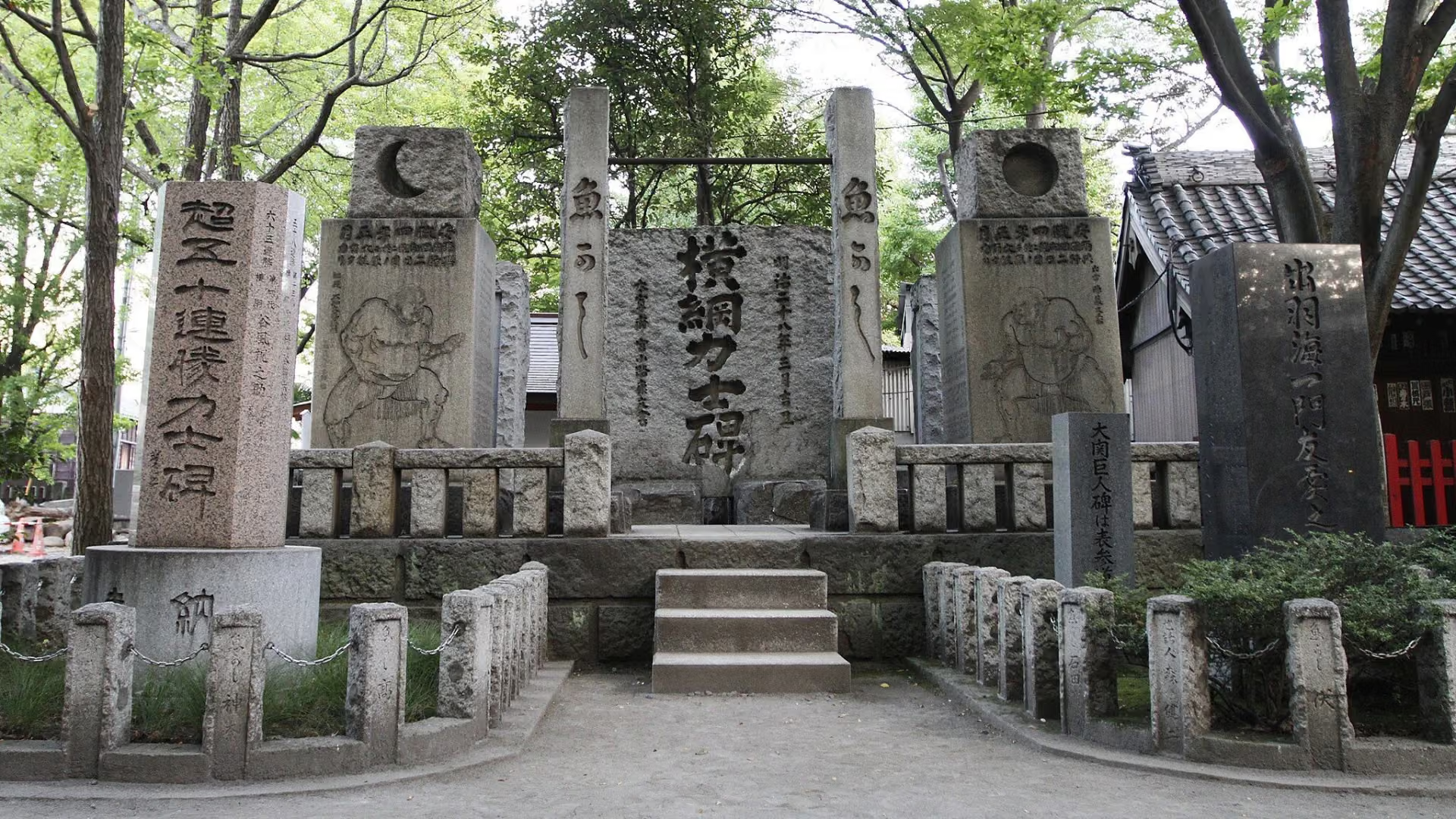
Moreover, Tomioka Hachimangu Shrine holds historical significance as the birthplace of Kanjin-zumo, a precursor to Grand Sumo established in 1684. The modern Sumo system we know today originated here. Within the shrine grounds, you'll find the Yokozuna Stone, erected in 1900, it serves as a place for the naming ceremony and entry into the Sumo ring upon achieving the rank of Yokozuna. There are also various other stones associated with Sumo Wrestling, including the Ozeki Stone, the Stone Commemorating Sumo Wrestlers with Over Fifty Consecutive Victories, and the Stone of Heights of Prominent Sumo Wrestlers.
A bronze statue honoring Ino Tadataka, often hailed as the father of land surveys in Japan, is another noteworthy feature. Ino Tadataka called the town of Kuroe in Fukagawa, now known as Monzen-nakacho, his home. In 1800, he embarked on a nationwide survey expedition after paying homage to his patron shrine. The shrine's museum proudly displays reproductions of Ino's meticulously crafted maps, preserving this invaluable historical legacy.
What's on here
| Date | Event | Details |
|---|---|---|
| August 2027 | ||
| 15 Aug 2027Date to be confirmed | Fukagawa Matsuri | |
Getting There

Planning a trip? Fit this into a trip and Oni plans the rest around it.
Places nearby
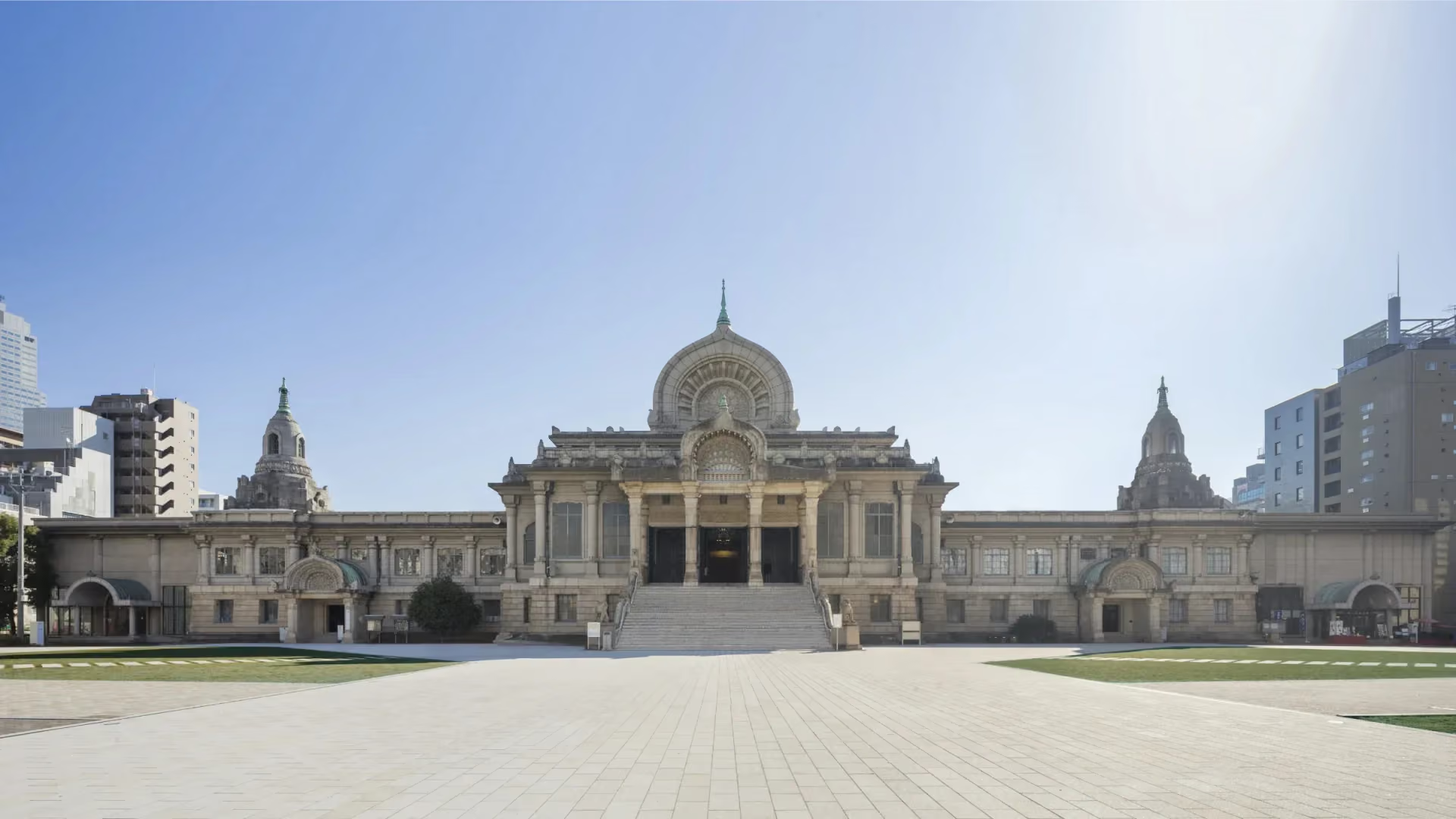
Tsukiji Hongwanji
Shin Buddhist temple in central Tokyo by Ito Chuta, blending Indian-inspired architecture with Silk Road motifs and carvings of animals.
Tokyo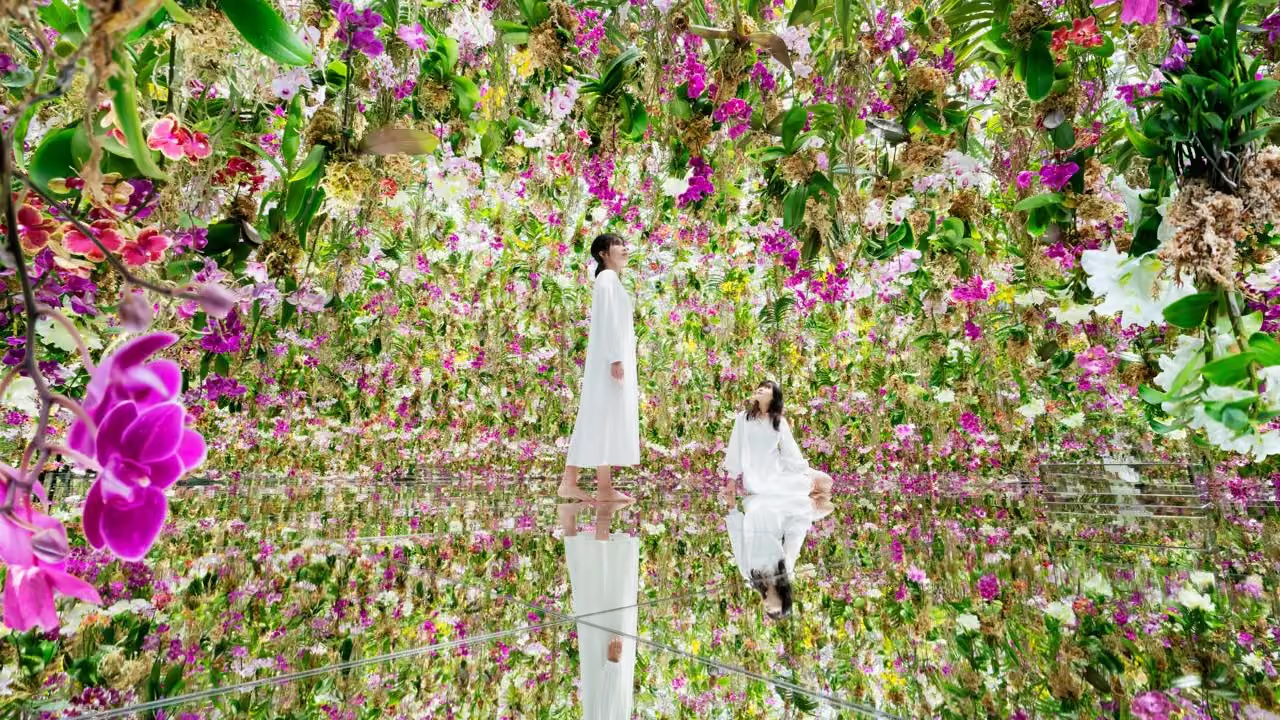
teamLab Planets TOKYO
Discover teamLab Planets Tokyo's body-immersive art experience with koi pools, orchid gardens & digital installations. Visit today.
Tokyo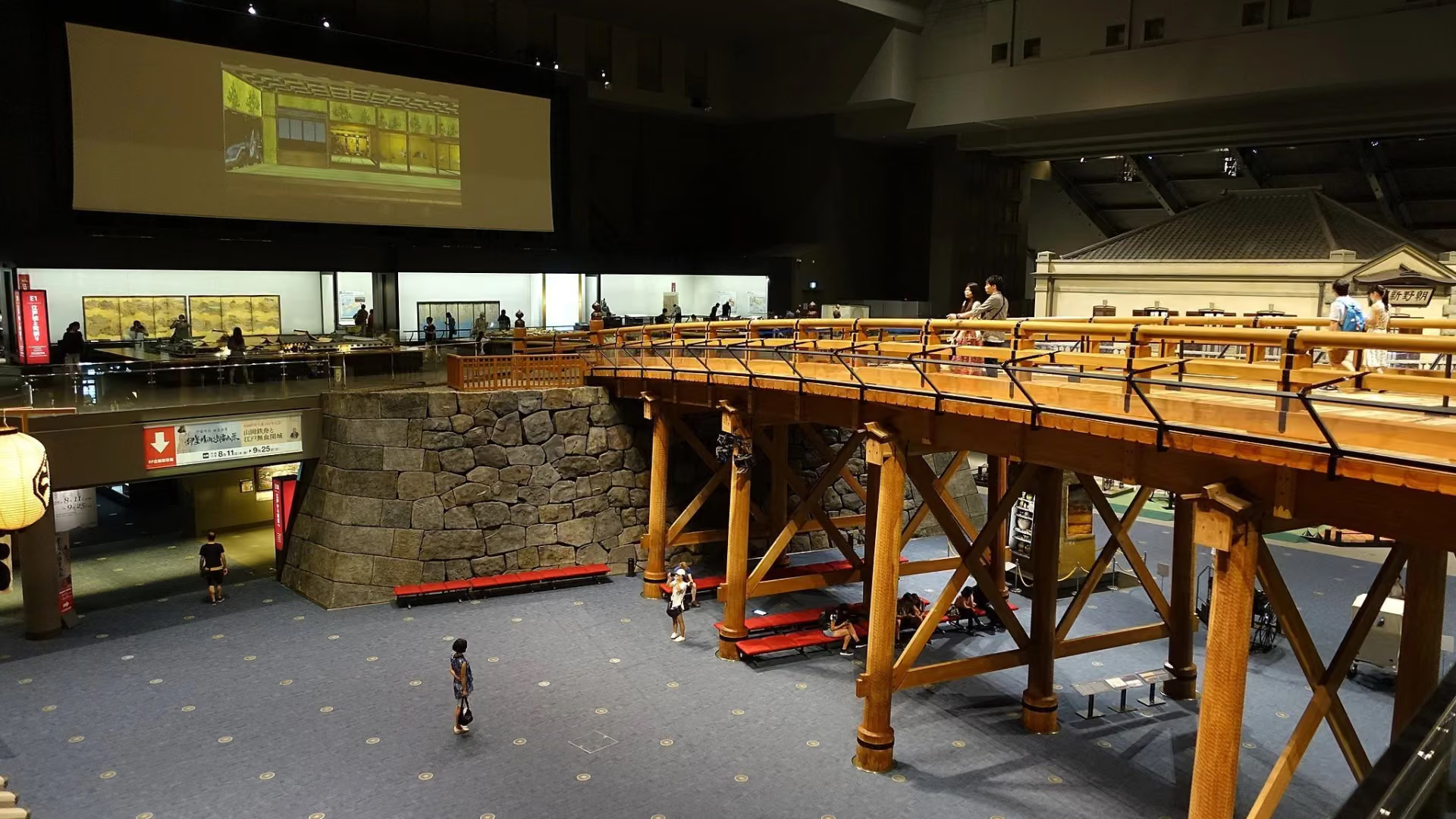
Edo-Tokyo Museum
Museum featuring full-scale reconstructions of Edo period buildings including traditional merchant houses, samurai residences, and street scenes.
TokyoYou might also like
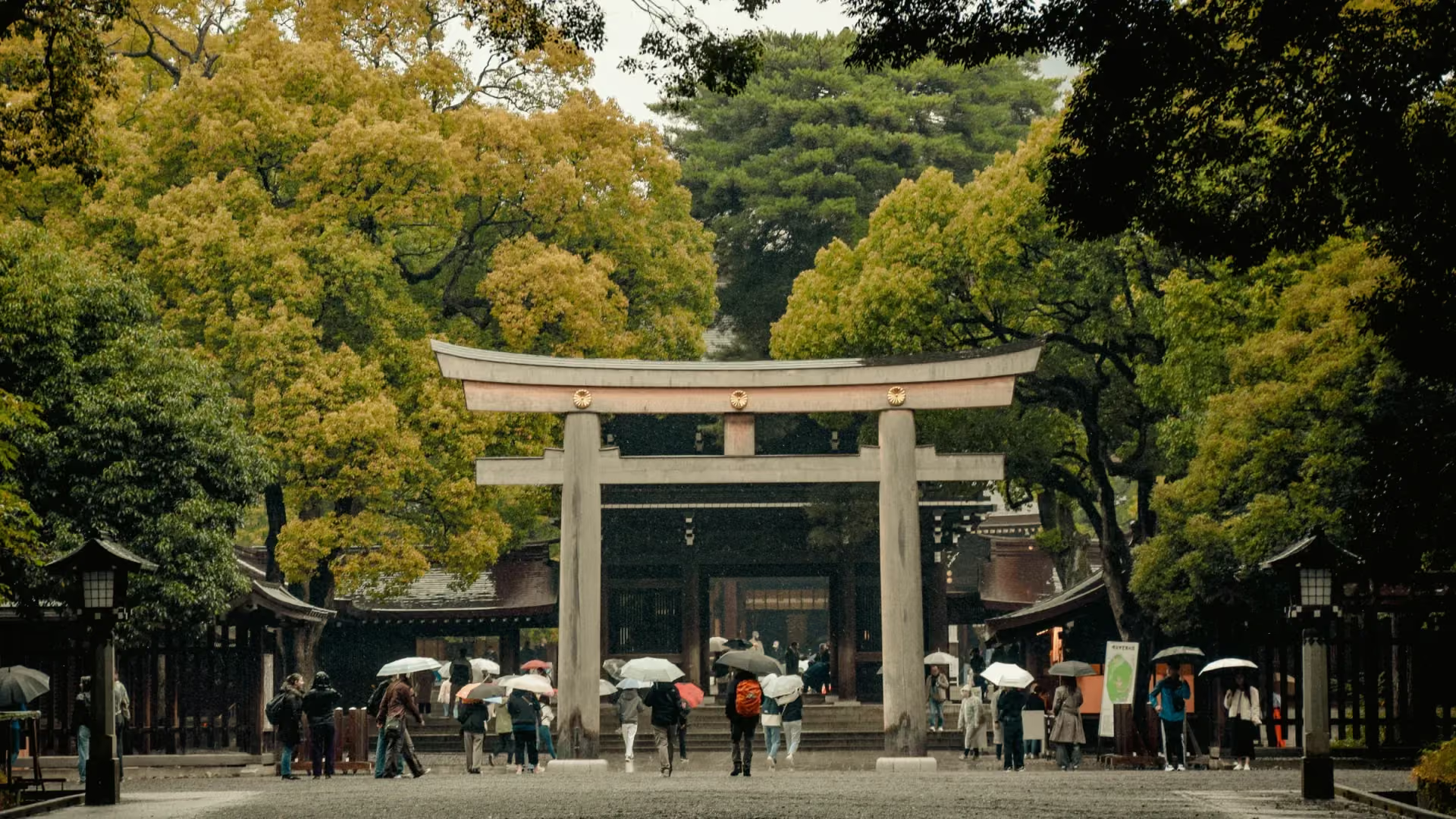
Meiji Jingu
Meiji Jingu is a Shinto shrine in Shibuya, Tokyo, dedicated to Emperor Meiji and Empress Shoken, set within a vast man-made forest of around 100,000 trees
Tokyo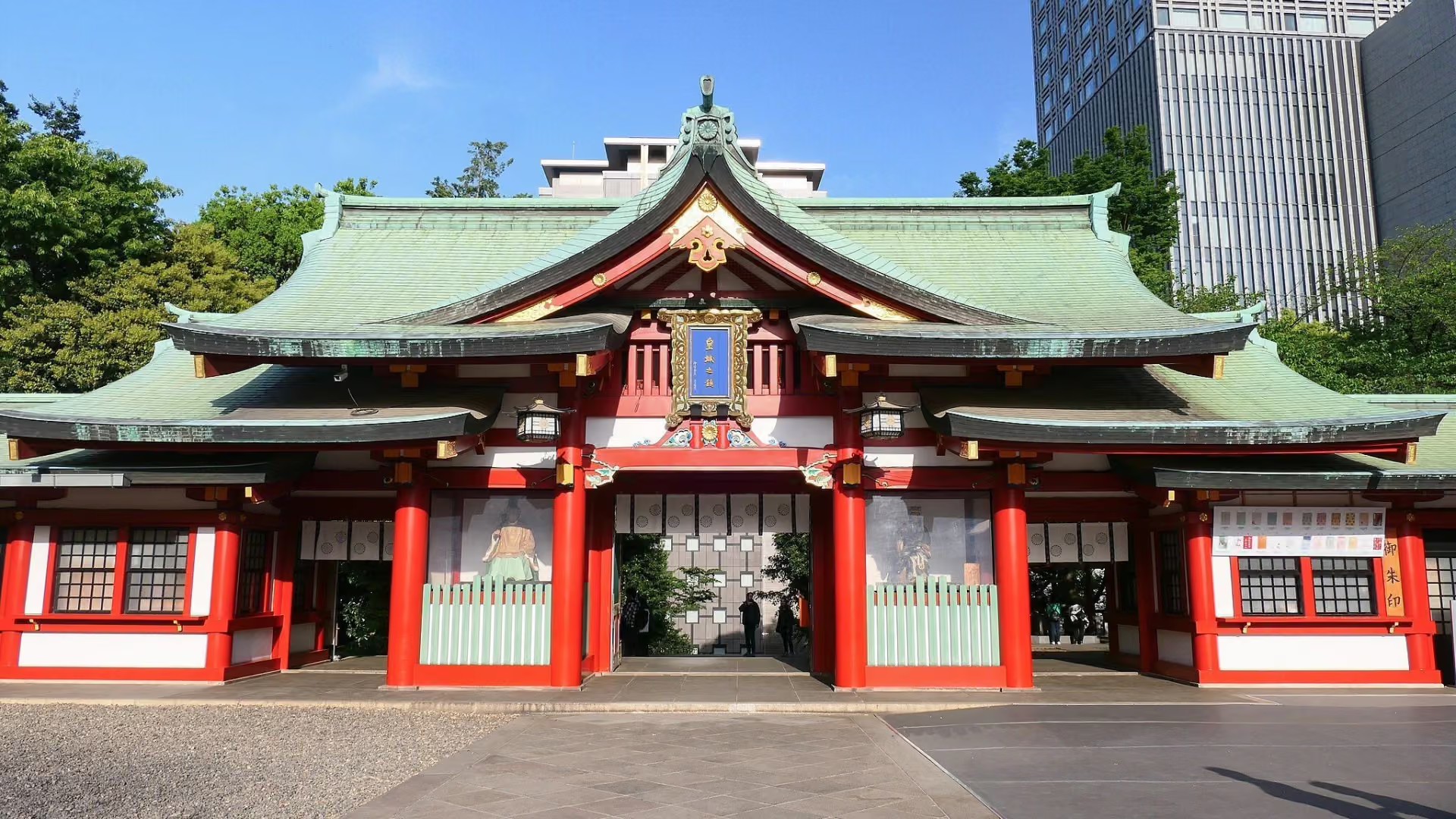
Hie Shrine
Hie Shrine in Tokyo's Nagatacho district dates to the Kamakura period and served as guardian deity of Edo Castle and the Imperial Palace.
Tokyo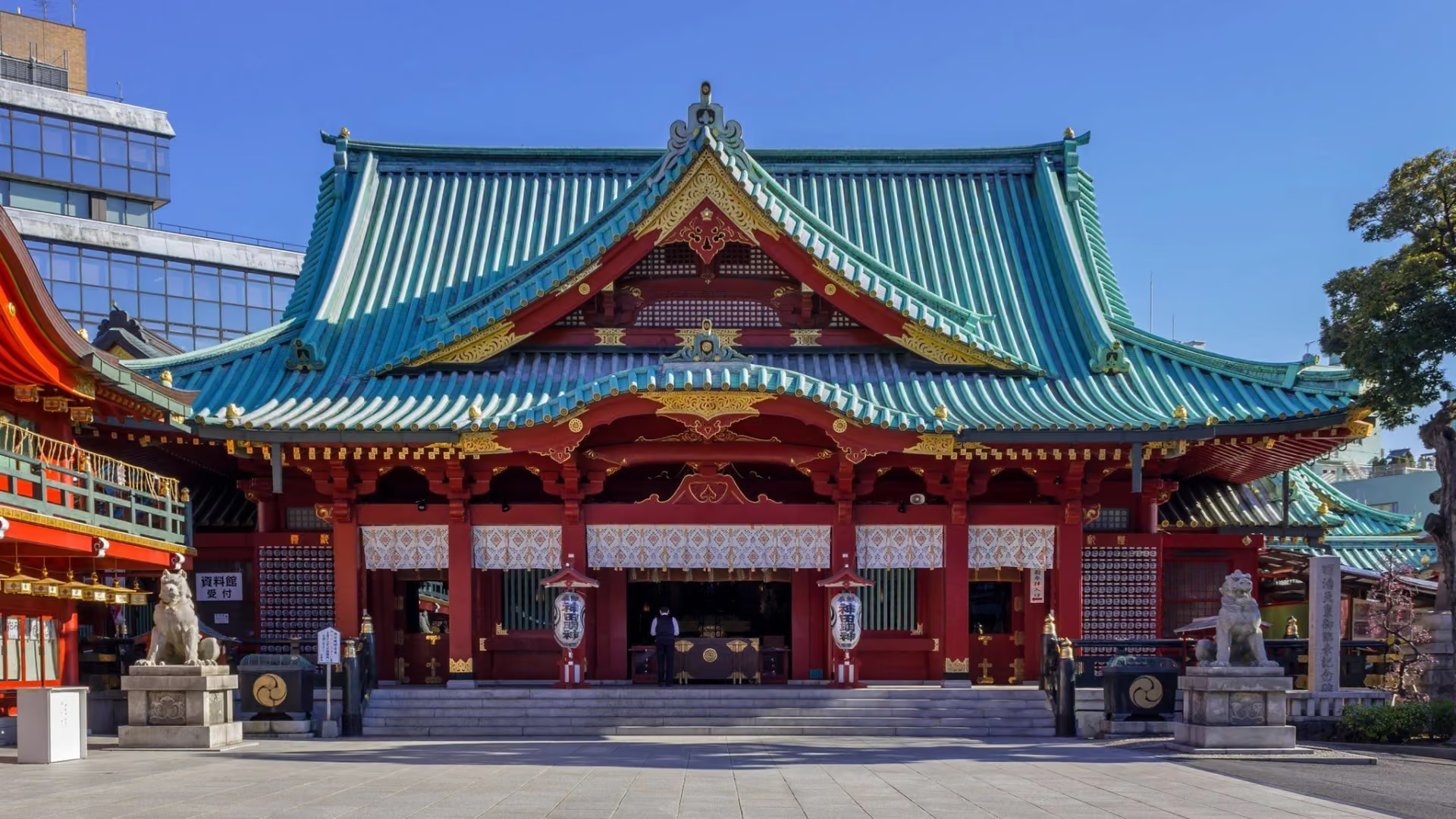
Kanda Shrine
Tokyo shrine in Akihabara with origins about 1,270 years ago, revered by warriors and citizens in the Edo period and visited by shogun Tokugawa Ieyasu.
Tokyo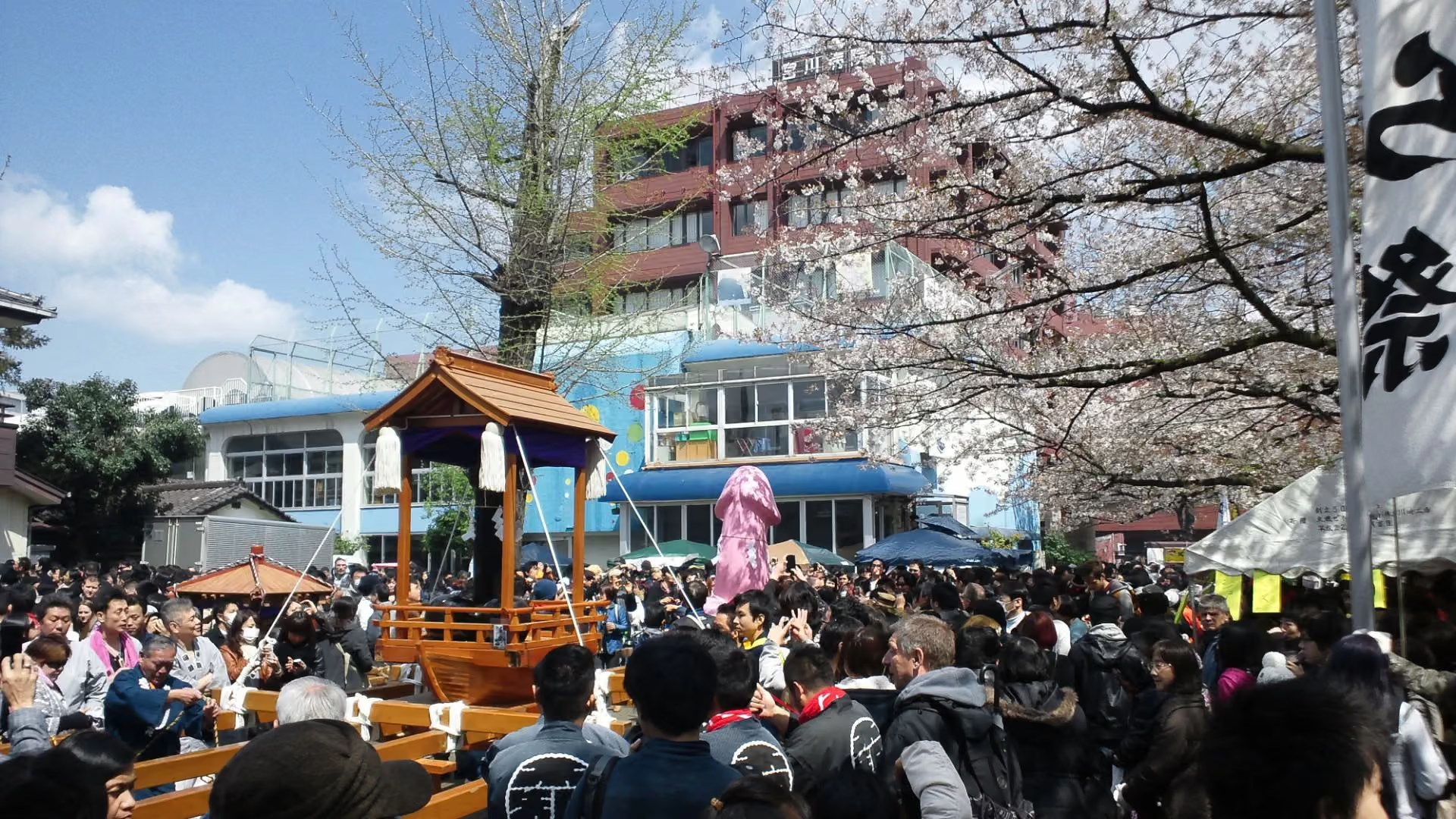
Kanamara Matsuri "Festival of the Steel Phallus"
An annual Shinto festival at Kanayama Shrine in Kawasaki featuring distinctive phallic imagery in decorations and parades while raising funds for HIV research.
5 Apr 2027Exact date not confirmed yetKawasaki · Kanagawa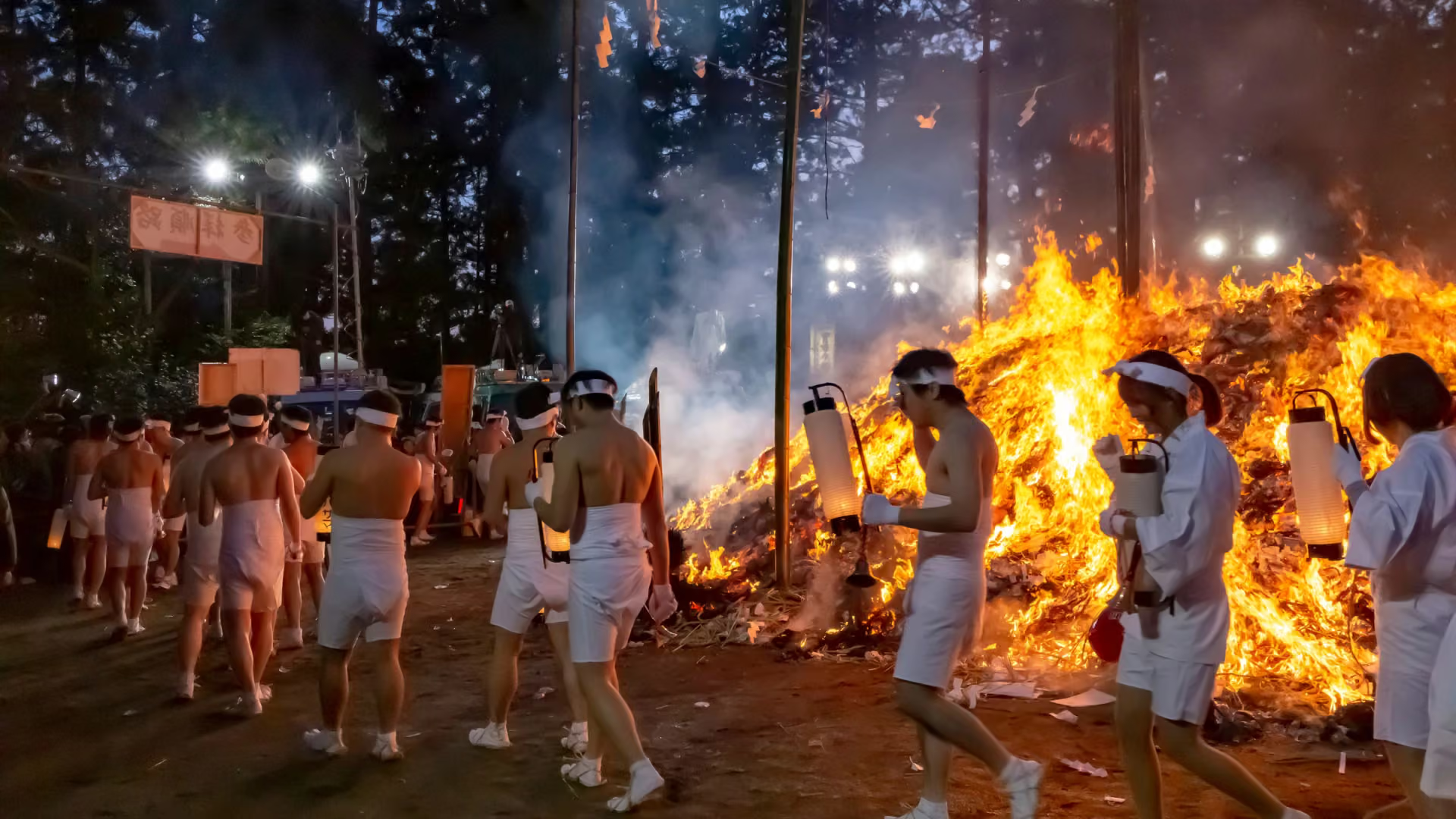
Dontosai Festival
An annual winter ritual in Sendai features the ceremonial burning of New Year decorations followed by a sacred pilgrimage procession in traditional attire.
14 Jan 2027Exact date not confirmed yetSendai · Miyagi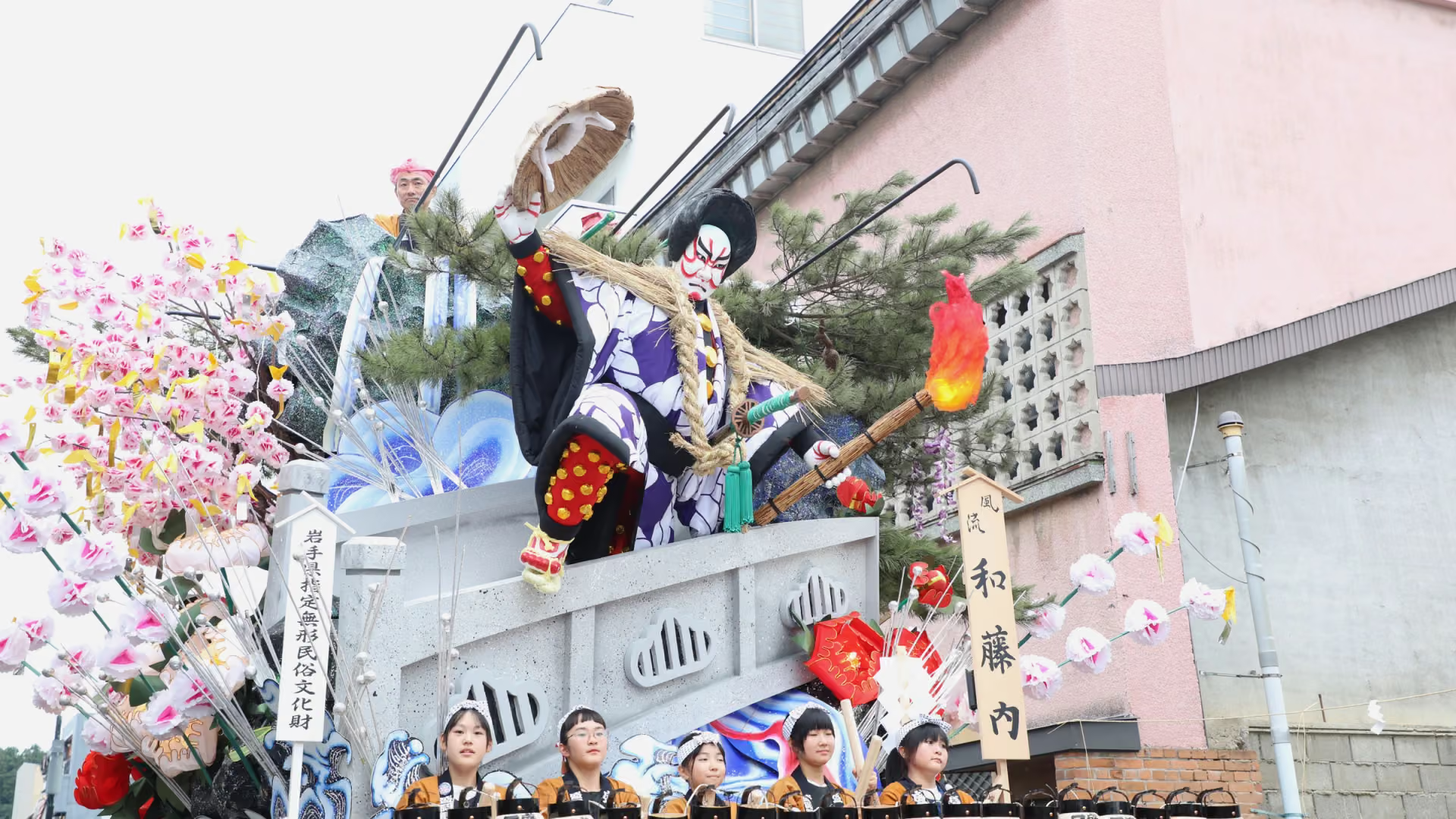
Morioka Fall Festival
One of Iwate's most enduring celebrations, this autumn festival originated as prayers for harvest, now featuring ornate floats and traditional parades.
14–16 Sep 2027Exact date not confirmed yetMorioka · Iwate