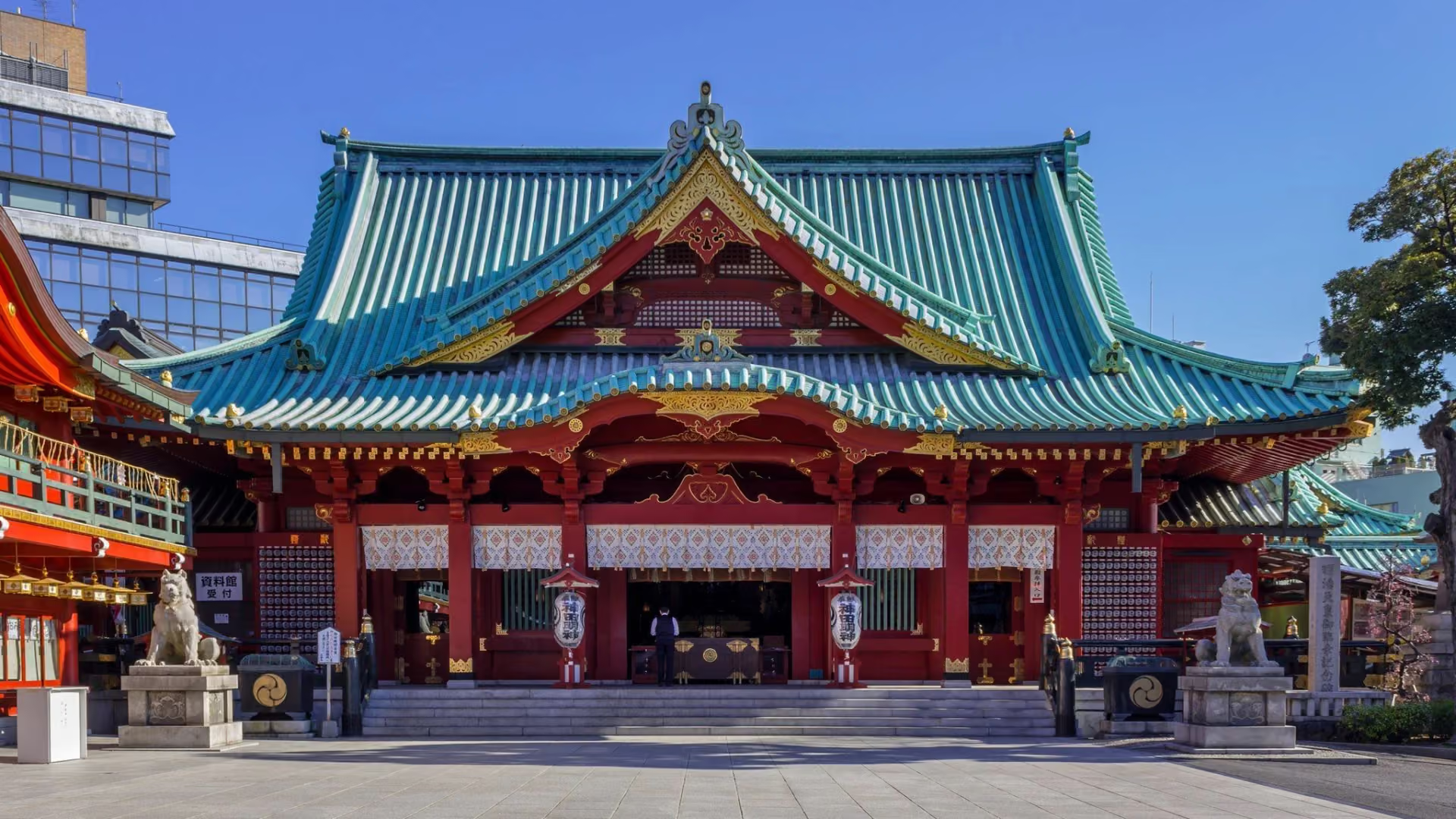
Kanda Shrine
神田神社
Shrine founded in 730 and on its present site since 1616, enshrining Daikoku, Ebisu and Taira no Masakado, revered in the Edo period as guardian of all Edo.
〒 101-0021How to get there
末広町Ginza Line5 min walk from the station
Kanda Shrine, widely known as Kanda Myojin, is a shrine in Sotokanda, Chiyoda, Tokyo, a short walk from Akihabara. It is the guardian shrine of 108 neighbourhoods in the centre of Tokyo, among them Kanda, Nihonbashi, Akihabara, Otemachi and Marunouchi, and of the Toyosu fish market. Its Kanda Matsuri, held in May every other year, is known as one of the three great festivals of Japan.
Deities
Three deities are enshrined. Onamuchi no Mikoto, called Daikoku-sama, has been worshipped here since 730 as a god of marriage and relationships; under his other name, Okuninushi, he is the deity of Izumo Taisha. Sukunahikona no Mikoto, called Ebisu-sama, brings success in business. In the myths he comes from Tokoyo, a land across the sea, small enough to sit on a hand, and helps Daikoku build the country.
The third is Taira no Masakado, a warrior of the 10th century who, the shrine says, fought for reform in the Kanto region and gave his life for its people. He has been enshrined since 1309 and is worshipped for protection against misfortune. In 1874 he was moved to an auxiliary shrine, and in 1984 he returned to the main hall. His head is honoured at the Masakado-zuka mound in Otemachi.
History
Shrine tradition holds that it was founded in 730 by Makanda no Omi of the Izumo clan, near the Masakado-zuka in today's Otemachi. Disasters around the mound were feared as the work of Masakado's spirit, until the priest Shinkyo of the Ji school of Buddhism laid it to rest and enshrined Masakado here in 1309. In the Sengoku period the warlords Ota Dokan and Hojo Ujitsuna honoured the shrine.
In 1600 the shrine prayed for victory for Tokugawa Ieyasu before the Battle of Sekigahara. He won on 15 September, the day of the Kanda Matsuri, and the shogun's house ordered the festival to be held without fail from then on. The expansion of Edo Castle moved the shrine to Kanda-dai in 1603, and in 1616 it came to its present site, which guards the castle's unlucky northeast direction, in buildings put up by the shogunate. Through the Edo period it was revered as the guardian of all Edo, by the shogunate and townspeople alike.
In the Meiji era its name changed from Kanda Myojin to Kanda Shrine, and Emperor Meiji visited it in 1874. The Great Kanto Earthquake of 1923 burned the halls of the late Edo period. In 1934 they were rebuilt in steel-framed reinforced concrete lacquered red all over, and this fireproof main hall came through the air raids of the Second World War with only slight damage. It became a Registered Tangible Cultural Property in 2003. The Zuishinmon gate was rebuilt in cypress wood in 1976.
The shrine museum, the red building beside the main hall, shows ukiyo-e prints and models of the Kanda Matsuri of the Edo period. Several stone monuments and festival objects in the grounds are cultural properties of Chiyoda City.
What's on here
| Date | Event |
|---|---|
| 13–15 May 2027Date to be confirmed | Kanda Festival |
Getting There

Planning a trip? Fit this into a trip and Oni plans the rest around it.
Places nearby
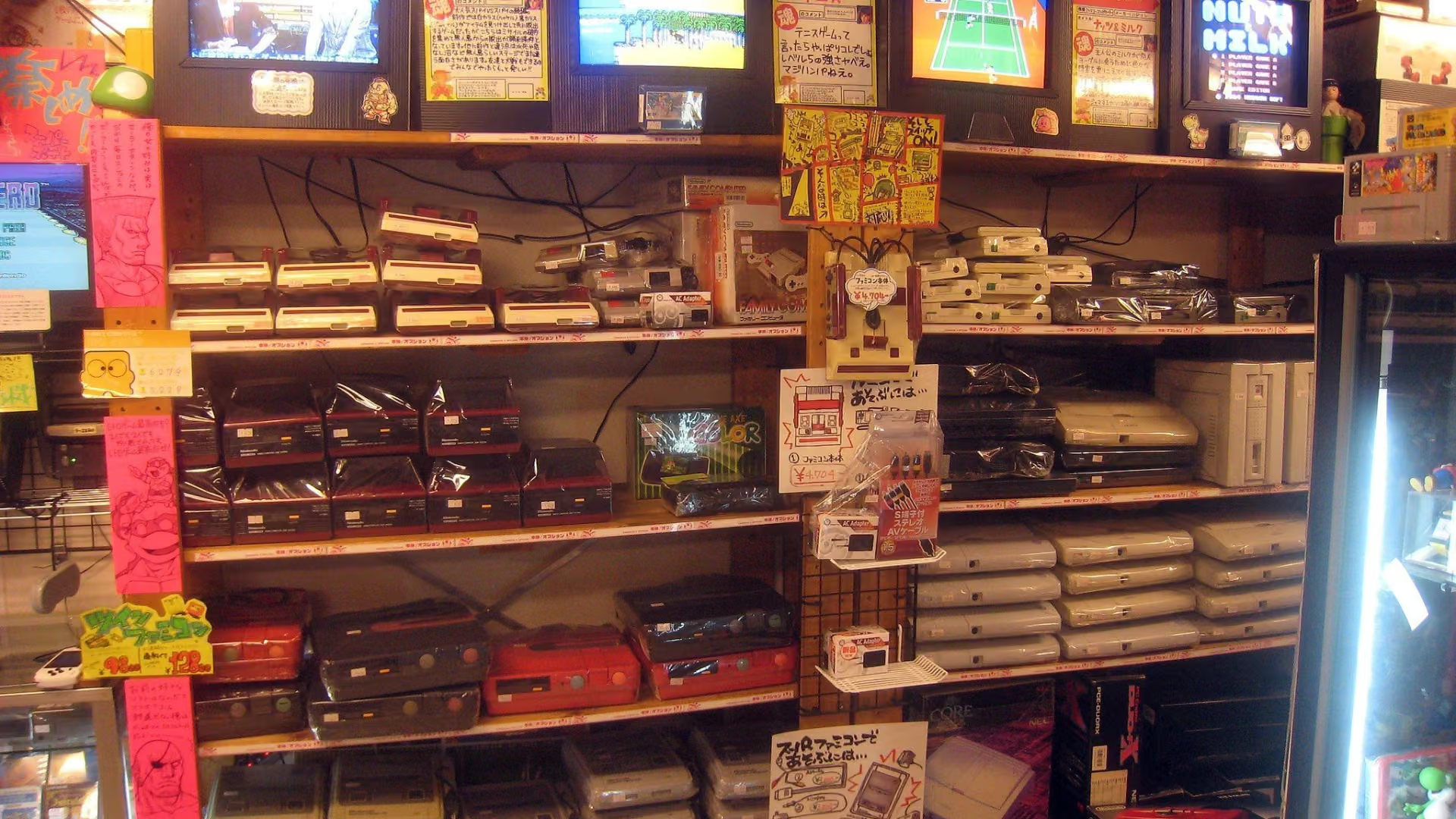
Super Potato
This Akihabara store specializes in retro Japanese games, particularly rare Famicom titles, alongside a video arcade and merchandise across three floors.
Tokyo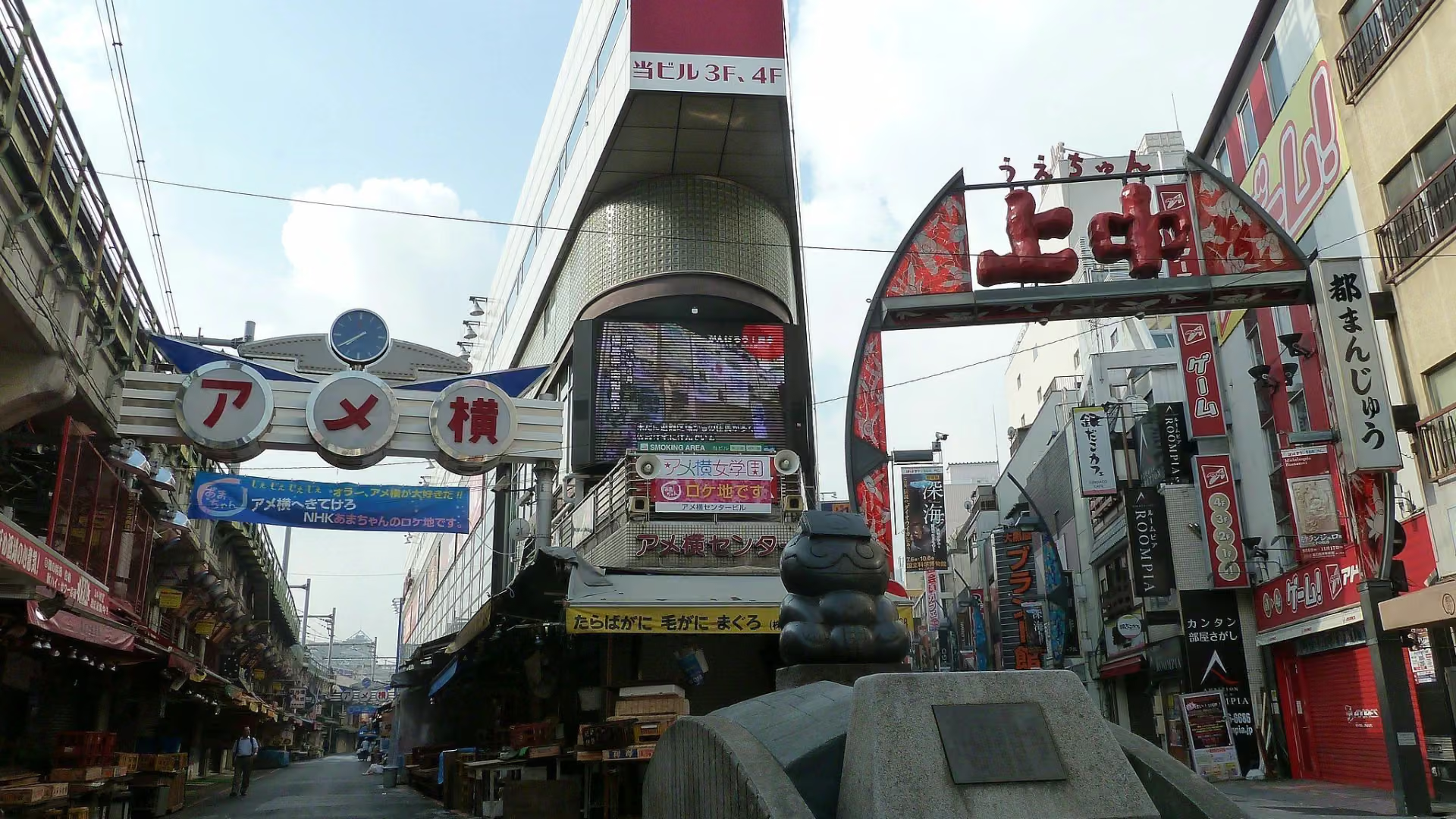
Ameyoko Market
An open-air market of more than 180 shops by Ueno Station in Taito, Tokyo, selling fresh food, seafood, clothing and watches.
Tokyo
Extinct Media Museum
Hands-on museum of obsolete media and the machines that used them, from cine film and cassettes to pagers and PDAs, built through donations.
TokyoYou might also like
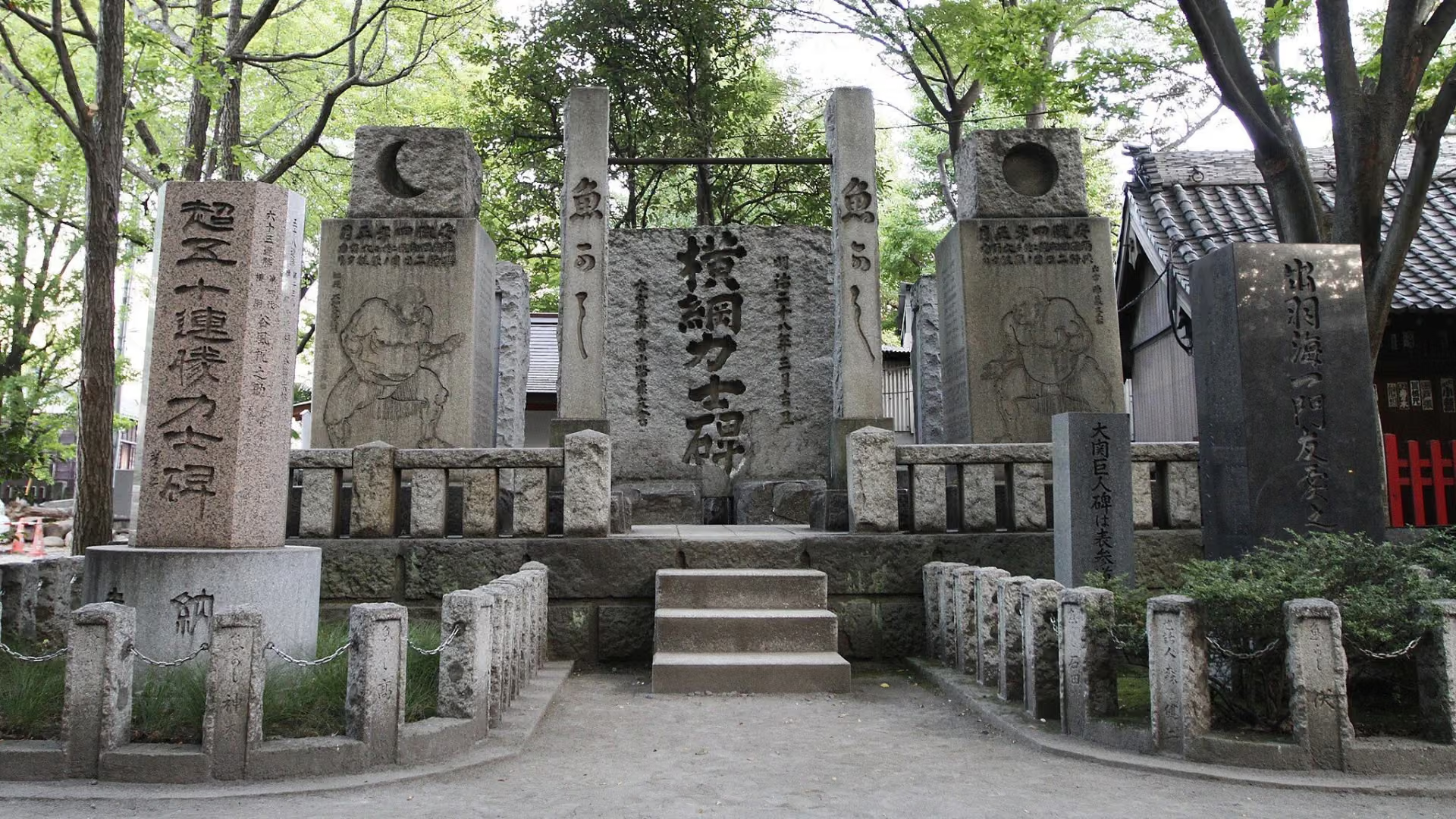
Tomioka Hachiman Shrine
Shrine in Fukagawa, Tokyo, founded in 1627 and known as the largest Hachiman shrine of Edo, where the sumo tournaments behind Grand Sumo began in Edo.
Tokyo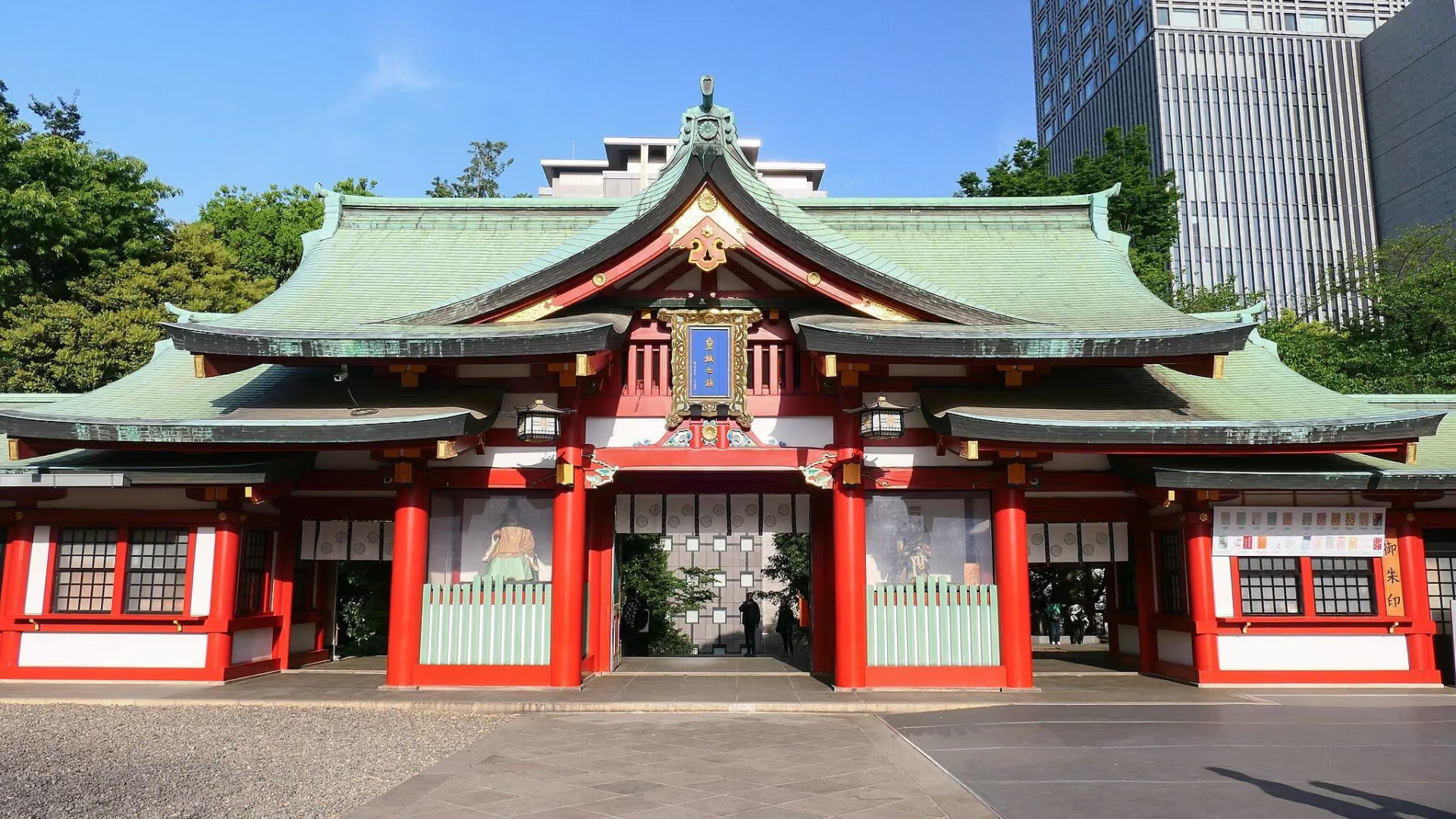
Hie Shrine
A shrine in Nagatacho that guarded Edo Castle and the Tokugawa shoguns, rebuilt after 1945, with a treasure hall holding 31 swords.
Tokyo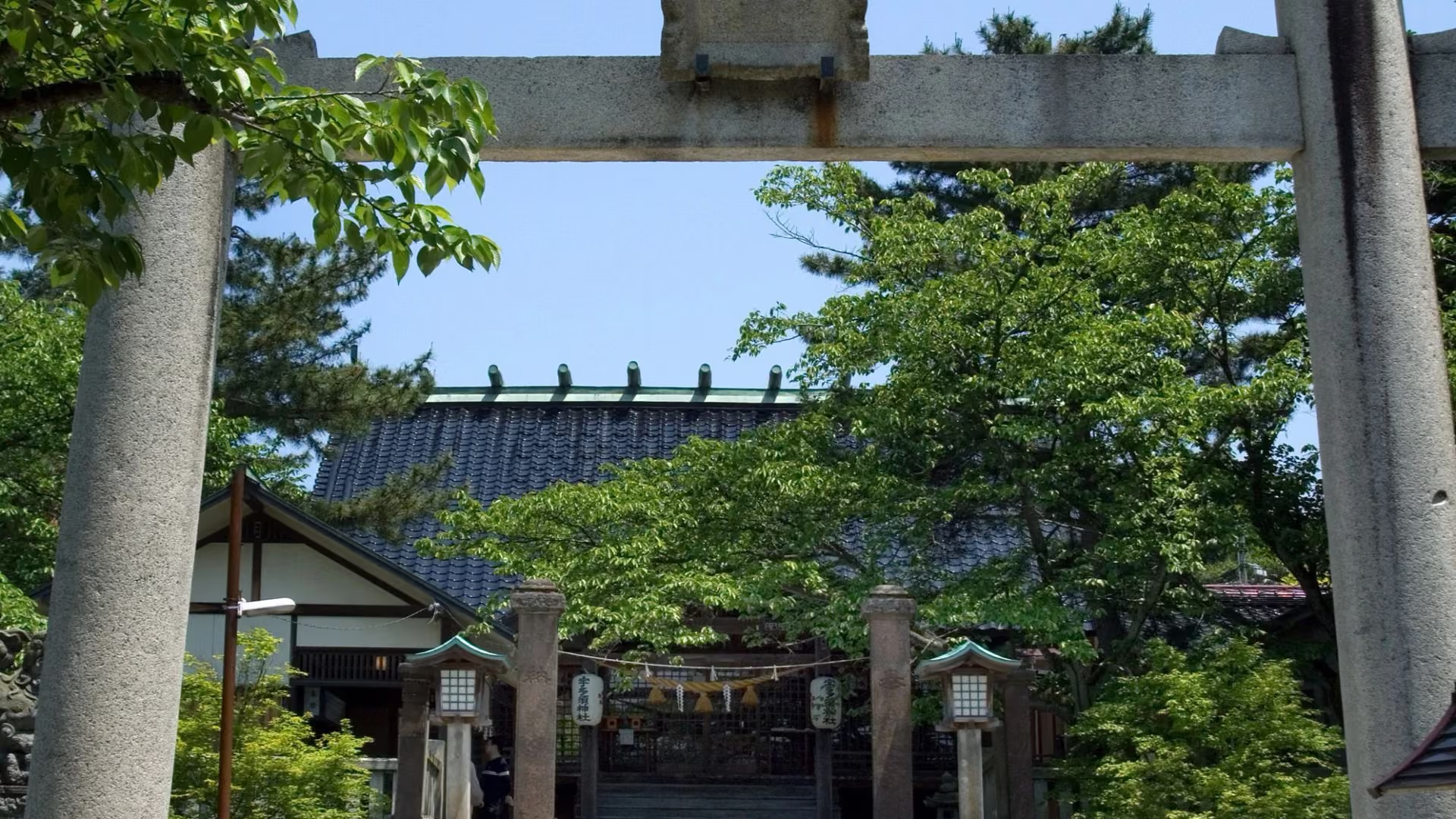
Utasu Jinja Shrine
Shinto shrine in Kanazawa's Higashiyama district, founded in 718 and known as Bishamon-san, where the Maeda lords of Kaga once came to pray.
Kanazawa · Ishikawa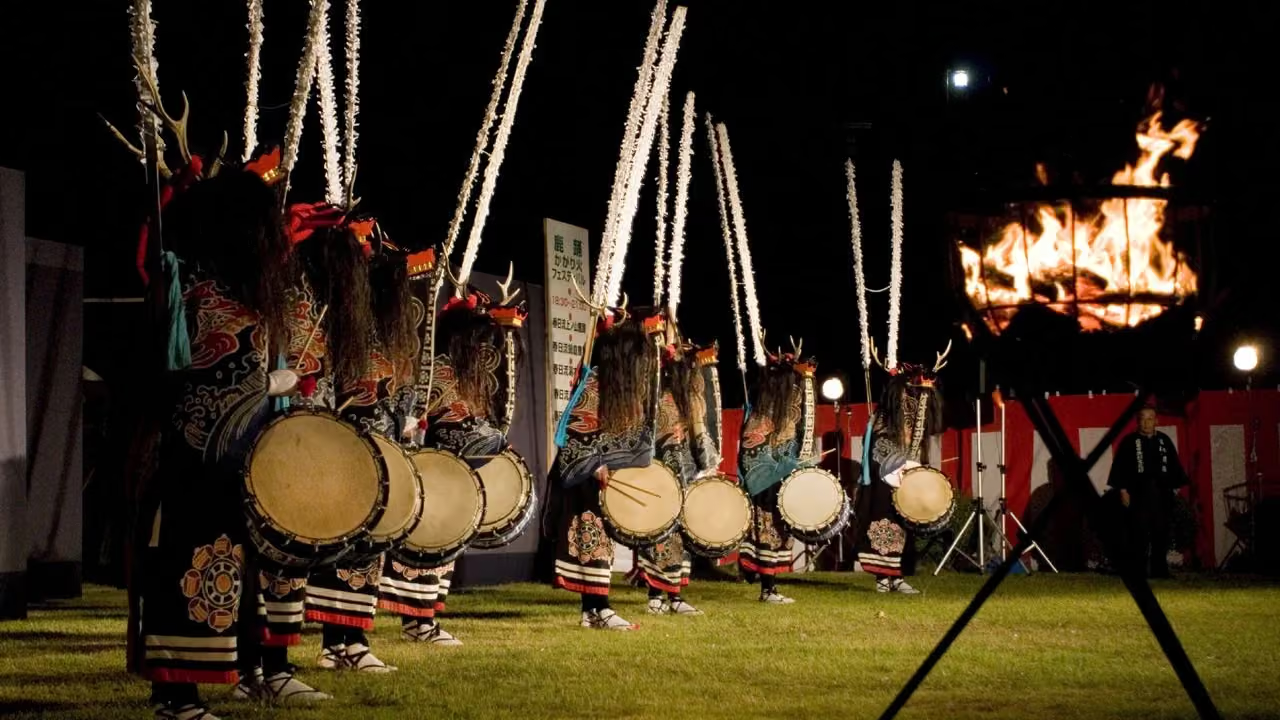
Hanamaki Festival
A festival of more than 430 years in Hanamaki, Iwate, with decorated floats, over 100 mikoshi, deer dances and Kagura Gongenmai.
10–12 Sep 2027Hanamaki · Iwate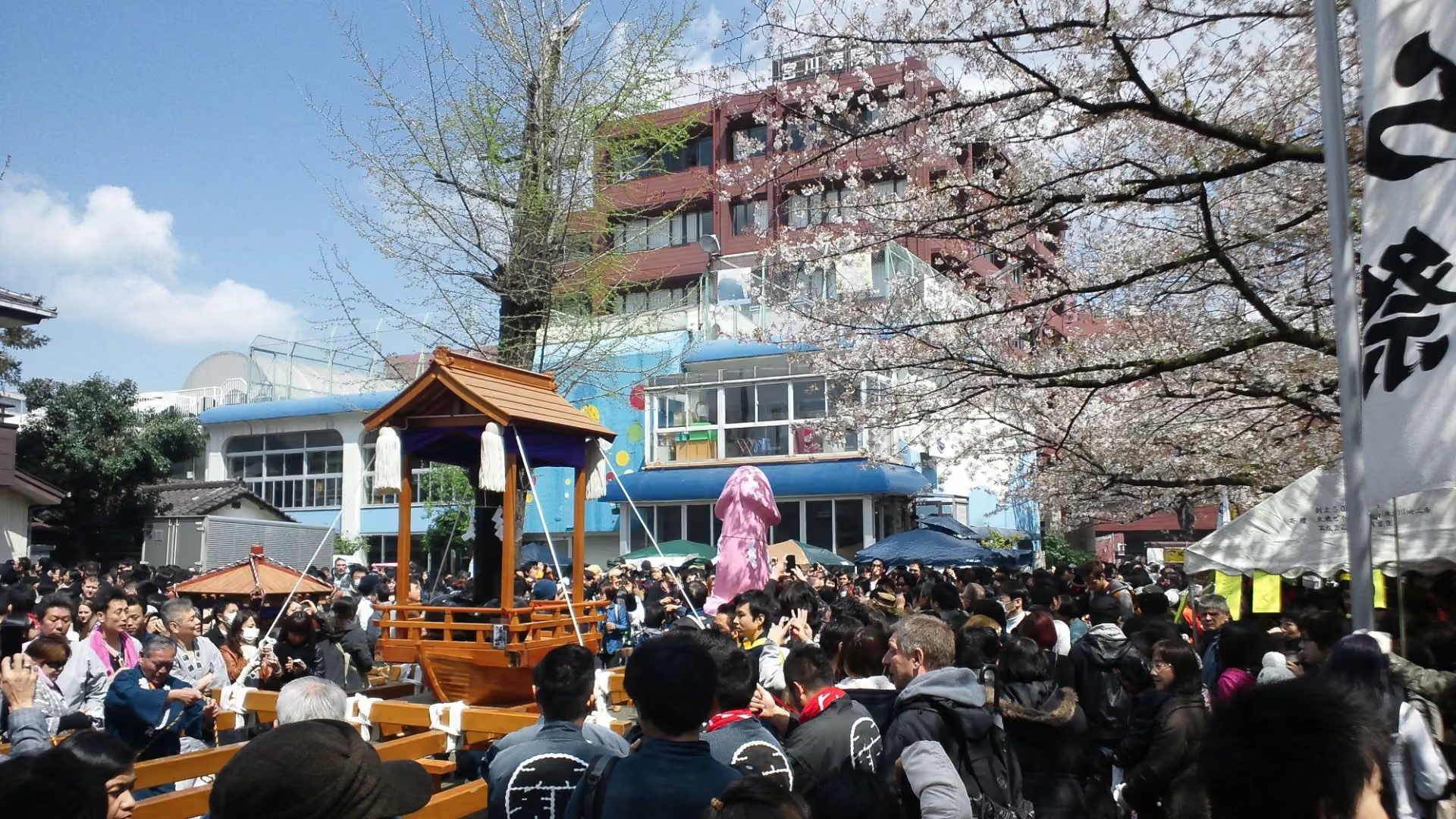
Kanamara Matsuri
A spring festival at Kanayama Shrine in Kawasaki: three phallus-shaped mikoshi are carried out with prayers for children, marriage and protection from disease.
4 Apr 2027Exact date not confirmed yetKawasaki · Kanagawa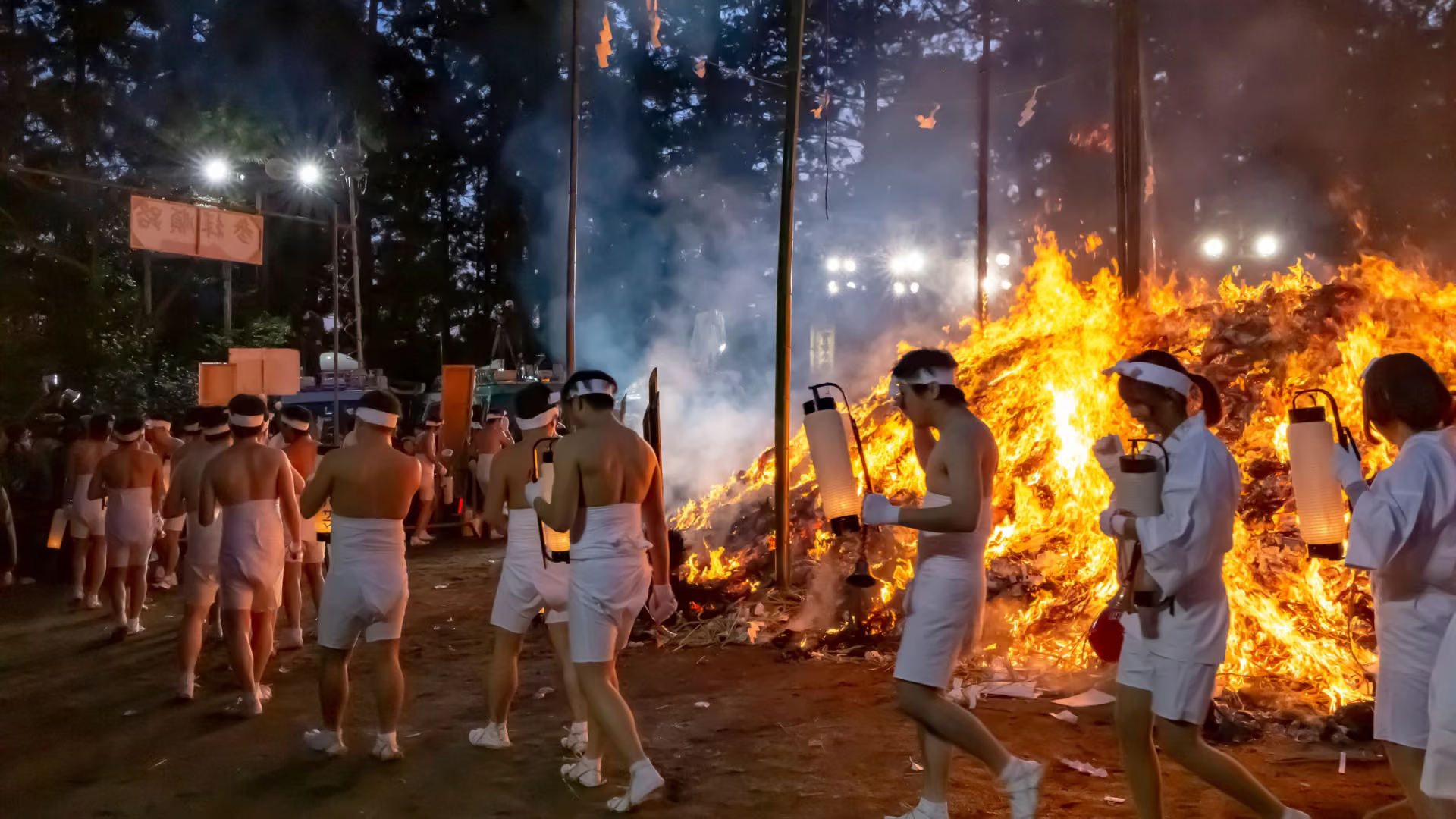
Dontosai Festival
An annual winter ritual in Sendai features the ceremonial burning of New Year decorations followed by a sacred pilgrimage procession in traditional attire.
14 Jan 2027Exact date not confirmed yetSendai · Miyagi