Kofukuji Temple
興福寺
The first Chinese temple built in Nagasaki, founded in 1620, and the place where the Obaku school of Zen began in Japan.
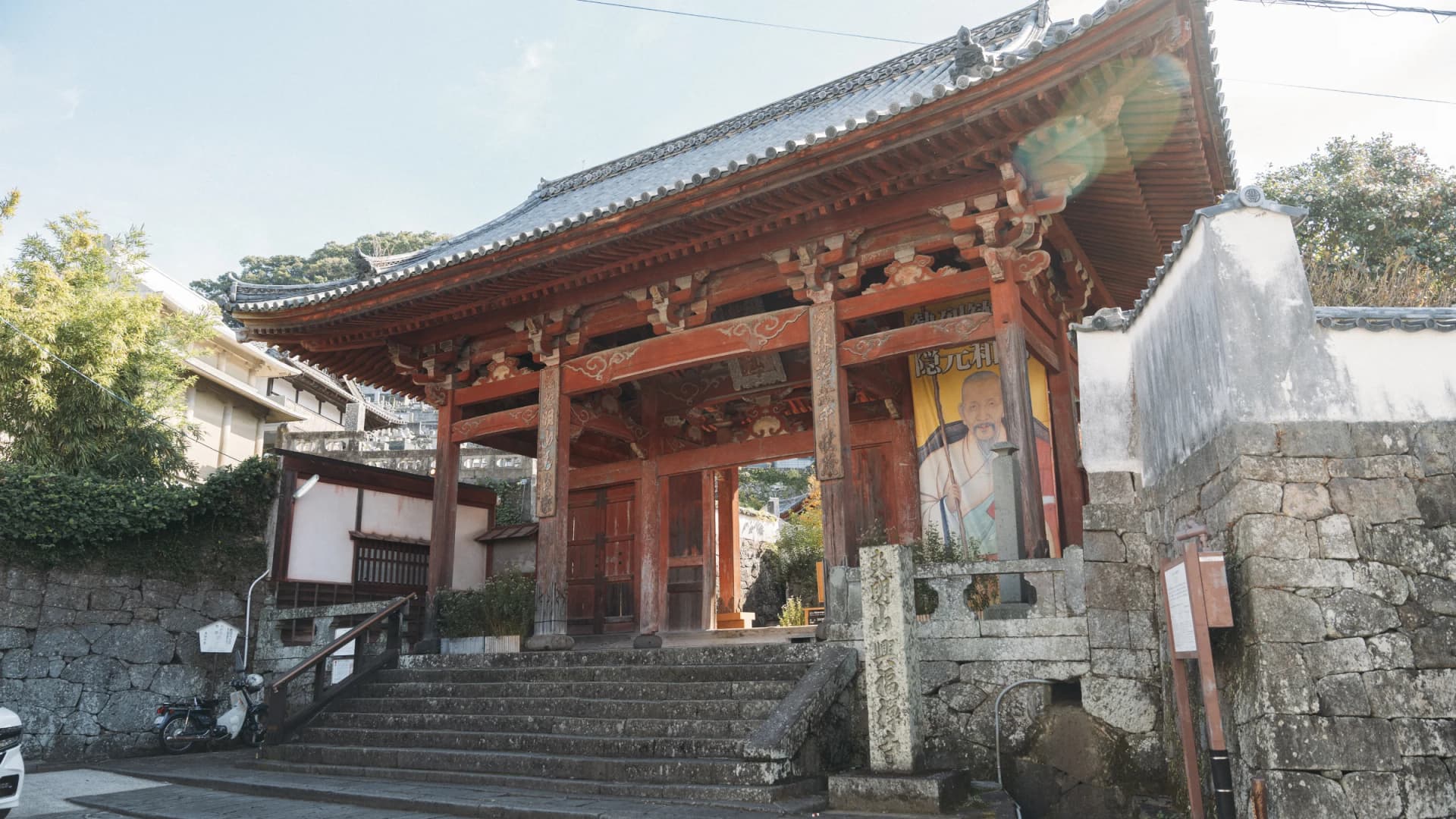
Kofukuji stands on Teramachi, the street of temples in Nagasaki, behind a vermilion gate. It was the first of the Chinese temples built in the city, and the Obaku school of Zen began here.
The temple was founded in 1620 by people from the Nanjing region of China who had settled in Nagasaki, which is why it is also called the Nanjing temple. They put up a hall for Mazu, the goddess who protects those at sea, and a hall for the Buddha.
Chinese ships were coming to Nagasaki in numbers at a time when Christianity was banned, and a Chinese temple served two purposes at once: it showed that the community were not Christians, and it gave them a temple of their own for funerals and for the sea goddess.
The main hall
The Daiohoden was built in 1632 by the second abbot, Mokusu Nyojo, who is also remembered for building the arched stone bridge in the middle of the city known as the spectacles bridge. Fire and storms wrecked the hall more than once, and what stands now was rebuilt in 1883.
The materials were brought from China and the work was done by Chinese craftsmen, in the southern Chinese manner. There is carving on the pillars and beams, round windows latticed in a pattern like cracking ice, an arched ceiling and gourd-shaped ornaments on the roof. It is an Important Cultural Property, as is the gate brought here from the old Chinese quarter.
Ingen
The third abbot, Itsunen, was a painter, and the Chinese style of painting he taught passed to Japanese artists after him. He and others wanted a senior Chinese monk to come, and in 1654 they brought over Ingen, who became the fourth abbot and founded the Obaku school in Japan.
Ingen carried a good deal of China with him. The beans that bear his name in Japanese, the wooden fish drum used in chanting, seals, steeped green tea and the vegetarian banquet called fucha ryori all came in with him.
Places nearby
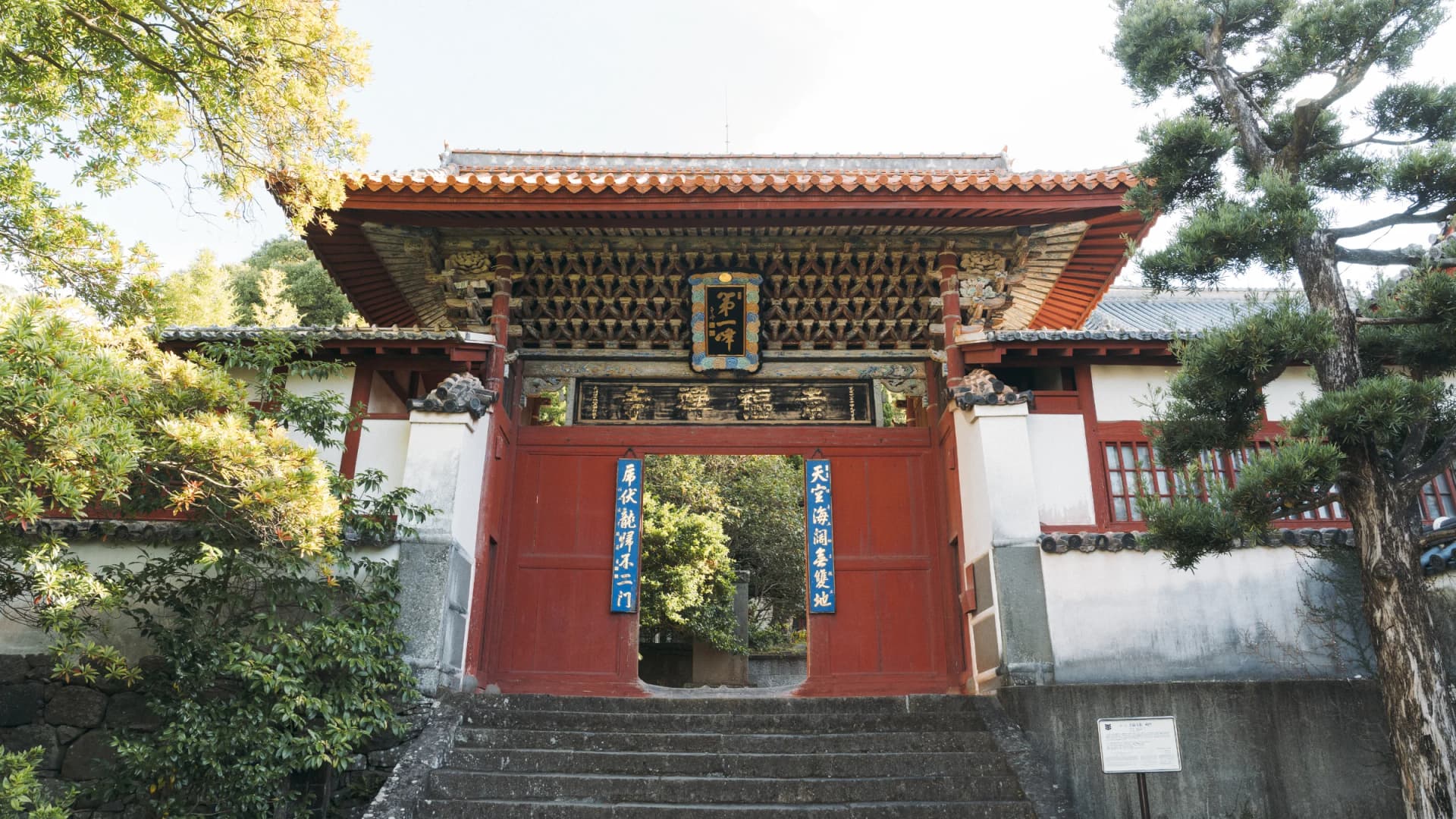
Sofukuji Temple
A Chinese temple in Nagasaki founded in 1629 by merchants from Fujian, with two buildings that are National Treasures.
Nagasaki · Nagasaki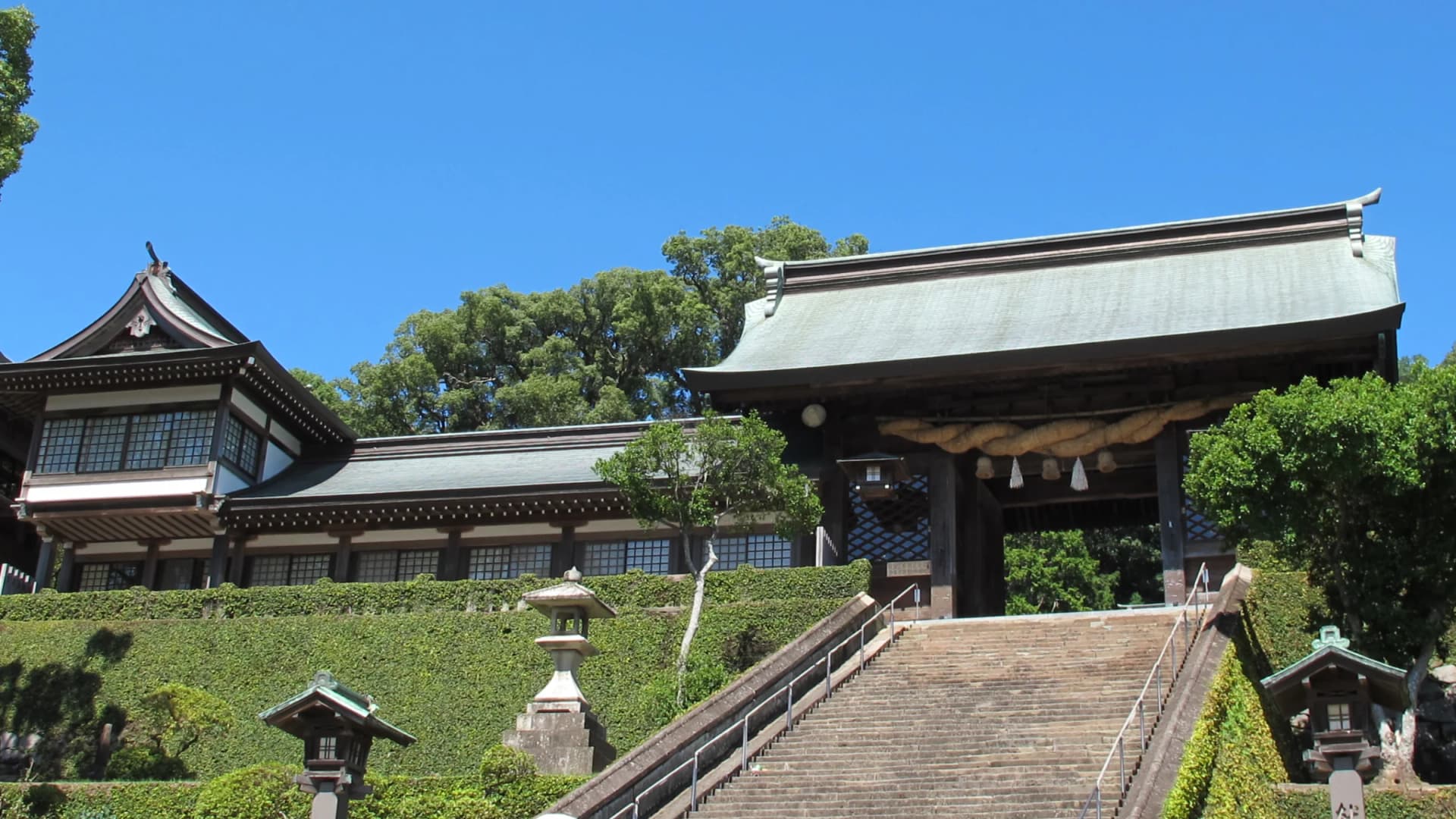
Suwa Shrine
The tutelary shrine of Nagasaki, re-established in 1625 after the city had been church land, and home of the Kunchi festival.
Nagasaki · Nagasaki
Chinzei Grand Shrine Suwa Shrine
This Nagasaki shrine dedicated to the sea god offers traditional architecture, serene gardens, and hosts an annual August festival honoring maritime heritage.
Nagasaki · NagasakiYou might also like
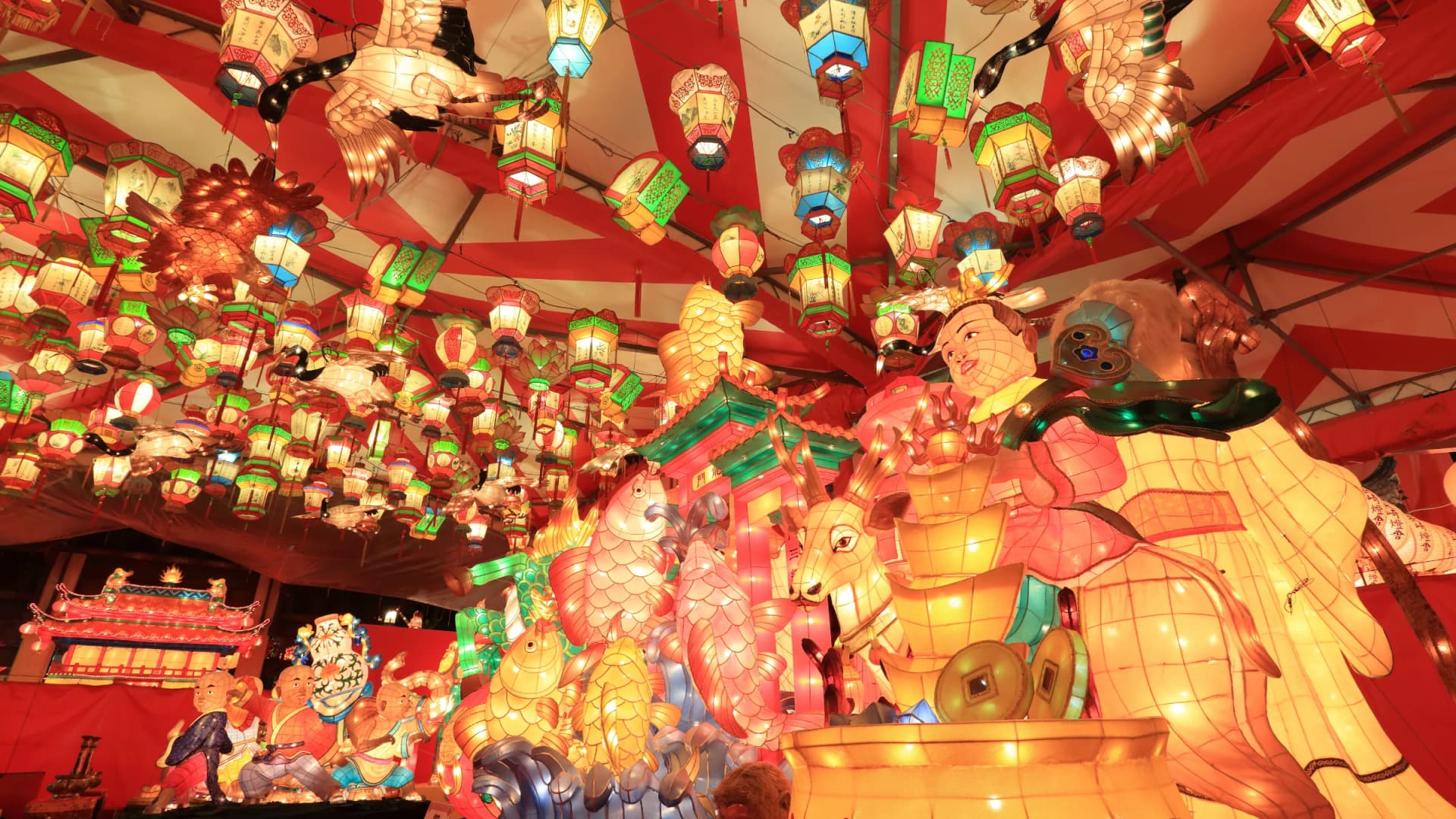
Nagasaki Lantern Festival
The festival illuminates Nagasaki's streets with around 15,000 Chinese lanterns, some reaching 10 metres, celebrating Lunar New Year traditions.
6–23 Feb 2027Nagasaki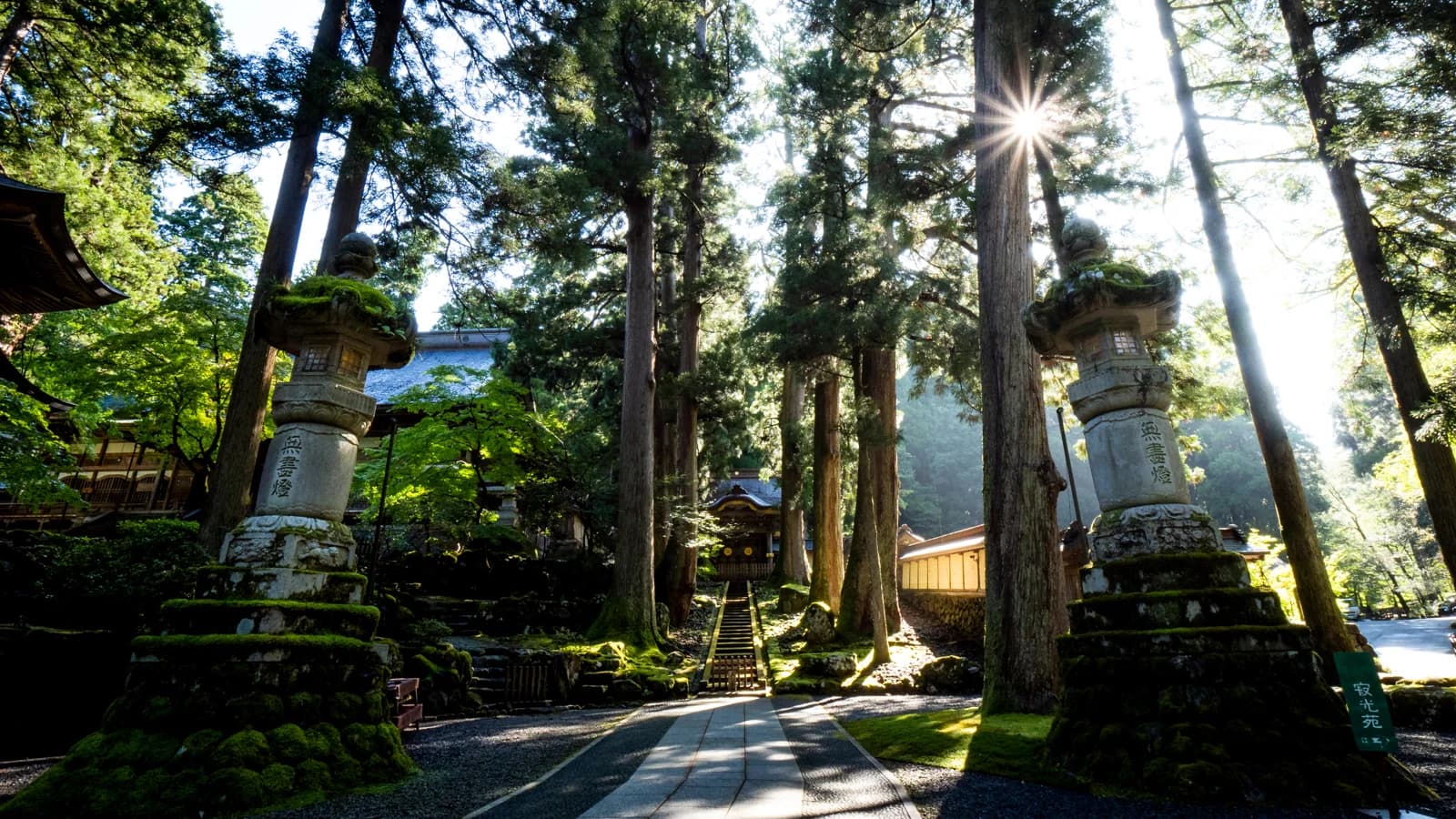
Eiheiji Temple
One of the two head temples of Soto Zen, founded in 1244 in the mountains of Fukui and still a working monastery of about 150 monks.
Eiheiji · Fukui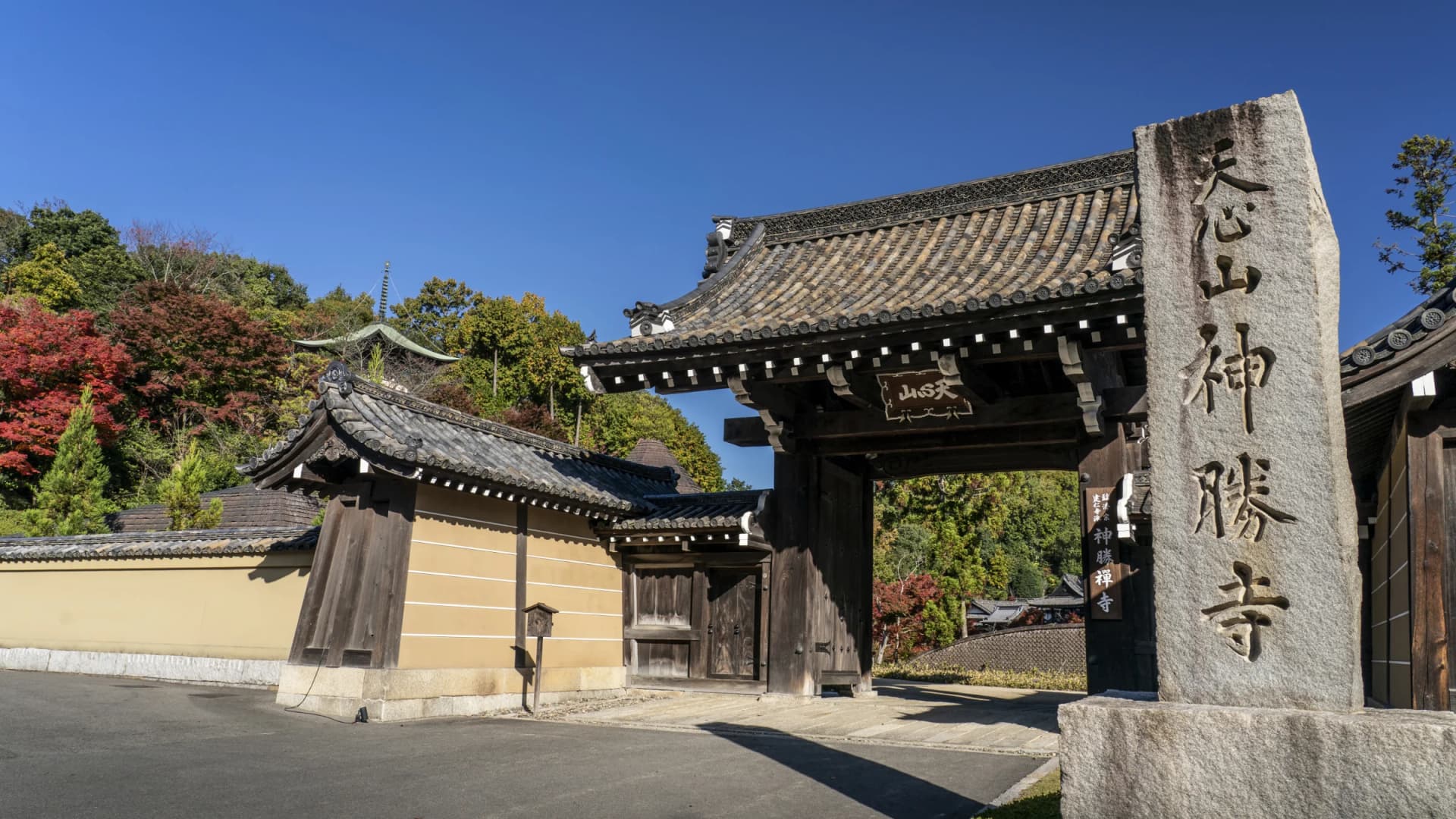
Shinshoji Zen Temple
A Rinzai Zen temple at Fukuyama with tea houses, moved historic halls, gardens, and one of the largest collections of Hakuin's Zen painting.
Fukuyama · Hiroshima
Tofukuji Temple
Tofukuji is one of Kyoto's great Zen temples, celebrated for its sweeping maple valley and the modern garden surrounding the abbot's quarters.
Kyoto
ZEN NIGHT Tofukuji
Nighttime illumination event at a historic Kyoto temple featuring vibrant green maple leaves paired with original soundscape music designed to calm the mind.
29 May – 5 Jul 2027Kyoto
Special Exhibition: Kobo Daishi Kukai — Treasures of Koyasan and the Spread of the Faith
An exhibition at the Kyushu National Museum on Kukai, who brought esoteric Buddhism from Tang China, with treasures of Koyasan and of western Japan.
24 Apr – 20 Jun 2027Dazaifu · Fukuoka