Sofukuji Temple
崇福寺
A Chinese temple in Nagasaki founded in 1629 by merchants from Fujian, with two buildings that are National Treasures.
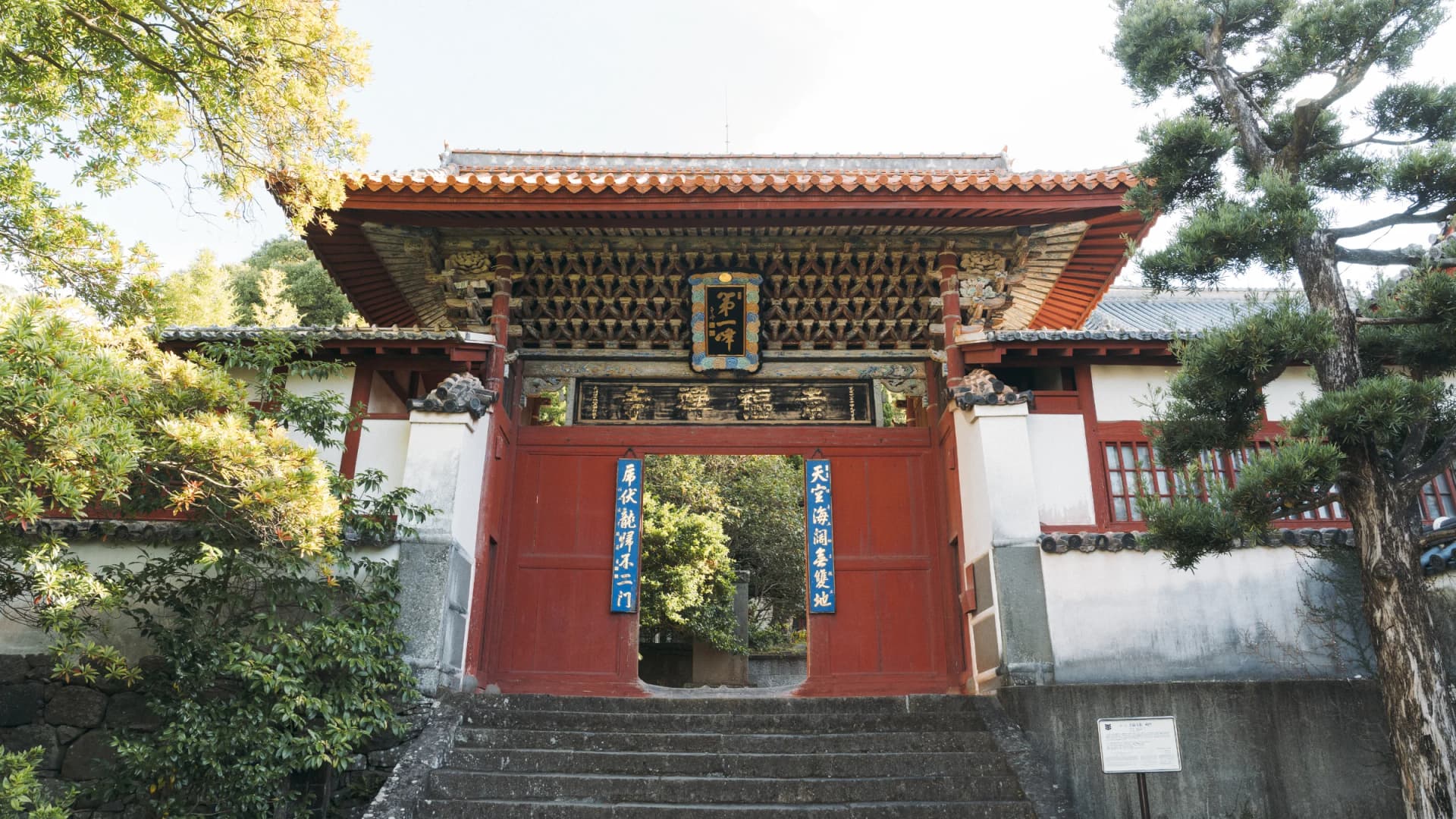
Sofukuji stands on the hillside at Kajiyamachi in Nagasaki. It was founded in 1629 by the Chinese community in the city, and its buildings are in the style of China at the end of the Ming and the beginning of the Qing, of which there is nothing else of the kind in Japan.
Most of the parishioners came from Fujian, and many from Fuzhou in particular, so the temple was also known as the Fuzhou temple. Sofukuji is one of the three Chinese temples of Nagasaki known together as the Fuku temples, the others being Kofukuji and Fukusaiji, from the "fuku" that appears in all three names.
The gates and the hall
Steps lead up from it to the Daiippomon, the first peak gate, rebuilt in 1695 from timbers cut and jointed in China and shipped over to be put together here. Beyond it stands the Daiohoden, the main hall. Both are National Treasures. Five more of the buildings are Important Cultural Properties, and with the prefectural and city designations the temple holds more than ten.
The Mazu hall
Mazu, the goddess who guards those at sea, is worshipped along the whole southern coast of China, and every Chinese ship carried an image of her. While the ship lay in Nagasaki the image was brought ashore and kept in the Mazu hall of a Chinese temple, and the temples of the city generally began with the building of such a hall.
The hall standing now was put up in 1794. It was paid for by a Chinese shipowner with about six tonnes of sugar. The open ground in front of it is there for the ceremony of carrying the image up from the ship, and a pair of stones for flagpoles stands before the bell tower, where the flags could be seen from the harbour below.
Places nearby
Kofukuji Temple
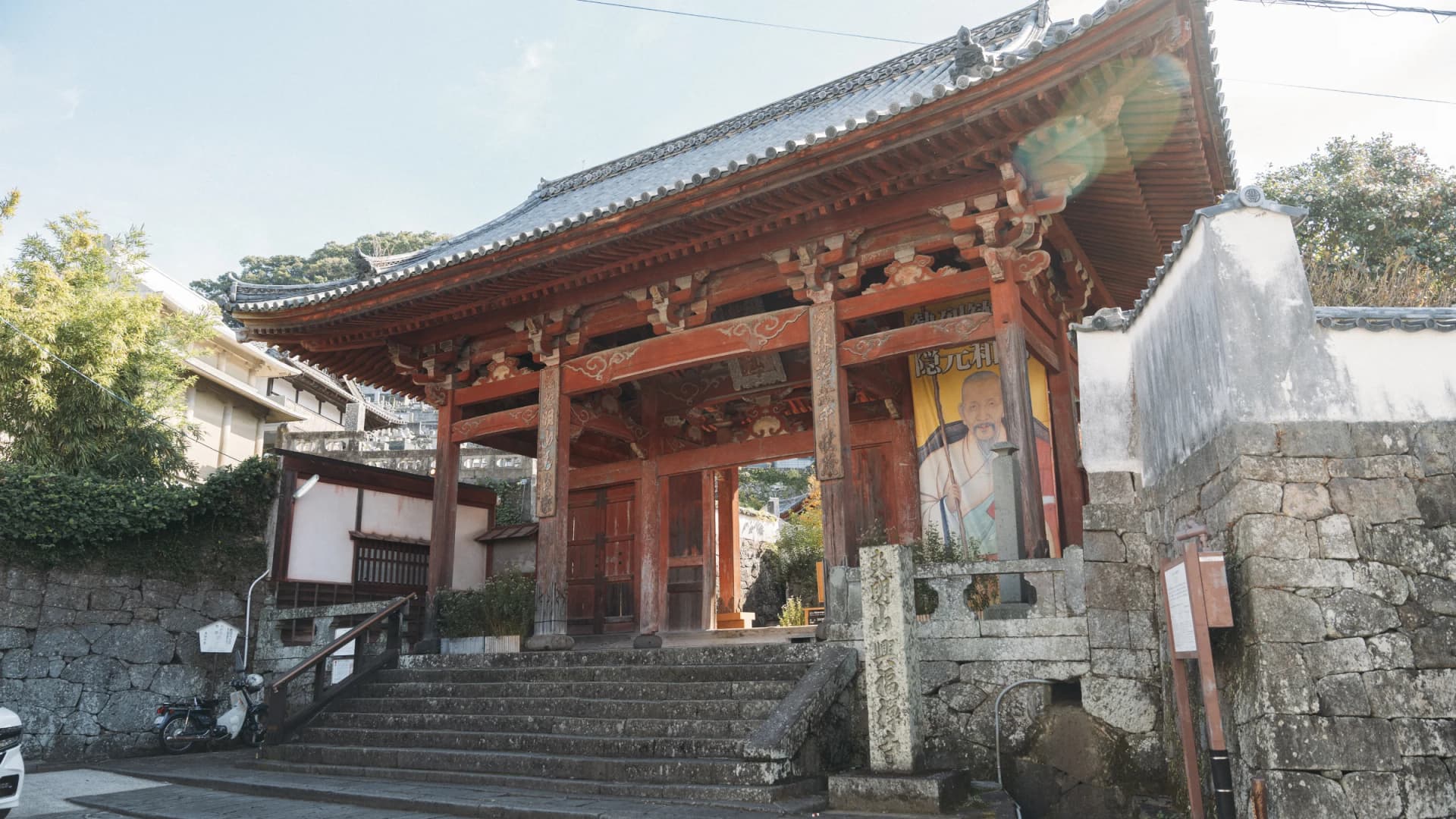
The first Chinese temple built in Nagasaki, founded in 1620, and the place where the Obaku school of Zen began in Japan.
Nagasaki · Nagasaki
Nagasaki Shinchi Chinatown
This historic Chinatown in Nagasaki, among Japan's oldest, was established by Chinese traders in the late 16th century with traditional architecture and Chinese New Year festivities.
Nagasaki · Nagasaki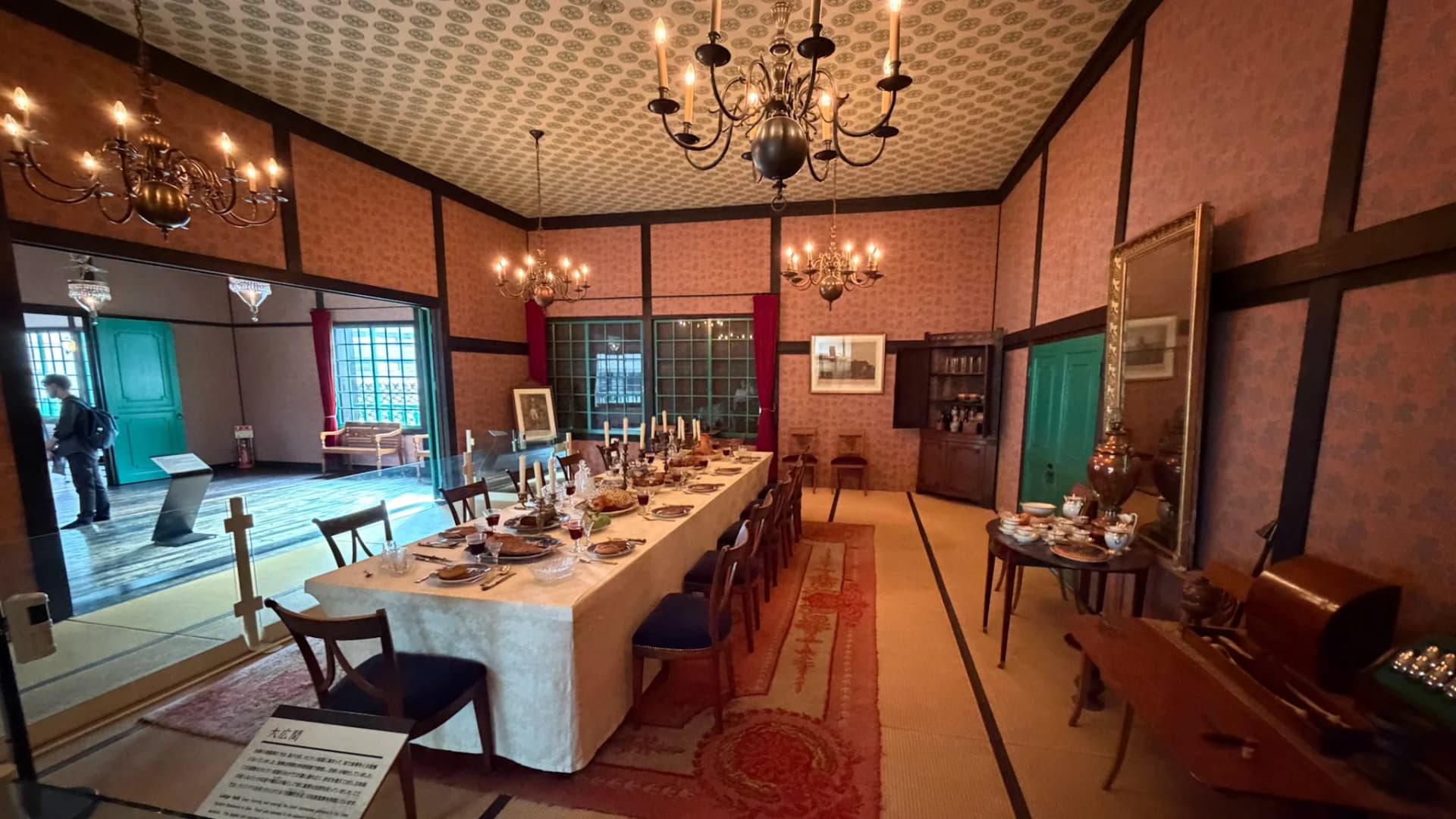
Dejima
The fan-shaped island in Nagasaki that was Japan's only opening to the West for more than two centuries, now rebuilt street by street.
Nagasaki · NagasakiYou might also like

Kongorin-ji
A Tendai sect Buddhist temple founded in the early Heian period, housing a National Treasure main hall with Heian-period statues and garden.
Aisho · Shiga
Daigo-ji Temple
Over 1,100-year-old Buddhist temple complex and head temple of the Daigo branch of Shingon Buddhism, centered on an ancient natural spring.
Kyoto
Rinnoji Temple
Rinnoji is a Tendai Buddhist temple in Nikko and part of a UNESCO World Heritage Site, known for its Sanbutsudo hall and the National Treasure Taiyuin mausoleum.
Nikko · Tochigi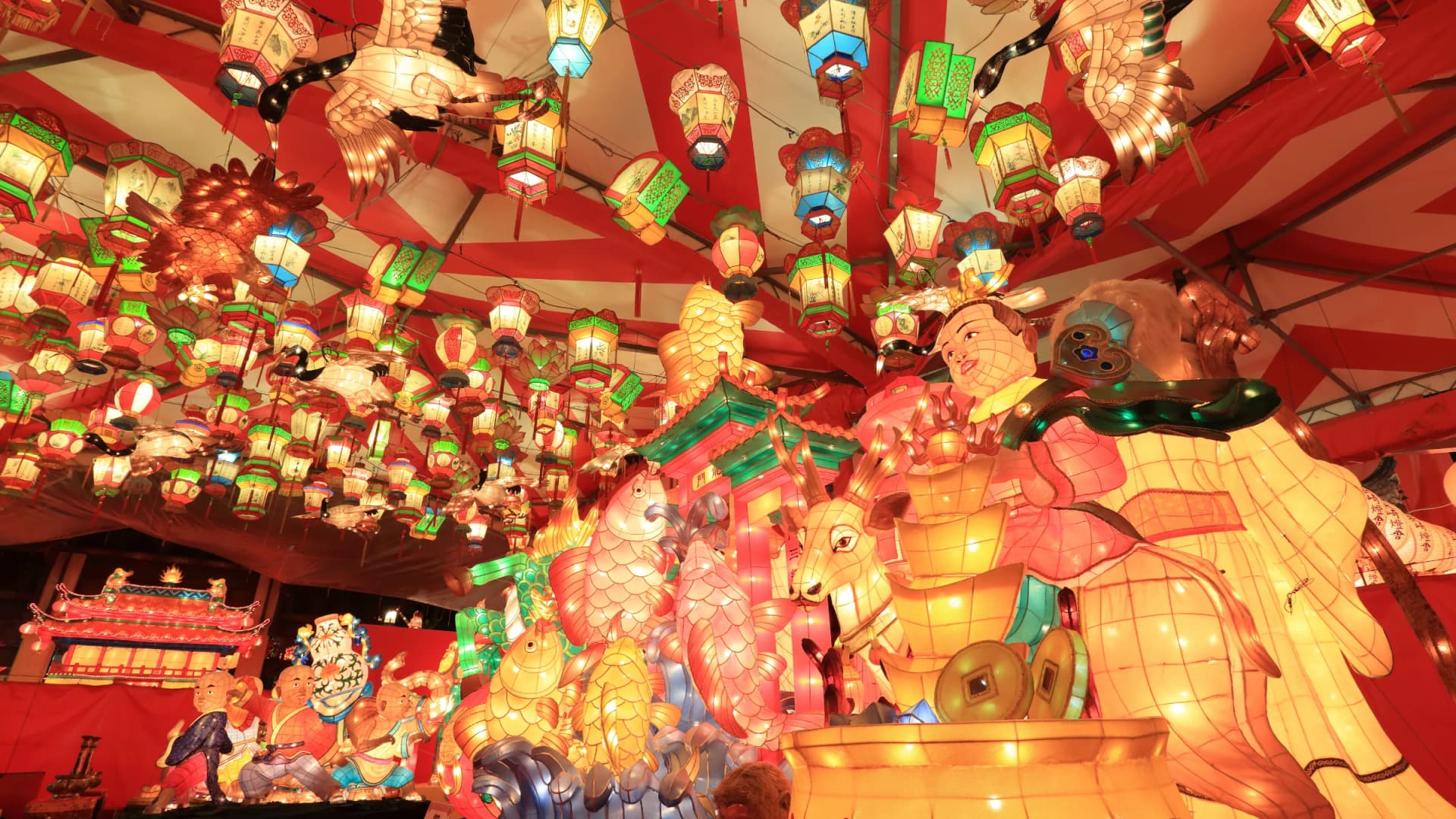
Nagasaki Lantern Festival
The festival illuminates Nagasaki's streets with around 15,000 Chinese lanterns, some reaching 10 metres, celebrating Lunar New Year traditions.
6–23 Feb 2027Nagasaki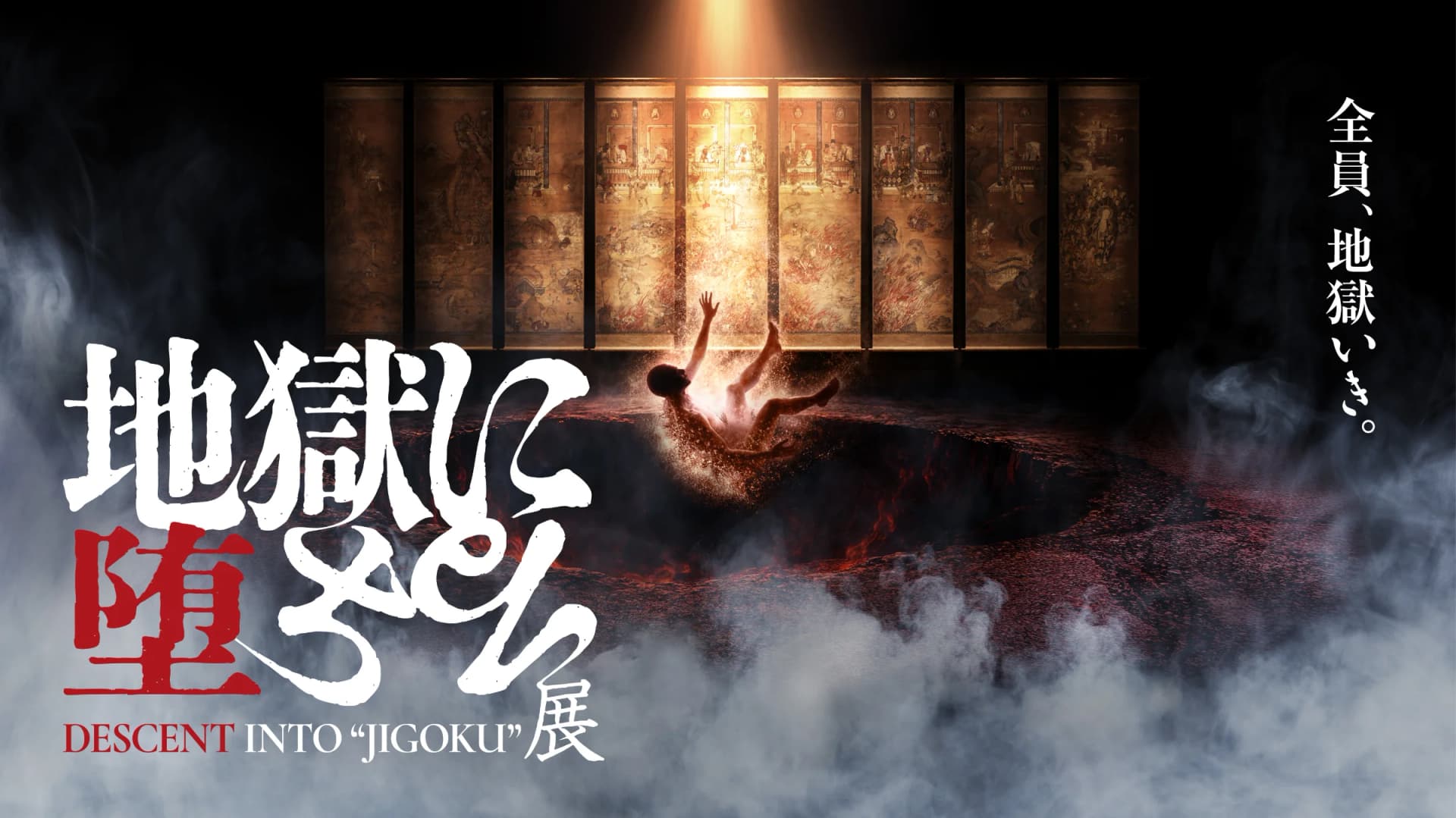
Descent into "Jigoku"
An exhibition in Osaka on the Japanese hell, following the path of the dead through full-size reproductions of painted scrolls and moving projections.
28 Nov – 27 Dec 2026Osaka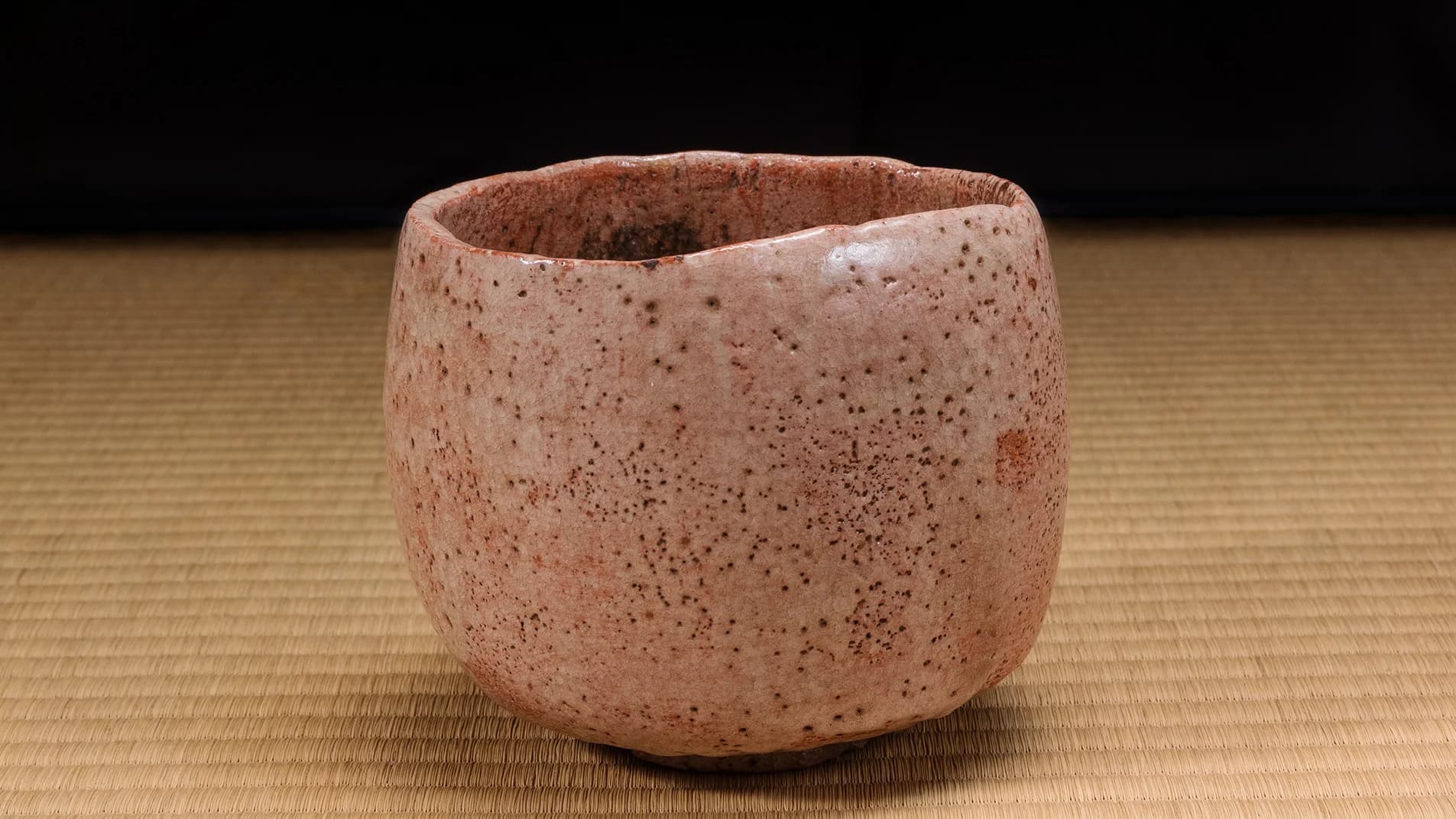
Hyakusaiji Temple and the Buddhist Art of Omi
An autumn exhibition in Shiga where the hidden image of Hyakusaiji, an eleven-headed Kannon of the 8th century, leaves the temple for the first time.
26 Sep – 6 Dec 2026Koka · Shiga