Nagasaki Museum of History and Culture
長崎歴史文化博物館
Opened in 2005 on the site of an Edo-period magistrate's office, this museum explores Nagasaki's distinctive history as Japan's historical gateway to overseas exchange.

Closed on the 1st and 3rd Monday of each month
〒 850-0007How to get there
Gate price from¥630
Provider prices may differ from the price above. Booking through our links earns us a commission, at no extra cost to you.
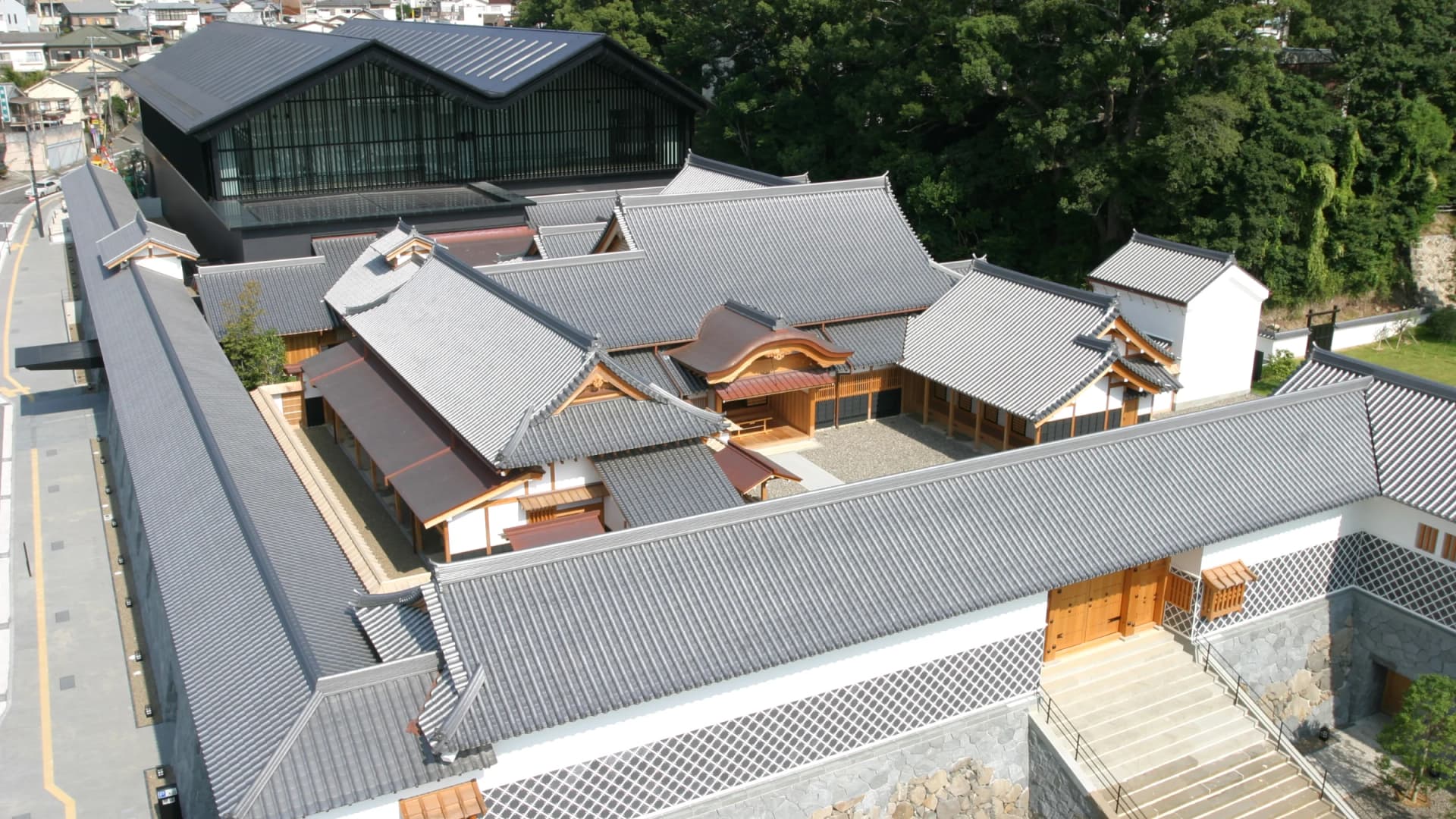
The Nagasaki Museum of History and Culture opened on November 3, 2005, in Suwa-no-Mori. Built on the former site of the Tateyama Magistrate’s Office (Nagasaki Bugyosho), the museum partially reconstructs this Edo-period government complex based on historical documents and archaeological research. It serves as a central institution for exploring Nagasaki’s distinctive history as Japan’s gateway to overseas exchange.
Established jointly by Nagasaki Prefecture and Nagasaki City, the museum represents a rare cooperative model in Japan. It houses historical materials from former prefectural and municipal collections, including early artworks and archival documents.
Over two decades, the museum has hosted more than 200 exhibitions. It also contributes to cultural preservation and regional revitalisation through conservation work and community engagement.
Focus and Exhibitions
The museum is dedicated to the theme of Nagasaki’s international exchange history. Its permanent exhibition area consists of two main zones:
History and Cultural Exchange Zone – This section traces Nagasaki’s global connections from the Age of Exploration through exchanges with Portugal, the Netherlands, China, and Korea, and into the late Edo and Meiji periods. Topics include Nanban trade, Christianity, Dejima and Dutch studies (Rangaku), trade with China and Korea, and the modernisation of Japan. Displays include historical documents, artworks, trade goods, and craft objects that reflect Nagasaki’s multicultural heritage.
Nagasaki Magistrate’s Office Zone – A reconstructed portion of the Tateyama Magistrate’s Office illustrates the administrative, judicial, diplomatic, and trade-related functions carried out under the Tokugawa shogunate. Exhibits introduce official records such as criminal registers (Hankacho), materials related to the suppression of Christianity, and the role of successive magistrates. A restored courtroom space (Shirasu) hosts short dramatic reenactments on Sundays to illustrate Edo-period trials and investigations.
Mission and Activities
Nicknamed “Rekibun” (a contraction of “history” and “culture”), the museum emphasises both Nagasaki’s historical experience and its unique cultural development. Its guiding principles center on exchange, collaboration, and discovery.
Beyond exhibitions, the museum conducts a wide range of programs:
Public lectures and seminars on Nagasaki history and cultural heritage
Traditional culture programs, including performing arts and craft events
Children’s workshops and clubs that promote local history and cultural pride
Outreach initiatives, including traveling exhibitions and workshops in remote areas
Volunteer programs supporting interpretation, education, preservation, and foreign-language services
The museum also functions as a research hub for “Nagasaki Studies”, collaborating with domestic and international institutions.
Entry to the Museum building is free. Separate admission fees are required to visit the permanent collection and temporary exhibitions.
Getting There

Places nearby
Suwa Shrine
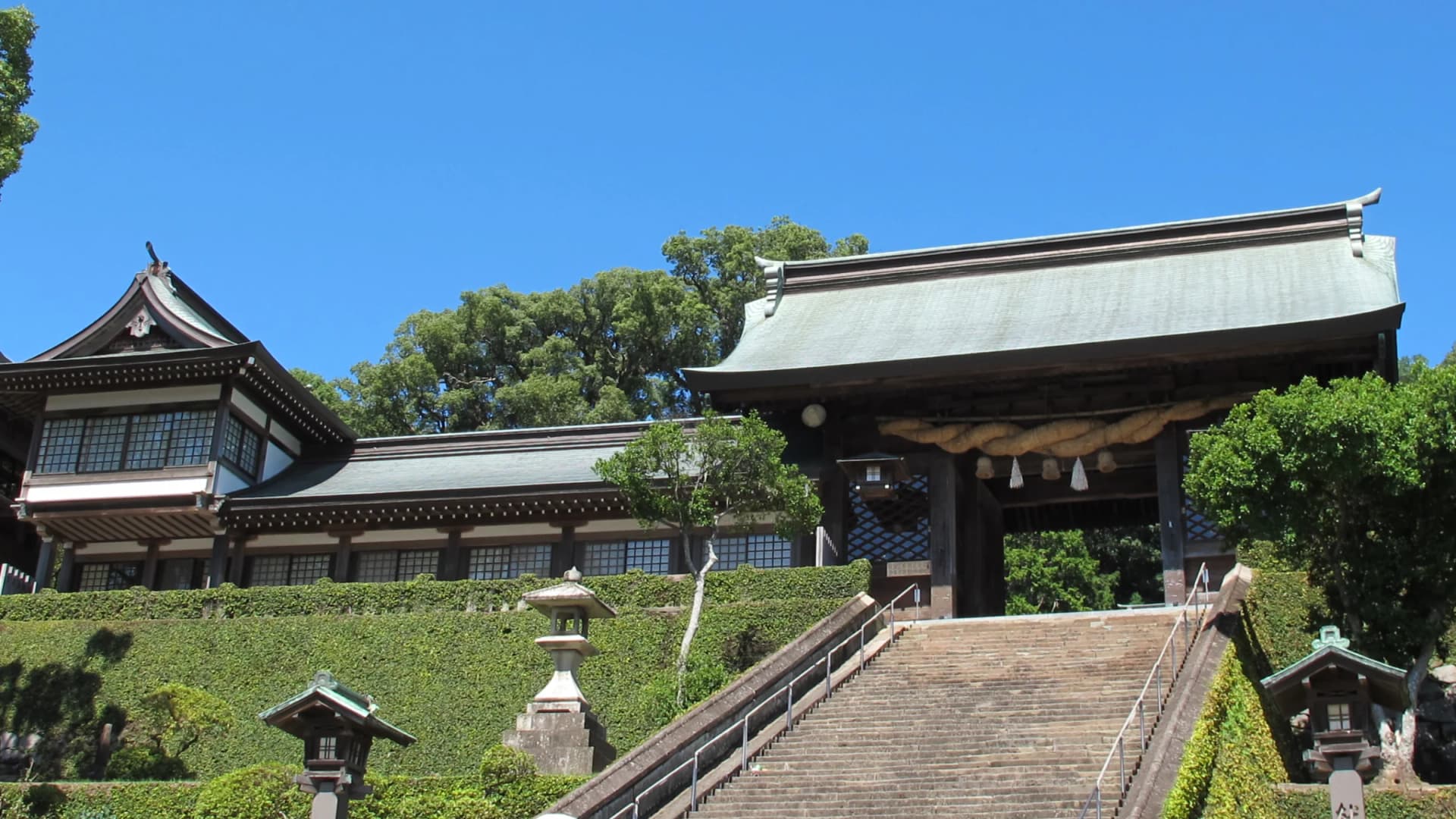
The tutelary shrine of Nagasaki, re-established in 1625 after the city had been church land, and home of the Kunchi festival.
Nagasaki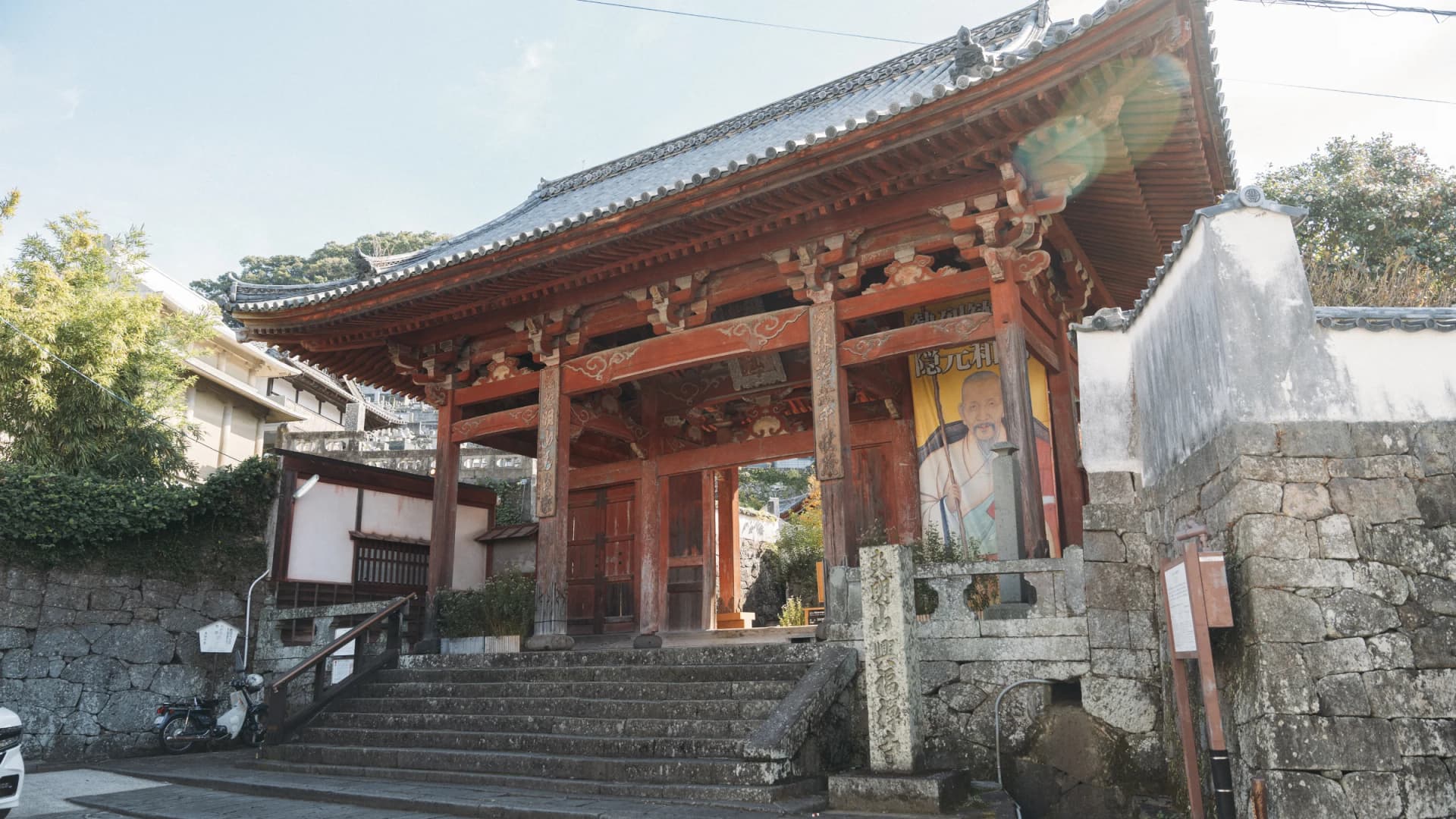
Kofukuji Temple
The first Chinese temple built in Nagasaki, founded in 1620, and the place where the Obaku school of Zen began in Japan.
Nagasaki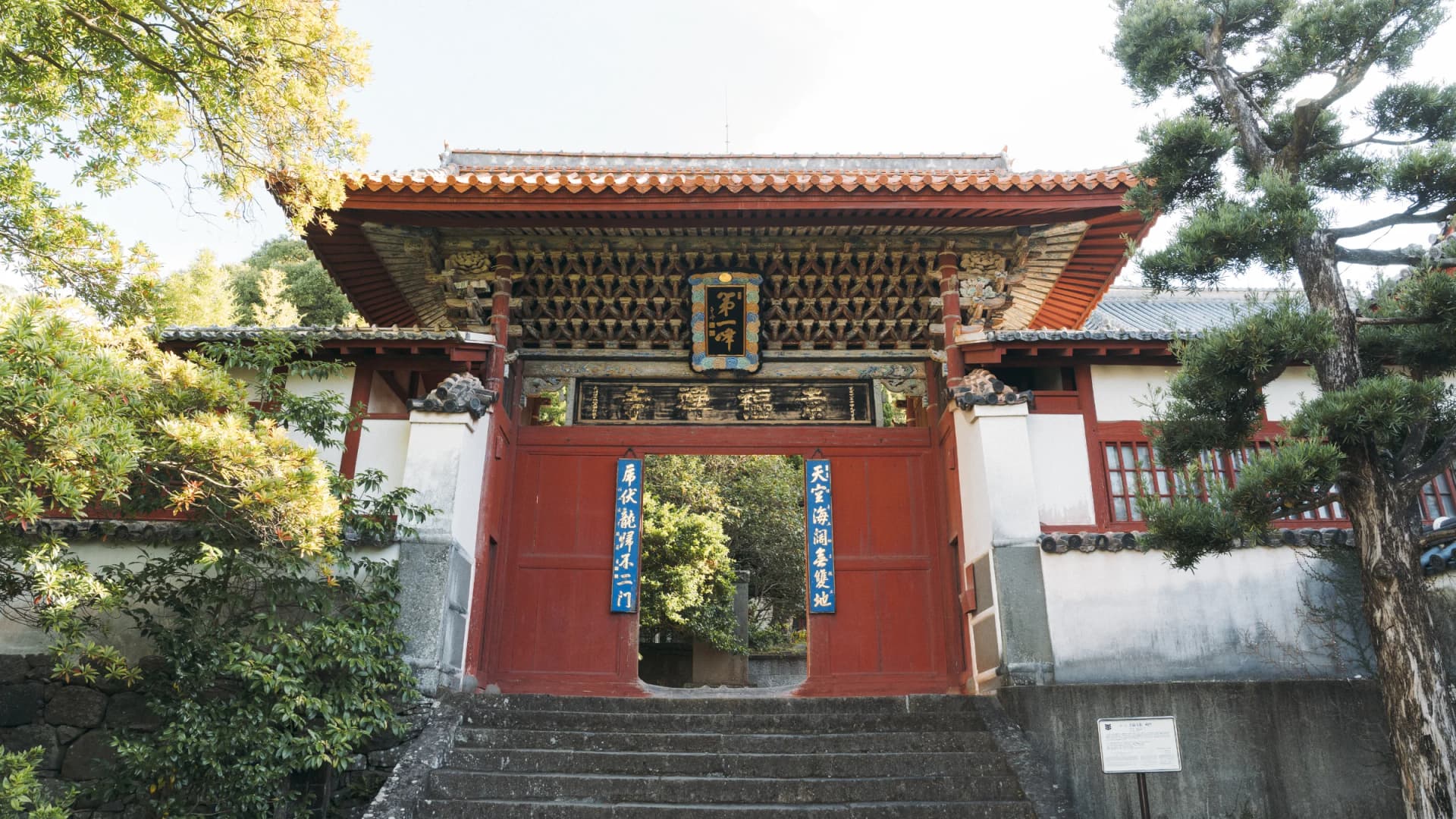
Sofukuji Temple
A Chinese temple in Nagasaki founded in 1629 by merchants from Fujian, with two buildings that are National Treasures.
NagasakiYou might also like

National Ainu Museum
Japan's first national museum dedicated to Ainu culture and the core facility of Upopoy, promoting understanding of this Indigenous heritage.
Shiraoi · Hokkaido
Morioka History and Culture Museum
Museum opened 2011 within Morioka Castle Ruins Park, treating the historic fort grounds as its primary exhibit while promoting the surrounding castle-town area.
Morioka · Iwate
Himeji Castle Festival
Three-day festival featuring outdoor Noh theatre performances, classical arts, historical pageantry, and family activities across Himeji Castle grounds.
22–24 May 2027 · Dates not yet confirmedHimeji · Hyogo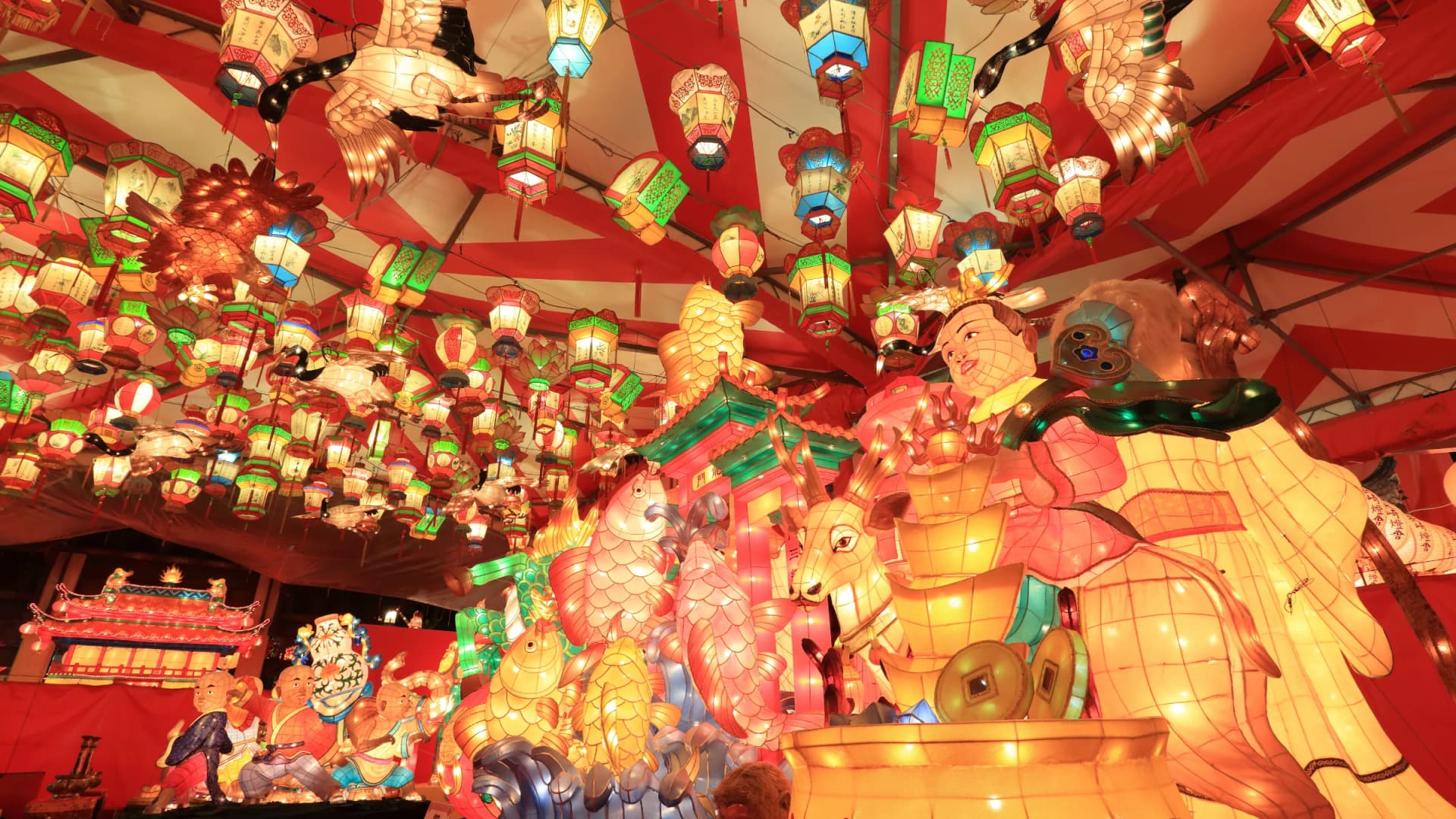
Nagasaki Lantern Festival
The festival illuminates Nagasaki's streets with around 15,000 Chinese lanterns, some reaching 10 metres, celebrating Lunar New Year traditions.
6–23 Feb 2027 · Dates not yet confirmedNagasaki
The Sugita Plum Festival
A winter festival in Yokohama celebrates the legacy of a historic plum grove, with around 100 trees blooming at Myōhōji Temple, reviving centuries of tradition.
14–15 Feb 2027 · Dates not yet confirmedYokohama · Kanagawa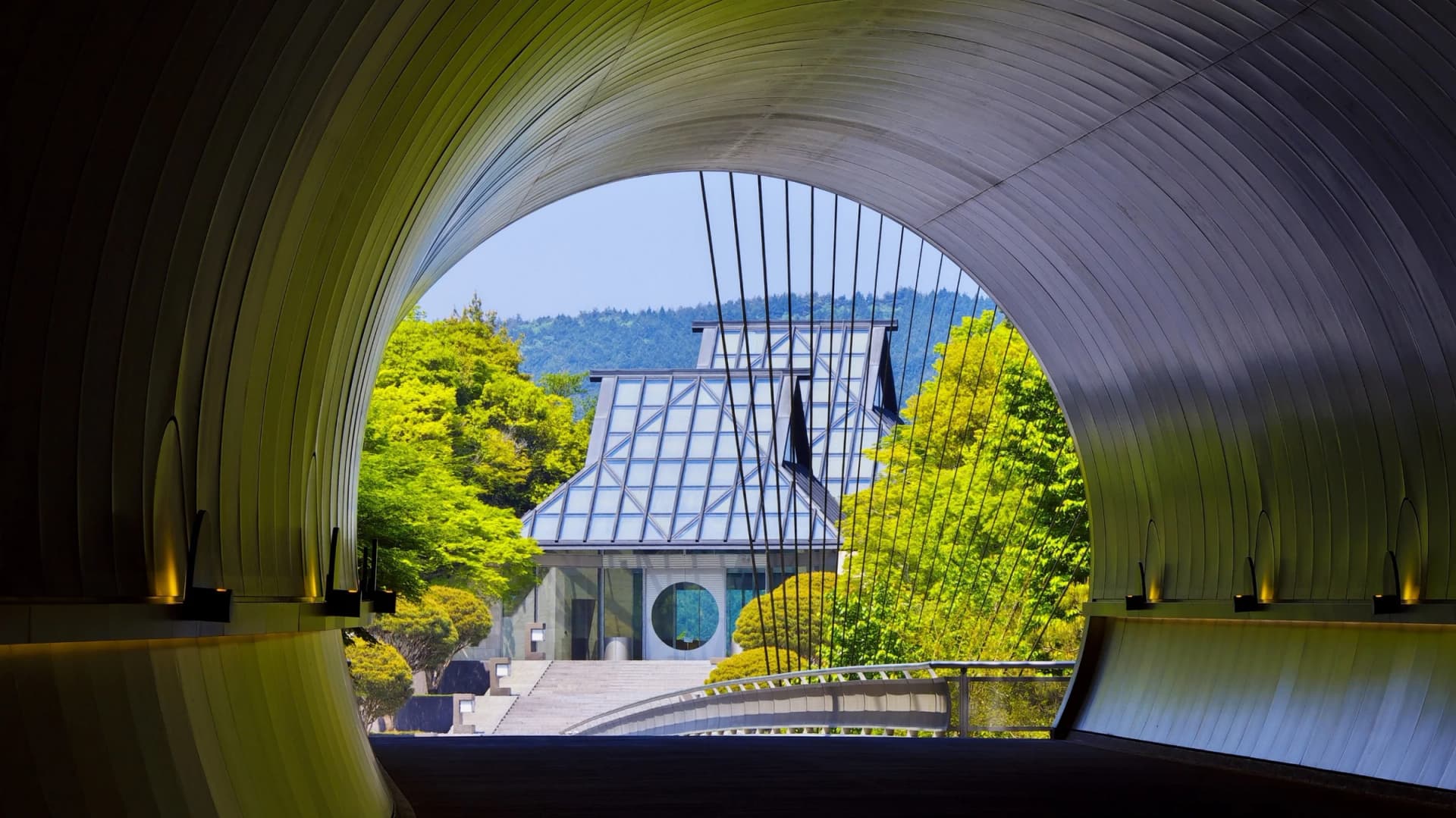
Miho Museum
A museum of 1997 in the mountains of Shiga, designed by I. M. Pei and mostly buried in the hillside, holding ancient art of the world alongside Japanese art.
Koka · Shiga