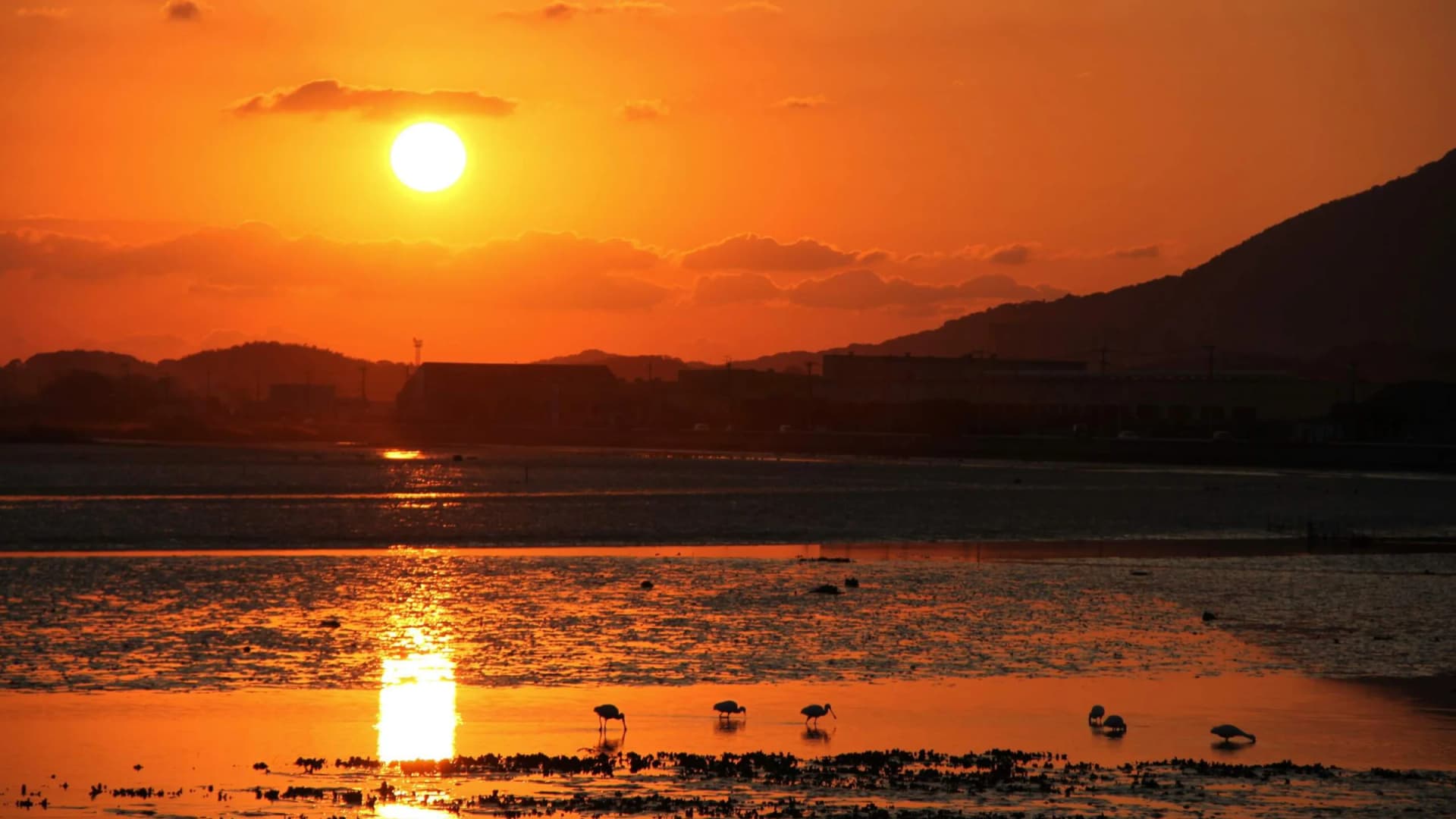
Suwa Shrine
鎮西大社 諏訪神社
The tutelary shrine of Nagasaki, re-established in 1625 after the city had been church land, and home of the Kunchi festival.
〒 850-0006How to get there
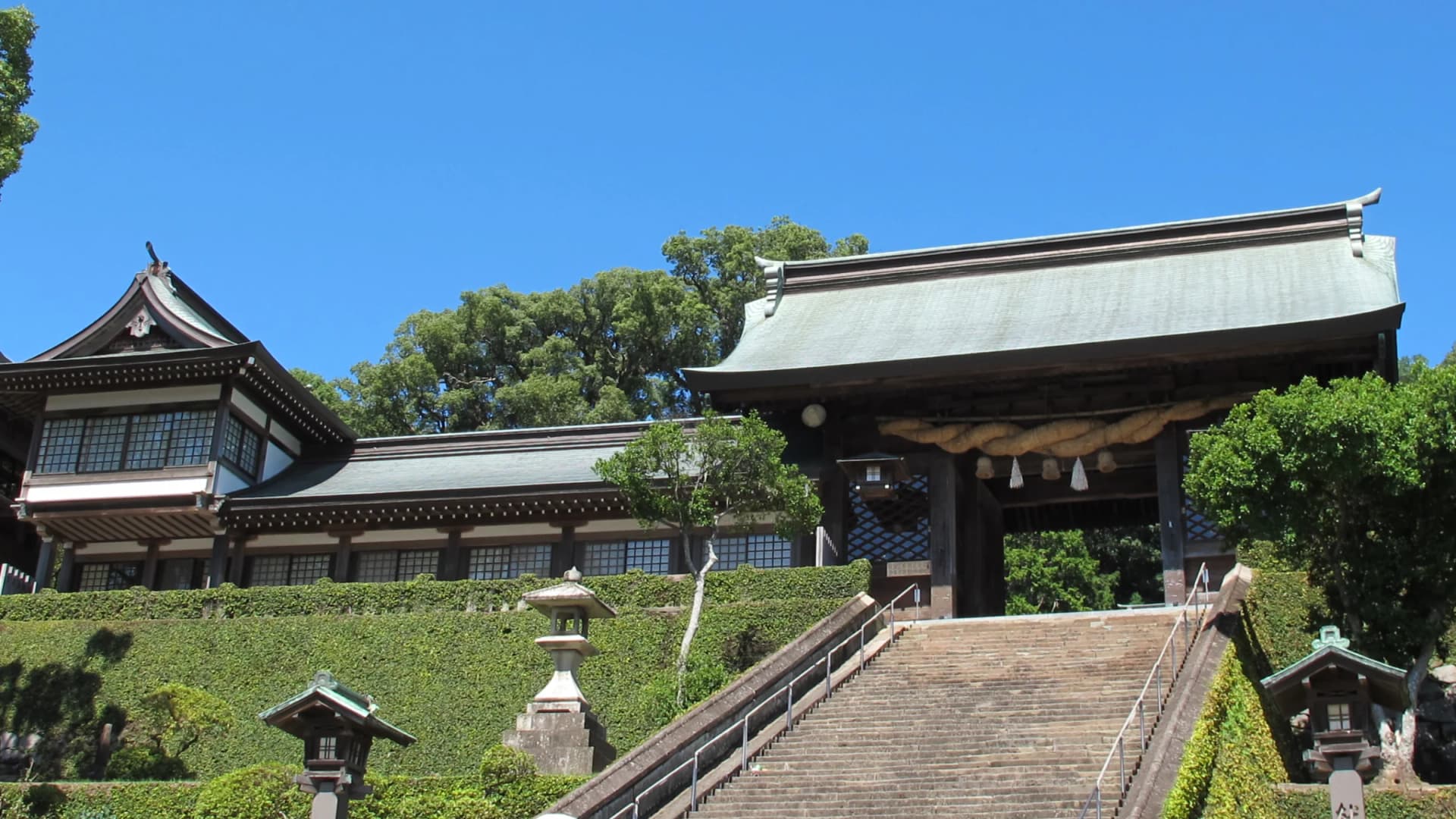
Suwa Shrine stands on the hillside above the centre of Nagasaki and is the tutelary shrine of the city, the one its people belong to by birth. In Nagasaki it is called Osuwa-san.
In the sixteenth century Nagasaki was handed over to the Jesuits and became church land, and the shrines that had stood in the town went with it.
Three of them, Suwa, Morisaki and Sumiyoshi, were brought back in 1625 by Aoki Katakiyo, the first chief priest, who set them up together on a hill at Nishiyama and made them the guardian of the town. In 1648 the shogunate granted the shrine land, and it moved to the site it occupies now. A fire in 1857 destroyed most of its buildings, and the rebuilding was finished in 1869.
The main deity is Suwa Okami, that is Takeminakata, a god of war and of turning away misfortune. Morisaki Okami, worshipped for the making of all things and for bringing people together, and Sumiyoshi Okami, for safety at sea and good catches, are enshrined with him. Between them they cover what a port city asks for.
The shrine's great festival, the Nagasaki Kunchi, is held on 7, 8 and 9 October. It is one of the three great kunchi festivals, with those of Hakata and Karatsu, and is an Important Intangible Folk Cultural Property.
Entry to the shrine grounds is free. From the Suwa Jinja tram stop, an underpass leads to the approach, and from there long flights of stone steps climb to the main hall.
Getting There

Upcoming events at this place

Nagasaki Kunchi / Okunchi
This 380-year-old shrine festival blends Japanese folk dances with dragon processions and Dutch-influenced performances held across four venues in Nagasaki.
7–9 Oct 2026NagasakiPlaces nearby

Nagasaki Museum of History and Culture
Opened in 2005 on the site of an Edo-period magistrate's office, this museum explores Nagasaki's distinctive history as Japan's historical gateway to overseas exchange.
Nagasaki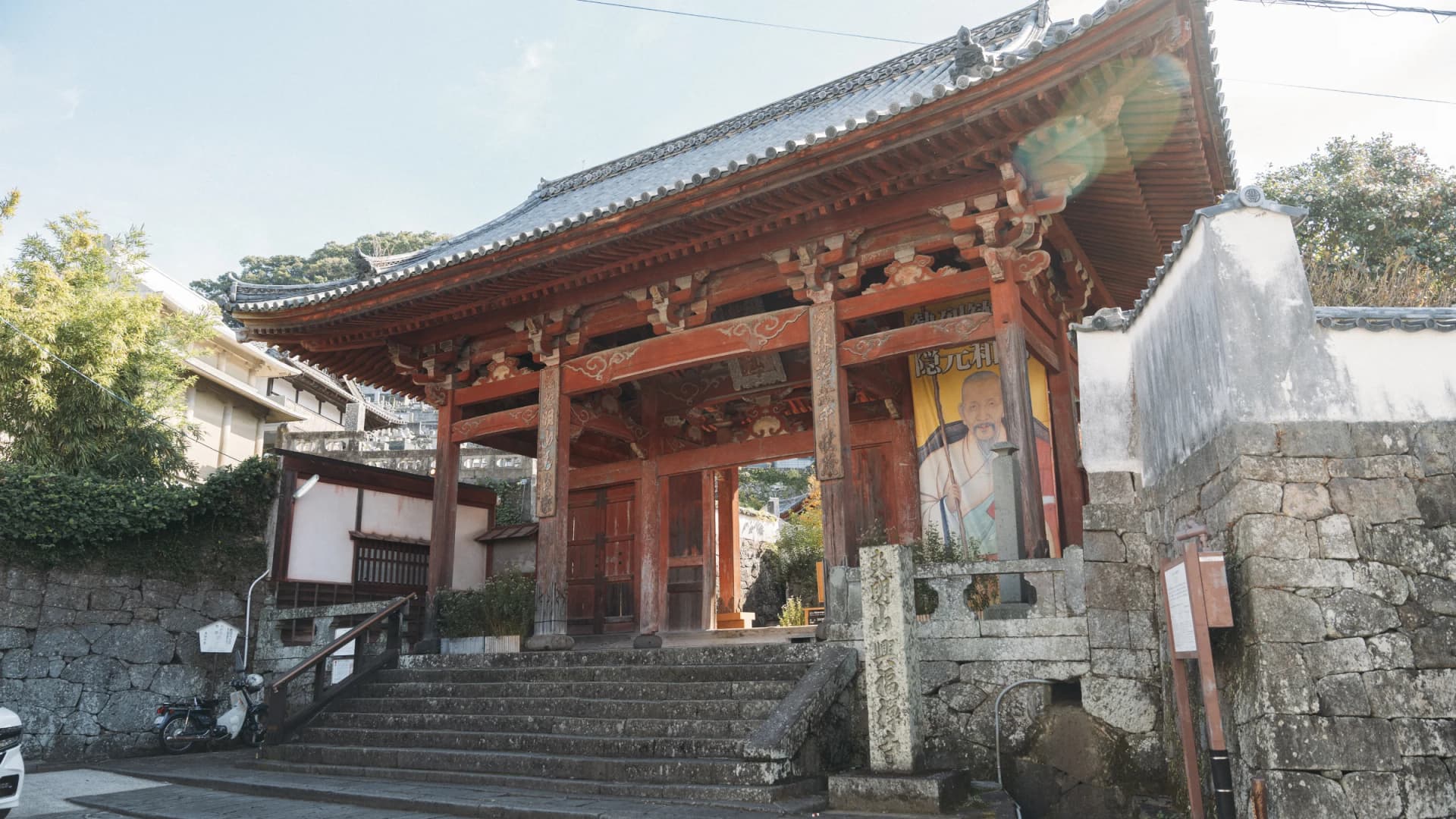
Kofukuji Temple
The first Chinese temple built in Nagasaki, founded in 1620, and the place where the Obaku school of Zen began in Japan.
Nagasaki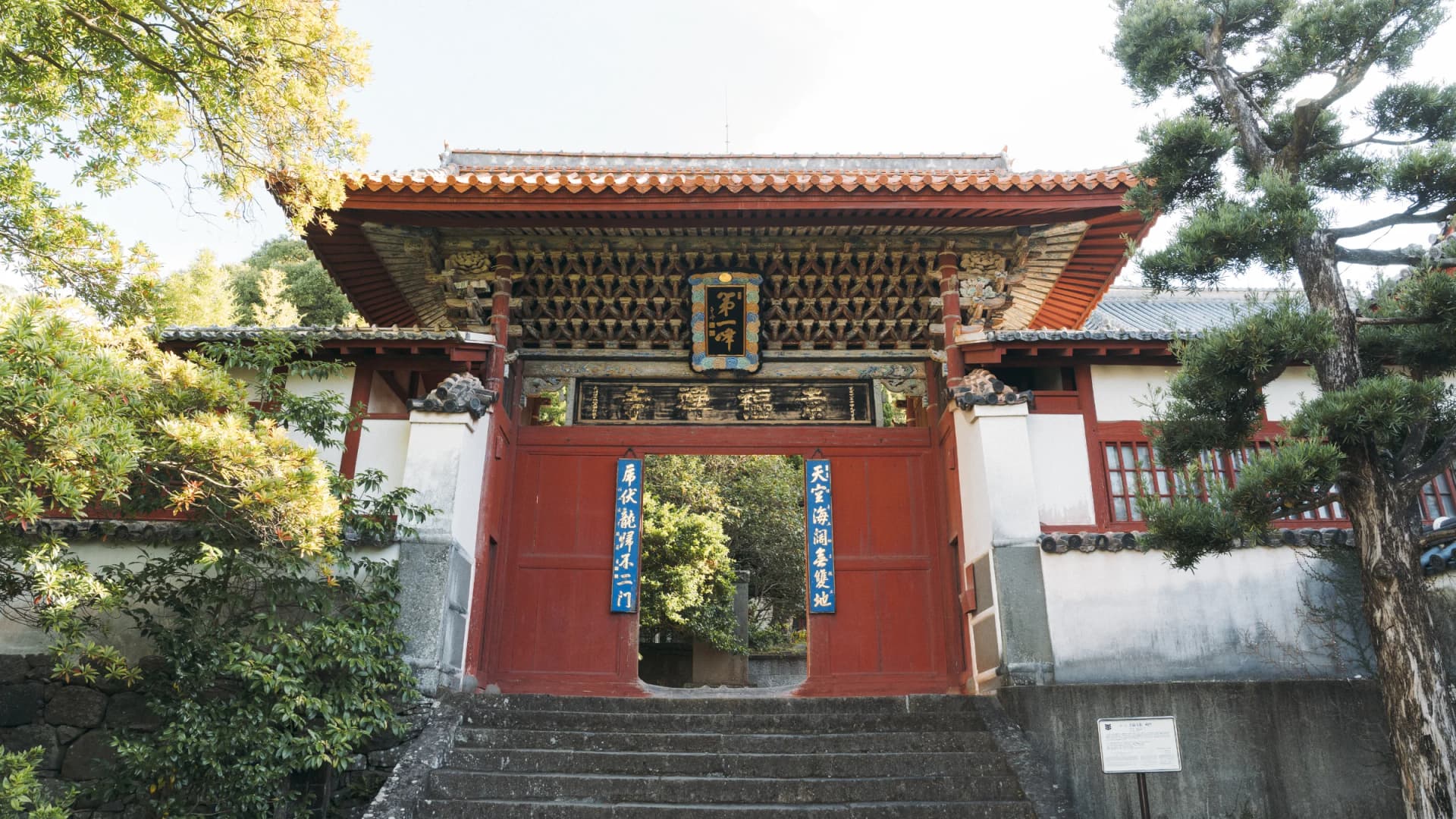
Sofukuji Temple
A Chinese temple in Nagasaki founded in 1629 by merchants from Fujian, with two buildings that are National Treasures.
NagasakiYou might also like

Morioka Fall Festival
One of Iwate's most enduring celebrations, this autumn festival originated as prayers for harvest, now featuring ornate floats and traditional parades.
14–16 Sep 2027 · Dates not yet confirmedMorioka · Iwate
Hifuri Shinji Fire Swinging Ritual
Each spring at Aso Shrine, priests perform the Hifuri Shinji fire-swinging ritual, a mesmerizing ceremony rooted in ancient agricultural tradition.
23 Mar 2027 · Dates not yet confirmedAso · Kumamoto
Kumano Taisha Shrine
One of three major Kumano shrines in Japan, Kumano Taisha was established in 806 and is known as the Ise Shrine of the North for its significance.
Nanyo · Yamagata
Jozankei Shrine
A Shinto shrine in Sapporo's Jozankei hot spring resort area, dedicated to the god of hot springs and healing, surrounded by nature and autumn foliage.
Sapporo · Hokkaido
Kanamara Matsuri "Festival of the Steel Phallus"
An annual Shinto festival at Kanayama Shrine in Kawasaki featuring distinctive phallic imagery in decorations and parades while raising funds for HIV research.
5 Apr 2027 · Dates not yet confirmedKawasaki · Kanagawa
Osaki Hachimangu Shrine
Built between 1604 and 1607 under Date Masamune, this shrine showcases Momoyama-era architecture with an intricate main hall designated as a National Treasure.
Sendai · Miyagi