Kumano Shrine (Kawagoe)
川越熊野神社
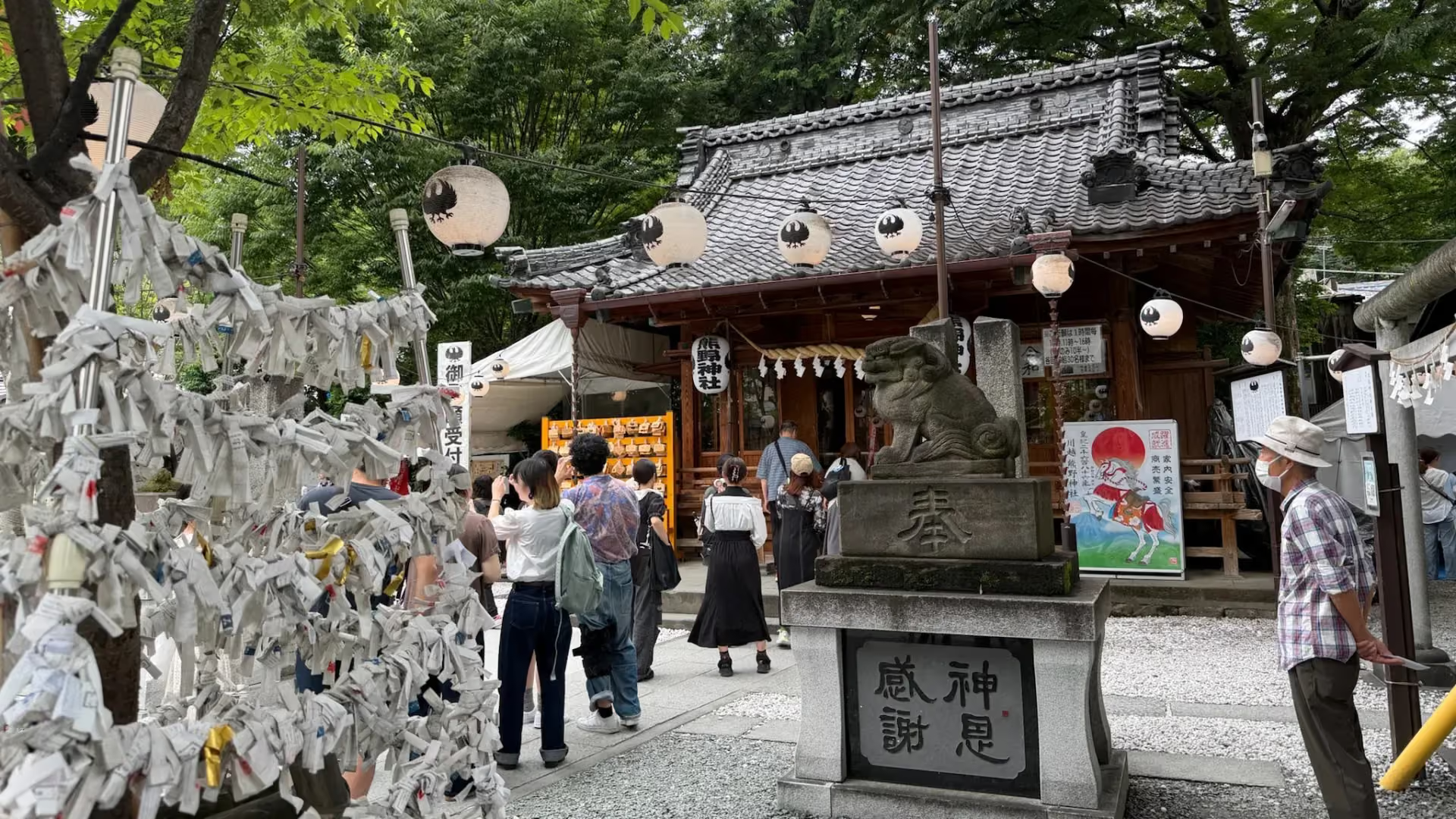
Founded in 1590 in Kawagoe, Kumano Shrine honours the Kumano deities and the yatagarasu crow, drawing visitors seeking fortune, love, and protection.
〒 350-0066How to get there
本川越Seibu Shinjuku Line11 min walk from the station
Kawagoe Kumano Shrine carries the lineage of the great Kumano shrines of Kii (present-day Wakayama) - and with it, a reputation as a place of good fortune, matchmaking, and protection from misfortune. According to the shrine's own records, it was founded in 1590 by the second head priest of the nearby temple Renkeiji, who enshrined the deities of Kumano here. It soon became the guardian shrine of the local Matsugo district. In 1713, the shrine hall was rebuilt and its torii - the traditional gateway marking the entrance to a Shinto shrine - reconstructed in stone, and that same stone gate still stands today as the shrine's second torii.
The Deities
The shrine enshrines four Kumano deities: Izanagi, Izanami, Kotosaka no O no Mikoto, and Hayatama no O no Mikoto.
Izanagi and Izanami are Japanese mythology's first married couple, said to have established marriage itself and given birth to Japan's islands and its kami. This creation story is why the shrine is revered for en-musubi (matchmaking) and good fortune. Izanagi holds further stature as the father of Amaterasu and Susanoo, and the purification ritual of misogi is traced back to his own act of cleansing in the Kojiki, Japan's oldest chronicle.
Kotosaka no O no Mikoto and Hayatama no O no Mikoto are said to have appeared when Izanagi left the underworld, Yomi. Both are tied to the cleansing of impurity, and are worshipped here as gods of yakuyoke - warding off misfortune.
The shrine's crest bears the Yatagarasu, the three-legged crow of Kumano legend - a bird tied to dawn and the sun, believed to lead people out of darkness toward hope. According to legend, it guided Emperor Jinmu through the mountains of Kumano to Yamato, cementing its role as a symbol of guidance. Its three legs are said to represent heaven, earth, and humanity. Today, this same crow appears as the emblem of the Japan Football Association.
Getting There

Planning a trip? Fit this into a trip and Oni plans the rest around it.
Places nearby
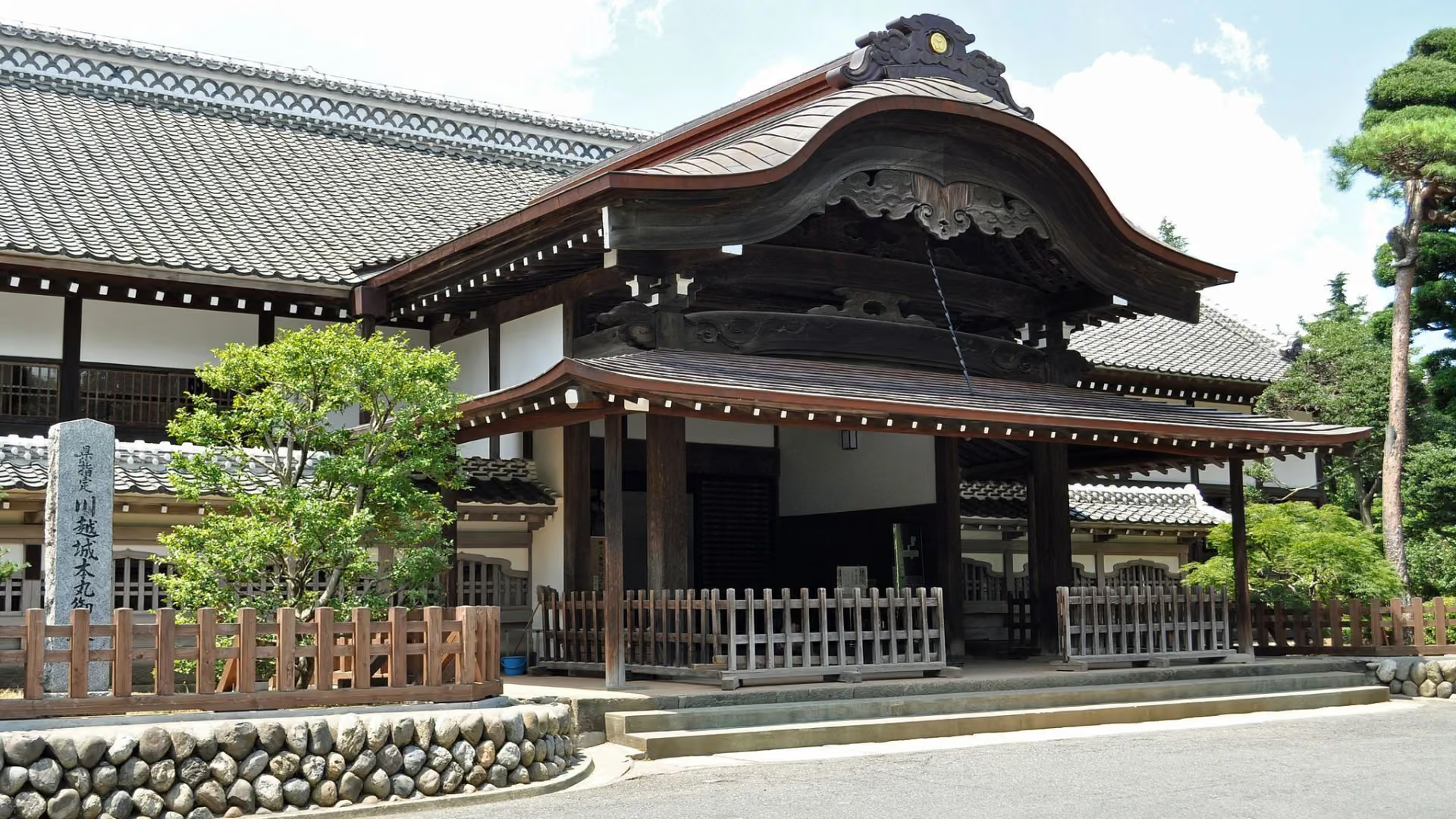
Remains of Kawagoe Castle
Remains of a castle first built in 1457 in Kawagoe, where the preserved Honmaru Goten residence holds exhibits on feudal-era architecture and history.
Kawagoe · Saitama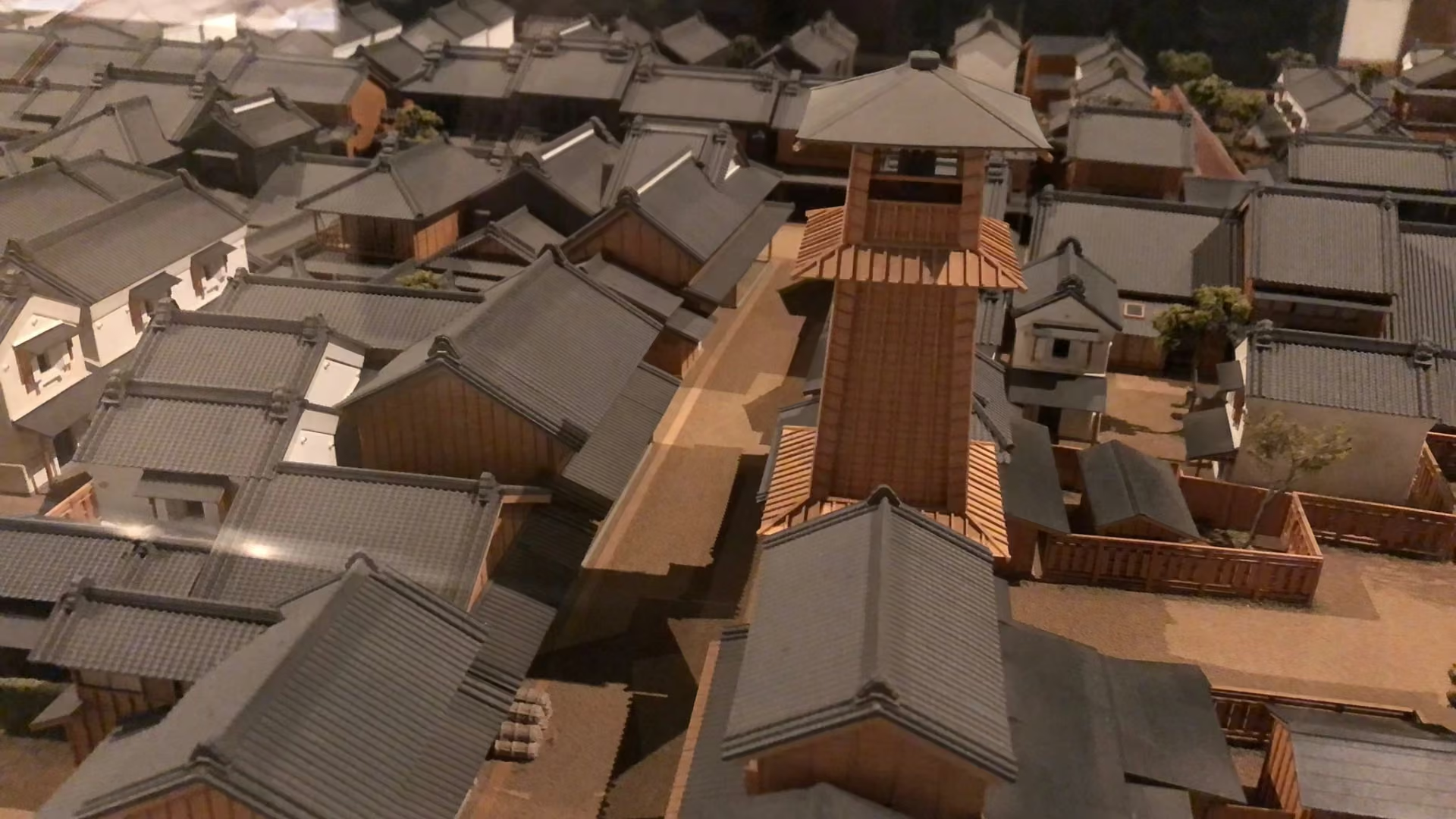
Kawagoe City Museum
Museum exhibiting Kawagoe's cultural heritage from prehistoric times to the present across five themed historical sections.
Kawagoe · SaitamaYou might also like
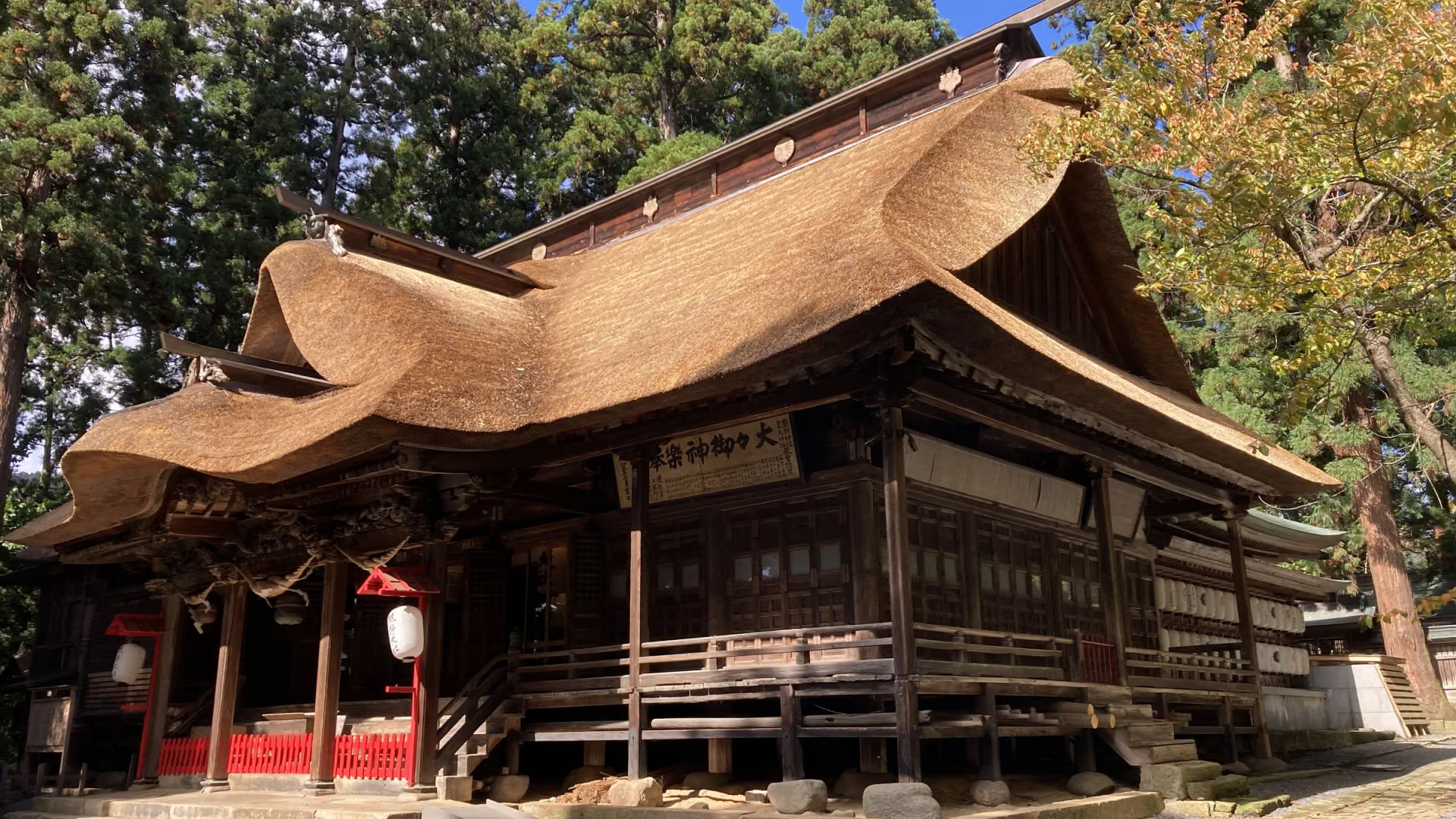
Kumano Taisha Shrine
One of three major Kumano shrines in Japan, Kumano Taisha was established in 806 and is known as the Ise Shrine of the North for its significance.
Nanyo · Yamagata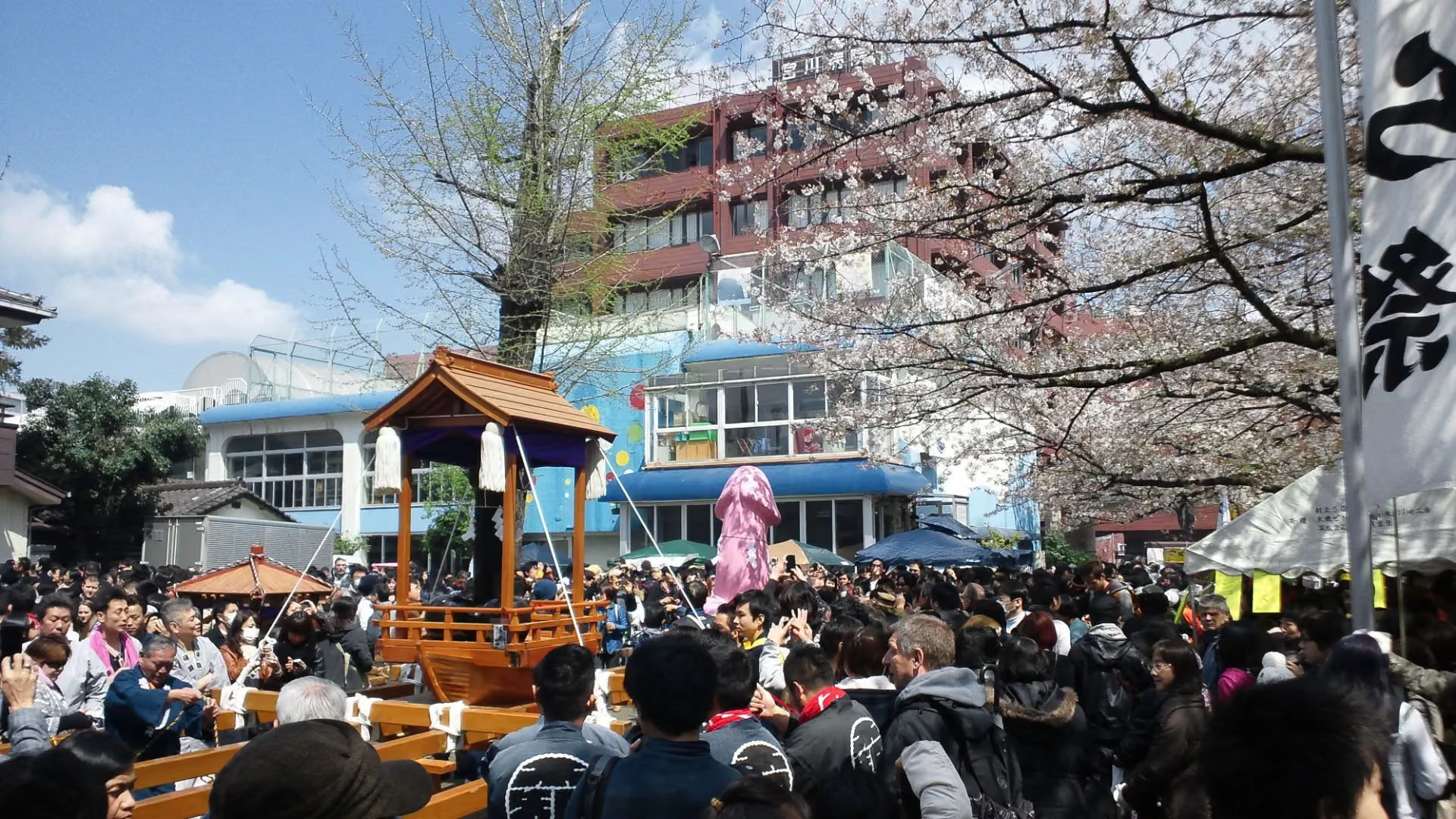
Kanamara Matsuri "Festival of the Steel Phallus"
An annual Shinto festival at Kanayama Shrine in Kawasaki featuring distinctive phallic imagery in decorations and parades while raising funds for HIV research.
5 Apr 2027Exact date not confirmed yetKawasaki · Kanagawa
Dontosai Festival
An annual winter ritual in Sendai features the ceremonial burning of New Year decorations followed by a sacred pilgrimage procession in traditional attire.
14 Jan 2027Exact date not confirmed yetSendai · Miyagi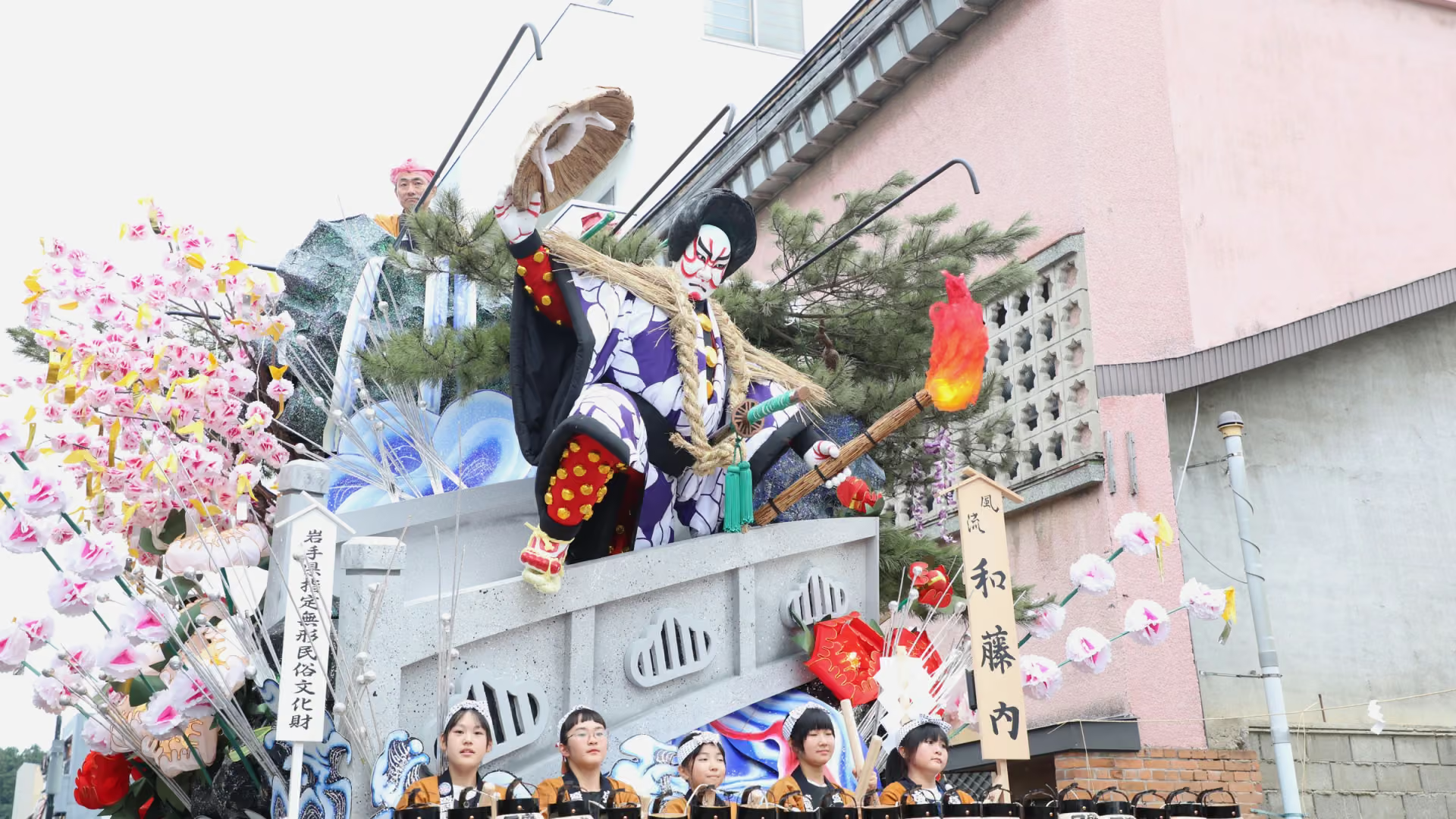
Morioka Fall Festival
One of Iwate's most enduring celebrations, this autumn festival originated as prayers for harvest, now featuring ornate floats and traditional parades.
14–16 Sep 2027Exact date not confirmed yetMorioka · Iwate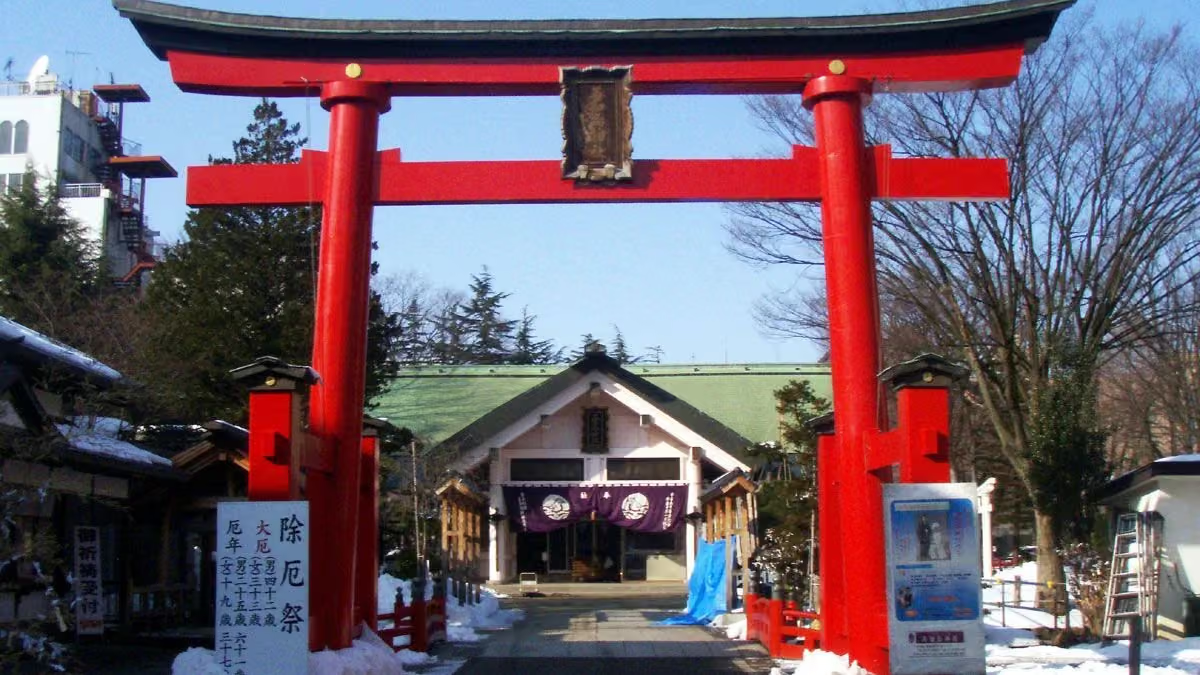
Uto Shrine
Guardian shrine of Aomori dedicated to the Three Goddesses of Munakata, with a sacred spring and historic remains including haiku stones by Matsuo Basho.
Aomori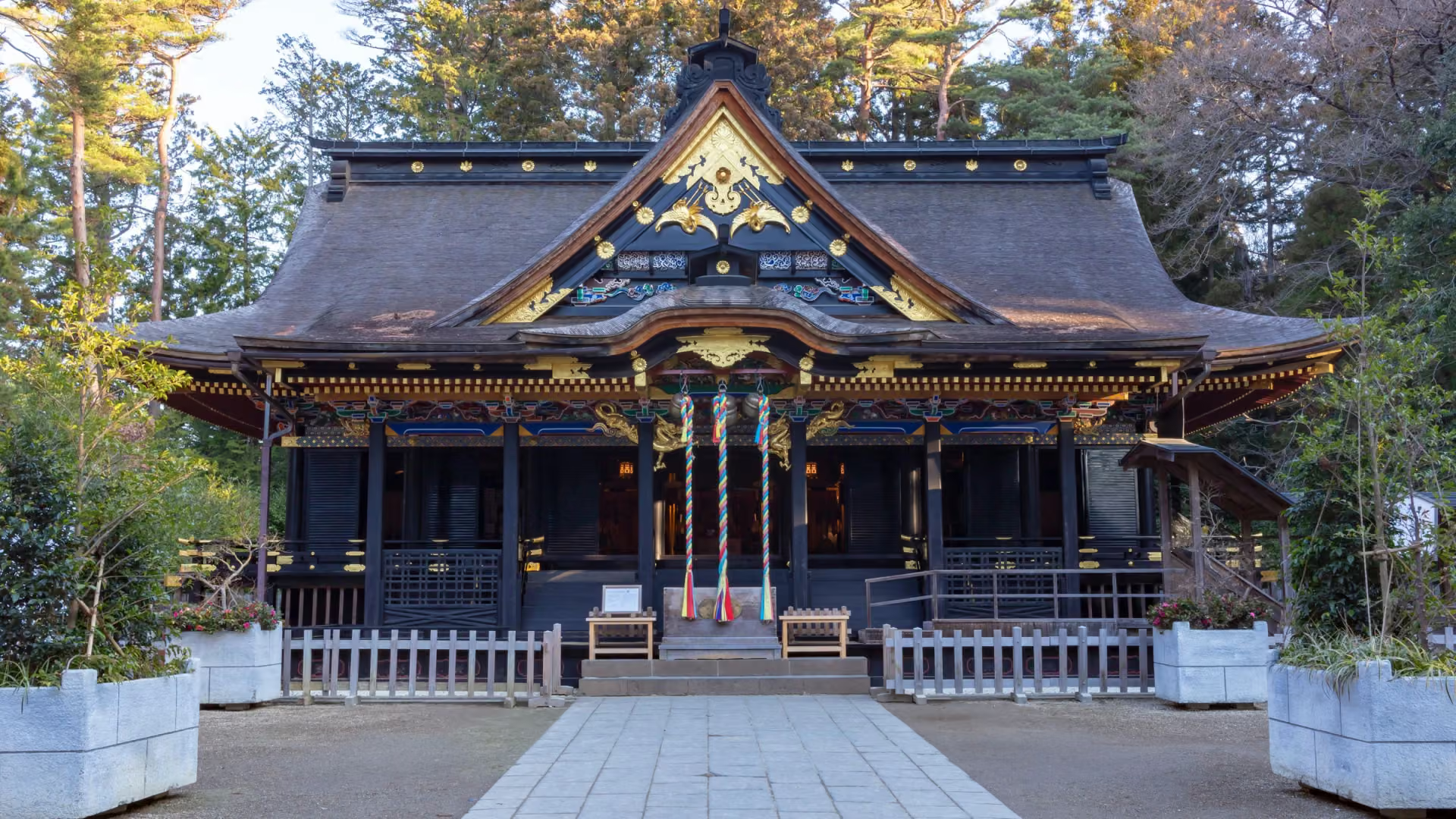
Osaki Hachimangu Shrine
Built between 1604 and 1607 under Date Masamune, this shrine showcases Momoyama-era architecture with an intricate main hall designated as a National Treasure.
Sendai · Miyagi