Morioka Hachimangu Shrine
盛岡八幡宮
Shinto shrine dedicated to Hachiman, god of war and samurai patron, hosting an annual August festival featuring traditional taiko drums and horseback archery.
〒 020-0872How to get there
仙北町Tohoku Main Line26 min walk from the station
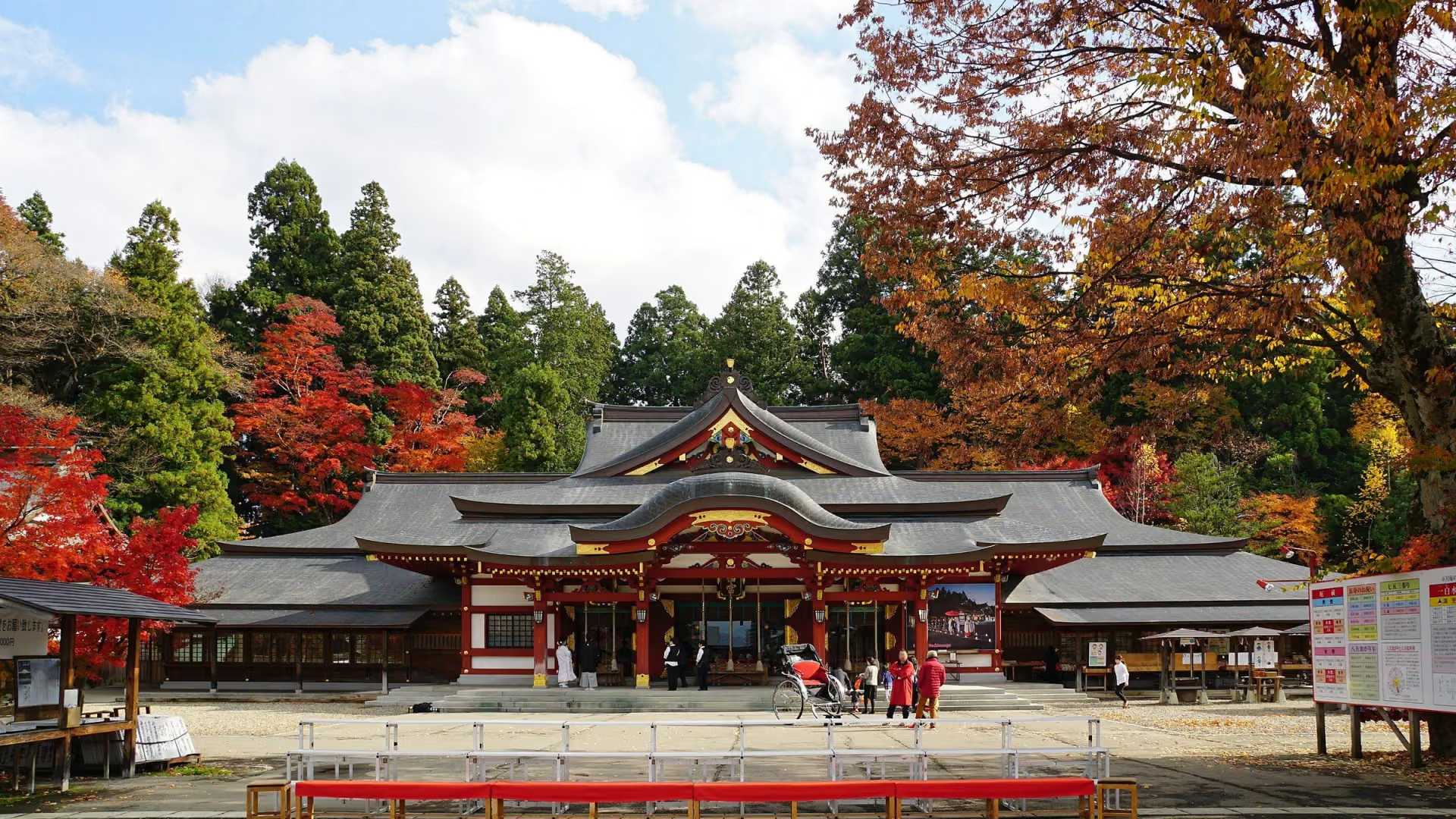
Morioka Hachimangu is a Shinto shrine located in Morioka city, Japan, dedicated to the worship of Hachiman, the god of war and patron of the samurai. The shrine has a long history and is considered to be one of the most important religious sites in the area. The shrine's main hall, built in traditional Japanese architectural style, houses an enshrined statue of Hachiman and is surrounded by a large courtyard. The shrine also features a beautiful garden, which is a popular spot for visitors to relax and enjoy the natural beauty of the area.
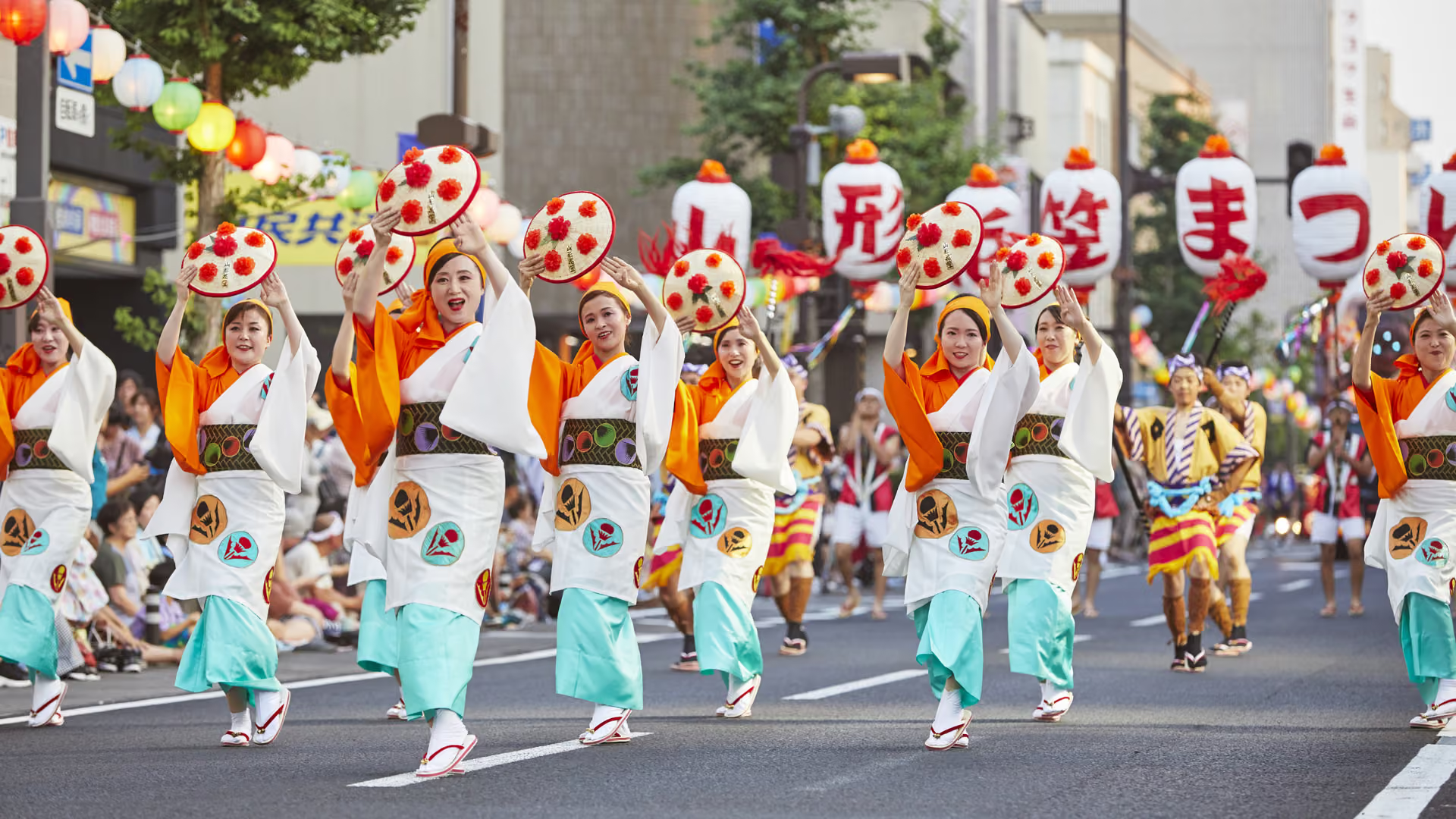
The shrine is also known for its annual festival, the Hachiman Festival, held in August, featuring traditional performances, such as the Taiko drums, floats and parades. Visitors can also see the traditional performance of Yabusame, a type of horseback archery which is an important part of the festival. The shrine provides an interesting insight into the spiritual and cultural history of the area, and is a popular destination for both locals and tourists alike.
What's on here
| Date | Event | Details |
|---|---|---|
| June 2027 | ||
| 14 Jun 2027Date to be confirmed | Chagu Chagu Umakko Festival | |
| September 2027 | ||
| 14–16 Sep 2027Date to be confirmed | Morioka Fall Festival | |
Getting There

Planning a trip? Fit this into a trip and Oni plans the rest around it.
Places nearby
Morioka History and Culture Museum
Museum opened 2011 within Morioka Castle Ruins Park, treating the historic fort grounds as its primary exhibit while promoting the surrounding castle-town area.
Morioka · Iwate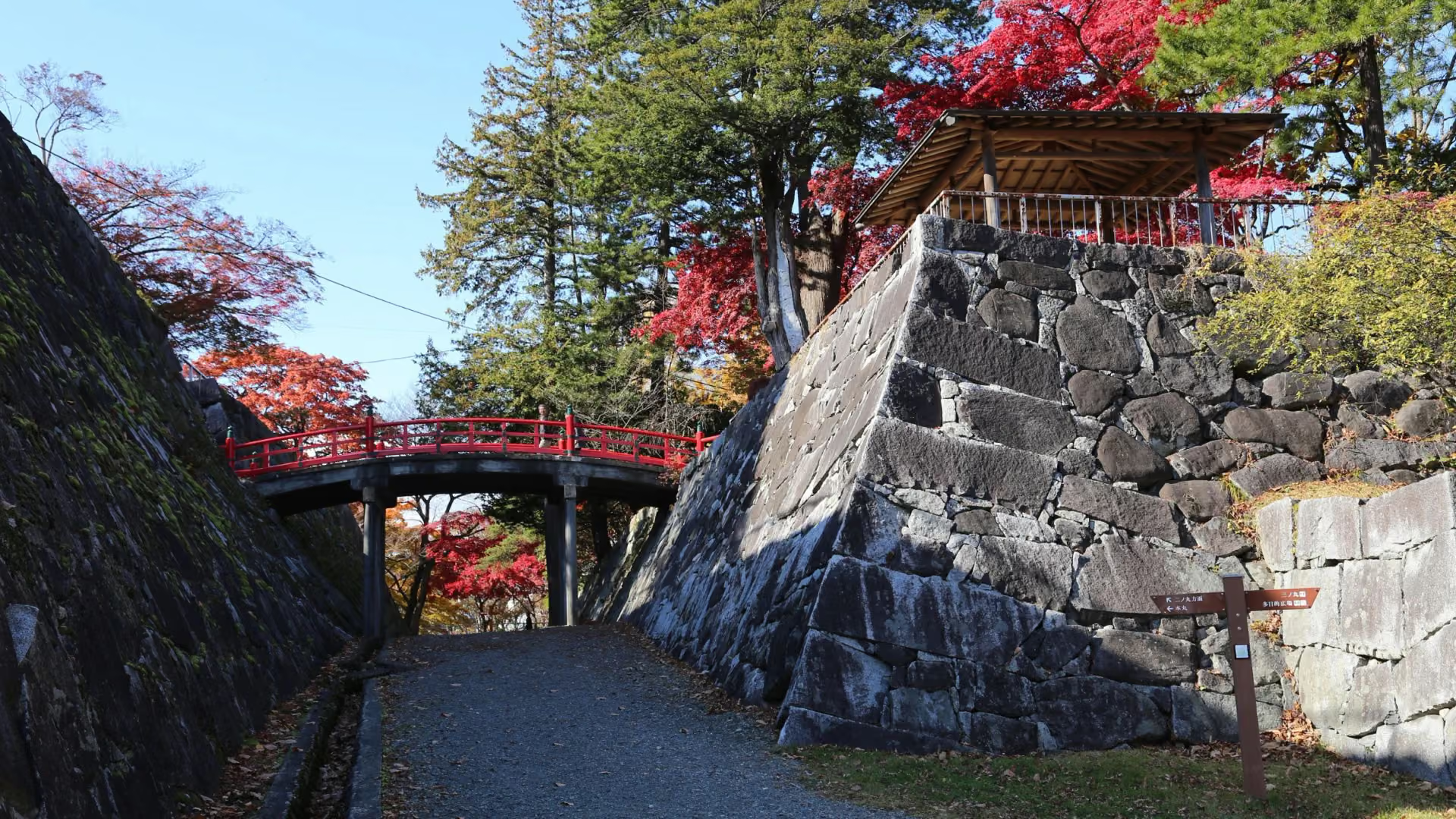
Morioka Castle Ruins
Castle ruins built in 1597 at a strategic river confluence, serving as a northern sentinel monitoring trade routes for over 700 years.
Morioka · Iwate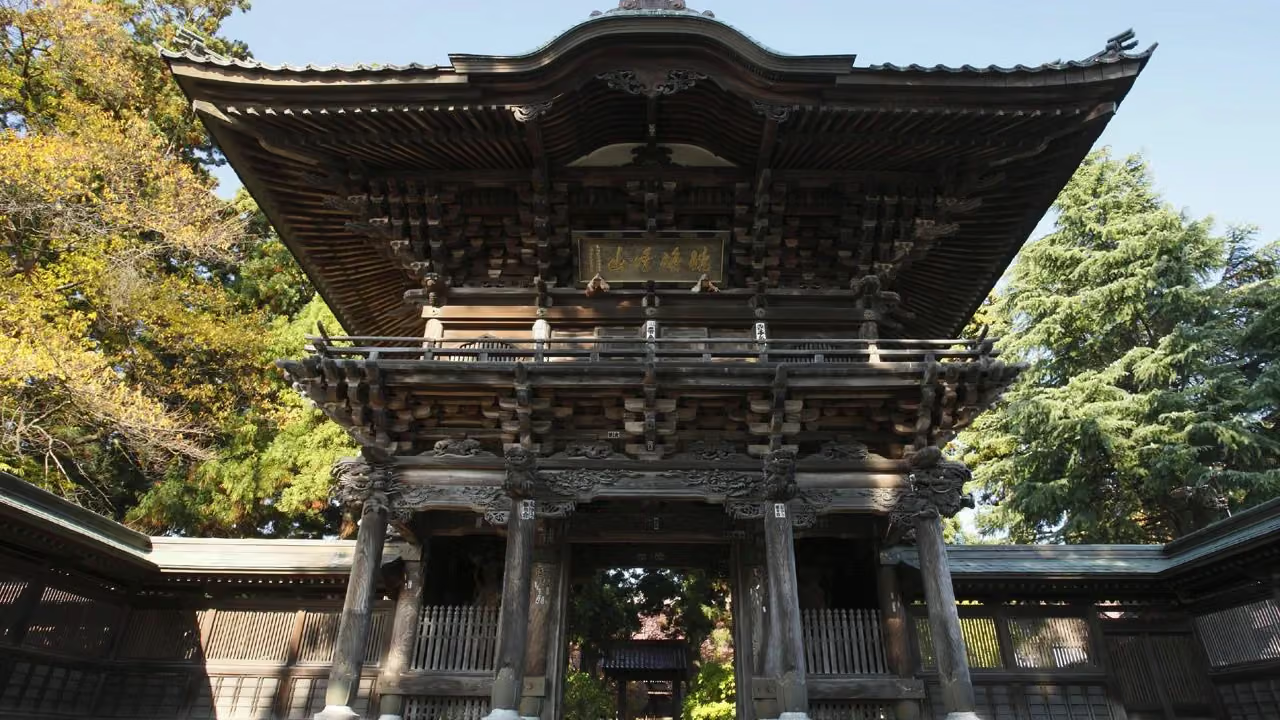
Hoon-ji
Zen temple founded in 1394 and relocated to Morioka in 1601, renowned for its exceptional collection of 500 wooden Rakan enlightened-disciple statues.
Morioka · IwateYou might also like
Kuji Autumn Festival
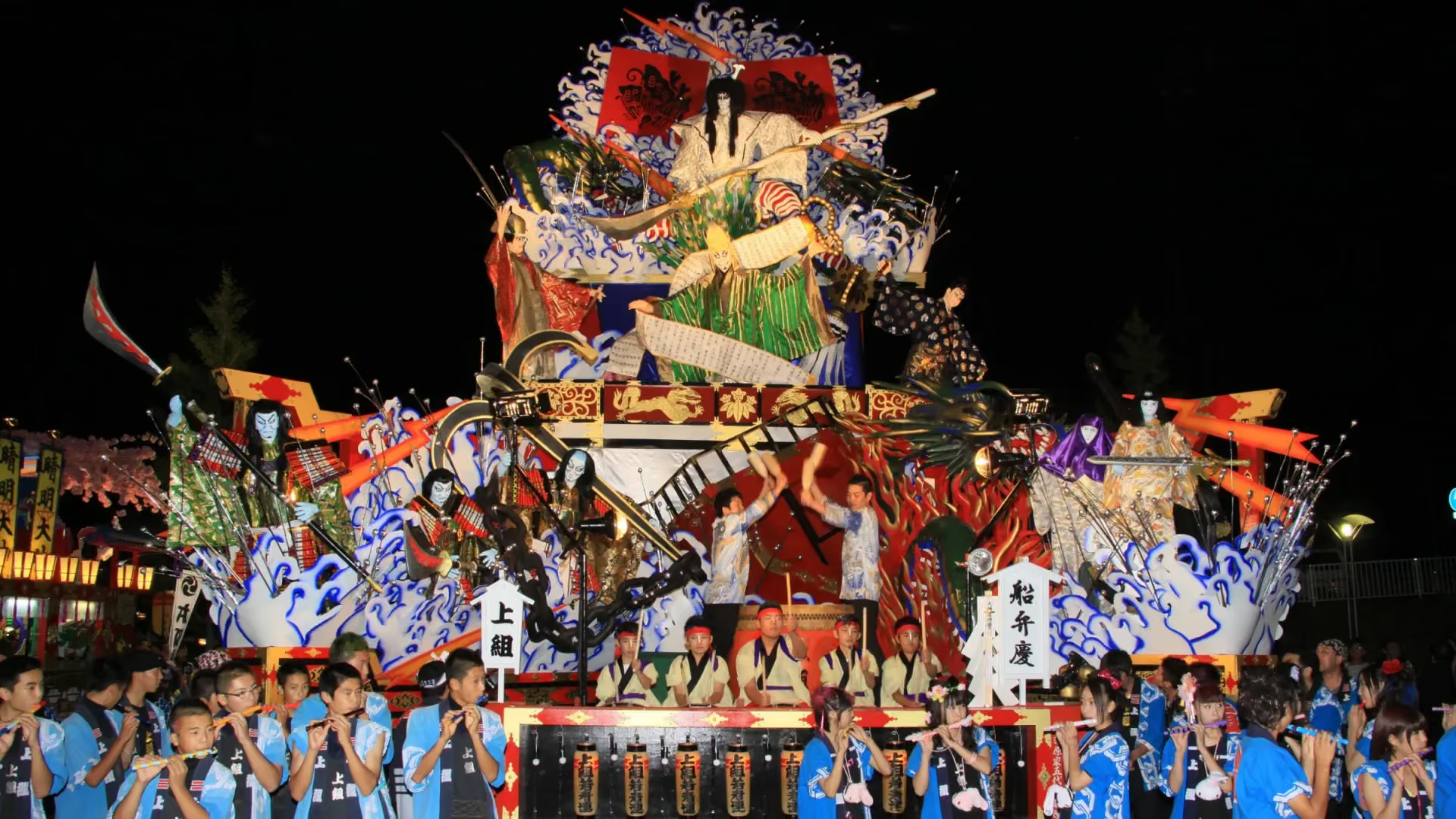
This festival in Kuji, a coastal city in northern Iwate, over 650 years old, gives thanks for the harvest and prays for protection and good fortune.
17–20 Sep 2027Exact date not confirmed yetKuji · Iwate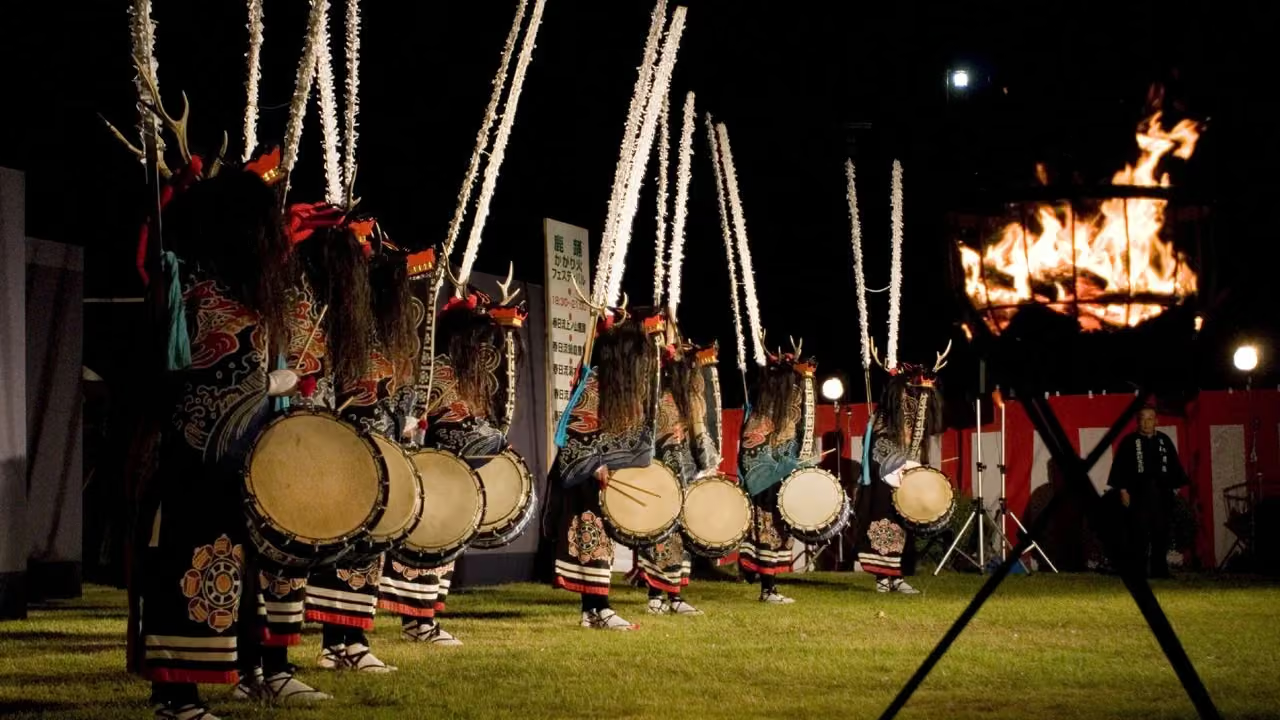
Hanamaki Festival
This centuries-old festival features over 100 mikoshi shrines and floats, with the Shishi-Odori deer dance and sacred Kagura-Gongenmai performance.
11–13 Sep 2027Exact date not confirmed yetHanamaki · Iwate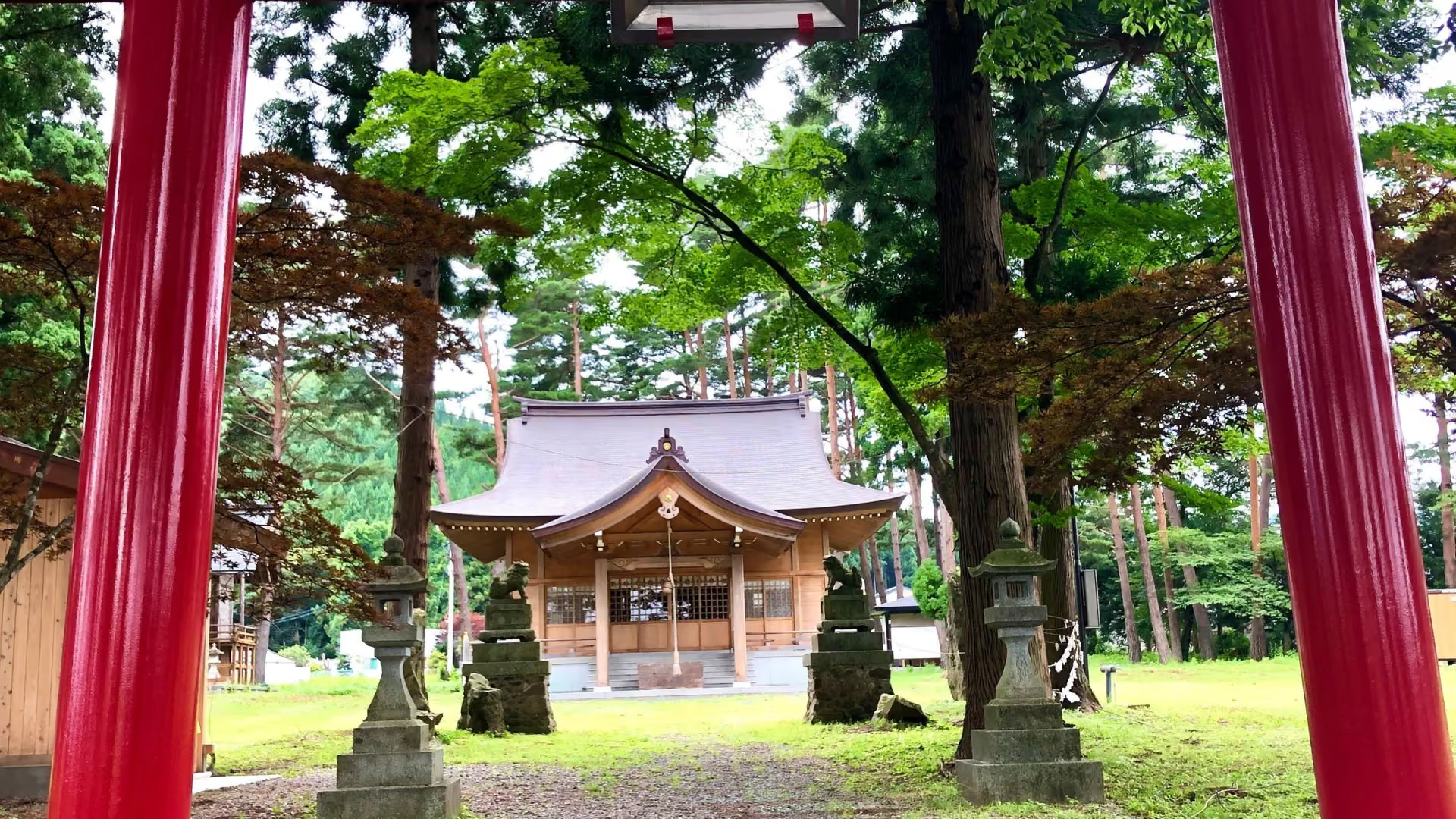
Onikoshi Sozen Shrine
Shinto shrine dedicated to Sozen, an Edo-period samurai warrior, established in the early eighteenth century and surrounded by a serene garden.
Takizawa · Iwate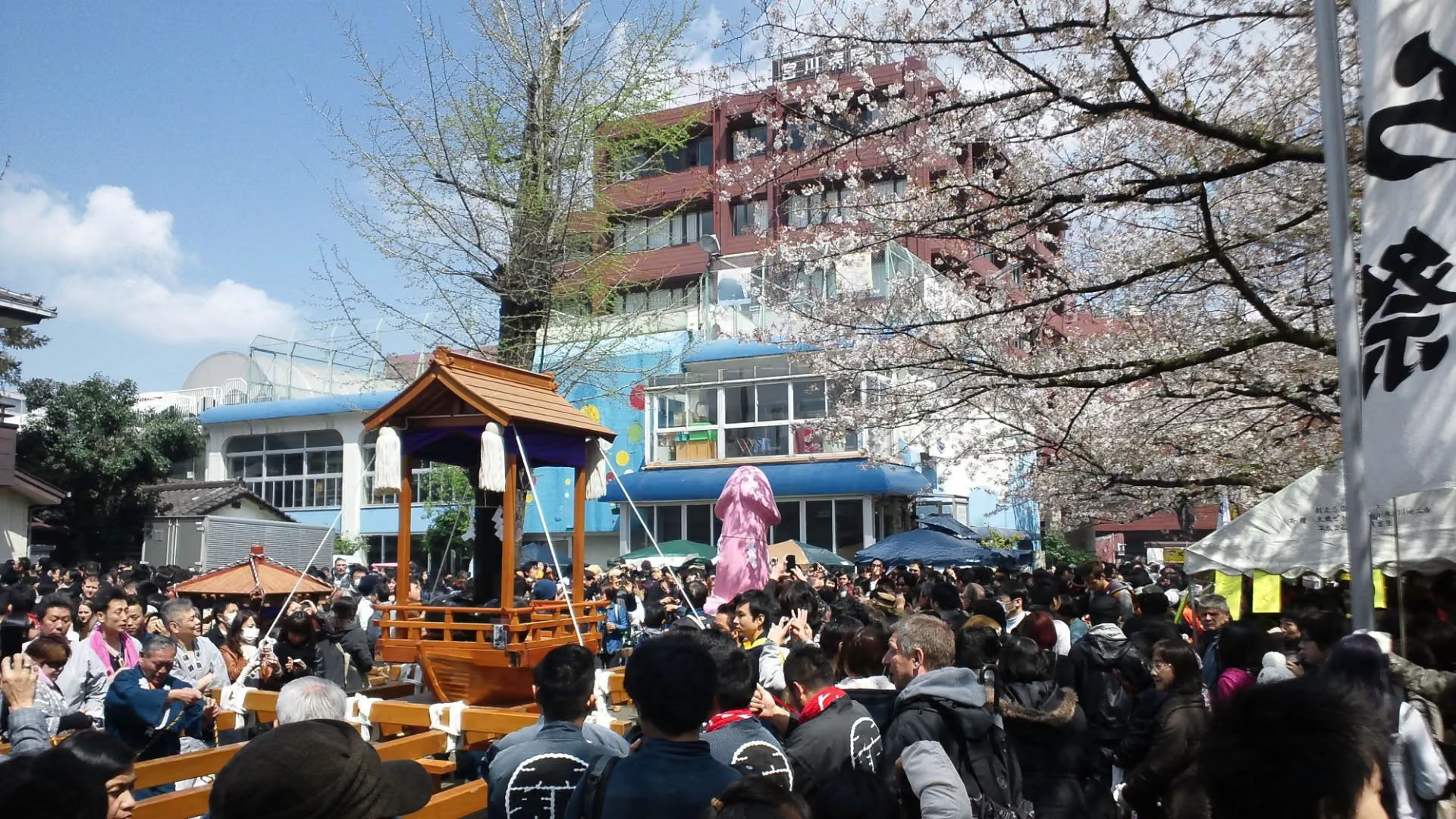
Kanamara Matsuri "Festival of the Steel Phallus"
An annual Shinto festival at Kanayama Shrine in Kawasaki featuring distinctive phallic imagery in decorations and parades while raising funds for HIV research.
5 Apr 2027Exact date not confirmed yetKawasaki · Kanagawa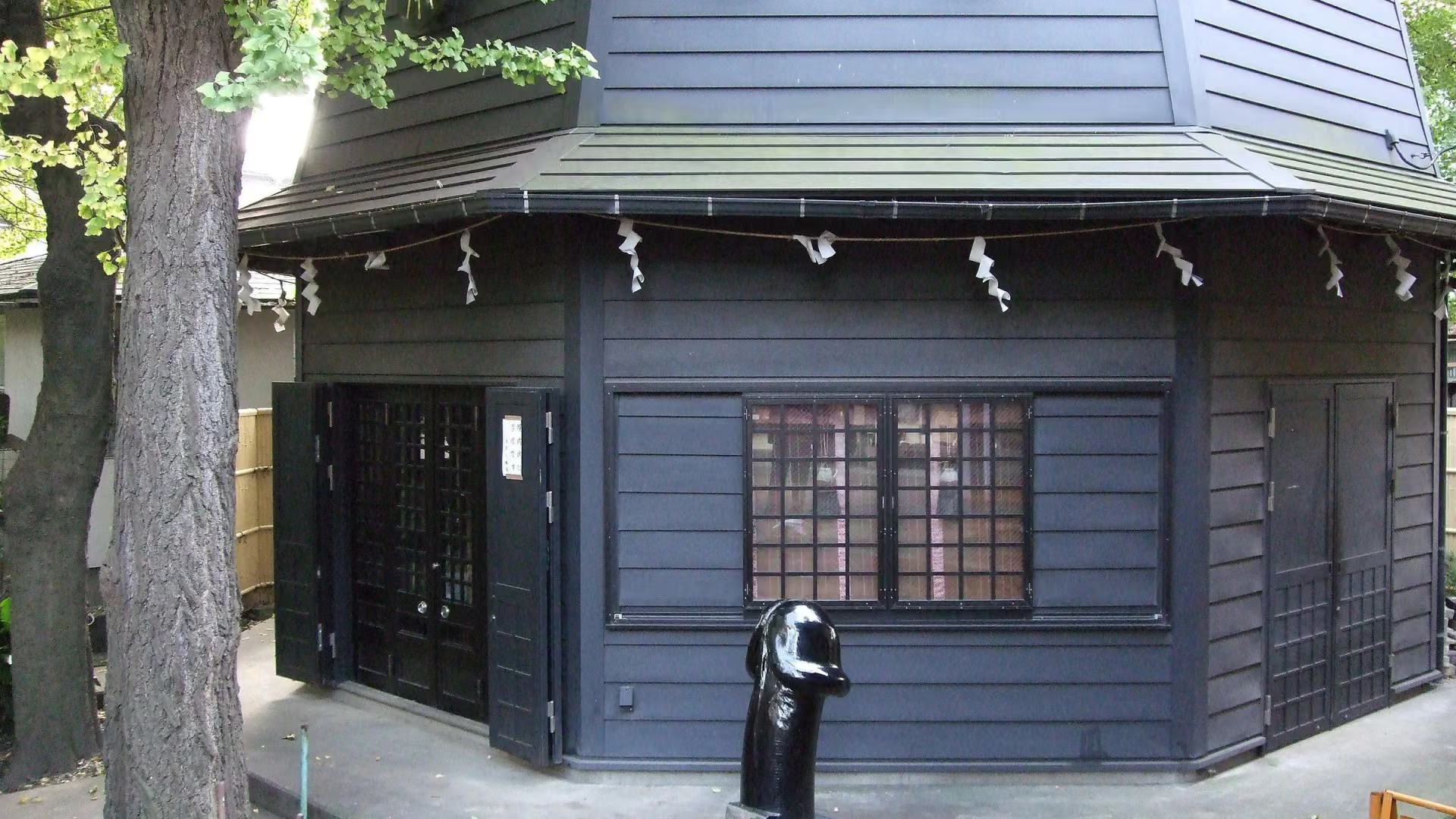
Kanayama Shrine
Shrine dedicated to metalworking deities, famous for the annual Kanamara Matsuri celebrating fertility and well-being, with origins in the Edo period.
Kawasaki · Kanagawa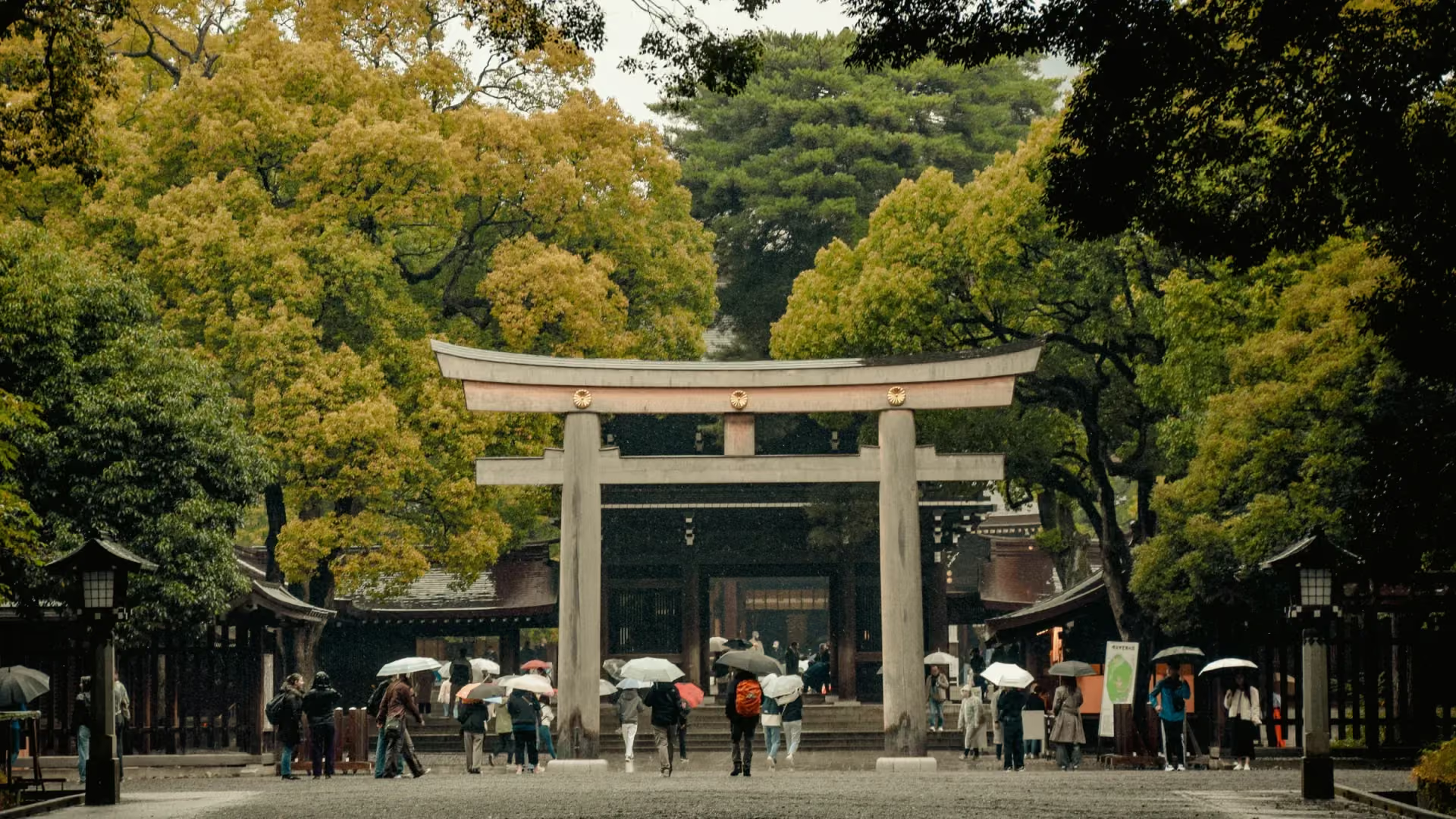
Meiji Jingu
Meiji Jingu is a Shinto shrine in Shibuya, Tokyo, dedicated to Emperor Meiji and Empress Shoken, set within a vast man-made forest of around 100,000 trees
Tokyo