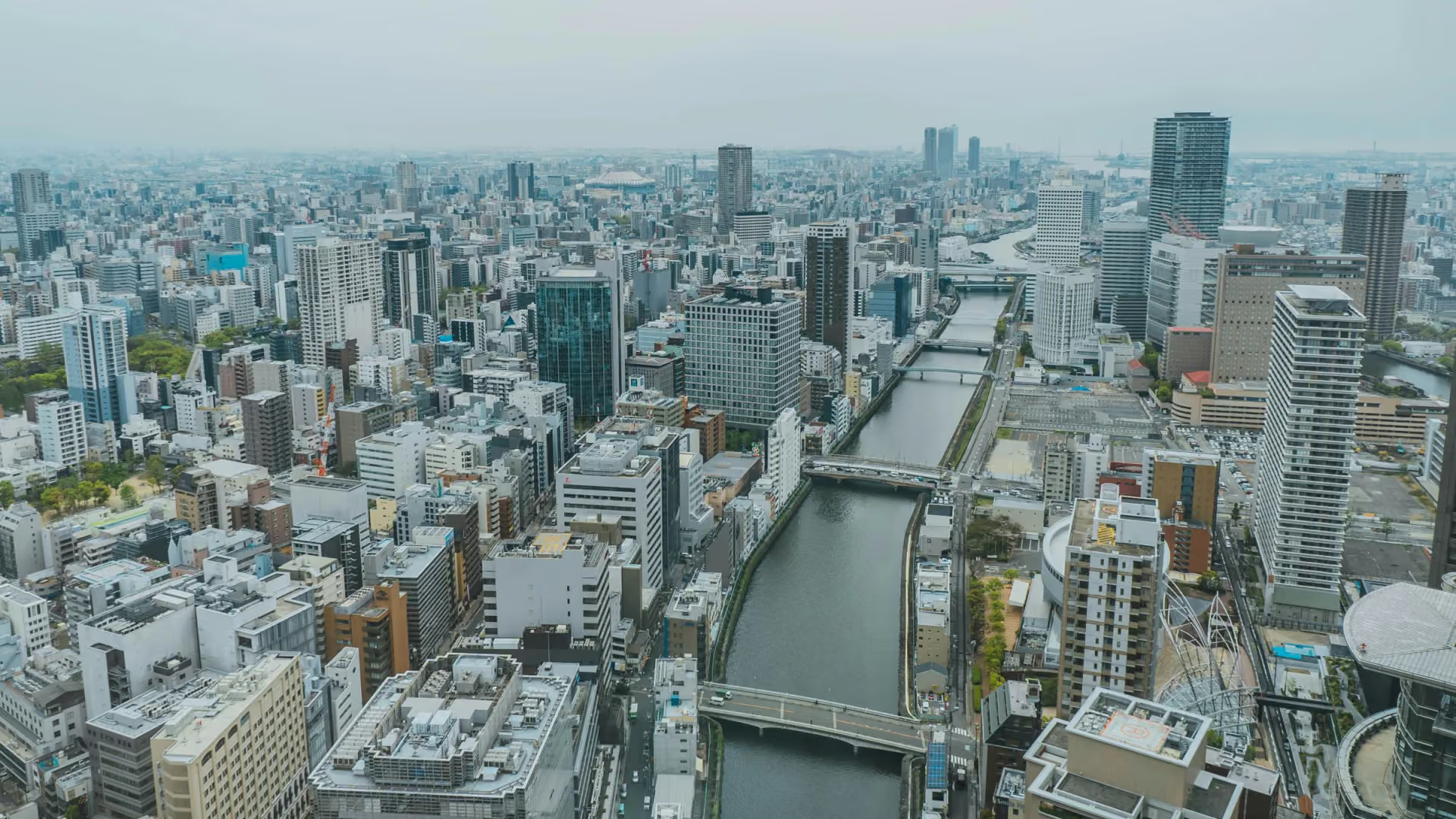
Todai-ji
東大寺
The head temple of the Kegon school in Nara, whose Great Buddha Hall holds a seated bronze Buddha about 15 metres tall, consecrated in 752.
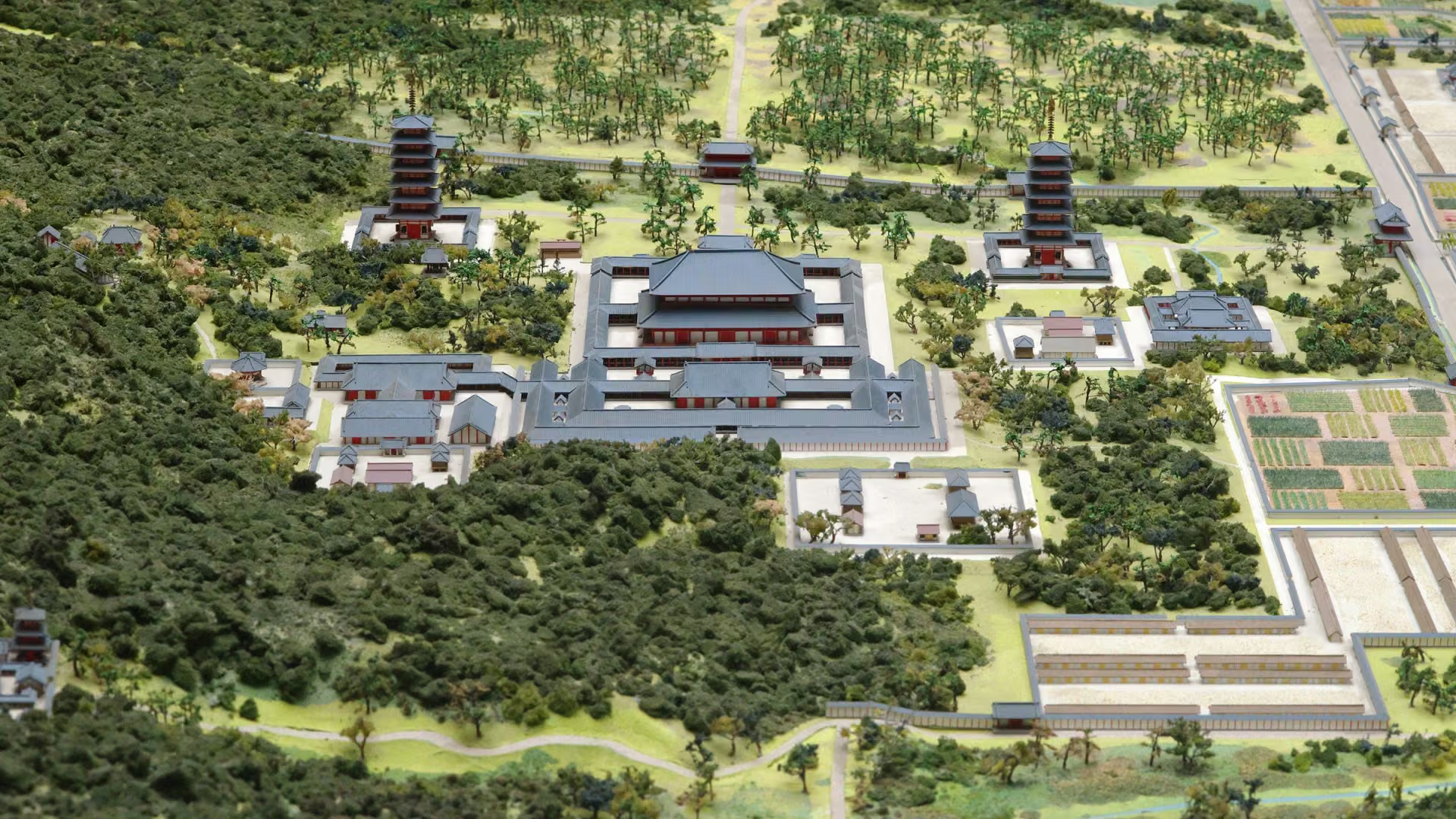
Hours of the Daibutsuden. The Hokkedo and Kaidando open 8:30 to 16:00 all year. The Todaiji Museum opens 9:30 to 17:30 from April to October and 9:30 to 17:00 from November to March, last entry 30 minutes before closing. Open every day except for special events.
〒 630-8587How to get there
近鉄奈良Kintetsu Kyoto Line · Kintetsu Nara Line20 min walk from the station
Todai-ji is a Buddhist temple in Nara and the head temple of the Kegon school. Its Great Buddha Hall, the Daibutsuden, holds a seated bronze statue of the Buddha Rushana (盧舎那仏), also called Vairocana. The statue is 14.98 metres tall, on a pedestal of 3.05 metres.
History
The temple grew out of an earlier temple on the site, Kinshosen-ji. Emperor Shomu ordered provincial temples built across Japan in 741, and in 743 issued the edict for the Great Buddha. In 749 he declared the Kegon Sutra the foundation of the temple's teaching, and the statue's eye-opening ceremony was held in 752.
The temple counts four founders: Emperor Shomu; the monk Roben, its first head; Gyoki, who raised support for the work among the people; and Bodhisena, who led the eye-opening.
The Great Buddha Hall
The present hall was rebuilt under the monk Kokei and dedicated in 1709. It is 57 metres wide, 50 metres deep and 49 metres high, about 60 percent of the width of the original, and the temple counts it among the largest wooden buildings in the world. The statue, the hall and the octagonal lantern in front of it are National Treasures.
Todai-ji is part of the Historic Monuments of Ancient Nara, a UNESCO World Heritage Site that also covers seven other temples, shrines and sites in Nara.
Getting There

Planning a trip? Fit this into a trip and Oni plans the rest around it.
Places nearby
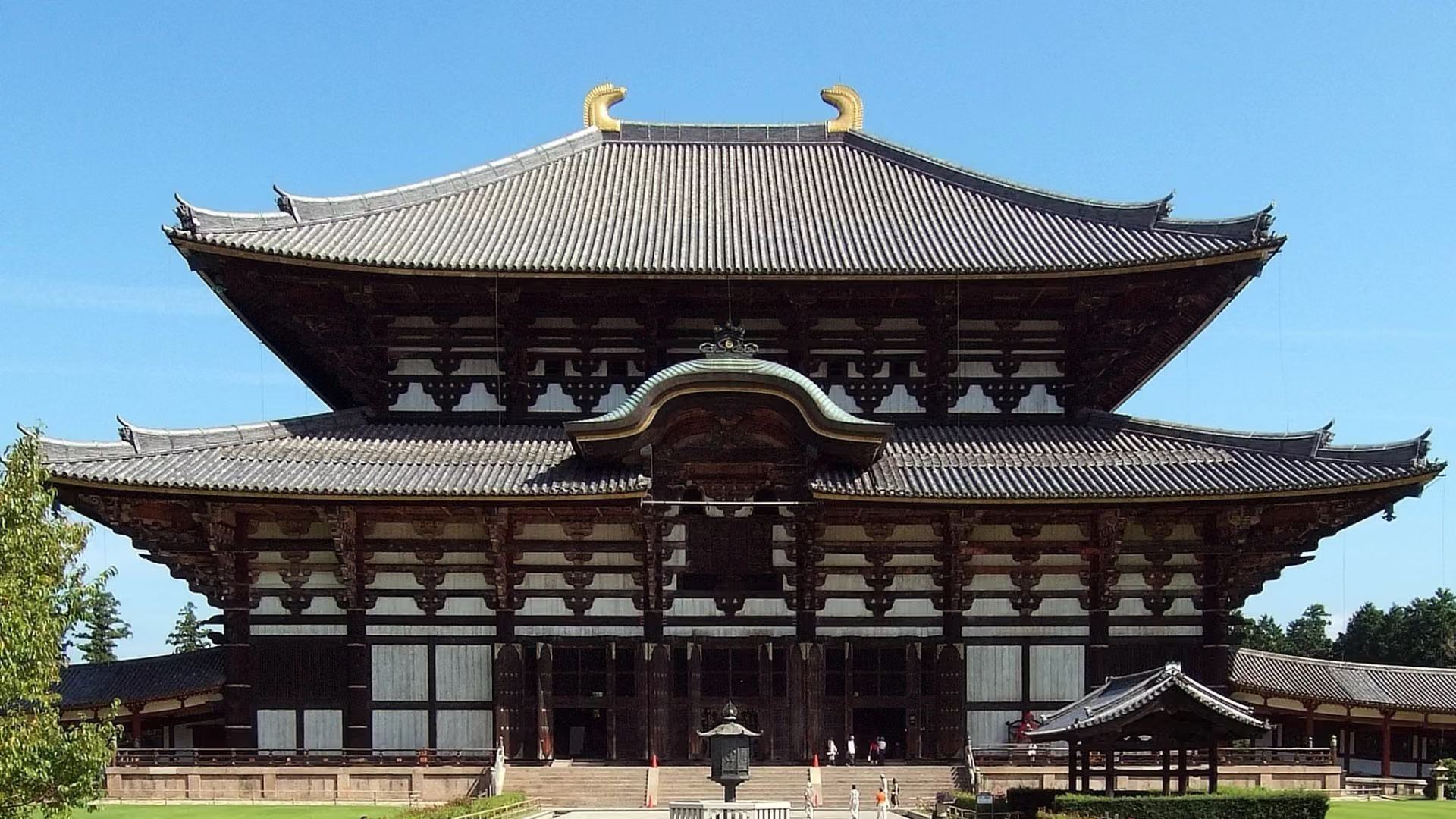
Great Buddha Hall
Todai-ji's main hall and home of the Great Buddha, burned in 1180 and 1567, rebuilt in 1709 and among the largest wooden buildings in the world.
Nara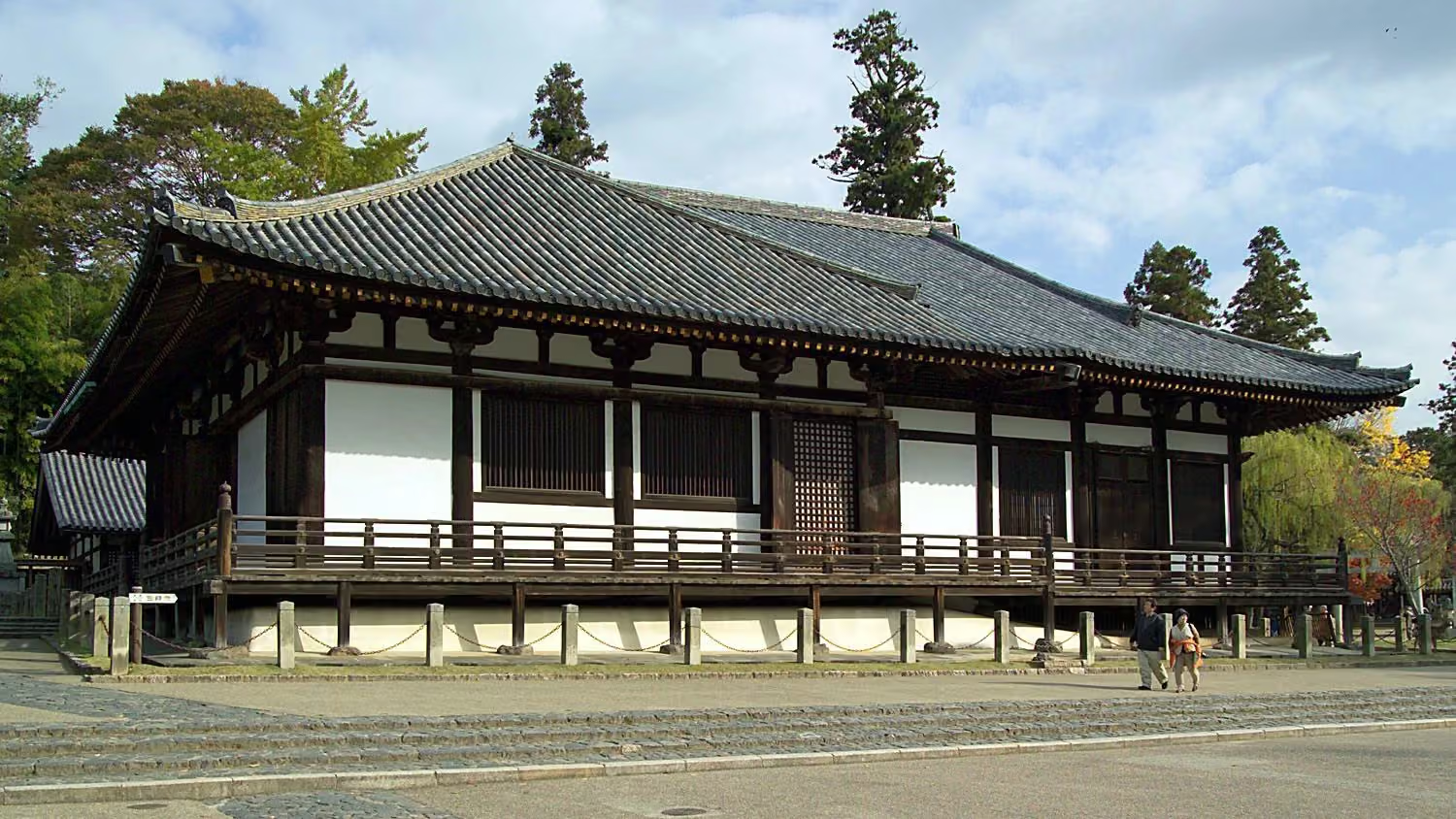
Hokke-do
The oldest building of Todai-ji in Nara, a National Treasure hall of the Tenpyo era holding ten Nara-period statues led by a Fukukensaku Kannon.
Nara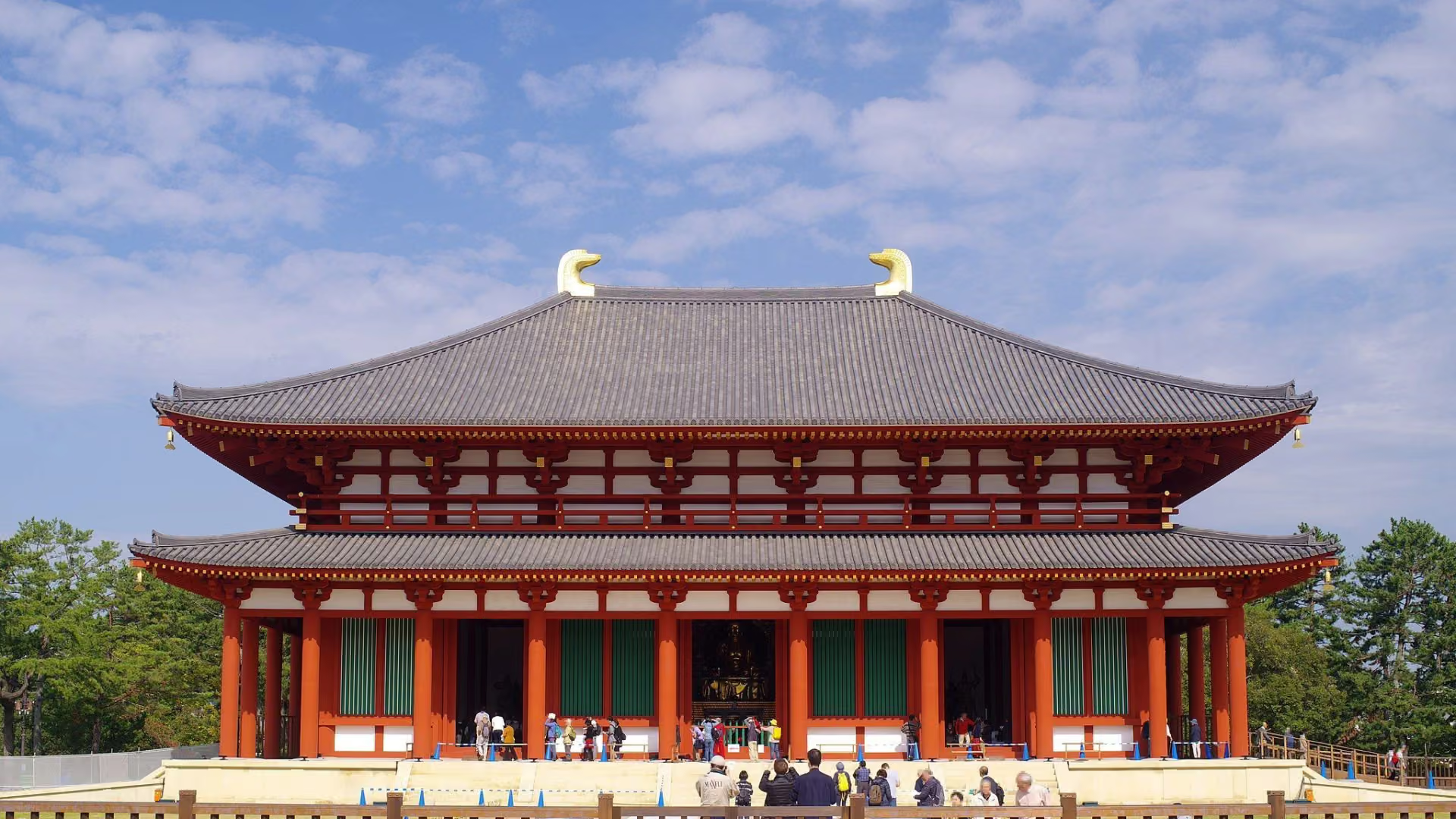
Kofuku-ji
Eighth-century Buddhist temple in Nara, chief sanctuary of the Fujiwara clan and one of Japan's Seven Great Temples, featuring historic pagodas.
NaraYou might also like
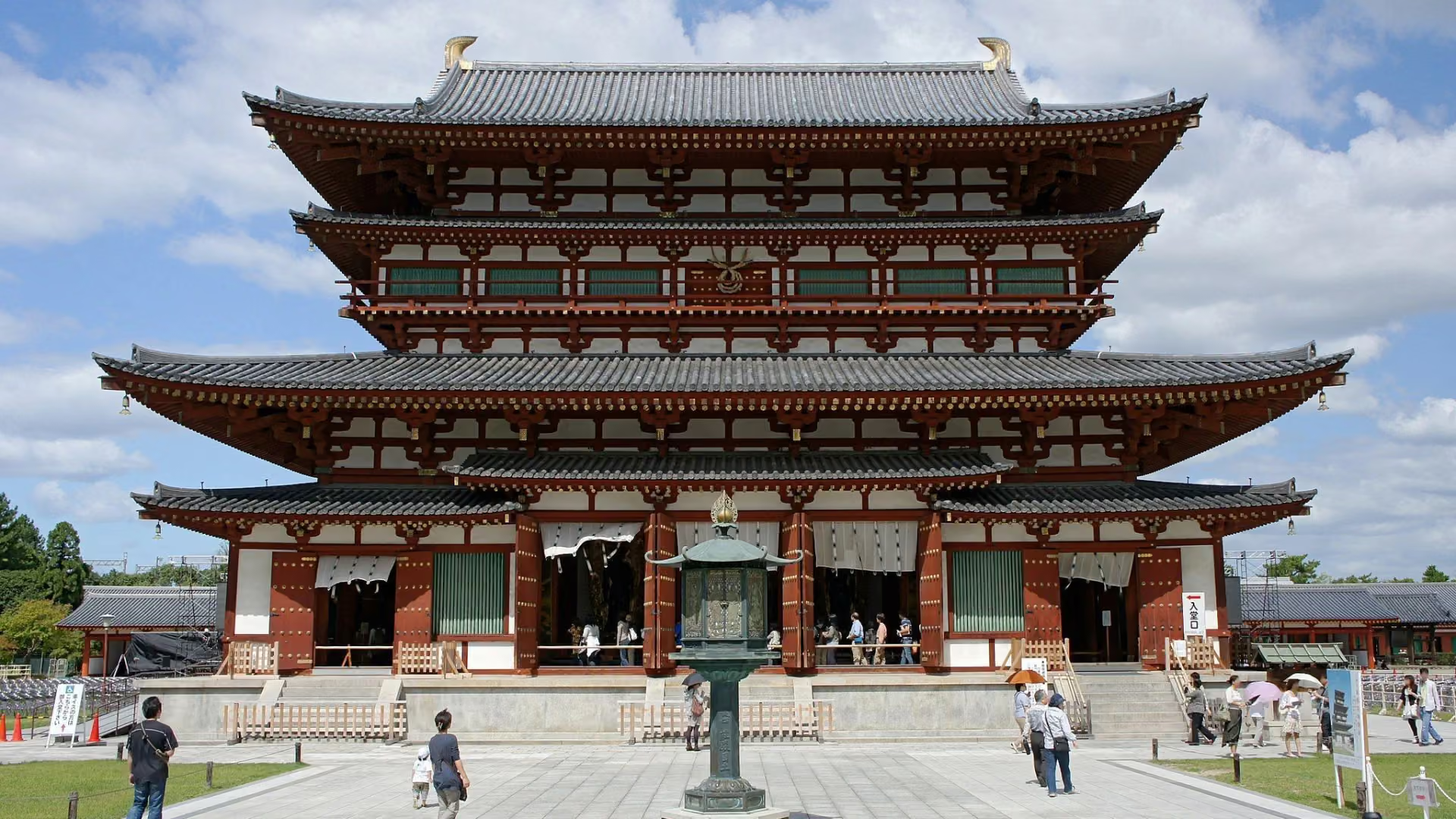
Yakushi-ji
Head temple of the Hosso school in Nara, founded in 680, whose East Pagoda of 730 is the oldest building left from the capital of Heijo-kyo.
Nara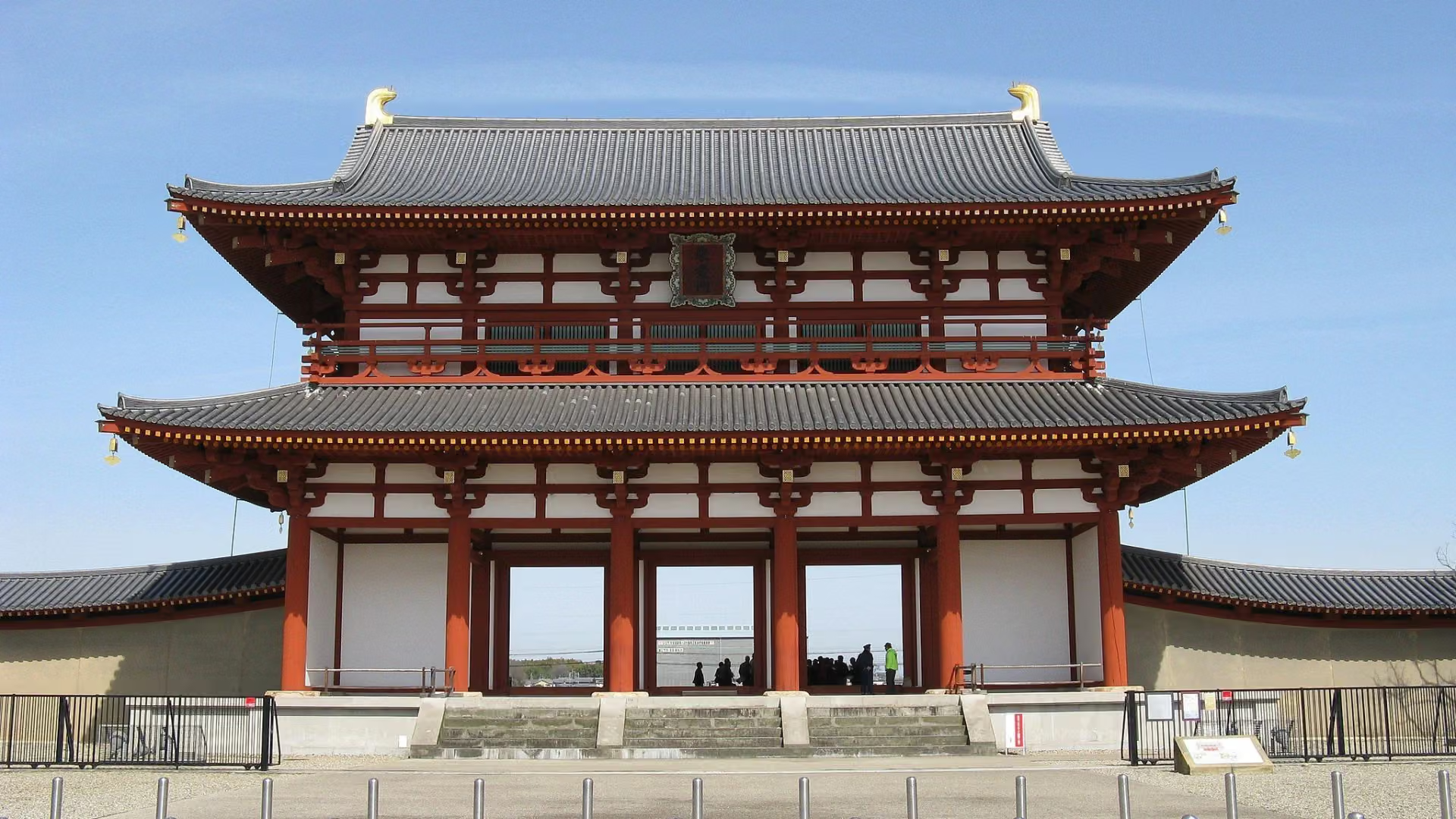
Heijo Palace Ruins
Site of the imperial palace and government of Heijo-kyo, the Nara period capital from 710 to 784, with the rebuilt First Daigokuden and Suzakumon.
Nara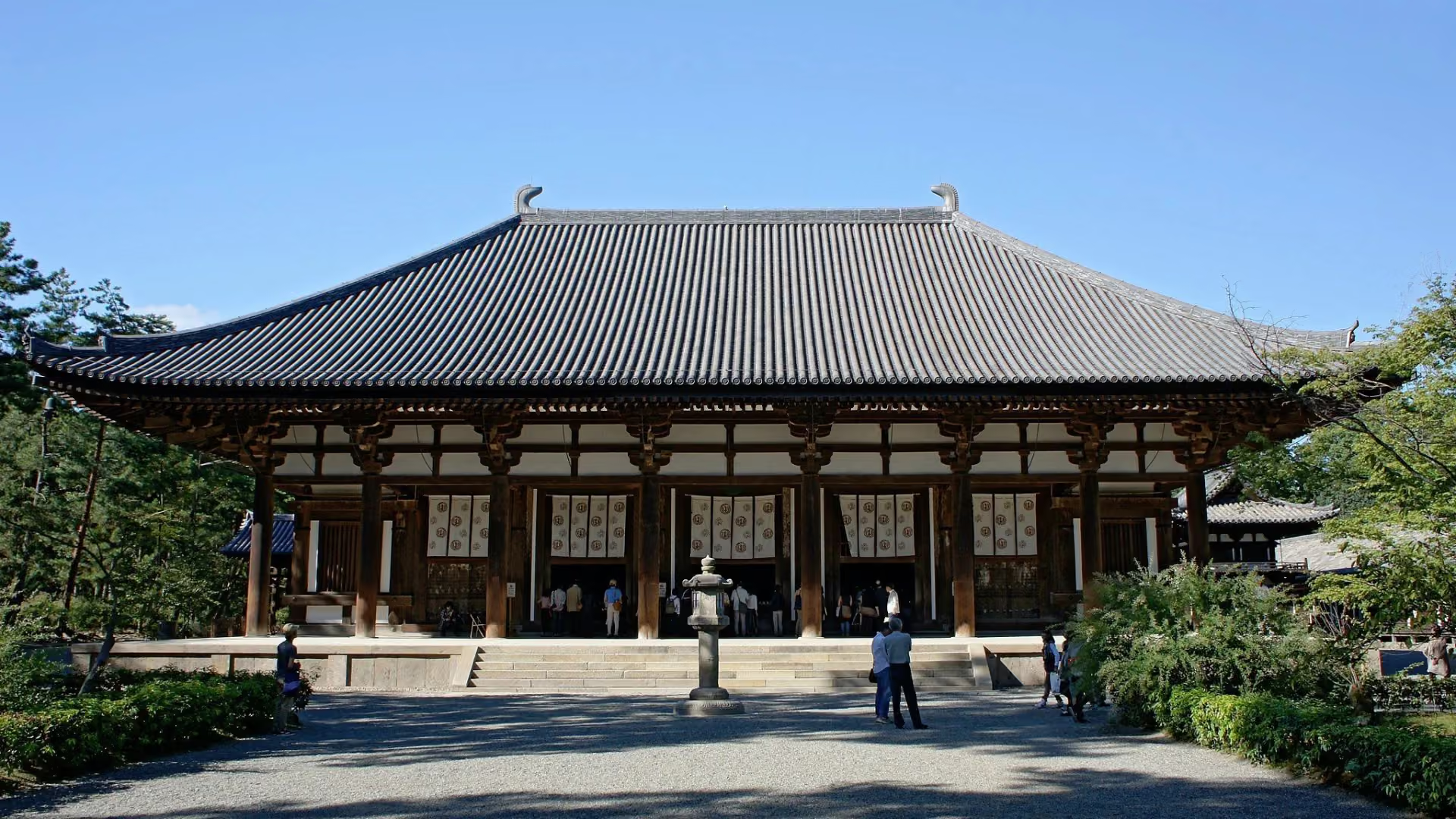
Toshodai-ji
A Buddhist temple in Nara founded in 759 by the Chinese priest Ganjin, head temple of the Ritsu-shu denomination and home to 17 National Treasures.
Nara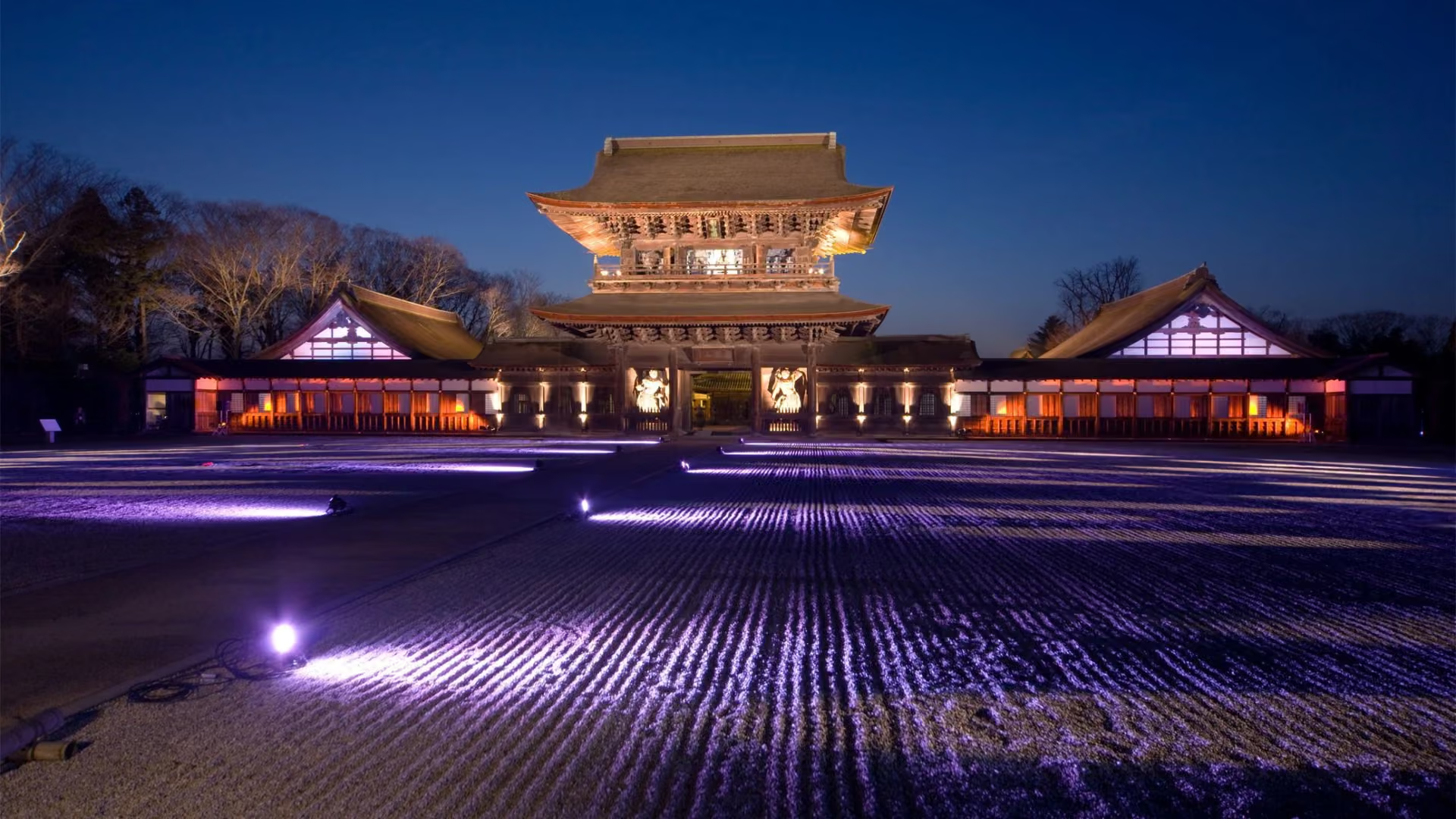
Zuiryuji Temple "Spring Light-up"
Colored lights and music illuminate this National Treasure temple in spring, accompanied by a market featuring local goods and specialties.
22 Apr – 5 May 2027Exact date not confirmed yetTakaoka · Toyama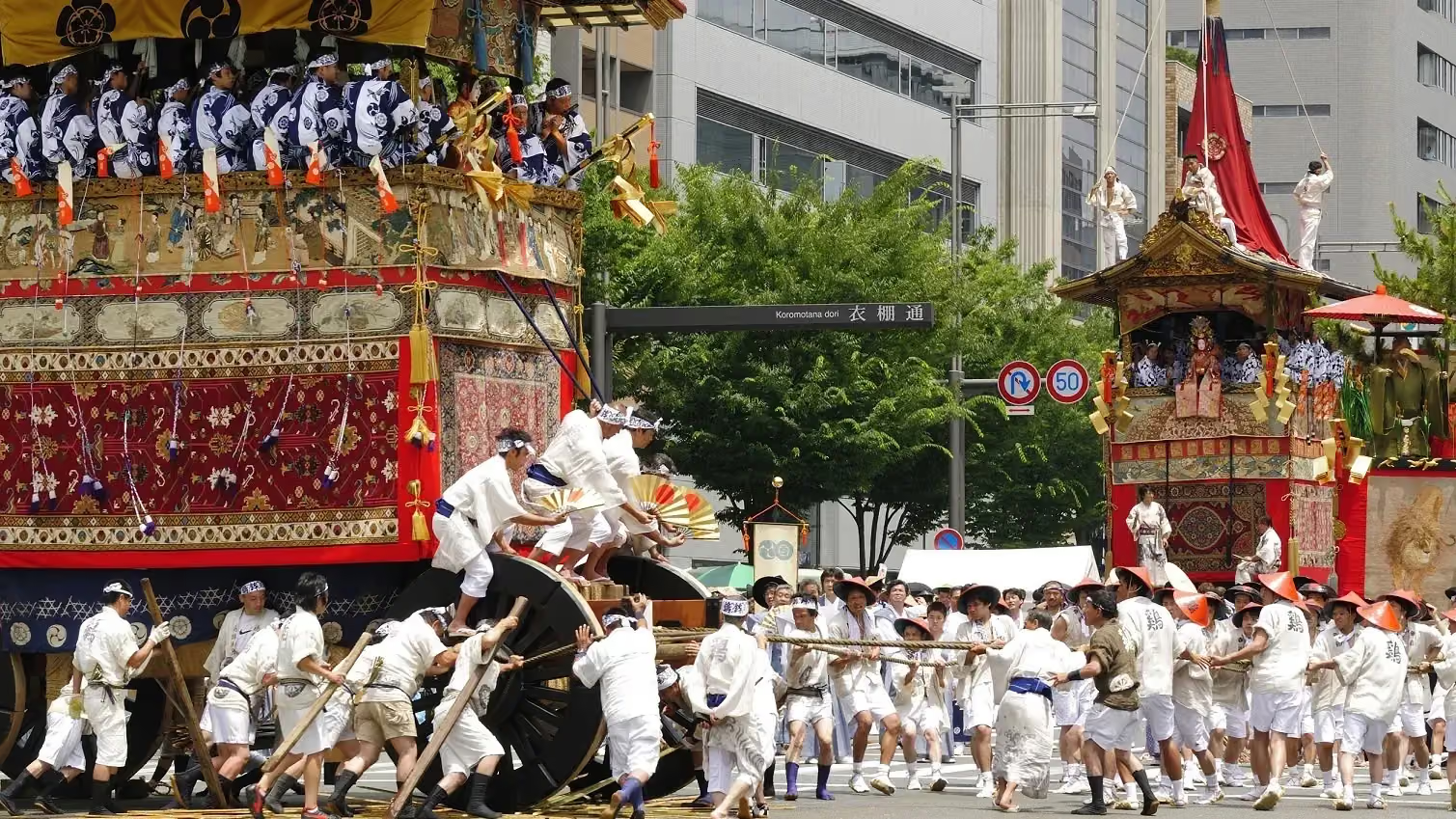
Gion Festival
A month-long Kyoto festival centered on Yasaka Jinja Shrine, with sacred rituals, food stalls and illuminated floats, ending in a grand procession and parade.
1–31 Jul 2027Kyoto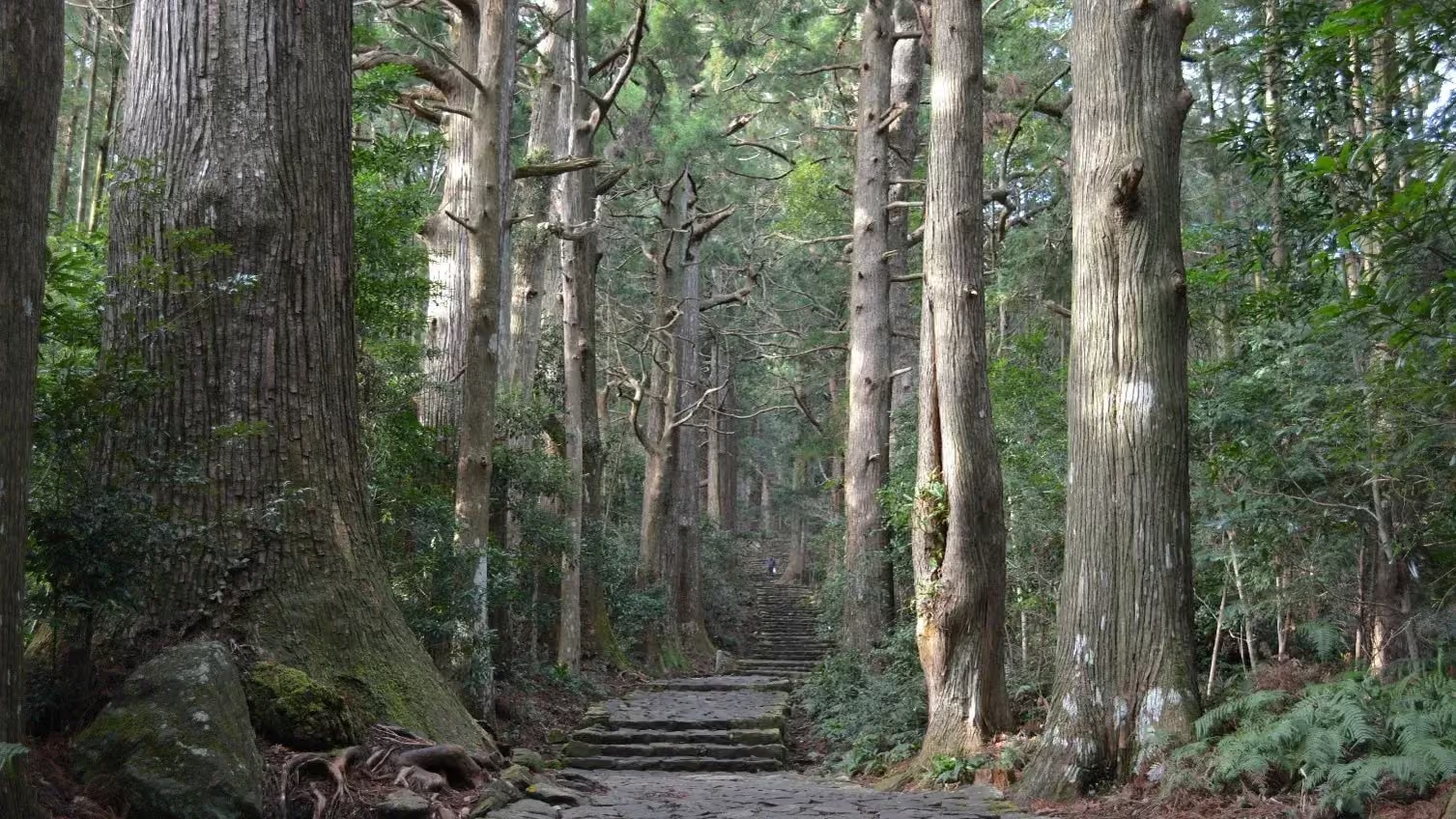
Kumano Kodo
For over a thousand years, the Kumano Kodo has led pilgrims through the mountains of Kii to the sacred Kumano Sanzan shrines - now a UNESCO World Heritage Site.
Wakayama · Kansai