Dadado-no-onihashiri
陀々堂の鬼はしり
Masked demons swing blazing torches through a temple hall in an ancient winter ritual performed twice daily, seeking protection from misfortune and ancestral blessings.

〒 637-0060How to get there
隅田Wakayama Line23 min walk from the station
This ceremony takes place at Dadado Hall within Nembutsu-ji Temple, located in Gojo City. Its purpose is to protect against misfortune and seek blessings. While the exact origin of this ritual is unclear, a demon mask, designated as a Tangible Cultural Property by Nara Prefecture, with an inscription dating back to 1486 was used until 1960, suggesting that mask-related events were held during that period. The earliest known record of the Onihashiri is from 1568, and a document from 1773 details a ritual similar to the one performed today.
On the day of the event, January 14th, the Onihashiri takes place twice, once during the day and again at night. During the daytime event, no fire is lit on the torches, while in the evening, after the ceremony of “Hibuse” (Fire Ritual) performed, three demons appear: the father demon, wearing a red mask and holding an axe; the mother demon, wearing a blue mask and carrying a pestle; and the child demon, wearing a red mask and holding a mallet. They energetically march through the temple hall, swinging blazing torches. These demons are not malevolent but are symbolic representations of ancestral spirits who visit to bless their descendants and bring happiness.
Several folk beliefs are embedded within this event, including divination of rice crop success based on the burning of the torches, the belief that tapping the board fence behind the Shumidan (dais for a Buddhist image) with a pole will relieve shoulder stiffness, and that the cords tied to the demons' bodies provide protection from misfortune.
The Onihashiri at Dadado Temple is a precious folk event, demonstrating the transitions in Japanese folk beliefs and serving as a valuable cultural tradition passed down by the local community since medieval times.
Getting There

You might also like

Atsukishinmei Festival
Fire-lit pillars adorned with sacred paper stand on beaches as the community performs ceremonial dances twice daily, seeking protection from illness and calamity.
11 Feb 2027Yanai · Yamaguchi
Otabi Festival
A spring celebration in Komatsu blends Shinto ritual, elaborate festival floats, and children's kabuki performances at two historic shrines.
8–10 May 2027Komatsu · Ishikawa
Uwajima Ushi-Oni Festival
This summer festival in Ehime features giant ushi-oni floats depicting fearsome bull and demon faces, paraded through the streets with traditional music and chants.
22–24 Jul 2027Uwajima · Ehime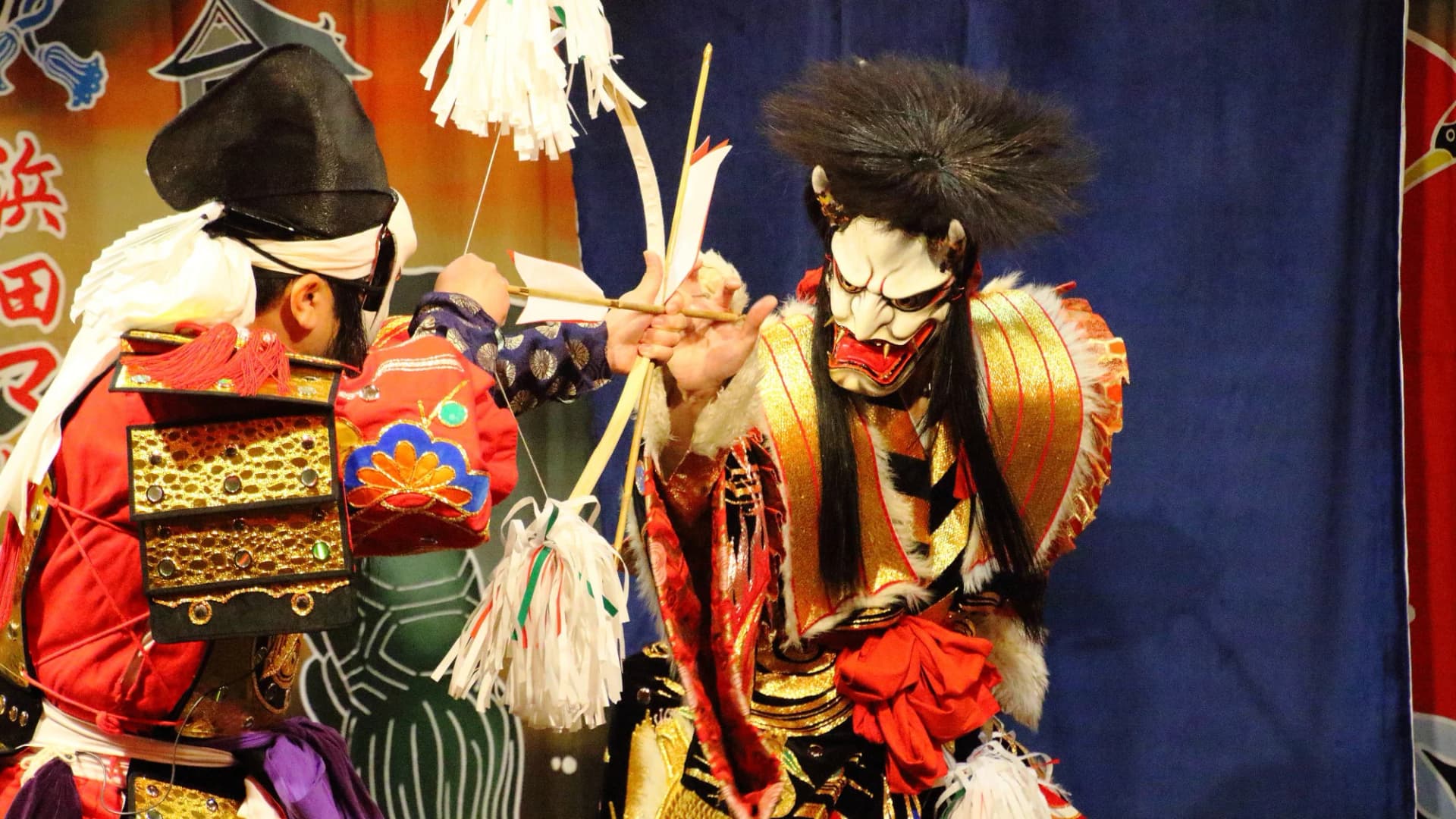
Iwami Kagura
Each autumn in western Shimane, shrine stages host Iwami Kagura – sacred dances performed through the night, from ceremonial pieces to a battle with a serpent.
Shimane · Chugoku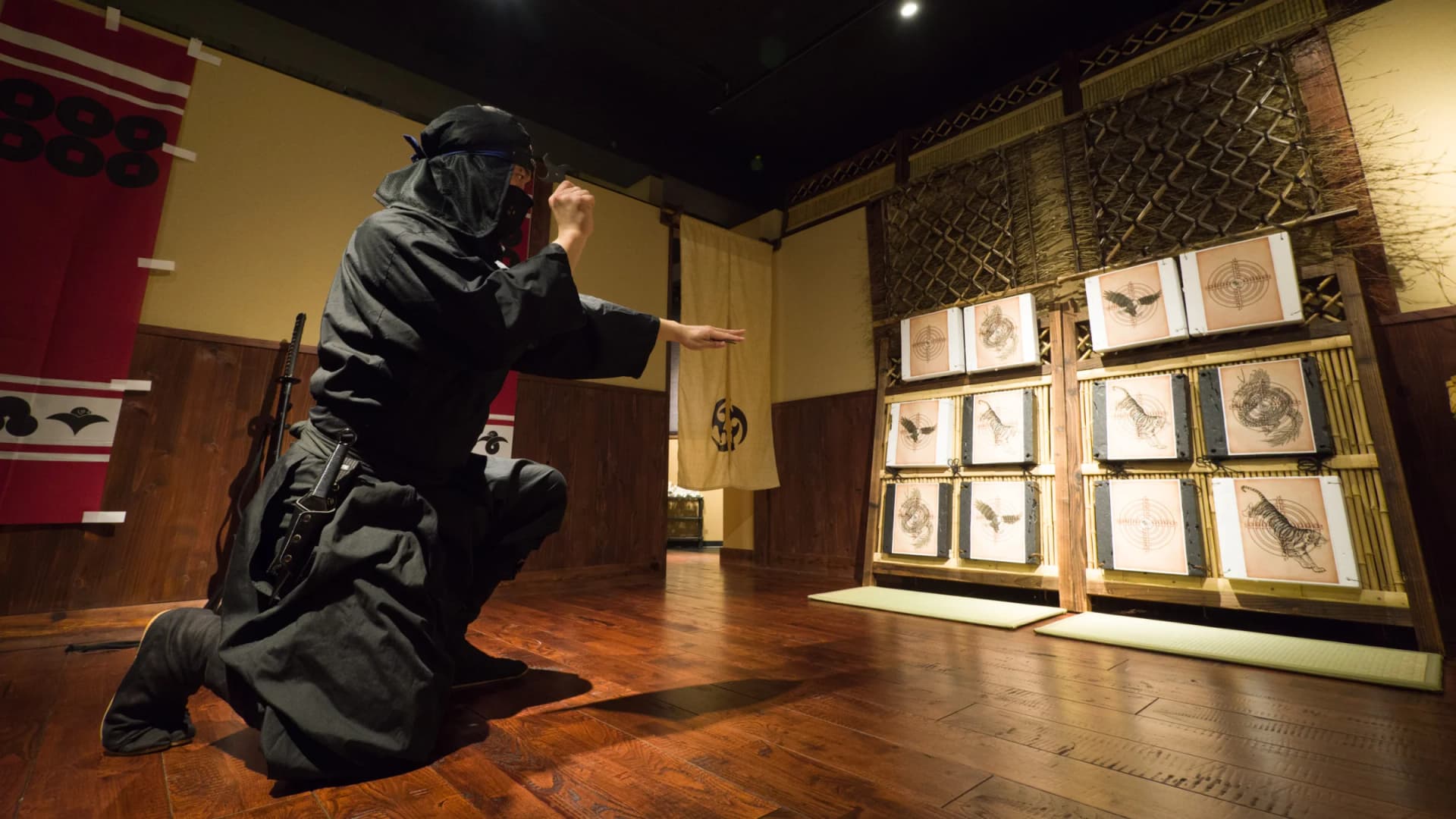
Ninja Trick House in Tokyo
A small ninja house in Kabukicho where visitors throw iron shuriken, draw a wooden sword and hunt for the tricks built into the walls.
Tokyo
Ninja+Kabuki Tokyo
This nonverbal stage experience blends traditional kabuki and taiko drumming to tell a mythological tale of rival ninja, opening in August 2024.
Tokyo