

Kumano Kodo
熊野古道
For over a thousand years, the Kumano Kodo has led pilgrims through the mountains of Kii to the sacred Kumano Sanzan shrines – now a UNESCO World Heritage Site.
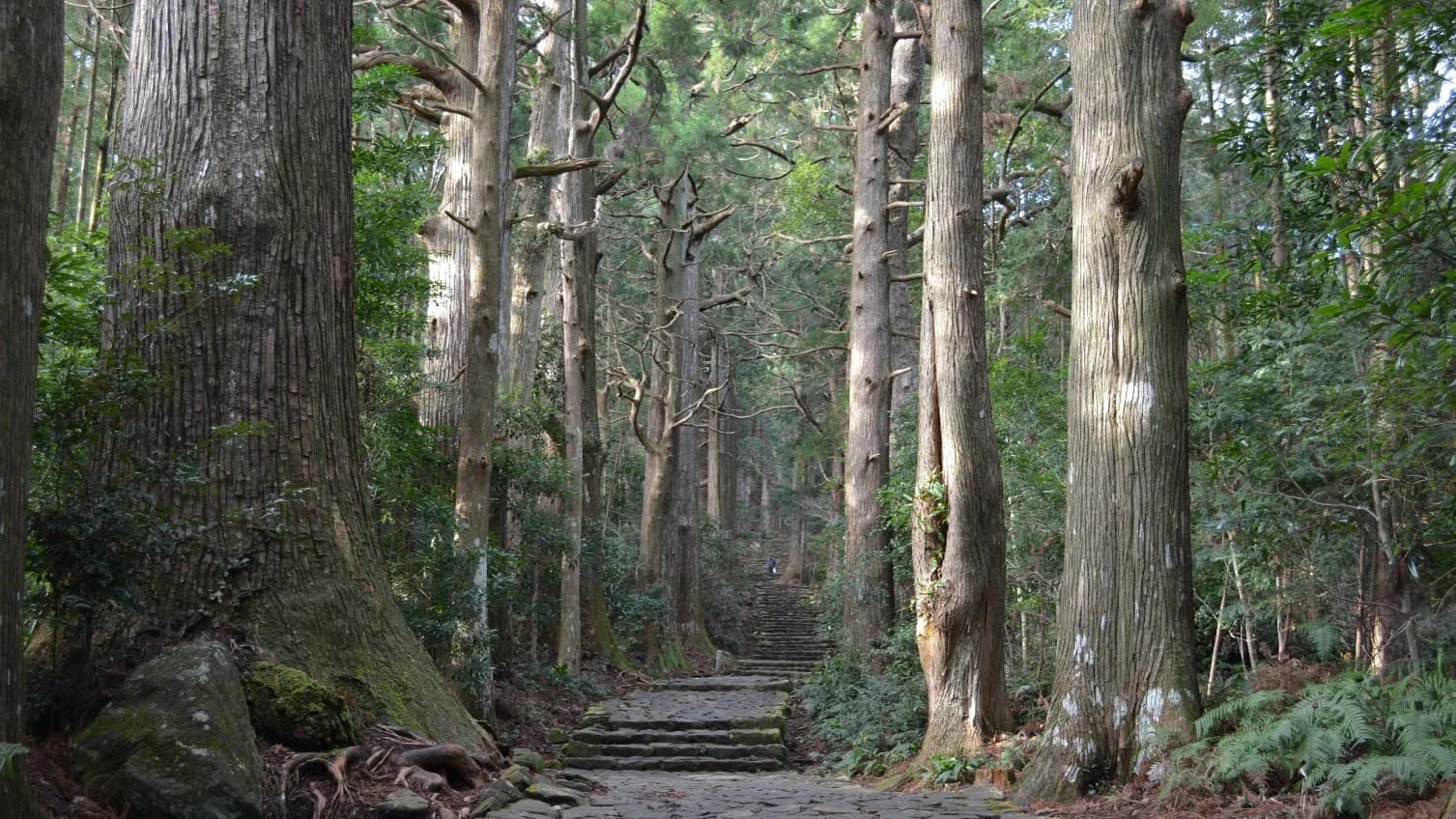
The Kumano Kodo is a network of centuries-old pilgrimage paths crossing the mountains of the Kii Peninsula, south of Osaka across Wakayama, Nara, and Mie prefectures. For over a thousand years they have led to the region's holiest sites, above all the three grand shrines known as the Kumano Sanzan: Kumano Hongu Taisha, Kumano Hayatama Taisha, and Kumano Nachi Taisha.
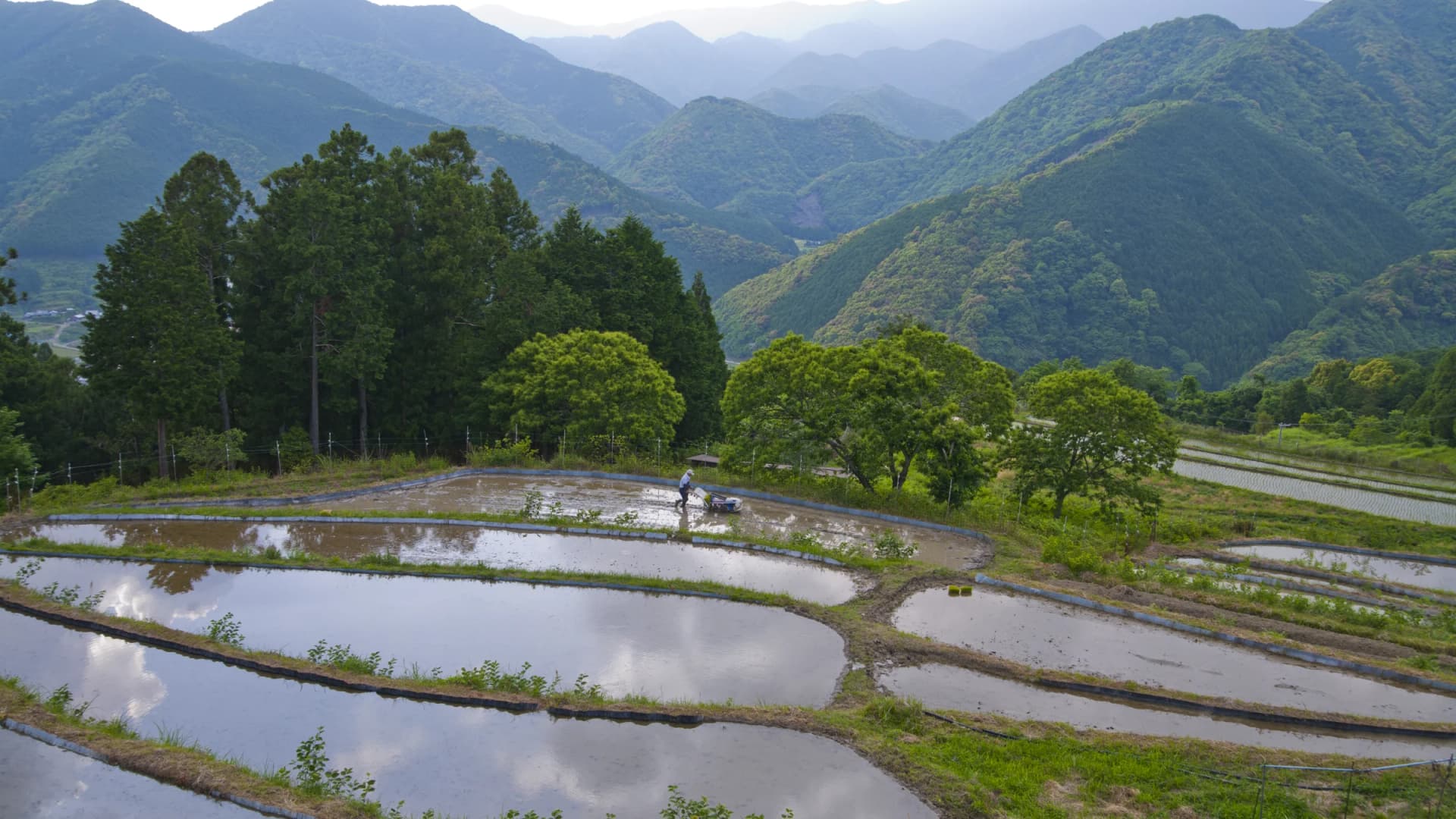
Devotion to Kumano drew pilgrims of every rank, from retired emperors to commoners, in numbers so steady they were once likened to a trail of ants. Over time the routes came to connect Kumano with other sacred centres nearby – Koyasan, Yoshino and Omine, and the Ise Grand Shrine.
The Kumano Kodo is not a single trail but several, each with its own name, length, and destination – among them the Nakahechi, Ohechi, Kohechi, Iseji, Kiiji, and Omine Okugakemichi. They range from popular, accessible walks to long and demanding mountain routes, winding through cedar forest, past waterfalls, stone paths, and mountain villages.
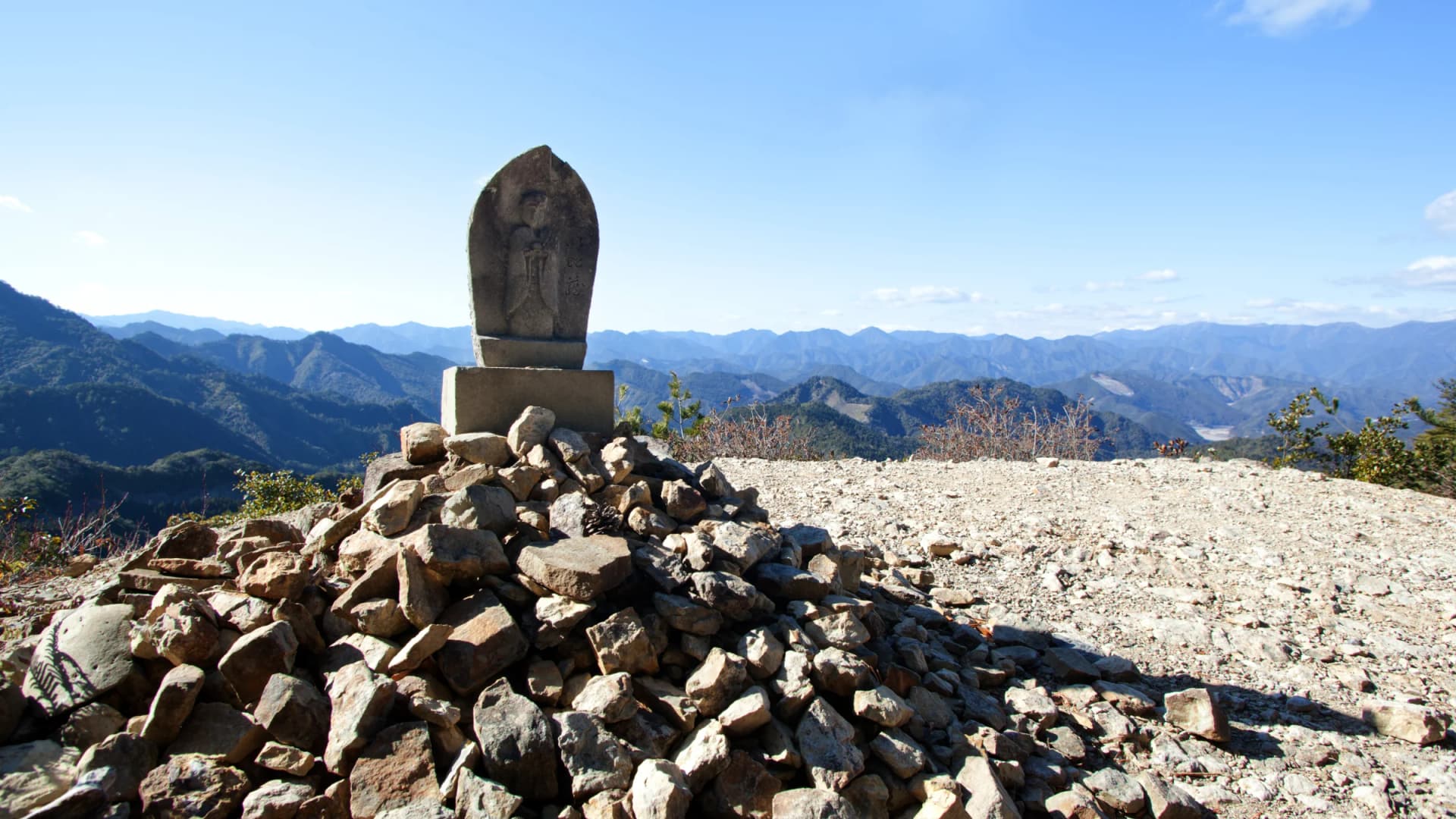
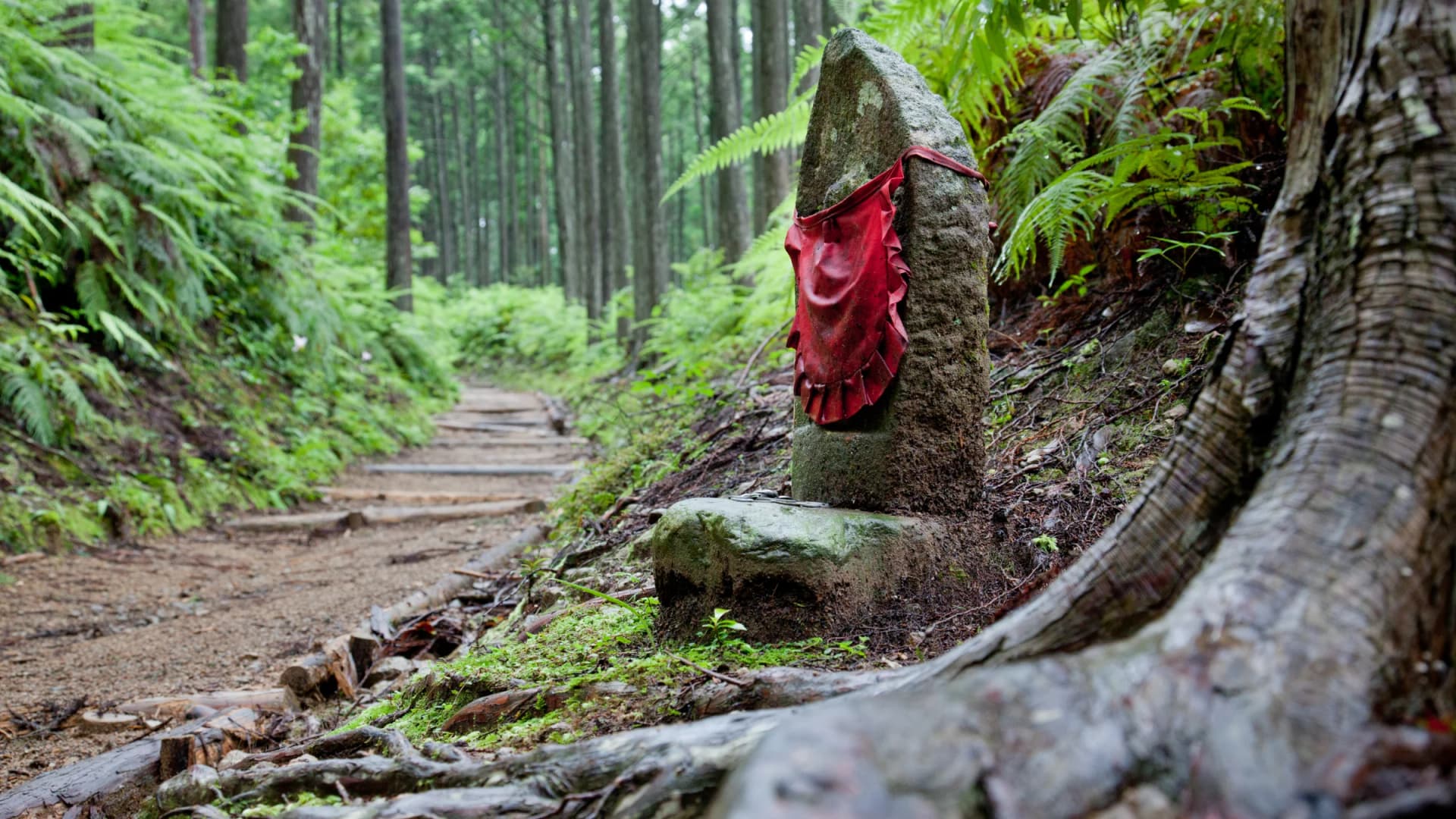
In 2004 the trails were listed as a UNESCO World Heritage Site; alongside Spain's Camino de Santiago, they are one of only two pilgrimage routes in the world to hold that status.
Today, white-robed yamabushi ascetics still walk these paths alongside modern hikers. Watching over them, as ever, is the Yatagarasu, the three-legged crow of Kumano legend and the enduring symbol of these ancient roads.
You might also like
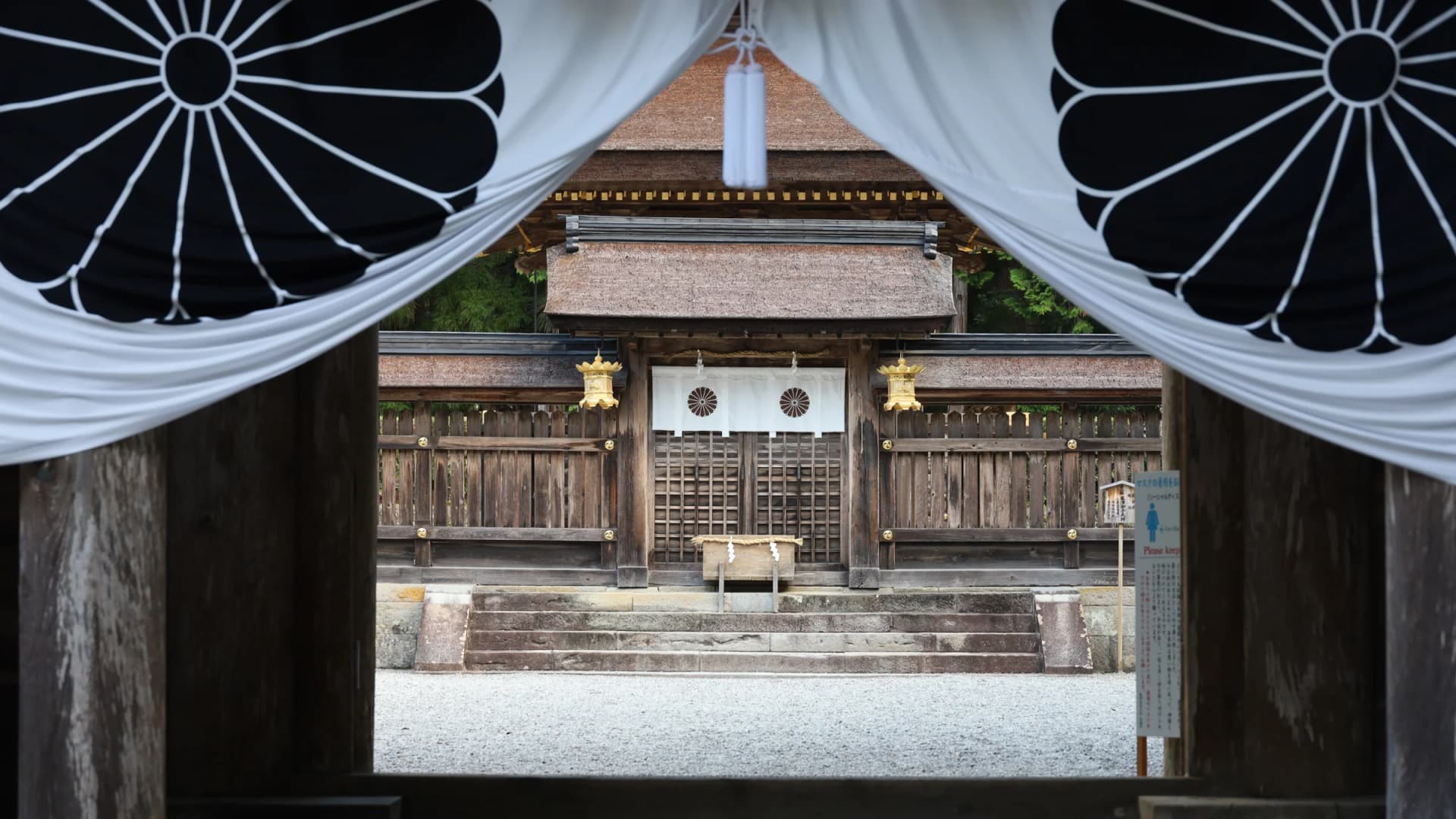
Kumano Hongu Taisha
Kumano Hongu Taisha, heart of the Kumano Sanzan, traces its origins to before Emperor Jinmu – where legend says three moons descended to found the shrine.
Tanabe · Wakayama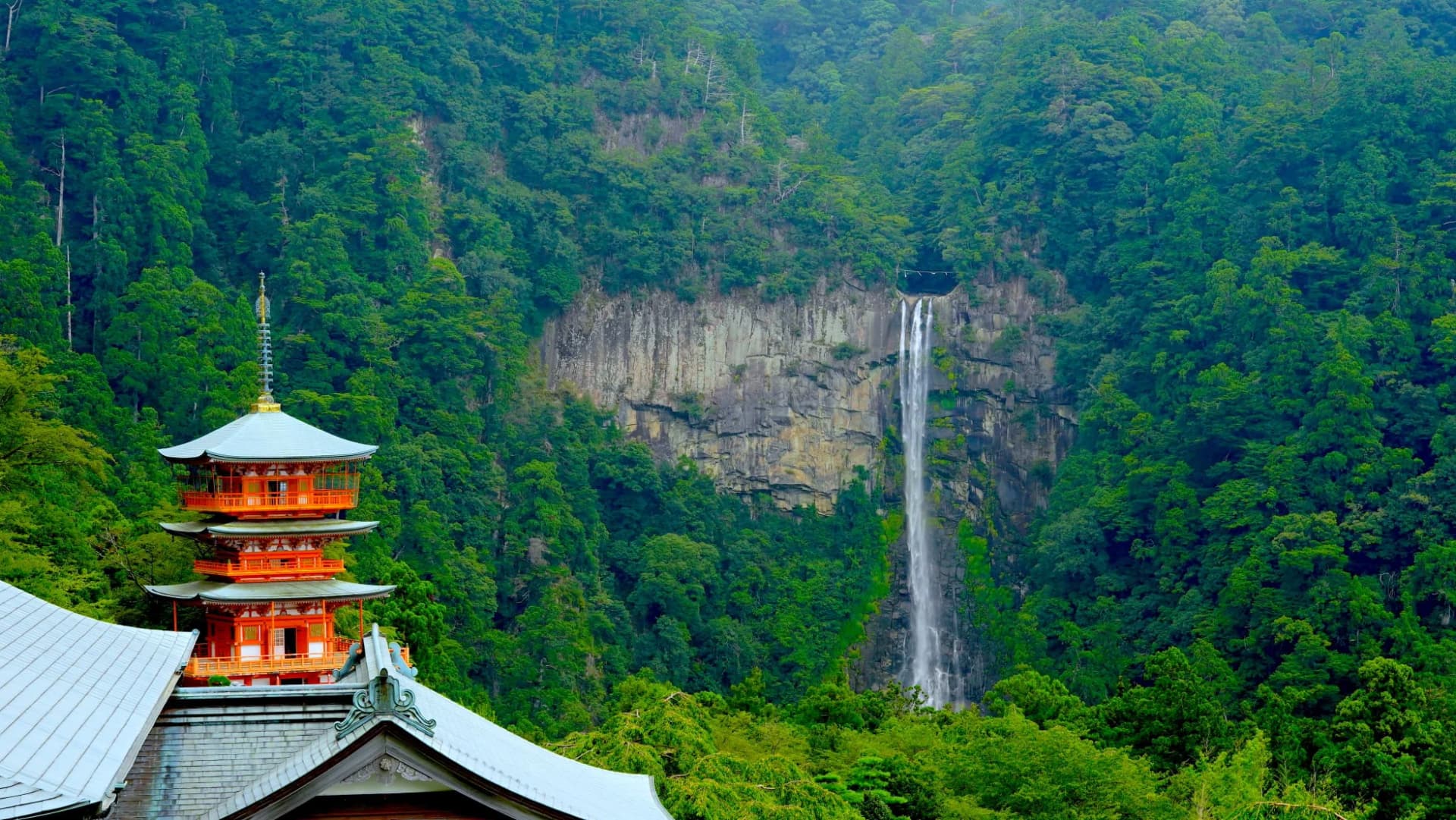
Kumano Nachi Taisha
One of the three grand shrines of Kumano, beside Japan's tallest waterfall – and spiritual home of the Yatagarasu, the three-legged crow on Japan's football crest.
Wakayama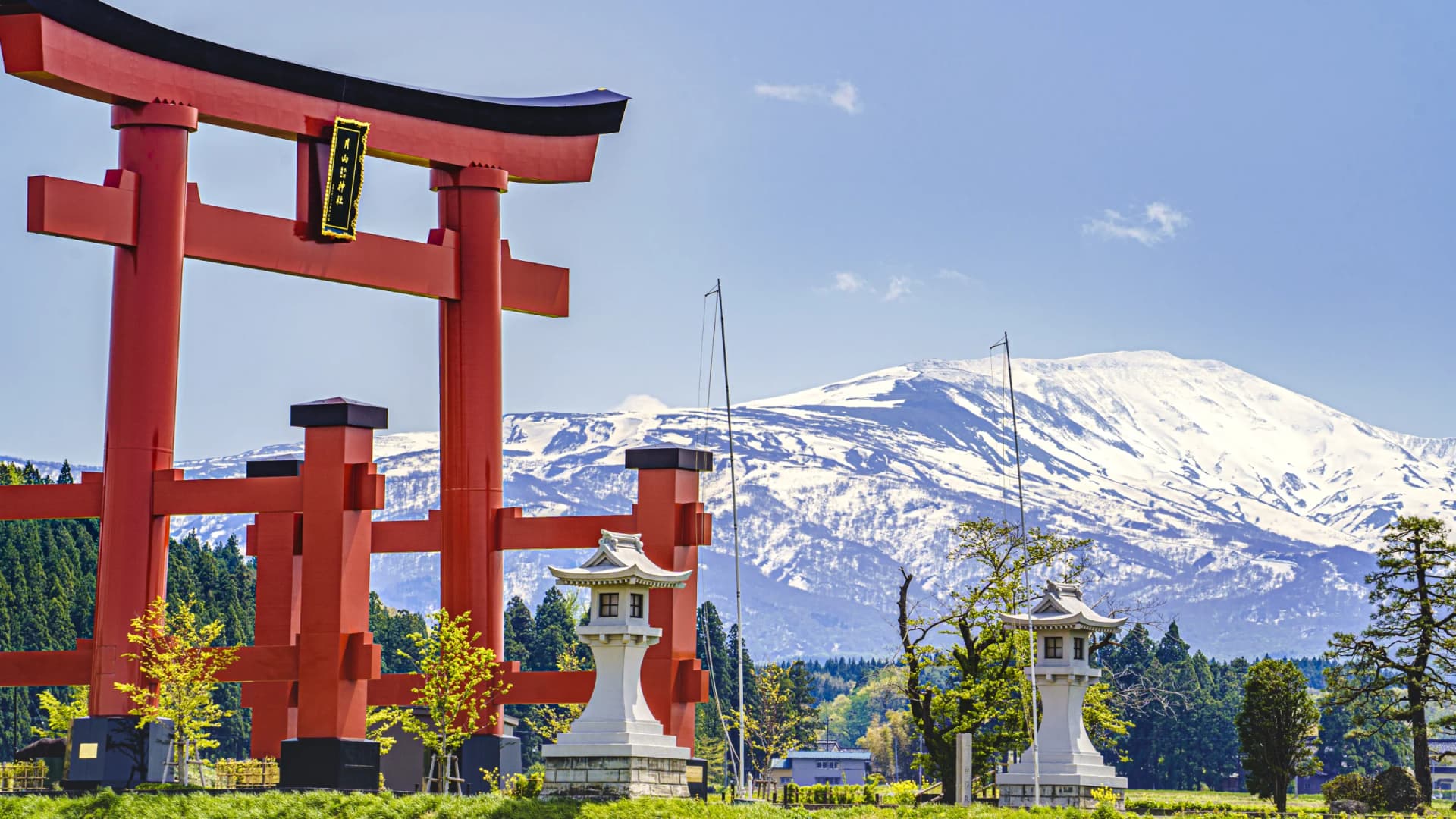
Mt. Haguro
The lowest of the three mountains of Dewa in Yamagata, climbed by a stone stair through old cedars, with a five-storey pagoda that is a National Treasure.
Tsuruoka · Yamagata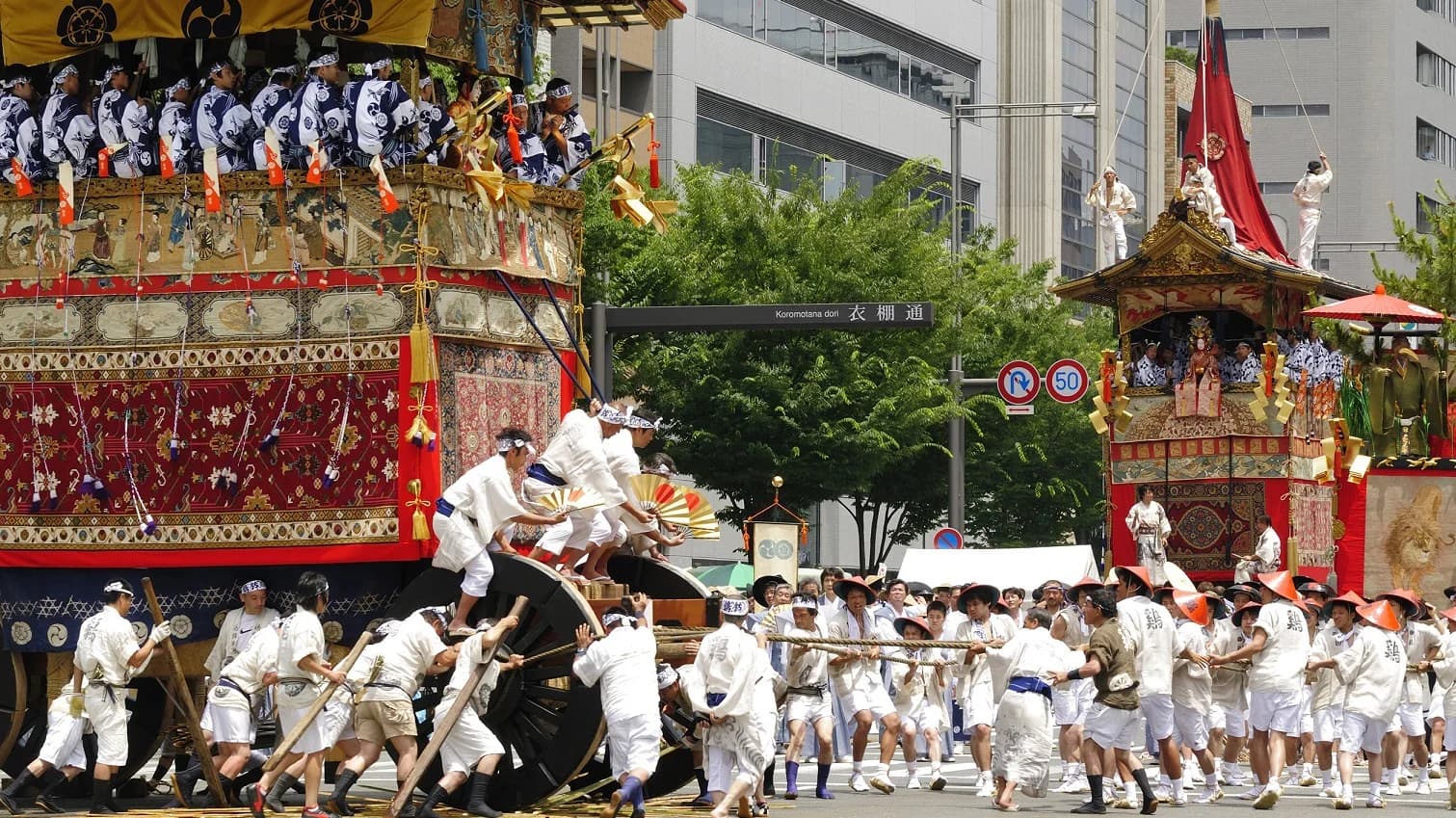
Gion Festival
A month-long Kyoto festival centered on Yasaka Jinja Shrine features sacred rituals, food stalls, illuminated floats, and culminates in a grand procession and parade.
1–31 Jul 2027Kyoto
Doronko Festival
This agricultural ritual held in rice paddies since 1881 celebrates the completion of planting through symbolic mud-covered performances invoking divine blessing for harvest.
5 Jul 2027Seiyo · Ehime
Mifune Festival
Each October, Kumano Hayatama Taisha holds the Mifune Matsuri, two days of sacred processions culminating in a thrilling fast-boat race on the Kumano River.
15–16 Oct 2026Shingu · Wakayama