
Festival · Tochigi · Kanto
Kanuma Autumn Festival
An autumn festival held in October with origins tracing to a 1608 rainmaking ritual, featuring 27 ornately carved musical floats from the Edo period.
Kanuma · 10–11 Oct 2026


An autumn festival held in October with origins tracing to a 1608 rainmaking ritual, featuring 27 ornately carved musical floats from the Edo period.
Kanuma · 10–11 Oct 2026
A hot spring town in a gorge on the Kinugawa river in Tochigi, once reserved for lords and monks returning from Nikko.
Nikko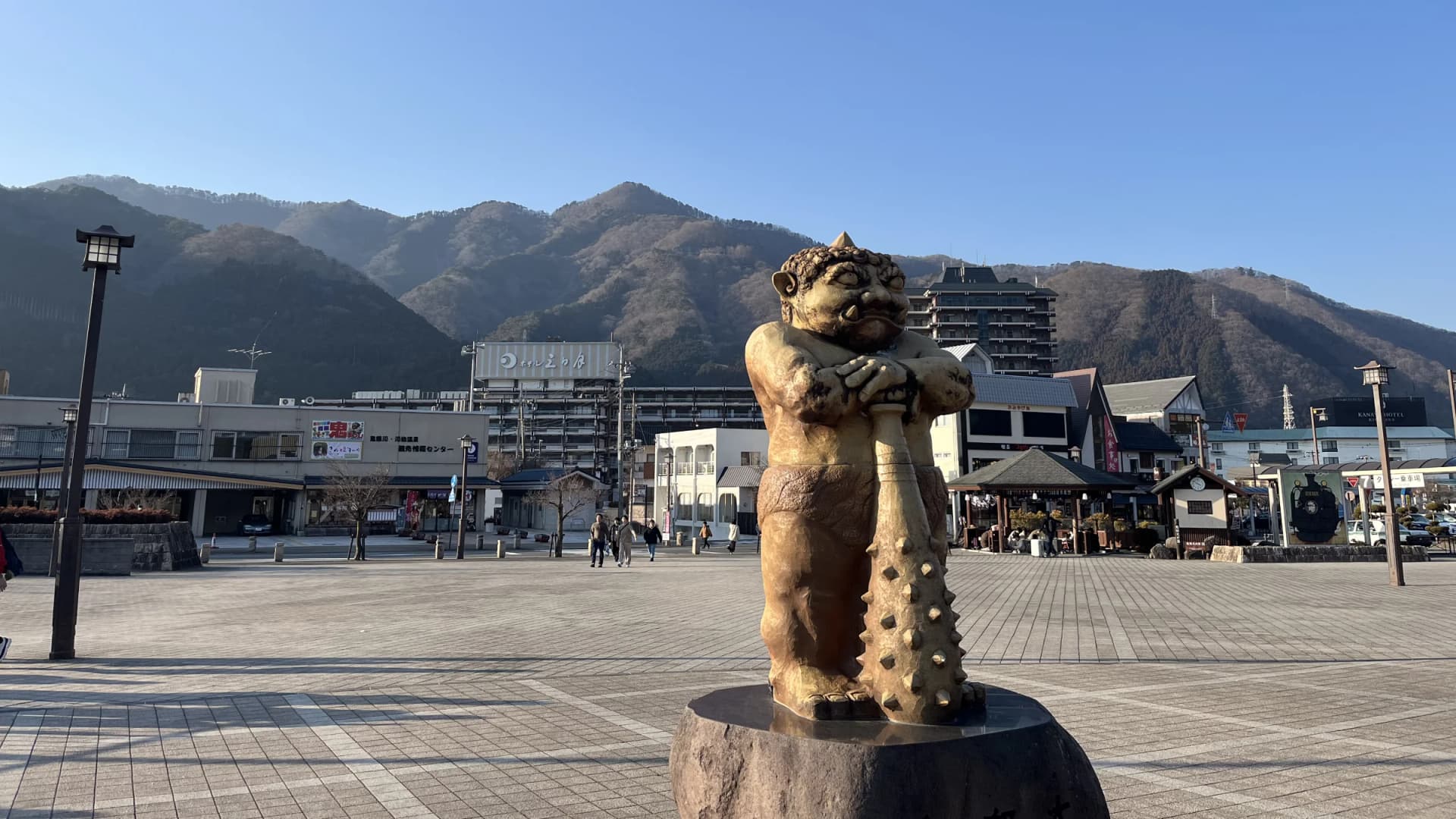
Tochigi's festival showcases elaborate floats created by neighborhoods, a tradition that flourished in the late 19th century when districts commissioned their own artistic dashi.
Tochigi · 1–3 Nov 2026
Guardian shrine of Nikko from the 8th century, honoring three family deities and a prominent figure in mythology revered for love and matchmaking.
Nikko
05:2317:47Utsunomiya
Reference rates · 2026/09/15
An autumn festival held in October with origins tracing to a 1608 rainmaking ritual, featuring 27 ornately carved musical floats from the Edo period.
10–11 Oct 2026Kanuma · TochigiTochigi's festival showcases elaborate floats created by neighborhoods, a tradition that flourished in the late 19th century when districts commissioned their own artistic dashi.
1–3 Nov 2026TochigiThe Oyama Balloon Festa fills autumn skies with hot air balloons competing in precision flights from dawn, and features illuminated night glows with synchronized fireworks and music.
8–9 Nov 2026Oyama · TochigiIn February, this festival features a grand procession of 200 costumed samurai in traditional armor proceeding to Bannaji Temple for a traditional purification ceremony.
31 Jan 2027Ashikaga · TochigiA spring festival dating to the Edo period features nine elaborately decorated floats paraded through city streets accompanied by traditional music.
18–19 Apr 2027Otawara · TochigiBefore the rice-planting season, children parade enormous painted serpents through town while chanting, immersing them in a pond as part of a centuries-old rainmaking ritual.
5 May 2027Oyama · TochigiKarasuyama's largest festival combines a nationally designated folk performance tradition with outdoor Kabuki dance, organized rotationally by six local districts.
24–26 Jul 2027Nasukarasuyama · TochigiMoka Summer Festival honors Kojin, the god of fire and hearth, with over 20 mikoshi and festival floats paraded through the city during a three-day summer celebration.
24–26 Jul 2027Moka · TochigiThis Utsunomiya summer festival brings residents together for parades, traditional performances, and displays of local culture.
1–2 Aug 2027Utsunomiya · TochigiThe park features wisteria in pink, purple, and white, a walkable wisteria tunnel, rose and tulip gardens, and nightly illuminations recognized among Japan's Three Great Illuminations.
Ashikaga · TochigiA hot spring town in a gorge on the Kinugawa river in Tochigi, once reserved for lords and monks returning from Nikko.
Nikko · TochigiThis temple, the head of the Dainichi sect, was founded in 1197 on the grounds of the Ashikaga clan residence and is designated a National Historic Site.
Ashikaga · TochigiRelief carvings depicting the Three Wise Monkeys and seven other scenes that symbolize different life stages, based on the traditional proverb.
Nikko · TochigiThis 1,300-year-old shrine hosts a Snake Festival on May 5 with seven giant snakes exceeding 15 meters in length, a designated National Important Intangible Folk Cultural Property.
Oyama · TochigiShinto shrine enshrining two deities of abundance and protection, with a documented history spanning more than 1,500 years.
Moka · TochigiShrine dedicated to weaving deities symbolizing romantic union, featuring reinforced concrete architecture from 1937 and four National Tangible Cultural Properties.
Ashikaga · TochigiShinto shrine established 1617 to enshrine Tokugawa Ieyasu, the first shogun who ended the Sengoku period and founded 260 years of Edo peace.
Nikko · TochigiGuardian shrine of Nikko from the 8th century, honoring three family deities and a prominent figure in mythology revered for love and matchmaking.
Nikko · TochigiEdo-era theme park offering costume rental, hands-on activities, recreated buildings, and live performances throughout the grounds.
Nikko · TochigiRinnoji is a Tendai Buddhist temple in Nikko and part of a UNESCO World Heritage Site, known for its Sanbutsudo hall and the National Treasure Taiyuin mausoleum.
Nikko · Tochigi


