Yamadera (Risshakuji)
宝珠山 立石寺
A Tendai temple of 860 built up a rock face in Yamagata, its halls reached by a stone stairway, and the place of Basho's poem about cicadas.
〒 999-3301How to get there
山寺Senzan Line6 min walk from the station
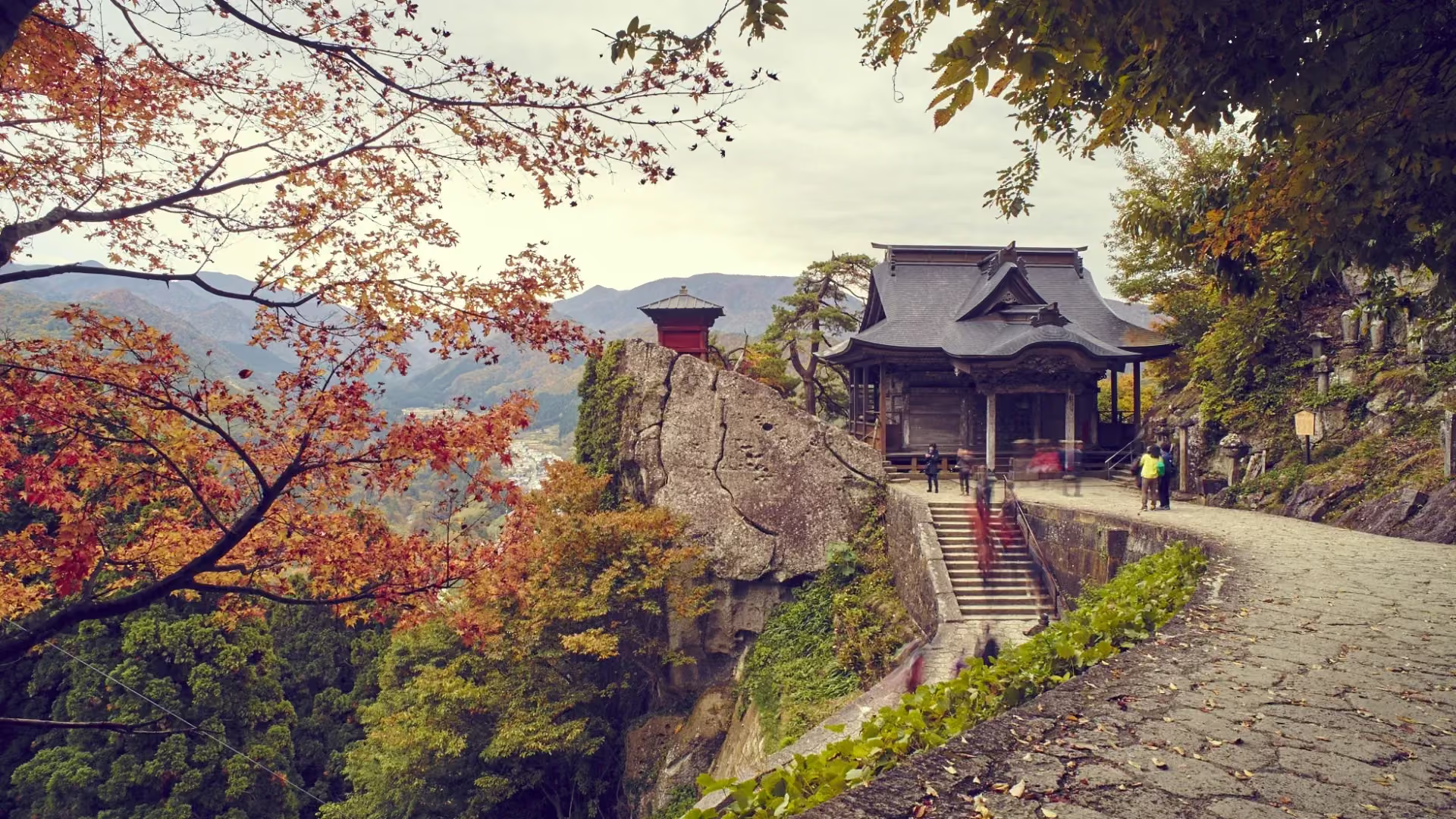
Risshakuji stands on a rock mountain outside the city of Yamagata. It belongs to the Tendai school, and its halls are set at different heights up the rock, joined by a stone stairway that climbs from the foot to the topmost hall. Almost everyone calls it Yamadera, the mountain temple.
The temple was founded in 860 by the monk Ennin, third head of the Tendai school in Japan, who is also known by the title Jikaku Daishi. By the temple's account he bought the land from its owner for a thousand ryo of gold dust and three thousand bolts of hemp cloth, taking in the country for some distance around, and set up more than three hundred halls and pagodas from which to teach.
A flame was carried here at the founding from Enryakuji, the head temple of the school, where it had been lit by Saicho, who brought the Tendai school to Japan. It has been kept burning ever since and is called the undying lamp. Incense has likewise been kept alight before Ennin's memorial, and the temple has maintained an unbroken practice of copying sutras.
The temple's quarters flourished in the Kamakura period. In the Muromachi period it was caught in the wars and declined. In the Edo period the shogunate granted it an estate assessed at 1,420 koku, a koku being reckoned as the rice one person eats in a year, and the halls were rebuilt and put in order.
In 1689 the poet Matsuo Basho came here on the journey recorded as the Narrow Road to the Deep North, and wrote the verse for which the place is known in Japan: "the stillness, and the cry of the cicadas soaking into the rocks". A mound in the grounds marks the spot, and is named for the cicadas of the poem.
The way up is stone steps the whole distance, and the round trip takes about an hour and a half. Ordinary clothes and shoes are enough.
Along the way stand the main hall with its undying lamp, the founder's hall, four subordinate temples and, at the top, the inner sanctuary.
Getting There

Planning a trip? Fit this into a trip and Oni plans the rest around it.
You might also like
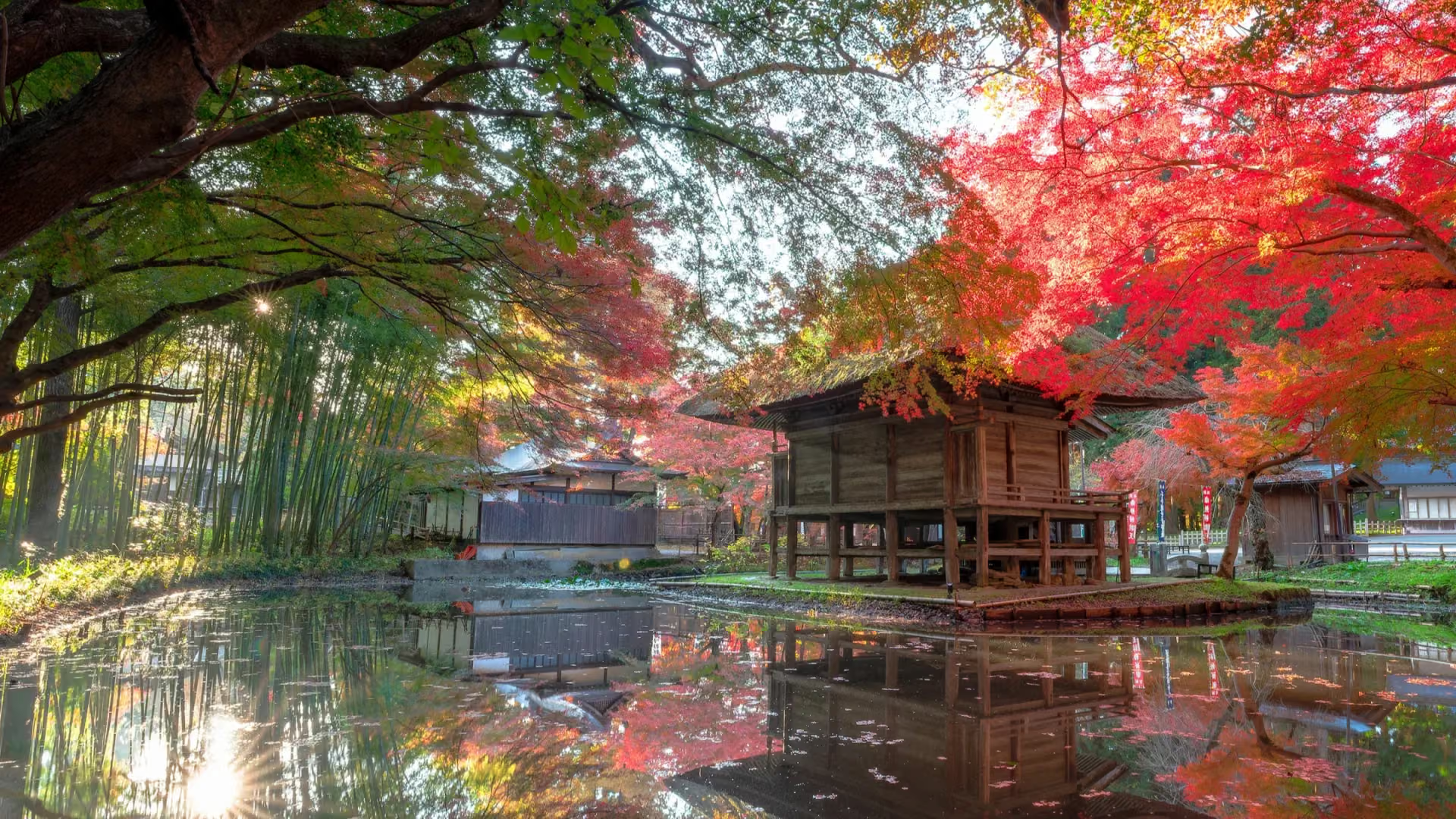
Chuson-ji Temple
The head Tendai temple founded in 850, significantly expanded in the 12th century and designated a UNESCO World Cultural Heritage site.
Hiraizumi · Iwate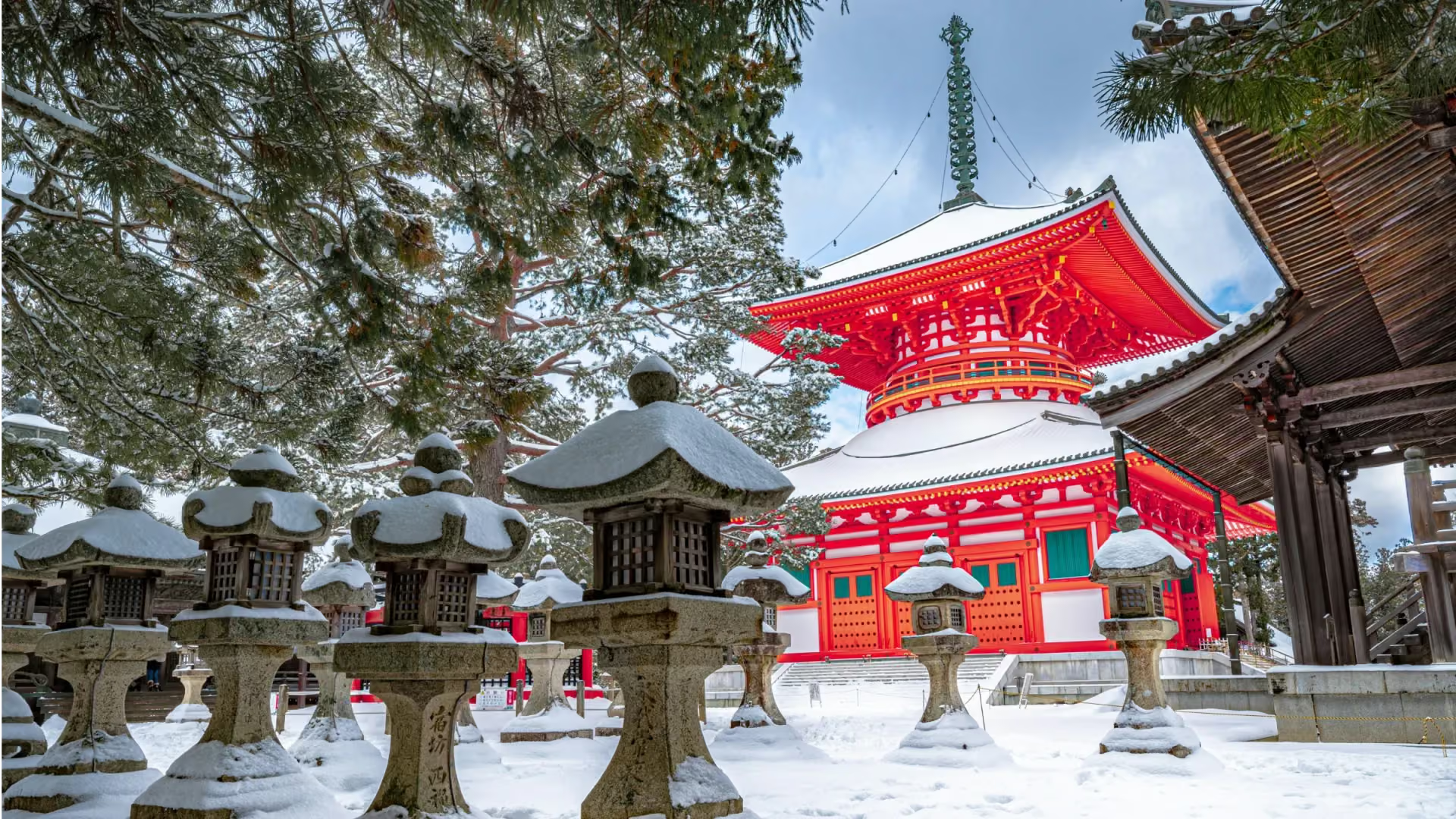
Kongobu-ji (Koyasan)
Mount Koya is a sacred temple complex where the entire mountain is treated as one unified holy domain dedicated to Shingon Esoteric Buddhism.
Koya · Wakayama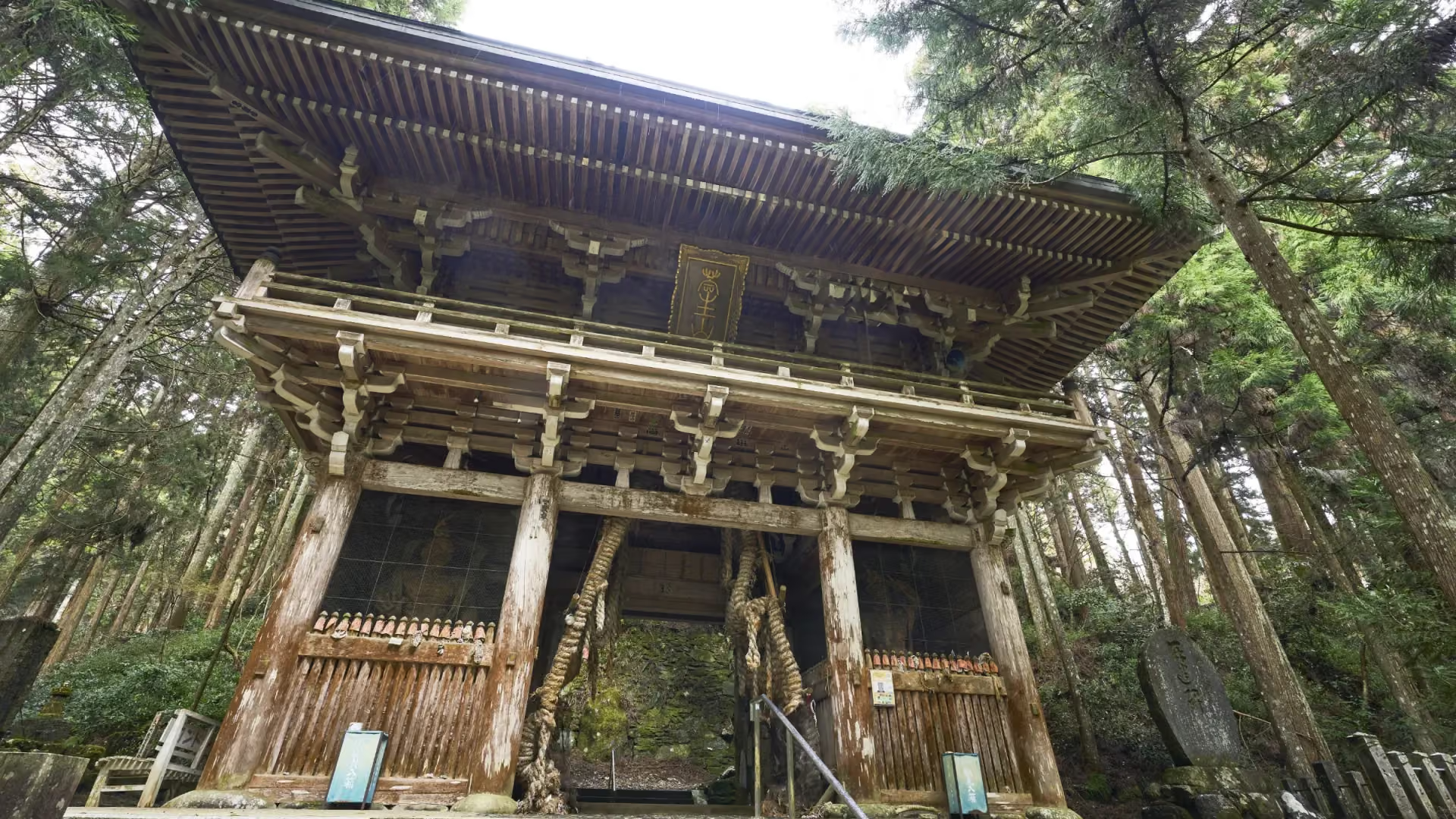
Daihoji Temple
The forty-fourth temple of the Shikoku pilgrimage and its halfway point, standing among old trees at 579 metres in the mountains of Ehime.
Kumakogen · Ehime
Hyakusaiji Temple and the Buddhist Art of Omi
An autumn exhibition in Shiga where the hidden image of Hyakusaiji, an eleven-headed Kannon of the 8th century, leaves the temple for the first time.
26 Sep – 6 Dec 2026Koka · Shiga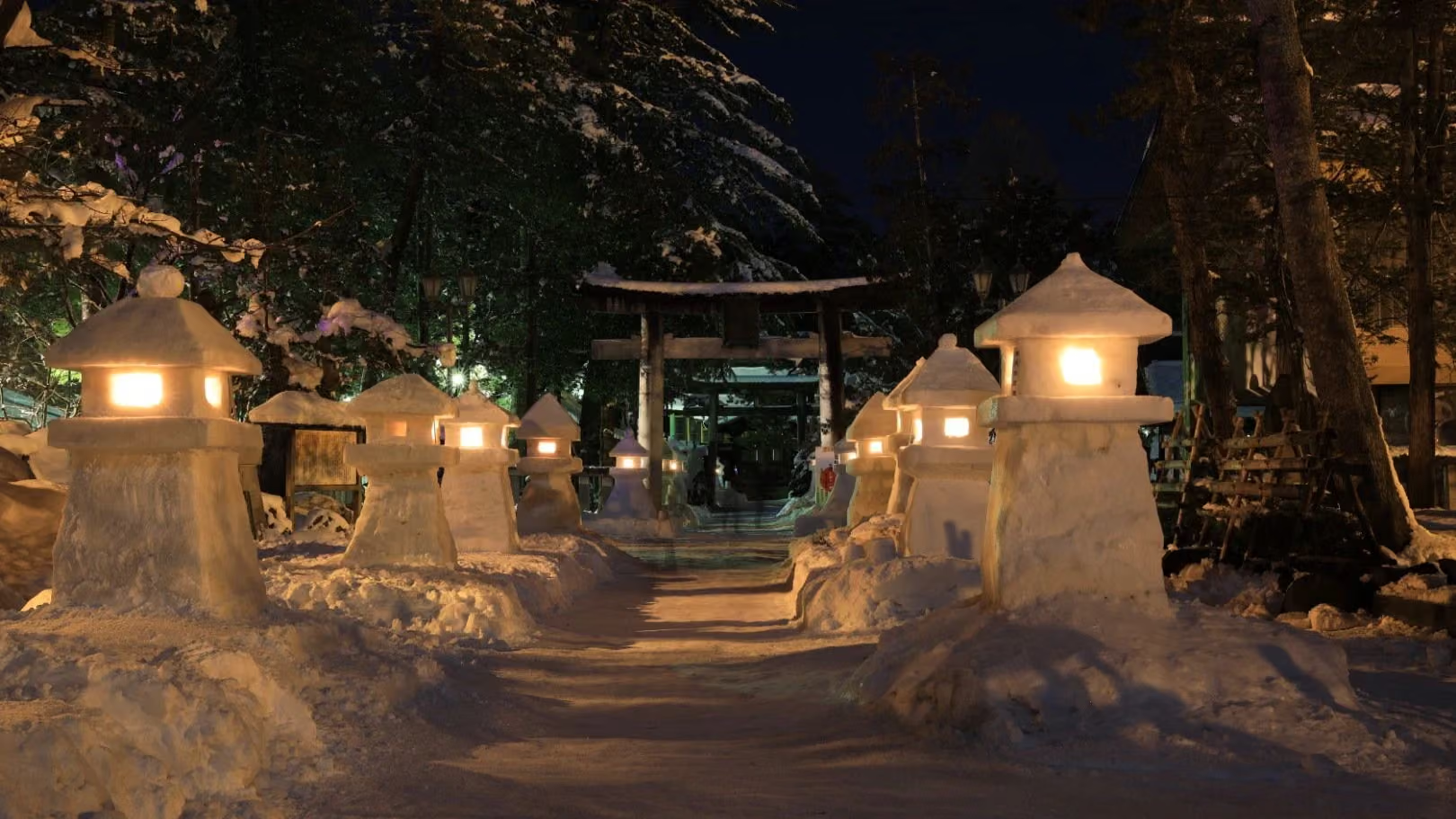
Uesugi Snow Lantern Festival
A two-day winter festival in snowy Yonezawa transforming Matsugasaki Park into a landscape of 300 snow lanterns and 3,000 snow lamps lit by candlelight.
14–15 Feb 2027Exact date not confirmed yetYonezawa · Yamagata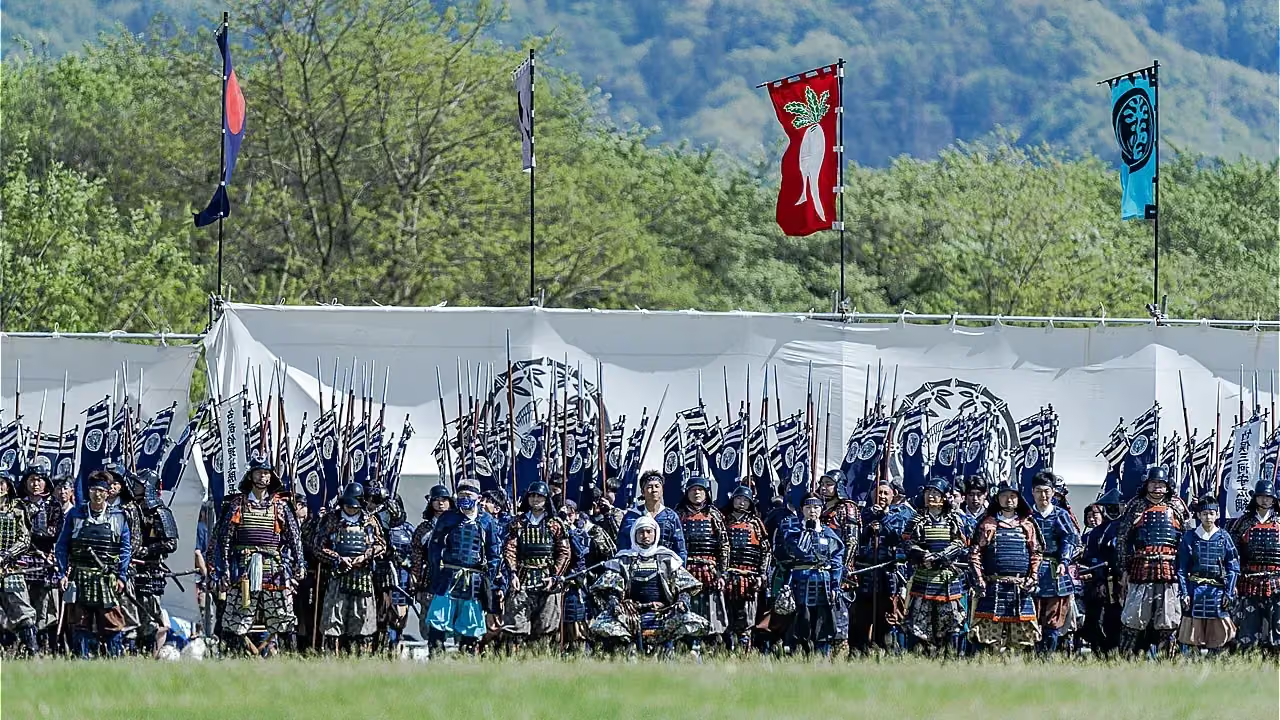
The Yonezawa Uesugi Matsuri
A multi-day festival in Yonezawa that ends with a reenactment of the 1561 Battle of Kawanakajima between Uesugi Kenshin and Takeda Shingen.
29 Apr – 3 May 2027Yonezawa · Yamagata