Kunimi Onsen Ishizuka Ryokan
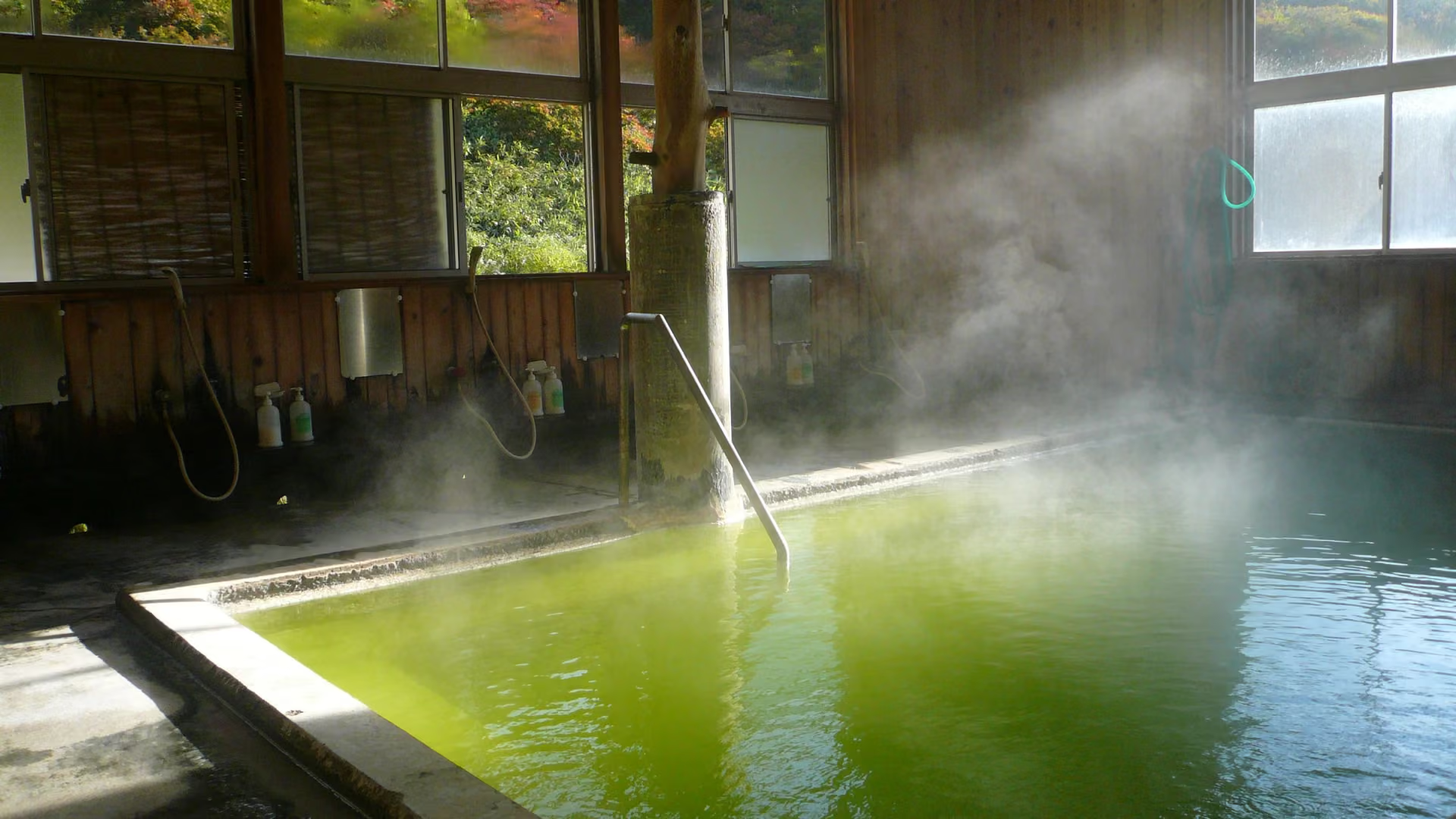
A small mountain inn on Akita-Komagatake, once a hidden bath of the Nanbu lords, with a rare yellow-green sulphur spring flowing straight from the source.
Shizukuishi · Iwate

Shrines, museums, parks, and the spots in between, with the access details worked out.
A small mountain inn on Akita-Komagatake, once a hidden bath of the Nanbu lords, with a rare yellow-green sulphur spring flowing straight from the source.
Shizukuishi · IwateHead Tendai temple of northeastern Japan, founded in 850 and expanded in the 12th century, with the gold-covered Konjikido hall and World Heritage status.
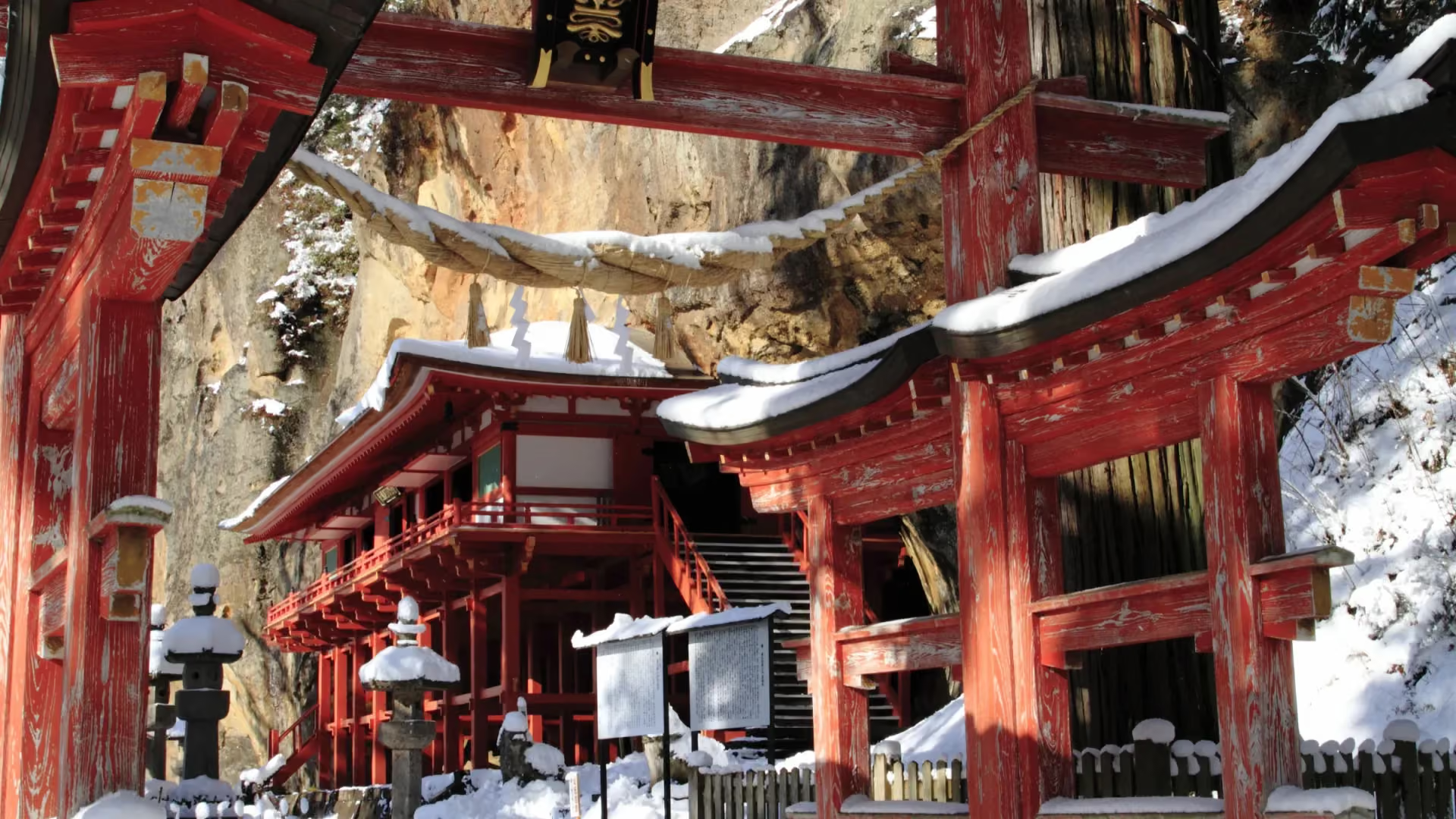
Hiraizumi · IwateA temple hall built into a cliff cave in 801, modeled on the stage of Kiyomizu-dera in Kyoto, and known for the northernmost rock-carved Buddha in Japan.
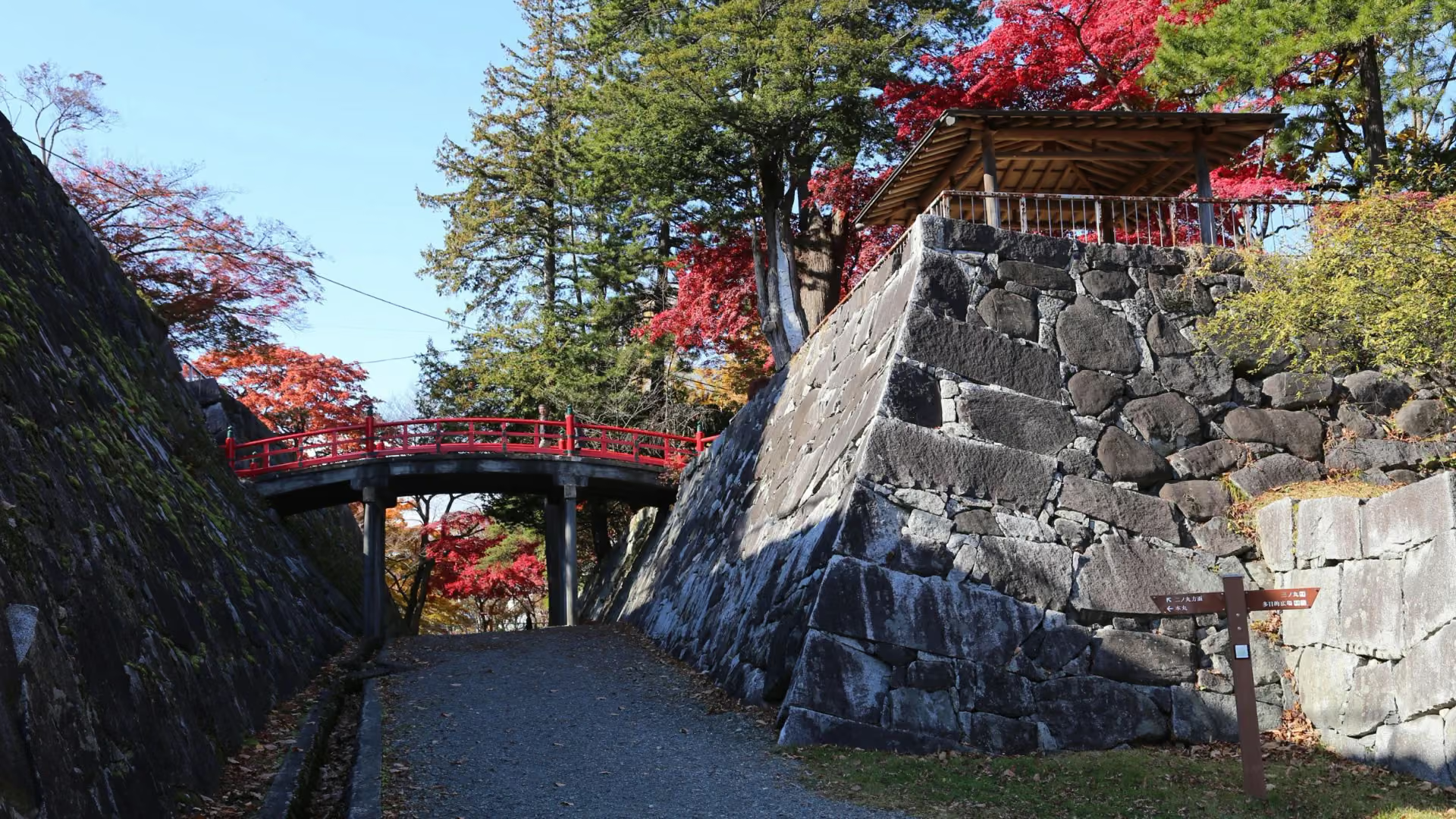
Hiraizumi · IwateRuins of the Nanbu clan's castle, begun in 1597 where two rivers meet in Morioka. Its granite stone walls remain, and the site is now a public park.
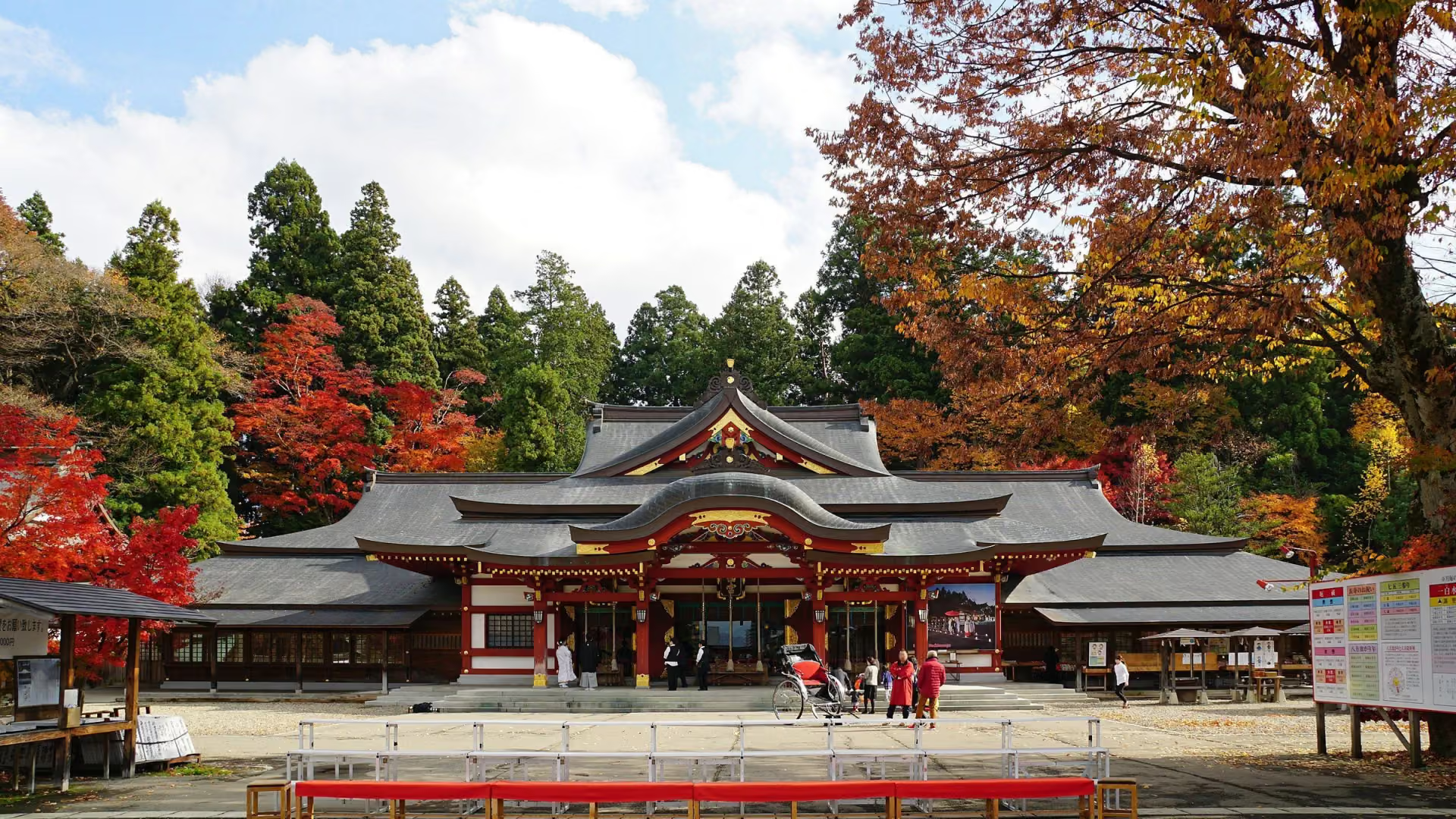
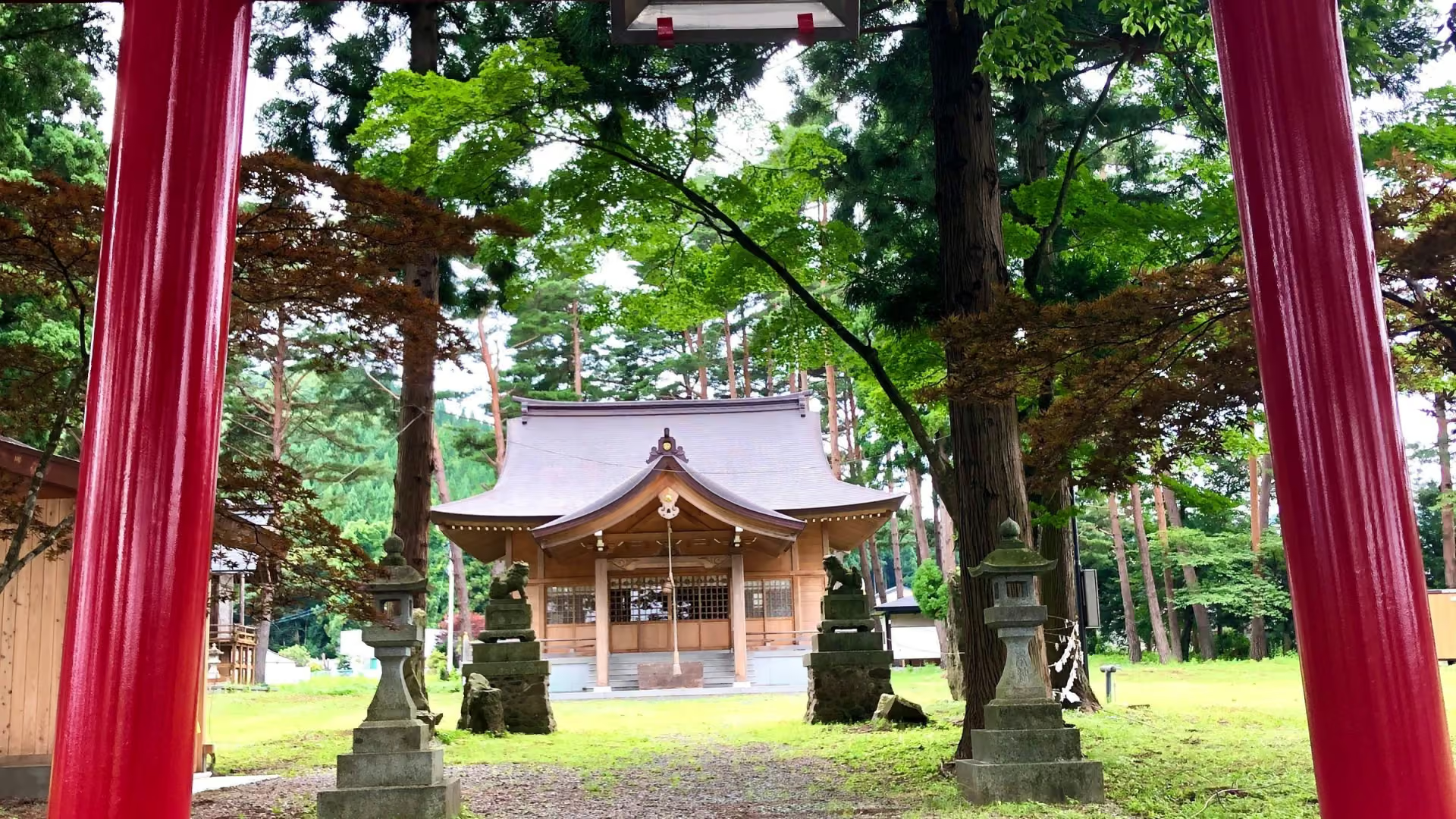
Morioka · IwateShinto shrine founded in 1680 by the Nanbu lords of Morioka, enshrining Hachiman, with a vermilion hall rebuilt in 1997 and many smaller shrines.
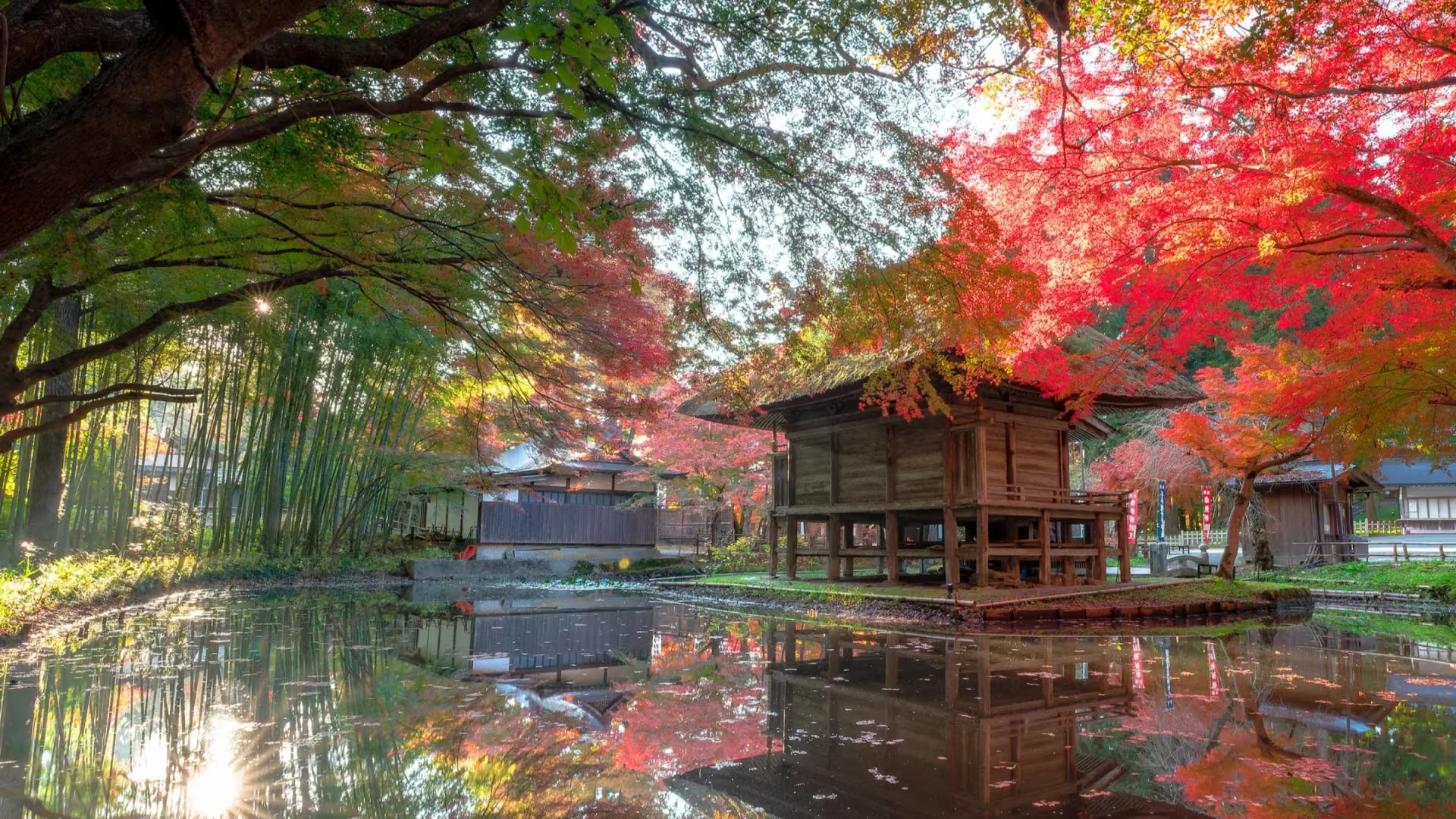
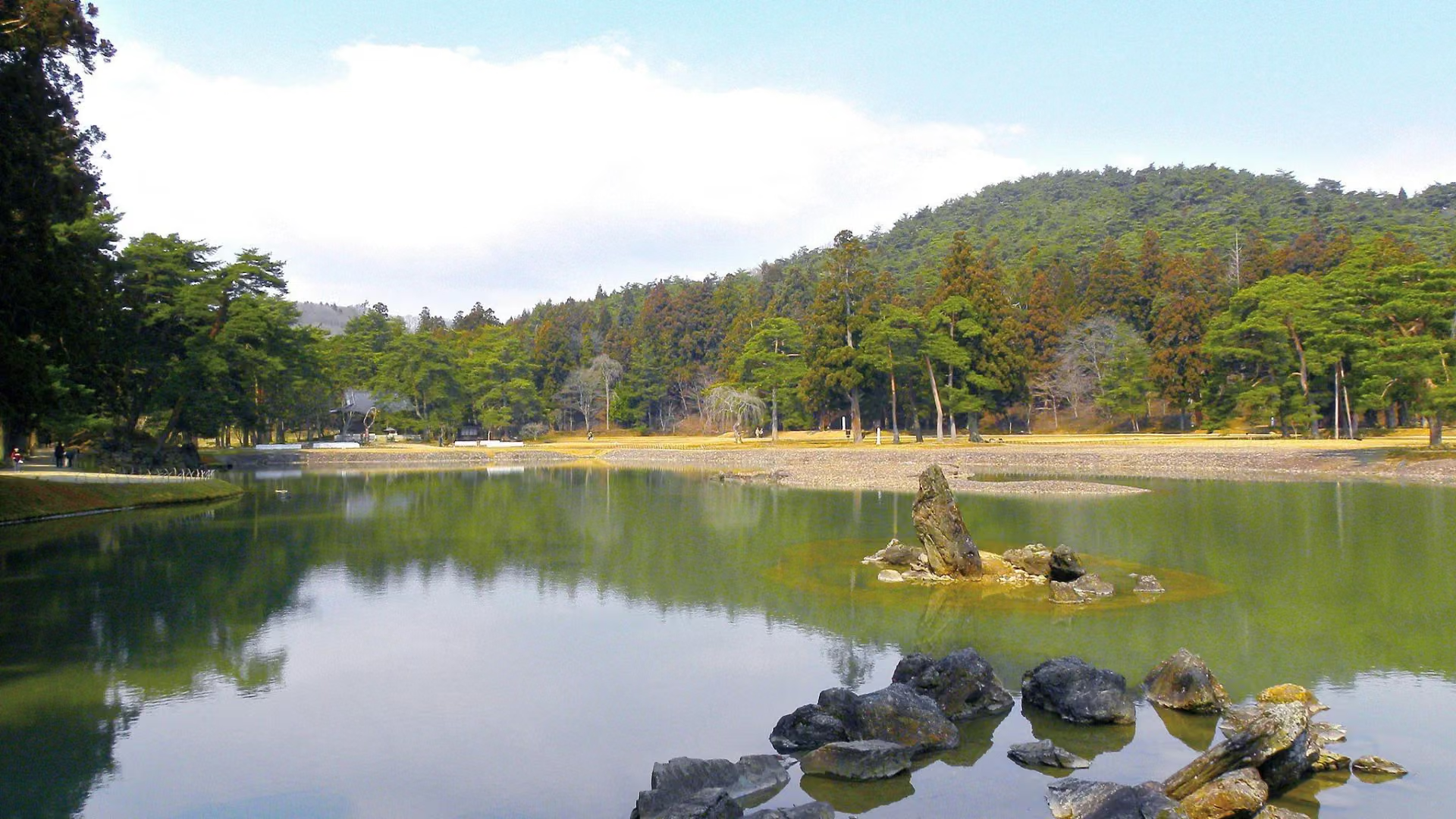
Morioka · IwateTendai temple in Hiraizumi with a Heian-period Pure Land garden and hall foundations, a Special Historic Site and Special Place of Scenic Beauty.
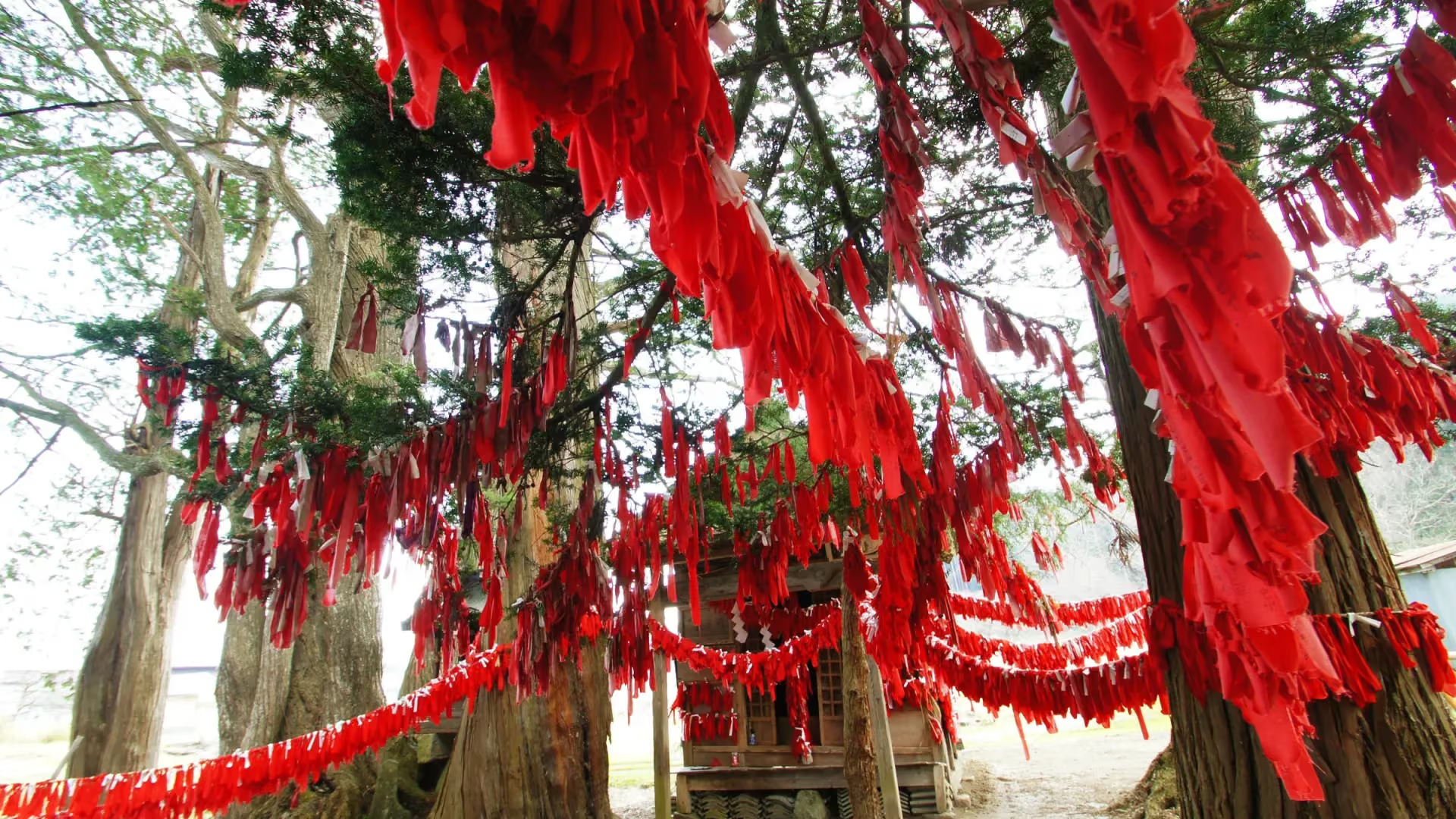
Hiraizumi · IwateSmall wayside shrine in Tono for love and marriage, where wishes are written on red cloths and tied on with the non-dominant hand alone.
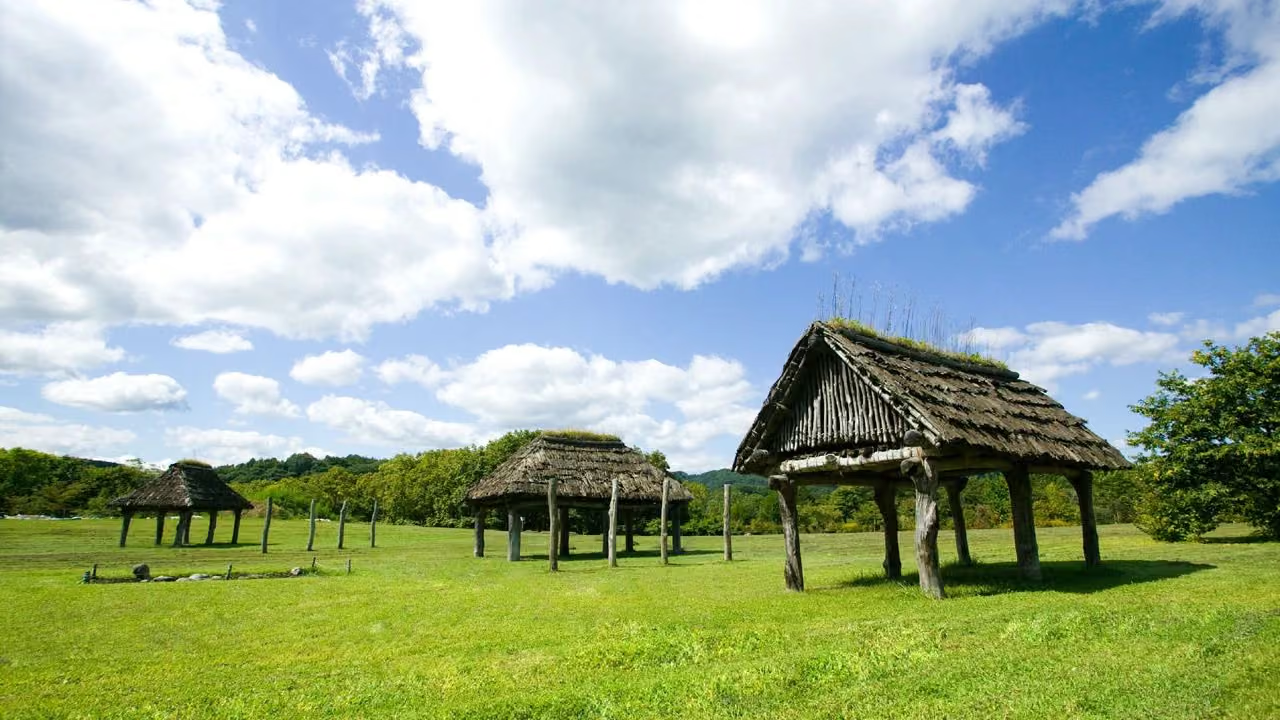
Tono · IwateA Jomon village of about 5,000 to 4,200 years ago in Ichinohe, with earth-roofed pit dwellings rebuilt where they stood, in a UNESCO World Heritage listing.
Ichinohe · IwateMuseum opened 2011 within Morioka Castle Ruins Park, treating the historic fort grounds as its primary exhibit while promoting the surrounding castle-town area.
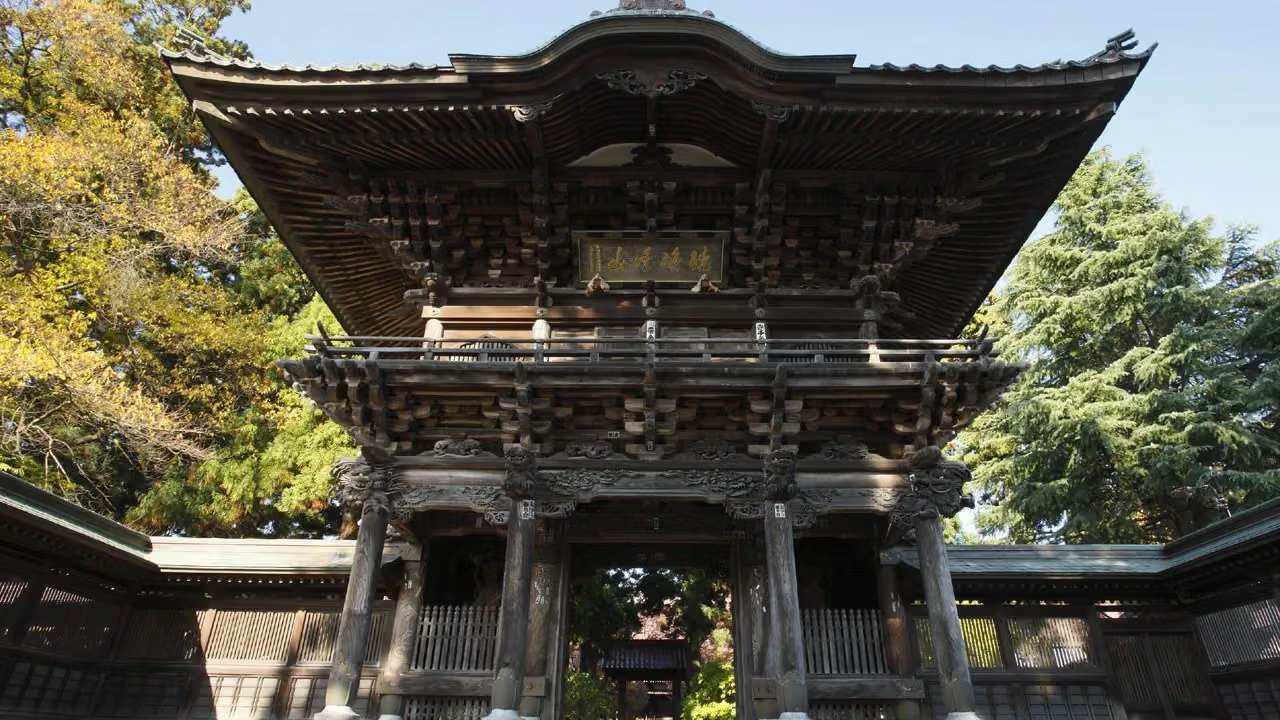
Morioka · IwateA Soto Zen temple in Morioka, founded in 1394 and moved here in 1601, whose Rakan Hall holds 499 lacquered wooden statues of Buddhist saints.
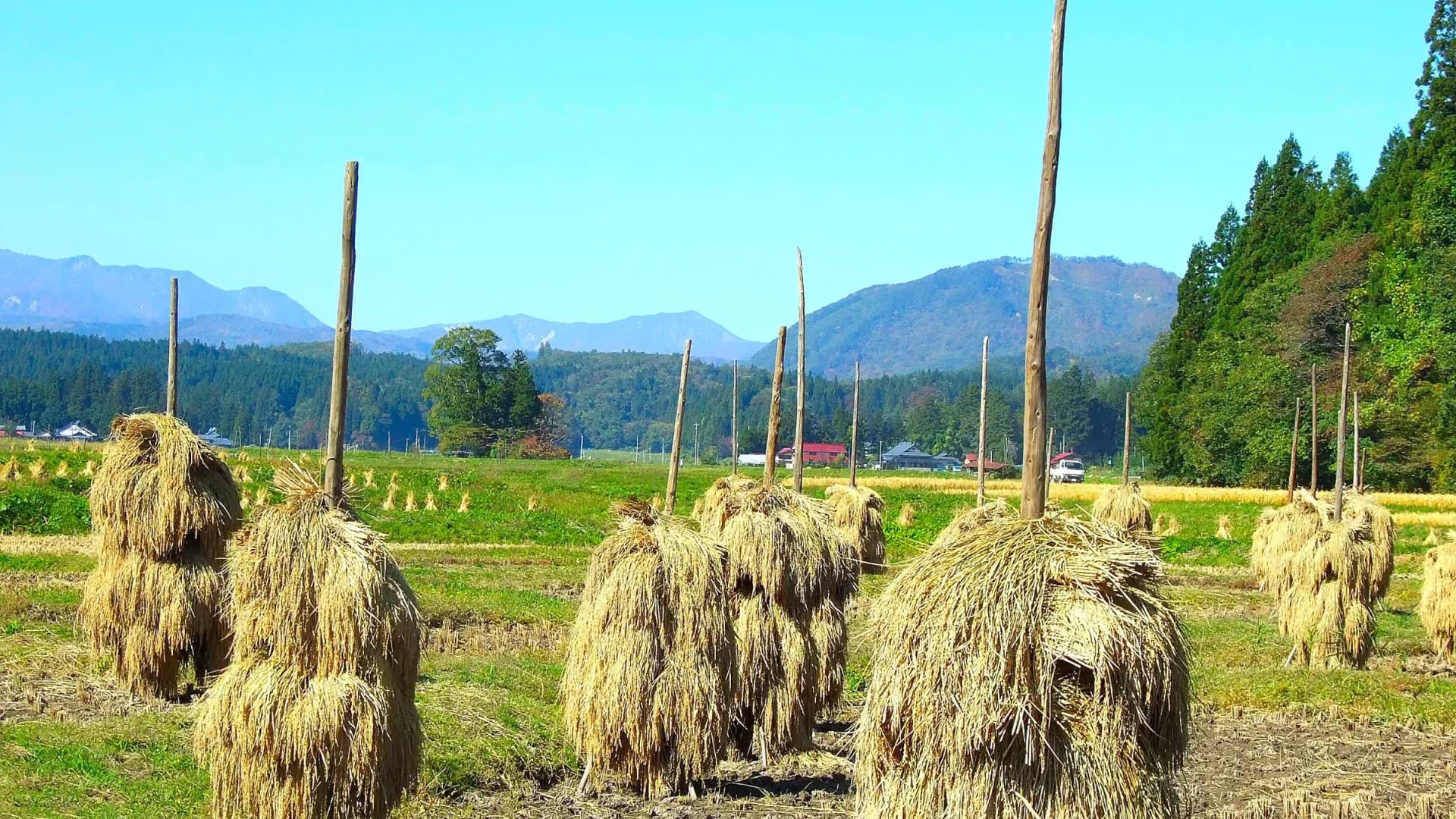
Morioka · IwateRemains of a medieval estate of Chuson-ji whose rice fields, channels and farmhouses still follow the layout drawn on two Kamakura-period maps.
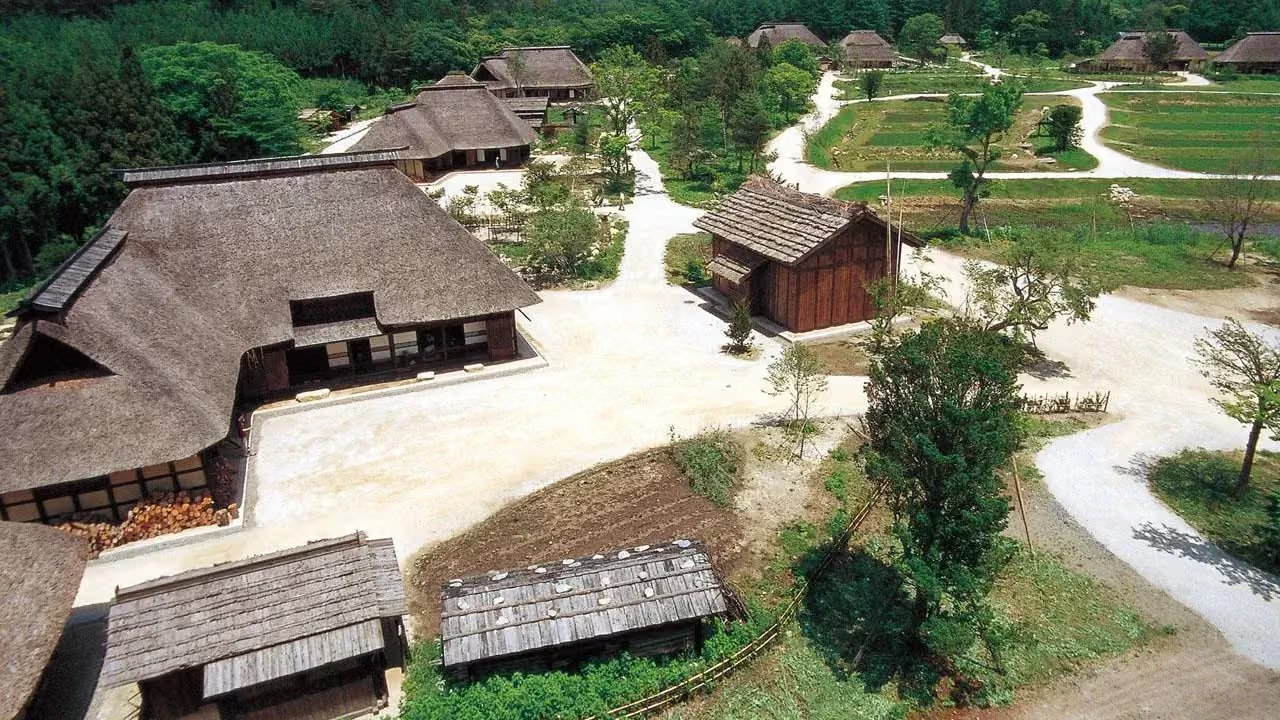
Ichinoseki · IwateSeven old farmhouses of the Nanbu type moved to a valley in Iwate and kept as a working village, with horses, paddies and a water mill.
Tono · IwateShinto shrine dedicated to Sozen-sama, a guardian deity of horses and farming, and the starting point of the Chagu Chagu Umakko horse procession.
Takizawa · Iwate