Wakayama Castle
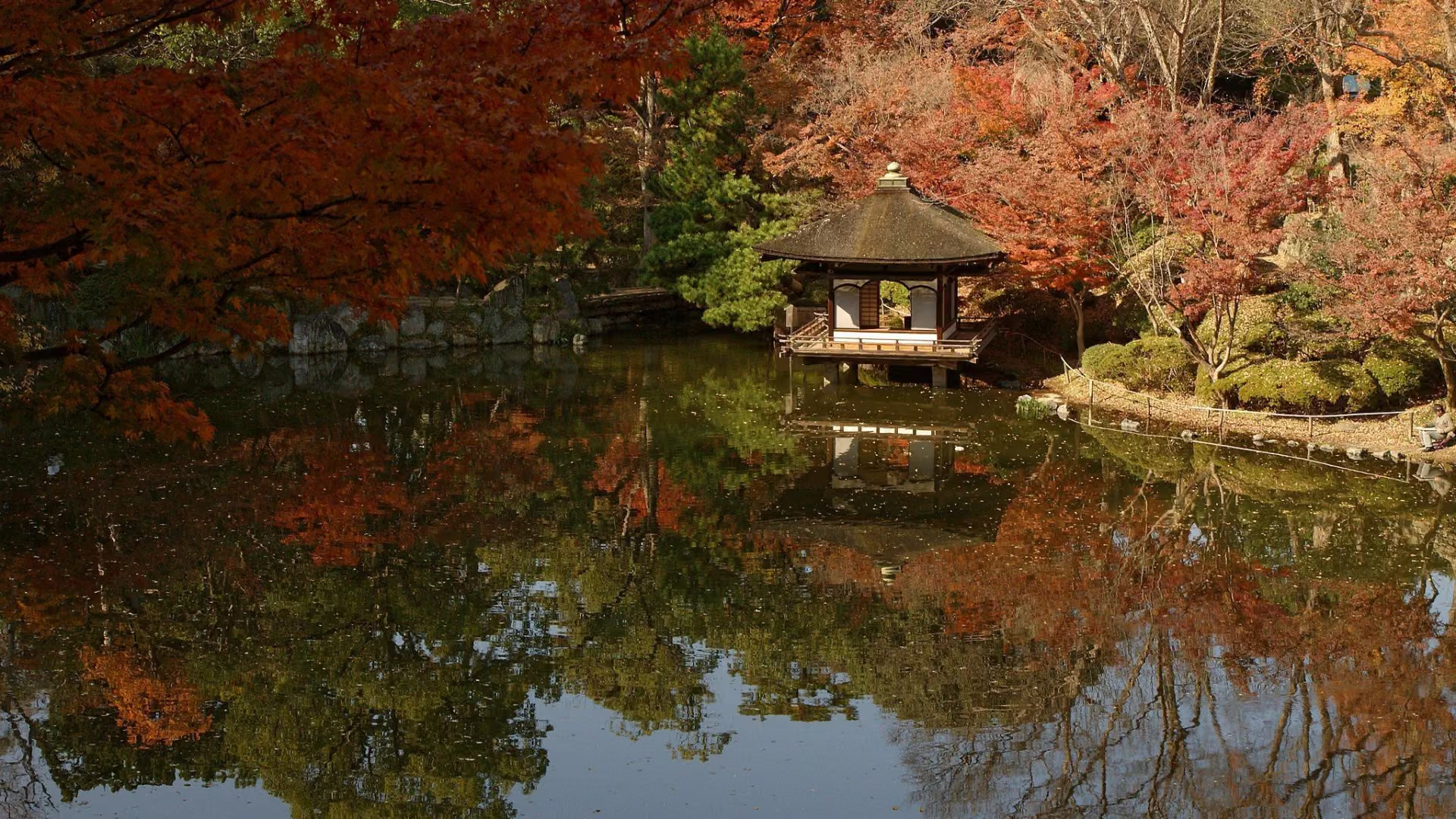
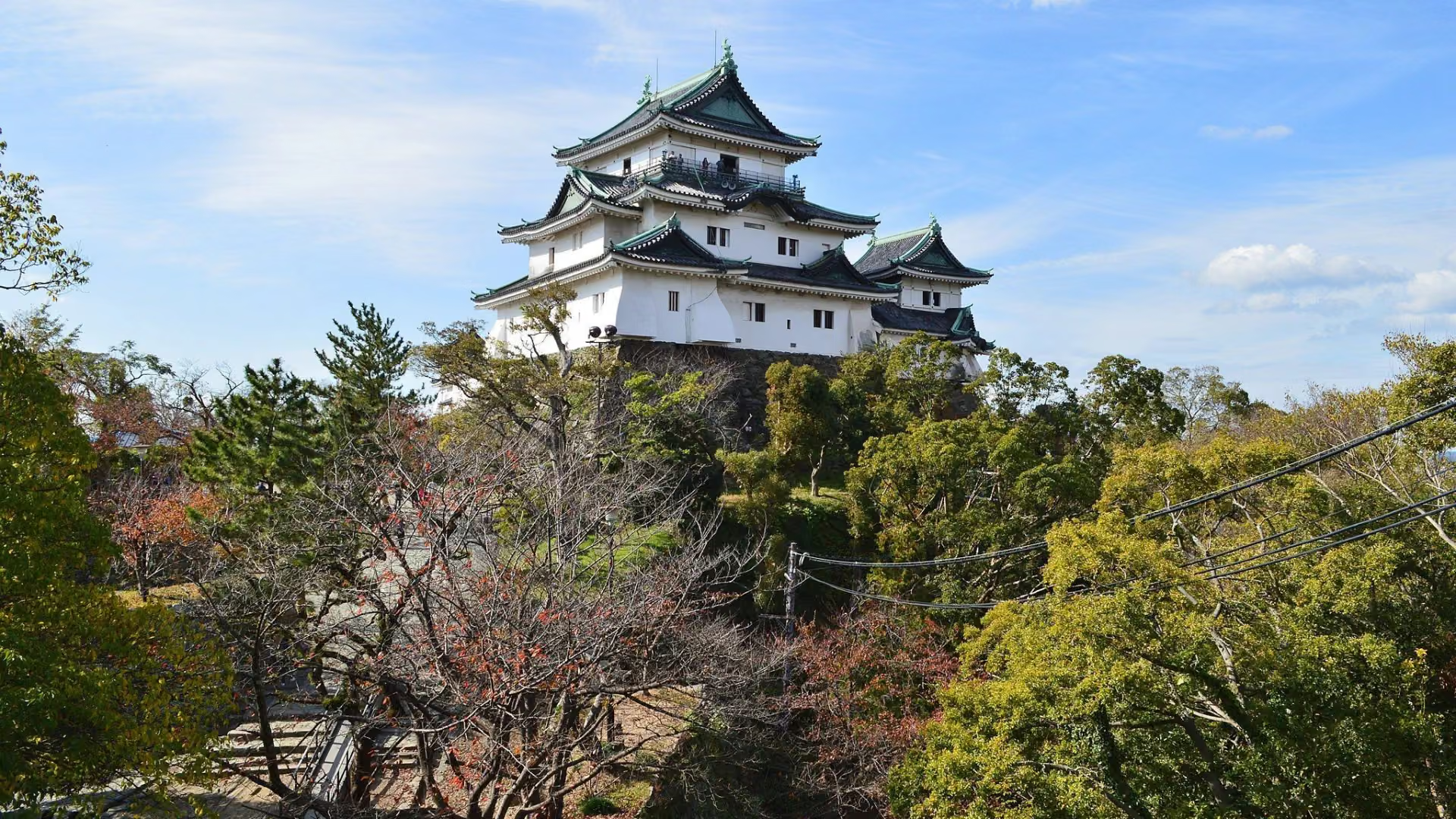
Castle founded in 1585 by Toyotomi Hidenaga and later the seat of the Kishu Tokugawa family, with a keep rebuilt in 1958 and the Nishinomaru Garden.
Wakayama

Shrines, museums, parks, and the spots in between, with the access details worked out.
Castle founded in 1585 by Toyotomi Hidenaga and later the seat of the Kishu Tokugawa family, with a keep rebuilt in 1958 and the Nishinomaru Garden.
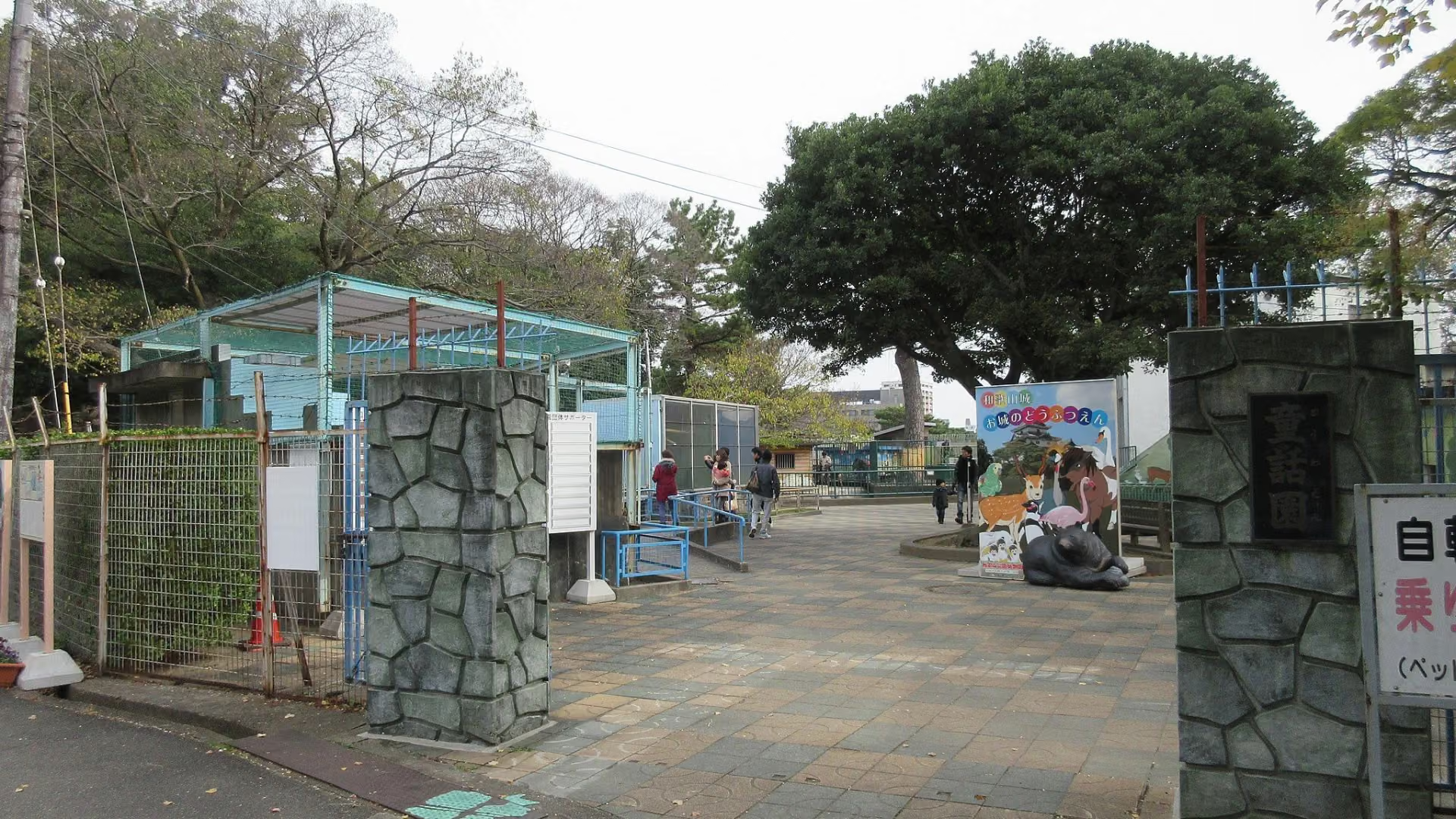
WakayamaFree zoo in the grounds of Wakayama Castle, dating from the Taisho era, with Humboldt penguins, European flamingos, red-crowned cranes and miniature horses.
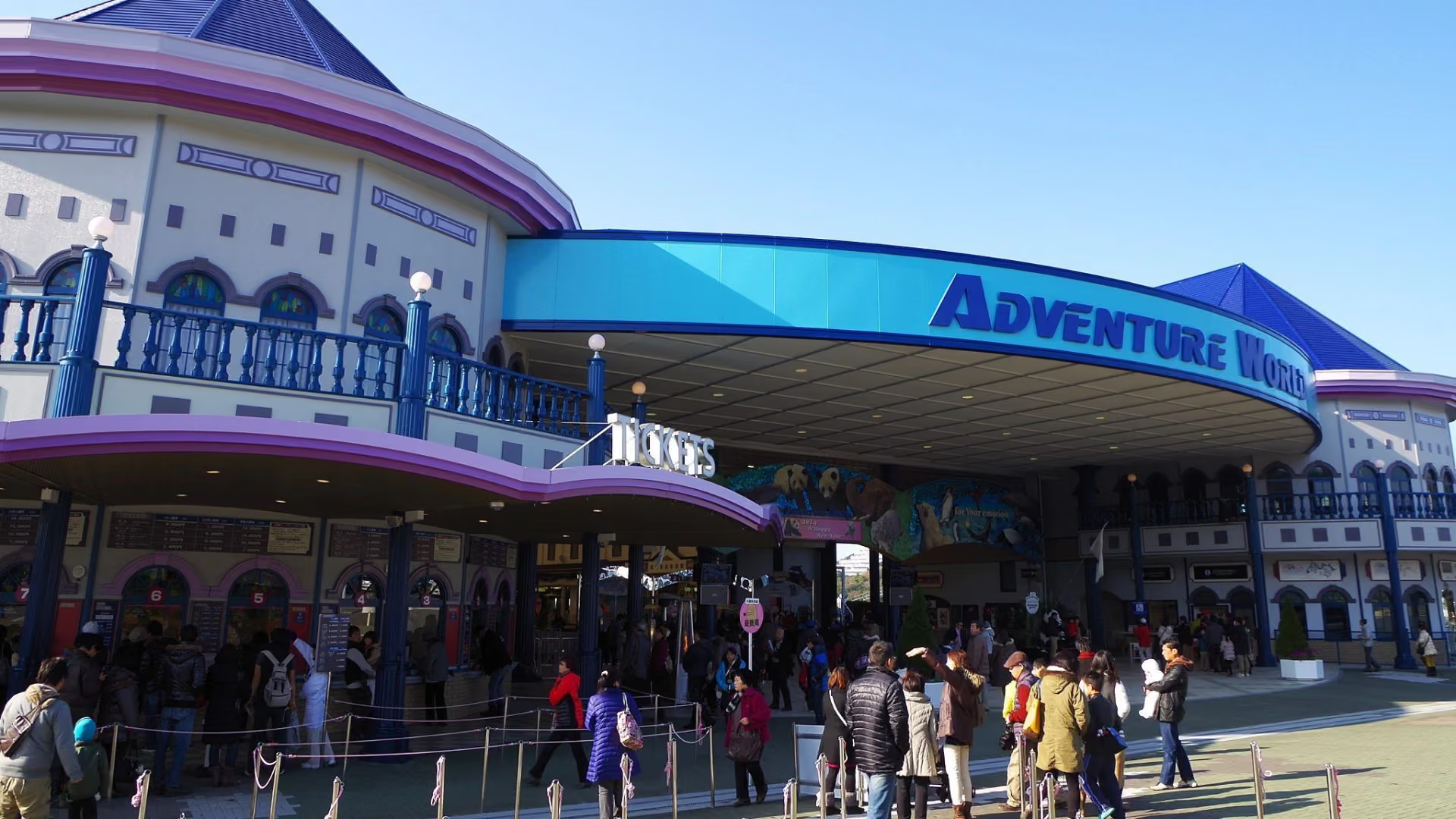
WakayamaA wildlife park in Shirahama featuring diverse animal experiences, though its longtime giant pandas departed in June 2025.
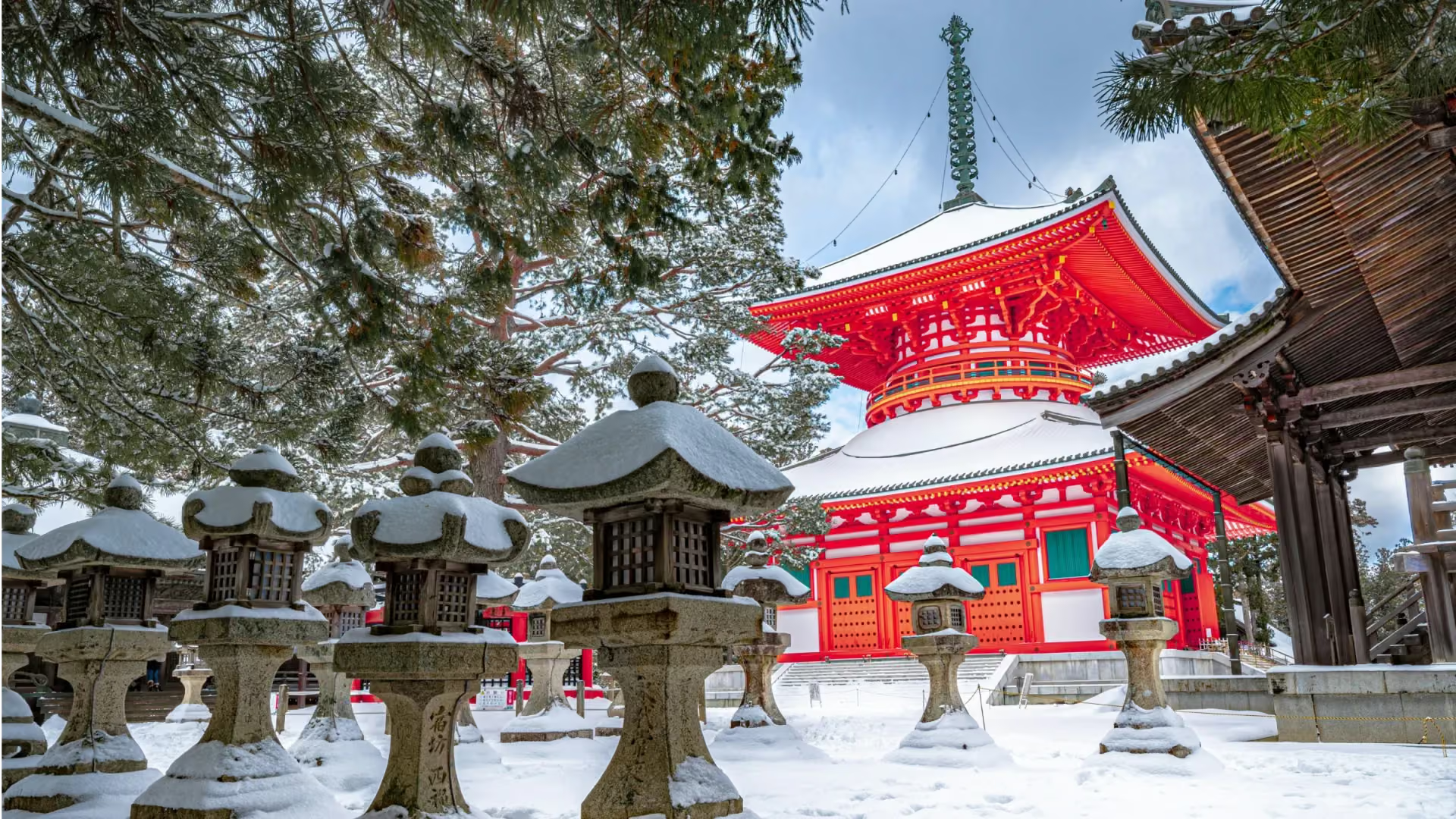
Shirahama · WakayamaMount Koya is a sacred temple complex where the entire mountain is treated as one unified holy domain dedicated to Shingon Esoteric Buddhism.
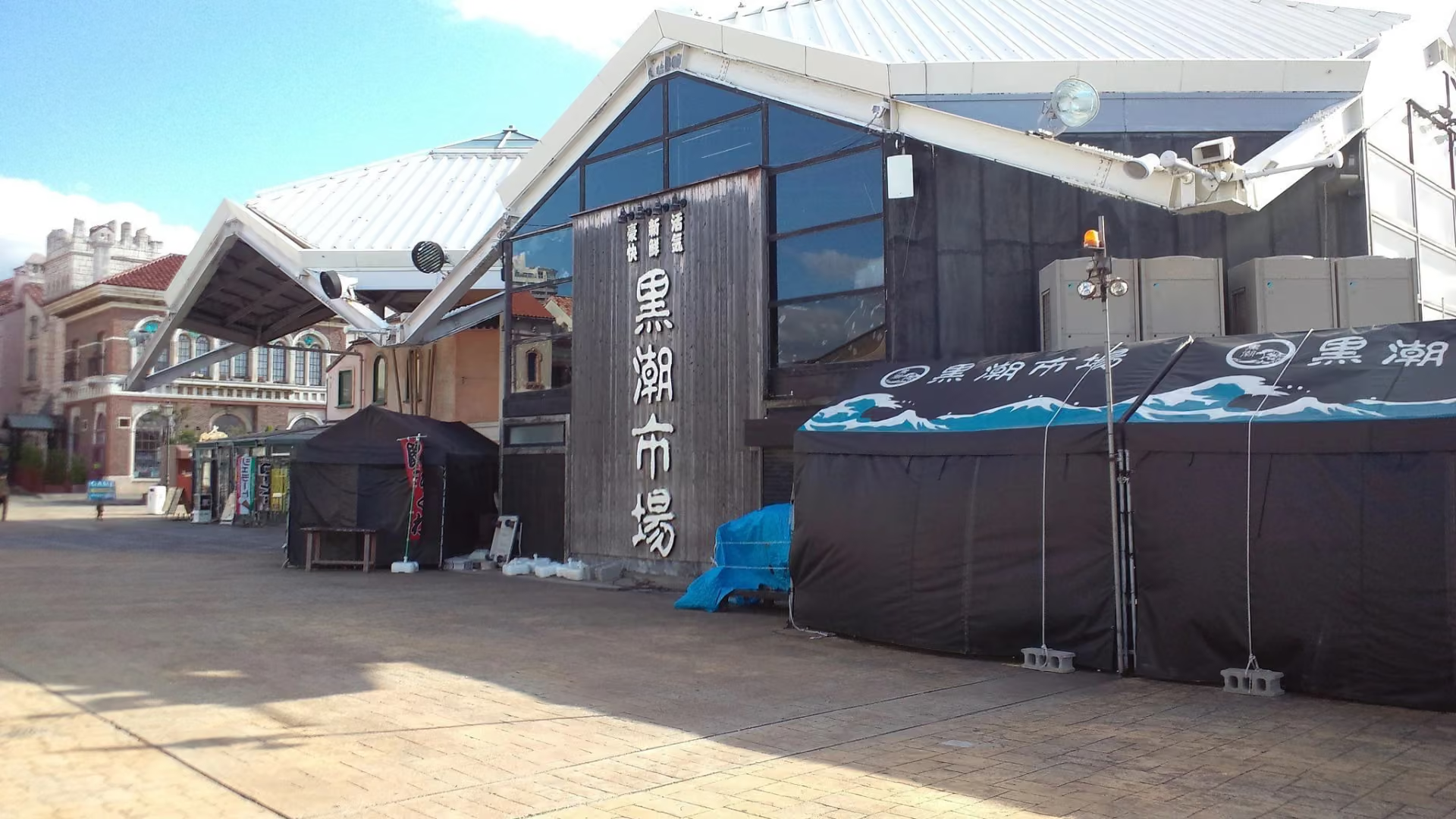
Koya · WakayamaA tuna-themed seafood market in Wakayama Marina City with a daily tuna cutting show, a seafood food court, a barbecue and a tuna buffet.
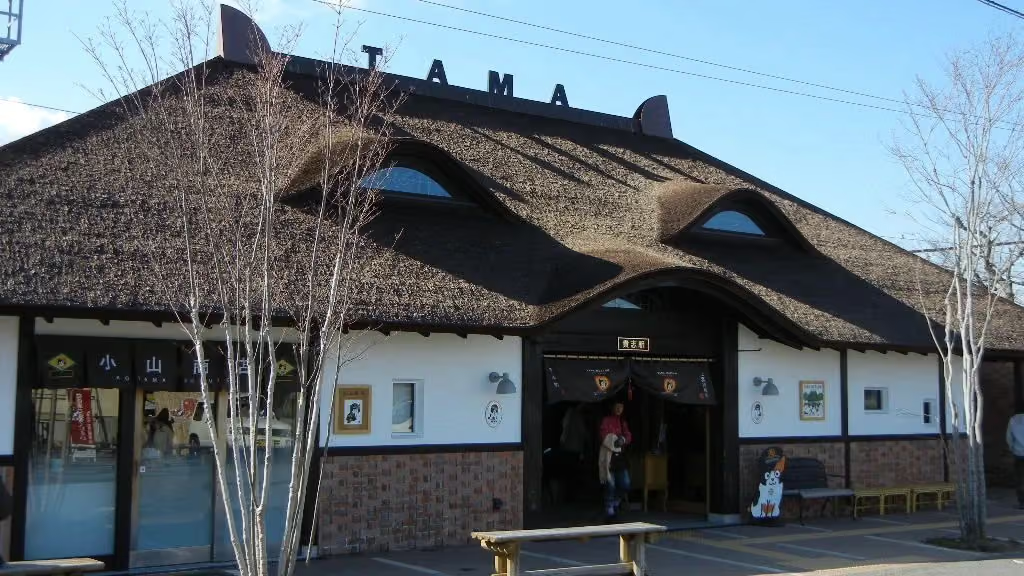
WakayamaTerminus of the Kishigawa Line in Kinokawa, known for its cat stationmasters, a shrine to Tama on the platform and a station building shaped like a cat face.
Kinokawa · WakayamaPublic garden within Wakayama Castle grounds featuring thousands of cherry blossom trees, a central pond, and a traditional tea house.
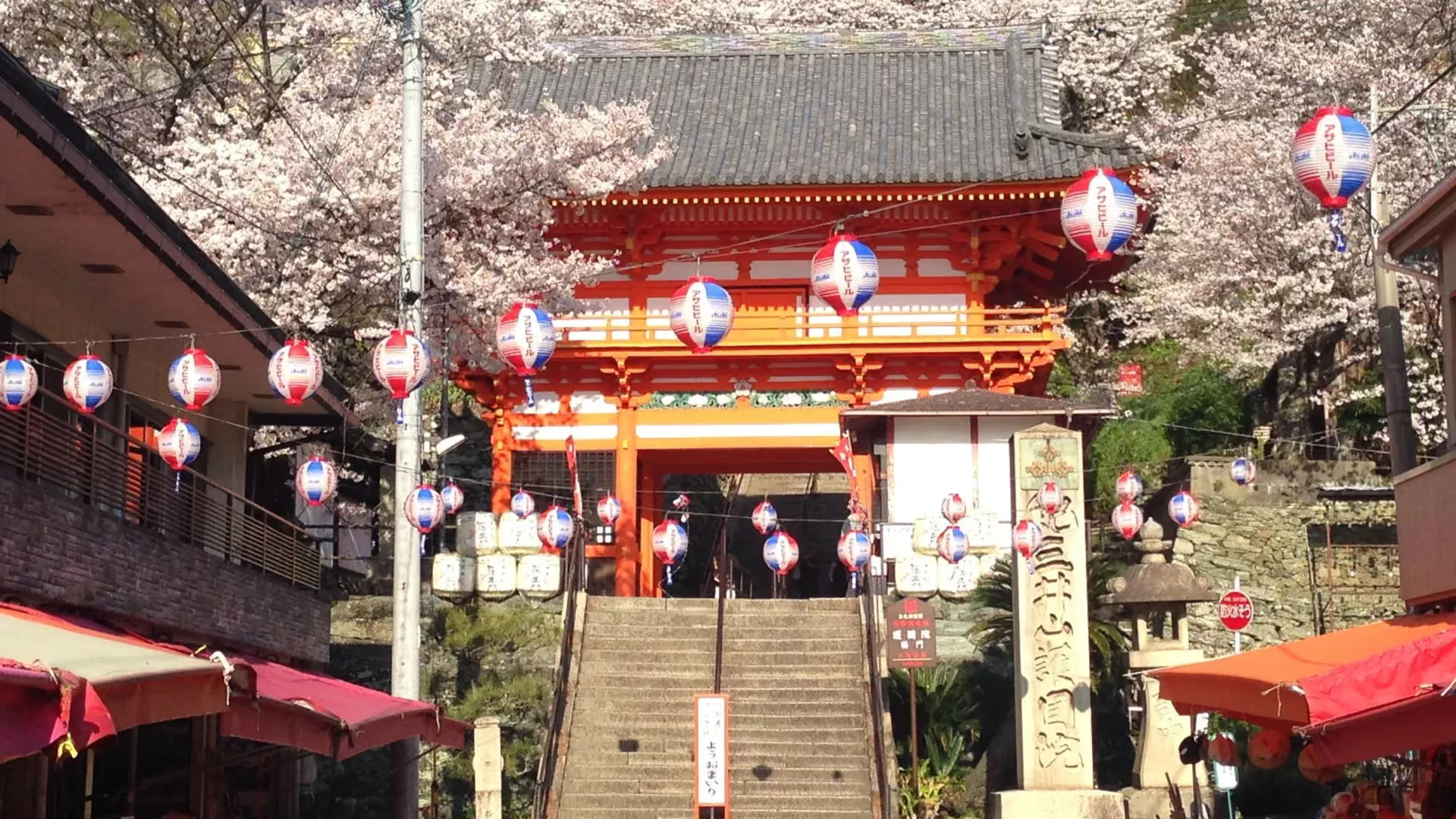
WakayamaA 1,250-year-old Buddhist temple in Wakayama that holds the second position on Japan's oldest pilgrimage route dedicated to Kannon worship.
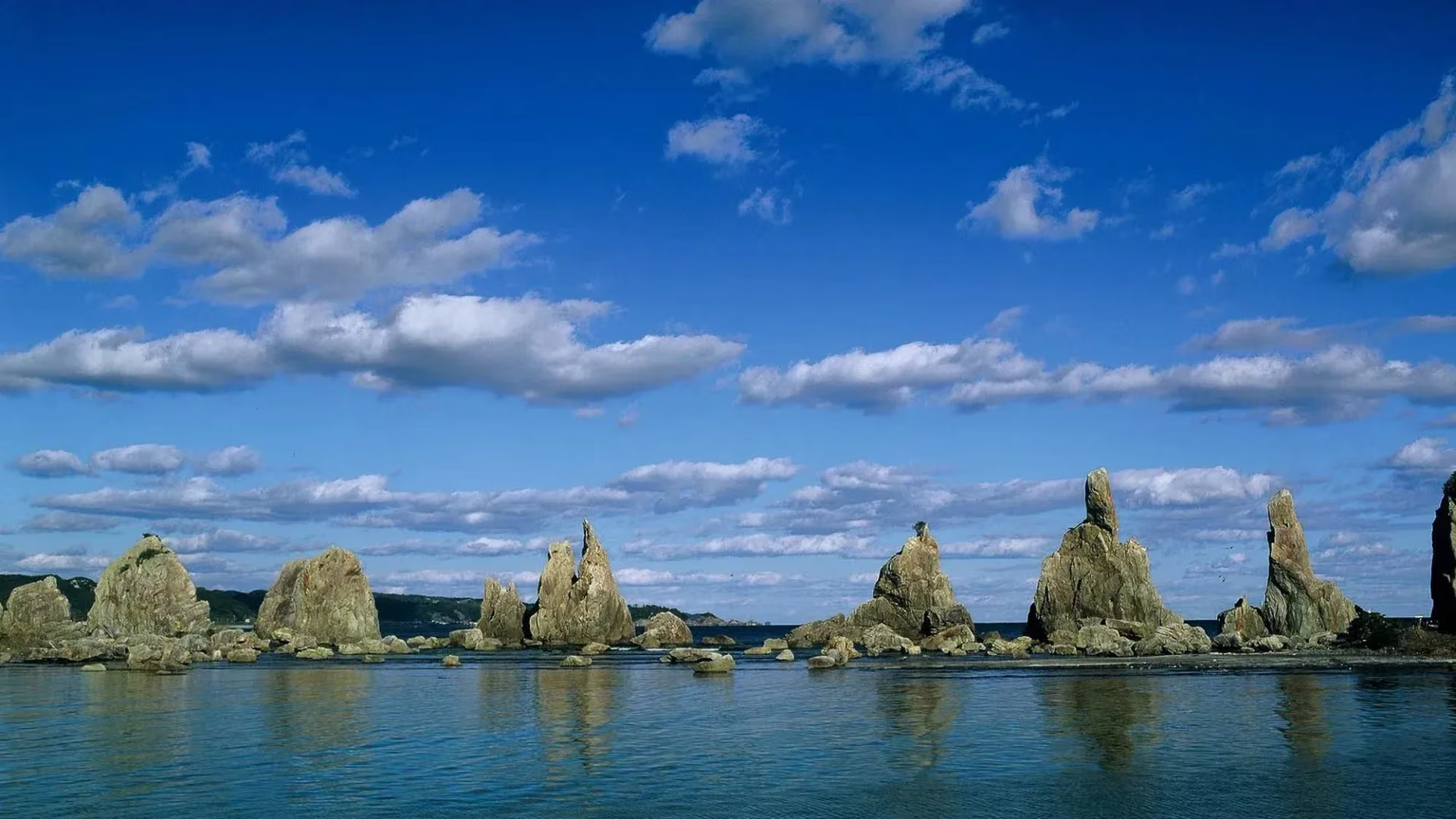
WakayamaA line of some forty rock pillars running out to sea at Kushimoto in Wakayama, left standing when the softer rock around them wore away.
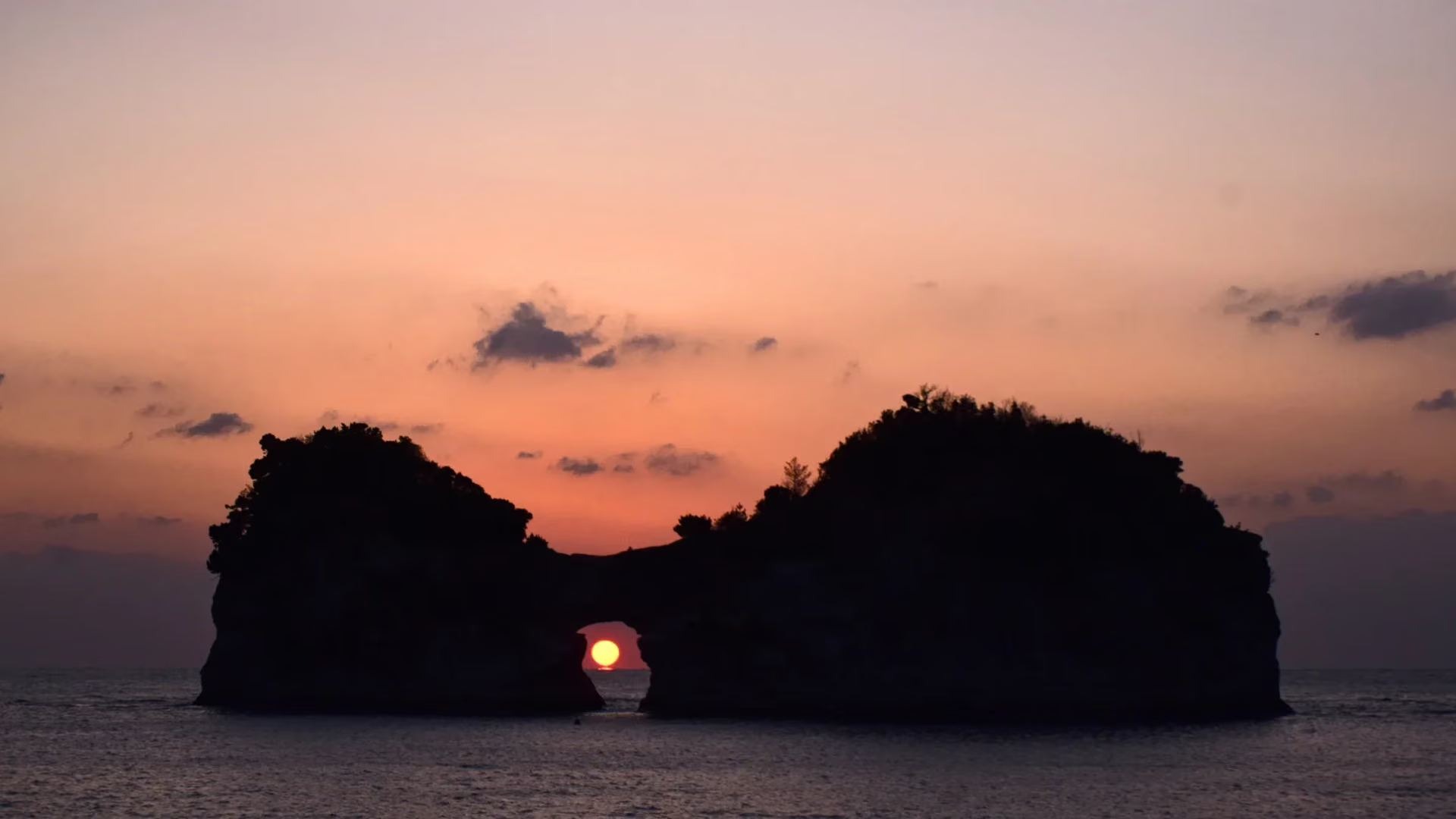
Kushimoto · WakayamaA small island off Shirahama in Wakayama with a round hole worn through its middle, which the setting sun passes into around the equinoxes.
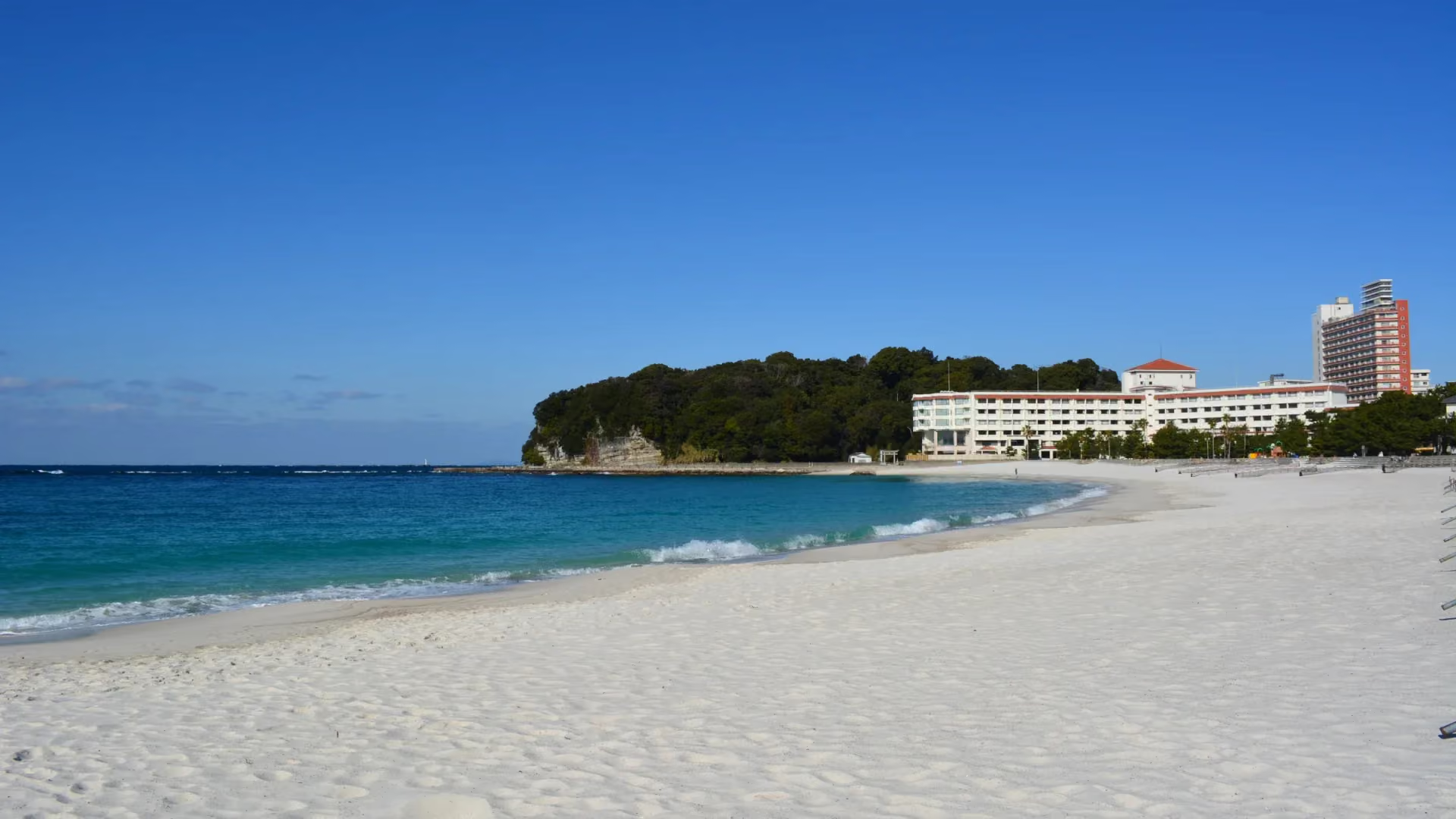
Shirahama · WakayamaA 620-metre beach of fine white quartz sand in Shirahama, Wakayama, and the first place on Honshu to open for swimming each year.
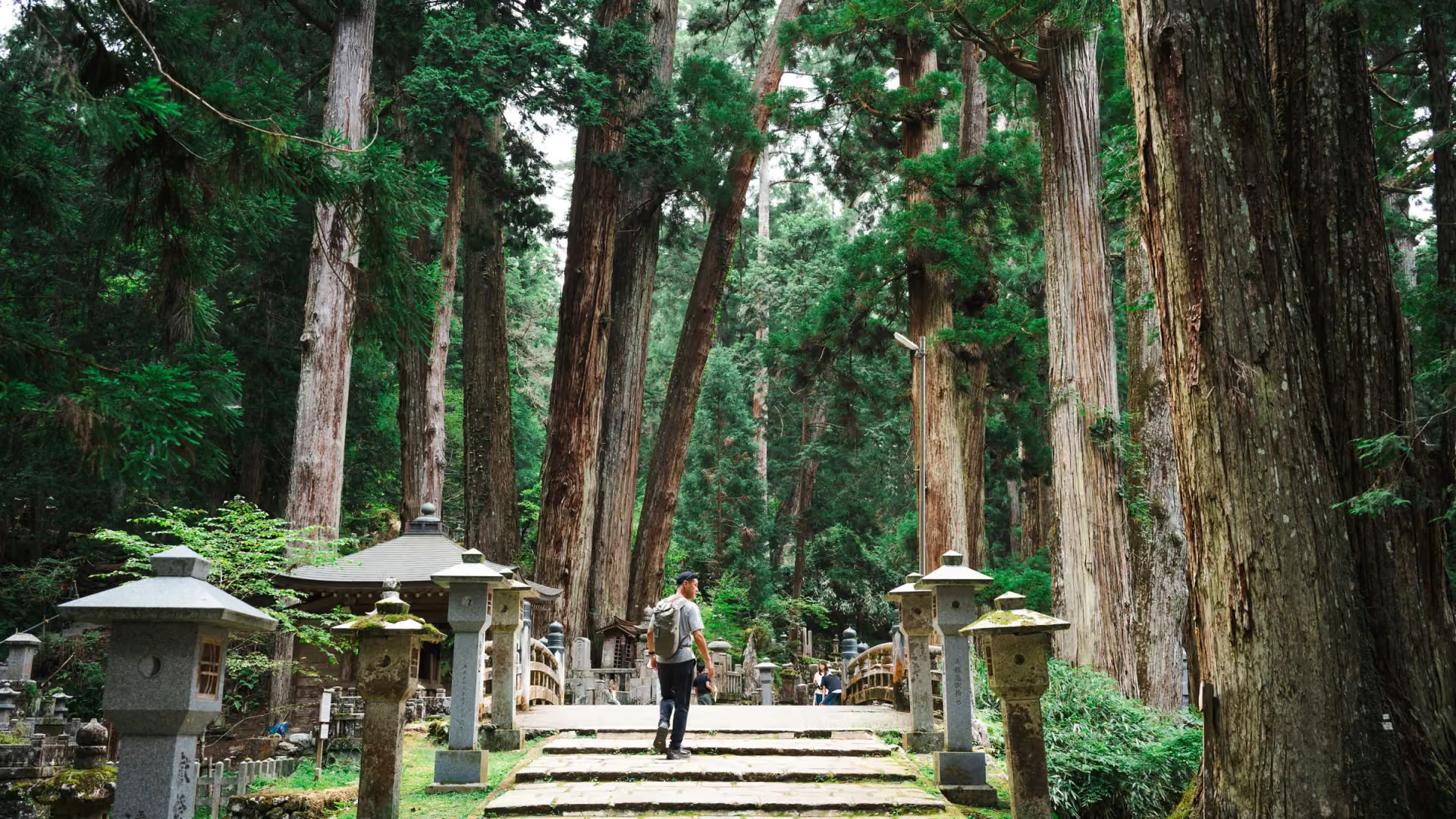
Shirahama · WakayamaThe innermost sanctuary of Koyasan, where a two-kilometre path through ancient cedars and 200,000 graves leads to the mausoleum of Kobo Daishi.
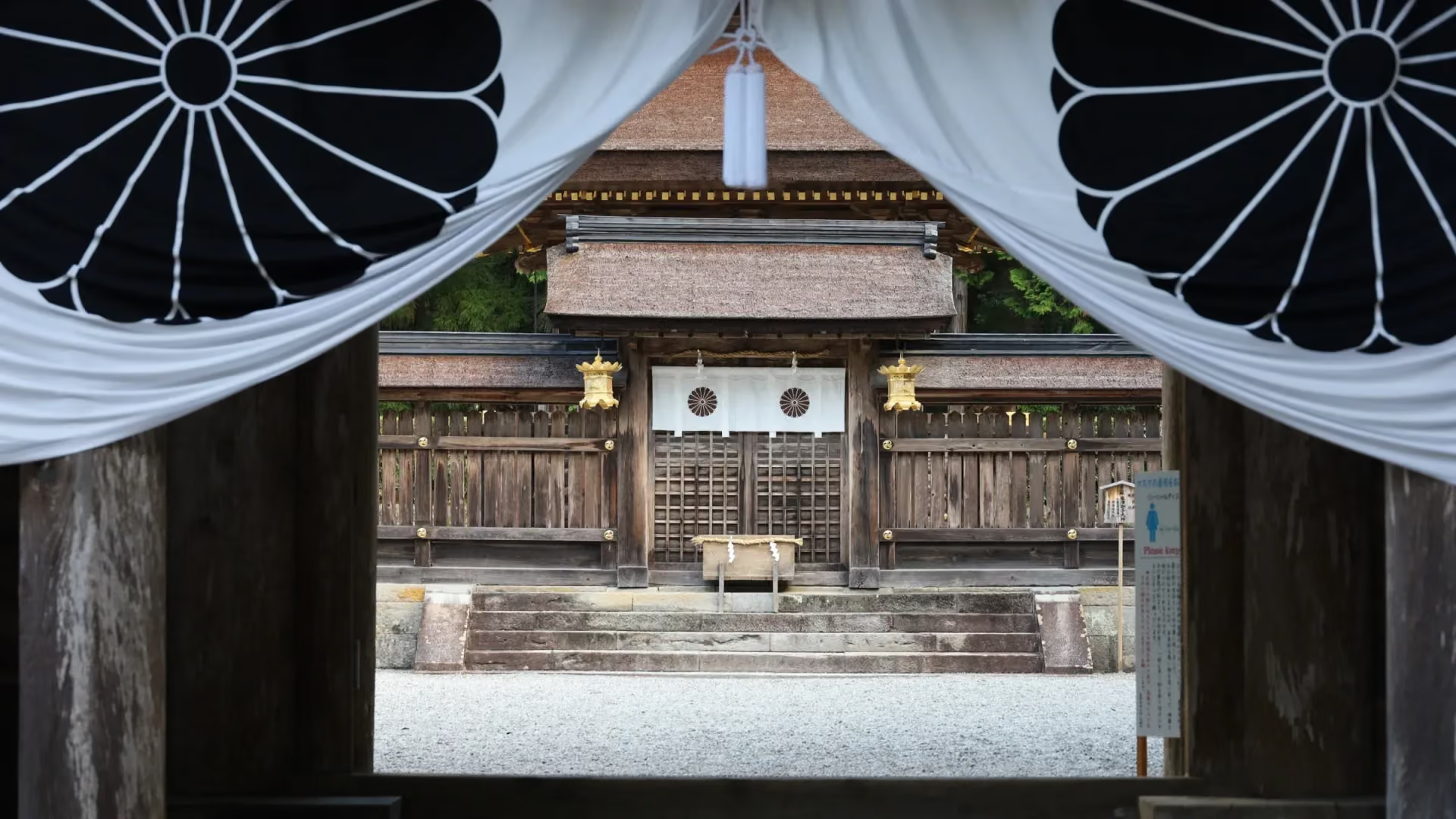
Koya · WakayamaKumano Hongu Taisha, heart of the Kumano Sanzan, traces its origins to before Emperor Jinmu - where legend says three moons descended to found the shrine.
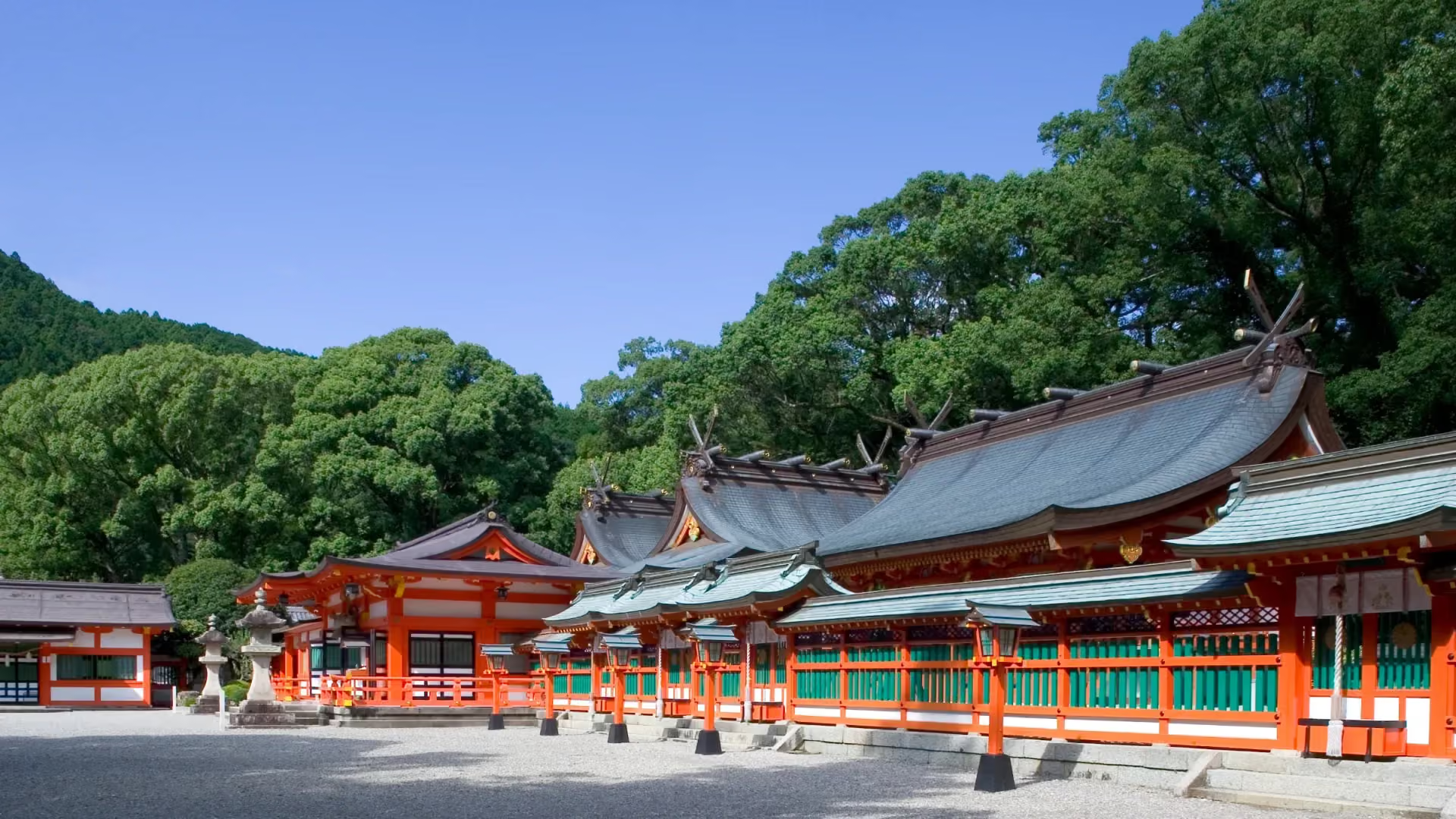
Tanabe · WakayamaKumano Hayatama Taisha in Shingu, Wakayama, is one of the three grand Kumano shrines, known as a land of rebirth where pilgrims have long sought renewal.
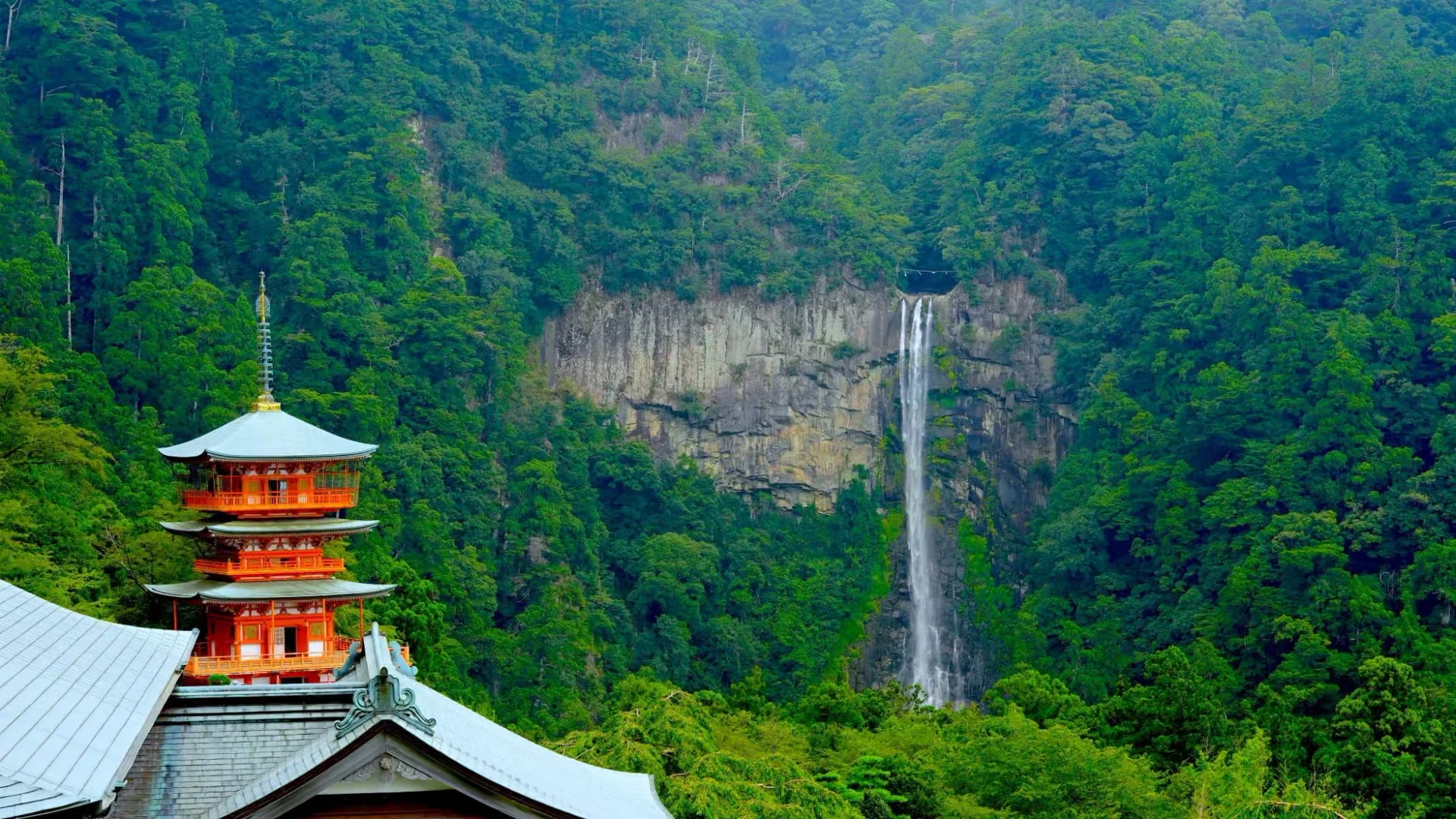
Shingu · WakayamaOne of the three grand shrines of Kumano, beside Japan's tallest waterfall, and home of the Yatagarasu, the three-legged crow on Japan's football crest.
Wakayama