

Kumano Hayatama Taisha
熊野速玉大社
In Shingu, Wakayama, Kumano Hayatama Taisha stands as one of the three grand Kumano shrines – a "land of rebirth" where pilgrims have sought renewal for centuries.
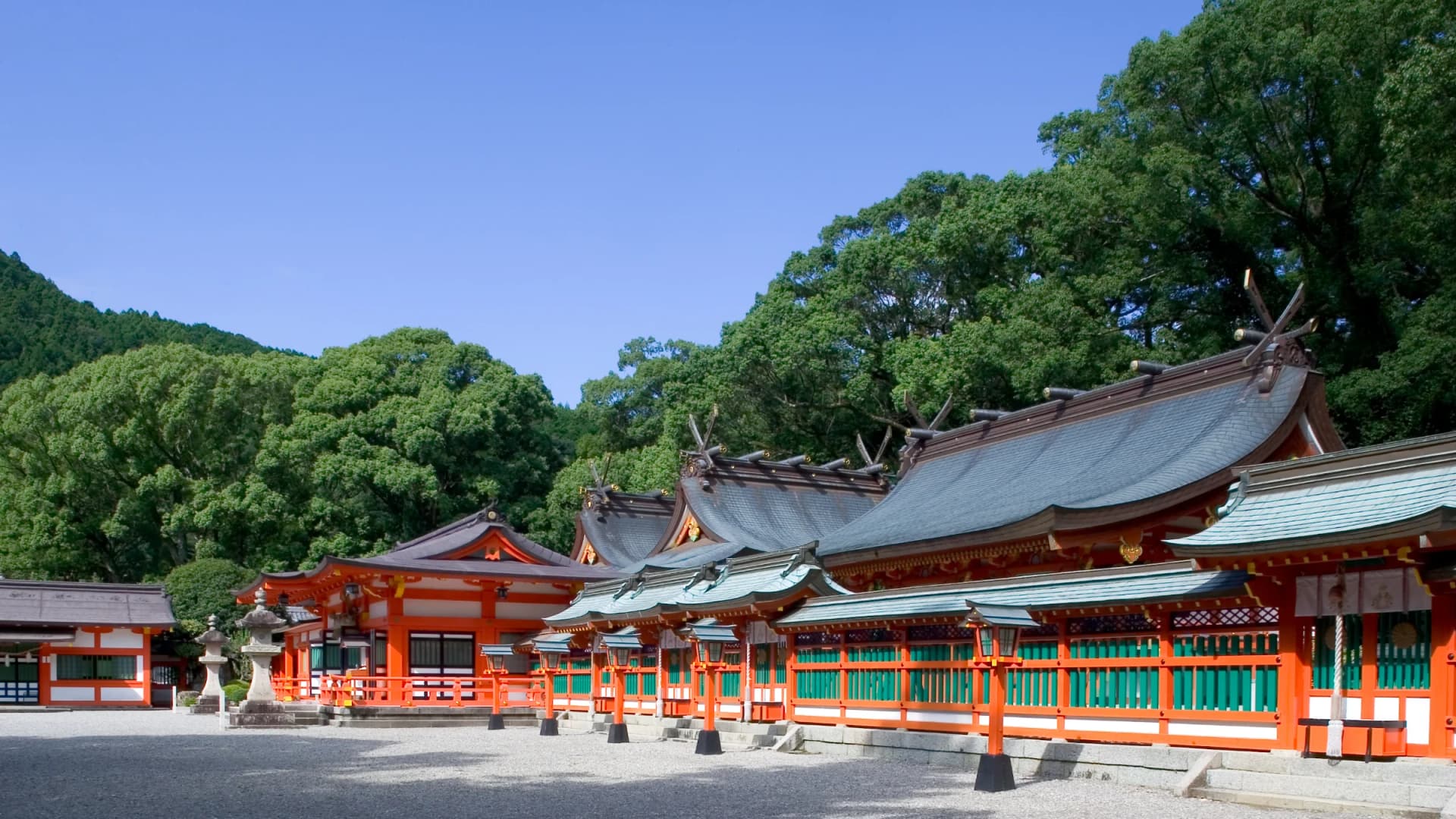
Kumano Hayatama Taisha is one of the three grand shrines of the Kumano Sanzan. According to old records, the gods of Kumano first descended onto the Gotobiki Rock atop Mount Kamikura before later moving to a newly built shrine on the present site — which was given the name "Shingu", meaning "new shrine". Mount Kamikura, revered since time immemorial, originally had no shrine buildings at all; it stood as a centre of primal nature worship, and fragments of a Yayoi-period bronze bell have been found there. The connection endures today: each October, the shrine's Grand Festival recreates that first shrine, the "cedar temporary shrine", at the sacred resting ground.
The Pilgrimage of Rebirth
With the arrival of Buddhism in the 6th century, Kumano's nature-based faith blended early with Buddhist belief, and devotion to the "Kumano Gongen" spread throughout Japan. The term gongen refers to a deity appearing provisionally in the form of a buddha to save all living beings, and Kumano came to be embraced as a sacred place offering salvation across past, present, and future.
What made Kumano remarkable was its openness. Its gods were believed to extend salvation to everyone without distinction. So many made the difficult journey that a saying arose likening the pilgrims to an endless trail of ants. The Kumano Kodo trails were, in a sense, roads of life, worn by people seeking absolution and salvation through hardship – and those who finally reached the shrine after crossing the steep mountains are said to have wept openly. The journey was understood as a trial that washed the heart clean and restored a person to their true, original self – which is why Kumano is called the land of rebirth, a place to come and receive the strength to live once more.

Treasure Hall
The shrine's treasure hall, the Kumano Shinpokan, holds a remarkable collection of some 1,000 sacred artefacts, all designated National Treasures. Centred on furnishings said to have been dedicated by the shogun Ashikaga Yoshimitsu in the Muromachi period, the collection includes ancient carved wooden deity figures, lacquered cosmetic boxes worked in gold, delicate painted cypress-wood fans, and finely crafted ornaments – many of them exceptionally rare survivals of medieval craftsmanship.
Kumano shrines are found the length of Japan, from Hokkaido to Okinawa, numbering in the thousands. Between the 10th and 14th centuries, retired emperors and imperial figures made well over a hundred pilgrimages to Kumano; the retired Emperor Go-Shirakawa alone is said to have journeyed there thirty-three times – testament to the extraordinary devotion this remote sacred land inspired.
Upcoming events at this place

Mifune Festival
Each October, Kumano Hayatama Taisha holds the Mifune Matsuri, two days of sacred processions culminating in a thrilling fast-boat race on the Kumano River.
15–16 Oct 2026Shingu · WakayamaYou might also like
Kumano Hongu Taisha
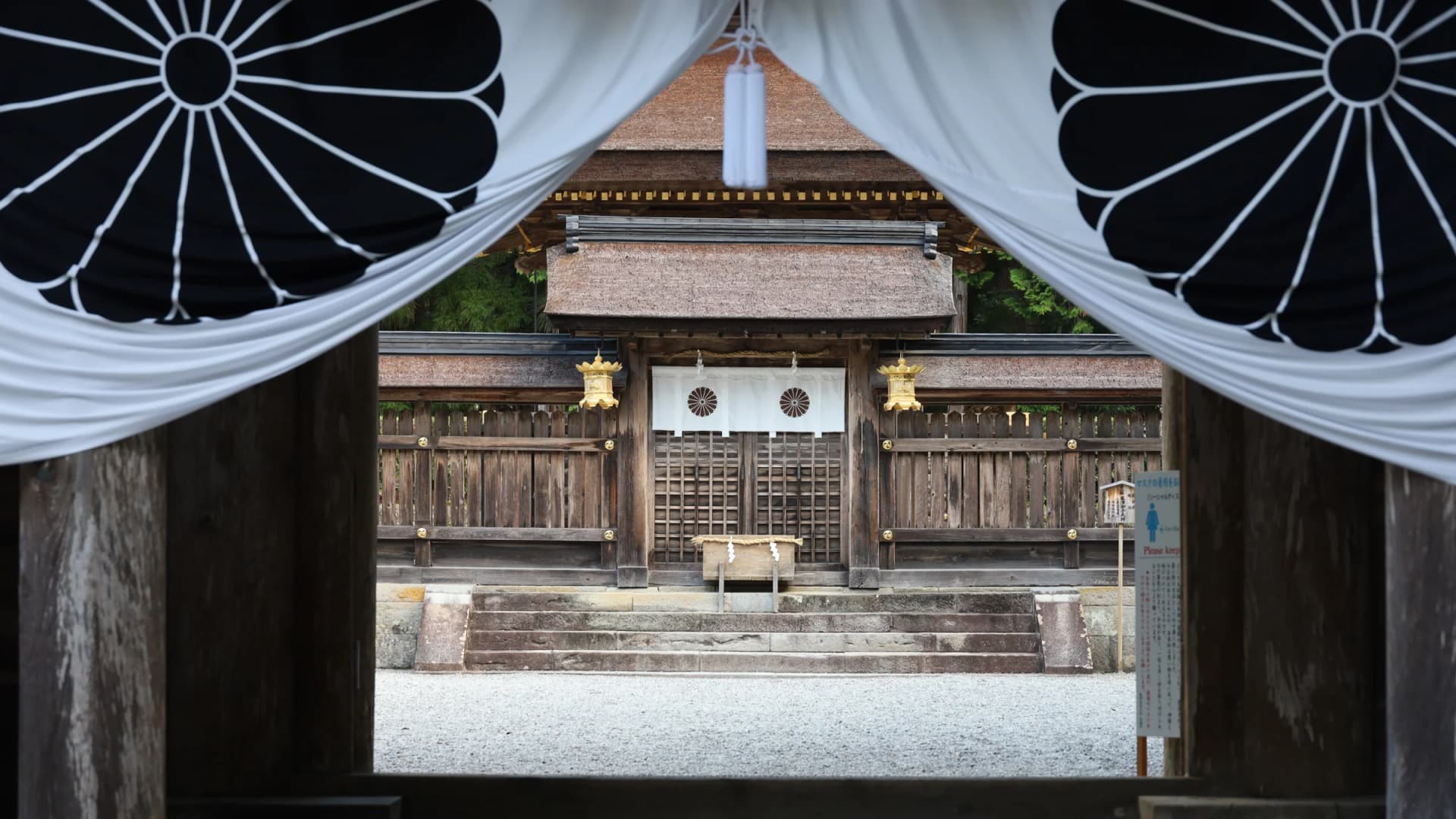
Kumano Hongu Taisha, heart of the Kumano Sanzan, traces its origins to before Emperor Jinmu – where legend says three moons descended to found the shrine.
Tanabe · Wakayama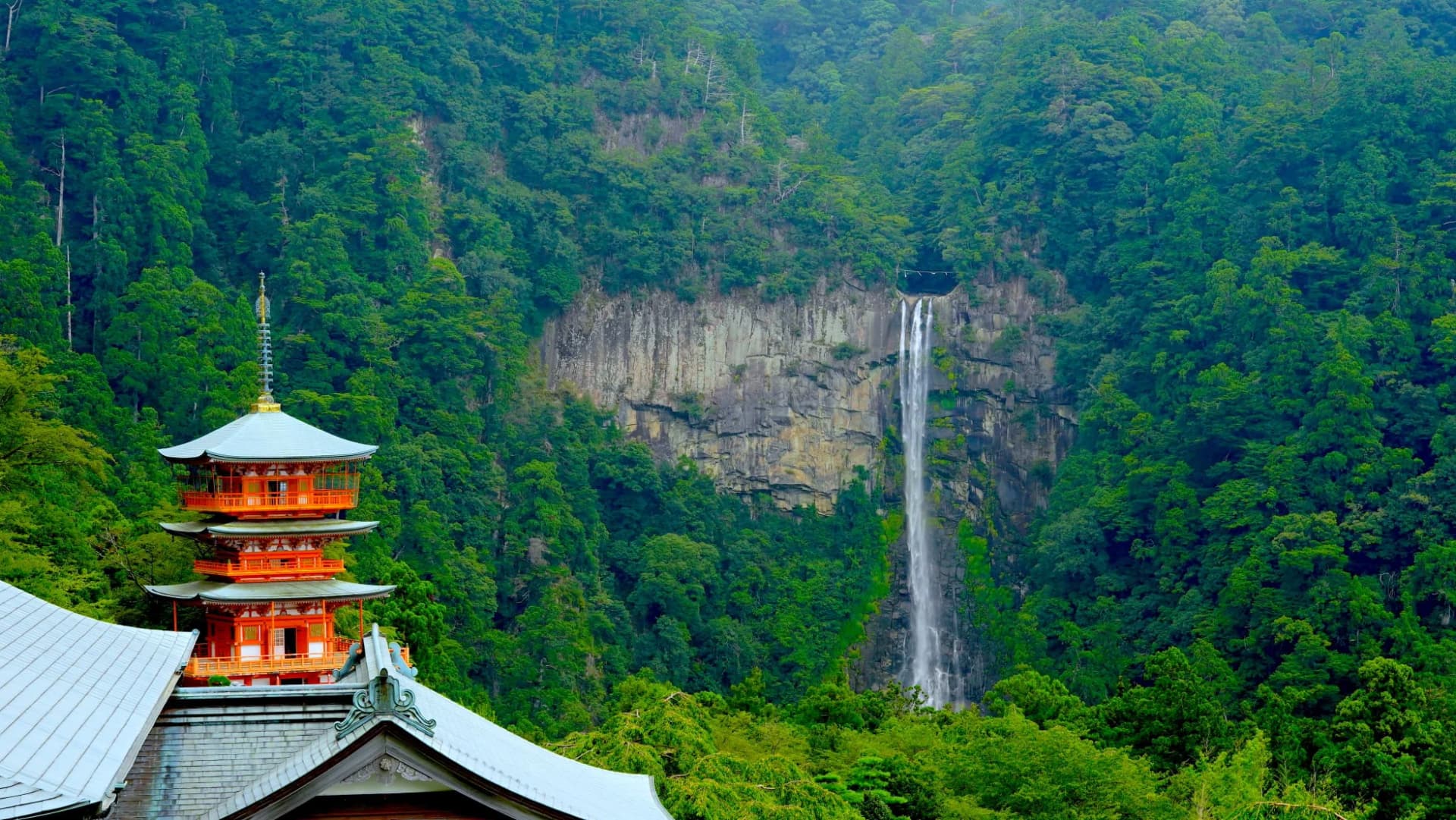
Kumano Nachi Taisha
One of the three grand shrines of Kumano, beside Japan's tallest waterfall – and spiritual home of the Yatagarasu, the three-legged crow on Japan's football crest.
Wakayama
Yuga Shrine
Sacred mountain shrine in Okayama with more than two thousand years of history, blending Shinto and Buddhist practices as a centre of pilgrimage.
Kurashiki · Okayama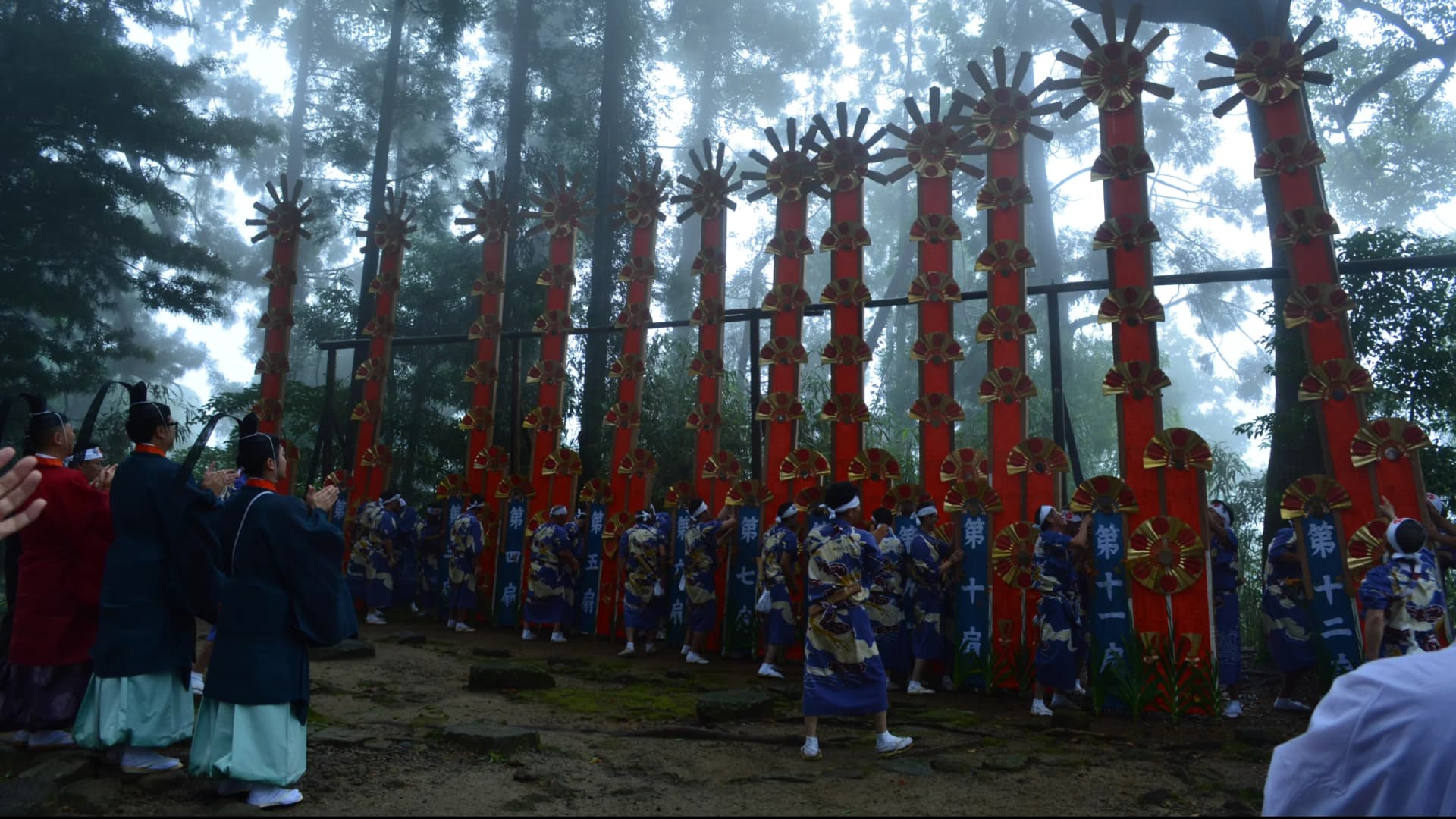
Nachi Fire Festival
One of Japan's three great fire festivals, where giant torches purify the path to Nachi Waterfall at a sacred Kumano shrine each 14 July.
14 Jul 2027Wakayama
Mamada no Jaga Maita
Before the rice-planting season, children parade enormous painted serpents through town while chanting, immersing them in a pond as part of a centuries-old rainmaking ritual.
5 May 2027Oyama · Tochigi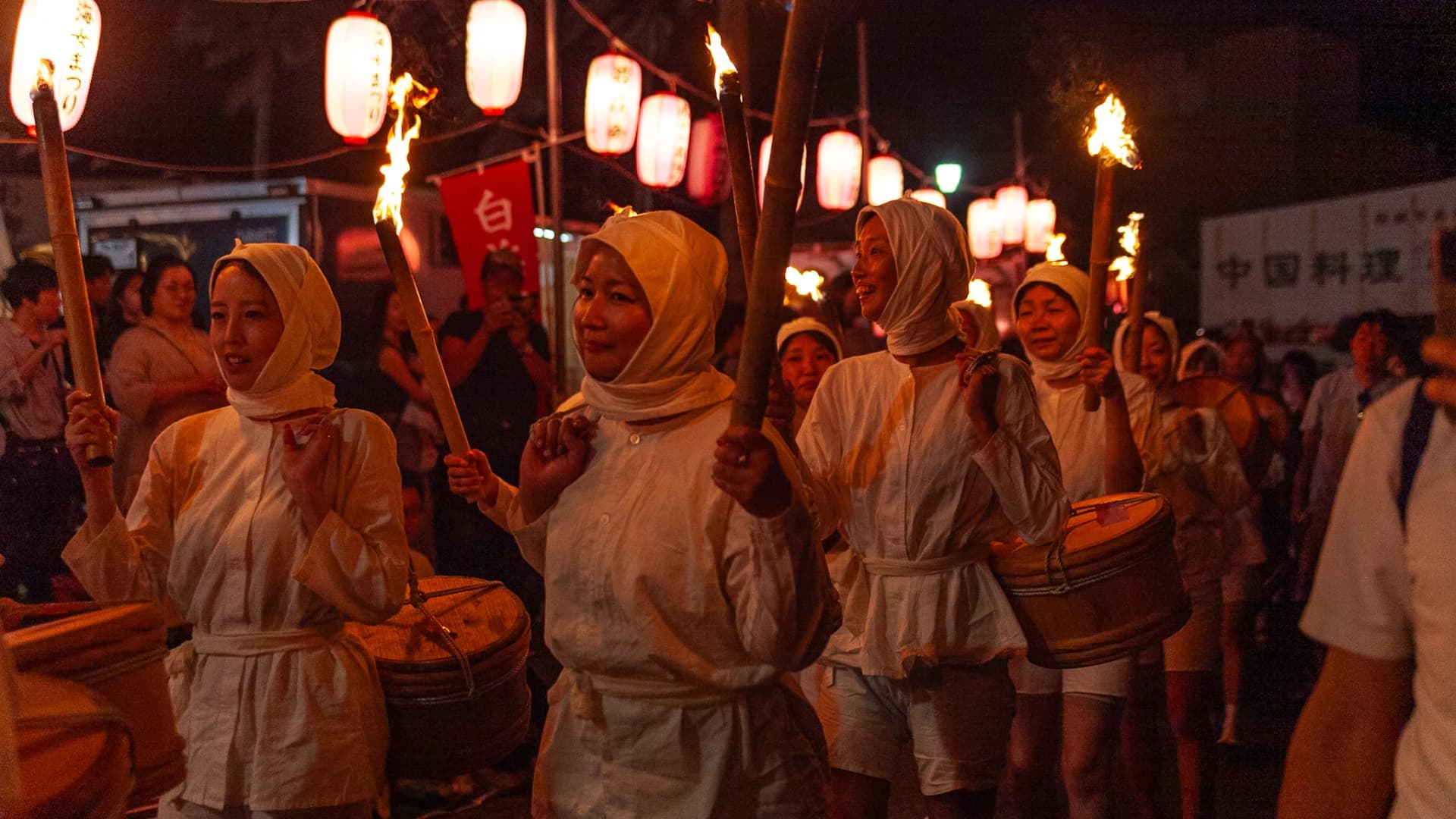
Shirahama Ama Festival
Every July at the tip of the Boso Peninsula, close to a hundred diving women in white carry burning torches into the dark sea beneath the Nojimazaki lighthouse.
18–19 Jul 2027Minamiboso · Chiba