Kimiidera
紀三井寺
A 1,250-year-old Buddhist temple in Wakayama that holds the second position on Japan's oldest pilgrimage route dedicated to Kannon worship.

〒 641-0012How to get there
紀三井寺Kisei Main Line4 min walk from the station
Kimiidera is a historic Buddhist temple in Wakayama City with a tradition dating back approximately 1,250 years. According to temple records, it was founded in 770 during the Nara period by the Tang dynasty monk Iko Shonin, who traveled from China to Japan to spread Buddhist teachings. After journeying through various regions, he is said to have experienced a spiritual revelation on the slopes of Mount Nagusa and enshrined an image of the Eleven-Headed Kannon, establishing the temple as a site devoted to compassion and salvation.
Officially known as Kimiisan Kongohoji Gokokuin, the temple is widely referred to simply as Kimiidera. The name is traditionally associated with three sacred wells located within the grounds – Shojosui, Yoryusui, and Kisshosui – whose waters flow throughout the year. In 1985, these springs were selected as one of Japan’s “100 Remarkable Waters”.
Kimiidera holds an important position as the second temple on the Saigoku Thirty-Three Kannon Pilgrimage, the oldest pilgrimage route in Japan dedicated to Kannon worship. The origins of this pilgrimage are linked to the monk Iko Shonin in the eighth century, and it was later revitalised by the retired Emperor Kazan in the tenth century. Over the centuries, the Saigoku pilgrimage has drawn large numbers of devotees seeking spiritual reflection and merit. In 2019, the pilgrimage route was recognised as a Japan Heritage site under the title “A 1,300-Year-Old Journey of Reflection”.
Throughout its history, Kimiidera has received imperial patronage and flourished as a significant religious centre. During the Kamakura period, it is said to have housed more than 500 monks. In the Edo period, the Kishu Tokugawa family supported the temple, further strengthening its status.
The principal object of worship, the Eleven-Headed Kannon, is associated with prayers for protection from misfortune, good fortune, safe childbirth, and harmonious relationships. The temple remains active with regular observances, particularly on the 18th of each month, traditionally associated with Kannon devotion.
In addition to its religious importance, Kimiidera is known for its scenic setting. The temple grounds offer expansive views of Wakanoura Bay and, on clear days, distant islands. It is also recognised as one of the earliest cherry blossom viewing sites in the region, attracting visitors in spring. In 2017, it was designated as part of the Japan Heritage cultural landscape “Wakanoura: A Treasury of Scenic Beauty”.
Getting There

Planning a trip? Fit this into a trip and Oni plans the rest around it.
You might also like

Kongobu-ji (Koyasan)
Mount Koya is a sacred temple complex where the entire mountain is treated as one unified holy domain dedicated to Shingon Esoteric Buddhism.
Koya · Wakayama
Chuson-ji Temple
The head Tendai temple founded in 850, significantly expanded in the 12th century and designated a UNESCO World Cultural Heritage site.
Hiraizumi · Iwate
Kennin-ji Temple
Kennin-ji, located in Kyoto's Gion district, is the oldest Zen temple in the city, founded in 1202 as the head temple of the Rinzai Zen Buddhism branch.
Kyoto
Benkei Matsuri
Tanabe in Wakayama holds a two-day festival for Benkei, the warrior monk it claims as its own, with a play at the shrine and 600 dancers in wooden clogs.
2–3 Oct 2027Exact date not confirmed yetTanabe · Wakayama
Mifune Festival
Each October, Kumano Hayatama Taisha holds the Mifune Matsuri, two days of sacred processions culminating in a thrilling fast-boat race on the Kumano River.
15–16 Oct 2026Shingu · Wakayama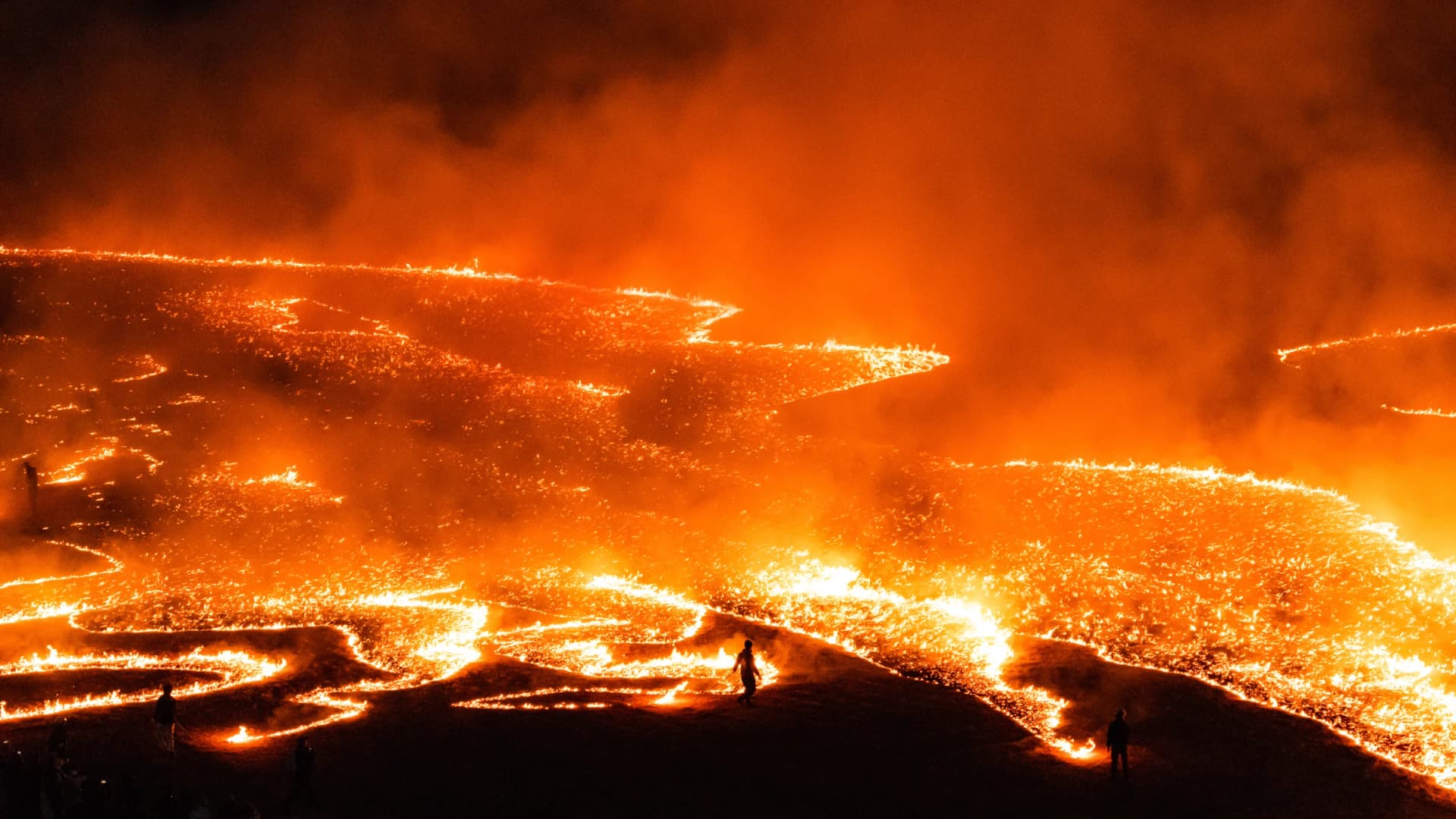
Fire Festival at Cape Shionomisaki
At Cape Shionomisaki, a practical piece of land management becomes a spectacular celebration as flaming arrows set the grasslands ablaze each winter.
30 Jan 2027Exact date not confirmed yetKushimoto · Wakayama