

Kumano Nachi Taisha
熊野那智大社
One of the three grand shrines of Kumano, beside Japan's tallest waterfall – and spiritual home of the Yatagarasu, the three-legged crow on Japan's football crest.
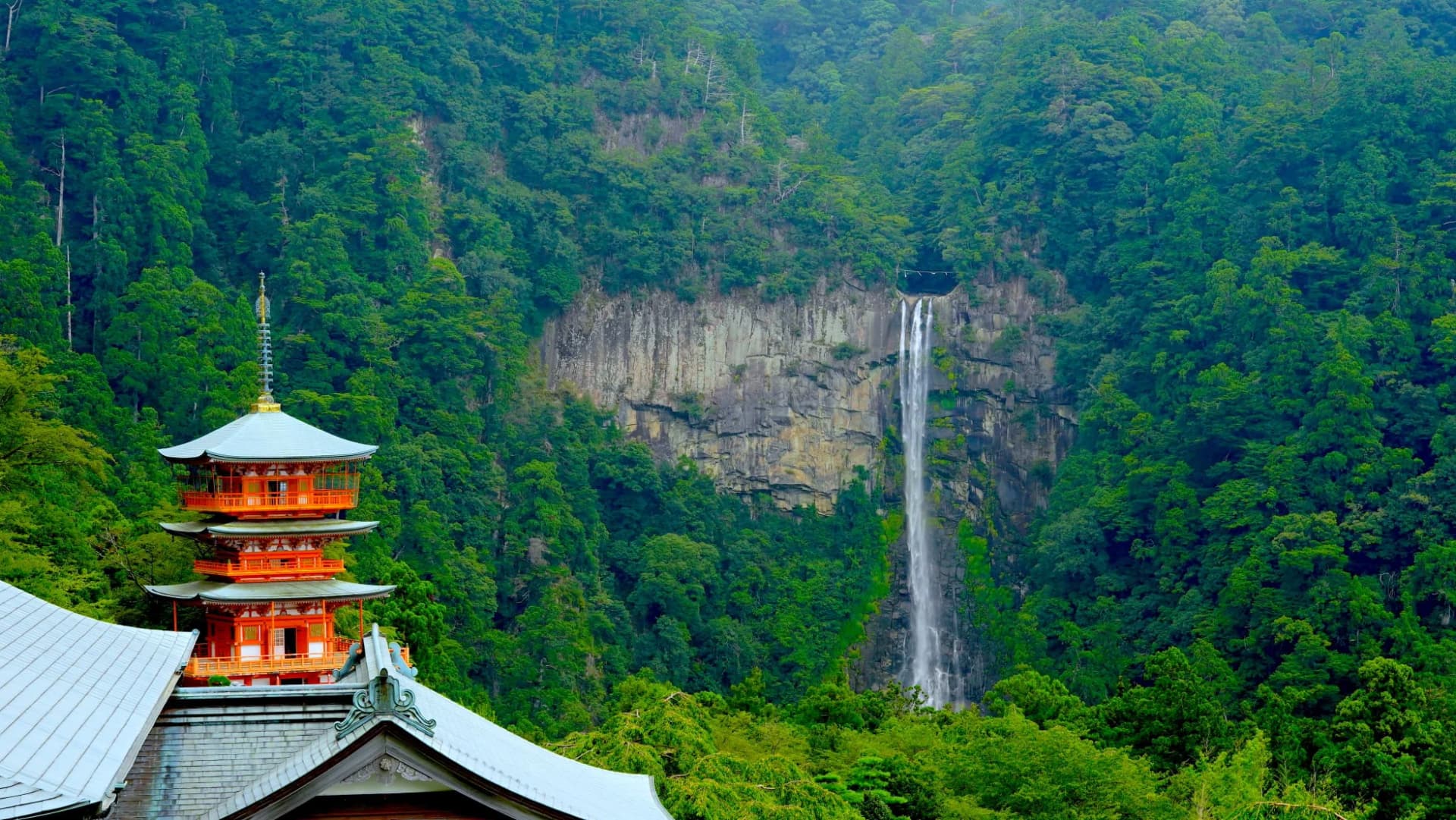
Kumano Nachi Taisha is one of the three grand shrines of Kumano – a sacred region that has drawn pilgrims for well over a thousand years. Together with Kumano Hongu Taisha and Kumano Hayatama Taisha, it forms the heart of the Kumano Sanzan, linked by the ancient Kumano Kodo pilgrimage trails and inscribed as a UNESCO World Heritage Site.
The shrine's origins lie not in a building but in a waterfall: Nachi Falls, at 133 metres Japan's tallest single-drop cascade, revered since ancient times as the dwelling of a deity. Worship here is said to have begun when the legendary first emperor, Jimmu, came ashore nearby, saw the mountain shining, and found the falls. The shrine buildings were later raised on the mountainside in the early fourth century, and Nachi remains unusual among the Kumano shrines for enshrining the waterfall's deity alongside its principal goddess, Kumano Fusumi no Okami – one deity more than its sister shrines.
The falls themselves are worshipped at Hiro Shrine, a sub-shrine at their base. There is no hall here: worshippers face the cascade directly, as the sacred object itself. From a viewing platform reached in a few minutes' walk, you can stand almost level with the plunging water and drink from the pool, said to grant long life.
The grounds hold their own quiet treasures – an 850-year-old sacred camphor tree, its hollow trunk open to walk through, and weeping cherries said to descend from trees planted by retired emperors, which flower each spring. But the shrine's most beloved symbol is the Yatagarasu, the three-legged crow. In myth it was the divine messenger sent to guide Emperor Jimmu through the mountains to Yamato; having finished its task, it is said to have returned to Nachi and turned to stone, a rock still shown in the grounds. It's enshrined here as a deity of guidance and safe travel.
And it has an unexpected modern life. The Yatagarasu is the emblem of the Japan Football Association, worn on the national team's shirts — a choice made in honour of Nakamura Kakunosuke, the father of Japanese football, who was born here in Nachikatsuura. Fans of the Samurai Blue sometimes make the pilgrimage to see where their crest comes from.
Upcoming events at this place
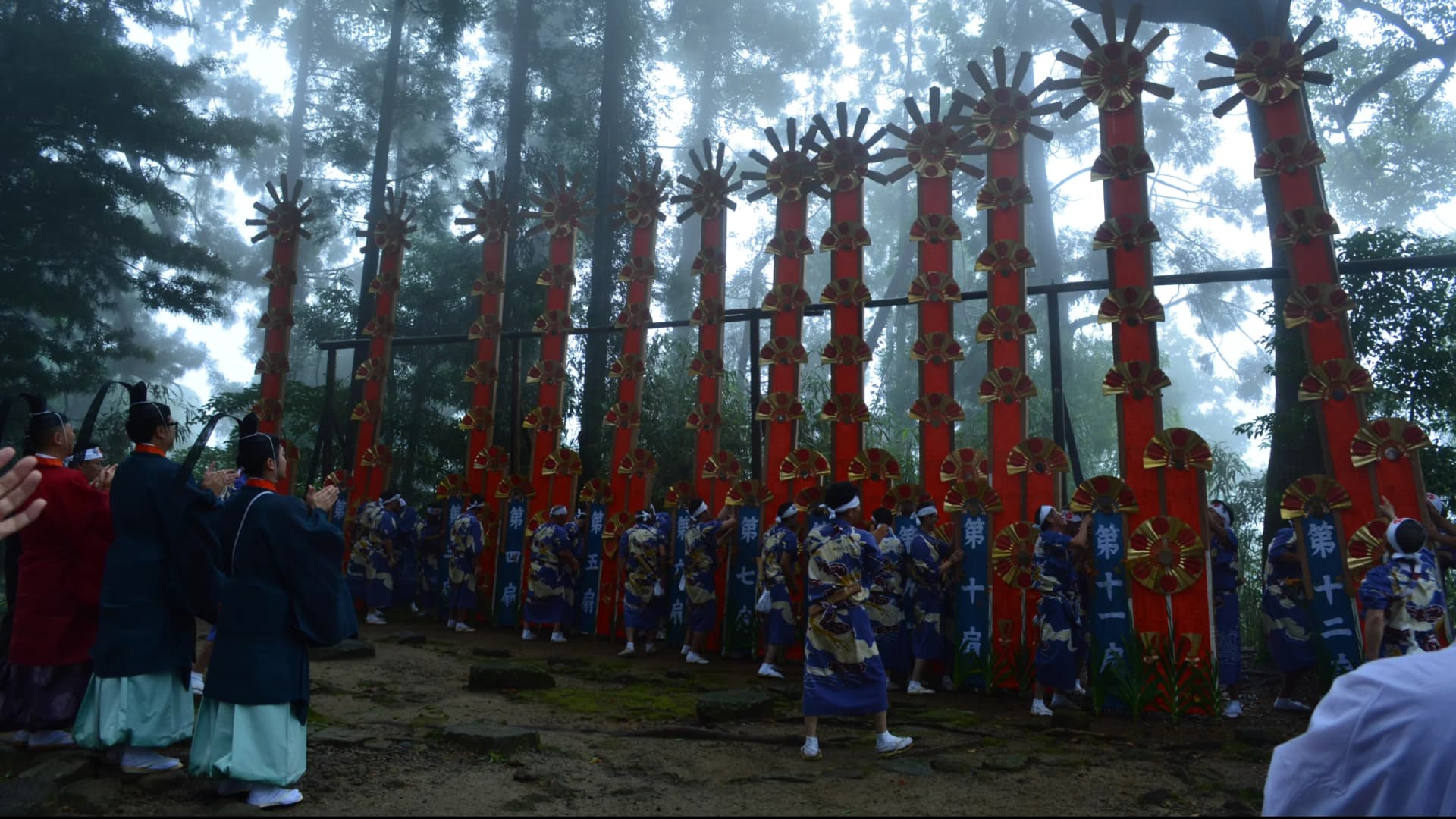
Nachi Fire Festival
One of Japan's three great fire festivals, where giant torches purify the path to Nachi Waterfall at a sacred Kumano shrine each 14 July.
14 Jul 2027 · Dates not yet confirmedWakayamaYou might also like
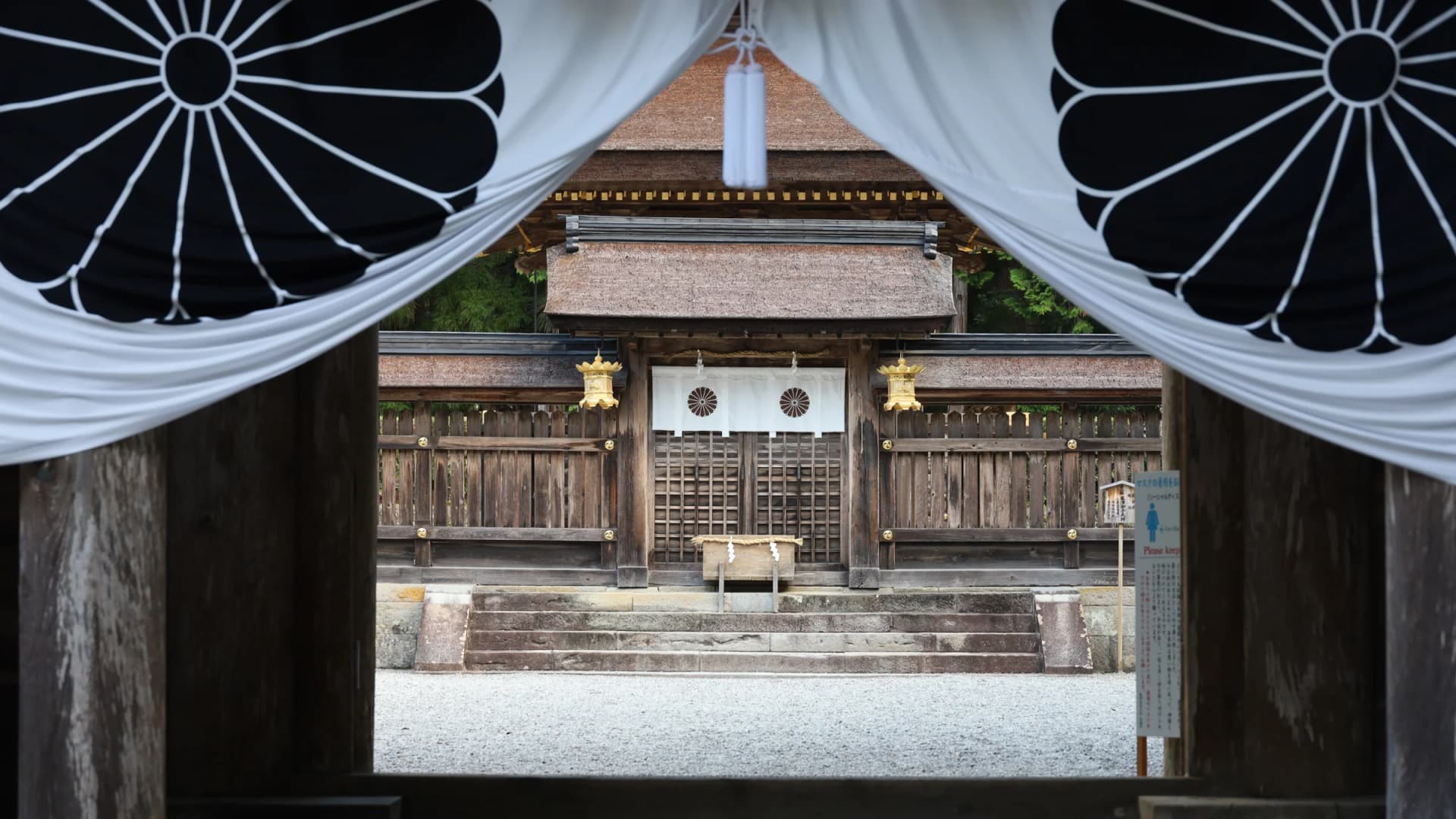
Kumano Hongu Taisha
Kumano Hongu Taisha, heart of the Kumano Sanzan, traces its origins to before Emperor Jinmu – where legend says three moons descended to found the shrine.
Tanabe · Wakayama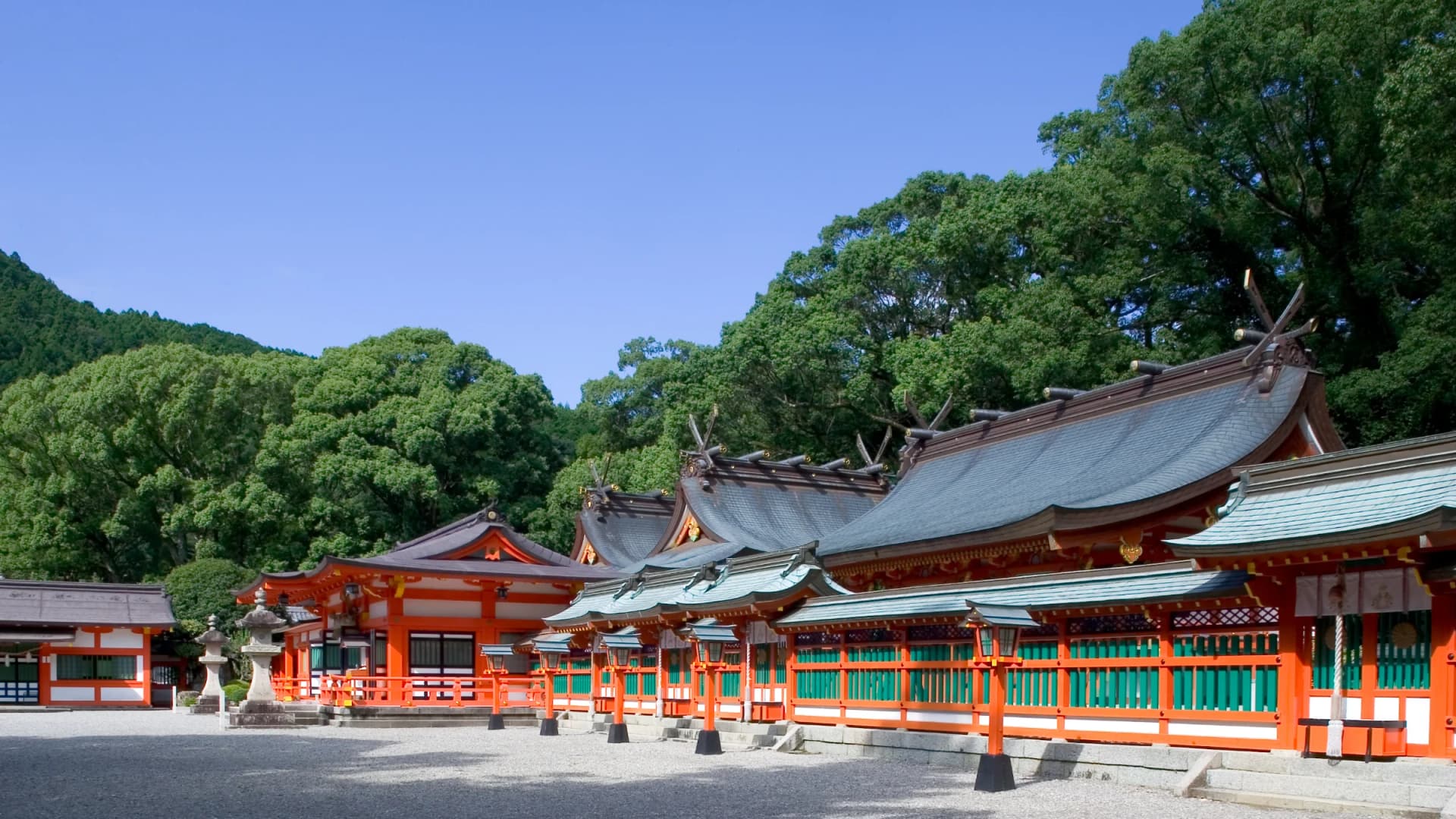
Kumano Hayatama Taisha
In Shingu, Wakayama, Kumano Hayatama Taisha stands as one of the three grand Kumano shrines – a "land of rebirth" where pilgrims have sought renewal for centuries.
Shingu · Wakayama
Miyazaki Jingu Grand Festival
Miyazaki's largest celebration honors Emperor Jimmu through a grand autumn procession featuring portable shrines and floats reenacting the legendary emperor's historic journey.
31 Oct – 1 Nov 2026Miyazaki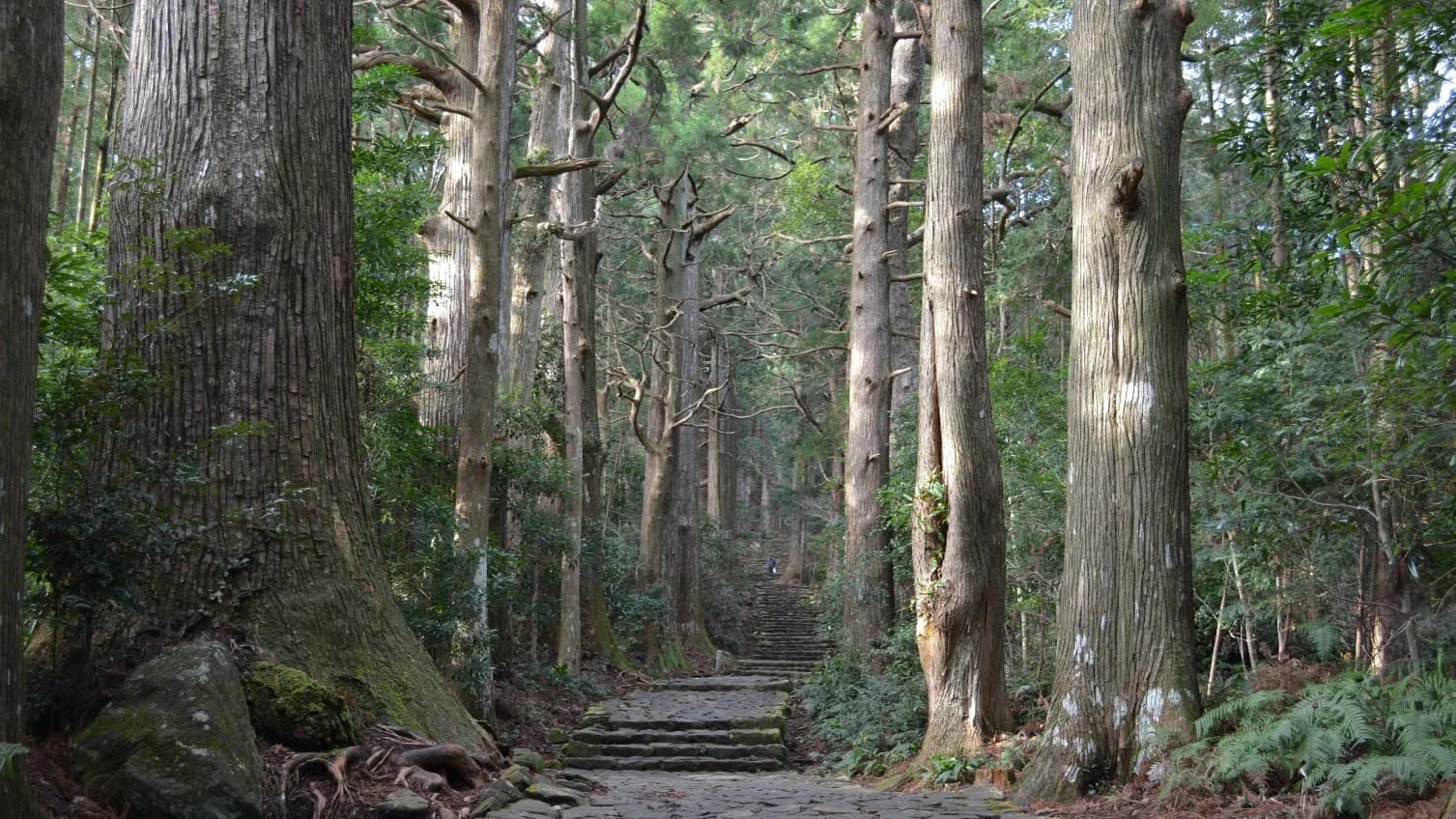
Kumano Kodo
For over a thousand years, the Kumano Kodo has led pilgrims through the mountains of Kii to the sacred Kumano Sanzan shrines – now a UNESCO World Heritage Site.
Wakayama · Kansai
Takachihogawara
A sacred highland at 970 meters on Mount Kirishima's slopes, legendary in Japanese mythology as where the heavenly grandchild descended to rule.
Kirishima · Kagoshima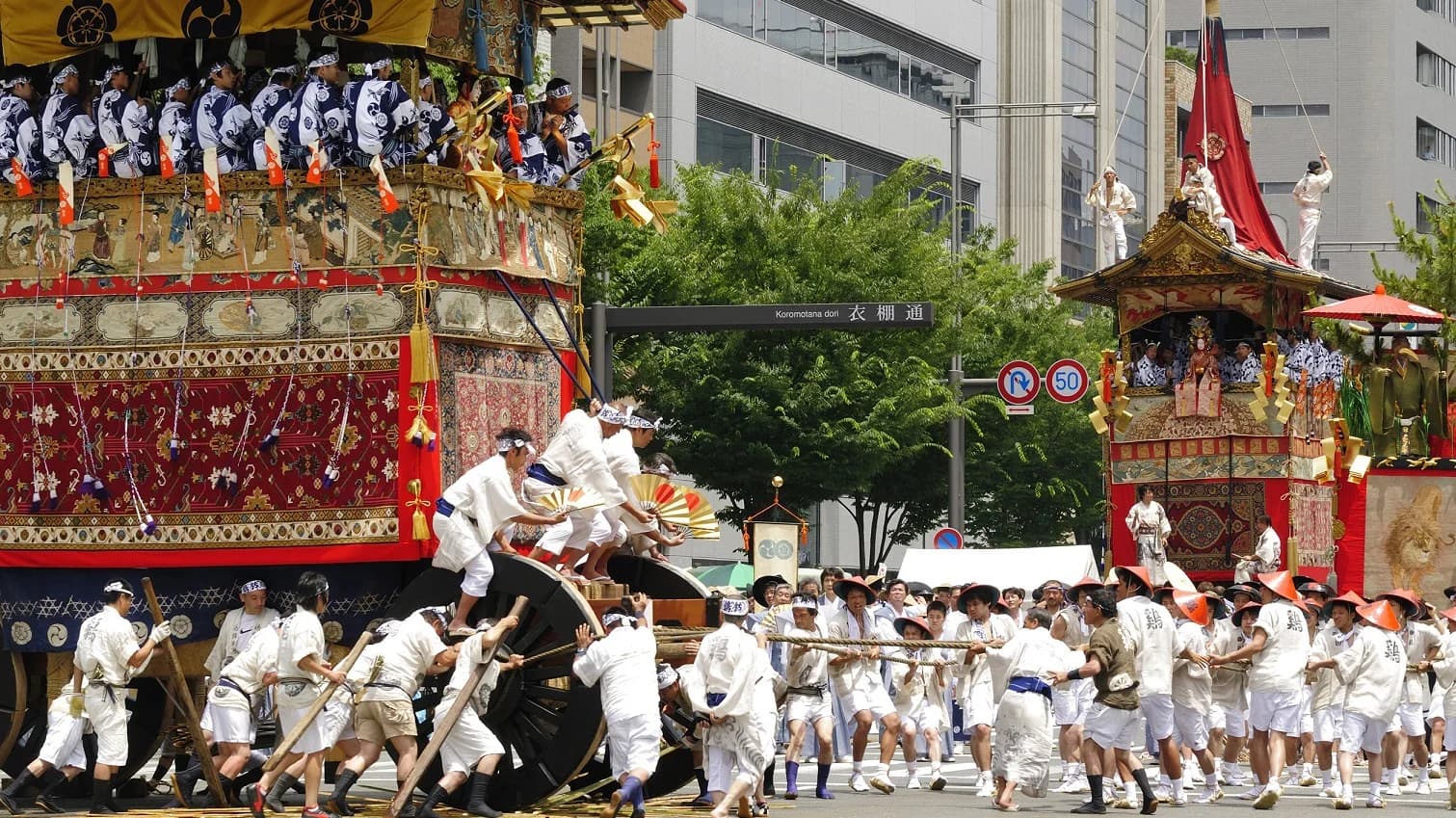
Gion Festival
A month-long Kyoto festival centered on Yasaka Jinja Shrine features sacred rituals, food stalls, illuminated floats, and culminates in a grand procession and parade.
1–31 Jul 2027Kyoto