Bandai-Asahi National Park
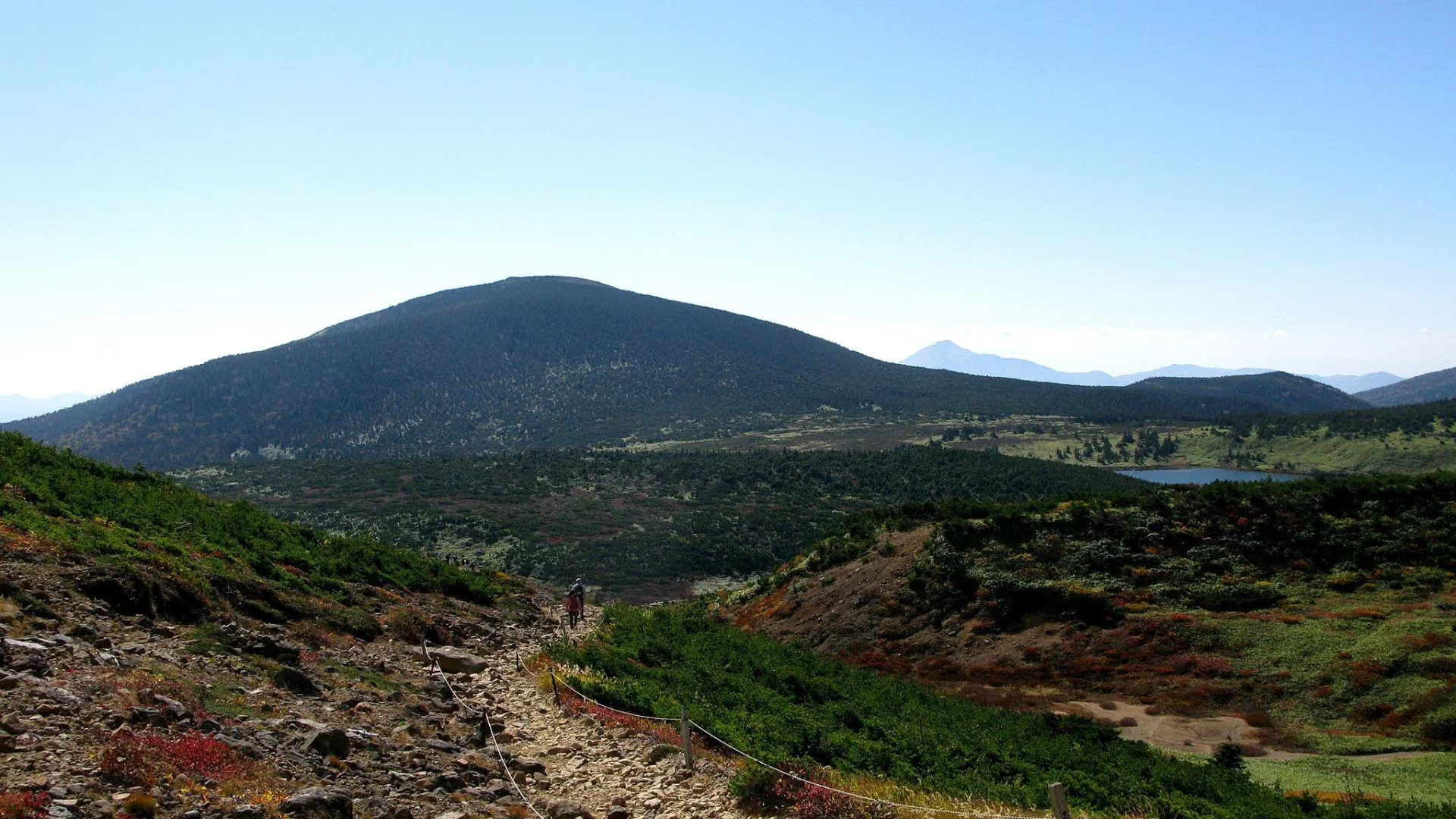
This national park spanning three prefectures offers majestic mountains, forests, lakes including Japan's fourth largest, and hot springs popular in autumn.


Shrines, museums, parks, and the spots in between, with the access details worked out.
This national park spanning three prefectures offers majestic mountains, forests, lakes including Japan's fourth largest, and hot springs popular in autumn.
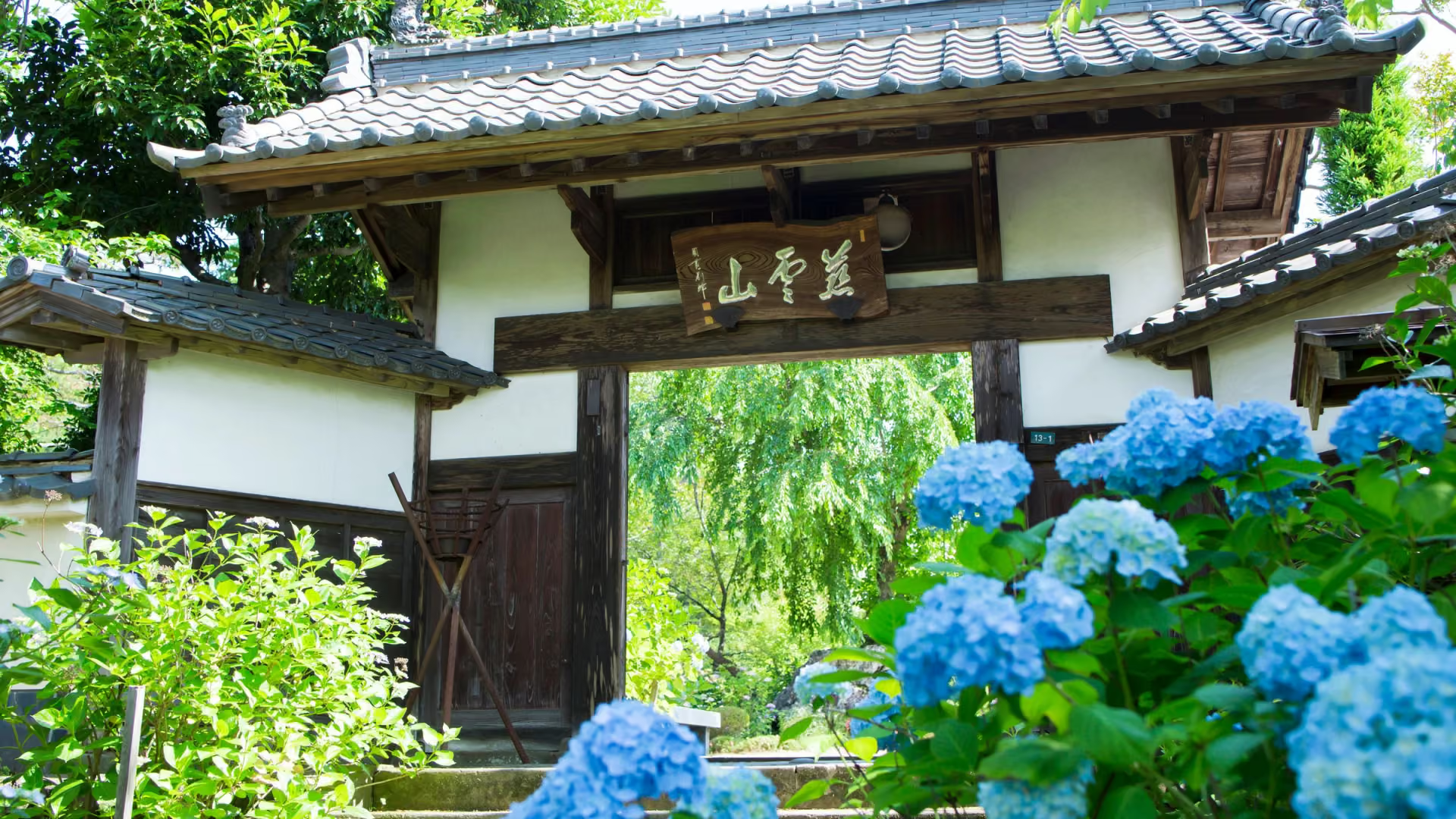
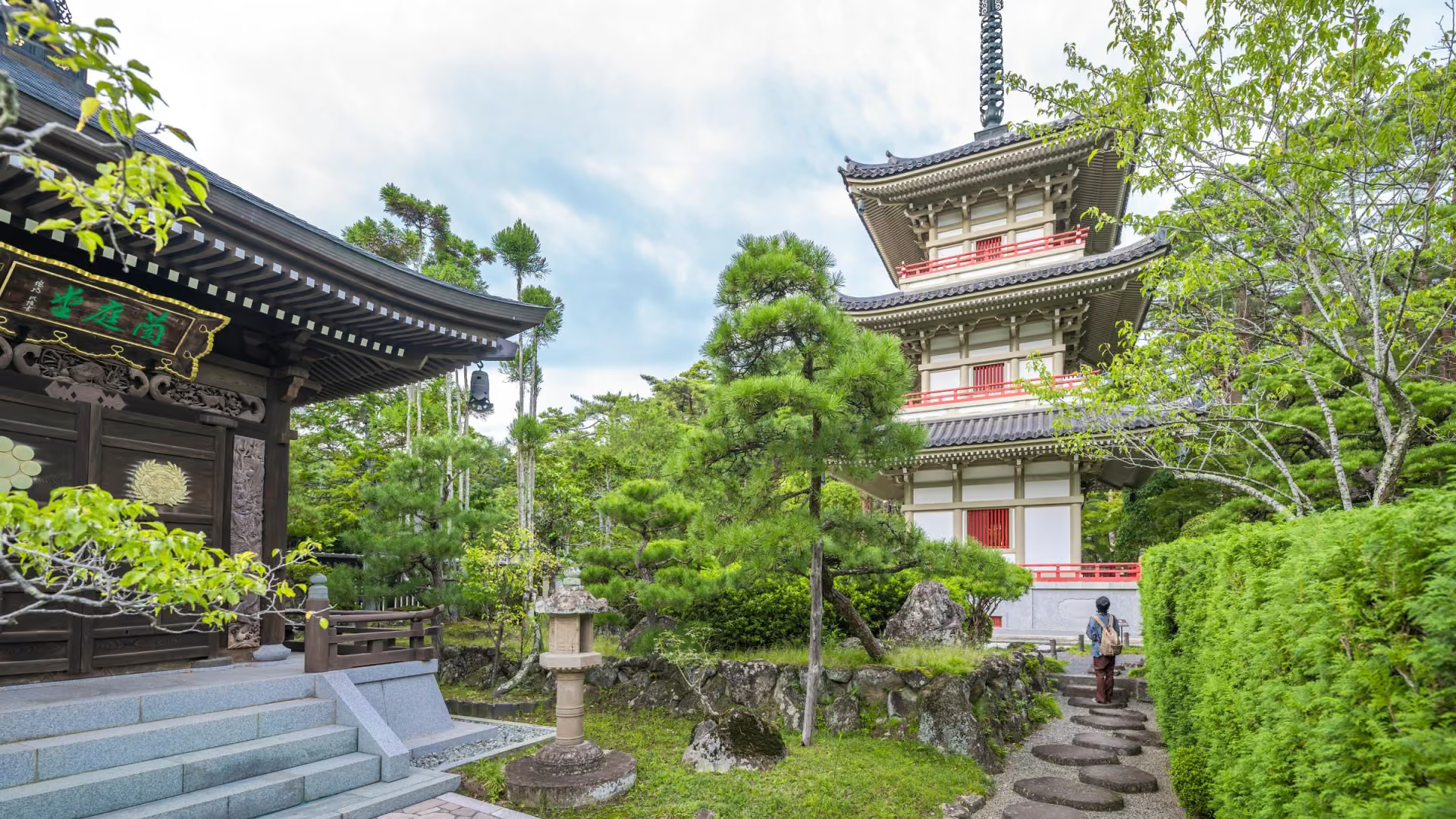
Shifuku-ji is a Rinzai Zen temple in Sendai, relocated in 1591 to serve the Date family, renowned for its 1,200 blooming hydrangeas in early summer.
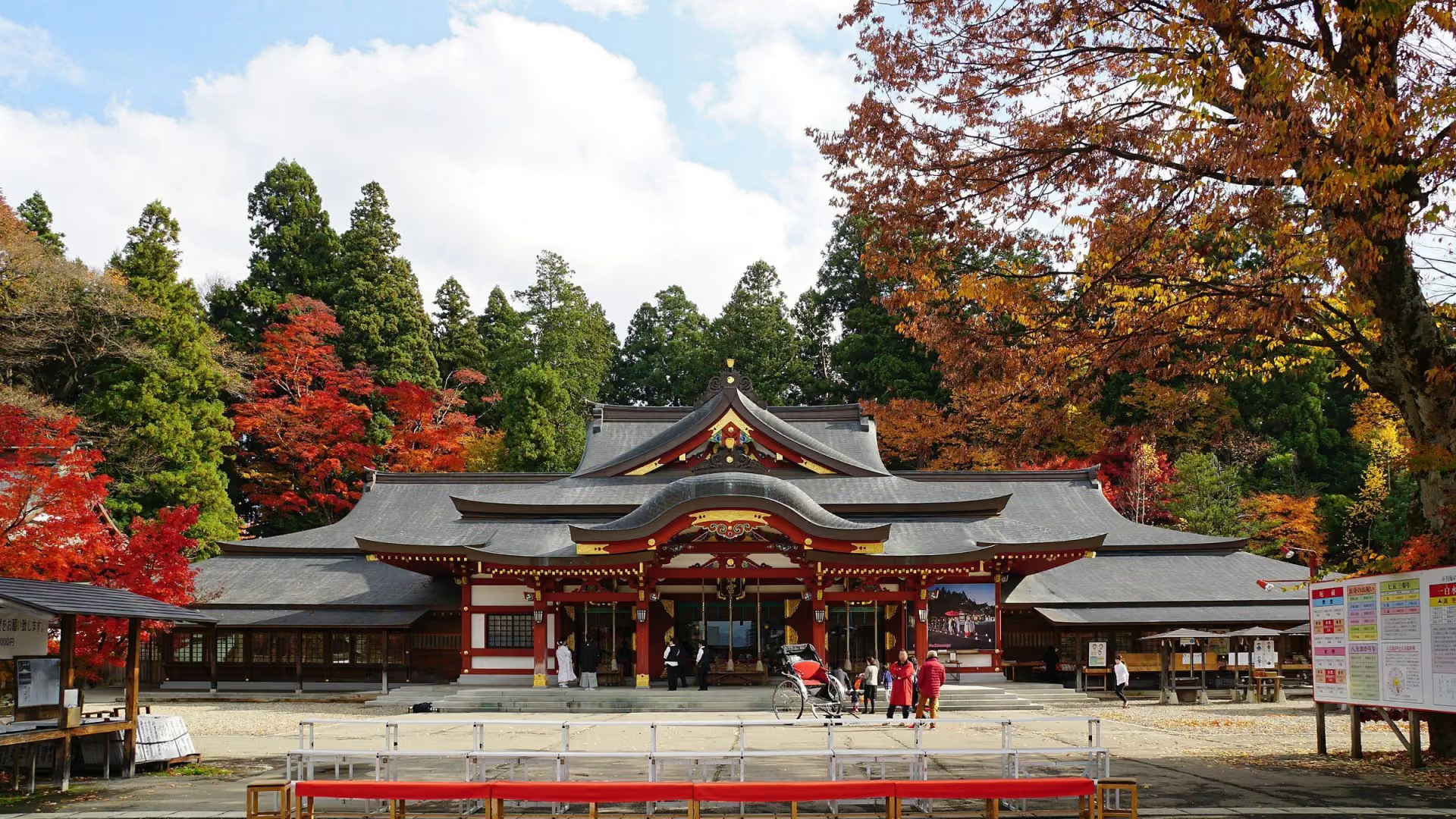
Sendai · MiyagiShinto shrine dedicated to Hachiman, god of war and samurai patron, hosting an annual August festival featuring traditional taiko drums and horseback archery.
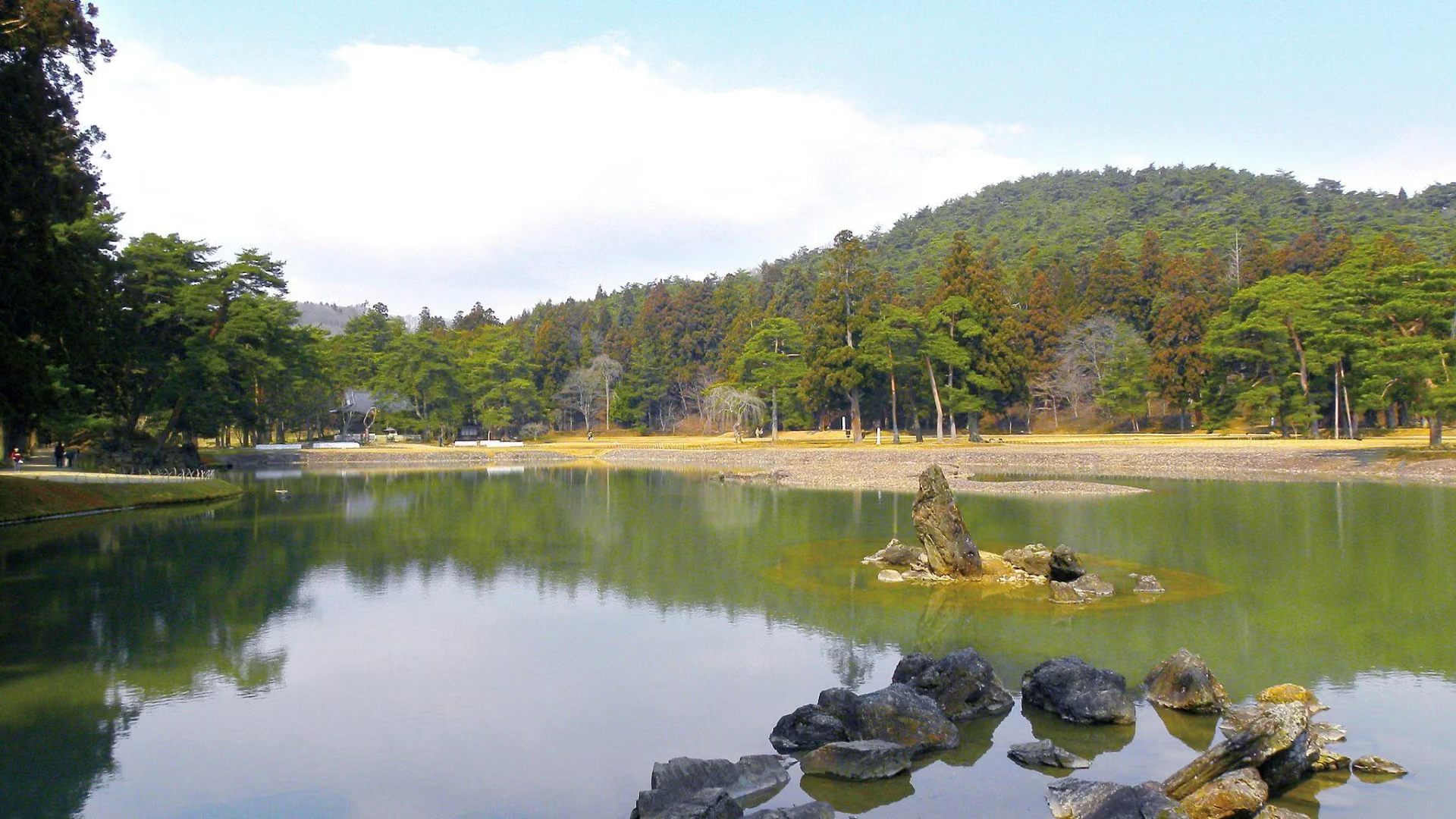
Morioka · IwateBuddhist temple from the 12th century, renowned for its gold-leaf decorated hall and picturesque pond garden in the finest Heian-era style.
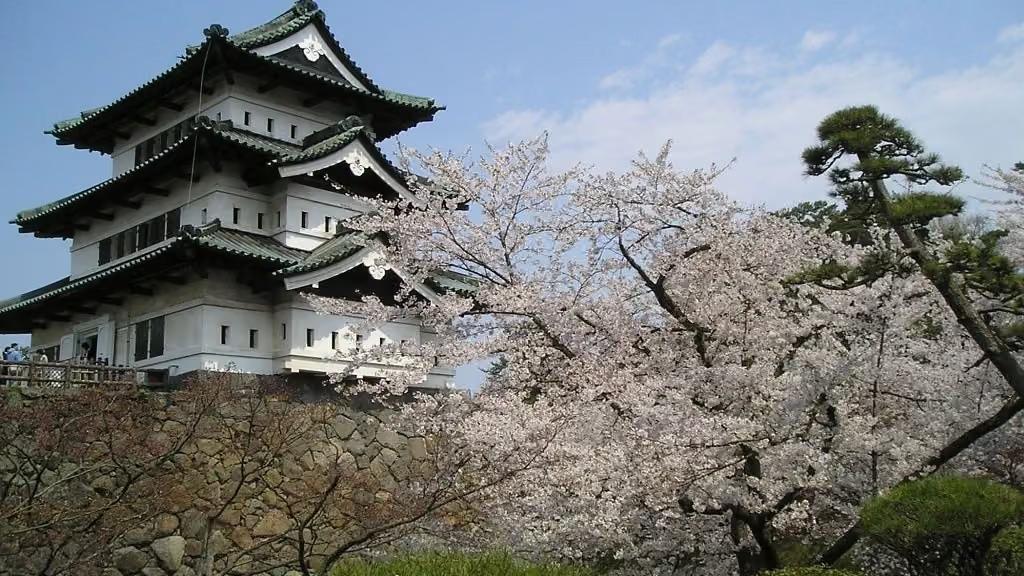
Hiraizumi · IwateA Japanese castle built in 1611 that remains the only surviving Edo-period castle keep in the entire Tohoku region, originally featuring a five-story tower.
Hirosaki · AomoriThe head Tendai temple founded in 850, significantly expanded in the 12th century and designated a UNESCO World Cultural Heritage site.
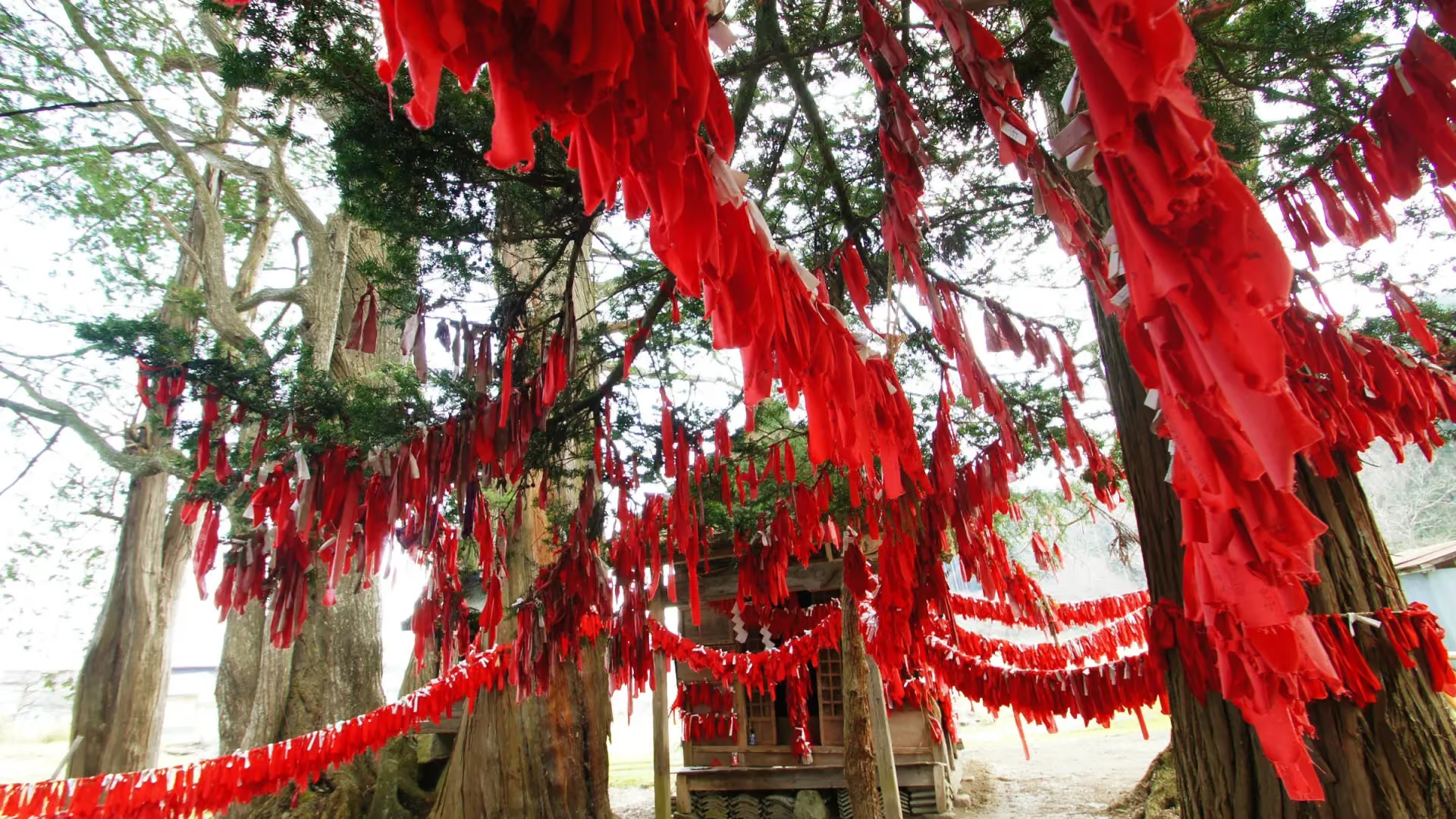
Hiraizumi · IwateRural Tono shrine associated with love and connection, where visitors tie wishes on red cloth strips using only their non-dominant hand.
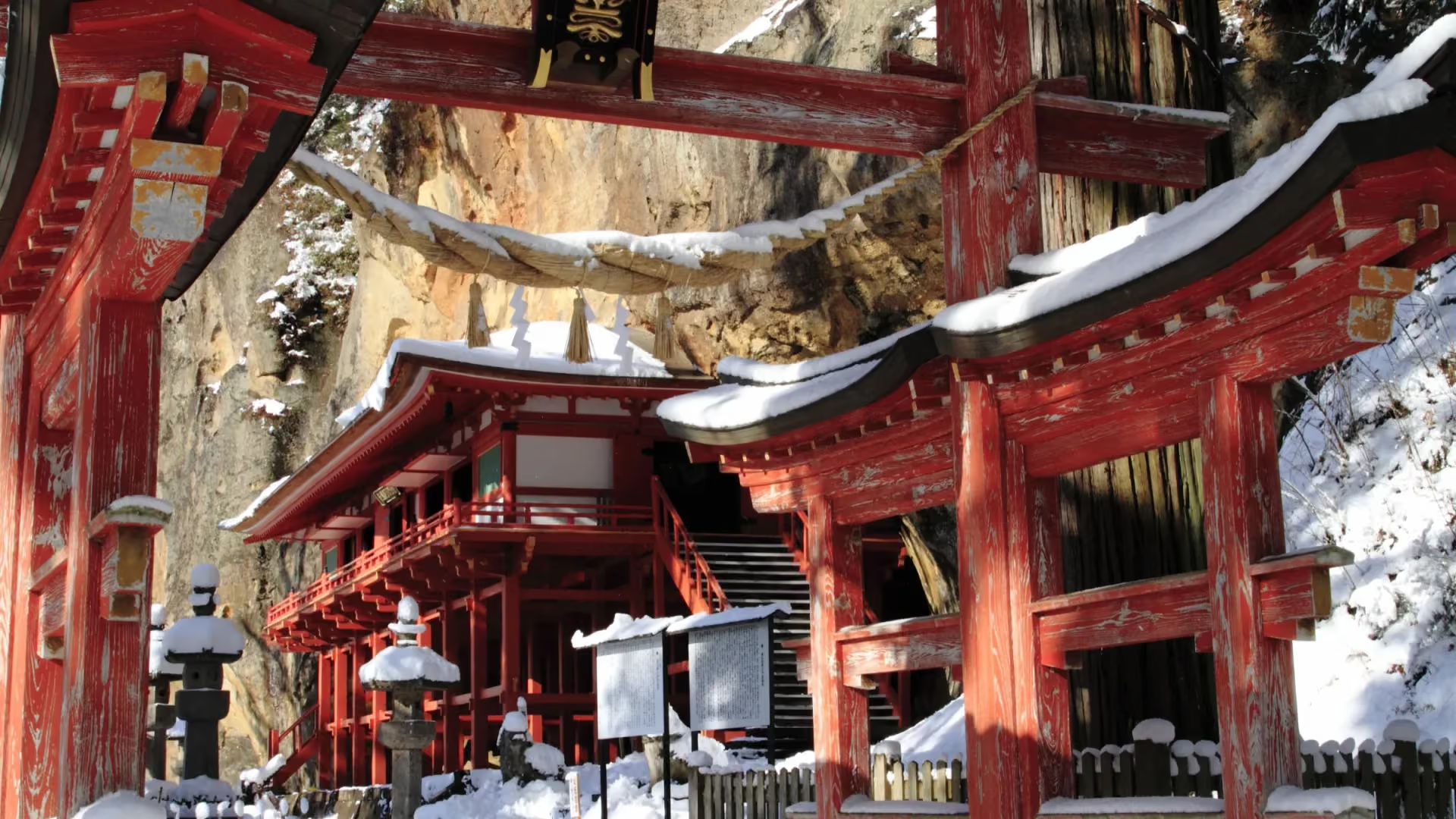
Tono · IwateTakkoku no Iwaya Bishamon-do, established in 801 AD within a natural cave, merges geology with spiritual architecture, preserving 1,200 years of worship.
Hiraizumi · IwateShrine on the Sendai Castle site honoring over 56,000 spirits of those who died in national service, with a main hall from Ise Grand Shrine.
Sendai · MiyagiZen temple founded in 1441 and relocated to Sendai in 1602, where it flourished for over three centuries under Date clan patronage.
Sendai · MiyagiMuseum opened 2011 within Morioka Castle Ruins Park, treating the historic fort grounds as its primary exhibit while promoting the surrounding castle-town area.
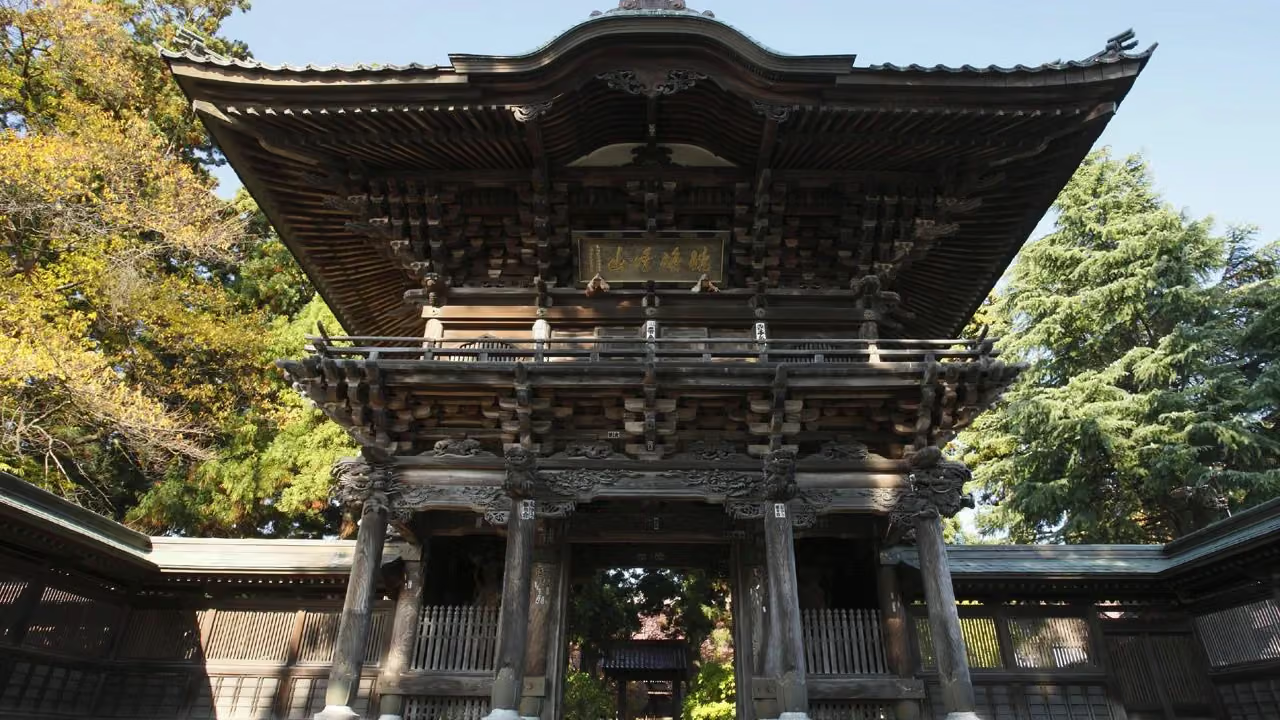
Morioka · IwateZen temple founded in 1394 and relocated to Morioka in 1601, renowned for its exceptional collection of 500 wooden Rakan enlightened-disciple statues.
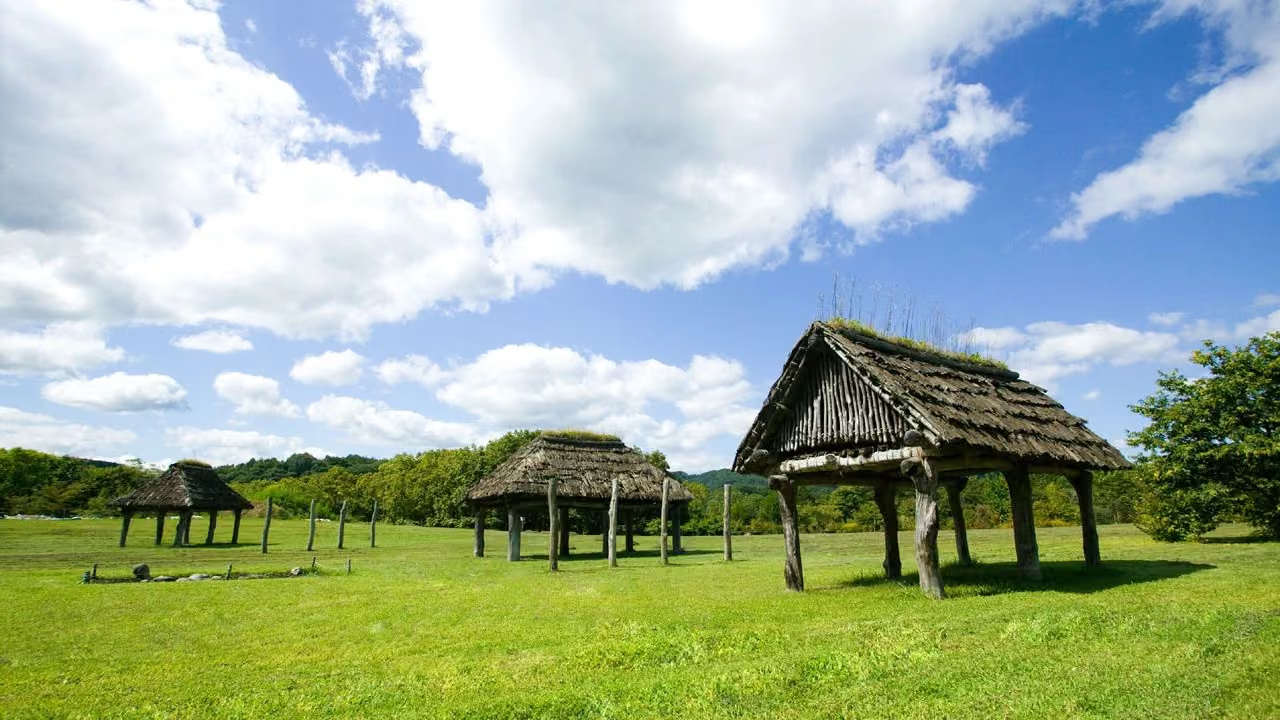
Morioka · IwateA UNESCO World Heritage Site designated in 2021 as part of a collective listing encompassing 17 Jomon archaeological sites across four northern prefectures.
Ichinohe · IwateThe Akita Senshu Museum of Art showcases works by local Ranga artists and features a memorial hall dedicated to painter Kenzo Okada.
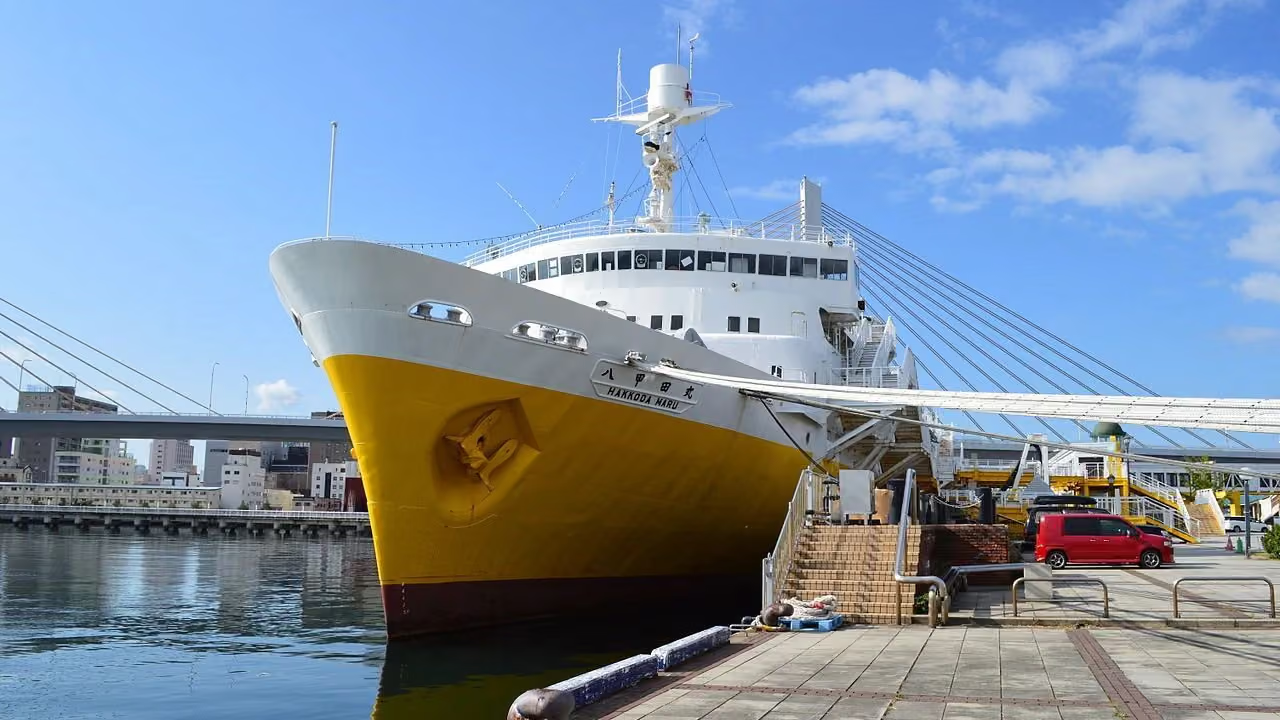
AkitaThe Hakkodamaru, a ferry that served between Aomori and Hakodate, is now Japan's only accessible museum ferry, operated by a nonprofit since 2006.
AomoriMedieval estate remains spanning nearly 50 hectares, established to support a Buddhist temple's scripture repository and religious mission.
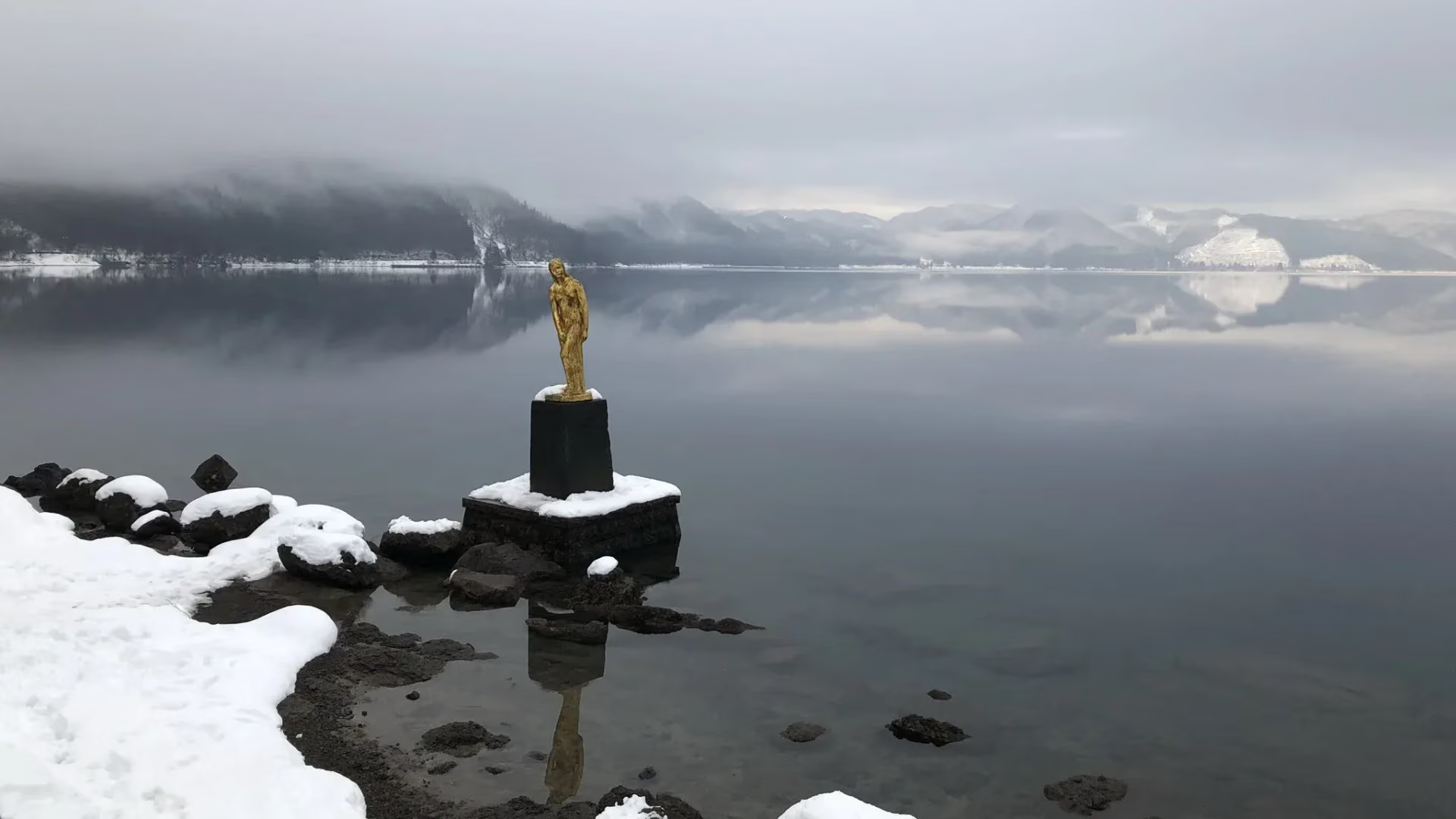
Ichinoseki · IwateLake Tazawa, Semboku, Akita, is Japan's deepest lake at 423 meters, a caldera lake known for its clear blue waters and the golden statue of Tatsuko.
Semboku · AkitaBuilt between 1604 and 1607 under Date Masamune, this shrine showcases Momoyama-era architecture with an intricate main hall designated as a National Treasure.
Sendai · Miyagi