Toshodai-ji
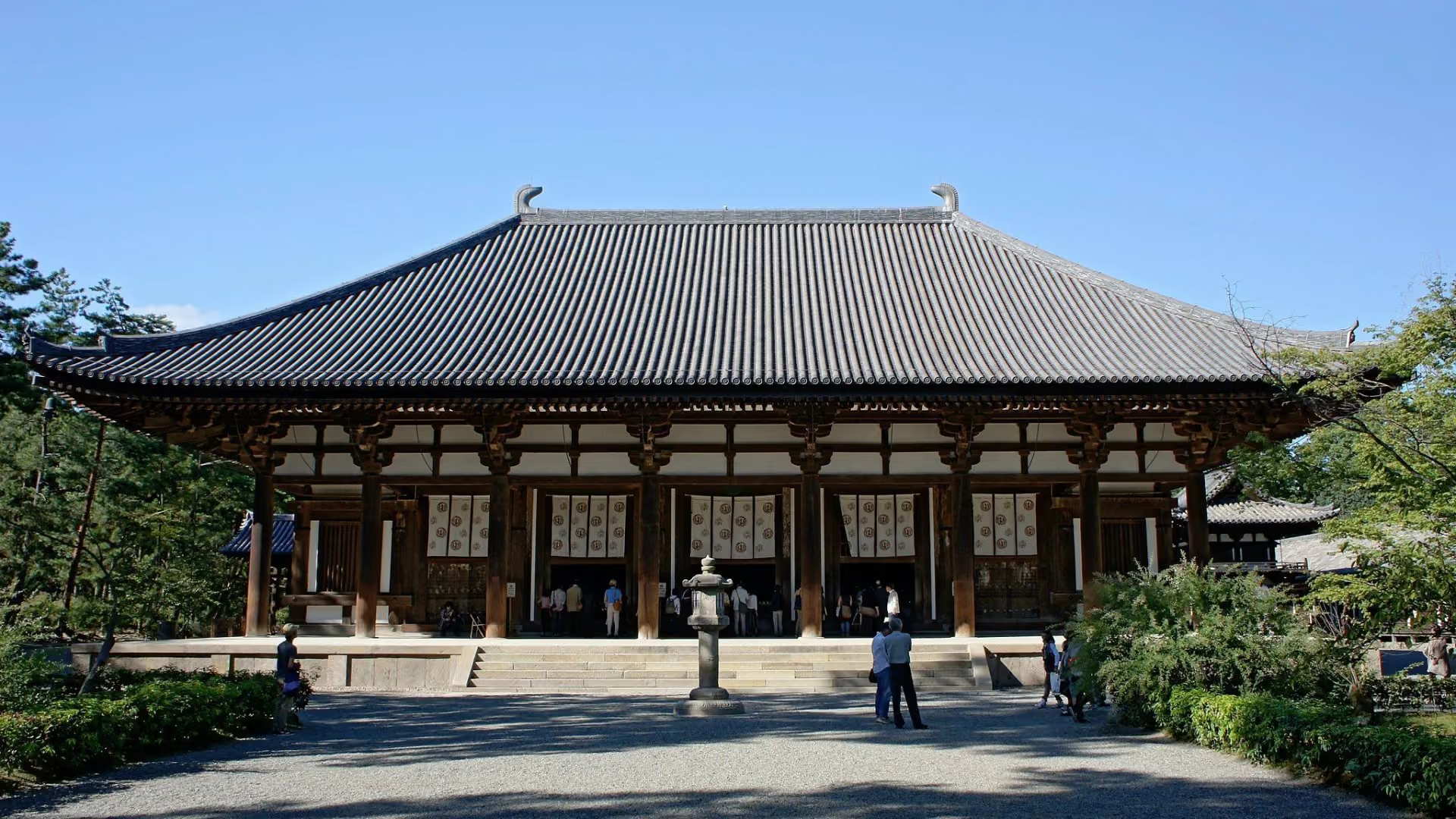
A Buddhist temple in Nara founded in 759 by the Chinese priest Ganjin, head temple of the Ritsu-shu denomination and home to 17 National Treasures.
Nara

A Buddhist temple in Nara founded in 759 by the Chinese priest Ganjin, head temple of the Ritsu-shu denomination and home to 17 National Treasures.
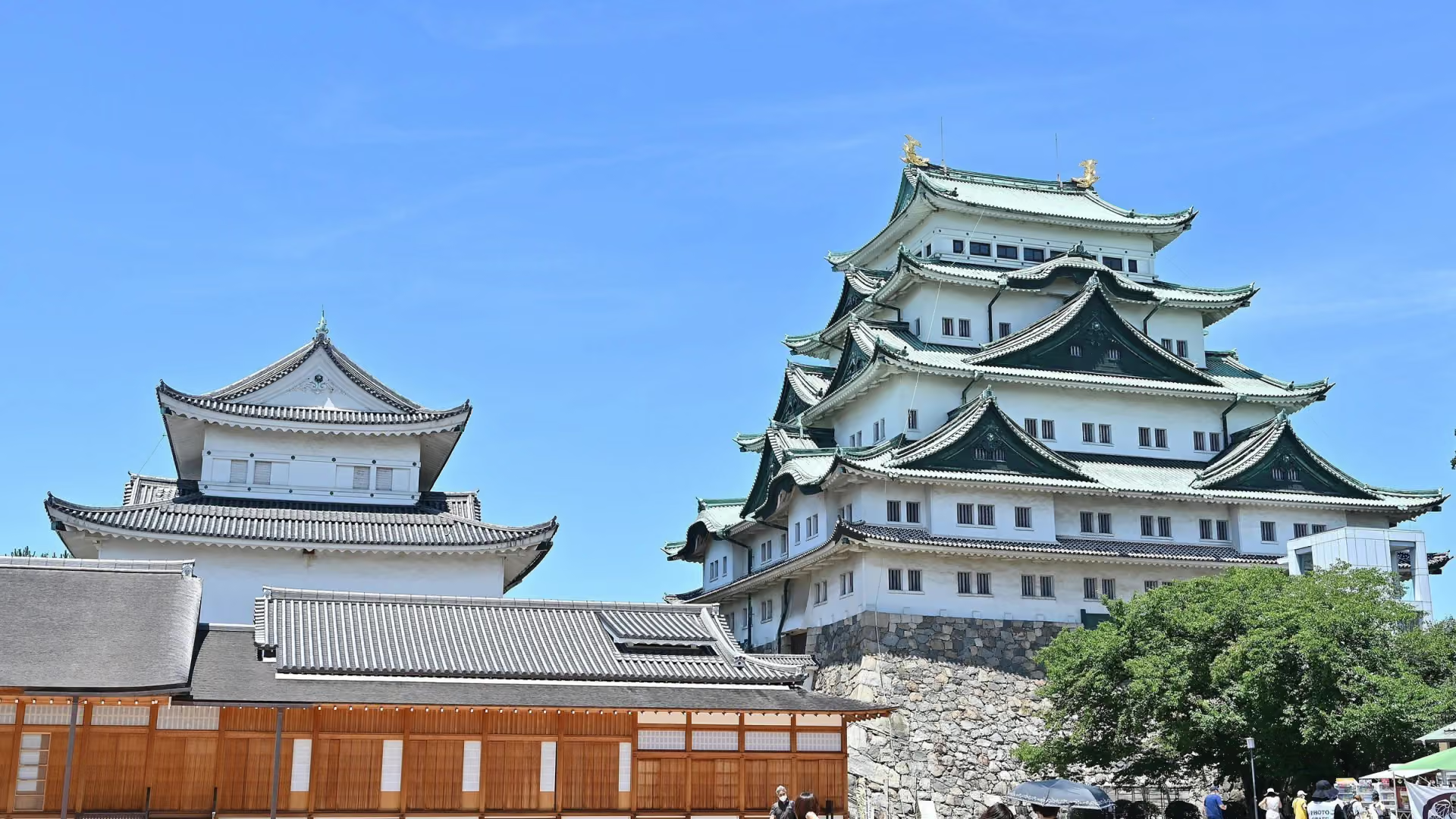
NaraThe castle Tokugawa Ieyasu began in 1610, seat of the Owari Tokugawa, burned in 1945, with its keep rebuilt in 1959 and its palace in 2018.
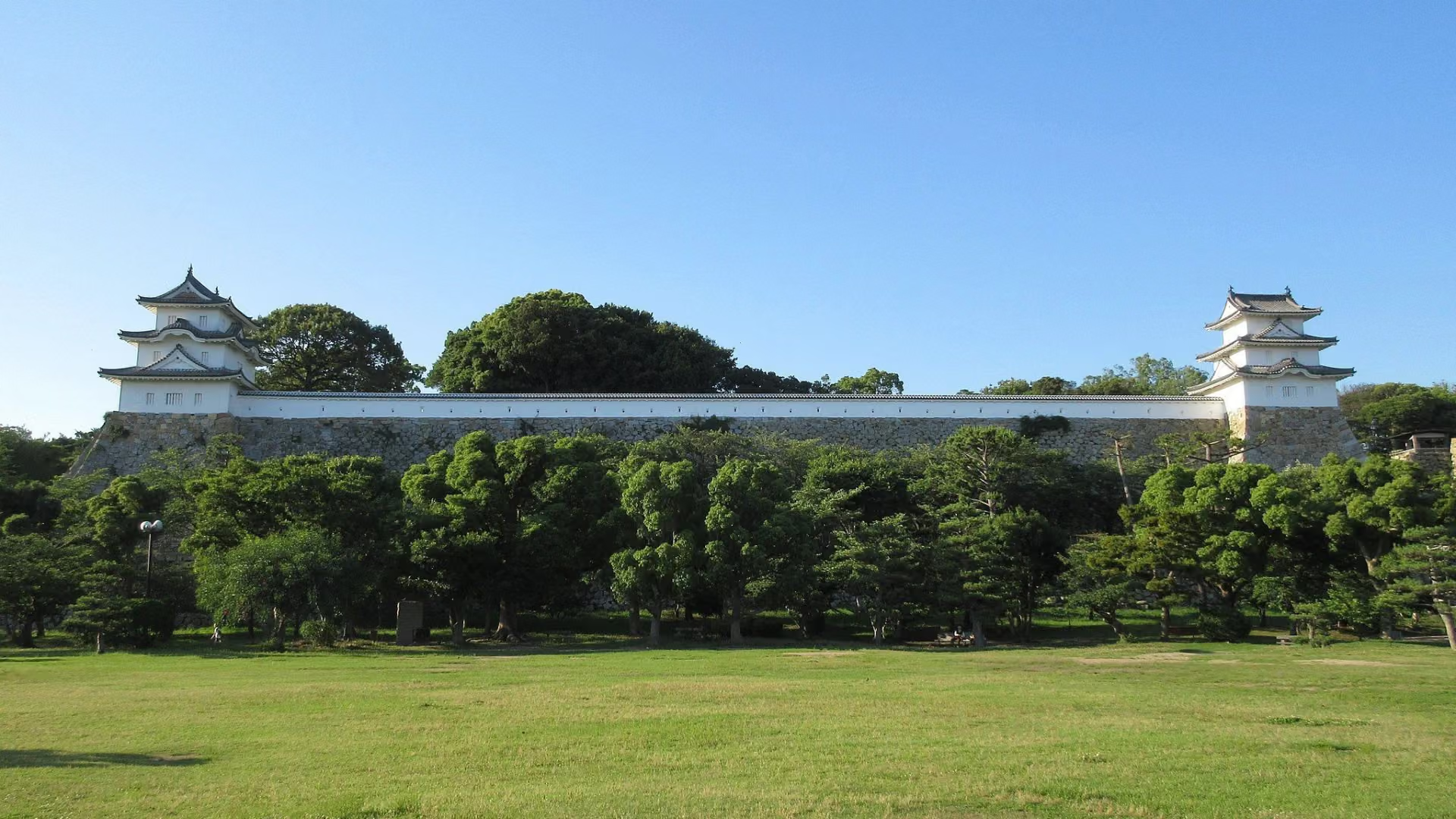
Nagoya · AichiAn Edo period castle built from 1619 to guard Kyoto and Osaka from the west, with two surviving three-storey towers and long high stone walls.
Akashi · HyogoThe Aikawa Gold and Silver Mine on Sado Island operated for nearly four centuries as a key pillar of the Tokugawa shogunate's finances.
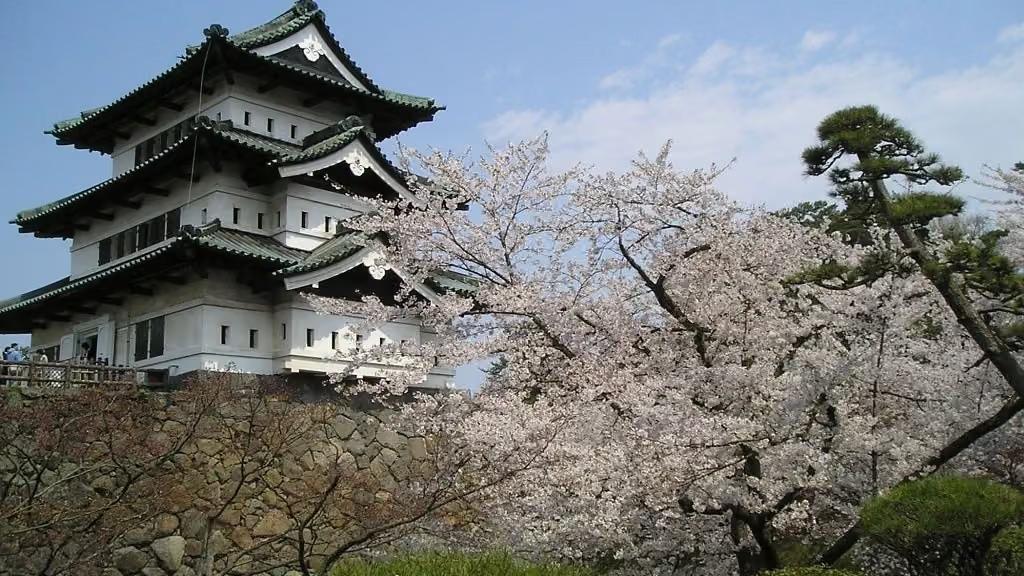
Sado · NiigataCastle of the Tsugaru lords, completed in 1611, whose 1810 keep is the only Edo-period castle keep still standing in the Tohoku region.
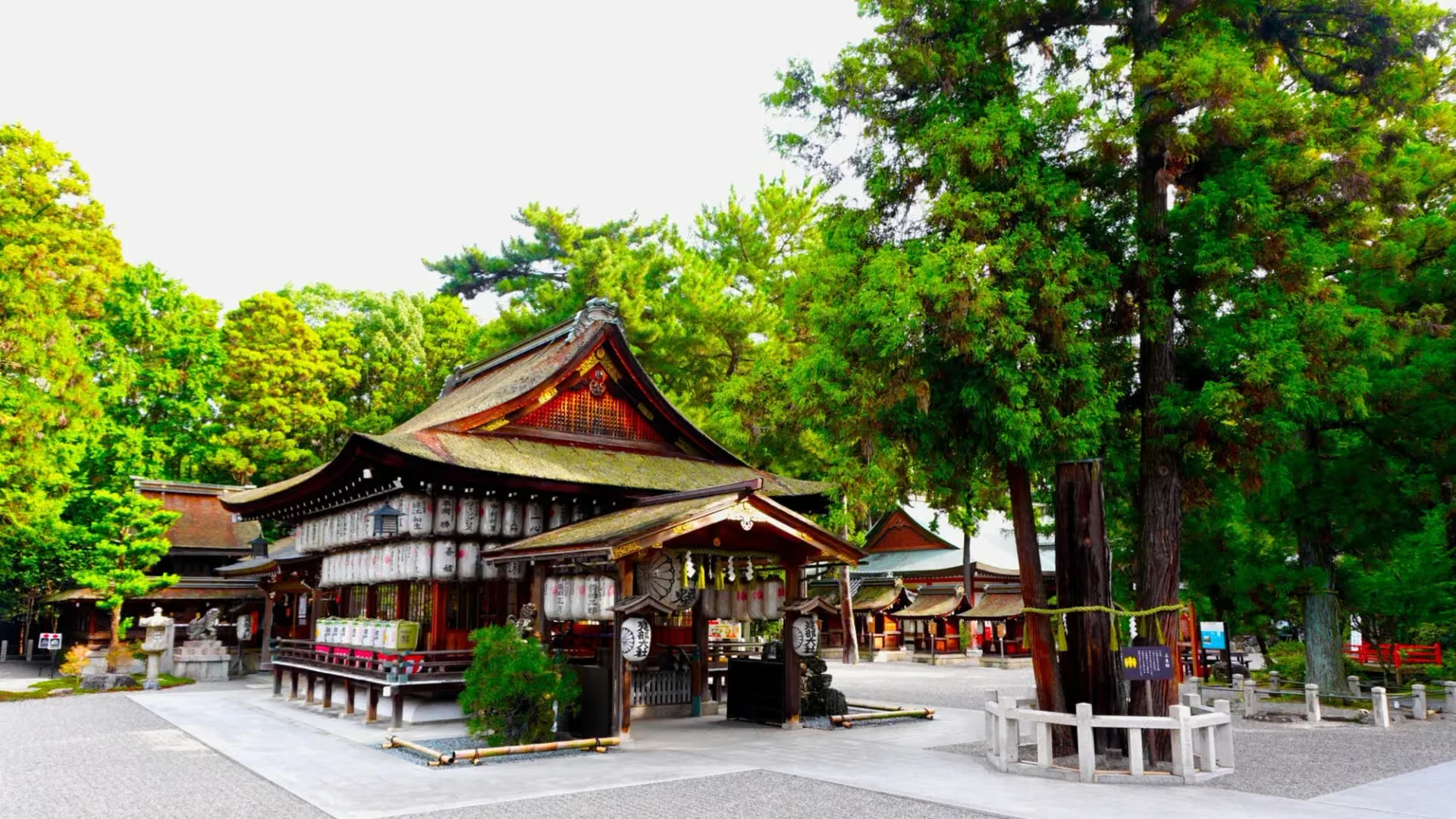
Hirosaki · AomoriTakebe Shrine in Otsu enshrines Yamato Takeru and Onamuchi and served as the principal shrine of the ancient Omi Province.
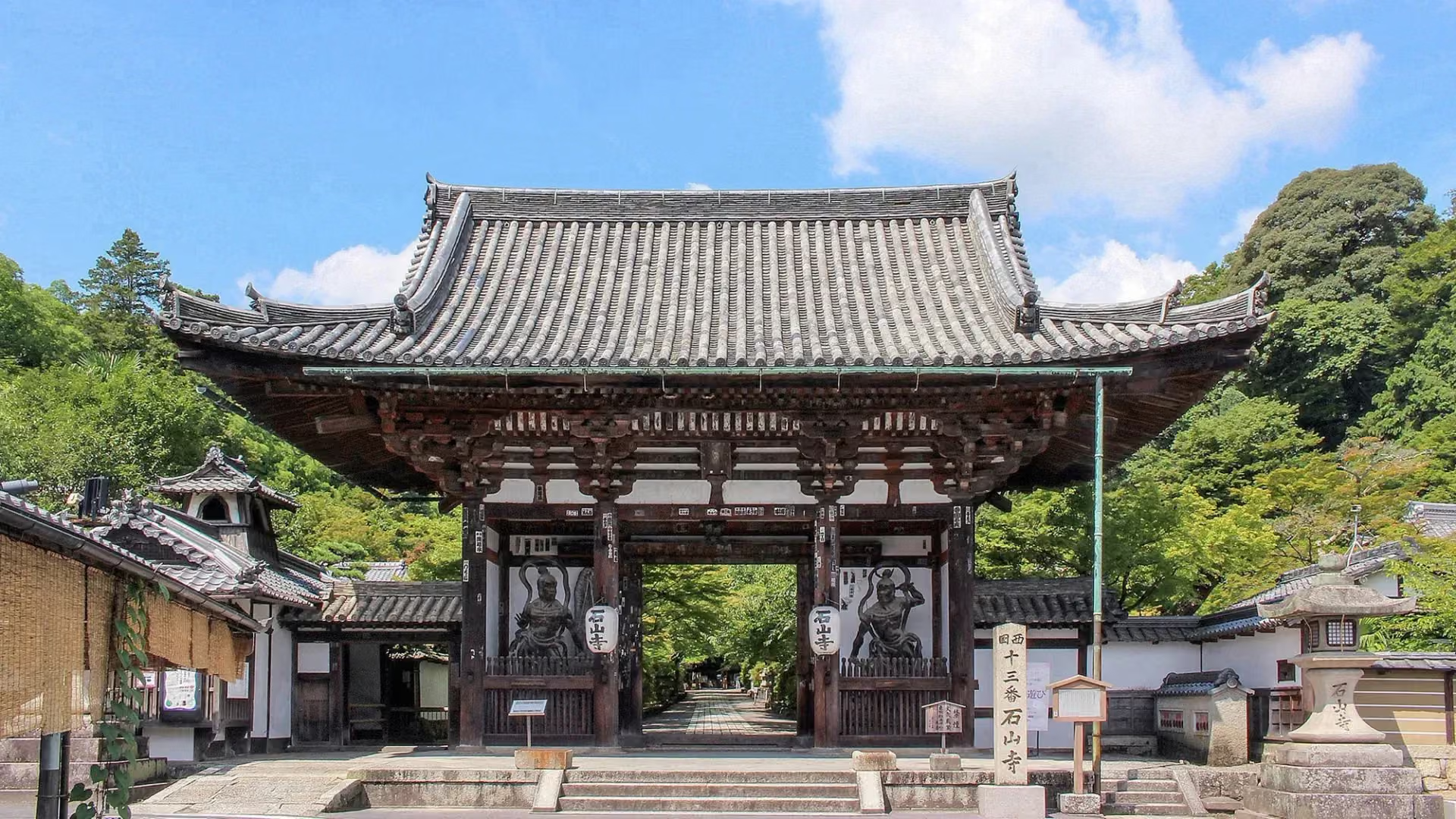
Otsu · ShigaA Shingon Buddhist temple in Otsu, traditionally founded in 747, where Murasaki Shikibu is said to have begun The Tale of Genji, with National Treasure halls.
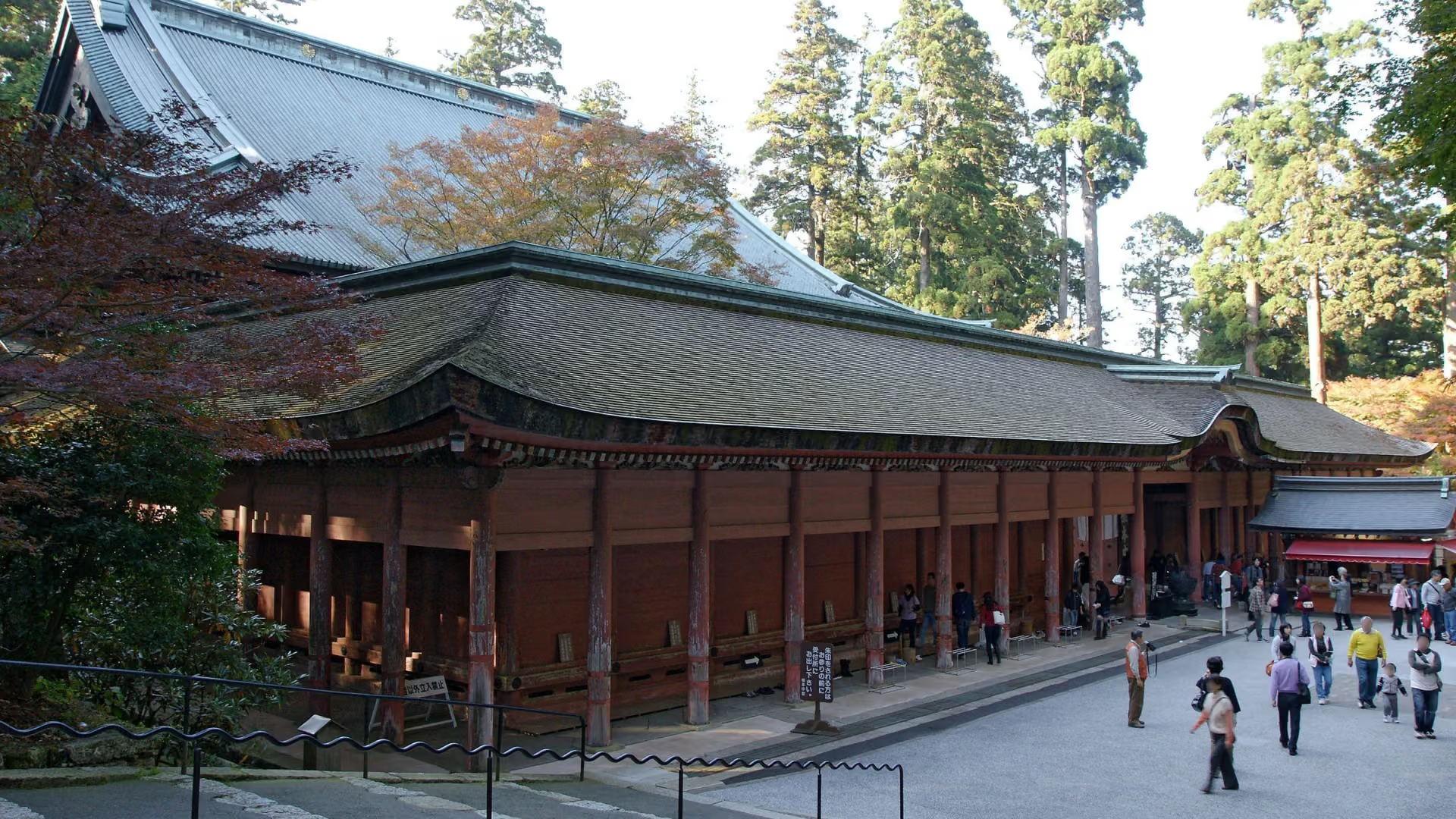
Otsu · ShigaFounded in 788 by Saicho, the head temple of Tendai Buddhism on Mount Hiei, where monks still walk the kaihogyo circuit; part of a UNESCO World Heritage site.
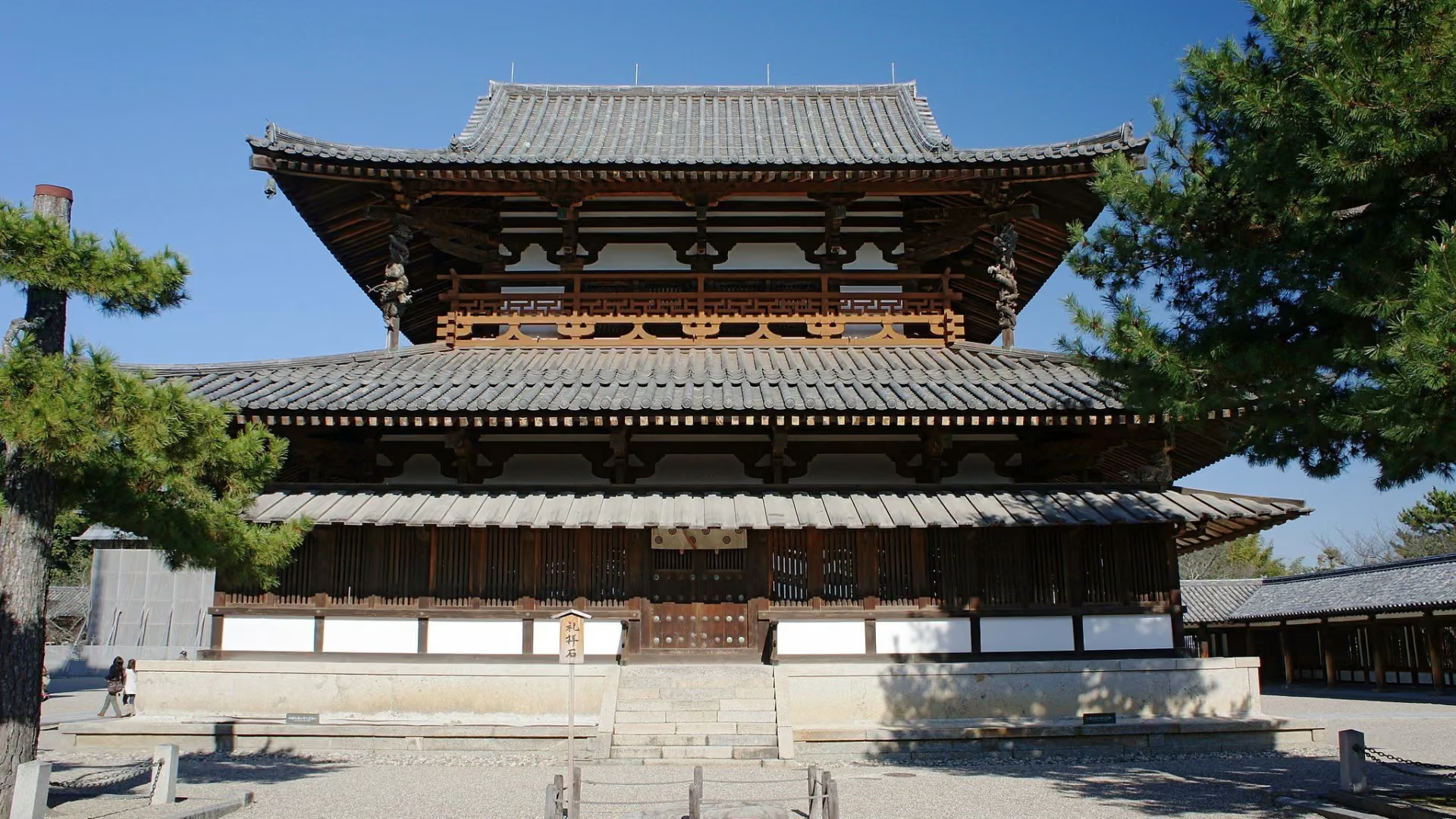
Otsu · ShigaA temple in Ikaruga founded by Prince Shotoku around 607, its Western Precinct known as the oldest surviving group of wooden buildings in the world.
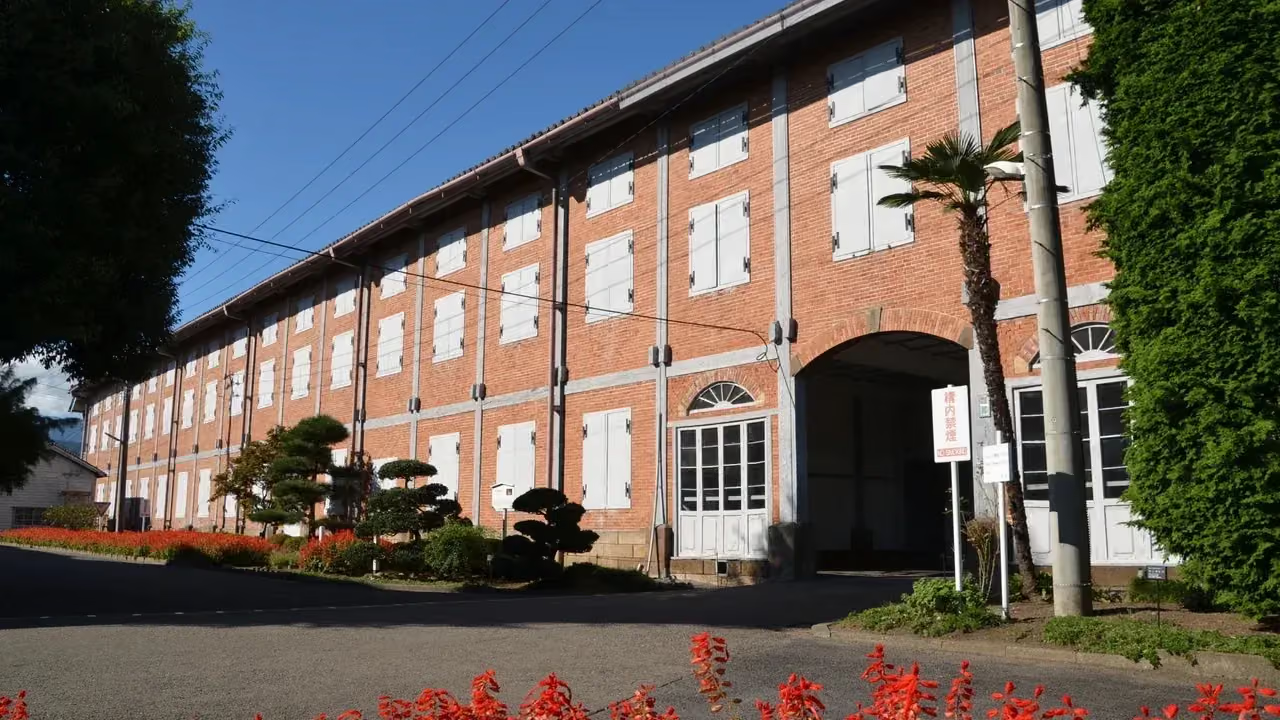
Ikaruga · NaraA model silk mill opened by the Meiji government in 1872, its brick buildings almost all intact, with three buildings designated National Treasures.
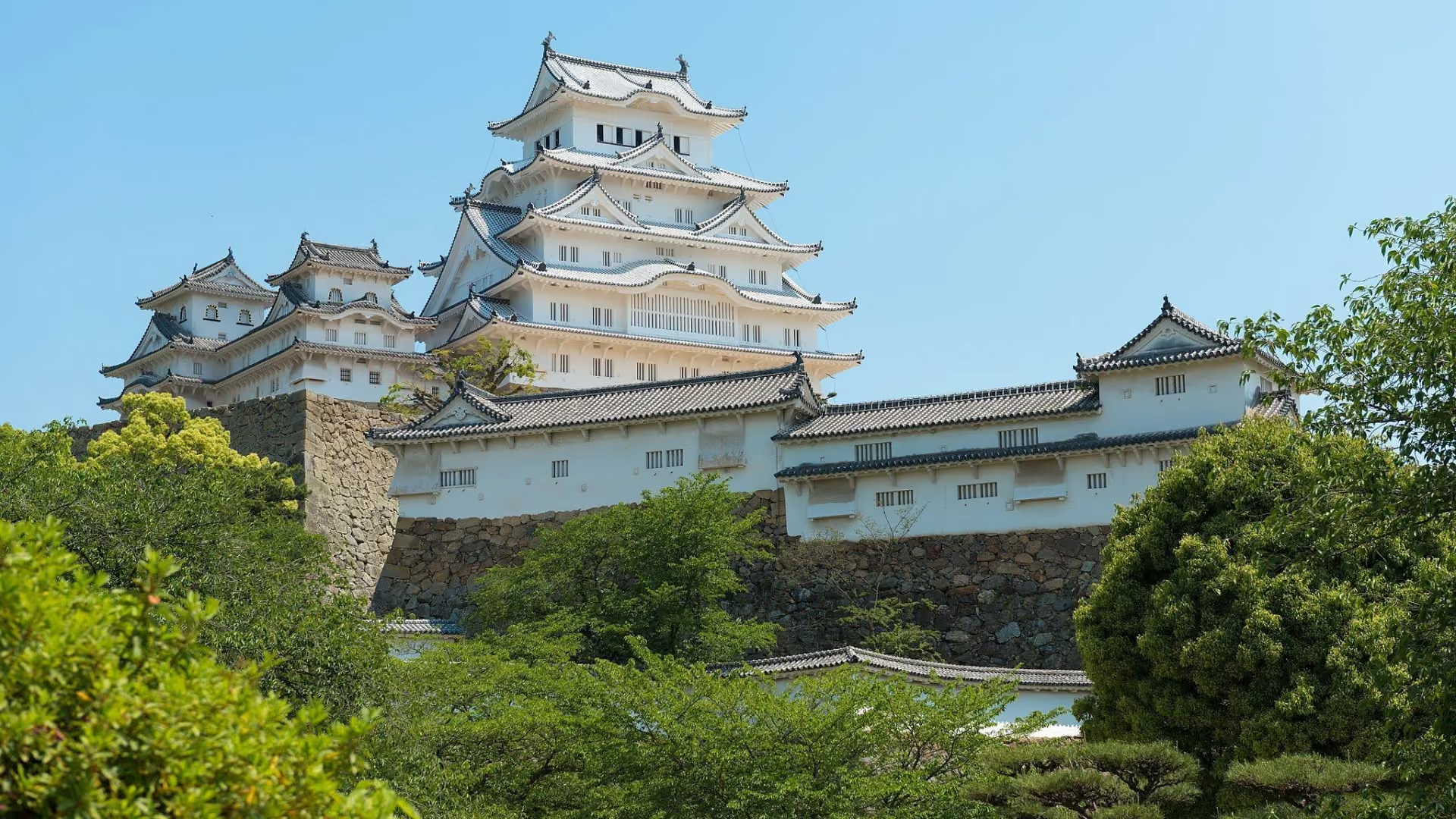
Tomioka · GunmaEarly Edo-period hilltop castle whose white main keep was completed in 1609, a National Treasure and one of Japan's first UNESCO World Heritage Sites.
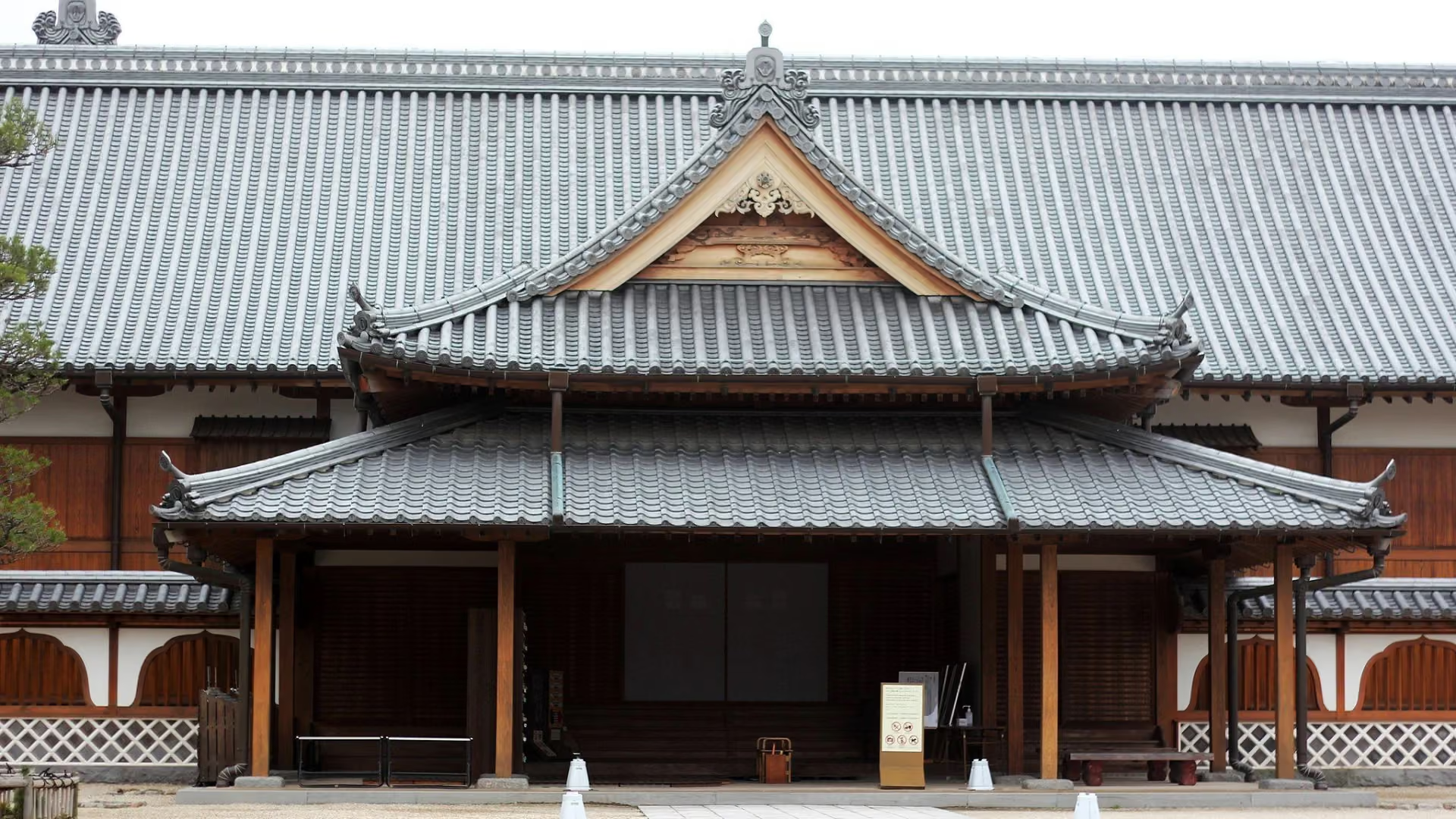
Himeji · HyogoOpened in 1935, the museum holds over 10,000 works of the Owari Tokugawa family, including nine National Treasures and the Tale of Genji Illustrated Scrolls.
Nagoya · AichiSeat of the Nabeshima lords of the Saga Domain, whose honmaru palace of 1838 was rebuilt in wood on its original site and opened as a history museum in 2004.
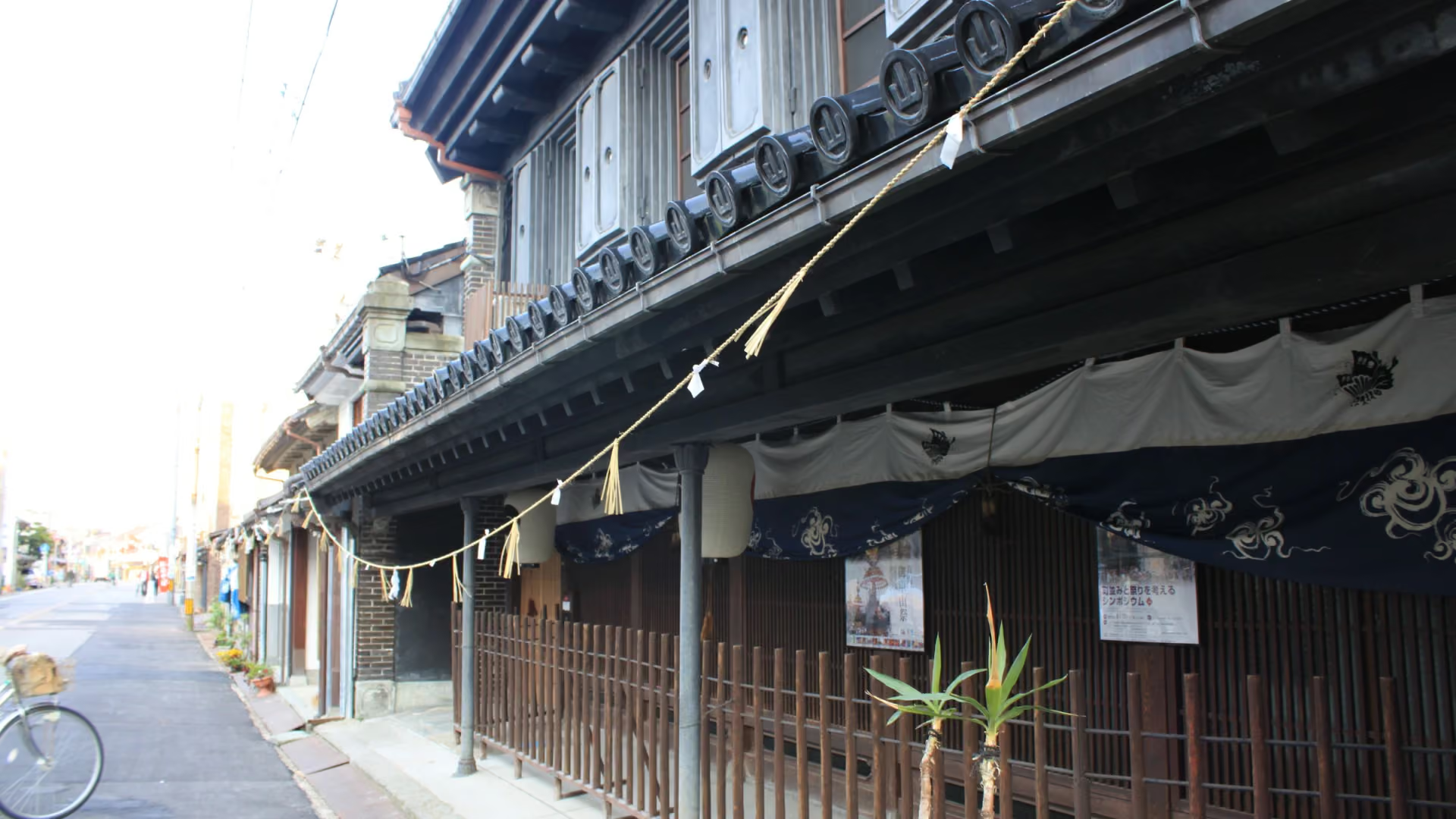
SagaA merchant street of fireproof dozo-zukuri shophouses rebuilt after the fire of 1900, selected as an Important Preservation District in 2000.
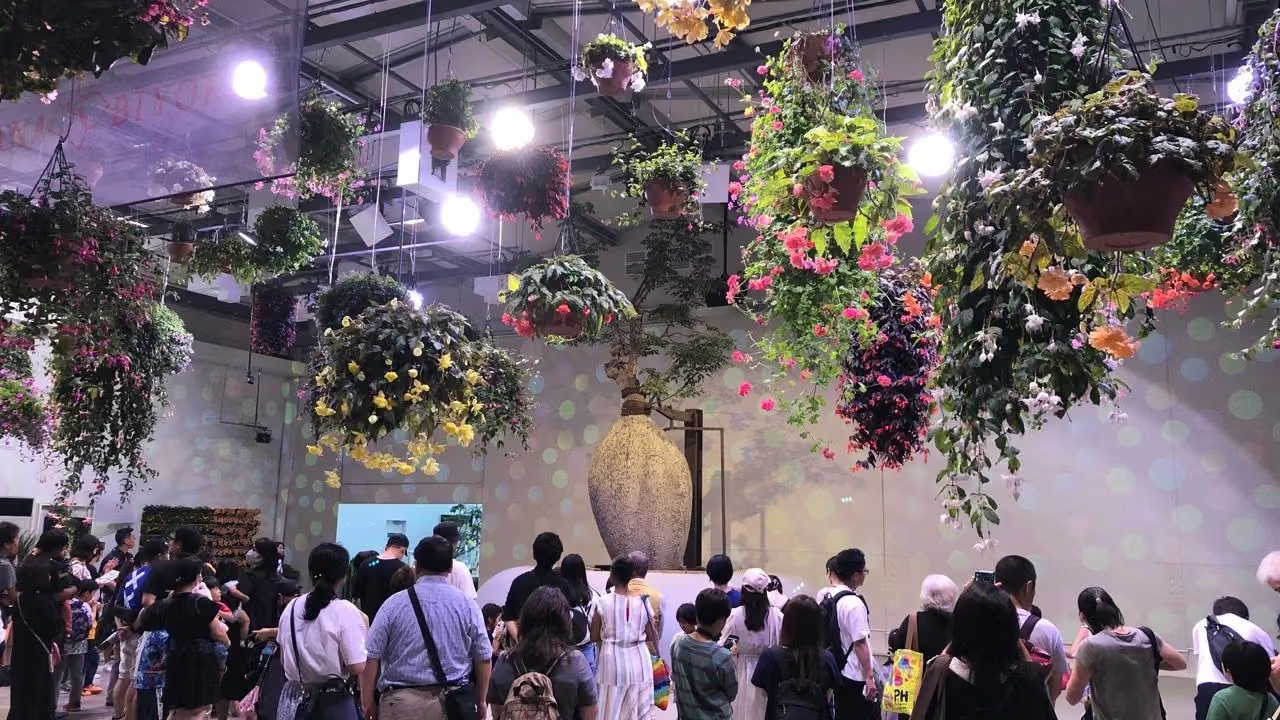
Takaoka · ToyamaA flower park next to Yomiuriland with hanging flower displays, a Piet Oudolf garden and a Japanese garden with two Important Cultural Properties.
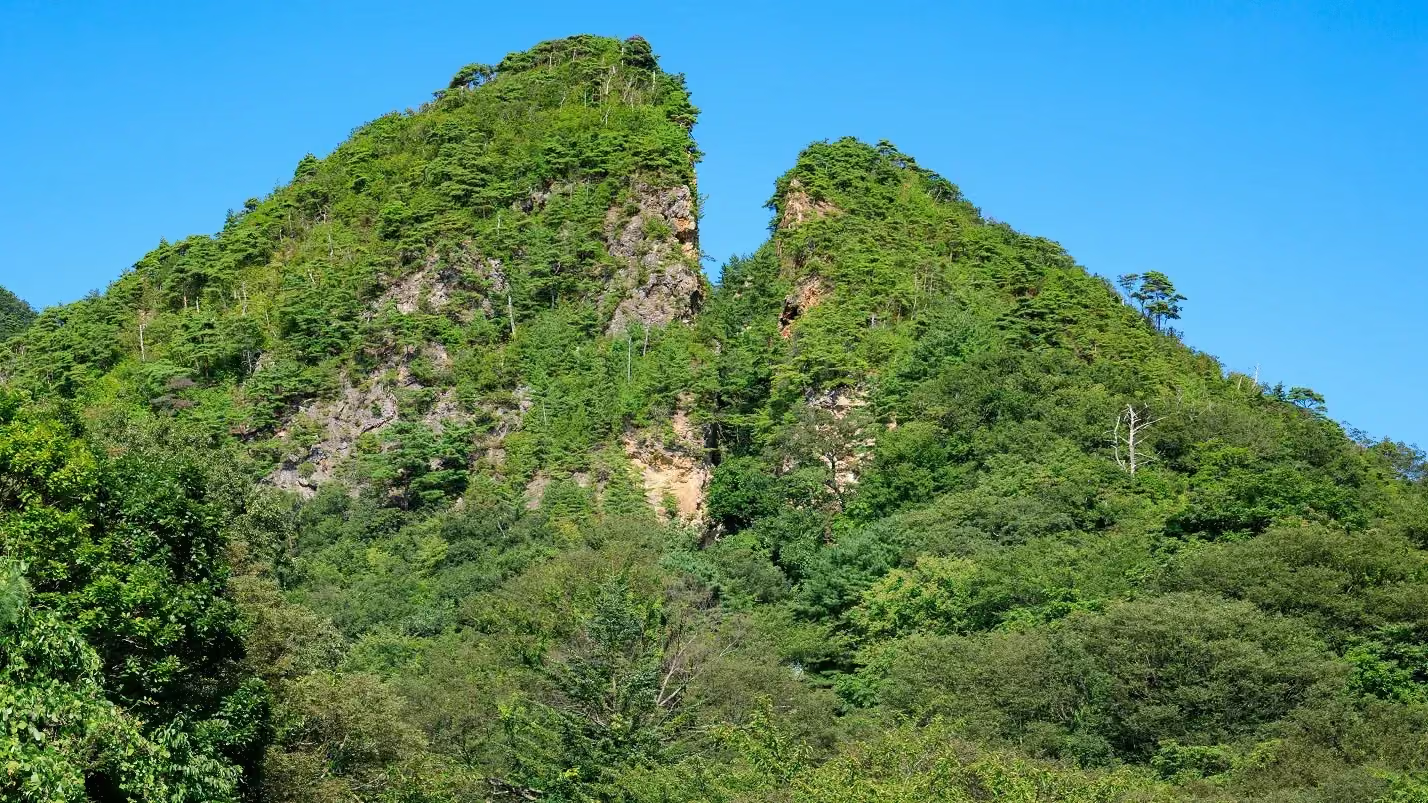
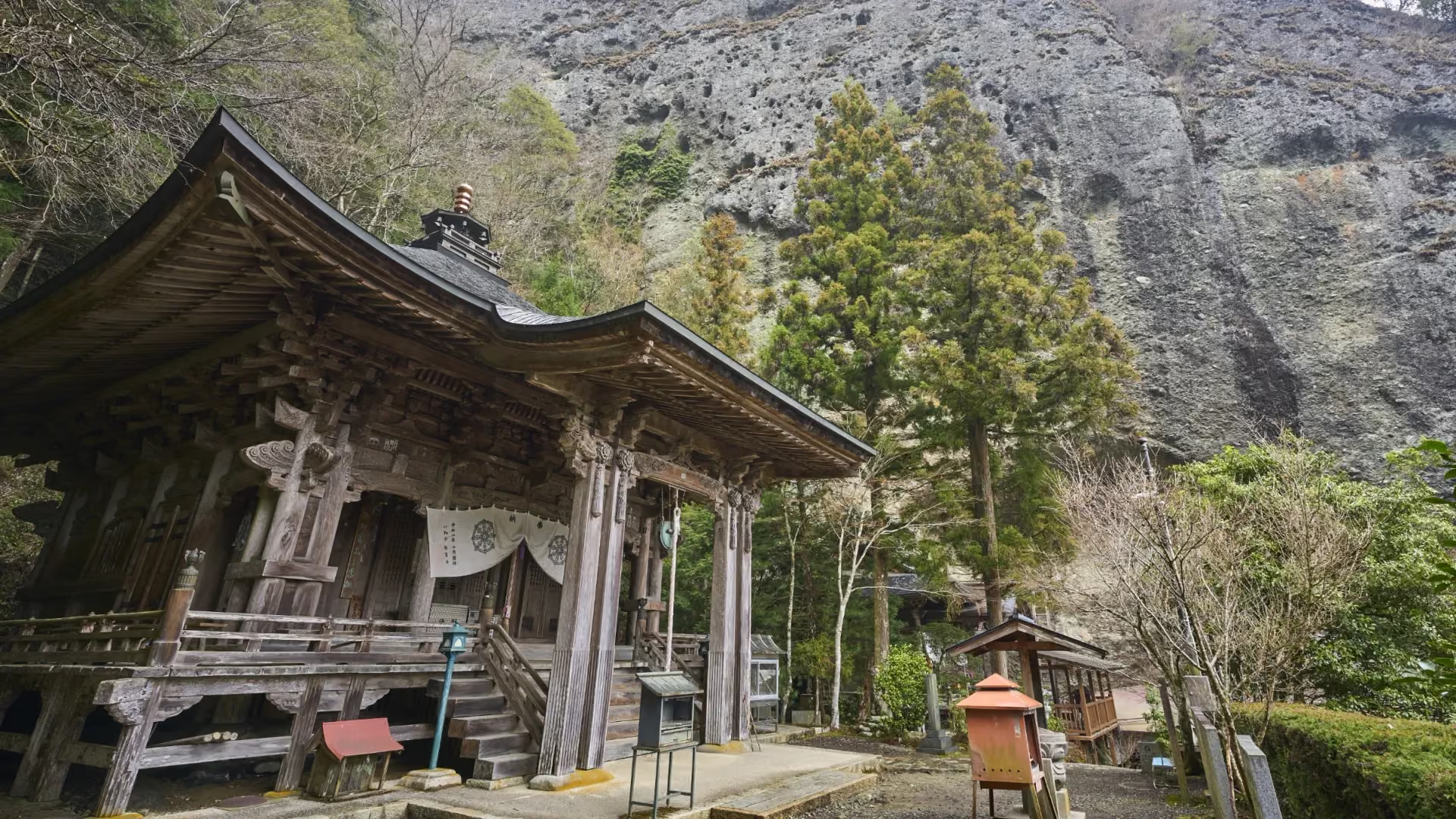
Inagi · TokyoThe forty-fifth temple of the Shikoku pilgrimage, built against cliffs in the mountains of Ehime, where the mountain itself is the object of worship.
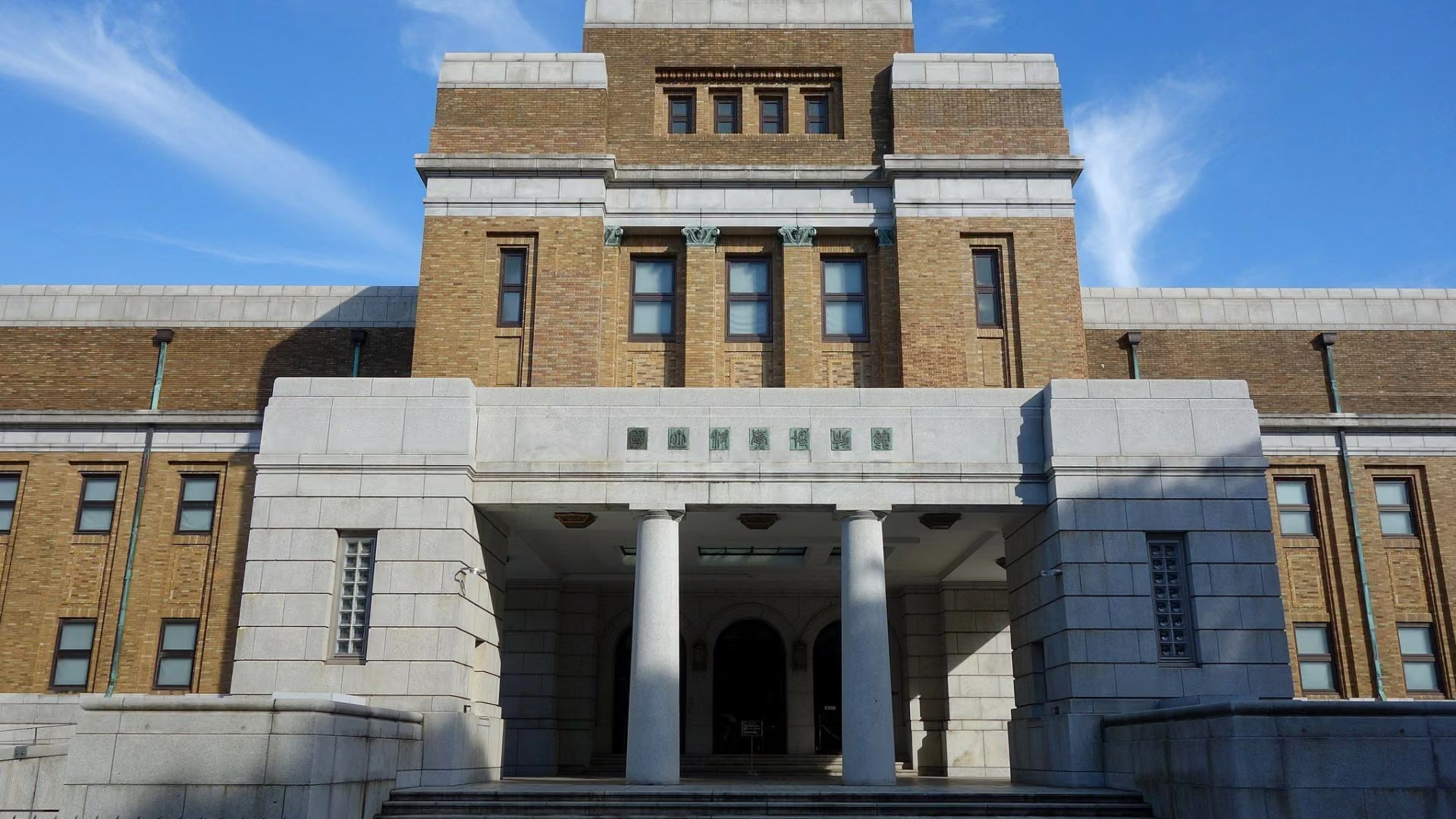
Kumakogen · EhimeA national museum of natural history and science in Ueno Park, with a 1931 gallery building that is an Important Cultural Property and a floor of dinosaurs.
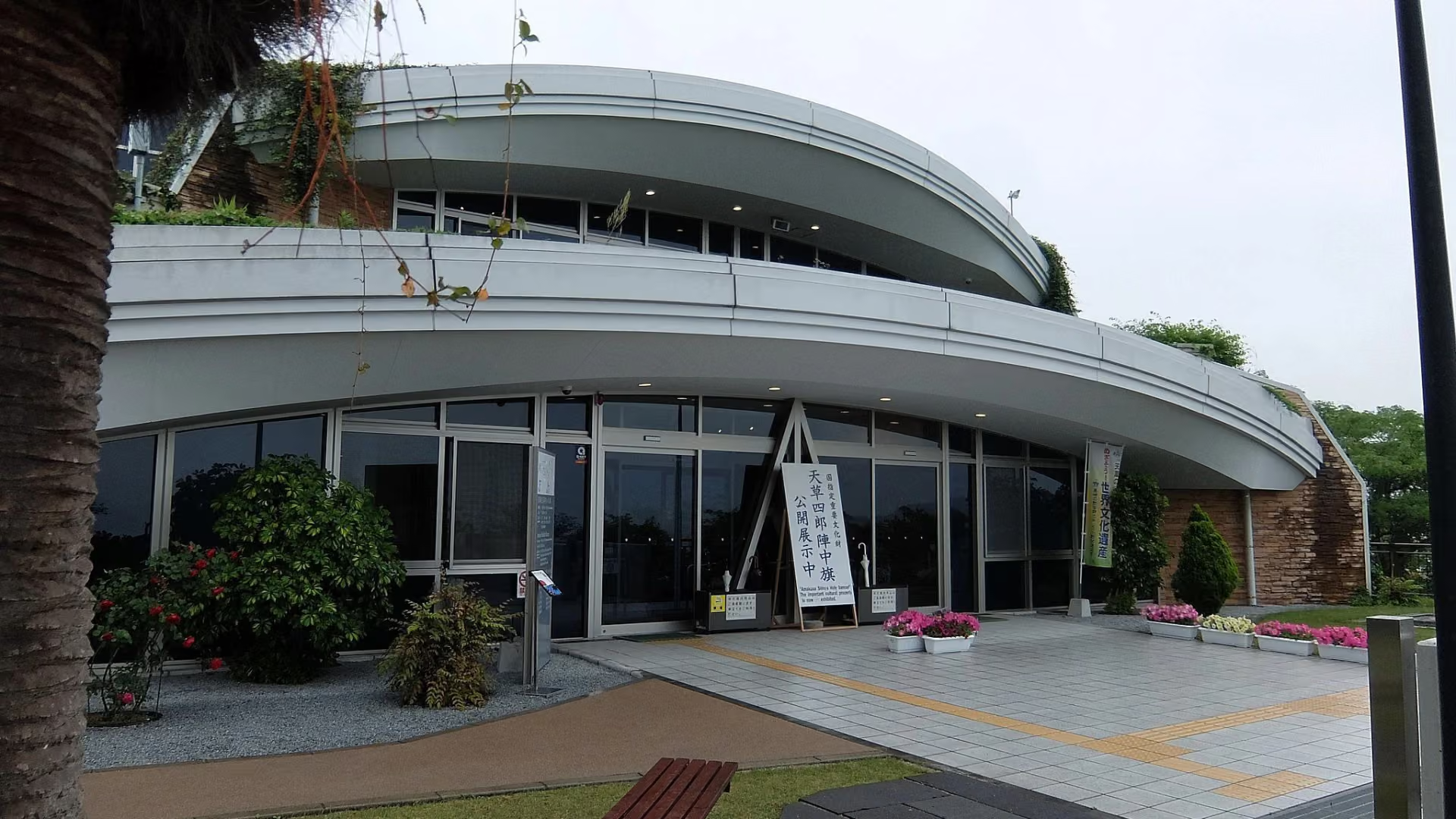
TokyoRun by Amakusa City since 1966, the museum tells the story of Christianity in Amakusa and the Shimabara-Amakusa Uprising led by Amakusa Shiro, aged sixteen.
Amakusa · Kumamoto